
What Is ACP Panel: 2025 Guide & Expert Insights
Tired of high maintenance costs and dull exteriors that fade within years? Discover the game-changer in modern architecture: ACP panels. Aluminum Composite Panels (ACP) combine sleek aesthetics with unmatched durability, making them the top choice for stunning facades, signage, and interior designs. Lightweight yet strong, these panels resist weather, corrosion, and UV damage—perfect for both residential and commercial spaces. With a wide range of colors, finishes, and textures, ACP panels offer design flexibility without compromising on performance. Whether you’re renovating or building from scratch, they deliver long-term value and low upkeep. Find out how ACP panels are transforming buildings into eye-catching, energy-efficient masterpieces—efficient, elegant, and engineered for the future.
What Is an ACP Panel?
An ACP panel, or Aluminum Composite Panel, is a type of flat panel consisting of two thin aluminum sheets bonded to a non-aluminum core, typically made of polyethylene (PE), fire-retardant (FR) mineral-filled material, or aluminum honeycomb. This sandwich construction creates a lightweight, durable, and versatile cladding material widely used in modern architecture for building façades, interior decoration, signage, and commercial structures. ACP panels are prized for their aesthetic flexibility, weather resistance, ease of installation, and cost-efficiency, making them a go-to choice for architects and builders worldwide.
H2: Understanding the Structure and Composition of ACP Panels
H3: Core Construction
The defining feature of an ACP panel is its three-layer composite structure:
- Two outer layers: Thin aluminum sheets (typically 0.2 mm to 0.5 mm thick), pre-coated with protective finishes such as PVDF (polyvinylidene fluoride) or polyester paint.
- One inner core: A central layer that determines the panel’s performance characteristics. Common core types include:
- Polyethylene (PE) – Lightweight and cost-effective; suitable for indoor or low-risk applications.
- Fire Retardant (FR) – Contains mineral-filled materials that reduce flammability; ideal for high-rise buildings and public infrastructure.
- Aluminum Honeycomb – Offers superior strength, rigidity, and fire resistance; used in premium architectural and structural applications.
The layers are bonded under high pressure and temperature using advanced lamination technology, resulting in a rigid yet lightweight panel.
H3: Surface Coatings and Finishes
To enhance durability and appearance, ACP panels are coated with high-performance paints:
- PVDF (Polyvinylidene Fluoride): Offers excellent resistance to UV rays, corrosion, and weathering. Retains color and gloss for over 20 years.
- Polyester (PE): More affordable but less durable than PVDF; suitable for short-term or interior projects.
- FEVE (Fluoropolymer): Premium coating with enhanced color stability and weather resistance.
Panels are available in a vast array of colors, textures, and finishes, including:
– Solid colors
– Metallic and mirror finishes
– Wood grain
– Marble and stone effects
– Brushed aluminum
This design versatility allows architects to achieve both modern and traditional aesthetics.
H2: Key Characteristics of ACP Panels
H3: Lightweight and Strong
Despite being significantly lighter than solid aluminum or steel, ACP panels exhibit high tensile strength, impact resistance, and rigidity. Their lightweight nature reduces structural load on buildings and lowers transportation and installation costs.
Weight Comparison:
– ACP panel (4mm): ~5.5 kg/m²
– Steel sheet (1mm): ~7.8 kg/m²
– Solid aluminum (4mm): ~10.8 kg/m²
This makes ACP ideal for high-rise buildings where load-bearing capacity is critical.
H3: Weather and Environmental Resistance
ACP panels are engineered to withstand extreme weather conditions:
- Resistant to UV radiation, preventing fading and chalking.
- Withstand heavy rain, snow, and temperature fluctuations from -50°C to +80°C.
- Non-corrosive due to protective coatings and aluminum’s natural oxide layer.
These properties make ACP panels especially suitable for climates with seasonal extremes, such as those found in Canada, Europe, and parts of Asia.
H3: Thermal and Acoustic Insulation
The composite core and air gap in cladding systems provide:
- Thermal insulation: Reduces heat transfer, improving building energy efficiency.
- Acoustic performance: Helps dampen external noise, beneficial in urban environments.
When used in ventilated façade systems, ACP panels contribute to passive cooling and heating, reducing HVAC loads and energy consumption.
H3: Fire Performance
Fire safety is a critical consideration in ACP selection:
| Core Type | Fire Rating | Suitable Applications |
|---|---|---|
| PE (Polyethylene) | Combustible (Class D–E) | Interior use, low-rise buildings |
| FR (Fire Retardant) | Flame-retardant (Class B–A2) | High-rise buildings, public spaces |
| Mineral/Honeycomb | Non-combustible (A1/A2) | Airports, hospitals, schools |
Note: After incidents like the Grenfell Tower fire, many countries now mandate non-combustible ACPs for buildings over 18 meters.
H2: Applications of ACP Panels
H3: Exterior Cladding and Façades
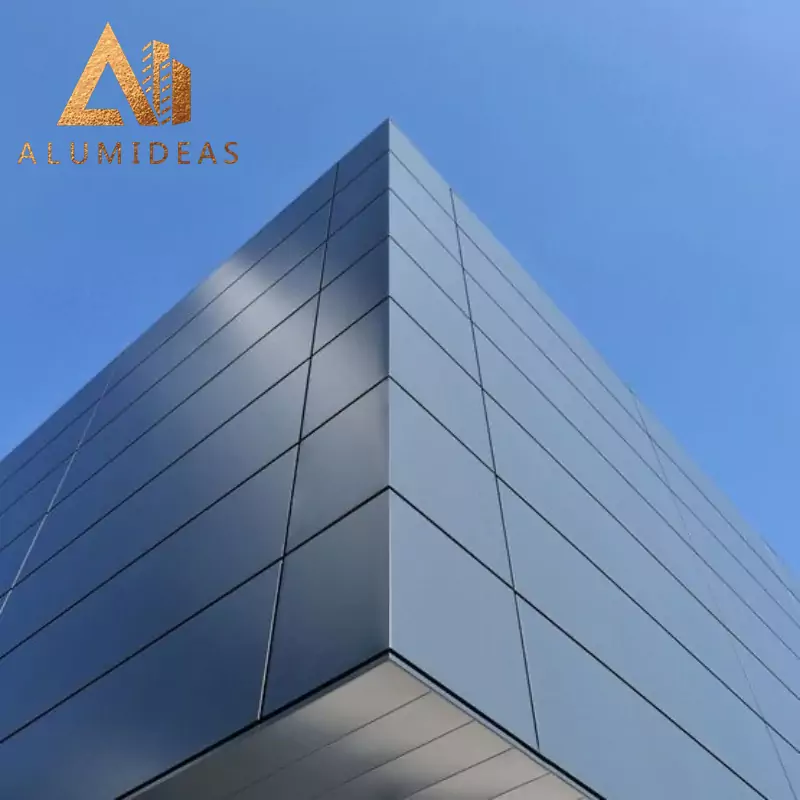
ACP panels are most commonly used in external wall cladding, especially in ventilated façade systems. Benefits include:
- Modern, sleek appearance
- Protection against weather elements
- Energy efficiency through thermal buffering
- Design flexibility for curved or angular façades
Used in skyscrapers, shopping malls, offices, and residential towers globally.
H3: Interior Design and Partitions
Inside buildings, ACP panels serve both functional and decorative roles:
- Feature walls and room dividers
- Ceiling panels
- Elevator cladding
- False columns and soffits
Their smooth finish and wide color range make them ideal for commercial interiors, retail stores, and lobbies.
H3: Signage and Advertising
Due to their lightweight, flat surface, and print compatibility, ACP panels are widely used for:
- Outdoor billboards
- Shopfront signage
- Corporate branding panels
- Exhibition displays
They can be easily cut, bent, and printed on using digital or screen printing techniques.
H3: Public and Industrial Infrastructure
Municipal and industrial projects use ACP for:
- Bus shelters and transit stations
- Airport terminals
- School and hospital exteriors
- Factory cladding and warehouse facades
Their low maintenance and long lifespan make them cost-effective for large-scale public works.
H2: Advantages of Using ACP Panels
| Benefit | Description |
|---|---|
| Aesthetic Versatility | Available in hundreds of colors, textures, and finishes to match any architectural style. |
| Ease of Installation | Lightweight panels reduce labor time and equipment needs; compatible with standard framing systems. |
| Durability | Resists fading, corrosion, and physical damage for over 20 years with minimal upkeep. |
| Cost-Effectiveness | Lower material and installation costs compared to stainless steel, solid aluminum, or natural stone. |
| Sustainability | Contains recyclable aluminum; 100% recyclable at end-of-life; reduces energy use in buildings. |
H2: Actionable Tips for Selecting and Installing ACP Panels
H3: Choosing the Right ACP Panel
Consider the following factors:
- Building Height: Use FR or mineral core panels for high-rises (over 18m).
- Location: Coastal areas require PVDF-coated panels for salt resistance.
- Fire Safety Regulations: Always verify local building codes.
- Design Needs: Select finishes that complement the building’s architectural theme.
Pro Tip: Request test certificates for fire rating, peel strength, and coating thickness from suppliers.
H3: Installation Best Practices
- Use compatible sealants and gaskets to prevent water ingress.
- Ensure proper air gap (20–50mm) in ventilated façades for thermal performance.
- Follow manufacturer guidelines for fastening and joint spacing.
- Avoid direct contact with concrete or masonry to prevent galvanic corrosion.
- Employ trained installers familiar with ACP handling and cutting techniques.
Warning: Never use steel tools to cut ACP—aluminum can react and corrode. Use carbide-tipped blades.
H2: Pricing and Market Estimates
ACP panel pricing varies based on thickness, core type, coating, and brand. Below are average market rates (as of 2024–2025):
| Panel Type | Thickness | Core | Coating | Price Range (per sq. ft) | Price Range (per sq. m) |
|---|---|---|---|---|---|
| Standard PE | 3mm | Polyethylene | Polyester | $3.50 – $5.00 | $38 – $54 |
| Premium PE | 4mm | Polyethylene | PVDF | $6.00 – $8.00 | $65 – $86 |
| FR Core | 4mm | Fire Retardant | PVDF | $8.50 – $11.00 | $92 – $118 |
| Honeycomb | 6mm | Aluminum | PVDF | $12.00 – $18.00 | $130 – $195 |
Note: Prices may vary by region, supplier, and order volume. Bulk orders often receive 10–15% discounts.
Additional costs include:
– Framing system: $2–$4 per sq. ft
– Labor installation: $5–$10 per sq. ft
– Transport and handling: Varies by distance
H2: Sustainability and Environmental Impact
ACP panels support green building initiatives through:
- Recyclability: Aluminum is infinitely recyclable with 95% less energy than primary production.
- Energy Efficiency: Contributes to LEED, BREEAM, and other sustainability certifications when used in insulated façades.
- Long Service Life: Reduces replacement frequency and waste.
- Use of Recycled Content: Many manufacturers use 30–50% recycled aluminum in production.
However, PE-core panels raise environmental concerns due to flammability and non-recyclability of the core. Opt for FR or mineral-core panels for sustainable, code-compliant projects.
H2: Conclusion
Aluminum Composite Panels (ACP) are a revolutionary building material that combines lightweight construction, architectural flexibility, durability, and cost-efficiency. From towering city skyscrapers to boutique retail spaces, ACP panels offer unmatched versatility for both interior and exterior applications. Their ability to withstand harsh climates, resist corrosion, and deliver stunning visual impact makes them a top choice in modern construction.
When selecting ACP panels, prioritize fire safety, coating quality, and core type based on the project’s location and function. With proper selection and installation, ACP panels can provide over two decades of reliable performance with minimal maintenance—making them a smart, sustainable investment for any architectural project.
H2: Frequently Asked Questions (FAQs)
1. What does ACP stand for?
ACP stands for Aluminum Composite Panel, a sandwich panel made of two aluminum sheets bonded to a central core.
2. Are ACP panels fireproof?
Not all ACP panels are fireproof. PE-core panels are combustible, while FR and mineral-core panels are fire-resistant or non-combustible. Always check fire ratings before use.
3. How long do ACP panels last?
With proper installation and maintenance, ACP panels can last 20 to 30 years, especially PVDF-coated variants exposed to sunlight and weather.
4. Can ACP panels be used for interior walls?
Yes, ACP panels are widely used for interior walls, ceilings, partitions, and decorative features due to their clean finish and design options.
5. How do you clean and maintain ACP panels?
Clean with mild soap and water using a soft cloth or sponge. Avoid abrasive cleaners or high-pressure washers. Routine cleaning twice a year maintains appearance and longevity.
By understanding the composition, benefits, and applications of ACP panels, architects, builders, and developers can make informed decisions that balance aesthetics, safety, and sustainability in modern construction.