
Aluminum Cladding Panel Guide: 2025 Expert Tips & Trends
Tired of high maintenance exteriors that fade, corrode, or cost a fortune to upkeep? Aluminum cladding panels offer a sleek, durable solution that’s transforming modern architecture. Lightweight yet incredibly strong, these panels resist weather, fire, and impact—perfect for both commercial buildings and contemporary homes. With minimal maintenance and exceptional longevity, aluminum cladding not only enhances curb appeal but also improves energy efficiency. Available in countless colors, finishes, and styles, they deliver unmatched design flexibility. Whether you’re renovating or building new, aluminum cladding is the smart choice for a striking, sustainable façade. Discover how this innovative material is redefining durability and design in construction today.
How Aluminum Cladding Panels Work: A Complete Guide
Aluminum cladding panels are lightweight, durable exterior or interior wall systems made from aluminum or aluminum composite materials (ACM) that provide architectural aesthetics, weather resistance, fire safety, and low maintenance. These panels are installed over a building’s structural wall to enhance appearance, improve energy efficiency, and protect against environmental elements. Available in wood-look, metallic, solid color, and custom finishes, aluminum cladding is used in residential, commercial, and high-rise buildings for facades, soffits, ceilings, and accent walls.
Designed with interlocking or concealed fastener systems, aluminum cladding creates seamless, modern appearances while resisting warping, corrosion, pests, and UV fading. With fire ratings as high as Class A and warranties up to 50 years, these panels offer long-term performance and design flexibility for architects, builders, and property owners.
Types of Aluminum Cladding Panels
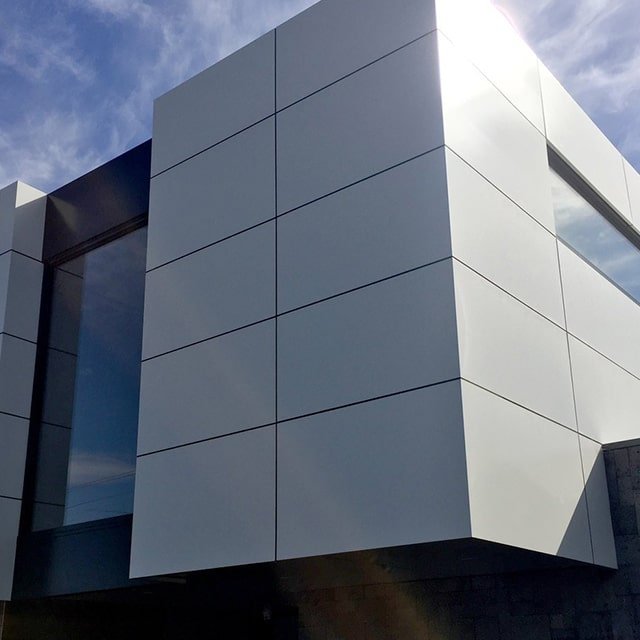
There are several types of aluminum cladding systems, each suited for different applications, performance needs, and design goals.
1. Solid Aluminum Panels
Made from single-skin aluminum sheets (typically 3mm to 6mm thick), these are strong, non-combustible, and ideal for high-impact or high-safety zones. They offer excellent formability for curved designs and are often used in commercial facades.
- Material: 100% recycled aluminum
- Finish: PVDF or polyester powder coating
- Weight: ~3 lbs/sq. ft.
- Best for: High-rise buildings, institutional projects, custom architectural shapes
2. Aluminum Composite Material (ACM) Panels
ACM panels consist of two thin aluminum sheets bonded to a polyethylene or fire-retardant core. Lightweight and cost-effective, they are widely used for rainscreen and ventilated facades.
- Core Options:
- PE (Polyethylene): Standard, cost-effective
- FR (Fire Retardant): Meets NFPA 285 and other fire codes
- A2 (Mineral Core): Non-combustible, for high-risk zones
- Thickness: 3mm to 6mm
- Weight: ~1.5–2 lbs/sq. ft.
- Best for: Commercial buildings, retail centers, office complexes
3. Insulated Aluminum Composite Panels (IACP)
These include a layer of insulation (typically polyisocyanurate or mineral wool) between aluminum skins, offering superior thermal performance and energy efficiency.
- Thickness: 1” (25mm) common
- Thermal R-Value: Up to R-8
- Applications: Cold climates, energy-efficient buildings
- Installation: No mechanical fasteners or sealants required in some systems
4. Wood-Look Aluminum Cladding
Engineered to mimic natural wood grain using sublimated foils or powder-coated finishes, these panels provide the warmth of wood without maintenance.
- Profiles: V-groove, tongue-and-groove, board-and-batten
- Colors: Walnut, oak, gray wood, cedar
- Benefits: No rotting, cracking, or termite damage
- Used in: Residential siding, soffits, accent walls
Key Benefits of Aluminum Cladding
Durability & Longevity
Aluminum cladding resists corrosion, UV degradation, and extreme weather conditions. Unlike wood, it won’t warp, crack, or rot. Most systems come with 20–50 year warranties.
- Fade resistance: PVDF coatings last decades without color change
- Impact resistance: Withstands hail, wind, and debris
- Lifespan: 30–50+ years with no maintenance
Fire Safety
Aluminum is non-combustible, and many ACM panels meet Class A fire ratings (ASTM E84) or pass rigorous NFPA 285 tests for multi-story buildings.
- FR and A2 core panels are required in high-risk or high-rise zones
- Ideal for buildings over 40 feet tall
- Approved in wildfire-prone areas
Low Maintenance
Unlike wood or vinyl, aluminum cladding requires zero staining, sealing, or painting. Occasional rinsing with water is sufficient.
- No repainting or resealing
- Resists graffiti and scratches
- Mold, mildew, and pest resistant
Design Flexibility
Available in endless colors, textures, profiles, and formats, aluminum cladding supports modern, traditional, and custom designs.
- Custom colors and patterns (including logos)
- Perforated and 3D panels for artistic effects
- Horizontal, vertical, or diagonal installation
- Mix and match profiles (e.g., 4”, 6”, 8” widths)
Sustainability
Aluminum is 100% recyclable, and many panels contain 30–80% recycled content. Lightweight design reduces transportation emissions.
- LEED points eligible
- Energy-efficient with insulated options
- Reduces reliance on harvested wood
Installation Methods and Systems
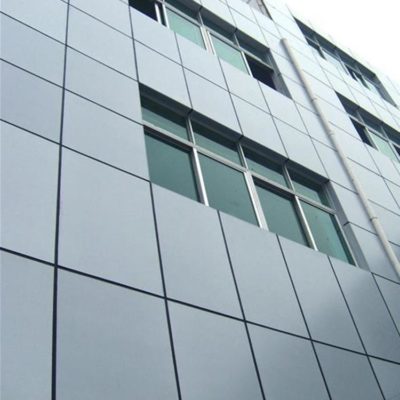
1. Rainscreen Cladding System
The most advanced method, this uses a pressure-equalized, ventilated cavity behind the panels to manage moisture, air, and thermal flow.
- Components:
- Substrate (sheathing or insulation)
- Furring or z-girts
- Drainage and ventilation space
- Panel with concealed fasteners
- Benefits:
- Prevents water infiltration
- Improves energy efficiency
- Reduces thermal bridging
2. Concealed Fastener System
Panels interlock or clip onto a rail or carrier system, hiding screws for a clean, seamless look.
- Tools required: Drill, non-ferrous carbide blade
- Expansion gaps: Required (typically 1/8”–1/4”)
- Compatible with: Tongue-and-groove, snap-lock, clip-in systems
3. Exposed Fastener System
Screws are visible on the panel surface. Less expensive but less aesthetically refined.
- Best for: Budget projects, soffits, utility buildings
- Risk: Potential for water ingress if not sealed
4. DIY-Friendly Systems
Some brands (e.g., WoodPlank, SlideLux) offer starter channels, J-molds, and trim kits for easy self-installation.
- Steps:
- Install starter strip
- Slide panel into place
- Secure with shoulder screws
- Cut to length with metal blade
- Ideal for: Homeowners, small renovations
Performance and Technical Specifications
| Feature | Specification |
|---|---|
| Material | 15-gauge aluminum (0.050” thick), T5 marine-grade alloy |
| Finish | PVDF, polyester, or sublimated wood grain |
| Fire Rating | Class A (ASTM E84), NFPA 285 compliant (FR core) |
| Weight | 1.5–3.0 lbs/sq. ft. |
| Wind Load | Withstands 110+ mph winds (hurricane-tested) |
| Thermal Expansion | Minimal; accommodated with expansion gaps |
| Warranty | 20–50 years (finish, corrosion, structural) |
| Sustainability | Recyclable, low-VOC finishes, energy-efficient |
Actionable Tips for Choosing and Installing Aluminum Cladding
✅ Do This:
- Order samples to evaluate color, texture, and finish under natural light.
- Verify fire code compliance for your project location and building height.
- Use compatible trim and accessories (J-channels, corner molds, starter strips).
- Leave expansion gaps (per manufacturer specs) to prevent buckling.
- Install from bottom to top with proper drainage and ventilation.
- Hire certified installers for large or high-rise projects.
❌ Avoid This:
- Cutting panels with ferrous blades – causes corrosion and burrs.
- Over-tightening screws – restricts thermal movement.
- Installing in extreme temperatures – affects expansion/contraction.
- Using incompatible sealants – can degrade finishes.
- Skipping substrate prep – leads to poor adhesion or water retention.
Pricing and Cost Estimates
Aluminum cladding costs vary by type, thickness, finish, and region. Below are average market prices (as of 2024):
| Panel Type | Price per Square Foot (Material Only) | Notes |
|---|---|---|
| Wood-Look Aluminum (e.g., WoodPlank) | $20–$28 | Includes 12 SF bundle, trim sold separately |
| ACM Panels (FR Core) | $12–$20 | Bulk orders reduce cost |
| Solid Aluminum Panels | $25–$40 | Custom fabrication adds cost |
| Insulated IACP Panels | $30–$50 | Includes thermal core and finishes |
| Installation Labor | $8–$15 | Varies by region and complexity |
Total Installed Cost: $30–$60 per sq. ft. for premium systems.
- Bulk discounts available for projects over 5,000 sq. ft.
- Free samples and dealer pricing often available for architects and contractors.
Conclusion
Aluminum cladding panels offer a high-performance, sustainable, and visually striking solution for modern building exteriors and interiors. Whether you’re seeking the warmth of wood grain or the sleekness of metal, these systems deliver longevity, fire safety, and minimal maintenance. With advanced installation methods like rainscreen and concealed fastening, aluminum cladding is suitable for everything from residential homes to high-rise commercial towers. By choosing the right type, finish, and system, you can achieve both aesthetic excellence and structural resilience for decades.
Frequently Asked Questions (FAQ)
1. Are aluminum cladding panels fireproof?
Yes, solid aluminum and A2 mineral-core ACM panels are non-combustible and meet Class A fire ratings. FR-core panels pass NFPA 285 for high-rise buildings. Always verify fire compliance based on local codes and building height.
2. Can aluminum cladding be installed on existing walls?
Yes. Aluminum panels can be installed over plywood, OSB, concrete, or metal substrates using furring strips or a carrier system. Ensure the substrate is flat, dry, and structurally sound.
3. Do aluminum panels fade in the sun?
High-quality panels with PVDF or fluoropolymer coatings resist fading for 20–30 years. Wood-look finishes use UV-resistant acrylic caps or sublimated foils to prevent color degradation.
4. How do you cut and install aluminum cladding?
Use a 12″ non-ferrous carbide blade on a circular saw or chop saw. Wear safety gear. Panels slide into starter channels or clip onto rails. Secure with shoulder screws (not flat-head) to allow expansion.
5. Is aluminum cladding eco-friendly?
Yes. Aluminum is 100% recyclable, and many panels contain recycled content. The material’s long lifespan and low maintenance reduce environmental impact. Insulated panels also improve energy efficiency, contributing to green building certifications like LEED.