
Aluminium Panel Guide 2025: Expert Tips & Top Uses
Tired of heavy, rust-prone building materials that drive up costs and limit design freedom? Aluminium panels offer a sleek, modern solution trusted in architecture, transportation, and interior design. Lightweight yet incredibly strong, these panels resist corrosion, require minimal maintenance, and deliver outstanding durability in extreme conditions. Whether you’re renovating a high-rise façade or designing a cutting-edge interior space, aluminium panels combine aesthetic versatility with long-term performance. Discover how this innovative material is transforming industries by blending efficiency, sustainability, and style—all in one powerful product. Learn what makes aluminium panels the smart choice for forward-thinking projects today.
How Aluminium Panels Are Made and Used: A Comprehensive Guide
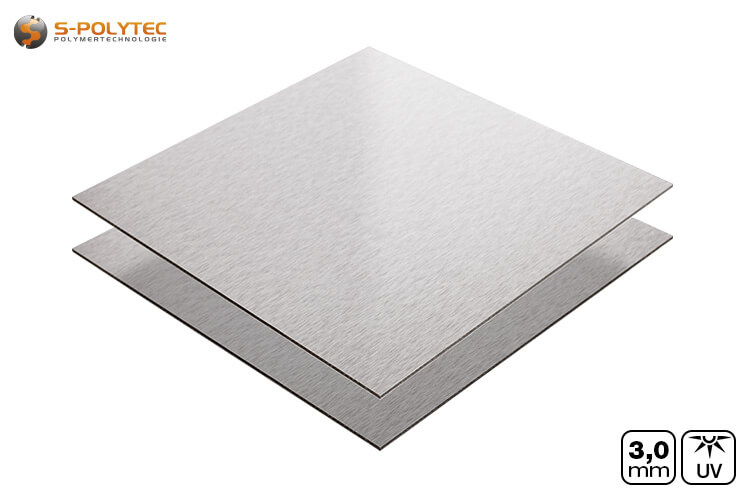
Aluminium panels, particularly aluminum composite panels (ACM) and aluminum honeycomb panels, are engineered building materials designed to offer a superior balance of lightweight construction, durability, design flexibility, and performance. These panels are widely used in architectural cladding, signage, interior design, and industrial applications. They consist of multiple layers—typically two thin aluminum sheets bonded to a core material such as polyethylene, fire-retardant mineral, or aluminum honeycomb—creating a high-strength, low-weight composite ideal for modern construction and design.
Types of Aluminium Panels
There are several types of aluminium panels, each engineered for specific performance and aesthetic needs. The most common include:
1. Aluminum Composite Panels (ACM)
ACM panels are made of two pre-painted or coated aluminum sheets bonded to a core, usually polyethylene (PE) or fire-retardant (FR) material. Brands like ALUCOBOND, DIBOND, and STACBOND dominate this market.
- Core types: PE (standard), FR (fire-retardant), A2 (non-combustible)
- Thickness: Typically 3mm, 4mm, or 6mm
- Uses: Facades, signage, interior partitions, soffits
2. Aluminum Honeycomb Panels
These are sandwich panels with two aluminum face sheets and a honeycomb aluminum core. They offer exceptional rigidity, thermal insulation, and sound dampening.
- Common sizes: 48″ x 96″, 48″ x 120″, 48″ x 144″
- Thicknesses: 0.125″ to 1.000″
- Uses: Aerospace, cleanrooms, high-end architectural facades, transportation
3. Solid Pre-Coated Aluminum Panels (e.g., ALUCOLUX)
These are single-layer aluminum sheets with high-performance coatings. Unlike ACM, they are non-composite but offer excellent fire resistance (Class A/A2).
- Alloy types: 3xxx or 5xxx series
- Coating standards: AAMA 2605, ECCA
- Uses: Airports, hospitals, transit stations
How Aluminium Panels Are Manufactured
1. Material Selection
- Face Sheets: Made from coil-coated aluminum (typically 0.2mm to 0.5mm thick), available in mill finish, painted, anodized, or special-effect finishes.
- Core Materials:
- Polyethylene (PE): Lightweight, cost-effective, but lower fire resistance.
- Fire-Retardant (FR): Contains mineral fillers to reduce flammability (B-s1,d0 rated).
- A2 Core: Non-combustible mineral core (A2-s1,d0 rated), used in high-safety zones.
- Aluminum Honeycomb: Hexagonal aluminum cells for maximum strength-to-weight ratio.
2. Bonding Process
- ACM Panels: The aluminum sheets are bonded to the core under high pressure and temperature using adhesive resins. This creates a rigid, flat panel with excellent dimensional stability.
- Honeycomb Panels: The face sheets are adhesively bonded to the honeycomb core, which is expanded and stabilized before lamination.
3. Finishing
- Coil Coating: Applied before panel assembly for uniform color and UV resistance.
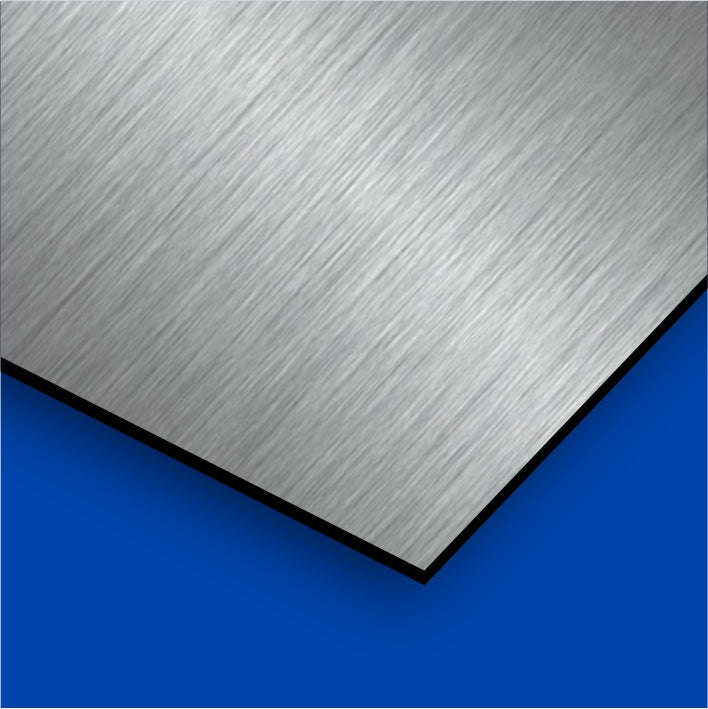
- Custom Finishes: Brushed, matte, glossy, metallic, wood/stone effects, digital prints.
- Color Options: RAL, custom shades, anodized, or Kynar 500® (PVDF) coatings for long-term durability.
4. Cutting and Fabrication
Panels are cut to standard or custom sizes (e.g., 4′ x 8′, 4′ x 10′) and can be:
– Milled, drilled, bent, or notched
– V-grooved for folding corners
– Perforated for acoustic or aesthetic purposes
Key Benefits of Aluminium Panels
1. Lightweight & High Strength
- ACM panels weigh as little as 5–7.6 kg/m², reducing structural load.
- Honeycomb panels offer exceptional stiffness while remaining light.
2. Design Flexibility
- Available in hundreds of colors, finishes, and textures (e.g., wood, marble, metallic).
- Can be curved, folded, or shaped for complex architectural forms.
- Ideal for ventilated façades, rainscreens, and modular systems.
3. Durability & Weather Resistance
- Resistant to UV degradation, corrosion, rain, and temperature extremes (from -50°C to +80°C).
- PVDF coatings last 20–30 years with minimal maintenance.
4. Fire Safety
- FR-core ACM meets B-s1,d0 (European fire class).
- A2-core panels are non-combustible, suitable for high-rise buildings and public infrastructure.
5. Thermal & Acoustic Insulation
- The air gaps in honeycomb or core layers provide natural insulation.
- Used in energy-efficient buildings to reduce HVAC loads.
6. Sustainability
- Recyclable at end-of-life (100% recyclable aluminum).
- Contains recycled content.
- Contributes to LEED, BREEAM, and other green building certifications.
Common Applications
1. Architectural Cladding
- Exterior façades (ventilated or rainscreen systems)
- Column covers, soffits, canopies
- Renovations and retrofits
2. Interior Design
- Wall panels, room dividers, ceilings
- Reception desks, elevator interiors
- Retail displays and POP (point-of-purchase) fixtures
3. Signage & Advertising
- Outdoor and indoor signs
- Digital print substrates (DIBOND® is ideal for UV printing)
- Backlit panels
4. Industrial & Transportation
- Aircraft and train interiors
- Cleanroom walls
- Machine enclosures
Actionable Tips for Selecting and Installing Aluminium Panels
1. Choose the Right Core for the Application
- PE Core: Best for low-risk, interior, or small signage.
- FR Core: Suitable for commercial façades and mid-rise buildings.
- A2 Core: Mandatory for high-rise buildings, hospitals, airports.
2. Consider Fire Regulations
- Always check local building codes (e.g., NFPA, IBC, EN 13501-1).
- In the U.S., Class A fire rating (UL 723) is often required.
3. Optimize for Installation
- Use compatible substructures (aluminum or timber).
- Choose from:
- Screw-fastened systems (e.g., ALUCOBOND FaceFastened)
- Riveted systems
- Glued installations (for invisible fasteners)
4. Work with Fabricators
- Many suppliers (e.g., Laird Plastics, Flatiron Panel) offer custom cutting, routing, and lamination.
- Request pre-fabricated panels to reduce on-site labor.
5. Maintain Proper Gaps and Drainage
- For façades, ensure adequate joint spacing (e.g., 8–10mm) and back ventilation.
- Use joint backing strips for aesthetics and moisture control.
Pricing and Cost Estimates
Aluminium panel prices vary widely based on type, thickness, finish, and fire rating. Below are market estimates (2024–2025):
| Panel Type | Size | Thickness | Finish | Price Range (USD) |
|---|---|---|---|---|
| ACM Panel | 4′ x 8′ | 3mm (1/8″) | Brushed Silver | $15 – $25 per panel |
| ACM Panel | 4′ x 8′ | 4mm (1/4″) | Matte Black | $20 – $30 per panel |
| ACM Panel (Full Sheet) | 4′ x 8′ | 3mm | Custom Color | $380 – $550 per sheet |
| Aluminum Honeycomb Panel | 4′ x 8′ | 0.125″ | Mill Finish | $375 – $615 |
| Aluminum Honeycomb Panel | 4′ x 8′ | 1.000″ | Mill Finish | $558 – $912 |
| Aluminum Honeycomb Panel | 4′ x 10′ | 1.000″ | Black Kynar | $697 – $1,140 |
Note: Bulk purchases and standard finishes reduce costs. Fire-rated and custom-colored panels are more expensive.
Conclusion
Aluminium panels are a versatile, durable, and aesthetically rich solution for modern architecture and industrial design. Whether you’re cladding a skyscraper, designing a retail space, or building a lightweight enclosure, ACM, honeycomb, or solid aluminum panels offer unmatched performance. With options for fire safety, custom colors, and easy fabrication, they continue to shape the skylines of cities and the interiors of functional spaces worldwide. Choosing the right panel involves balancing cost, safety, design, and longevity—but with proper selection, aluminium panels deliver long-term value and visual impact.
Frequently Asked Questions (FAQ)
1. What is the difference between ACM and aluminum honeycomb panels?
- ACM panels have a polyethylene or fire-retardant core and are used for cladding and signage.
- Honeycomb panels have an aluminum core with a honeycomb structure, offering higher rigidity and insulation, ideal for aerospace and high-performance architecture.
2. Are aluminum composite panels fireproof?
- Standard ACM with PE core is combustible and not suitable for high-rise buildings.
- FR-core ACM is fire-retardant (B-s1,d0).
- A2-core panels are non-combustible and meet the highest fire safety standards.
3. Can I print on aluminum panels?
- Yes. Panels like DIBOND® and Alumanate are optimized for UV, latex, and screen printing or vinyl lamination, making them ideal for graphics and signage.
4. How long do aluminum panels last?
- With PVDF (Kynar) coating, ACM panels can last 20–30 years with minimal maintenance.
- Proper installation and climate affect longevity.
5. Can aluminum panels be bent or curved?
- Yes. They can be V-grooved and folded for corners or cold-bent for curves.
- Thinner panels (3mm) are easier to shape than thicker ones.
- Always follow manufacturer guidelines to avoid delamination.