
Aluminium Composite Panel Sheet: 2025 Guide & Expert Tips
Tired of heavy, high-maintenance building materials that drive up costs and slow down construction? Aluminium composite panel sheets offer a smarter solution—lightweight, durable, and stunningly versatile. These innovative cladding panels combine two thin aluminium sheets bonded to a polyethylene core, delivering exceptional strength without the weight. Perfect for modern façades, signage, and interior design, they resist weather, corrosion, and UV damage while offering endless color and finish options. Whether you’re a builder, architect, or DIY enthusiast, aluminium composite panels simplify installation and reduce structural load, saving time and money. Discover how this high-performance material is transforming architectural design with sleek aesthetics and long-term value—making it the go-to choice for contemporary construction worldwide.
How Aluminium Composite Panel Sheet Works: A Complete Guide
Aluminium composite panel (ACP) sheet is a lightweight, multi-layered building material composed of two thin aluminium alloy sheets bonded to a non-aluminium core—typically polyethylene (PE), fire-retardant (FR) material, or mineral-filled core. This sandwich construction delivers exceptional strength, flatness, and weather resistance while remaining easy to fabricate and install. ACP sheets are widely used in modern architecture for building facades, signage, interior design, and industrial applications due to their durability, aesthetic versatility, and cost-efficiency.
What Is an Aluminium Composite Panel Sheet?
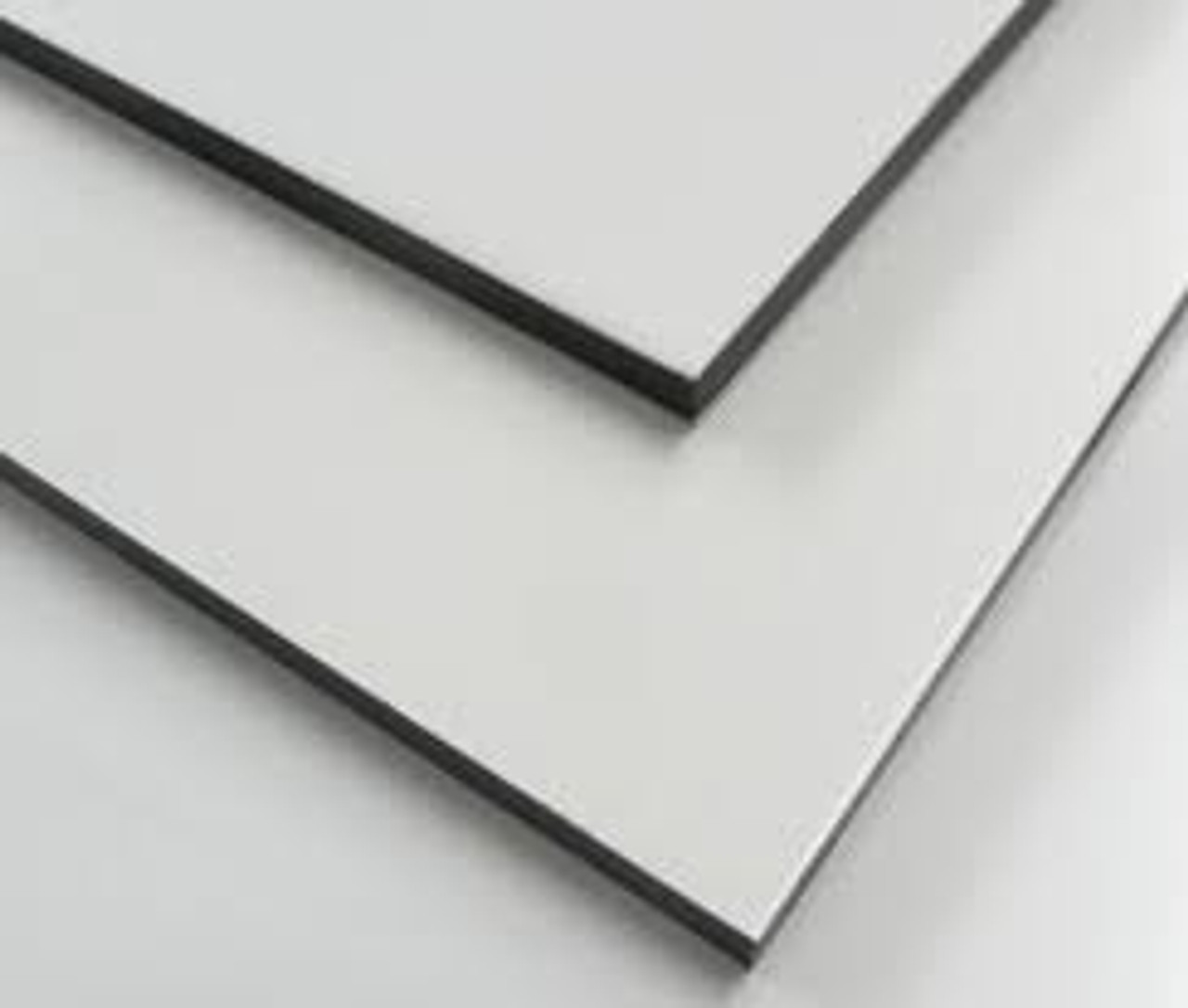
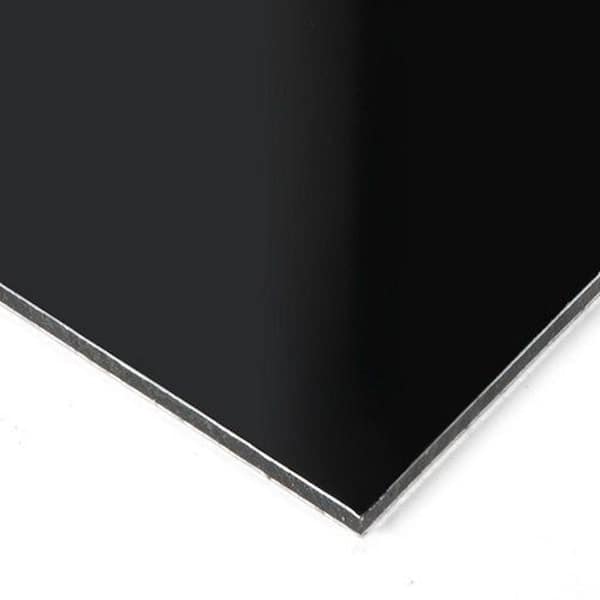
An aluminium composite panel (ACP), also known as aluminium composite material (ACM), is a rigid flat panel engineered for architectural and industrial use. The standard structure consists of:
- Two outer skins: Made from 0.2–0.5 mm thick aluminium alloy (commonly 3003 or 1100 grade), pre-coated with protective finishes like PVDF (polyvinylidene fluoride) or polyester paint.
- A central core: Typically made from low-density polyethylene (LDPE), fire-retardant (FR) polyethylene, or mineral-filled non-combustible material (A2 class).
- Adhesive layers: High-strength thermosetting resins bond the aluminium skins to the core under heat and pressure.
The result is a panel that combines the lightweight nature of plastic with the strength, rigidity, and weather resistance of aluminium, making it ideal for both exterior and interior applications.
Key Properties of ACP Sheets
- Lightweight: Up to 50% lighter than solid aluminium.
- High strength-to-weight ratio: Resists wind load, impact, and deformation.
- Excellent flatness: Ensures seamless appearance in large-scale installations.
- Weather and UV resistant: Maintains color and finish for decades.
- Thermal and acoustic insulation: Enhances building energy efficiency.
- Fire performance options: Available in B1 (fire-retardant) and A2 (non-combustible) classes.
How Are ACP Sheets Made?
The manufacturing process of aluminium composite panels involves precision engineering and advanced coating technologies to ensure consistency and performance.
1. Coil Coating
Aluminium coils are first cleaned and chemically treated to enhance adhesion. They are then coated with a primer and finished with PVDF, polyester, or specialty coatings using a continuous roll-coating process. This ensures uniform color, gloss, and durability.
2. Core Preparation
The core material—polyethylene, FR blend, or mineral-filled—is extruded into a continuous sheet of precise thickness (typically 2–6 mm).
3. Lamination
The pre-coated aluminium sheets are bonded to both sides of the core using heat, pressure, and strong adhesives in a continuous laminating line. This creates a monolithic panel with excellent dimensional stability.
4. Cutting and Finishing
Panels are cut to standard sizes (e.g., 4’x8’, 4’x10’, or up to 5’x12’) and protected with polyethylene film on both sides to prevent scratches during transport and handling.
5. Quality Control & Certification
Panels undergo rigorous testing for:
– Fire resistance (ASTM E84, NFPA 285, EN 13501)
– Weathering (QUV, salt spray tests)
– Color retention (up to 20–40 years depending on coating)
– Flatness and bond strength
High-end ACPs like ALUCOBOND, DIBOND, and SARAYBOND A2 are certified for use in high-rise buildings and critical infrastructure.
Common Applications of Aluminium Composite Panels
ACP sheets are one of the most versatile cladding and signage materials in modern construction.
Building Facades & Cladding
- Exterior wall cladding for commercial, residential, and institutional buildings.
- Ventilated façades that improve thermal performance and reduce energy costs.
- Column covers, soffits, and canopies.
Example: ALUCOBOND is used in iconic buildings like Apple Stores and airports due to its seamless appearance and long-term durability.
Signage & Advertising
- Outdoor billboards, lightboxes, and POS displays.
- Digital printing substrates for high-resolution graphics.
- Trade show booths and retail signage.
Tip: 3mm ACP is ideal for lightweight, printable signage; 6mm offers rigidity for freestanding signs.
Interior Design
- Feature walls, room dividers, and ceiling panels.
- Elevator cladding and reception desks.
- Decorative panels with wood, marble, or metallic finishes.
Industrial & Transportation
- Machine enclosures and warehouse cladding.
- Trailer and cargo van siding (e.g., Alucargo®).
- Bus and train body panels.
Advantages of Using ACP Sheets
Aesthetic Versatility
ACP sheets come in over 70+ colors and finishes, including:
– Solid colors (RAL, Pantone matched)
– Metallic and brushed finishes
– Wood grain and stone effects
– High-gloss, matte, and textured surfaces
Manufacturers like Alutec and Alcadex offer custom color matching using PVDF or nano-coatings for unique design projects.
Lightweight & Easy to Install
- Panels are easy to handle and transport.
- Can be installed using rainscreen systems, EasyFix brackets, or direct screwing.
- Reduces structural load and speeds up construction.
Durability & Low Maintenance
- Resistant to rain, snow, UV, and corrosion.
- Requires only occasional cleaning with mild detergent.
- Lifespan: 20–40 years (depending on coating and environment).
Fire Safety Options
- Standard ACP (B2): Polyethylene core – suitable for low-rise buildings.
- Fire-retardant ACP (B1): FR core limits flame spread.
- Non-combustible ACP (A2): Mineral core – required for buildings over 21.5 meters in many countries.
Note: After fire incidents like Grenfell Tower, many regions now mandate A2 fire-rated panels for high-rises.
Sustainability
- Contains recycled aluminium.
- 100% recyclable at end of life.
- Contributes to LEED, BREEAM, and other green building certifications via EPD (Environmental Product Declaration).
Technical Specifications and Variants
| Feature | Standard ACP | Fire-Retardant (FR) ACP | A2 Non-Combustible ACP |
|---|---|---|---|
| Core Material | Polyethylene (PE) | FR Polyethylene | Mineral (e.g., MgO, Al(OH)₃) |
| Fire Rating | B2 (flammable) | B1 (fire-retardant) | A2 (non-combustible) |
| Typical Thickness | 3mm, 4mm, 6mm | 3mm, 4mm | 4mm |
| Aluminium Thickness | 0.2–0.3 mm | 0.3–0.4 mm | 0.5 mm |
| Coating | Polyester, PVDF | PVDF, HDP | PVDF, Nano PVDF |
| Warranty | 10–20 years | 20 years | 20–40 years |
| Best For | Signage, interiors | Mid-rise facades | High-rise buildings |
Standard Sizes
- 4 ft x 8 ft (1220 x 2440 mm)
- 4 ft x 10 ft (1220 x 3050 mm)
- 5 ft x 10 ft (1500 x 3050 mm)
- Custom sizes available via CNC cutting or sawing.
Actionable Tips for Using ACP Sheets
1. Choose the Right Fire Rating
- For buildings above 18–21.5 meters, use A2 non-combustible panels.
- For interiors and signage, B1 or standard ACP is sufficient.
2. Handle with Care
- Always wear gloves to avoid fingerprints.
- Store panels flat in a dry, temperature-controlled area.
- Remove protective film after fabrication to prevent residue.
3. Fabrication Best Practices
- CNC routing, sawing, and punching are ideal.
- Avoid laser cutting—melts the core and releases toxic fumes.
- Use sharp carbide-tipped blades for clean cuts.
4. Installation Guidelines
- Follow manufacturer-recommended fixing systems (e.g., ALUCOBOND EasyFix).
- Maintain consistent panel orientation for metallic finishes to avoid shading.
- Allow for thermal expansion with proper joint spacing.
5. Printing & Finishing
- UV, latex, and solvent inks adhere well to polyester and PVDF surfaces.
- Test ink adhesion on a sample first.
- For painting, use compatible primers and topcoats.
Pricing and Cost Estimates
ACP sheet pricing varies by thickness, coating, fire rating, and brand.
| Panel Type | Thickness | Size | Approx. Price (USD) |
|---|---|---|---|
| Standard White ACP | 3mm | 4’x8’ | $150 – $220 |
| Brushed Silver ACP | 3mm | 4’x8’ | $180 – $250 |
| PVDF-Coated ACP | 4mm | 4’x10’ | $250 – $350 |
| Fire-Retardant (B1) ACP | 4mm | 4’x8’ | $300 – $400 |
| A2 Non-Combustible ACP | 4mm | 4’x8’ | $400 – $600 |
| Custom Colors/Textures | Any | Custom | +20–50% premium |
Note: Prices are for wholesale/panel; cut-to-size or fabricated panels cost more. Brands like DIBOND® and ALUCOBOND® command a premium due to quality and warranties.
Conclusion
Aluminium composite panel (ACP) sheet is a high-performance, versatile, and aesthetically rich material that has revolutionized modern architecture and design. Its lightweight strength, ease of fabrication, and wide range of finishes make it ideal for facades, signage, interiors, and industrial uses. With options for fire safety, sustainability, and custom design, ACP sheets offer a smart balance of functionality, durability, and visual appeal.
Whether you’re an architect, builder, or signage professional, choosing the right ACP—based on application, fire code, and environmental needs—ensures long-term success and safety.
Frequently Asked Questions (FAQ)
1. Can ACP sheets be used for exterior facades?
Yes. ACP sheets are widely used for exterior cladding, especially in ventilated façade systems. Use PVDF-coated or A2 fire-rated panels for long-term durability and code compliance.
2. Are aluminium composite panels fireproof?
Not all. Standard ACP (B2) has a flammable PE core. For fire safety, choose B1 (fire-retardant) or A2 (non-combustible) panels with mineral cores, especially for high-rise buildings.
3. Can you paint or print on ACP sheets?
Yes. ACP sheets have excellent ink adhesion for UV, latex, and solvent printing. They can also be painted with compatible coatings. Always test on a sample first.
4. How long do ACP panels last?
With proper installation and maintenance:
– Polyester-coated: 10–15 years
– PVDF-coated: 20–40 years
– A2 mineral-core panels: Up to 50 years in stable environments.
5. Can ACP be laser cut?
No. Laser cutting melts the polyethylene core, releasing toxic fumes and causing poor edge quality. Use CNC routers, saws, or die-cutting instead.