
Aluminum Composite Panels: 2025 Guide & Expert Tips
Tired of high building material costs, complex installations, and facades that fade or warp over time? Aluminum composite panels (ACP) offer a sleek, durable, and budget-friendly solution that’s transforming modern architecture. Lightweight yet strong, these panels combine aluminum sheets with a polyethylene core to deliver unmatched versatility, weather resistance, and design flexibility. Whether you’re upgrading a commercial building or designing a contemporary home, ACPs provide a polished look with minimal maintenance. From vibrant colors to custom finishes, they empower architects and builders to bring bold visions to life—without sacrificing performance. Discover how aluminum composite panels are redefining exterior and interior cladding with smarter, more sustainable results.
How Aluminum Composite Panels Work: A Complete Guide
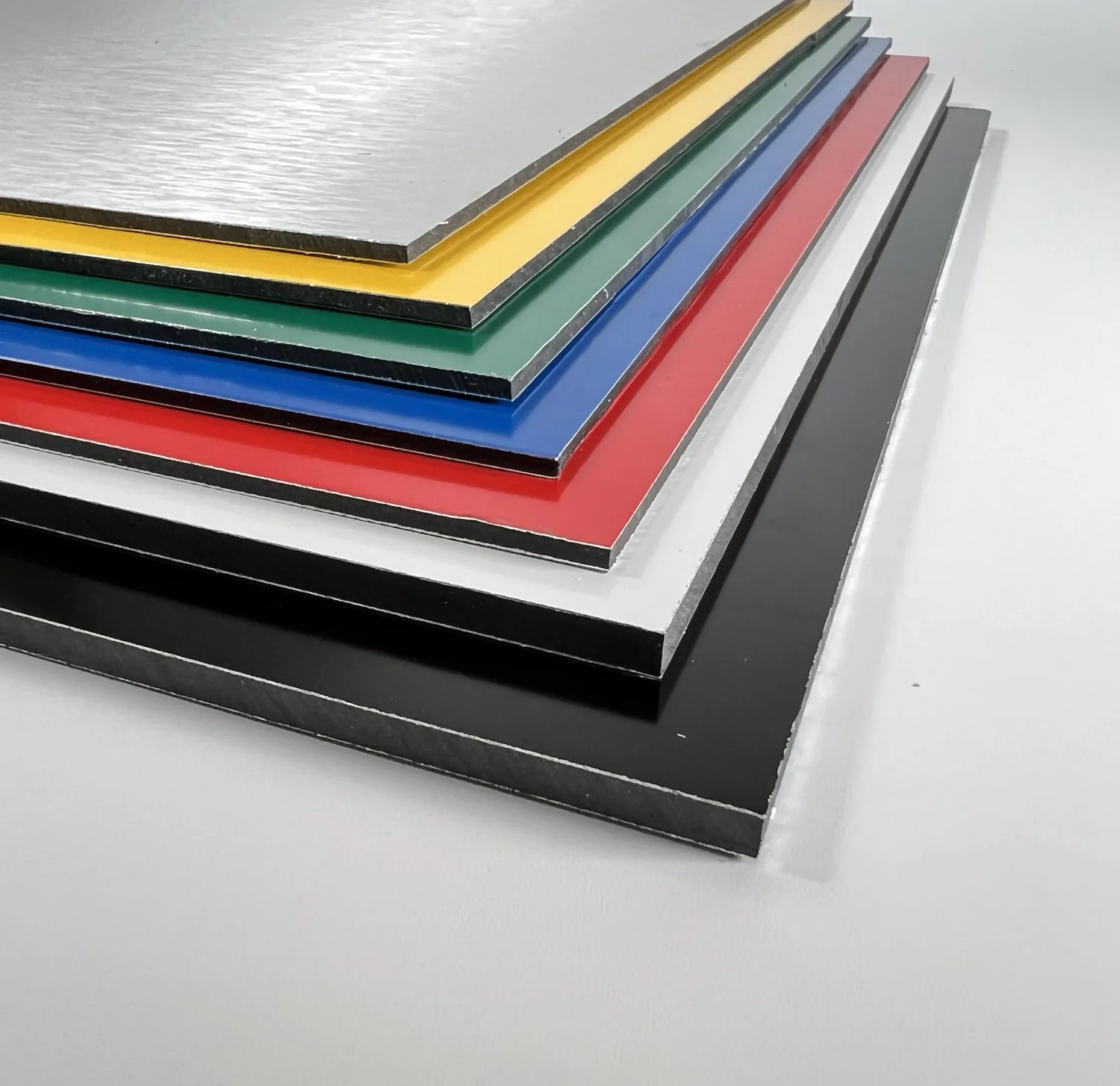
Aluminum composite panels (ACMs) are lightweight, multi-layered building materials composed of two thin aluminum sheets bonded to a non-aluminum core—typically polyethylene (PE), mineral-filled fire-retardant material, or foam. This sandwich construction delivers an optimal balance of strength, durability, and design flexibility, making ACMs ideal for architectural cladding, signage, interior design, and industrial applications. Their high strength-to-weight ratio allows for easy handling and installation, while their resistance to weather, corrosion, and wear ensures long-term performance in both interior and exterior environments.
Used globally in modern construction and design, aluminum composite panels offer architects, fabricators, and engineers a versatile, cost-effective, and aesthetically adaptable solution that combines functionality with visual appeal.
What Are Aluminum Composite Panels (ACMs)?
Aluminum Composite Material (ACM), also known as aluminum composite panel (ACP), is a type of sandwich panel consisting of three primary layers:
– Two outer skins made of pre-painted or anodized aluminum (typically 0.2 mm to 0.5 mm thick).
– A central core made of polyethylene (PE), fire-retardant mineral composite (FR), or other specialized materials like foam or wood.
These layers are thermally bonded under high pressure to create a rigid yet lightweight panel that maintains excellent flatness and structural integrity.
Core Types and Their Uses
The choice of core significantly impacts the panel’s performance:
– PE (Polyethylene) Core: Offers excellent formability and cost-efficiency; best suited for indoor and non-structural uses.
– FR (Fire-Retardant) Core: Contains mineral fillers that reduce flammability; used in high-rise buildings and applications requiring fire safety compliance (e.g., IBC, ASTM E84 Class A).
– HD (Heavy-Duty) Core: Reinforced for increased rigidity and impact resistance; ideal for transportation, industrial enclosures, and heavy-use environments.
– Insulated/Foam Core: Provides thermal and acoustic insulation; common in HVAC, cleanrooms, and energy-efficient facades.
Key Properties and Performance Characteristics
1. Lightweight Yet Strong
Despite being only half the weight of solid aluminum, ACMs maintain high stiffness and resistance to bending, torsion, and impact. This makes them easy to transport and install, reducing labor and structural support costs.
2. Exceptional Durability
ACMs are engineered to withstand:
– UV radiation
– Rain, snow, and freeze-thaw cycles
– Wind loads exceeding 120 mph
– Chemical and moisture exposure
Their coil-coated aluminum surfaces resist fading, chalking, and corrosion, ensuring long-term aesthetic integrity.
3. Design Versatility
ACMs can be:
– Cut, routed, bent, or shaped using standard CNC, sawing, or brake-forming tools
– Printed directly (digital, screen, or UV printing)
– Laser engraved or painted post-fabrication
This adaptability supports complex architectural forms, curved facades, and custom signage.
4. Aesthetic Flexibility
Available in a vast range of:
– Colors: Over 90 standard and custom hues
– Finishes: Matte, gloss, metallic, wood grain, stone, anodized, textured, and mirror
– Patterns: Custom-branded or biophilic designs
Manufacturers like ALUCOBOND, DIBOND, and ALPOLIC offer trend-forward finishes that allow seamless indoor-outdoor design continuity.
5. Fire Performance
While standard PE-core ACMs are suitable for low-risk applications, fire-rated (FR) panels meet stringent safety codes (e.g., IBC, NFPA, UL 94V-0). These are essential for high-rise buildings and public infrastructure.
Common Applications of Aluminum Composite Panels
Architectural Cladding and Facades
ACMs are a top choice for modern ventilated facades, curtain walls, and rainscreen systems due to their:
– Lightweight nature (reduces structural load)
– Thermal efficiency (when used with air gaps)
– Design freedom (curved panels, dynamic color schemes)
Projects like the GradLabs building use ALUCOBOND PLUS to achieve precision cladding with unique, custom-shaped panels.
Signage and Branding
ACMs are widely used in:
– Exterior signage (channel letters, monument signs)
– Retail displays and POP (point-of-purchase) fixtures
– Corporate identity walls
Their smooth surface supports high-resolution printing and durable vinyl adhesion, ensuring long-lasting brand visibility.
Interior Design and Partitions
In commercial interiors, ACMs are used for:
– Feature walls and room dividers
– Reception desks and elevator lobbies
– False ceilings and column covers
Their sleek finish enhances modern aesthetics while resisting wear in high-traffic areas.
Industrial and OEM Applications
ACMs serve as lightweight enclosures for:
– Machinery and equipment housings
– RV and camper exteriors
– Cleanroom panels and partitions
Their chemical resistance and ease of fabrication make them ideal for custom industrial solutions.
How Aluminum Composite Panels Are Fabricated and Installed
Fabrication Process
ACMs are easily processed using standard tools:
– CNC routing for intricate shapes
– Saw cutting for straight edges
– V-grooving for clean 90° bends
– Punching and drilling for mounting hardware
Some advanced systems like ALUCOBOND EasyFix allow for tool-free or simplified attachment, reducing on-site labor.
Installation Methods
Common ACM installation systems include:
– Rear-Support Clip Systems: Panels are secured with hidden clips for a seamless, clean look.
– Face-Fastened Systems: Screws are visible but offer strong mechanical attachment (e.g., ALUCOBOND FaceFastened).
– Adhesive Bonding: Structural tapes or liquid adhesives used for lightweight applications.
– Insulated Panel Systems: Used in roofing or wall assemblies with thermal breaks.
Each method is selected based on wind load, building height, and aesthetic requirements.
Benefits of Using Aluminum Composite Panels
| Benefit | Description |
|---|---|
| Cost-Effective | Lower material and installation costs compared to solid metal or stone. |
| Low Maintenance | Resistant to stains, graffiti (especially with anti-graffiti coatings), and weathering; cleaned with mild detergent. |
| Sustainability | Contains recycled aluminum; 100% recyclable at end-of-life; contributes to LEED credits. |
| Energy Efficiency | When used in ventilated facades, reduces heat gain and improves building insulation. |
| Design Speed | Prefabricated panels reduce on-site construction time and waste. |
Actionable Tips for Selecting and Using ACM Panels
1. Choose the Right Core for the Application
- Use FR (fire-retardant) panels for high-rise or public buildings.
- Opt for PE-core in low-risk, interior, or signage applications.
- Select HD or insulated cores for industrial or thermal performance needs.
2. Verify Fire Ratings and Compliance
Ensure panels meet local building codes:
– ASTM E84 Class A for interior finishes
– NFPA 285 for multi-story exterior walls
– UL or FM approvals for electrical enclosures
3. Work with Certified Fabricators
Partner with fabricators experienced in ACM handling to avoid:
– Core delamination
– Edge sealing issues
– Improper fastening that leads to panel distortion
4. Consider Finish Longevity
- PVDF (Kynar) coatings offer 20+ years of outdoor durability.
- Polyester finishes are more affordable but may fade faster.
- Request color match samples before full procurement.
5. Plan for Expansion and Contraction
ACMs expand with heat—allow for thermal movement in design joints and mounting systems to prevent buckling.
Pricing and Cost Estimates
ACM pricing varies by brand, thickness, finish, and fire rating. Below are market estimates (as of 2025):
| Specification | Average Price Range |
|---|---|
| Standard PE-core (3mm, 4’x8′) | $100 – $130 per panel |
| FR (Fire-Rated) Core (4mm) | $150 – $200 per panel |
| Premium Finish (wood grain, metallic) | +15% to +30% |
| Custom Colors or Sizes | +20% to +50% |
| Installation (labor & hardware) | $15 – $30 per sq. ft. |
- Note: Volume discounts are often available for commercial projects.*
Popular brands like DIBOND, ALPOLIC, and ALUCOBOND command premium pricing due to superior flatness, warranty, and global compliance.
Conclusion
Aluminum composite panels represent a smart fusion of form, function, and efficiency in modern design and construction. Whether used for a sleek corporate facade, a durable retail display, or an innovative interior feature, ACMs deliver long-term value through durability, low maintenance, and design flexibility. With proper selection of core type, finish, and installation method, they meet the demands of both aesthetic vision and technical performance.
As sustainability and energy efficiency become central to building design, ACMs—especially those with recyclable content and thermal performance—will continue to play a critical role in shaping the future of architecture.
Frequently Asked Questions (FAQ)
1. Are aluminum composite panels safe for high-rise buildings?
Yes—but only fire-rated (FR) panels should be used in high-rise construction. Standard PE-core panels can pose fire risks; FR versions meet IBC and NFPA 285 standards for safe use above certain heights.
2. Can ACM panels be bent or curved?
Yes. ACMs can be v-grooved and bent for 90° corners or roll-formed into sweeping curves using brake-forming techniques. Thinner panels (2–3mm) are more formable.
3. How long do aluminum composite panels last?
With proper installation and maintenance, ACMs can last 20–30 years or more. PVDF-coated panels resist fading and weathering exceptionally well.
4. Can you print directly on aluminum composite panels?
Yes. ACMs are ideal for digital, UV, and screen printing. Brands like Alumanate Signage and Graphic-AL DP are specifically engineered for high-adhesion printing.
5. Are aluminum composite panels recyclable?
Yes. ACMs are 100% recyclable at end-of-life. The aluminum skins can be separated and recycled, while the core is processed according to local waste regulations. Many manufacturers use recycled aluminum in production, enhancing sustainability.