
ACP Aluminium Sheet Guide 2025: Expert Tips & Uses
Tired of high maintenance, flimsy building materials that fade, corrode, or cost a fortune over time? Discover the game-changer: ACP (Aluminum Composite Panel) sheets. Lightweight yet incredibly durable, ACP aluminum sheets combine two layers of premium aluminum with a sturdy polyethylene core, delivering unmatched strength and weather resistance. Perfect for modern façades, signage, interiors, and renovations, they offer a sleek, professional finish with minimal upkeep. Resistant to fire, moisture, and UV rays, ACP sheets are the smart choice for architects, builders, and DIY enthusiasts alike. Learn how ACP aluminum sheets are revolutionizing construction and design—offering versatility, longevity, and striking aesthetics—all in one innovative solution.
How ACP Aluminium Sheet: A Complete Guide
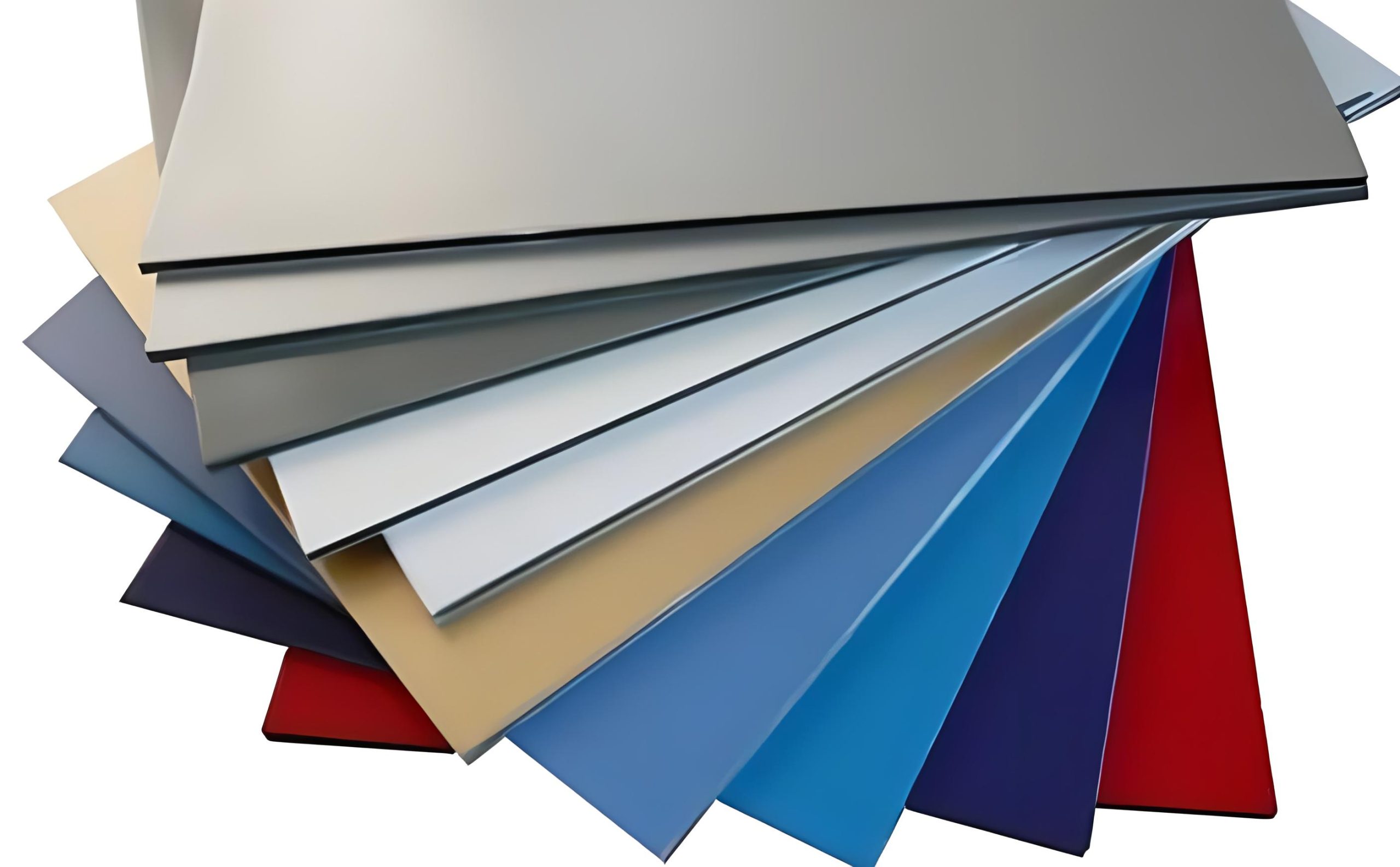
ACP (Aluminium Composite Panel) sheets are sandwich-structured materials made of two thin aluminium alloy skins bonded to a non-aluminium core—typically polyethylene (PE) or fire-retardant mineral-filled material. They are lightweight, durable, and highly versatile, making them ideal for architectural cladding, signage, interior design, and industrial applications. Known for their excellent strength-to-weight ratio, aesthetic flexibility, and ease of installation, ACP sheets have become a go-to choice for architects, builders, and designers worldwide.
What Is an ACP Aluminium Sheet?
An Aluminium Composite Panel (ACP) is a type of engineered flat panel that consists of three primary layers:
- Two outer layers: Thin sheets of aluminium alloy (typically 0.10–0.50 mm thick), often coated with PVDF, PE, or FEVE finishes for weather resistance and aesthetics.
- One inner core: A lightweight core made from low-density polyethylene (LDPE), fire-retardant (FR) materials, or mineral-filled composites.
These layers are bonded together under high pressure and temperature, creating a rigid yet lightweight panel that combines the strength and durability of metal with the insulating properties of plastic.
Key Characteristics of ACP Sheets
- Lightweight: Significantly lighter than solid aluminium or steel panels.
- Dimensional stability: Resists warping and maintains flatness over time.
- Weather and corrosion resistant: Suitable for both indoor and outdoor use.
- Design versatility: Available in hundreds of colors, textures (wood, stone, metallic), and finishes (glossy, matte, mirror).
- Easy to fabricate: Can be cut, bent, CNC-routed, and folded without cracking.
Structure and Composition of ACP Panels
Core Types
The core material determines many of the panel’s performance characteristics, especially regarding fire safety and insulation.
| Core Type | Description | Best For |
|---|---|---|
| Polyethylene (PE) | Standard plastic core; lightweight and cost-effective | Interior use, non-critical fire zones |
| Fire Retardant (FR) B1 | Contains flame-inhibiting additives; reduces flammability | Mid-rise buildings, commercial interiors |
| Fire Rated A2 | Mineral-filled core (e.g., aluminum hydroxide); non-combustible | High-rise buildings, hospitals, schools |
⚠️ Note: After the 2017 Grenfell Tower fire, many countries now mandate the use of A2 fire-rated ACP panels for high-rise façades.
Aluminium Skin Specifications
- Alloy types: 1100, 3003, 5005 (most common)
- Thickness: Ranges from 0.10 mm to 0.50 mm per side
- Coatings:
- PVDF (Polyvinylidene Fluoride): Best for exterior use; offers superior UV, chemical, and weather resistance (40+ year lifespan).
- PE (Polyester): Economical; suitable for interior or short-term exterior use.
- FEVE (Fluoropolymer): Enhanced color retention; premium alternative to PVDF.
- Anodized or laminated films: For special effects like wood grain, mirror, or brushed metal.
Applications of ACP Aluminium Sheets
ACP panels are used across a wide range of industries due to their adaptability and visual appeal.
H3: Architectural Cladding (Exterior)
- Building façades – Modern commercial, residential, and institutional buildings.
- Canopies and awnings – Durable and lightweight overhangs.
- Spandrel panels – Conceal structural elements between floors.
- Rainscreen systems – Allow airflow behind panels to prevent moisture buildup.
✅ Why ACP? Offers seamless, large-format finishes with minimal joints—ideal for sleek, contemporary designs.
H3: Interior Design & Fit-Outs
- Wall and ceiling panels – In offices, malls, hospitals.
- Partitions and room dividers – Easy to install and customize.
- Kitchen cabinets and false doors – Moisture-resistant and stylish.
- Retail displays and shopfronts – Branded, eye-catching visuals.
H3: Signage and Advertising
- Digital printing substrates – Smooth surface ensures high-quality prints.
- Light boxes and backlit signs – Uniform light diffusion.
- Wayfinding systems – Durable and easy to maintain.
H3: Industrial and Transportation
- Machine enclosures – Lightweight protection with aesthetic finish.
- Bus and train interiors – Resistant to wear and easy to clean.
- Modular structures – Prefab walls, kiosks, exhibition booths.
Advantages of Using ACP Sheets
| Benefit | Explanation |
|---|---|
| Lightweight | Reduces structural load; ideal for retrofitting or high-rise buildings. |
| Cost-Effective | Uses less raw aluminium than solid sheets; lowers material and transport costs. |
| Design Flexibility | Over 500+ colors and textures available—including wood, marble, carbon fiber. |
| Durability | Resists UV rays, moisture, corrosion, and temperature fluctuations. |
| Easy Installation | Panels can be fixed using clip systems, rivets, or adhesives. |
| Low Maintenance | Wipe clean with mild detergent; no repainting required. |
| Thermal & Acoustic Insulation | Core layer provides moderate heat and sound insulation. |
| Sustainability | Fully recyclable; some manufacturers use up to 30% recycled aluminium. |
ACP vs. Solid Aluminium Sheets: Key Differences
| Feature | ACP Sheet | Solid Aluminium Sheet |
|---|---|---|
| Weight | 3.5–6.0 kg/m² | 8–11 kg/m² (for 3–4mm thickness) |
| Cost | Lower (uses less metal) | Higher (100% solid aluminium) |
| Strength | Good rigidity, but less impact resistance | Higher tensile and impact strength |
| Fire Safety | Depends on core (PE = combustible; A2 = non-combustible) | Non-combustible; excellent fire resistance |
| Insulation | Better thermal and sound insulation | Poor insulation unless layered |
| Aesthetics | Wide range of colors, textures, and finishes | Limited to mill finish, anodizing, or coating |
| Applications | Cladding, signage, interiors | Structural parts, heavy-duty enclosures |
💡 When to Choose ACP? For cost-effective, lightweight, and visually rich cladding.
When to Choose Solid Aluminium? For structural strength, high-impact zones, or where fire safety is paramount.
How to Work With ACP Sheets: Fabrication and Installation
Cutting and Machining
- Tools: Circular saws, panel cutters, CNC routers (use carbide-tipped blades).
- Avoid laser cutting: Polyethylene core can release toxic fumes and cause fire hazards.
- Edge finishing: Apply edge trims or sealants to protect exposed core from moisture.
Bending and Folding
- Minimum bend radius: Typically 3–5 times the panel thickness.
- Use brake presses with rubber or plastic tooling to avoid cracking.
- Not suitable for tight-radius bends like solid metal.
Installation Methods
- Mechanical Fixing:
- Use hidden clips or visible rivets/screws.
-
Ideal for façade rainscreen systems.
-
Adhesive Bonding:
- Structural silicone or double-sided tape.
-
Best for flat surfaces and interior applications.
-
Subframe Mounting:
- Aluminium or steel framework supports panels.
- Allows ventilation and drainage in rainscreen systems.
Actionable Tips for Using ACP Sheets
✅ Choose the Right Core:
– Use A2 fire-rated panels for high-rise or public buildings.
– Avoid PE-core ACPs in fire-sensitive areas.
✅ Handle with Care:
– Keep protective film on until installation is complete.
– Store flat in dry conditions to prevent warping.
✅ Test Print Adhesion:
– Before large-scale printing, test ink compatibility (UV, solvent, latex).
✅ Seal Exposed Edges:
– Prevent water ingress into the core by applying sealant or edge caps.
✅ Hire Certified Installers:
– Improper installation can lead to water leakage, panel deformation, or safety issues.
✅ Check Local Building Codes:
– Some regions ban combustible cladding on buildings over 18 meters.
Pricing and Cost Estimates
ACP sheet pricing varies based on thickness, coating, core type, and customization.
| Specification | Approximate Price (USD/m²) | Notes |
|---|---|---|
| 3mm PE Core, 0.30mm skin, PE coating | $8 – $12 | Budget option; interior/light exterior use |
| 4mm FR B1 Core, 0.40mm skin, PVDF | $15 – $22 | Commercial standard; mid-rise buildings |
| 4mm A2 Core, 0.50mm skin, PVDF | $25 – $35 | Premium fire-safe; high-rise compliance |
| Custom textures (wood/stone) | +10–20% | Special finishes add cost |
| CNC cutting or bending | +$5–$15 per panel | Fabrication services vary by region |
💬 Bulk orders (1,000+ m²) typically receive 10–20% discounts.
Conclusion
ACP aluminium sheets are a transformative material in modern construction and design. Their lightweight nature, aesthetic versatility, and cost-efficiency make them ideal for façades, interiors, signage, and industrial applications. While concerns about fire safety exist—particularly with PE-core variants—advancements in fire-retardant (FR) and non-combustible (A2) cores have made ACPs safer and compliant with global building standards.
Choosing between ACP and solid aluminium depends on your project’s needs: ACP for design, economy, and ease of installation; solid aluminium for strength and fire resilience. With proper selection, handling, and installation, ACP panels deliver long-lasting, visually stunning results that elevate any structure.
Frequently Asked Questions (FAQ)
1. What is the lifespan of an ACP sheet?
High-quality ACP panels with PVDF coating can last 25–40 years, depending on climate and maintenance. PE-coated panels last 10–15 years, especially in harsh environments.
2. Can ACP sheets be used for exterior wall cladding?
Yes, but only with fire-rated cores (FR B1 or A2) for exterior use, especially on multi-story buildings. PVDF-coated ACPs offer excellent weather resistance.
3. Is ACP sheet waterproof?
The aluminium skins are waterproof, but the core can absorb moisture if edges are exposed. Always seal cut edges and use proper installation methods to prevent water ingress.
4. Can ACP panels be painted or printed on?
Yes. ACPs are excellent substrates for UV, solvent, and latex printing. For painting, use compatible industrial coatings and ensure surface preparation (cleaning, priming).
5. Are ACP sheets recyclable?
Yes. ACP panels are 100% recyclable. The aluminium layers can be separated from the core and reused in new products, supporting sustainable construction practices.