
Aluminum Cladding Guide: Expert Tips 2025
Tired of high energy bills and weather damage taking a toll on your building’s exterior? Aluminum cladding offers a powerful solution—combining sleek aesthetics with unmatched durability. Lightweight yet strong, it resists corrosion, fire, and extreme weather, making it ideal for both residential and commercial properties. Whether you’re renovating or building new, aluminum cladding enhances energy efficiency, reduces maintenance costs, and elevates curb appeal with a modern finish. From urban high-rises to minimalist homes, architects and builders trust aluminum for its sustainability and long-term performance. Discover how aluminum cladding transforms structures into resilient, stylish, and eco-friendly spaces—without breaking the bank.
How Aluminum Cladding Works: A Complete Guide for Architects, Contractors & Homeowners
Aluminum cladding is a modern exterior (and interior) wall covering system made from lightweight, durable aluminum panels designed to protect buildings while enhancing their aesthetic appeal. It involves installing interlocking or fixed aluminum panels over a building’s primary structure to create a rainscreen or protective facade. These panels are often finished with wood-look, metallic, or solid-color coatings, offering the visual warmth of natural materials with superior performance, fire resistance, and minimal maintenance.
Used in residential, commercial, and industrial applications, aluminum cladding provides long-term durability, weather resistance, energy efficiency, and design flexibility. Installation typically follows a systematic approach involving sub-framing, starter strips, and concealed fasteners or click-and-slide systems for a seamless finish.
Why Aluminum Cladding Is Gaining Popularity
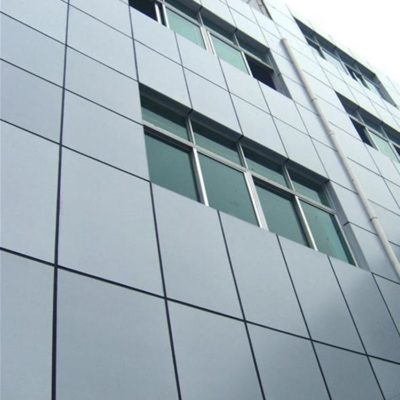
Aluminum cladding has become a top choice for architects and builders due to its unique blend of form and function. Unlike traditional wood, vinyl, or fiber cement, aluminum cladding resists warping, rot, pests, and fire, while requiring little to no maintenance over decades.
Key industries adopting aluminum cladding include:
– Residential renovations and new builds
– Commercial high-rises and office buildings
– Hospitality and retail facades
– Interior accent walls and ceilings
Its growing popularity stems from advancements in coating technology, such as powder coating and sublimated wood grain foils, which allow aluminum to mimic the look of real wood, stone, or concrete without the drawbacks.
Types of Aluminum Cladding Systems
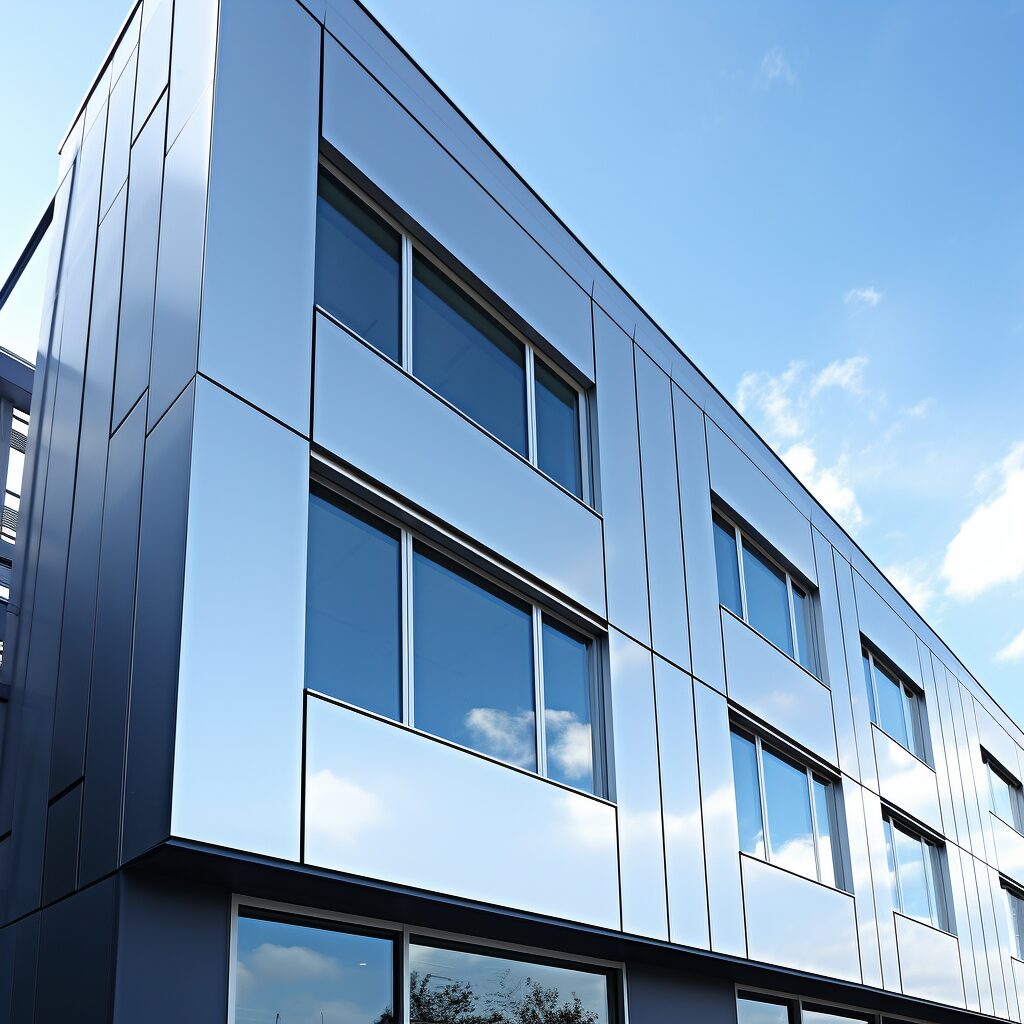
1. Aluminum Composite Panels (ACP or ACM)
These are engineered panels made of two thin aluminum sheets bonded to a non-combustible core (typically mineral-filled or fire-rated polyethylene). Brands like ALUCOBOND and Knotwood USA specialize in high-performance ACPs used in large-scale architectural projects.
Benefits:
– Ultra-flat surface ideal for large facades
– Excellent formability for curved designs
– Superior color retention and durability
– Class A fire rating (in fire-resistant variants)
Common Uses: High-rise buildings, corporate offices, shopping centers
2. Solid Aluminum Panels (Single-Skin)
Made from thick gauge aluminum (e.g., 15-gauge T5 alloy), these panels are stronger and more impact-resistant than composite panels. They are often used in soffits, eaves, and residential siding.
Features:
– No core material = higher dent resistance
– Can be bent or shaped on-site
– Ideal for DIY and contractor installations
Examples: WoodPlank, Parallel Architectural Products
3. Click & Slide Systems
Innovative mechanical attachment systems that simplify installation without visible screws.
Click Systems (e.g., GTO Aluminum)
- Snap-on panels with interlocking edges
- No need for special tools
- Ideal for DIY homeowners and quick projects
Tongue-and-Groove / Slide Systems (e.g., SlideLux by AlumLA)
- Panels slide into place using a rail or subframe
- Concealed fasteners create a clean, seamless look
- Suitable for both vertical and horizontal layouts
4. Wood-Look Aluminum Cladding
Designed to replicate the grain and texture of real wood using advanced printing and coating techniques.
Advantages:
– Achieves authentic wood aesthetics without maintenance
– Resists fading, UV damage, and moisture
– Available in finishes like walnut, oak, red pine, and gray
Top Brands: WoodPlank, Knotwood USA, Parallel Architectural Products
Key Benefits of Aluminum Cladding
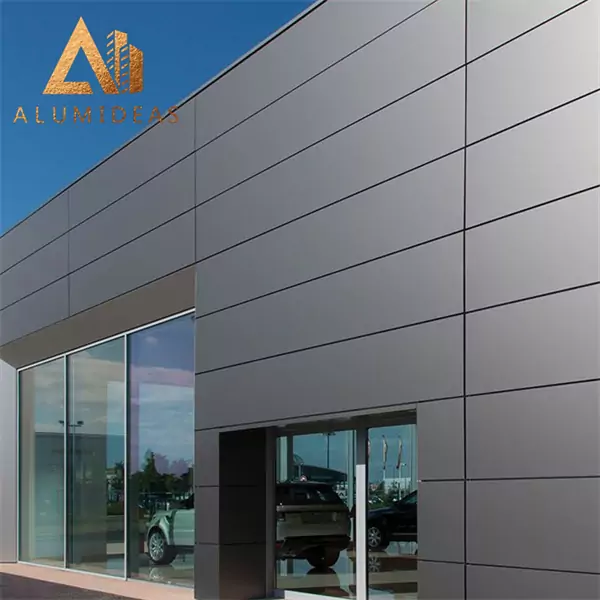
Durability & Longevity
- Resists warping, cracking, rotting, and insect damage
- Lasts 25–50+ years with proper installation
- Withstands extreme weather: snow, rain, heat, wind
Fire Safety
- Non-combustible or Class A fire-rated (ASTM E84)
- Critical for high-rise buildings and wildfire-prone areas
- Outperforms wood, vinyl, and some composites
Low Maintenance
- No painting, sealing, or staining required
- Clean with mild soap and water annually
- Color remains vibrant due to UV-resistant coatings
Sustainability
- Made from recyclable aluminum (75% of all aluminum ever made is still in use)
- Reduces reliance on harvested wood
- Energy-efficient due to thermal break properties and ventilation gaps
Design Flexibility
- Available in horizontal, vertical, diagonal orientations
- Custom colors, textures, and profiles
- Integrates with lighting, ventilation, and smart home features
Aluminum Cladding Installation Process
Proper installation ensures performance, longevity, and visual appeal. Most systems follow a rainscreen principle, allowing airflow behind the panels to prevent moisture buildup.
Step-by-Step Installation Guide
- Assessment & Planning
- Measure total surface area (height × width)
- Determine panel orientation (horizontal or vertical)
-
Account for doors, windows, and corners
-
Prepare the Substrate
- Ensure wall surface is clean, dry, and structurally sound
- Install water-resistive barrier (WRB) like house wrap
-
Add furring strips or sub-framing (usually aluminum or treated wood) for ventilation and panel attachment
-
Install Starter Strip & Trim
- Attach starter channel at the base for the first panel
-
Use J-channels, corner trims, and finish trim around edges and openings
-
Panel Installation
- For click systems: Snap panels into starter strip and lock into place
- For slide systems: Slide panel into tongue-and-groove rail or clip
-
Secure with shoulder screws or hidden clips (do not overtighten)
-
Cutting & Fitting
- Use a non-ferrous carbide blade (e.g., 12″ circular saw) for clean cuts
-
Leave expansion gaps (1/8″–1/4″) between panels to allow for thermal movement
-
Final Inspection
- Check alignment, fastening, and drainage
- Ensure all trims are properly sealed and secured
⚠️ Pro Tip: Always follow the manufacturer’s installation guide. Misalignment or improper fastening can void warranties.
Cost of Aluminum Cladding: Market Estimates
Aluminum cladding is a premium building material, but its long lifespan and low maintenance make it cost-effective over time.
| Factor | Price Range (USD) |
|---|---|
| Material Cost (per sq ft) | $8 – $25 |
| Installation Labor (per sq ft) | $5 – $12 |
| Total Installed Cost (per sq ft) | $13 – $37 |
Examples:
– WoodPlank Aluminum Cladding: ~$23.75/sq ft ($284.99 for 12 sq ft bundle)
– GTO Click 40 System: ~$18–$22/sq ft (varies by distributor)
– ALUCOBOND Panels: $20–$40/sq ft (higher for custom colors)
💡 Bulk Pricing Available: Contractors and developers can save 10–20% with volume orders.
Actionable Tips for Choosing & Installing Aluminum Cladding
1. Choose the Right Profile for Your Climate
- In coastal or humid areas, opt for marine-grade T5 aluminum with corrosion-resistant coating
- In wildfire zones, select non-combustible, Class A fire-rated panels
2. Prioritize Ventilation
- Use a rainscreen system with at least ¾” air gap behind panels
- Prevents moisture trapping and improves energy efficiency
3. Match Cladding to Architectural Style
- Horizontal panels = modern, minimalist look
- Vertical panels = traditional, tall, or rustic appearance
- Mixed orientations = dynamic, custom designs
4. Work with Certified Installers
- Many manufacturers offer warranty protection only if installed by approved contractors
- Request installation videos or digital guides from suppliers
5. Order Free Samples First
- Evaluate color, texture, and finish under natural light
- Test how panels look next to existing materials (windows, roofing, stone)
Conclusion
Aluminum cladding is a high-performance, sustainable, and visually striking solution for modern building envelopes. Whether you’re renovating a home, designing a commercial facade, or creating an interior accent wall, aluminum cladding delivers durability, fire safety, low maintenance, and unmatched design flexibility.
With innovations like wood-look finishes, click-and-slide systems, and recyclable materials, aluminum cladding bridges the gap between natural aesthetics and industrial strength. While the upfront cost is higher than traditional siding, the long-term savings on maintenance, repairs, and energy make it a smart investment.
For best results, choose a reputable brand, follow proper installation protocols, and take advantage of manufacturer warranties—many of which offer 25 to 50 years of coverage against fading, corrosion, and defects.
Frequently Asked Questions (FAQ)
1. Is aluminum cladding better than wood or vinyl siding?
Yes. Aluminum cladding does not rot, warp, or attract pests, unlike wood. It also doesn’t fade or crack like vinyl. It’s more durable, fire-resistant, and requires zero maintenance, making it a superior long-term option.
2. Can aluminum cladding be installed by a DIYer?
Absolutely. Many systems (e.g., GTO Click, WoodPlank) are designed for DIY installation with basic tools. Just follow the guide, use proper safety gear, and allow for expansion gaps. For large or complex projects, professional help is recommended.
3. Does aluminum cladding get hot in the sun?
Aluminum can absorb heat, but most modern panels have reflective coatings and are installed with air gaps that allow heat to dissipate. Lighter colors reflect more sunlight, reducing heat retention.
4. How long does aluminum cladding last?
With proper installation, aluminum cladding lasts 25 to 50+ years. Some manufacturers offer 25–50 year warranties on finish and structural integrity.
5. Is aluminum cladding environmentally friendly?
Yes. Aluminum is 100% recyclable, and most cladding contains recycled content. It reduces the need for timber harvesting and avoids the environmental issues associated with PVC and composites. Its long lifespan also minimizes replacement waste.
- Ready to transform your building’s facade? Order free samples, consult a cladding specialist, and start designing with aluminum today.*