
ACP Sheet Guide 2025: Expert Tips & Latest Trends
Tired of dull, outdated walls that crack and fade within years? Discover the game-changer in modern construction and design: ACP sheets. Lightweight, durable, and stunningly versatile, aluminum composite panels (ACP) offer a sleek, long-lasting solution for both interior and exterior surfaces. Whether you’re renovating a home, upgrading a commercial façade, or seeking weather-resistant cladding, ACP sheets deliver unmatched performance with minimal maintenance. Their unique sandwich structure—two aluminum sheets bonded to a polyethylene core—ensures strength, insulation, and design flexibility in one cost-effective package. From high-rise buildings to chic interior accents, ACP sheets are transforming spaces with bold colors, textures, and a modern edge. Ready to elevate your project with a smarter building material? Here’s how ACP sheets are redefining architectural excellence.
How ACP Sheet: A Comprehensive Guide to Aluminum Composite Panels
Direct Answer:
An ACP (Aluminum Composite Panel) sheet is a type of sandwich panel made of two thin aluminum alloy skins bonded to a non-aluminum core, typically polyethylene (PE) or fire-retardant mineral-filled material. These panels are widely used in architectural cladding, signage, interior design, and industrial applications due to their lightweight nature, durability, aesthetic versatility, and weather resistance. They offer excellent strength-to-weight ratios, are easy to fabricate and install, and come in a vast range of colors, textures, and finishes—including wood, stone, metallic, and mirror effects.
What Are ACP Sheets?
ACP stands for Aluminum Composite Panel, also known as ACM (Aluminum Composite Material). It is a multi-layered engineered panel designed for both structural and decorative purposes.
Structure of an ACP Sheet
An ACP sheet consists of three primary layers:
– Two outer skins: Made of 0.2mm to 0.5mm thick aluminum alloy (commonly 1100, 3000, or 5000 series), pre-coated with protective and decorative finishes like PVDF (polyvinylidene fluoride) or polyester.
– Core material: Usually low-density polyethylene (LDPE), though fire-resistant (FR) cores use mineral-filled composites for enhanced safety.
– Protective film: Applied on both sides during manufacturing to prevent scratches during transport and handling.
The lamination process bonds these layers under heat and pressure, creating a rigid yet lightweight panel ideal for modern construction and design.
Key Features of ACP Sheets
Lightweight and Durable
Despite being strong, ACP sheets are up to 50% lighter than solid aluminum, making them easy to handle, transport, and install—especially on high-rise buildings.
High Strength-to-Weight Ratio
The sandwich construction provides exceptional rigidity without adding structural load, allowing for large panel spans with minimal support.
Weather and UV Resistance
ACP panels are designed to withstand extreme weather conditions:
– Resistant to rain, snow, and temperature fluctuations.
– UV-stable coatings prevent fading, even after years of sun exposure.
– Ideal for both interior and exterior applications.
Fire Performance
While standard PE-core ACPs are combustible, fire-rated (FR) and non-combustible A2 core ACPs are available for high-safety zones like hospitals, schools, and skyscrapers. These meet international fire standards (e.g., EN 13501-1, ASTM E84).
Aesthetic Versatility
One of the biggest advantages of ACP is its design flexibility:
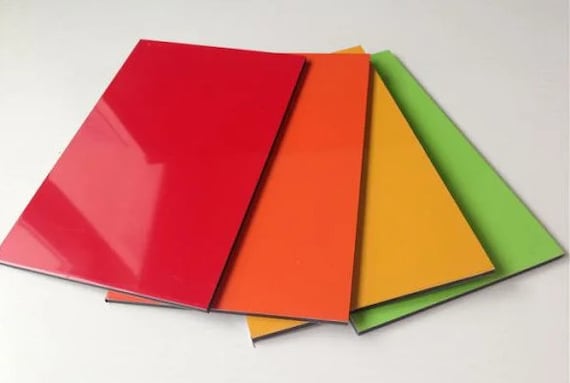
– Over 500+ color and texture options (wood grain, marble, brushed metal, mirror, etc.).
– Matte, glossy, metallic, and textured finishes.
– Custom printing and digital imaging capabilities.
Types of ACP Sheets
By Core Material
| Type | Core | Best For | Fire Rating |
|---|---|---|---|
| PE Core | Polyethylene | Signage, interiors, non-critical areas | B1/B2 (combustible) |
| FR Core | Mineral-filled (e.g., hydrated aluminum silicate) | High-rise buildings, public spaces | Class A/B1 (fire-retardant) |
| A2 Core | Non-combustible (e.g., aluminum honeycomb, rock wool) | Hospitals, airports, metro stations | A2 (non-combustible) |
By Finish and Coating
- PVDF Coated: Best for exterior use; offers superior UV and chemical resistance (20+ year lifespan).
- Polyester Coated: Cost-effective; suitable for interiors and short-term exterior use (5–10 years).
- FEVE Coated: Premium finish with excellent color retention and gloss retention.
- Laminated Films: Used for wood, stone, or carbon fiber looks.
By Surface Design
- Solid Colors: Classic white, black, silver, red, etc.
- Metallic & Mirror: High-gloss, reflective surfaces for modern designs.
- Wood & Stone Series: Realistic textures mimicking natural materials.
- Fluted & 3D Panels: For architectural depth and acoustic performance.
Applications of ACP Sheets
1. Architectural Cladding
ACP is the go-to material for modern building facades due to:
– Lightweight installation on curtain walls.
– Design freedom with curved and flat surfaces.
– Energy efficiency when combined with insulation.
Example: Burj Khalifa (Dubai), Shanghai Tower, and countless commercial buildings globally use ACP for exterior cladding.
2. Interior Design
ACP sheets are increasingly popular indoors:
– Wall cladding in lobbies, offices, and retail stores.
– Partitions and room dividers.
– Ceilings and column covers.
– Furniture (tables, cabinets, reception counters).
3. Signage and Branding
- Used for outdoor billboards, shopfronts, and digital signage.
- Excellent printability for UV, solvent, and latex inks.
- Resists fading and wear in high-traffic areas.
4. Transportation and Industrial Use
- Bus, train, and RV interiors for lightweight, durable panelling.
- Machine enclosures, cleanrooms, and modular cabins.
- Cold storage and sandwich panel systems with foam cores.
5. Retail and Exhibition Displays
- Lightweight display stands, kiosks, and POP (point-of-purchase) fixtures.
- Easy to CNC-cut, route, and shape into custom forms.
How to Work With ACP Sheets
Fabrication Techniques
ACP sheets are highly workable using standard tools:
– CNC Routing: For precise cuts, engraving, and shaping.
– Die-Cutting: Ideal for mass production of signage.
– Saw Cutting: Use carbide-tipped blades to avoid chipping.
– Bending & Folding: Can be bent up to 90° with proper tooling.
⚠️ Not suitable for laser cutting—the polyethylene core can release toxic fumes and cause fire hazards.
Installation Methods
- Mechanical Fastening: Screws with washers for permanent attachment.
- Adhesive Bonding: High-strength structural tapes or silicone adhesives.
- Clip-Based Systems: Hidden support for seamless facade designs.
- Subframe Mounting: Aluminum or steel framework for large panels.
Tip: Always leave expansion gaps (3–5mm) to accommodate thermal movement.
Benefits of Using ACP Sheets
- ✅ Cost-effective compared to solid metal or stone cladding.
- ✅ Low maintenance—clean with mild soap and water.
- ✅ Eco-friendly—recyclable aluminum content up to 95%.
- ✅ Fast installation reduces labor and project time.
- ✅ Design flexibility supports curved, flat, and complex geometries.
ACP Foam Core Panels: Enhanced Performance
A variation of standard ACP, ACP foam core panels, integrate an additional layer of insulation:
– Core materials: XPS, PU, PET, or PVC foam.
– Total thickness: 10–80mm (customizable).
– Applications: Cold storage, prefabricated buildings, soundproof rooms.
Advantages:
- Thermal insulation: Reduces HVAC load.
- Acoustic absorption: Ideal for studios, offices, hospitals.
- Structural rigidity: Supports larger spans.
- Weather resistance: Maintains integrity in harsh climates.
Pricing and Cost Estimates
ACP sheet prices vary based on thickness, coating, color, fire rating, and region.
Average Market Prices (2024–2025):
| Feature | Price Range (USD) | Price Range (INR) |
|---|---|---|
| 3mm PE Core (Standard) | $2.50 – $4.00 / sq ft | ₹180 – ₹300 / sq ft |
| 4mm FR Core (Fire-Retardant) | $4.00 – $6.50 / sq ft | ₹300 – ₹500 / sq ft |
| 6mm A2 Core (Non-combustible) | $7.00 – $10.00 / sq ft | ₹500 – ₹750 / sq ft |
| Mirror/Brushed/Metallic Finish | +20–40% premium | +25–50% premium |
| Custom Colors & Textures | On request | On request |
Note: Bulk orders and local manufacturing (e.g., in India by Viva, Alumaze) can reduce costs by 10–20%.
Actionable Tips for Using ACP Sheets
- Choose the Right Core:
- Use FR or A2 core for high-rise or public buildings.
-
PE core is fine for signage and interior use.
-
Protect the Surface:
- Keep the protective film on until after installation.
-
Remove it carefully to avoid adhesive residue.
-
Pre-Test Adhesion:
-
Test paint, ink, or adhesive compatibility on a small sample first.
-
Avoid Laser Processing:
-
Use CNC or mechanical cutting only to prevent toxic fumes.
-
Store Properly:
- Keep panels flat and dry to prevent warping.
-
Avoid direct sunlight and moisture exposure.
-
Hire Certified Installers:
- Improper installation can lead to water ingress or panel failure.
Conclusion
ACP sheets are a revolutionary building material that blends performance, aesthetics, and affordability. Whether you’re designing a sleek corporate façade, a vibrant retail display, or a modern interior space, ACP offers unmatched versatility. With advancements in fire safety, insulation, and design, ACP continues to dominate the cladding and signage industries worldwide. By selecting the right type, thickness, and finish—and following best practices in fabrication and installation—you can achieve durable, visually striking results that stand the test of time.
Frequently Asked Questions (FAQ)
1. Can ACP sheets be used for kitchen cabinets?
Yes, ACP sheets are excellent for kitchen cabinets, especially in modular kitchens. They are moisture-resistant, easy to clean, and available in wood-like finishes. However, avoid direct heat exposure (e.g., near stoves).
2. Are ACP panels safe for indoor use?
Yes, especially FR or A2 fire-rated panels. Standard PE-core ACP should be avoided in enclosed spaces due to fire risks. Always check local building codes.
3. How do you clean ACP panels?
Clean with mild detergent and water using a soft cloth. Avoid abrasive cleaners or steel wool. For stubborn stains, use isopropyl alcohol.
4. Can ACP sheets be bent or curved?
Yes, ACP can be cold-bent to a radius of 15–20 times the panel thickness. For tighter curves, score the back aluminum layer first.
5. What is the lifespan of ACP panels?
- PVDF-coated panels: 20–30 years (exterior).
- Polyester-coated panels: 8–12 years.
- Many manufacturers offer 10–15 year fade and warranty guarantees.
By understanding how ACP sheets work and how to use them effectively, architects, builders, and designers can unlock endless creative and functional possibilities in modern construction and design.