
Aluminum Composite Panel Sign Guide 2025: Expert Tips
Tired of signs that fade, warp, or dent after just a season outdoors? Aluminum composite panel signs offer a durable, sleek solution built to withstand the elements without sacrificing style. Combining lightweight construction with exceptional strength, these panels resist corrosion, UV damage, and extreme temperatures—perfect for storefronts, wayfinding, or branding in high-traffic areas. Their smooth surface ensures crisp graphics and vibrant colors that last, while easy installation reduces labor costs and downtime. Whether you need indoor elegance or outdoor resilience, aluminum composite panels deliver long-term value and modern appeal. Discover how this innovative signage material is transforming business visibility with minimal maintenance and maximum impact.
How Aluminum Composite Panel Signs Are Made and Used
Aluminum Composite Panel (ACP) signs—also known as ACM (Aluminum Composite Material) signs—are durable, lightweight, and weather-resistant signage solutions widely used for both indoor and outdoor branding, wayfinding, and identification. These panels consist of two thin aluminum sheets bonded to a polyethylene core, offering a perfect balance of strength, aesthetic appeal, and ease of fabrication. ACM signs are printed with UV-resistant inks, laminated for protection, and can be customized in shape, size, finish, and mounting style to meet diverse commercial and architectural needs.
From storefronts and office lobbies to highway signage and real estate markers, aluminum composite panel signs deliver long-lasting visibility and a premium appearance. Their versatility in design, resistance to corrosion and fading, and compatibility with digital printing and CNC routing make them a top choice for businesses, municipalities, and designers seeking high-impact, low-maintenance signage.
What Is an Aluminum Composite Panel (ACP/ACM)?
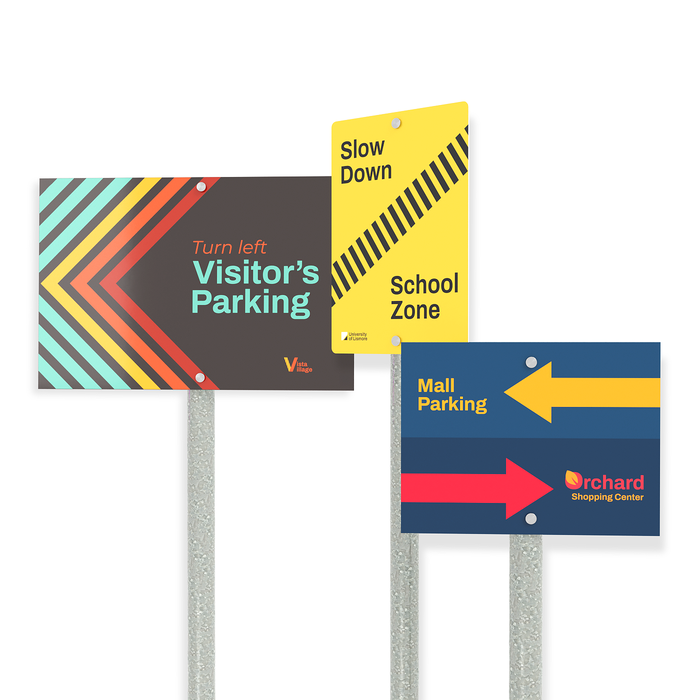
Aluminum Composite Material (ACM) is a sandwich panel composed of two thin aluminum skins (typically 0.15–0.30 mm thick) bonded to a polyethylene (PE) or fire-retardant mineral core. The standard thickness for signage applications is 3 mm (approximately 1/8 inch), though thicker options like 6 mm are available for heavy-duty use.
Key Components of ACM Panels:
- Outer Aluminum Layers: Provide strength, rigidity, and a smooth surface for printing or finishing.
- Polyethylene Core: Offers insulation, impact resistance, and reduces overall weight.
- Protective Coatings: Factory-applied polyester or PVDF coatings protect against UV, moisture, and abrasion.
ACM is prized for being:
– Lightweight – Easier to handle and install than solid metal.
– Flat and Stable – Resists oil canning (ripples) common in pure aluminum sheets.
– Durable – Withstands extreme weather, temperature fluctuations, and physical wear.
Why Choose Aluminum Composite for Signs?
1. Exceptional Weather Resistance
Unlike wood, foam board, or uncoated metals, ACM does not warp, rust, or degrade when exposed to rain, snow, or sunlight. It’s ideal for:
– Outdoor building signs
– Directional signage
– Industrial or construction site markers
– Real estate and temporary sales signs
The material is non-porous and corrosion-resistant, ensuring longevity even in coastal or humid environments.
2. Premium Aesthetic Finish
ACM panels come in a wide range of factory-finished surfaces:
– Matte White – Clean, neutral background for full-color graphics.
– Brushed Aluminum – Sleek, modern look for corporate interiors.
– Brushed Gold, Silver, or Colored Finishes – For luxury branding or architectural integration.
– Reflective Vinyl Lamination – Enhances nighttime visibility (ideal for traffic or safety signs).
These finishes provide a professional, high-end appearance that elevates brand perception.
3. Versatile Printing and Graphics Application
ACM serves as an excellent substrate for:
– Direct UV flatbed printing – High-resolution, full-color images with excellent ink adhesion.
– Vinyl application – Cut or printed vinyl graphics applied using laminators.
– Screen printing – For bold, durable logos and text.
The surface accepts inks and adhesives well, especially on specially treated “Digitally Printable” (DP) ACM variants.
4. Customizable and Easy to Fabricate
ACM can be:
– CNC-routed into custom shapes, letters, or intricate designs.
– Folded or bent for dimensional displays.
– Engraved to expose the core (often black), creating striking contrast.
– Cut with rounded corners for safety and aesthetics.
This flexibility makes ACM ideal for:
– 3D lettering
– Architectural wall panels
– Freestanding displays
– Backdrops for channel letters
5. Lightweight Yet Strong
Weighing significantly less than solid aluminum or steel, ACM reduces:
– Shipping costs
– Installation complexity
– Structural load on buildings
Yet it maintains excellent rigidity, especially when supported properly or used in thicker gauges (e.g., 6 mm).
How Aluminum Composite Panel Signs Are Manufactured
The production of ACM signs involves several key steps, from material selection to final finishing.
Step 1: Material Selection
Choose the right ACM type based on application:
– Standard ACM (e.g., Maxmetal®) – General-purpose, cost-effective.
– One-Sided ACM – For signs viewed from one side only.
– Digitally Printable (DP) ACM – Optimized for ink adhesion.
– Lite or HD (Heavy Duty) ACM – For cost-sensitive or high-stress applications.
– Fire-Rated ACM – Required in certain commercial buildings.
Common sizes include:
– 4′ x 8′ sheets (for large signs or custom cuts)
– Pre-cut blanks (e.g., 12″x18″, 24″x24″) for standard signage
Step 2: Printing and Lamination
- Digital Printing: Full-color graphics are printed using UV-curable or HP Latex inks on flatbed printers for fade resistance.
- Lamination: A protective clear vinyl layer (gloss, matte, or anti-graffiti) is applied to shield the print from UV rays, moisture, and vandalism.
- Reflective Options: Engineer-grade reflective vinyl can be laminated for 24/7 visibility.
Step 3: Cutting and Shaping
Using CNC routers or panel saws:
– Panels are cut to size.
– Custom shapes, holes, or contours are machined.
– Rounded corners (typically 1/4″ radius) are added for safety.
Step 4: Finishing and Drilling
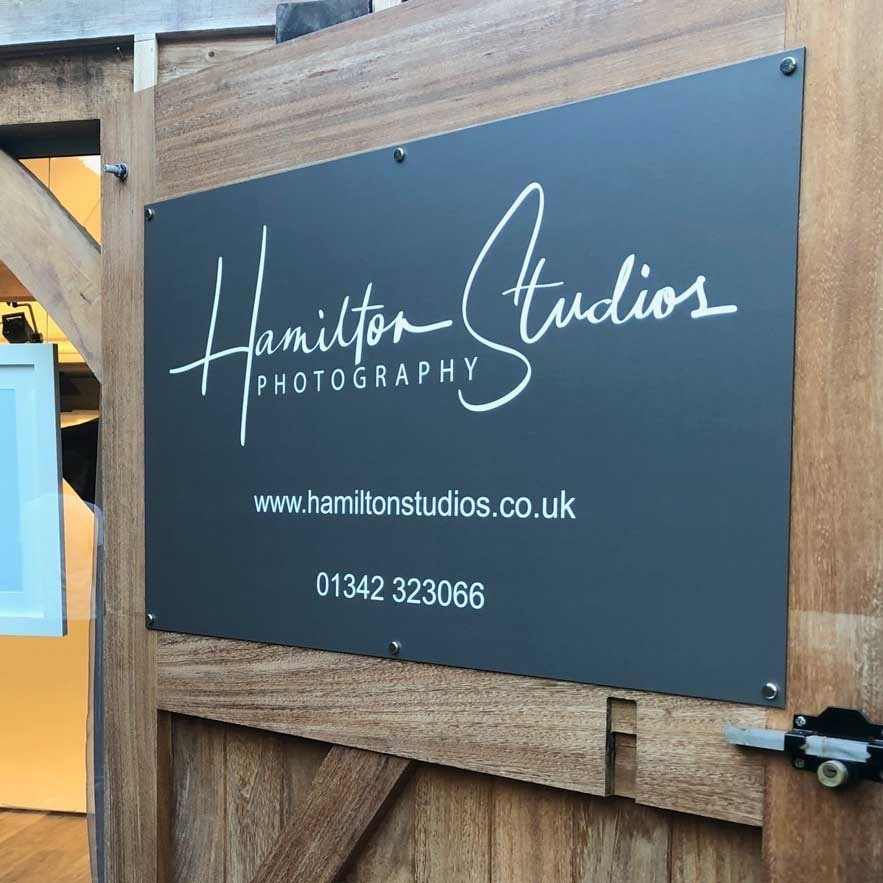
- Hole Drilling: Pre-drilled for standoffs, screws, or zip ties (common at corners or center).
- Edge Finishing: Smoothed to prevent sharp edges.
- Coating: Optional protective overlays applied.
Step 5: Mounting and Accessories
Common mounting options include:
– Standoffs (silver or black) – For a floating, modern look.
– 3M Command Strips – For temporary or removable indoor signs.
– Velcro or Zip Ties – For flexible or portable applications.
– Posts or Frames – For freestanding or post-mounted signs.
Applications of Aluminum Composite Panel Signs
1. Outdoor Signage
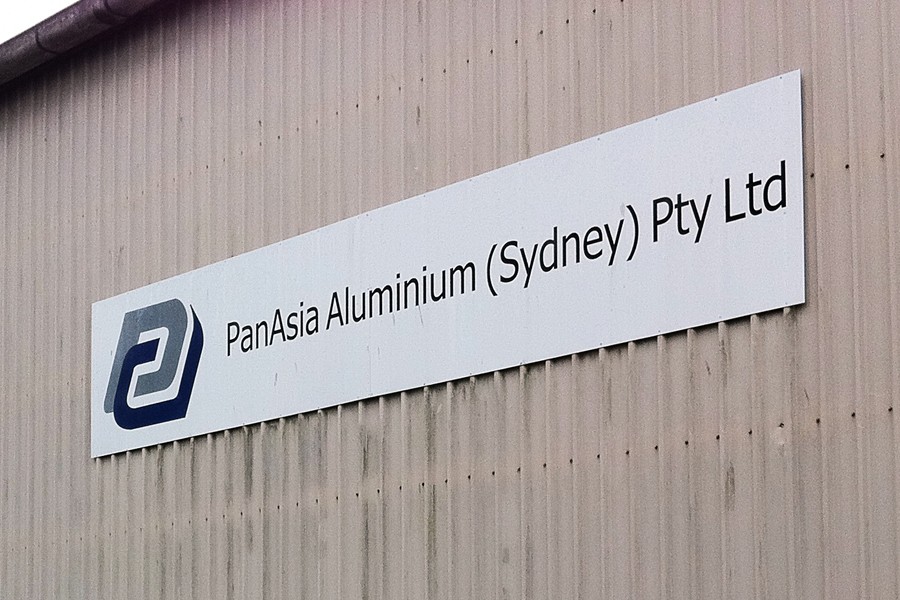
- Building identification
- Monument signs
- Directional and wayfinding signs
- Parking and safety signs
Why ACM excels: Resists fading, wind loads, and temperature extremes. With UV-resistant printing and lamination, outdoor ACM signs last 5–10 years or more.
2. Indoor Branding
- Lobby signs
- Office identification
- Retail displays
- Wall graphics
Why ACM excels: Offers a sleek, modern aesthetic with minimal maintenance. Brushed or metallic finishes enhance corporate environments.
3. Architectural Integration
- Cladding for buildings
- Column covers
- Elevator surrounds
- Feature walls
Why ACM excels: Lightweight, flat, and easy to route—ideal for large-scale architectural elements.
4. Temporary and Real Estate Signs
- For Sale / For Lease signs
- Event signage
- Construction site boards
Why ACM excels: Reusable, durable, and professional-looking compared to corrugated plastic.
Actionable Tips for Designing and Installing ACM Signs
✅ Design Best Practices
- Use High-Resolution Artwork: Minimum 150 DPI at full size to ensure print clarity.
- Include Bleed and Safe Zones: Typically 0.125″ bleed and 0.25″ safe margin from edges.
- Specify Finishes Early: Choose between matte, gloss, brushed, or reflective based on lighting and environment.
- Plan for Mounting: Indicate hole placement, standoff depth, or hanging method in design files.
✅ Installation Tips
- Use Proper Fasteners: Stainless steel screws or standoffs to prevent corrosion.
- Ensure Structural Support: For large signs, use wall anchors or posts rated for wind load.
- Avoid Direct Ground Contact: Elevate signs slightly to prevent water pooling.
- Clean with Mild Soap: Avoid abrasive cleaners that can damage coatings.
✅ Maintenance
- Wash annually with water and non-abrasive cleaner.
- Inspect mounting hardware every 1–2 years.
- Replace damaged laminates or graphics if needed (panels can often be re-faced).
Pricing and Cost Estimates
ACM sign pricing varies based on size, finish, printing, and customization.
Material Cost (Per Panel)
| Size | Thickness | Material Type | Price Range |
|---|---|---|---|
| 12″ x 18″ | 3mm | White ACM | $15 – $25 |
| 24″ x 24″ | 3mm | Brushed Silver | $25 – $40 |
| 48″ x 96″ | 3mm | Standard Sheet | $70 – $120 |
- Note: Reflective or specialty finishes (e.g., gold, anti-graffiti) add 20–50% to base cost.*
Printing & Fabrication Add-Ons
- Full-Color Digital Print: $1–$3 per sq. ft.
- Lamination (Gloss/Matte): $0.50–$1.00 per sq. ft.
- CNC Routing or Custom Shapes: $20–$100+ depending on complexity.
- Pre-Drilling or Rounded Corners: $5–$15 per sign.
- Standoffs or Mounting Hardware: $10–$30 for a set of 4.
Total Estimated Cost Examples
- Small Office Sign (12″x18″): $40–$70 (printed, laminated, with standoffs)
- Large Building Sign (24″x36″): $120–$200
- Custom CNC-Cut Logo Sign: $200–$500+
Bulk Discounts: Many suppliers offer 10–30% off for orders of 10+ units.
Conclusion
Aluminum composite panel signs are a smart investment for any business or organization seeking durable, attractive, and long-lasting signage. Their combination of weather resistance, aesthetic flexibility, and structural strength makes them superior to traditional materials like wood, foam board, or uncoated metal.
Whether used outdoors to withstand the elements or indoors to elevate brand presence, ACM signs deliver professional results with minimal maintenance. With options for full-color printing, custom shapes, and premium finishes, they can be tailored to any branding need.
For optimal results, work with a reputable supplier that offers high-quality materials, UV-resistant printing, and expert fabrication—and always plan for proper installation and long-term care.
Frequently Asked Questions (FAQ)
1. How long do aluminum composite panel signs last?
Outdoor ACM signs typically last 7–10 years or more, depending on environmental exposure and whether they are laminated. UV-resistant inks and protective coatings significantly extend lifespan.
2. Can ACM signs be used outdoors?
Yes, ACM is highly weather-resistant and ideal for outdoor use. It won’t rust, warp, or fade easily, especially when laminated or printed with UV-stable inks.
3. Can you print directly on aluminum composite panels?
Yes, especially on Digitally Printable (DP) ACM. UV flatbed printers apply high-resolution graphics directly to the surface, which are then often laminated for protection.
4. Are ACM signs recyclable?
Yes, aluminum composite panels are partially recyclable. The aluminum layers can be separated and recycled, though the polyethylene core complicates the process. Some manufacturers offer eco-friendly or fire-rated cores with better recyclability.
5. How do you install an ACM sign?
Common methods include:
– Standoffs for a floating look on walls.
– Z-clips or rails for large architectural panels.
– Screws or bolts through pre-drilled holes.
– Adhesive tapes (e.g., 3M VHB) for smooth, seamless mounting.
Always ensure the mounting surface is strong enough to support the sign, especially in windy areas.