
Aluminum Sandwich Panel Guide 2025: Expert Tips & Uses
Tired of heavy, rust-prone building materials that drive up costs and complicate installations? Aluminum sandwich panels offer a smarter solution. Lightweight yet incredibly strong, these innovative panels combine two aluminum sheets with a fire-resistant core, delivering unmatched durability, insulation, and design flexibility. Whether you’re upgrading a façade, constructing a modern office, or designing a transportable structure, aluminum sandwich panels save time, reduce structural load, and resist weather, fire, and corrosion. Their sleek finish requires minimal maintenance, making them ideal for architects, builders, and DIY enthusiasts alike. Discover how switching to aluminum sandwich panels can transform your next project with efficiency, style, and long-term savings—without compromising on performance or safety.
How Aluminum Sandwich Panels Are Made and Used: A Comprehensive Guide
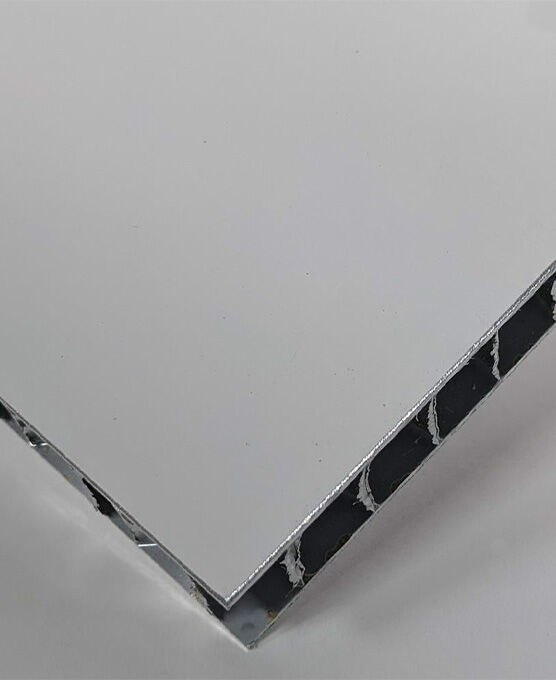
Aluminum sandwich panels are advanced composite materials engineered to deliver exceptional strength, stiffness, and durability while maintaining a lightweight profile. These panels consist of two thin, high-strength aluminum face sheets bonded to a lightweight core material—commonly aluminum honeycomb, foam, or corrugated aluminum—creating a “sandwich” structure that maximizes performance across aerospace, construction, transportation, and industrial applications.
Manufactured through precision bonding techniques such as adhesive lamination or brazing, aluminum sandwich panels offer superior thermal and acoustic insulation, fire resistance, impact absorption, and design flexibility. Their high strength-to-weight ratio makes them ideal for applications where weight reduction without compromising structural integrity is critical.
H2: Structure and Composition of Aluminum Sandwich Panels
H3: Core Components
The performance of aluminum sandwich panels hinges on their three primary components:
-
Face Sheets (Skinner Layers):
Typically made from high-grade aluminum alloys such as 5052, 5056, 6061, or 3003, these outer layers provide tensile strength, impact resistance, and surface durability. Thickness ranges from 0.1 mm to 6 mm, depending on the application. -
Core Material:
Positioned between the face sheets, the core determines key functional properties: - Aluminum Honeycomb: Hexagonal cells offer high rigidity, excellent energy absorption, and low density.
- Foam Core (XPS, PET, PU, PVC): Provides superior thermal and sound insulation, moisture resistance, and cost-effective performance.
-
Corrugated or Beaded Aluminum Core: Offers structural stability with lower cost than honeycomb.
-
Adhesive Bonding Layer:
High-performance aerospace-grade film adhesives or polyurethane resins ensure a durable, delamination-resistant bond. In high-temperature applications, brazing is used for permanent metallurgical bonding.
H2: Manufacturing Process of Aluminum Sandwich Panels
H3: Step-by-Step Production
- Material Selection and Preparation
- Aluminum face sheets are cleaned and surface-treated (e.g., anodizing, brushing) for improved adhesion.
-
Core materials are cut to size and inspected for uniformity.
-
Adhesive Application
-
A controlled layer of adhesive is applied to either the core or face sheets using automated spray or roll-coating systems.
-
Layup and Assembly
-
The face sheets are precisely aligned over the core in a clean environment to prevent contamination.
-
Curing or Brazing
- Adhesive Bonding: The panel is cured under heat and pressure in an autoclave or press to ensure full adhesion.
-
Brazing (for aerospace-grade panels): The assembly is heated in a vacuum furnace, melting a brazing alloy that fuses the aluminum layers metallurgically.
-
Post-Processing
- Panels may undergo CNC machining, edge sealing, perforation, or surface finishing (e.g., PVDF coating, anodizing).
- Quality control checks include flatness, bond integrity, and dimensional accuracy.
H2: Types of Aluminum Sandwich Panels
H3: By Core Material
| Type | Key Features | Common Applications |
|---|---|---|
| Aluminum Honeycomb Core | High strength-to-weight ratio, excellent rigidity, impact resistance | Aerospace, satellites, high-speed trains |
| Foam Core (XPS, PET, PU, PVC) | Good insulation, lightweight, cost-effective | Refrigerated trucks, modular buildings, interiors |
| Corrugated Aluminum Core | Moderate strength, lower cost than honeycomb | Roofing, wall panels, industrial enclosures |
| Brazed Honeycomb Panels | Superior thermal stability, high-temperature resistance | Jet engines, spacecraft components |
H3: By Surface Treatment
- Mill Finish: Raw aluminum surface; economical and suitable for secondary processing.
- Anodized: Enhanced corrosion and wear resistance; ideal for outdoor use.
- PVDF/Polyester Coated: UV-resistant, available in multiple colors and patterns (e.g., wood grain).
- Brushed/Embossed: Decorative finish with anti-slip properties; popular in architecture and furniture.
- Perforated: Allows airflow and sound absorption; used in acoustic panels and ventilation systems.
H2: Key Benefits of Aluminum Sandwich Panels
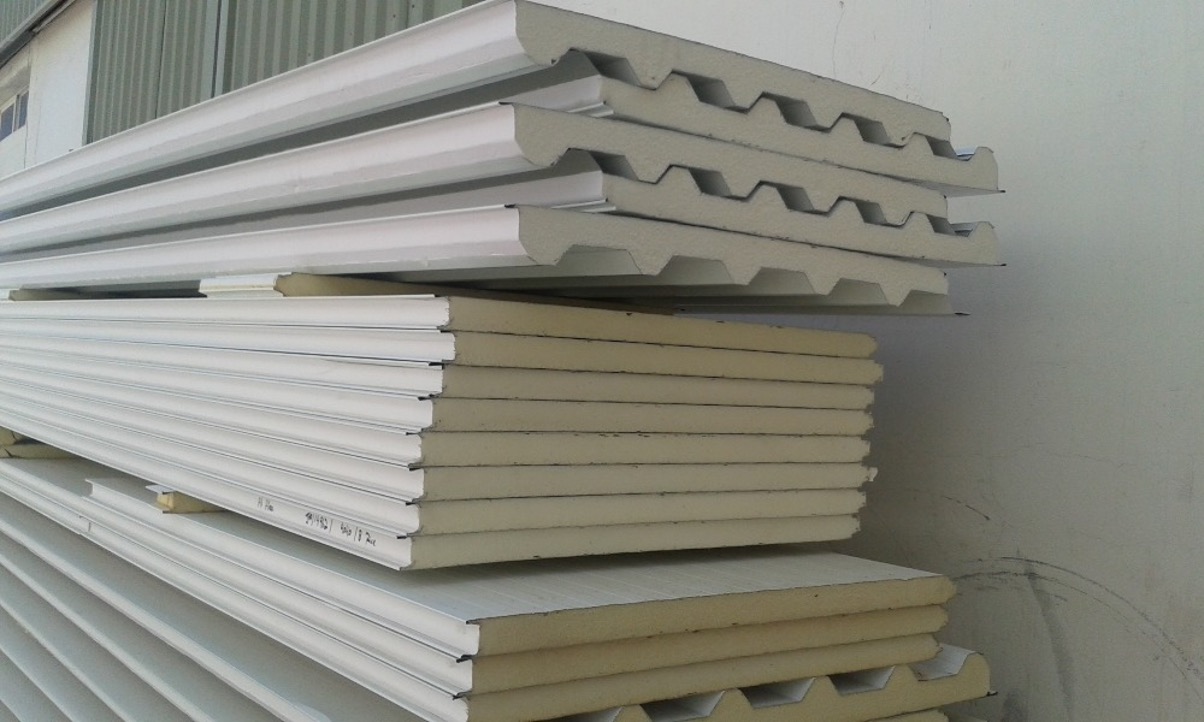
- Lightweight & High Strength: Up to 80% lighter than solid aluminum plates with comparable stiffness.
- Excellent Thermal Insulation: Foam and honeycomb cores reduce heat transfer, improving energy efficiency.
- Superior Acoustic Performance: Core structures absorb sound, reducing noise transmission.
- Fire Resistance: Aluminum is non-combustible; panels often achieve A2 fire rating (European standard).
- Corrosion & Weather Resistance: Aluminum naturally resists rust; coatings enhance longevity.
- Design Flexibility: Can be curved, CNC-machined, or customized in size, color, and texture.
- Sustainability: 100% recyclable, supporting green building certifications like LEED.
H2: Applications Across Industries
H3: Aerospace & Defense
- Satellite structures, aircraft flooring, radomes, and UAVs use aluminum honeycomb panels for their low outgassing, radiation shielding, and thermal management capabilities.
H3: Transportation
- High-speed rail, metro cars, RVs, and refrigerated trucks benefit from lightweight, insulated panels that reduce fuel consumption and improve passenger comfort.
H3: Architecture & Construction
- Curtain walls, ceilings, partitions, and façades use aluminum composite panels (ACP) for modern aesthetics and weather resistance.
- Cold storage and modular buildings rely on foam-core panels for thermal efficiency.
H3: Marine
- Ship decks, bulkheads, and interior walls use honeycomb or foam-core panels for moisture resistance, fire safety, and impact protection.
H3: Industrial & Medical
- Cleanrooms, lab enclosures, and elevator interiors use easy-to-clean, non-porous panels.
- Exhibition booths and high-end furniture leverage the material’s strength and visual appeal.
H2: Actionable Tips for Selecting and Using Aluminum Sandwich Panels
H3: Selection Guidelines
- For High Strength & Rigidity: Choose aluminum honeycomb core with 0.020″–0.040″ face sheets.
- For Thermal Insulation: Opt for XPS or PU foam core (5–100 mm thickness).
- For Outdoor Use: Specify PVDF-coated or anodized finishes for UV and weather resistance.
- For Fire Safety: Ensure panels meet ASTM E84 or EN 13501-1 A2 standards.
- For Custom Shapes: Work with manufacturers offering CNC machining, bending, and 3D forming.
H3: Installation Best Practices
- Edge Sealing: Apply sealant to cut edges to prevent moisture ingress, especially in humid environments.
- Mechanical Fastening: Use rivets, clecos, or potted inserts for secure mounting.
- Adhesive Bonding: Use high-strength structural adhesives compatible with aluminum.
- Avoid Direct Ground Contact: Elevate panels or use corrosion-resistant fasteners in outdoor installations.
- Handle with Care: Use non-abrasive tools and protective films during transport and installation.
H2: Pricing and Cost Estimates
Aluminum sandwich panel prices vary widely based on material type, thickness, size, and customization.
Estimated Market Prices (USD):
| Panel Type | Size (48″ x 96″) | Thickness | Approx. Price Range |
|---|---|---|---|
| Aluminum Honeycomb (Mill Finish) | 48″ x 96″ | 0.125″ | $375 – $615 |
| Aluminum Honeycomb (Kynar Coated) | 48″ x 96″ | 1.0″ | $750 – $1,045 |
| Foam Core (PU/PET/XPS) | 48″ x 96″ | 0.5″ | $475 – $700 |
| Custom Aerospace Panel (Carbon/Aluminum) | 48″ x 96″ | 0.125″ | $900 – $3,000+ |
Note: Customization (e.g., CNC machining, potted inserts, MLI) can increase cost by 20–50%. Bulk orders (e.g., 500+ kg) may receive 5–15% discounts.
Manufacturers like ACP Composites, Chalco, and TOPOLO offer custom quotes based on project specifications.
H2: Conclusion
Aluminum sandwich panels represent a pinnacle of modern material engineering—delivering unmatched performance in strength, weight, insulation, and durability. Whether used in spacecraft, skyscrapers, or refrigerated trucks, their versatility and reliability make them a preferred choice across high-performance industries.
By understanding the core types, manufacturing methods, and application-specific benefits, engineers, architects, and project managers can make informed decisions to optimize performance and cost. With growing emphasis on sustainability and energy efficiency, aluminum sandwich panels are poised to play an even greater role in future innovations.
H2: Frequently Asked Questions (FAQ)
1. What is the difference between aluminum honeycomb and foam core sandwich panels?
- Honeycomb panels offer higher stiffness and strength-to-weight ratio, ideal for structural aerospace and transportation uses.
- Foam core panels provide better thermal and acoustic insulation and are more cost-effective for architectural and refrigeration applications.
2. Are aluminum sandwich panels fireproof?
Yes, both aluminum face sheets and most core materials (especially honeycomb and mineral-based foams) are non-combustible. Panels can achieve A2 fire rating (European standard) when combined with fire-retardant adhesives and coatings.
3. Can aluminum sandwich panels be curved or bent?
Yes, many aluminum sandwich panels can be cold-formed or CNC-bent into curves, especially with thinner face sheets and flexible foam cores. Brazed honeycomb panels are less formable due to rigid bonding.
4. How do you cut or machine aluminum sandwich panels?
Use CNC routers, waterjets, or fine-tooth saws to avoid delamination. Always seal cut edges to prevent moisture absorption. Manufacturers often offer custom cutting services.
5. Are aluminum sandwich panels recyclable?
Yes, they are 100% recyclable. The aluminum face sheets and core can be separated and processed in standard recycling facilities, supporting sustainable building practices.
- For project-specific requirements, consult with certified manufacturers such as ACP Composites, Chalco, or TOPOLO to receive tailored material recommendations, pricing, and technical support.*