
Aluminium Sandwich Sheet Guide: 2025 Expert Insights
Tired of heavy, rust-prone materials that compromise durability and design flexibility? Aluminium sandwich sheets offer a revolutionary solution—combining lightweight strength with superior insulation and corrosion resistance. Ideal for industries from construction to transport, these high-performance panels consist of two aluminium skins bonded to a durable core, delivering unmatched structural integrity without the weight. Whether you’re aiming to cut fuel costs, improve energy efficiency, or streamline manufacturing, aluminium sandwich sheets provide a smart, long-term alternative. Discover how this innovative material is transforming modern engineering with sleek aesthetics, easy maintenance, and exceptional load-bearing capabilities—all in one advanced composite system.
How Aluminum Sandwich Sheets Work: A Comprehensive Guide
Aluminum sandwich sheets are advanced composite materials consisting of two thin, strong aluminum face sheets bonded to a lightweight core material—typically aluminum honeycomb, foam, or corrugated aluminum. This “sandwich” structure delivers exceptional strength-to-weight ratios, rigidity, thermal and acoustic insulation, and durability, making them ideal for aerospace, transportation, construction, and industrial applications.
These panels are engineered to provide high performance while minimizing weight—offering up to 80% weight reduction compared to solid aluminum of equivalent strength. Their versatility, recyclability, and resistance to fire, corrosion, and deformation have made aluminum sandwich panels a preferred choice across high-performance industries.
Structure and Composition of Aluminum Sandwich Panels
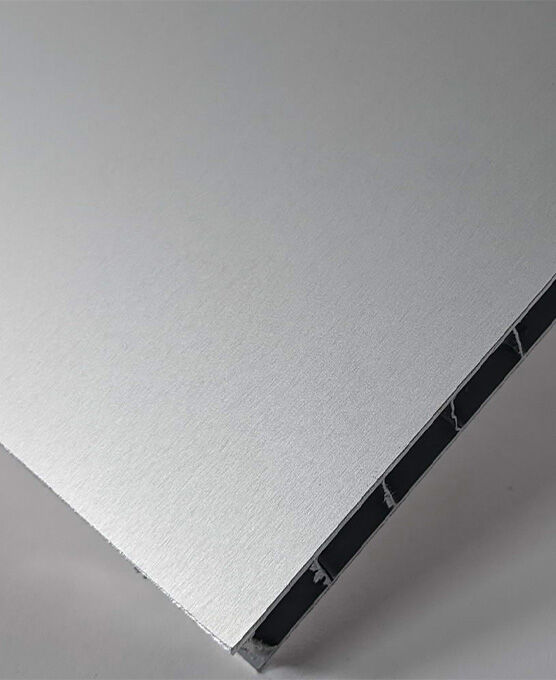
Aluminum sandwich sheets are designed with three primary components:
- Face Sheets (Skinner Layers): Thin aluminum sheets (typically 0.020″ to 0.080″ thick) that provide tensile and compressive strength.
- Core Material: The central layer that separates the face sheets and resists shear and buckling forces.
- Adhesive Layer: A high-strength bonding agent (epoxy, film adhesive, or brazed joint) that ensures structural integrity.
The synergy between these layers creates a panel that is lightweight, stiff, and strong—ideal for load-bearing and insulating applications.
Types of Core Materials
Different core materials define the performance characteristics of aluminum sandwich panels:
1. Aluminum Honeycomb Core
- Structure: Hexagonal cells resembling a beehive.
- Advantages:
- Extremely high stiffness-to-weight ratio
- Excellent energy absorption
- Superior thermal and acoustic insulation
- Non-combustible (A2 fire rating)
- Common Alloys: 3003, 5052, 5056
- Cell Sizes: 1/8″, 3/16″, 3/8″ (larger cells = lighter but less rigid)
Used in aerospace (satellites, aircraft interiors), high-speed trains, and cleanrooms.
2. Aluminum Foam Core (AFS)
- Structure: Porous, open or closed-cell metallic foam.
- Advantages:
- High impact and vibration damping
- Good sound absorption
- Fire and heat resistance
- Density Range: 300–600 kg/m³
- Applications: Military vehicles, automotive crash zones, architectural sound barriers.
3. Corrugated Aluminum Core
- Structure: Wavy or trapezoidal aluminum sheet between face layers.
- Advantages:
- Cost-effective alternative to honeycomb
- High shear strength
- Easier to manufacture continuously
- Used In: Building facades, ship bulkheads, industrial enclosures.
4. XPS (Extruded Polystyrene) Foam Core
- Structure: Closed-cell plastic foam.
- Advantages:
- Excellent thermal insulation (low k-value)
- Moisture-resistant
- Lightweight
- Limitations: Not fire-resistant unless treated; lower structural strength than metal cores.
- Applications: Refrigerated trucks, cold storage, modular buildings.
Key Benefits of Aluminum Sandwich Panels
High Strength-to-Weight Ratio
Aluminum sandwich panels are up to 80% lighter than solid aluminum panels while maintaining comparable stiffness. This makes them ideal for applications where weight savings translate to fuel efficiency, easier handling, or reduced structural support needs.
Example: In aerospace, every kilogram saved reduces launch costs significantly.
Superior Rigidity and Flatness
The sandwich design provides high bending stiffness (EI) and resistance to buckling. Panels remain flat over large spans—critical for architectural cladding and precision equipment platforms.
Thermal and Acoustic Insulation
- Honeycomb and foam cores act as thermal breaks, reducing heat transfer.
- Air trapped in cells provides excellent sound dampening, ideal for interior partitions and transportation interiors.
Fire Resistance
- Metal-core panels (honeycomb, foam, corrugated) are inherently non-combustible.
- Achieve A2 fire rating (limited combustibility) under EN 13501-1 and ASTM E84.
- Adhesives must also be low-smoke and low-flame spread for full compliance.
Corrosion and Weather Resistance
Aluminum naturally forms a protective oxide layer. Additional treatments enhance durability:
– Anodizing: Increases corrosion resistance and allows coloration.
– PVDF (Kynar) Coating: Resists UV, chemicals, and abrasion; lasts 20+ years outdoors.
– Brazed Joints: Eliminate adhesives, ideal for high-temperature environments.
Design Flexibility and Customization
Panels can be:
– Curved, bent, or formed into complex shapes
– Perforated for ventilation or aesthetics
– Custom-colored with RAL or wood-grain finishes
– Cut via CNC, waterjet, or saw with precision
Manufacturing and Bonding Techniques
The method used to bond the face sheets to the core determines performance and application suitability.
1. Adhesive Bonding (Lamination)
- Most common method.
- Uses epoxy or film adhesives applied under heat and pressure.
- Suitable for honeycomb, foam, and XPS cores.
- Allows use of dissimilar materials (e.g., carbon fiber face sheets).
2. Brazing
- High-temperature process that metallurgically bonds aluminum layers.
- No adhesives—ideal for extreme environments (aerospace, high heat).
- Enhances thermal conductivity and long-term durability.
3. Vacuum Compression
- Used in continuous production (e.g., Metawell®).
- Ensures uniform bonding and prevents delamination.
- Ideal for large-volume architectural panels.
4. Co-Curing
- Core and face sheets are bonded during composite curing cycle.
- Common in aerospace applications with mixed materials (e.g., carbon-aluminum hybrids).
Applications by Industry
Aerospace & Defense
- Satellite structures (low outgassing, thermal stability)
- Aircraft interiors (ceilings, partitions, flooring)
- Drone and UAV frames
- Radar enclosures and shielding
NASA and ESA frequently use aluminum honeycomb panels due to low outgassing and radiation shielding.
Transportation
- High-speed trains and metro cars (lightweight walls, ceilings)
- RVs and buses (thermal insulation, durability)
- Refrigerated trucks (XPS-core panels for insulation)
- Ship and yacht interiors (moisture resistance, fire safety)
Architecture & Construction
- Curtain walls and facades
- Roofing and cladding
- Ceilings and partitions
- Cleanrooms and hospitals (easy to clean, hygienic)
Chalco and TOPOLO offer custom RAL colors and anti-slip surfaces for architectural use.
Industrial & Equipment
- Machine enclosures and covers
- Elevator panels
- Exhibition stands and display systems
- Cleanroom walls and furniture
Renewable Energy
- Solar panel frames and backing
- Wind turbine nacelle covers
- Battery enclosures for EVs
Actionable Tips for Selecting and Using Aluminum Sandwich Panels
- Choose the Right Core for Your Application
- Use honeycomb for high strength and stiffness.
- Use XPS foam for insulation in cold storage.
-
Use corrugated core for cost-effective structural panels.
-
Specify Fire Ratings Early
- For buildings, ensure panels meet ASTM E84 Class A or EN 13501-1 A2.
-
Avoid polyethylene cores in high-risk areas.
-
Consider Edge Sealing
-
Exposed honeycomb edges can absorb moisture—seal with tape, epoxy, or edge trim.
-
Use Proper Cutting Tools
- CNC routers or waterjets prevent delamination.
-
Avoid abrasive cutters that generate heat.
-
Plan for Fastening
- Use potted inserts or rivnuts for secure mounting.
-
Avoid direct screwing into honeycomb—causes crushing.
-
Optimize for Sustainability
- Aluminum is 100% recyclable—specify recycled content.
- Choose panels with low-carbon manufacturing processes.
Pricing and Cost Estimates
Aluminum sandwich panel pricing varies widely based on core type, thickness, finish, and customization.
| Panel Type | Size (48″ x 96″) | Thickness | Average Price Range |
|---|---|---|---|
| Aluminum Honeycomb (Mill Finish) | 48″ x 96″ | 0.25″ | $600 – $700 |
| Aluminum Honeycomb (Kynar Coated) | 48″ x 96″ | 1.0″ | $1,000 – $1,400 |
| Clear Anodized Honeycomb (0.25″) | 48″ x 96″ | 0.25″ | $1,400 – $1,600 |
| XPS Foam Core (Aluminum Skin) | 48″ x 96″ | 1.0″ | $300 – $500 |
| Corrugated Core (Metawell®) | Custom | 10–20mm | $80 – $150 per m² |
Bulk discounts (5+ panels) can reduce costs by 10–20%.
Custom sizes, CNC machining, or brazed joints increase price significantly.
Conclusion
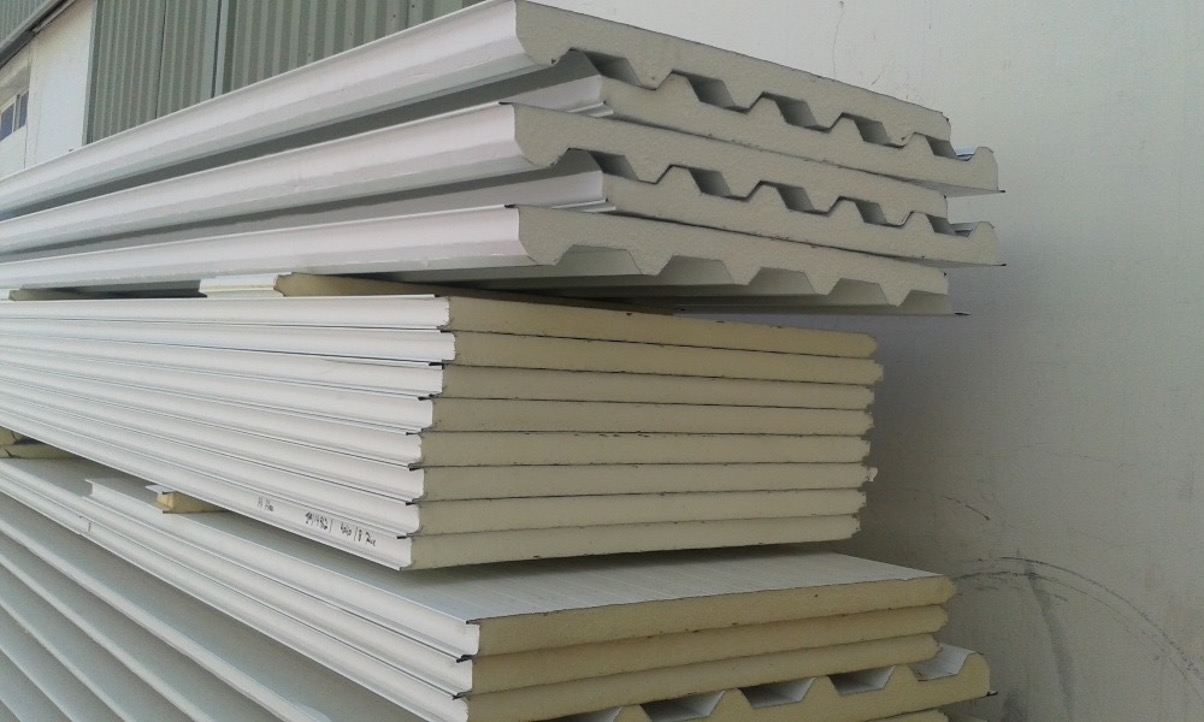
Aluminum sandwich sheets represent a pinnacle of lightweight engineering, combining strength, durability, insulation, and design flexibility in a single composite solution. Whether used in a satellite orbiting Earth or a sleek architectural facade, these panels deliver unmatched performance.
By selecting the right core type, thickness, and surface treatment, engineers and designers can tailor aluminum sandwich panels to meet exact functional and aesthetic requirements. With growing emphasis on sustainability and energy efficiency, their role in modern construction and transportation will only expand.
From aerospace-grade honeycomb to insulating XPS foam panels, aluminum sandwich technology continues to evolve—offering smarter, lighter, and stronger solutions for the future.
Frequently Asked Questions (FAQ)
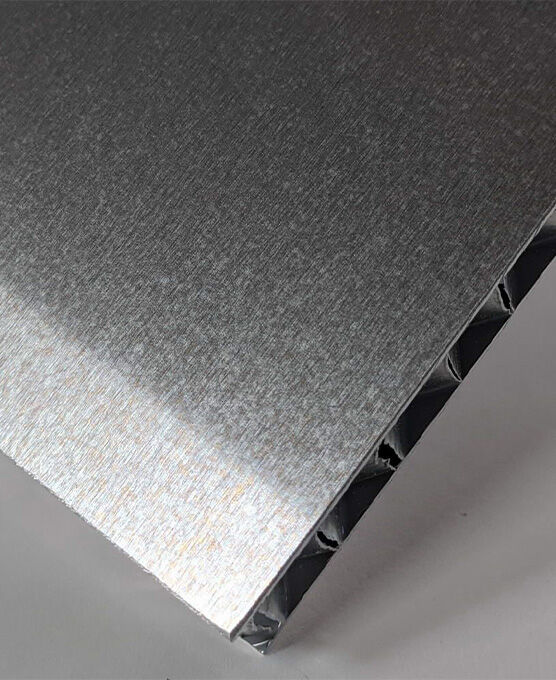
1. What is an aluminum sandwich panel?
An aluminum sandwich panel is a composite material made of two thin aluminum face sheets bonded to a lightweight core (such as honeycomb, foam, or corrugated aluminum). This structure provides high strength and stiffness with minimal weight.
2. Are aluminum sandwich panels fireproof?
While not “fireproof,” metal-core panels (honeycomb, foam, corrugated) are non-combustible and achieve A2 fire ratings. Panels with plastic cores (like polyethylene) may burn unless treated. Always verify fire test reports (ASTM E84, EN 13501-1).
3. Can aluminum sandwich panels be curved or bent?
Yes. Many panels can be cold-formed or roll-bent into curves. Honeycomb panels may require special tooling. Corrugated-core panels (like Metawell®) are especially suitable for curved applications.
4. How do you cut aluminum sandwich panels?
Use CNC routers, waterjets, or fine-tooth saws. Avoid high-speed abrasive cutters that generate heat and damage the core. Always support the panel during cutting to prevent delamination.
5. Are aluminum sandwich panels recyclable?
Yes. 100% recyclable without material separation. Aluminum can be melted down and reused indefinitely, making these panels a sustainable choice for green building and circular economy projects.