
Alu Composite Panel Guide 2025: Expert Tips & Insights
Tired of high maintenance, heavy building materials that fade or warp over time? Discover the game-changing solution: aluminum composite panels (ACP). Lightweight, durable, and stunningly versatile, ACPs are revolutionizing modern architecture and design. Whether you’re upgrading a commercial facade or crafting a sleek interior feature wall, these panels offer unmatched resistance to weather, fire, and impact—without the upkeep. With a perfect blend of aluminum and a polyethylene core, they combine strength with flexibility, making installation faster and more cost-effective. From iconic skyscrapers to contemporary homes, aluminum composite panels deliver a modern aesthetic that lasts. Ready to transform your next project with smarter, more sustainable materials? Explore how ACP works and why it’s the top choice for designers and builders worldwide.
How Aluminum Composite Panels Work: A Comprehensive Guide
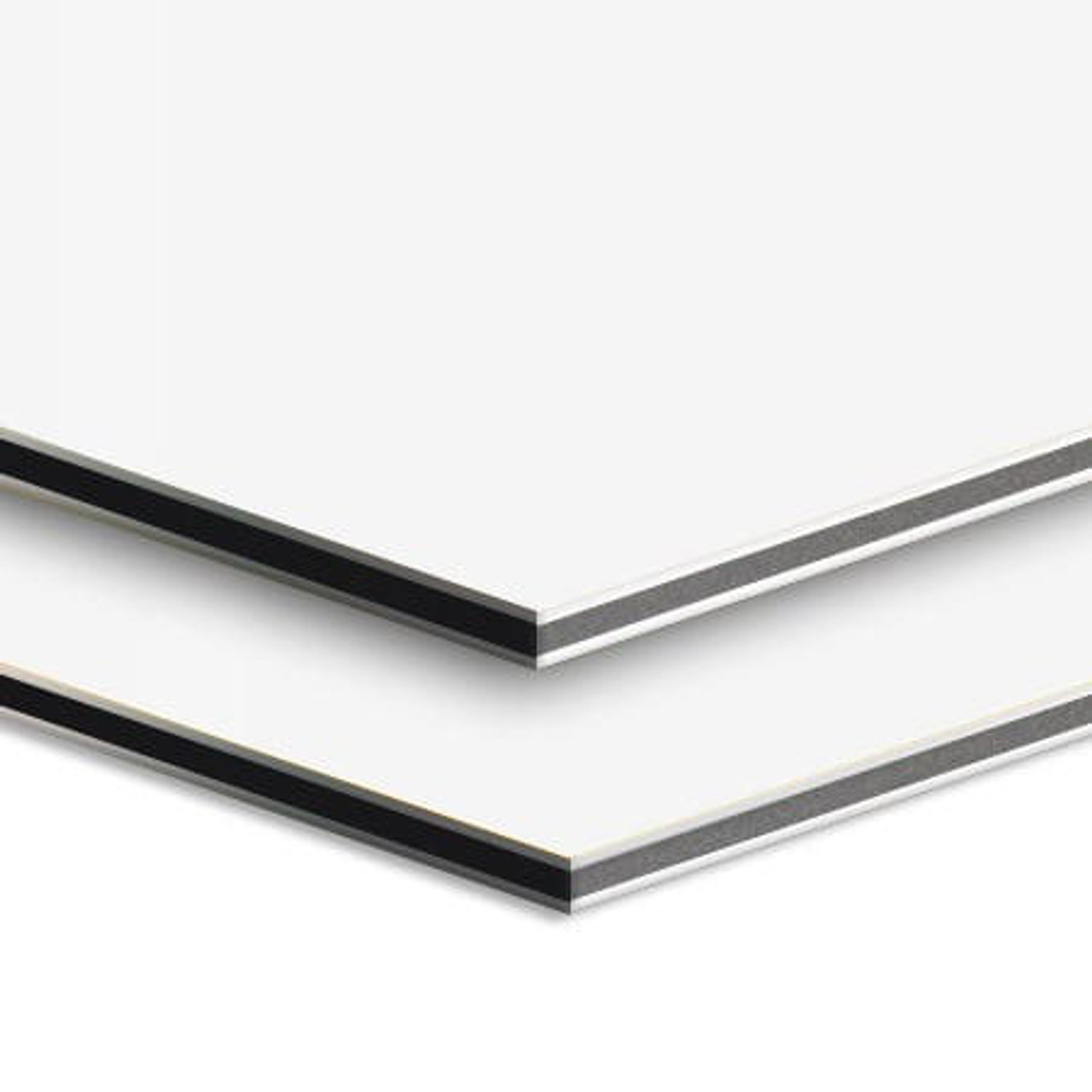
Aluminum composite panels (ACPs), also known as aluminum composite material (ACM), are engineered sandwich panels composed of two thin aluminum sheets bonded to a non-aluminum core—typically polyethylene (PE) or a fire-retardant mineral-filled thermoplastic. These panels combine strength, lightness, and aesthetic flexibility, making them a top choice in modern architecture, signage, and interior design. Their unique structure allows for easy fabrication, excellent durability, and a sleek appearance, while their lightweight nature reduces structural load and simplifies installation. Below is a detailed breakdown of how ACPs work, their benefits, applications, and key considerations.
H2: What Is an Aluminum Composite Panel?
An aluminum composite panel (ACP) is a multi-layered building and design material consisting of:
- Two outer layers of pre-painted or coated aluminum (typically 0.10–0.50 mm thick)
- A central core made of polyethylene (PE), mineral-filled polyethylene, or fire-resistant materials
- Strong adhesive bonds that laminate the layers into a single rigid panel
This sandwich construction delivers a high strength-to-weight ratio, dimensional stability, and resistance to weathering, making ACPs ideal for both indoor and outdoor use.
H3: Core Composition and Variants
The core is the defining element that influences performance:
- Polyethylene (PE) Core: Lightweight and cost-effective; ideal for interior and non-structural exterior use. Common in signage and retail displays.
- Fire-Retardant (FR) Core: Contains mineral fillers to reduce flammability. Meets fire safety standards like ASTM E84 Class A or NFPA 285.
- Mineral-Filled Thermoplastic Core: Offers superior fire resistance and dimensional stability—used in high-rise buildings and commercial facades (e.g., Kaycan’s S-100 system).
H2: Key Properties and Performance Characteristics
H3: Lightweight Yet Strong
Despite being only 3–6 mm thick, ACPs are remarkably rigid due to their sandwich design. They weigh approximately 3.5–6 kg/m², about half the weight of solid aluminum, reducing structural stress and transportation costs.
H3: Durability and Weather Resistance
- Resists UV degradation, corrosion, rain, and temperature extremes (from -50°C to +90°C)
- Coatings are tested for acid, alkali, oil, and solvent resistance
- Maintains color and finish for 10+ years with minimal maintenance
H3: Fire Safety and Ratings
Fire performance varies by core type:
– Standard PE-core panels: Suitable for low-risk, non-combustible areas
– FR or mineral-core panels: Comply with CAN/ULC-S135, UNE EN 13501 B-s1,d0, and NFPA 285, making them safe for high-rise buildings
Always verify fire ratings based on local building codes.
H3: Thermal and Acoustic Performance
- Provides moderate thermal insulation (R-value ~0.0057 per mm)
- Acts as a thermal break in ventilated facade systems
- Offers sound attenuation (Rw ~24 dB) and low sound absorption (NRC 0.05), suitable for exterior noise reduction
H2: How Aluminum Composite Panels Are Made
The manufacturing process ensures precision and consistency:
- Coil Coating: Aluminum coils are cleaned, chemically treated, and pre-painted with polyester, PVDF, or FEVE coatings.
- Lamination: The painted sheets are bonded to the core using heat and pressure in a continuous press.
- Cooling and Cutting: The bonded panel is cooled, inspected, and cut to standard sizes (e.g., 4’x8’, 5’x10’, or 1.5m x 3m).
- Quality Control: Panels are tested for flatness, bond strength (>5 N/mm), and surface finish.
Brands like DIBOND®, ALUCOBOND, and Maxmetal® use proprietary processes to enhance flatness, print readiness, and durability.
H2: Common Applications of ACPs
H3: Architectural Cladding and Facades
- Exterior wall cladding for commercial buildings, schools, and hospitals
- Ventilated facades that improve energy efficiency and moisture control
- Curved or folded panels for dynamic architectural forms
Example: ALUCOBOND PLUS is used in high-profile projects for seamless color transitions from interior to exterior.
H3: Signage and Branding
- Exterior signage, wayfinding, and channel letters
- Interior displays, reception walls, and corporate branding
- Digital printing substrate—ideal for UV, latex, and screen printing
DIBOND® and Alumanate are optimized for direct printing with excellent ink adhesion.
H3: Interior Design and Retail
- Shop fittings, POP displays, and exhibition booths
- Ceilings, partitions, and column covers
- Kitchen backsplashes and elevator interiors
H3: Industrial and OEM Uses
- Machine enclosures, control panels, and vehicle interiors
- Framing and mounting substrates for graphics and art
H2: Advantages of Aluminum Composite Panels
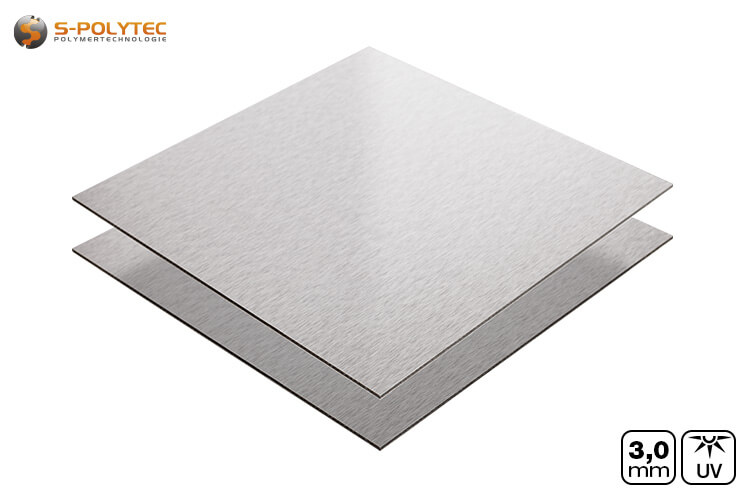
- ✅ Design Flexibility: Available in solid colors, brushed finishes, mirrored surfaces, and wood/marble effects
- ✅ Easy to Fabricate: Can be cut, routed, bent, or CNC-machined with standard tools
- ✅ Fast Installation: Lightweight panels reduce labor and crane use
- ✅ Low Maintenance: Resists fading, chalking, and corrosion; cleaned with mild detergent
- ✅ Sustainable: Contains recycled aluminum and is 100% recyclable at end-of-life
- ✅ Cost-Effective: Lower installed cost than solid metal or stone cladding
H2: Installation Methods and Systems
H3: Mechanical Fastening
- Face-fixed systems: Screws attach panels directly to rails (e.g., ALUCOBOND FaceFastened)
- Hidden fixings: Clips or cassettes create a seamless appearance
H3: Adhesive Bonding
- Structural adhesives (e.g., Adseal) used in the Kaycan S-100 system
- Allows on-site cutting and assembly without factory pre-measurement
H3: Panel Sizes and Accessories
- Standard sizes: 4’x8’, 4’x10’, 5’x10’, 1.5m x 3m
- Thicknesses: 3mm, 4mm, and 6mm
- Accessories: J-trims, H-trims, mounting plates, and transition trims for clean edges
Kaycan’s S-100 system simplifies installation with hand tools and no specialized equipment.
H2: Pricing and Market Cost Estimates
ACM panel pricing varies by brand, thickness, finish, and fire rating:
| Panel Type | Thickness | Size | Estimated Price (USD) |
|---|---|---|---|
| Standard ACM (PE Core) | 3mm | 4’x8’ | $55–$70 |
| Premium ACM (DIBOND®) | 3mm | 4’x8’ | $90–$120 |
| Fire-Rated ACM (E-PANEL™) | 4mm | 4’x8’ | $130–$160 |
| 6mm Panel (80/20) | 6mm | Custom | $180–$210 |
Note: Prices may increase due to tariffs or material costs. Bulk orders often receive volume discounts.
Additional costs include:
– Fabrication (cutting, routing): $10–$30 per panel
– Installation labor: $5–$15 per sq. ft.
– Accessories and adhesives: $2–$8 per linear foot
H2: Actionable Tips for Using ACPs
- Choose the Right Core: Use fire-rated panels for high-rise or public buildings.
- Verify Finish Compatibility: Ensure the surface is print-ready or vinyl-compatible for signage.
- Allow for Thermal Expansion: Leave 3–5mm expansion gaps between panels to prevent warping.
- Use Proper Tools: Carbide-tipped blades and variable-speed routers prevent chipping.
- Order Physical Samples: Digital color swatches may not reflect real-world appearance.
- Follow Manufacturer Guidelines: Adhere to installation specs for warranty compliance.
- Consider Sustainability: Opt for EPD-certified panels (like Kaycan’s) for green building projects.
H2: Leading Brands and Product Lines
| Brand | Key Features | Best For |
|---|---|---|
| ALUCOBOND | Made in USA, 91+ colors, EasyFix system | Architectural facades, brand installations |
| DIBOND® | Ultra-flat, print-ready, mirror finish | Signage, graphics, exhibitions |
| Maxmetal® | UV-resistant, PE core, UL-certified | Outdoor signage, durable displays |
| E-PANEL™ | Class A fire-rated, UL-recognized | Commercial interiors, code-compliant builds |
| Kaycan Alu-Composite | Mineral core, EPD-certified, S-100 system | Residential & commercial cladding |
H2: Conclusion
Aluminum composite panels are a versatile, durable, and cost-effective solution for modern design and construction. Their sandwich structure delivers strength without weight, while their aesthetic flexibility supports creative architectural expression. Whether used for building facades, signage, or interior decor, ACPs offer easy installation, long-term performance, and low maintenance. By selecting the right core type, finish, and installation system, professionals can ensure safety, compliance, and visual impact in any project.
H2: Frequently Asked Questions (FAQ)
1. Are aluminum composite panels fire safe?
Yes, but only if they have a fire-retardant (FR) or mineral-filled core. Standard PE-core panels are combustible and not suitable for high-rise buildings. Always choose Class A/Class 1 rated panels for commercial applications.
2. Can you print directly on aluminum composite panels?
Yes. Panels like DIBOND®, Alumanate, and Maxmetal® DP are optimized for UV, latex, and screen printing. They offer excellent ink adhesion and color clarity for high-impact graphics.
3. How long do aluminum composite panels last?
With proper installation, ACPs can last 15–25 years outdoors. Most manufacturers offer 5–10 year warranties on finish and bond integrity.
4. Can ACPs be bent or curved?
Yes. Thin panels (3mm) can be cold-bent or roll-formed into curves. Some brands, like ALUCOBOND, are specifically designed for complex shapes and architectural forms.
5. Are aluminum composite panels recyclable?
Yes. ACPs are 100% recyclable at end-of-life. The aluminum skins can be separated from the core and reprocessed, supporting sustainable building practices.
By understanding how aluminum composite panels work—from their layered construction to real-world performance—designers, architects, and contractors can make informed decisions that balance aesthetics, safety, and efficiency.