
Silk Printing on Metal: Expert Guide 2025
Tired of flat, forgettable designs that scratch off metal surfaces? Discover the lasting elegance of silk printing on metal—a game-changer for creating vibrant, durable finishes that stand the test of time. Whether you’re branding premium products, crafting eye-catching signage, or designing custom décor, silk screen printing delivers sharp detail and rich color adhesion directly onto metal substrates. This proven technique combines precision with versatility, working seamlessly on aluminum, steel, and more. Resistant to UV rays, moisture, and wear, silk-printed metal offers both beauty and resilience. Unlock professional-grade results that elevate your brand’s visual impact—learn how silk printing transforms ordinary metal into stunning, long-lasting masterpieces.
How Silk Printing on Metal Works: A Complete Guide
Silk printing on metal—also known as screen printing—is a precision industrial process that transfers durable, high-resolution graphics, text, or logos onto metal surfaces using a mesh stencil and specialized inks. This technique is widely used in manufacturing for creating long-lasting markings on nameplates, control panels, enclosures, and consumer products due to its exceptional durability, color vibrancy, and resistance to environmental wear.
Unlike digital or pad printing, silk screen printing offers superior ink thickness and adhesion, making it ideal for applications requiring UV, chemical, and abrasion resistance. It works across a range of metals including aluminum, stainless steel, brass, and copper, especially when combined with pre-treatments like powder coating or anodization.
Below is a comprehensive breakdown of how silk printing on metal works, its advantages, technical considerations, and best practices.
The Silk Screen Printing Process on Metal: Step-by-Step
The silk printing process on metal involves several precise stages—from design preparation to final curing. Each step ensures accurate, repeatable, and durable results.
1. Artwork Preparation and Design Transfer
Before printing begins, the design must be finalized in a high-resolution digital format (e.g., .AI, .EPS, .SVG, or CAD files). The artwork is converted into a film positive, which acts as a photographic negative of the desired image.
- Critical Tip: Avoid extremely fine lines ( Note: Bare metals often require pre-treatment (e.g., cleaning, priming, or coating) to ensure ink adhesion.
Ink Types for Metal Screen Printing
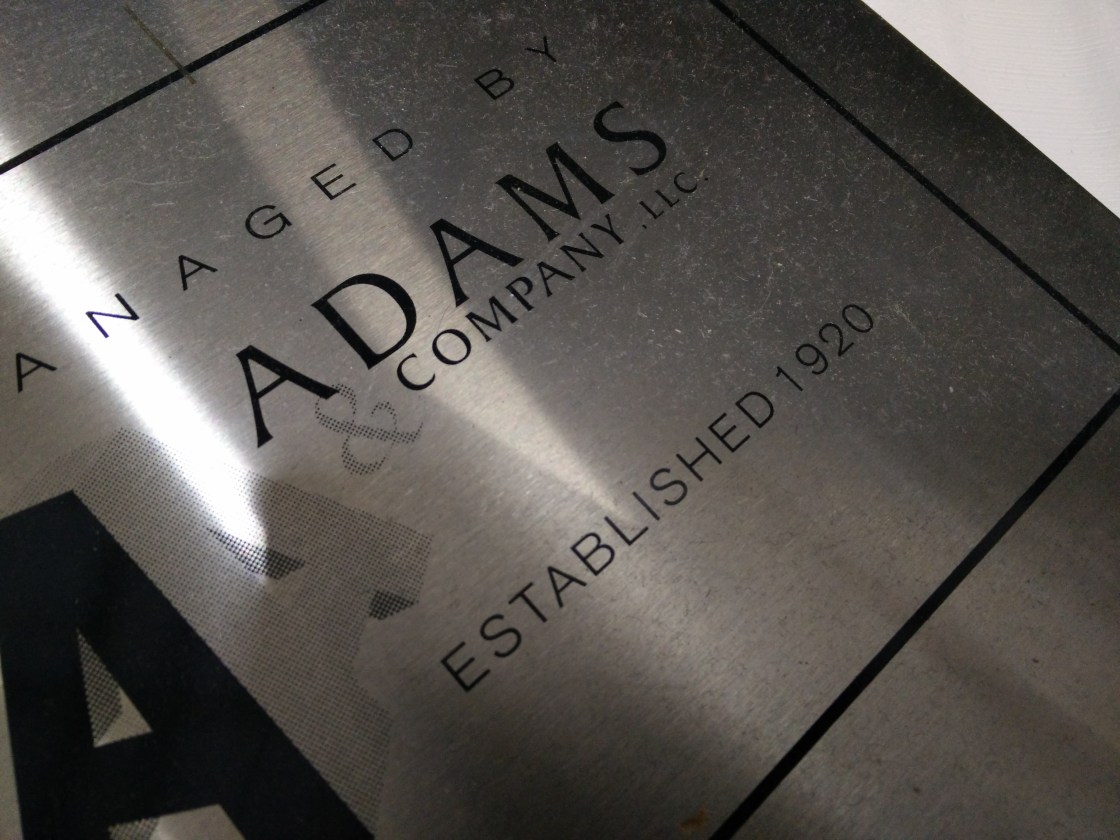
Choosing the right ink is crucial for performance and longevity.
Epoxy Inks
- Most common for industrial metal printing.
- Excellent adhesion, chemical resistance, and durability.
- Requires heat curing.
Polyester & Enamel Inks
- Good UV and weather resistance.
- Often used for outdoor applications.
UV-Curable Inks
- Fast curing under UV lamps.
- Environmentally friendly (low VOCs).
- High scratch resistance.
Solvent-Based Inks
- Ideal for flexible or coated substrates.
- Air-dry or heat-cured.
Avoid water-based inks on metal—they lack adhesion and durability.
Surface Coatings and Their Impact
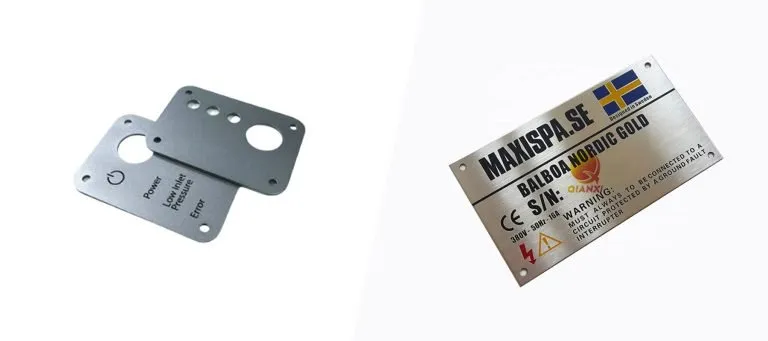
The type of coating on the metal substrate affects ink bonding and print quality.
Thermoplastic Coatings
- Air-dried, softer surface.
- Pros: Good ink absorption.
- Cons: Less resistant to heat, solvents, and scratches.
- Best for: Indoor applications with minimal wear.
Thermoset Coatings
- Baked at high temperatures, forming a hard, cross-linked finish.
- Pros: Superior durability, scratch and chemical resistance.
- Cons: Requires compatible inks (e.g., heat-cured epoxies).
- Best for: Outdoor, industrial, and high-stress environments.
Recommendation: Use thermoset-coated or anodized aluminum for optimal silk printing results.
Common Applications in Industry
Silk printing on metal is essential across multiple sectors:
Industrial & Manufacturing
- Nameplates, warning labels, serial numbers, and control panel markings.
- Must remain legible under harsh conditions.
Electronics & Enclosures
- Branding, circuit labels, port identifiers on metal housings.
- Often uses black or white ink on anodized aluminum.
Automotive & Aerospace
- Dashboards, instrument panels, safety instructions.
- Requires high durability and regulatory compliance.
Consumer Products
- Water bottles, cutlery, promotional items.
- Combines aesthetics with longevity.
Architecture & Signage
- Custom metal signs, building plaques, wayfinding panels.
- Often features multi-color designs.
Actionable Tips for Successful Metal Silk Printing
Follow these best practices to ensure high-quality results:
- ✅ Use vector artwork (.AI, .EPS) for crisp, scalable designs.
- ✅ Specify Pantone colors for accurate brand matching.
- ✅ Test print on a sample before full production.
- ✅ Ensure metal surface is clean and degreased before printing.
- ✅ Align multi-color prints with registration marks.
- ✅ Store screens properly to prevent warping or emulsion damage.
- ✅ Choose heat-cured inks for outdoor or industrial use.
- ❌ Avoid printing over bends, welds, or holes—distorts image.
- ❌ Don’t use low mesh counts for fine text or detailed logos.
Pricing and Cost Considerations
Silk printing costs vary based on complexity, volume, and materials.
| Factor | Cost Estimate |
|---|---|
| Screen Setup (one-time) | $50 – $150 per color |
| Single-Color Print (per unit) | $0.25 – $1.50 |
| Multi-Color Print (per unit) | $0.75 – $3.00+ |
| UV or Heat-Cured Inks | +20–40% vs. air-dry |
| Custom Pantone Matching | +$25–$75 setup fee |
Note: High-volume orders (1,000+ units) reduce per-unit cost significantly. Many manufacturers store screens for free for repeat orders.
Conclusion
Silk printing on metal is a proven, reliable, and cost-effective method for applying durable, high-quality graphics to metal surfaces. Its ability to withstand harsh environments while maintaining visual clarity makes it indispensable in industrial, electronic, and consumer manufacturing. By selecting the right metal substrate, ink type, and surface coating, and following best practices in design and production, businesses can achieve professional, long-lasting results that enhance both functionality and brand identity.
Whether you’re producing industrial nameplates, electronics enclosures, or branded merchandise, silk screen printing offers unmatched value in durability, precision, and scalability.
Frequently Asked Questions (FAQ)
1. Can silk printing be done on curved metal surfaces?
Yes, but only on slightly curved surfaces. Standard flatbed presses require near-planar substrates. For highly curved parts, pad printing may be more suitable.
2. How long does a silk screen last?
A well-maintained screen can last 10,000+ prints. Proper cleaning and storage prevent emulsion breakdown and mesh deformation.
3. Is silk printing on metal environmentally friendly?
It can be. UV-curable inks are low-VOC and energy-efficient. Water-based inks are eco-friendly but not recommended for metal. Solvent-based inks require proper ventilation and disposal.
4. Can you print multiple colors in one pass?
No. Each color requires a separate screen and pass. Multi-color jobs use registration systems to align each layer precisely.
5. What’s the difference between silk printing and pad printing on metal?
- Silk printing: Best for flat surfaces, large areas, and thick, opaque ink.
- Pad printing: Better for curved, recessed, or 3D surfaces, but with thinner ink layers and lower durability.
Choose silk printing for durability and vibrancy on flat metal parts.