
Aluminium Wall Panels: 2025 Guide & Expert Tips
Tired of high maintenance walls that fade, warp, or cost a fortune to upkeep? Aluminium wall panels offer a sleek, modern solution that combines durability with stunning design. Lightweight yet incredibly strong, these panels resist corrosion, weather damage, and fire—making them perfect for both interior and exterior use. Whether you’re renovating your home, upgrading a commercial space, or seeking energy-efficient cladding, aluminium delivers. With endless finishes, colours, and textures, you can achieve a custom look without sacrificing performance. Easy to install and eco-friendly thanks to recyclability, aluminium wall panels are the smart choice for today’s sustainable builds. Discover how this innovative material is transforming spaces—one resilient, stylish panel at a time.
How Aluminium Wall Panels: A Complete Guide
Aluminium wall panels are lightweight, durable, and highly customizable cladding solutions used for both interior and exterior architectural applications. They offer exceptional resistance to weather, corrosion, and fire, require minimal maintenance, and provide a modern, sleek aesthetic. Available in solid, composite, and perforated forms, these panels are ideal for facades, soffits, accent walls, and commercial interiors, combining long-term performance with design flexibility.
From high-rise buildings to modern homes and office interiors, aluminium wall panels have become a go-to choice for architects, builders, and designers seeking sustainable, cost-effective, and visually striking building envelopes. This comprehensive guide explores everything you need to know about aluminium wall panels — their types, benefits, installation methods, cost considerations, and best practices.
Types of Aluminium Wall Panels
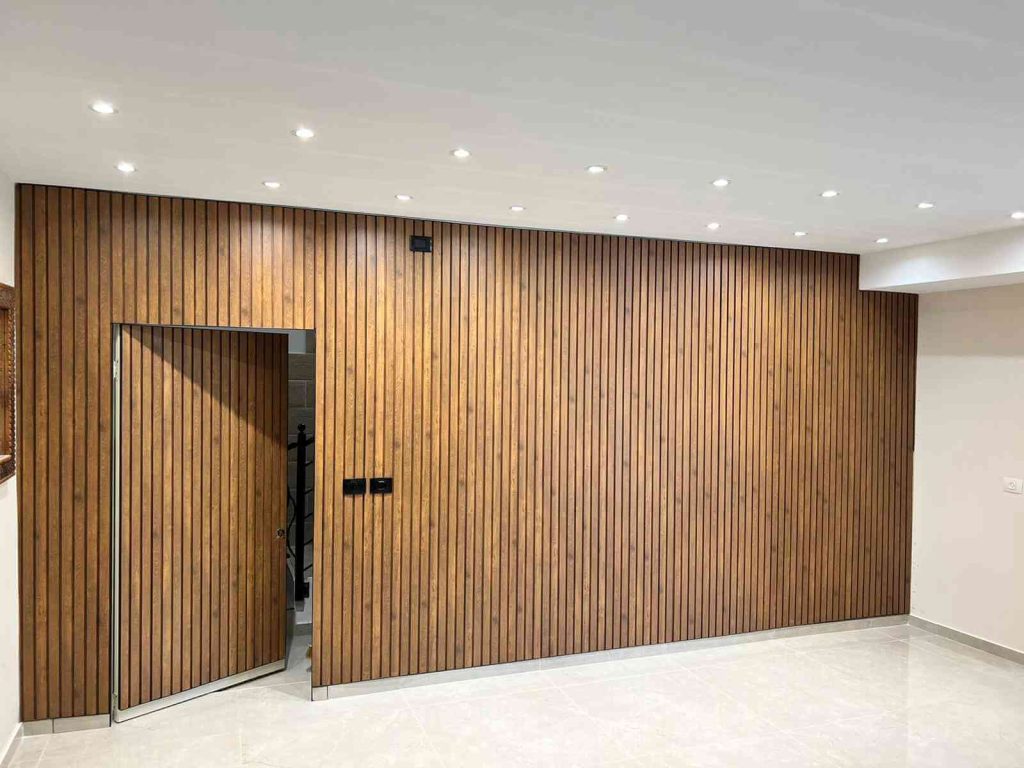
Aluminium wall panels come in various configurations, each suited to specific design and performance requirements.
1. Solid Aluminium Panels
Made from a single sheet of high-grade aluminium (typically 2–3 mm thick), solid panels offer superior durability, flatness, and impact resistance. They are ideal for high-traffic areas and projects requiring non-combustible materials.
- Common Uses: Facades, column cladding, soffits, interior accent walls
- Key Features:
- Non-combustible (A1 fire rating)
- 100% recyclable
- High dimensional stability
-
Resistant to warping and deformation
-
Example:* ALUCOLUX® solid aluminium panels use a continuous coil-coating process with PVDF/FEVE finishes for long-term color retention and weather resistance.
2. Composite Aluminium Panels (ACM/MCM)
Aluminium Composite Material (ACM) or Metal Composite Material (MCM) panels consist of two thin aluminium sheets bonded to a non-aluminium core (usually polyethylene or fire-retardant mineral-filled core).
- Common Uses: Exterior cladding, signage, interior partitions
- Key Features:
- Lightweight and easy to fabricate
- Excellent flatness and finish consistency
- Cost-effective compared to solid panels
-
Available in wide range of colors and textures (e.g., wood grain, stone, metallic)
-
Example:* ALUCOBOND® panels are industry leaders, offering over 90 colors and finishes with a 35-year warranty.
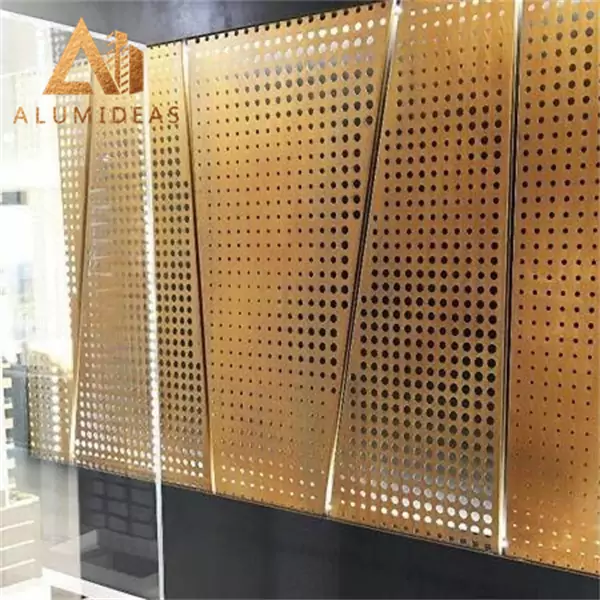
3. Perforated Aluminium Panels
These panels feature precisely punched holes in various patterns and are used for both functional and decorative purposes.
- Common Uses: Sunshades, acoustic walls, ventilation screens, art installations
- Key Features:
- Allows airflow and light diffusion
- Enhances acoustics when backed with sound-absorbing material
- Customizable patterns (e.g., logos, words, geometric designs)
4. Modular & Tongue-and-Groove Systems
Innovative systems like AlumLA’s SlideLux or PAC-CLAD’s Modular AL use interlocking profiles for seamless, fast installation.
- Benefits:
- No exposed fasteners (clean “dry look”)
- Easy alignment and reduced labor
- Ideal for DIY and professional installations
Benefits of Aluminium Wall Panels
Durability & Longevity
Aluminium is inherently corrosion-resistant and does not rust, making it ideal for harsh climates.
- Resists UV radiation, fading, and thermal expansion
- Withstands extreme temperatures (-40°C to +80°C)
- Lifespan exceeds 25–50 years with minimal degradation
Low Maintenance
Unlike wood or vinyl, aluminium panels require no painting, sealing, or staining.
- Clean with water or mild detergent
- Resistant to mold, rot, pests, and graffiti
- Maintains appearance over decades
Fire Safety
Solid aluminium panels are non-combustible (A1-rated) and pass rigorous fire tests (e.g., BS 8414-1, EN 13501-1).
- Critical for high-rise buildings and commercial projects
- Safer than combustible ACM cores in fire-prone areas
Design Flexibility
Aluminium panels offer unmatched aesthetic versatility.
- Finishes: Brushed, anodized, matte, gloss, wood grain, stone, metallic
- Colors: Custom PVDF or FEVE coatings in thousands of shades
-
Textures: Embossed, smooth, or 3D patterns
-
Example: 27estore’s Brushed Aluminum Wall Panels* mimic real metal with a fingerprint-free, scrub-resistant coating.
Sustainability & Recyclability
Aluminium is 100% recyclable without loss of quality.
- Contains up to 50% recycled content
- Reduces carbon footprint over lifecycle
- Contributes to LEED and BREEAM certifications
Installation Methods and Systems
Proper installation ensures performance, weather resistance, and longevity.
1. Rainscreen Cladding Systems
A ventilated cavity behind the panel allows moisture to escape and improves thermal efficiency.
- Types:
- Back-Ventilated: Passive airflow behind panels
- Pressure-Equalized: Manages wind-driven rain in high-exposure zones
- Benefits:
- Prevents water ingress
- Reduces thermal bridging
-
Extends building envelope life
-
Used in:* Americlad® AC-3200 system with Dry-Look™ appearance.
2. Barrier Wall Systems
Panels act as the primary weather barrier, sealed at joints with caulk or gaskets.
- Best for: Low-rise buildings with minimal wind load
- Joint Treatment: Backer rod and silicone sealant
-
Risk: Potential for water infiltration if not maintained
-
Used in:* Americlad® AC-3000 and AC-3300 systems.
3. Concealed Fastening Systems
Fasteners are hidden within panel joints for a seamless look.
- Methods:
- Slotted clips (e.g., Americlad’s patented sliding clip)
- Tongue-and-groove interlocks (e.g., SlideLux)
- Advantages:
- Clean, modern appearance
- Faster installation
- Accommodates thermal expansion
4. Exposed Fastener Systems
Visible screws or rivets secure panels directly to the substrate.
- Use Case: Budget projects, industrial buildings
- Drawbacks: Less aesthetic appeal, potential for leaks if not sealed properly
Key Performance Factors
Wind Load Resistance
Panels must withstand wind pressure, especially in tall buildings.
- Panel size, thickness, and support spacing affect performance
- Engineering calculations required for high-wind zones
- Systems like ALUCOLUX® provide wind load diagrams for safe design
Thermal Movement
Aluminium expands and contracts with temperature changes.
- Solution: Allow expansion gaps and use slotted clips
- Avoid rigid, fully sealed joints
Color Retention & Coating Standards
High-performance coatings ensure long-term appearance.
- PVDF (Polyvinylidene Fluoride): 25–40 year warranty, excellent UV resistance
- FEVE (Fluoropolymer): Even better color retention, used in harsh environments
- AAMA 2605: Industry standard for premium architectural coatings
Cost and Pricing Estimates
Aluminium wall panel pricing varies based on type, finish, and system complexity.
| Panel Type | Average Cost (USD per sq. ft.) | Notes |
|---|---|---|
| Solid Aluminium Panels | $8.00 – $15.00 | Higher upfront cost, longer lifespan |
| Composite Panels (ACM) | $6.00 – $10.00 | Most cost-effective for large facades |
| Perforated Panels | $10.00 – $20.00 | Custom patterns increase cost |
| Brushed/Metallic Finish Panels | $7.00 – $12.00 | Popular for interiors and accent walls |
| Installation Labor | $3.00 – $7.00 | Depends on system complexity |
Total Project Cost Example:
A 1,000 sq. ft. facade using composite panels:
– Materials: $7,000 – $10,000
– Installation: $3,000 – $7,000
– Total: $10,000 – $17,000
- Note:* Premium brands like ALUCOBOND® or custom solid panels may exceed $15/sq. ft.
Actionable Tips for Choosing and Installing Aluminium Panels
- Assess Your Project Needs
- Is it interior or exterior?
- What are the climate and fire safety requirements?
-
Do you need ventilation (rainscreen) or a sealed barrier?
-
Choose the Right Panel Type
- Use solid panels for high-rise, fire-sensitive, or high-impact areas.
- Use composite panels for cost-effective, large-scale cladding.
-
Use perforated panels for shading, acoustics, or design effects.
-
Prioritize Coating Quality
- Specify PVDF or FEVE coatings with AAMA 2605 compliance.
-
Avoid cheap polyester coatings for exterior use.
-
Work with Certified Installers
- Improper installation voids warranties and causes leaks.
-
Use manufacturers’ approved systems and clips.
-
Order Samples First
- Evaluate color, texture, and finish under real lighting conditions.
-
Most suppliers (e.g., AlumLA, 27estore) offer $10–$15 samples.
-
Plan for Expansion Joints
- Leave gaps (3–6 mm) between panels.
-
Use slotted clips to allow movement.
-
Verify Fire Ratings
- For buildings over 40 ft, use A1 non-combustible panels.
- Check local building codes and insurance requirements.
Conclusion
Aluminium wall panels are a smart, sustainable, and stylish solution for modern architecture. Whether you’re cladding a high-rise facade, designing a commercial interior, or upgrading a home office, aluminium offers unmatched durability, design flexibility, and low maintenance. With options ranging from budget-friendly composites to premium solid panels, there’s a solution for every project and budget. By selecting high-quality materials, proper installation systems, and certified professionals, you can ensure decades of performance and aesthetic appeal.
Frequently Asked Questions (FAQ)
1. Are aluminium wall panels suitable for exterior use?
Yes. Aluminium panels are highly weather-resistant, UV-stable, and corrosion-proof, making them ideal for exterior facades, soffits, and cladding in all climates.
2. Do aluminium panels fade over time?
High-quality panels with PVDF or FEVE coatings resist fading for 25–40 years. Cheap coatings may fade in 5–10 years. Always check the finish warranty.
3. Can I install aluminium wall panels myself?
Yes, especially tongue-and-groove systems like SlideLux or modular panels. However, for large or high-rise projects, professional installation is recommended for safety and warranty compliance.
4. Are aluminium panels fire-safe?
Solid aluminium panels are non-combustible (A1-rated) and safe for high-rise buildings. Some composite panels with polyethylene cores are combustible (Class B or C) and restricted in tall structures.
5. How do I clean and maintain aluminium wall panels?
Clean with water and mild detergent using a soft cloth or sponge. Avoid abrasive cleaners. No painting, sealing, or recoating is needed — they are virtually maintenance-free.