
Aluminum Metal Wall Panels: 2025 Guide & Expert Tips
Tired of high maintenance, weather-worn siding that fades, cracks, or warps after just a few seasons? Aluminum metal wall panels offer a sleek, long-lasting solution that combines modern aesthetics with unbeatable durability. Lightweight yet strong, these panels resist corrosion, stand up to extreme weather, and require minimal upkeep—perfect for both residential and commercial buildings. With endless design options, from brushed finishes to custom colors, aluminum wall panels elevate any structure while boosting energy efficiency and sustainability. Discover how this innovative cladding choice is transforming exteriors with style, strength, and smart performance—all in one resilient package.
How Aluminum Metal Wall Panels Work: A Comprehensive Guide
Aluminum metal wall panels are lightweight, durable, and aesthetically versatile cladding systems used in both interior and exterior architectural applications. These panels are engineered to provide weather resistance, design flexibility, and long-term performance, making them ideal for modern commercial, industrial, and residential buildings. Installed as part of a rainscreen, barrier wall, or insulated system, aluminum wall panels offer superior protection against moisture, UV exposure, and physical impact while enabling bold, customized façades with minimal maintenance.
From sleek architectural facades to industrial retrofits, aluminum wall panels have become a go-to solution for architects, builders, and property owners seeking sustainable, cost-effective, and visually striking building envelopes. This guide explores the technology, benefits, installation methods, and practical considerations behind aluminum metal wall panels.
Types of Aluminum Metal Wall Panels
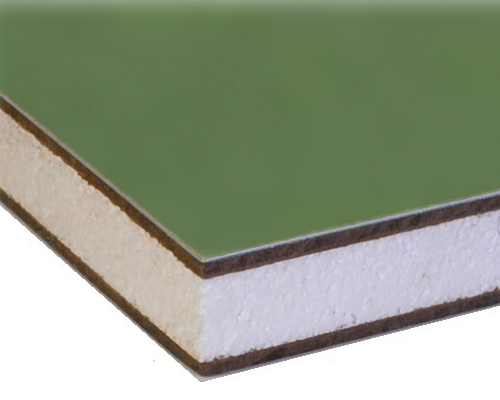
Aluminum wall panels come in several configurations, each designed for specific performance, aesthetic, and structural requirements.
1. Solid Aluminum Plate Panels
Made from a single sheet of thick aluminum (typically 0.063″ to 0.125″), these panels offer maximum durability and impact resistance. Ideal for high-traffic areas and commercial buildings, they provide excellent flatness and can be back-routed for sharp edges and a premium finish.
- Applications: Retail storefronts, hospitals, airports
- Thickness: 0.080″ to 0.125″ common
- Key Benefit: Superior dent and scratch resistance
2. Aluminum Composite Material (ACM) Panels
These consist of two thin aluminum sheets bonded to a non-aluminum core (usually polyethylene or fire-retardant mineral-filled core). Brands like ALUCOBOND® are industry leaders in this category.
- Core Types:
- PE (Polyethylene): Lightweight, cost-effective, best for non-combustible zones
- FR (Fire-Retardant): Meets strict fire codes for high-rise buildings
- Thickness: Typically 3mm to 6mm
- Key Benefit: Lightweight with excellent formability and color consistency
3. Insulated Aluminum Panels
These panels integrate a layer of rigid insulation (e.g., polyiso or EPS) between two aluminum skins, forming a thermally efficient, structural panel.
- Example: CAP-Clad’s 1″ ALCLAD panel with R-value of 4.75
- Use Case: Cold storage, office buildings, energy-efficient retrofits
- Key Benefit: Combines cladding and insulation in one system
4. Modular Aluminum Panels
Prefabricated systems like PAC-CLAD’s Modular AL allow for custom-sized, interlocking panels that create sculptural façades with running bond, stacked, or mosaic layouts.
- Features: Perforations, color-mixing, 100% recycled aluminum
- Installation: Rain-screen compatible, no caulk required
- Key Benefit: Design freedom and rapid installation
Key Benefits of Aluminum Wall Panels
Durability and Longevity
Aluminum is naturally corrosion-resistant and does not rust. When paired with high-performance finishes like 70% PVDF (Kynar 500®), panels can last 30–40 years with minimal maintenance.
- Resists fading, chalking, and UV degradation
- Withstands hail, wind, and thermal expansion
- 35-year finish warranties are common (e.g., PAC-CLAD, MBCI)
Design Flexibility
Architects can achieve nearly any aesthetic with aluminum panels:
- Colors: Over 90 standard colors, including metallics, wood grains, and custom hues
- Textures: Smooth, stucco, embossed, or anodized finishes
- Shapes: Flat, ribbed, batten, or custom-formed profiles
- Perforations: Used for ventilation, light filtering, or branding (e.g., logos, words)
Sustainability
Aluminum is 100% recyclable and often made from 30–80% recycled content, reducing environmental impact.
- Low embodied energy compared to steel or stone
- Contributes to LEED and Living Building Challenge credits
- Long lifespan reduces replacement frequency and waste
Lightweight and Easy Installation
Aluminum panels weigh significantly less than stone, brick, or concrete, reducing structural load and transportation costs.
- Can be installed on wood, steel, or masonry substrates
- Modular systems reduce labor time and on-site fabrication
- Some systems (e.g., Americlad AC-3300) use patented sliding clips for faster assembly
Weather and Fire Performance
Modern aluminum wall systems meet or exceed building codes:
- Rainscreen systems (e.g., back-ventilated, pressure-equalized) manage moisture and airflow
- ASTM E283, E330, E331 compliance for air, water, and structural performance
- Class A Fire Rating available with FR-core ACM panels
- AAMA 501.1 tested for water penetration and wind-driven rain
Installation Methods and Systems
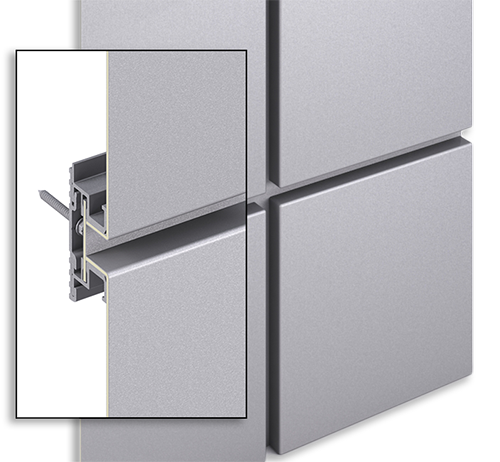
1. Concealed Fastener Systems
Panels are attached using hidden clips or brackets, creating a clean, seamless appearance.
- Best for: High-end commercial façades
- Examples: PAC-CLAD Precision Series, MBCI MasterLine 16
- Advantages:
- No exposed screws
- Accommodates thermal movement
- Rain-screen compatible
2. Exposed Fastener Systems
Screws or rivets are visible on the panel surface.
- Best for: Industrial, agricultural, or budget-conscious projects
- Examples: MBCI PBR, GTO Aluminum exposed fastener panels
- Advantages:
- Lower cost
- Simpler installation
- Suitable for retrofit applications
3. Rainscreen vs. Barrier Wall Systems
| Feature | Rainscreen | Barrier Wall |
|---|---|---|
| Water Management | Air cavity behind panels drains moisture | Relies on sealants and coatings |
| Ventilation | Yes – promotes drying | No |
| Durability | Higher – reduces moisture damage | Moderate – depends on sealant integrity |
| Cost | Higher initial cost | Lower upfront cost |
| Best For | Coastal, high-rainfall areas | Dry climates, interior use |
4. Structural Support and Substrate
Panels are mounted over a secondary framing system (e.g., Z-furring, hat channels) attached to the building’s primary structure.
- Substrates: Plywood, OSB, concrete, or steel studs
- Insulation: Often installed behind panels for thermal performance
- Air/Water Barrier: Required behind panels in rainscreen systems
Actionable Tips for Selecting and Installing Aluminum Wall Panels
✅ 1. Choose the Right Panel Type for Your Climate
- In coastal or humid regions, use PVDF-coated or anodized panels for maximum corrosion resistance.
- In fire-prone or high-rise areas, specify FR-core ACM panels to meet code.
✅ 2. Specify High-Performance Finishes
- Kynar 500® or Hylar 5000® (70% PVDF) coatings offer the best UV and chemical resistance.
- Avoid polyester or SMP finishes for exterior applications—they degrade faster.
✅ 3. Plan for Thermal Expansion
Aluminum expands and contracts with temperature changes. Use:
– Slotted fastener holes
– Floating clip systems
– Expansion joints every 30–40 feet
✅ 4. Work with Certified Installers
Improper installation is the leading cause of panel failure. Ensure:
– Installers are trained by the manufacturer
– Flashing and sealants are correctly applied
– Drainage paths are unobstructed in rainscreen systems
✅ 5. Consider Maintenance Access
Even low-maintenance panels may need cleaning. Design access points for:
– High-pressure washing
– Inspection of fasteners and seals
– Replacement of damaged panels
Pricing and Cost Estimates
Aluminum wall panel costs vary widely based on type, finish, thickness, and system complexity.
| Panel Type | Average Cost per Square Foot | Notes |
|---|---|---|
| ACM Panels (3mm) | $8 – $15 | Includes standard PVDF finish |
| Solid Aluminum Plate | $20 – $40 | Thicker, more durable, custom options |
| Insulated Aluminum Panels | $12 – $25 | Includes insulation (e.g., 1″ ALCLAD) |
| Modular/Custom Systems | $15 – $30 | Includes design, fabrication, and installation |
| Installation Labor | $5 – $10 | Varies by region and complexity |
Total Project Cost Example:
– 5,000 sq. ft. commercial façade using ACM panels
– Material: $12/sq.ft. = $60,000
– Labor: $7/sq.ft. = $35,000
– Total: ~$95,000
- Note: Custom colors, perforations, or curved panels can increase costs by 20–50%.*
Conclusion
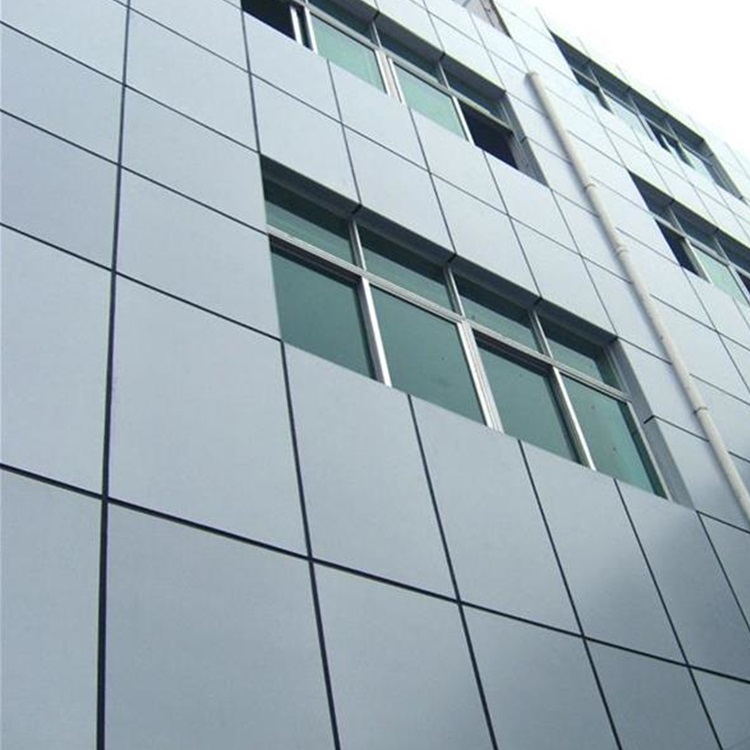
Aluminum metal wall panels are a smart, sustainable, and stylish choice for modern architecture. Whether you’re designing a sleek office tower, retrofitting an industrial facility, or enhancing a retail space, aluminum panels offer unmatched durability, design flexibility, and long-term value. With options ranging from lightweight ACM to heavy-duty plate systems, and finishes that mimic wood, metal, or stone, these panels empower architects to push creative boundaries while ensuring performance and code compliance.
By selecting the right panel type, finish, and installation method, you can achieve a building envelope that is not only visually striking but also energy-efficient, weather-resistant, and low-maintenance for decades.
Frequently Asked Questions (FAQ)
1. Are aluminum wall panels suitable for exterior use?
Yes. Aluminum panels are ideal for exterior cladding due to their corrosion resistance, UV stability, and weatherproof performance. When coated with PVDF or anodized finishes, they withstand rain, snow, salt spray, and extreme temperatures.
2. How long do aluminum wall panels last?
With proper installation and maintenance, aluminum wall panels can last 30 to 50 years. PVDF-coated panels typically come with 30–35 year finish warranties, and the aluminum substrate itself is virtually indestructible.
3. Can aluminum panels be recycled?
Yes. Aluminum is 100% recyclable and can be reused indefinitely without losing quality. Most panels contain 30–80% recycled content, making them one of the most sustainable cladding options.
4. Do aluminum wall panels require maintenance?
Minimal maintenance is required. Occasional washing with mild soap and water is usually sufficient. Unlike wood or vinyl, aluminum does not need painting, sealing, or staining.
5. Are aluminum panels fire-safe?
Standard PE-core ACM panels are combustible, but fire-retardant (FR) core panels are available and meet Class A fire ratings. Always verify fire performance with local codes, especially for high-rise buildings.