
Aluminum Wall Panels: 2025 Guide & Expert Installation Tips
Tired of high maintenance siding that fades, dents, or rots after just a few seasons? Aluminum wall panels offer a sleek, durable solution that’s transforming modern architecture. Lightweight yet incredibly strong, these panels resist corrosion, stand up to extreme weather, and require minimal upkeep—perfect for homeowners and builders seeking long-term value. With a range of finishes and colors, aluminum wall panels enhance curb appeal while improving energy efficiency. Whether you’re renovating or building new, they provide a cost-effective, sustainable choice that outperforms traditional materials. Discover how aluminum wall panels combine style, strength, and smart design to protect and elevate your space—without the hassle.
How Aluminum Wall Panels Work: A Comprehensive Guide for Architects and Builders
Aluminum wall panels are lightweight, durable, and highly customizable cladding systems used in both interior and exterior architectural applications. They are typically made from solid aluminum sheets, aluminum composite materials (ACM), or insulated aluminum panels, and are installed using concealed or exposed fasteners, tongue-and-groove systems, or modular rail systems. These panels offer exceptional weather resistance, fire performance, low maintenance, and design flexibility—making them a preferred choice for modern commercial, industrial, and residential buildings.
From sleek rainscreen facades to high-impact interior wall protection, aluminum wall panels combine structural performance with aesthetic versatility. This guide explores how they work, their types, benefits, installation methods, cost considerations, and best practices for selection and use.
Types of Aluminum Wall Panels
There are several primary types of aluminum wall panels, each suited to different applications based on performance needs, design goals, and budget.
1. Solid Aluminum Panels
Made from a single sheet of aluminum (typically 0.040” to 0.080” thick), these panels are rigid, strong, and ideal for high-durability applications.
- Common Uses: Exterior facades, column covers, soffits, interior accent walls.
- Finishes: Kynar 500® PVDF coatings, anodized, metallic, wood-grain, textured.
- Benefits: High strength-to-weight ratio, excellent corrosion resistance, 30–40 year finish warranties.
2. Aluminum Composite Material (ACM) Panels
These consist of two thin aluminum sheets bonded to a polyethylene or fire-retardant core.
- Core Types:
- PE (Polyethylene): Cost-effective, best for non-combustible zones.
- FR (Fire-Retardant): Meets Class A fire ratings, required in high-rise buildings.
- Thickness: Typically 3mm to 6mm.
-
Applications: Rainscreen cladding, curtain walls, signage, interior partitions.
-
Example:* ALUCOBOND® panels are a leading ACM brand, offering over 90 colors and finishes with excellent flatness and formability.
3. Insulated Aluminum Panels (Sandwich Panels)
These are thermally efficient systems with an insulating core (e.g., polyisocyanurate or XPS foam) between aluminum face and back skins.
- R-Value: R-5 to R-20 depending on thickness (1” to 3”).
- Core Options: Polyiso (ISO), extruded polystyrene (XPS), plywood, or cement board for impact resistance.
-
Use Cases: Cold storage, clean rooms, exterior wall retrofits, energy-efficient buildings.
-
Example:* Tecpan™ Sealed Insulated Panel System offers a permanently sealed pan-in-pan design with moisture resistance and high thermal performance.
4. Modular Aluminum Panel Systems
Engineered for rapid installation and design flexibility, these panels use interlocking or clip-based systems.
- Features:
- Tongue-and-groove or snap-fit connections.
- Compatible with mixed profiles and finishes.
- No caulk or sealants required.
-
Ideal For: Sculptural facades, accent walls, quick-build projects.
-
Example:* SlideLux by AlumLA uses a tongue-and-groove system for seamless indoor/outdoor cladding with minimal maintenance.
Key Benefits of Aluminum Wall Panels
Durability and Longevity
Aluminum is naturally corrosion-resistant and does not rust. When paired with high-performance coatings like Kynar 500 or anodizing, panels can last 40+ years with little degradation.
- Fade Resistance: UV-stable finishes prevent color fading.
- Impact Resistance: Reinforced cores (e.g., plywood or cement board) enhance durability in high-traffic areas.
Weather and Fire Resistance
- Weatherproof: Resists rain, snow, wind-driven moisture, and thermal expansion.
- Fire Performance: FR-core ACM and mineral-insulated panels achieve Class A fire ratings.
- Tested Standards: Compliant with ASTM E84, NFPA 285 (for high-rises).
Lightweight and Easy to Install
Compared to stone, brick, or concrete, aluminum panels are 70–80% lighter, reducing structural load and installation labor.
- Installation Methods:
- Concealed clips (rainscreen systems)
- Exposed fasteners (for cost-effective projects)
- Adhesive bonding (interior use)
- Modular rail systems (for rapid assembly)
Design Flexibility
Aluminum panels can be:
– Perforated for ventilation or acoustic control.
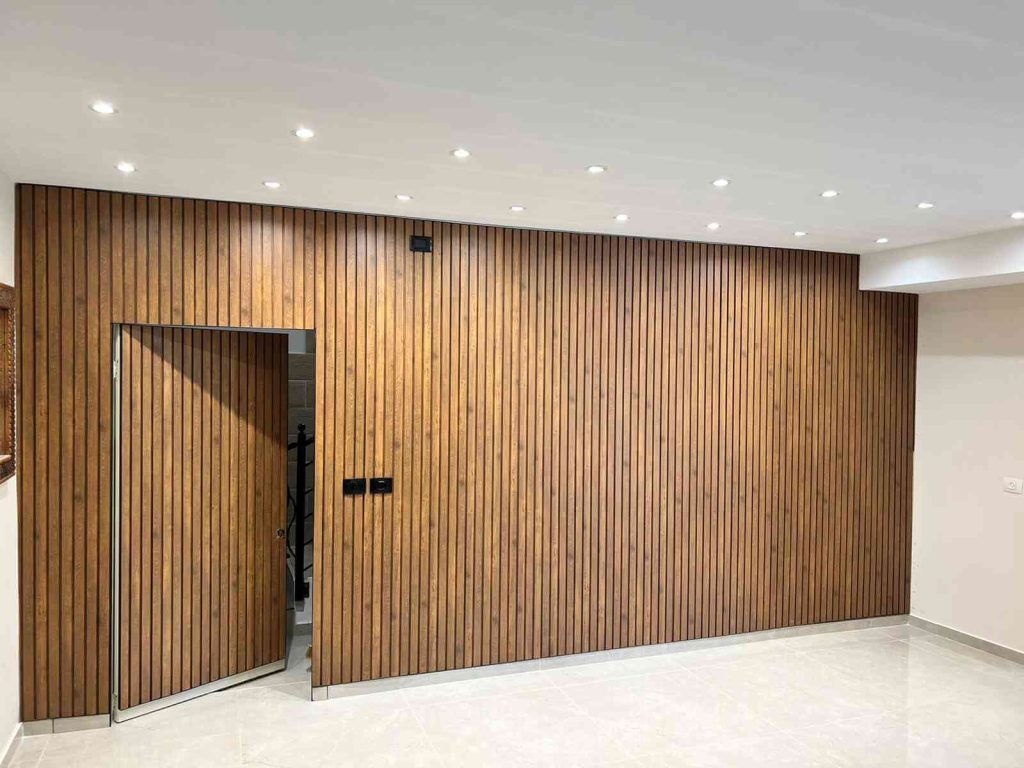
– Custom-colored with metallic, matte, or wood-grain finishes.
– Fabricated into curves, angles, or 3D forms.
– Mixed and matched within a single project for dynamic visual effects.
- Tip:* Brands like PAC-CLAD and GTO Aluminum offer custom perforation patterns, including logos or text.
Sustainability and Recyclability
- Recycled Content: Many panels use 30–100% recycled aluminum.
- Fully Recyclable at end of life (infinitely recyclable without quality loss).
- Energy Efficient: Insulated panels reduce HVAC loads.
- LEED Contributions: Can contribute to credits in MR, IEQ, and EA categories.
Installation Methods and Best Practices
1. Rainscreen Cladding System
The most common method for exterior applications.
- How It Works:
- Panels are mounted on a subframe with an air cavity behind.
- Allows moisture to drain and air to circulate, preventing mold and rot.
- Acts as a thermal break.
- Components:
- Z- or L-shaped substructure
- Horizontal hat channels
- Concealed clips or brackets
- Best For: High-performance building envelopes in humid or coastal climates.
2. Direct-Fastened (Exposed Fastener) System
Screws or rivets are visible on the panel surface.
- Pros: Lower cost, simpler installation.
- Cons: Less aesthetic appeal, potential for water infiltration if not sealed properly.
- Use Case: Industrial buildings, soffits, utility structures.
3. Adhesive Bonding
Used primarily for interior applications or lightweight panels.
- Requires: Flat, clean substrate (e.g., drywall, plywood).
- Adhesives: High-strength structural tapes or liquid adhesives.
- Limitations: Not suitable for exterior or high-moisture areas unless sealed.
4. Modular Snap-Fit Systems
Panels interlock without tools or fasteners.
- Example: SlideLux tongue-and-groove panels.
- Advantages: No visible fasteners, faster installation, DIY-friendly.
- Applications: Retail interiors, office accent walls, exterior soffits.
Applications of Aluminum Wall Panels
Exterior Uses
- Building Facades: Modern rainscreen cladding for offices, schools, hospitals.
- Soffits and Eaves: Protect roof overhangs while enhancing curb appeal.
- Column Covers: Hide structural columns with sleek finishes.
- Privacy Screens & Louvers: Decorative yet functional sunshades or fencing.
Interior Uses
- Wall Protection: In hospitals, schools, and corridors to resist impact and graffiti.
- Accent Walls: Create visual focal points in lobbies or retail spaces.
- Ceilings: Lightweight alternative to metal drop ceilings.
-
Clean Rooms & Labs: Non-porous, easy-to-sanitize surfaces.
-
Note: Brands like Inpro Corporation specialize in high-impact aluminum wall panels* with diamond plate finishes for healthcare and institutional use.
Cost and Pricing Estimates
Aluminum wall panel pricing varies widely based on type, finish, thickness, and system complexity.
| Panel Type | Average Price per Square Foot | Notes |
|---|---|---|
| Solid Aluminum Panels | $8 – $15 | Higher for custom finishes or anodized |
| ACM Panels (3mm) | $6 – $12 | FR-core costs 10–20% more |
| Insulated Aluminum Panels | $12 – $25 | Depends on R-value and core type |
| Modular Clip Systems | $10 – $18 | Includes substructure and labor savings |
| Custom Perforated Panels | $15 – $30+ | Design complexity increases cost |
Additional Costs:
– Substructure: $2 – $5/sf
– Labor: $5 – $10/sf (varies by region and system)
– Custom Colors/Finishes: Up to 25% premium
- Tip:* Ordering standard sizes (4’x8’, 4’x10’) and using Quick Ship programs (e.g., Wallguard.com) can reduce lead times and costs.
Actionable Tips for Selecting Aluminum Wall Panels
- Match Panel to Application
- Use ACM with FR core for high-rise exteriors.
- Choose insulated panels for energy efficiency.
-
Opt for solid aluminum in high-impact zones.
-
Prioritize Finish Longevity
- Specify Kynar 500® or Hylar 5000® coatings for 30–40 year warranties.
-
Avoid polyester coatings in exterior applications.
-
Verify Fire Ratings
-
Confirm ASTM E84 Class A and NFPA 285 compliance for multi-story buildings.
-
Work with Manufacturers Early
- Request samples, BIM models, and shop drawings before finalizing design.
-
Use AR tools (like PAC-CLAD’s Visualizer) to preview panels in situ.
-
Plan for Expansion and Drainage
- Allow for thermal movement (aluminum expands/contracts).
-
Ensure proper drainage in rainscreen systems.
-
Consider Sustainability
- Choose panels with high recycled content and EPDs (Environmental Product Declarations).
Conclusion
Aluminum wall panels are a high-performance, sustainable, and aesthetically versatile solution for modern architecture. Whether you’re designing a sleek corporate facade, a durable healthcare interior, or an energy-efficient building envelope, aluminum panels offer unmatched durability, design freedom, and long-term value. With options ranging from cost-effective ACM to premium insulated and modular systems, there’s a solution for every project scope and budget.
By understanding the types, benefits, installation methods, and cost factors, architects, builders, and designers can make informed decisions that enhance both form and function.
Frequently Asked Questions (FAQ)
1. Are aluminum wall panels suitable for exterior use?
Yes. Aluminum wall panels are highly weather-resistant, UV-stable, and corrosion-proof, making them ideal for exterior cladding, soffits, and facades. When installed as part of a rainscreen system, they provide excellent moisture management and thermal performance.
2. How long do aluminum wall panels last?
With proper installation and high-quality finishes (e.g., Kynar 500), aluminum wall panels can last 40 years or more. The aluminum itself is infinitely recyclable and does not degrade structurally over time.
3. Can aluminum panels be curved or shaped?
Yes. Solid aluminum and ACM panels can be roll-formed, bent, or stretched into curves, radii, and complex 3D shapes. This makes them ideal for custom architectural features and sculptural facades.
4. Are aluminum wall panels fire-safe?
Yes, when specified correctly. Fire-retardant (FR) core ACM panels and mineral-insulated aluminum panels meet Class A fire ratings and are approved for use in high-rise buildings. Always verify compliance with local fire codes and NFPA 285 testing.
5. How do you clean and maintain aluminum wall panels?
Aluminum panels require minimal maintenance. Clean with mild soap and water. Avoid abrasive cleaners. For graffiti or heavy stains, use specialized aluminum-safe removers. Most panels are scratch-resistant and graffiti-proof, especially with Kynar coatings.