
Composite Paneling Guide: Expert Tips 2025
Tired of high maintenance, weather-worn walls that fade, crack, or warp with every season? Composite paneling offers a smarter, stronger solution for modern homes and buildings. Combining durability with sleek design, these innovative panels resist moisture, pests, and UV damage—without sacrificing style. Whether you’re renovating your exterior, upgrading an interior accent wall, or building from scratch, composite paneling delivers long-term savings and minimal upkeep. Lightweight yet tough, they install faster than traditional materials and come in a variety of finishes that mimic wood, metal, or stone. Discover how composite paneling transforms spaces with resilience and elegance, all while standing up to the elements year after year. It’s time to build better.
How Composite Paneling Works: A Comprehensive Guide for Industrial and Architectural Applications
Composite paneling refers to engineered building or design materials composed of two or more distinct layers—typically strong, durable skins bonded to a lightweight core—creating a high-strength, low-weight solution ideal for architectural, industrial, transportation, and decorative applications. These panels offer superior strength-to-weight ratios, excellent rigidity, and design flexibility, making them a preferred choice in modern construction, signage, transportation interiors, and sustainable building design.
From aluminum composite panels (ACM) used in skyscraper facades to honeycomb-core structural panels in aerospace, and waterproof slat wall systems for exterior cladding, composite paneling combines performance with aesthetics. This guide provides a detailed breakdown of how composite paneling works, its types, benefits, applications, costs, and best practices.
How Composite Panels Are Constructed
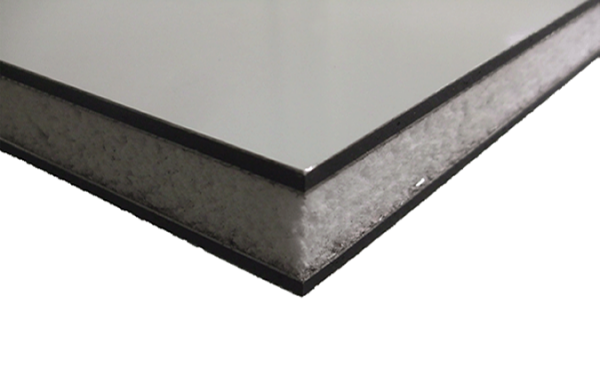
Composite panels are built using a sandwich panel design, consisting of three primary components:
- Face Sheets (Skinner): Provide tensile and compressive strength.
- Core Material: Offers shear resistance and separates the skins to increase stiffness.
- Adhesive Layer: Bonds the skins to the core securely.
Core and Skin Materials
The performance of composite panels depends heavily on the materials used for each layer.
Common Skin Materials:
- Aluminum – Lightweight, corrosion-resistant, ideal for architectural cladding (e.g., DIBOND®, Alumanate).
- Fiberglass – Used in marine and industrial environments; offers high strength and chemical resistance.
- Steel – For heavy-duty structural applications requiring extreme durability.
- HPL (High-Pressure Laminate) – Decorative, scratch-resistant surface for interior wall panels.
- Carbon Fiber – Ultra-light and high-strength; used in aerospace and high-performance vehicles.
Core Types:
- Polyethylene (PE) – Lightweight and cost-effective; used in standard ACM panels.
- Mineral-filled or Fire-Retardant Core – Meets Class A fire ratings (e.g., E-PANEL™).
- Honeycomb (Aluminum, Paper, or Plastic) – Maximizes stiffness with minimal weight.
- Foam (Polypropylene, PVC, Polyurethane) – Offers insulation and impact resistance.
- Corrugated Plastic – Used in lightweight signage and temporary structures.
Example: Plascore honeycomb panels use aluminum skins with a hexagonal aluminum or thermoplastic core, mimicking an I-beam structure to deliver exceptional strength and rigidity.
Types of Composite Panels and Their Applications
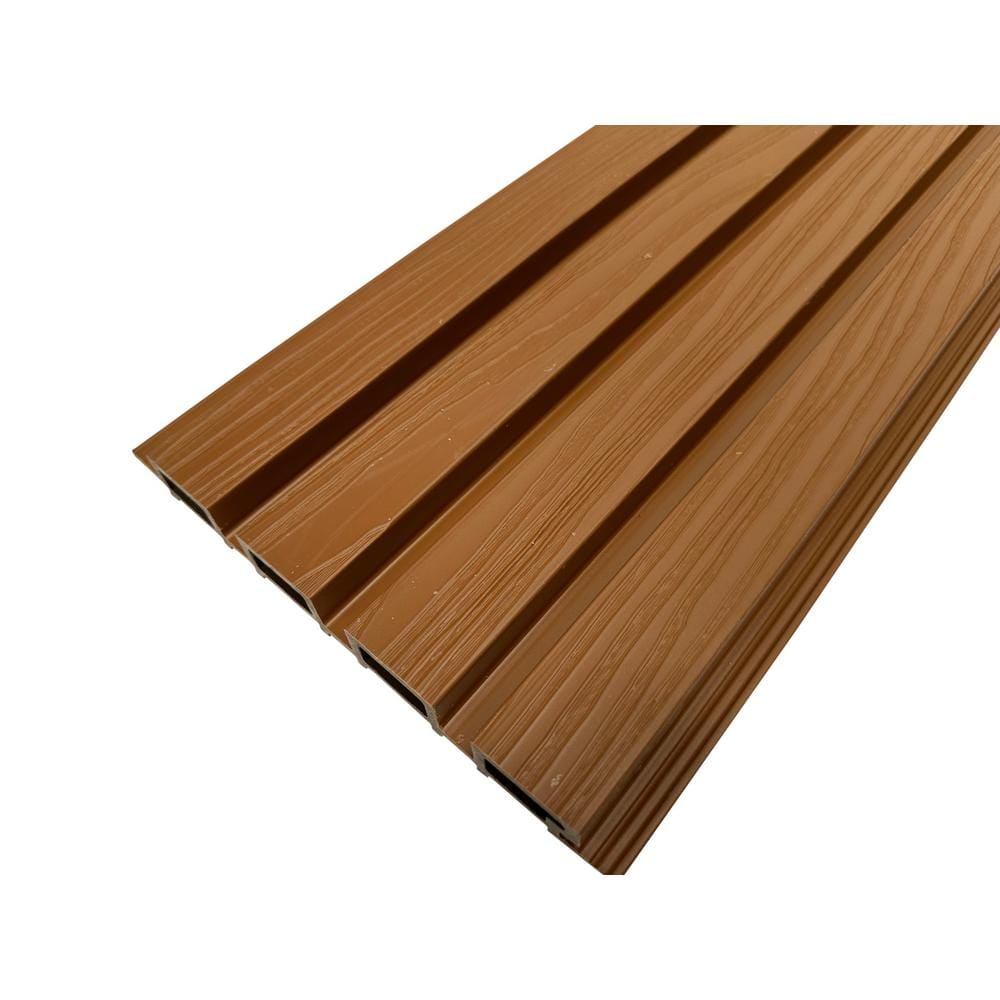
1. Aluminum Composite Panels (ACM)
ACM panels consist of two thin aluminum sheets bonded to a polyethylene or fire-retardant core. They are widely used in:
- Building facades
- Exterior wall cladding
- Signage and displays
- Interior partitions
Key Brands:
– DIBOND® – Premium flatness, ideal for digital printing and outdoor use.
– E-PANEL™ – UL Class A fire-rated, suitable for commercial interiors.
– Alumanate – U.S.-made, enhanced print surface for graphics.
Advantages:
– Lightweight (half the weight of solid aluminum)
– Excellent dimensional stability
– Easy to cut, route, and fabricate
– Available in wide range of colors and finishes
2. Honeycomb Composite Panels
These panels use a honeycomb core (often aluminum, Nomex, or thermoplastic) sandwiched between two strong skins.
Applications:
– Aerospace flooring and walls
– Marine bulkheads
– Cleanroom partitions
– High-end architectural features
Why They’re Strong:
The honeycomb structure acts like an I-beam, where:
– The skins resist tension and compression.
– The core resists shear forces.
– Increasing core thickness exponentially increases stiffness.
Source Insight: Plascore notes that honeycomb panels offer “stiffness increases exponentially compared to single sheet material” with minimal added weight.
3. FRP (Fiberglass Reinforced Plastic) Panels
Made with fiberglass skins and a resin matrix, FRP panels are corrosion-resistant and ideal for:
- Chemical plants
- Food processing facilities
- Hospitals and labs
- Exterior soffits and wall linings
Features:
– Mold and moisture resistant
– Can be gel-coated for color and UV protection
– Available with anti-slip surfaces
Source Insight: Carbon-Core Corporation offers fiberglass panels with gelcoat finishes (34oz available) and optional flame-retardant cores.
4. Decorative Composite Wall Panels
Used in residential and commercial interiors, these panels mimic wood, stone, or concrete with low maintenance.
Examples:
– Plaank® Slat Wall Panels – Composite wood-effect slats for indoor/outdoor use.
– Lowes Composite Wainscoting – Embossed panels for accent walls.
Benefits:
– Waterproof and UV-resistant
– No warping or fading
– Easy DIY installation
Source Insight: Plaank® panels are “completely waterproof and UV-resistant” with a 10-year fade guarantee.
5. Lightweight Structural Panels
Used in transportation and industrial enclosures, these include:
– Polypropylene Tri-Laminate – Impact-resistant, chemical-proof.
– Corrugated Laminates – Low-cost, rigid panels for signage and partitions.
Source Insight: TCH offers 1/4” and 3/8” polypropylene tri-laminate panels in black, gray, and blue, ideal for rugged applications.
Benefits of Composite Paneling
1. High Strength-to-Weight Ratio
Composite panels are significantly stiffer and stronger than solid sheets of the same weight, reducing structural load and transportation costs.
2. Design Flexibility
Available in custom sizes, colors, textures, and finishes—including wood grain, metallic, matte, and custom prints.
3. Durability and Longevity
Resistant to moisture, UV radiation, corrosion, and impact—ideal for harsh environments.
4. Fire Safety Options
Fire-retardant cores (e.g., mineral-filled PE) meet UL Class A or NFPA 285 standards for high-rise buildings.
5. Sustainability
Many panels use recycled materials and contribute to LEED certification. The Composite Panel Association (CPA) promotes Eco-Certified Composite (ECC) standards for low-emission, sustainable products.
6. Easy Installation and Fabrication
Panels can be:
– Cut with standard saws or CNC routers
– Screwed, glued, or clipped into place
– Pre-fabricated for fast on-site assembly
How to Choose the Right Composite Panel
1. Define the Application
| Application | Recommended Panel Type |
|---|---|
| Exterior Cladding | ACM with fire-rated core |
| Interior Feature Walls | HPL or decorative slat panels |
| Signage & Displays | DIBOND® or general-purpose ACM |
| Marine Interiors | FRP or honeycomb with marine-grade core |
| High-Traffic Areas | E-PANEL™ (Class A fire-rated) |
2. Consider Environmental Exposure
- Outdoor Use? → Choose UV-stable, waterproof panels (e.g., Plaank®).
- High Moisture? → Avoid standard PE-core ACM; opt for mineral-filled or FRP.
- Fire Codes? → Use UL-listed, Class A panels.
3. Evaluate Load and Structural Needs
- For high rigidity → Use thicker core honeycomb panels.
- For lightweight enclosures → Corrugated or foam-core panels suffice.
4. Aesthetic Requirements
- Digital printing? → Use DIBOND® or Alumanate.
- Natural wood look? → Choose composite slat panels with realistic grain.
Actionable Tips for Using Composite Panels
✅ Installation Best Practices
- Use Compatible Fasteners: Stainless steel or aluminum screws to prevent galvanic corrosion.
- Allow for Expansion: Leave gaps (1/8”–1/4”) between panels in outdoor applications.
- Install Over a Framing System: Use aluminum or wood furring strips for airflow and drainage.
- Seal Joints Properly: Use silicone or butyl tape for weatherproofing.
✅ Fabrication Tips
- Cutting: Use carbide-tipped blades at moderate speed to avoid melting plastic cores.
- Routing: CNC machines preferred for precision; vacuum hold-down systems recommended.
- Drilling: Pre-drill holes to prevent delamination.
✅ Maintenance
- Clean with mild soap and water.
- Avoid abrasive cleaners on printed or coated surfaces.
- Inspect seals and fasteners annually in exterior applications.
Pricing and Cost Estimates
Composite panel pricing varies by type, thickness, size, and customization.
| Panel Type | Average Price Range (per sq ft) | Notes |
|---|---|---|
| Standard ACM (3mm) | $5 – $8 | Basic cladding and signage |
| Fire-Rated ACM (E-PANEL™) | $8 – $12 | UL Class A, commercial use |
| DIBOND® (Premium) | $10 – $15 | High flatness, print-ready |
| FRP Panels | $7 – $11 | Industrial and wet environments |
| Honeycomb Panels | $15 – $30+ | Aerospace, custom engineering |
| Decorative Slat Panels | $4 – $7 | Residential and light commercial |
| Carbon-Core Honeycomb | $20 – $45+ | High-performance, CNC-cut options |
Source Insight: Carbon-Core Corporation sells composite sheets from $240.60 to $456.29 for 4’x8’ panels (depending on thickness), with optional sanding and gelcoat upgrades.
Additional Costs:
– Custom Sizes: Minimum 500 sq ft order for non-standard sheets (Carbon-Core).
– CNC Cutting: Available via request; quote-based.
– Shipping: FOB origin (e.g., Troy, VA); freight varies by volume.
Conclusion
Composite paneling is a versatile, high-performance solution that combines strength, light weight, and aesthetic appeal across industries. Whether you’re designing a modern building facade, a durable industrial enclosure, or a stylish interior accent wall, composite panels offer unmatched flexibility and durability. By understanding core types, skin materials, fire ratings, and installation best practices, you can select the right panel for your project—ensuring longevity, safety, and visual impact.
From aluminum composite panels for architectural cladding to honeycomb structural panels in aerospace, and waterproof slat systems for outdoor decor, composite paneling continues to shape the future of sustainable, efficient design.
Frequently Asked Questions (FAQ)
1. What is the difference between ACM and honeycomb panels?
ACM panels use a solid polyethylene or fire-retardant core between two aluminum sheets, ideal for flat cladding and signage. Honeycomb panels use a cellular core (aluminum, plastic, or paper), offering superior stiffness and strength for structural applications like aircraft interiors or cleanrooms.
2. Are composite panels fire-safe?
Yes, fire-rated composite panels (e.g., E-PANEL™, DIBOND® A2) meet UL Class A or NFPA 285 standards. Standard PE-core ACM is not suitable for high-rise buildings unless specified with mineral fill.
3. Can composite panels be used outdoors?
Absolutely. Many composite panels (e.g., Plaank®, Alumanate, DIBOND®) are UV-resistant and waterproof, making them ideal for exterior facades, soffits, and outdoor signage.
4. How do you cut or fabricate composite panels?
Use carbide-tipped saws, CNC routers, or shears. Always follow manufacturer guidelines for feed rates and blade types to prevent delamination or melting, especially with plastic cores.
5. Can I install composite panels myself?
Yes, many decorative and lightweight panels (e.g., slat walls, wainscoting) are DIY-friendly. Structural or exterior cladding systems should be installed by professionals to ensure proper sealing, drainage, and code compliance.
By leveraging the right composite paneling solution, you can achieve a perfect balance of form, function, and durability—elevating any project from concept to completion.