
Composite Panels Guide 2025: Expert Tips & Top Picks
Tired of high maintenance, weather-worn walls that cost more than they’re worth? Discover how composite panels are revolutionizing modern construction. Lightweight yet incredibly strong, these panels combine the durability of metal with the elegance of natural materials—without the upkeep. Whether you’re upgrading a home facade, office exterior, or retail space, composite panels offer unmatched resistance to moisture, fire, and UV damage, all while cutting long-term costs. Their sleek finish and minimal maintenance make them a favorite among architects and property owners alike. From energy efficiency to stunning visual appeal, learn how composite panels deliver a smarter, more sustainable building solution that stands the test of time—without sacrificing style.
How Composite Panels Work: A Complete Guide for Industrial and Construction Applications
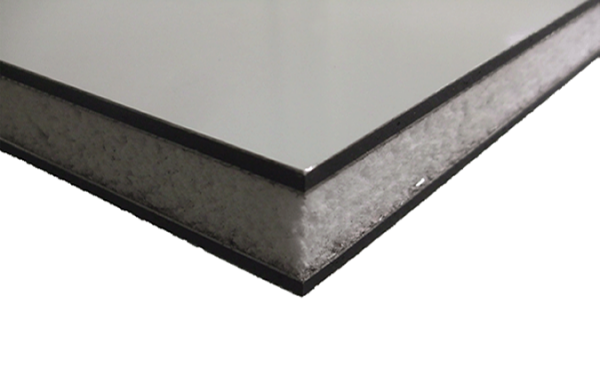
Composite panels are engineered sandwich structures composed of two strong, thin outer layers (skins or facings) bonded to a lightweight core material. This design leverages the mechanical advantages of each component to deliver superior strength-to-weight ratios, rigidity, insulation, and durability compared to traditional solid materials. They are widely used in aerospace, transportation, architecture, marine, and DIY fabrication due to their high performance, ease of customization, and long-term cost efficiency.
How Composite Panels Are Constructed
Composite panels operate on the fundamental engineering principle of the I-beam analogy, where the core acts like the web of an I-beam, resisting shear forces, while the skins function as the flanges, handling tensile and compressive loads. This configuration allows the panel to be both stiff and lightweight—a critical advantage in performance-driven industries.
Core Materials and Their Functions
The core is central to a composite panel’s performance. Common core types include:
- Honeycomb Cores (aluminum, Nomex, aramid): Provide exceptional strength-to-weight ratios and are ideal for aerospace and military applications.
- Foam Cores (polyethylene, polypropylene, XPS, Rohacell): Offer excellent thermal and acoustic insulation, impact resistance, and moisture resistance.
- Wood or Plywood Cores: Used in architectural and furniture applications where carpentry compatibility is needed.
- Corrugated Plastic Cores: Lightweight and moisture-resistant; commonly used in signage and enclosures.
Each core type is selected based on required stiffness, weight, insulation, fire resistance, and cost.
Skin (Facing) Materials
The outer skins determine surface durability, aesthetics, and environmental resistance. Popular options include:
- Aluminum: Lightweight, corrosion-resistant, and highly formable; used in architectural cladding (e.g., ALUCOBOND).
- Fiberglass Reinforced Plastic (FRP): Chemically resistant and mold-proof; ideal for marine and cleanroom environments.
- Carbon Fiber: Offers extreme strength and stiffness with minimal weight; common in aerospace and high-performance racing.
- Steel or Stainless Steel: Used when maximum durability and fire resistance are required.
- HPL (High-Pressure Laminate) or Wood Veneer: Chosen for decorative interior applications.
Adhesive Bonding
High-performance adhesives (epoxy, polyurethane, or acrylic) are used to bond the skins to the core. The adhesive must provide:
- High shear strength
- Thermal and moisture resistance
- Long-term durability under stress
Improper bonding can lead to delamination, the most common failure mode in composite panels.
Types of Composite Panels and Their Applications
Composite panels are categorized based on core and skin materials. Each type serves specific industrial or architectural needs.
Aluminum Composite Panels (ACM)
ACM panels consist of two thin aluminum sheets bonded to a polyethylene or fire-retardant core.
- Thicknesses: 3mm to 6mm
- Sizes: Up to 5′ x 12′
- Applications: Building façades, signage, interior wall cladding
- Key Brands: ALUCOBOND, Laminators Inc.
ACM panels are prized for their flatness, weather resistance, and ease of digital printing. They are often used in modern architectural designs due to their sleek appearance and durability.
Fiberglass-Reinforced Panels (FRP)
These panels feature a foam or honeycomb core with FRP skins.
- Core: XPS foam, polypropylene
- Skin: Gel-coated fiberglass (e.g., Boreas Composite Panels)
- Thicknesses: 1.5” to 1.78” (38–45 mm)
- Applications: Camper trailers, cleanrooms, marine interiors
FRP panels are lightweight, impact-resistant, and mold-resistant, making them ideal for harsh environments.
Honeycomb Sandwich Panels
Used in high-performance sectors, these panels use aluminum, carbon fiber, or fiberglass skins over honeycomb cores.
- Core Types: Aluminum honeycomb, Nomex, aramid
- Skin Options: Carbon fiber, aluminum, fiberglass
- Applications: Aerospace, defense, racing, robotics
These panels offer exceptional stiffness with minimal weight—up to 10x stiffer than solid sheets of the same weight.
Insulated Foam-Core Panels
Commonly used in HVAC, refrigeration, and architectural insulation.
- Core: Polyisocyanurate (PIR), polyurethane (PUR), XPS
- Skin: Aluminum, steel, or FRP
- Thickness: 5/8″ to 3.5″
- Benefits: High R-value, moisture resistance, structural strength
These panels serve dual roles as both insulators and structural components.
Wood-Core Composite Panels
Used in cabinetry, partitions, and interior design.
- Core: Exterior-grade plywood
- Skin: Aluminum or decorative laminate
- Benefits: Compatible with standard woodworking tools, strong, dent-resistant
Ideal for modular interiors and commercial furniture.
Benefits of Using Composite Panels
Composite panels outperform traditional materials in several key areas:
1. High Strength-to-Weight Ratio
- Lighter than steel or solid wood, yet stronger than many conventional materials.
- Reduces structural load in buildings and vehicles.
2. Excellent Thermal and Acoustic Insulation
- Foam and honeycomb cores act as thermal breaks, reducing energy loss.
- Ideal for energy-efficient buildings and insulated enclosures.
3. Durability and Longevity
- Resistant to corrosion, moisture, mold, and UV degradation.
- Many panels carry Class A fire ratings (e.g., Laminators Inc. panels).
4. Design Flexibility
- Available in custom colors, finishes, and sizes.
- Can be CNC-cut, bent, or routed to complex shapes.
- Digital print-ready surfaces for branding and aesthetics.
5. Ease of Installation
- Lightweight panels reduce labor and structural support needs.
- Modular design allows for rapid assembly in construction and manufacturing.
6. Sustainability
- Many composite panels are recyclable or made with low-emission materials.
- The Eco-Certified Composite (ECC) standard ensures environmental compliance in North America.
Actionable Tips for Selecting and Using Composite Panels
Choosing the right composite panel requires careful consideration of application, environment, and performance needs.
1. Define Your Application First
- Is it structural, decorative, or insulative?
- Will it be exposed to moisture, fire, or impact?
2. Match Core to Performance Needs
- Use honeycomb cores for high strength and low weight.
- Choose foam cores for insulation and sound dampening.
- Opt for fire-retardant cores in commercial buildings.
3. Consider Surface Finish and Aesthetics
- Kynar-coated aluminum offers long-lasting color retention.
- Gel-coated FRP provides a smooth, glossy, and cleanable surface.
- Custom colors are available from manufacturers like Laminators Inc.
4. Use CNC Fabrication for Precision
- Many suppliers (e.g., Carbon-Core, Boreas) offer CNC cutting services.
- Provide CAD files for exact panel dimensions and cutouts.
5. Ensure Proper Handling and Storage
- Store panels flat and off the ground to prevent warping.
- Avoid dragging or dropping to prevent core damage.
6. Follow Manufacturer Guidelines for Fastening
- Use compatible fasteners to avoid stress points.
- Avoid over-tightening screws, which can crush foam cores.
Pricing and Cost Estimates
Composite panel pricing varies significantly based on material, thickness, size, and customization. Below are market estimates as of 2024:
| Panel Type | Thickness | Size | Price Range (USD) | Supplier Example |
|---|---|---|---|---|
| Aluminum Composite (ACM) | 3–6mm | 4′ x 8′ | $100 – $250 per panel | Laminators Inc. |
| FRP Composite Panels | 1.5″ (38mm) | 4′ x 8′ | $400 – $800 per panel | Boreas Composite Panels |
| Carbon Fiber / Honeycomb | 0.125″ | 24″ x 48″ | $900 – $1,700 per panel | Rock West Composites |
| Foam-Core Insulated Panels | 1″ | 4′ x 8′ | $150 – $300 per panel | TCH, Plascore |
| Custom CNC-Cut Panels | Varies | Custom | +20–50% markup | Carbon-Core Corp. |
Notes:
– Volume discounts are common for orders over 500 sq ft.
– Custom colors, fire retardancy, and CNC cutting add 10–30% to base cost.
– F.O.B. pricing (e.g., Troy, VA) applies; shipping costs extra.
Conclusion
Composite panels represent a revolutionary advancement in material engineering, combining lightweight construction with high strength, durability, and design flexibility. Whether you’re building a DIY camper, designing a commercial façade, or engineering a military drone, there is a composite panel solution tailored to your needs. By understanding core types, skin materials, and application requirements, you can select the optimal panel for performance, cost, and longevity.
With manufacturers offering customization, CNC fabrication, and technical support, composite panels are more accessible than ever—bridging the gap between industrial performance and practical usability.
Frequently Asked Questions (FAQ)
1. What are the main advantages of composite panels over traditional materials?
Composite panels are lighter, stronger, more durable, and more insulating than solid wood, metal, or plastic sheets. They also offer better design flexibility and longer service life with minimal maintenance.
2. Can composite panels be cut or modified on-site?
Yes. Most composite panels can be routed, drilled, or sawed using standard woodworking or metalworking tools. However, CNC pre-cutting is recommended for precision and to avoid delamination.
3. Are composite panels fire-resistant?
Many composite panels are available with fire-retardant cores and Class A fire ratings. Always verify fire performance with the manufacturer, especially for commercial or public buildings.
4. How long do composite panels last?
With proper installation, composite panels can last 20–30 years or more, especially in architectural and transportation applications. UV-resistant coatings and corrosion-proof skins enhance longevity.
5. Can I get composite panels in custom sizes and colors?
Yes. Most manufacturers (e.g., Laminators Inc., Carbon-Core, Plascore) offer custom thicknesses, sheet sizes, colors, and finishes. Minimum order quantities may apply for non-standard sizes (e.g., 500 sq ft).