
Aluminum Panel Wall Guide: Expert Tips 2025
Tired of high maintenance costs and short-lived building materials? Aluminum panel walls offer a sleek, durable solution that’s transforming modern architecture. Lightweight yet incredibly strong, these panels resist corrosion, withstand extreme weather, and require minimal upkeep—perfect for commercial and residential spaces alike. With their clean lines and modern aesthetic, aluminum wall panels elevate curb appeal while improving energy efficiency. Installation is fast and cost-effective, reducing labor time and project delays. Whether you’re renovating or building from scratch, aluminum panels deliver long-term savings and lasting performance. Discover how this innovative cladding choice is setting new standards in design and durability—read on to see why so many architects and builders are making the switch.
How Aluminum Panel Wall Systems Work: A Comprehensive Guide
Aluminum panel wall systems are modern, high-performance cladding solutions used in both interior and exterior architectural applications. These systems consist of prefabricated aluminum panels—solid, composite, or insulated—that are installed over a building’s substrate to provide weather protection, thermal insulation, fire resistance, and aesthetic appeal. They are lightweight, durable, low-maintenance, and highly customizable in terms of color, texture, size, and finish, making them ideal for commercial, industrial, and residential projects.
From sleek urban facades to retrofitted interior accent walls, aluminum panels offer a versatile alternative to traditional materials like wood, vinyl, or stone. Their modular design allows for rapid installation, while their corrosion-resistant and UV-stable properties ensure long-term performance with minimal upkeep.
Types of Aluminum Panel Wall Systems
There are several types of aluminum wall panels, each suited to different performance and design requirements.
1. Solid Aluminum Panels (Aluminum Plate)
These are single-skin, 100% solid aluminum sheets typically ranging from 2mm to 3mm in thickness. Brands like Alfrex Plate offer pre-finished 3mm solid aluminum panels with PVDF (Kynar 500) coatings for superior color retention and weather resistance.
- Applications: Signage, column covers, soffits, interior feature walls.
- Advantages:
- Non-combustible and meets ASTM E84 Class A fire ratings.
- Highly formable—can be bent, routed, or folded.
- No post-painting required due to factory coil coating.
2. Aluminum Composite Material (ACM) Panels
ACM panels consist of two thin aluminum skins bonded to a polyethylene or fire-retardant core. Alfrex FR and ALUCOBOND are leading brands offering fire-resistant MCM (Metal Composite Material) panels.
- Core Types:
- Standard PE core – Cost-effective, suitable for low-rise applications.
- Fire-retardant (FR) core – Meets NFPA 285, ideal for high-rise buildings.
- Thickness: Typically 4mm total (e.g., 0.5mm aluminum skins + 3mm core).
- Applications: High-rise facades, retail exteriors, interior partitions.
3. Insulated Aluminum Panels
These panels include a layer of insulation (e.g., polystyrene or polyiso) sandwiched between aluminum skins. The 1″ ALCLAD panel from CAP Metal Panels is a prime example.
- R-Value: ~4.75 (depending on core).
- Use Case: Building envelopes, storefront glazing replacements, energy-efficient retrofits.
- Installation: Often used in storefront framing systems without mechanical fasteners.
4. Modular Aluminum Cladding Systems
Systems like PAC-CLAD’s Modular AL or SlideLux use interlocking tongue-and-groove or snap-on designs for seamless, rain-screen wall assemblies.
- Features:
- Concealed fasteners for clean aesthetics.
- Compatible with various substrates (plywood, metal studs, insulation).
- Available in multiple profiles (e.g., 25mm, 40mm, 60mm).
Key Benefits of Aluminum Panel Walls
Durability & Longevity
Aluminum is naturally corrosion-resistant and does not rust. With a 70% PVDF (Kynar 500) finish, panels can last 30–40 years with minimal fading or chalking.
- 35-year finish warranty offered by brands like PAC-CLAD and ALUCOBOND.
- Resistant to graffiti, scratches, and UV degradation.
Fire Safety
Fire-rated aluminum panels (e.g., Alfrex FR, ALUCOBOND PLUS) meet stringent safety codes:
- ASTM E84 Class A surface burning characteristics.
- NFPA 285 compliant for high-rise construction.
- Non-combustible core options available for maximum safety.
Design Flexibility
Architects can achieve virtually any aesthetic:
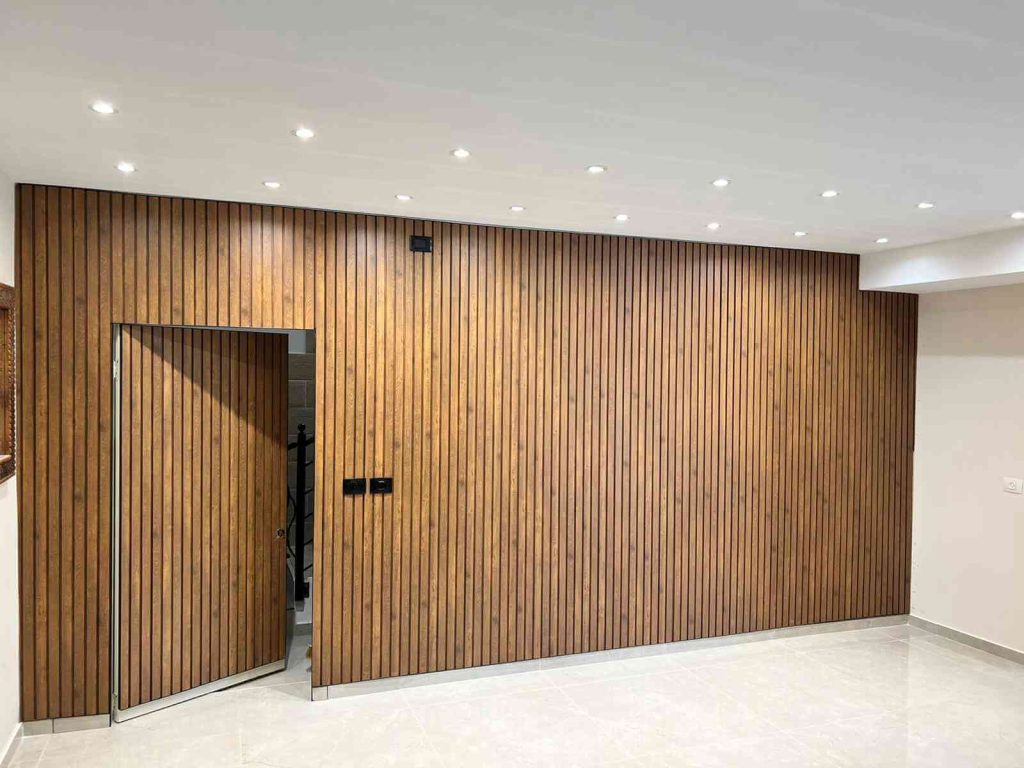
- Wood grain finishes (e.g., Miele Maple by Pure + FreeForm).
- Metallics, gloss, matte, and custom graphics.
- Perforations and 3D patterns for artistic facades.
Sustainability
- Made from recycled aluminum (up to 80–100%).
- Fully recyclable at end of life.
- Energy-efficient due to insulation in composite and insulated panels.
Ease of Installation
Most systems are designed for rapid, tool-free or low-tool assembly:
- Tongue-and-groove, snap-on, or concealed clip systems.
- Lightweight = reduced structural load and lower shipping costs.
- Can be installed over existing walls, reducing demolition needs.
Installation Process: Step-by-Step
1. Substrate Preparation
Ensure the wall surface (plywood, OSB, concrete, or metal studs) is flat, dry, and structurally sound.
2. Framing and Furring
Install vertical furring channels (z-furring) to create a ventilated rain screen cavity (recommended for exterior use).
- Spacing: 16”–24” on center.
- Material: Galvanized steel or aluminum.
3. Weather Barrier Application
Apply a water-resistive barrier (WRB) like Tyvek over the substrate.
4. Panel Installation
Depending on the system:
- Snap-in or tongue-and-groove panels (e.g., SlideLux): Slide panels into place starting from the bottom.
- Concealed fastener systems: Use clips attached to furring; panels snap or slide over.
- Face-fastened systems: Panels are screwed directly through the face (less common for premium finishes).
5. Sealing and Trimming
- Use color-matched trims (e.g., CAP-Clad trims) for edges and corners.
- Seal joints with compatible sealants if required (though many systems are designed to be caulk-free).
6. Final Inspection
Check alignment, fastener tightness, and drainage pathways.
Applications of Aluminum Panel Walls
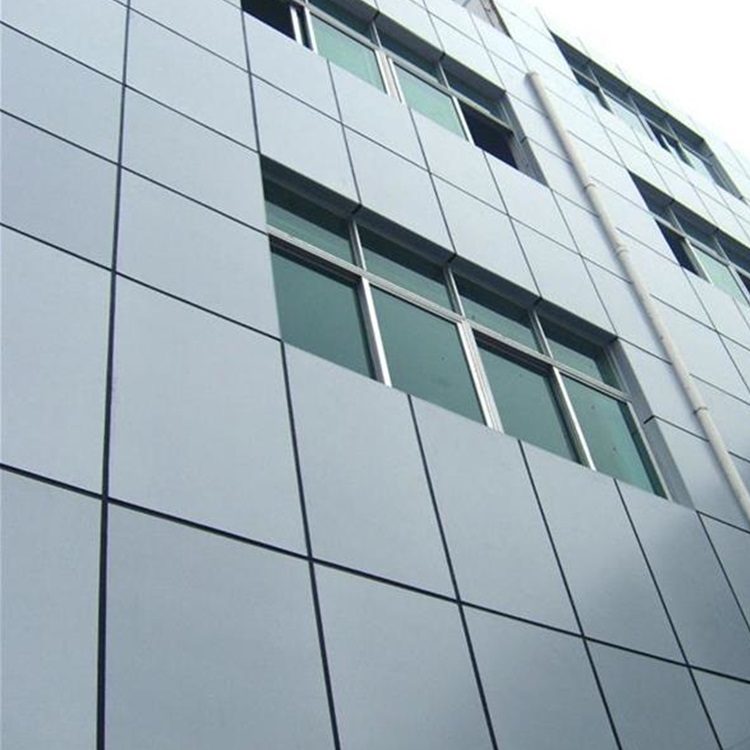
Exterior Cladding
- Building facades, soffits, eaves, column covers.
- Ideal for commercial offices, retail stores, hospitals, and schools.
Interior Design
- Accent walls, lobby feature walls, elevator surrounds.
- Used in airports, hotels, and modern homes.
Industrial & Institutional Use
- Cleanrooms, hospitals, laboratories—where hygiene and durability are critical.
- Crash rails and wall guards in high-traffic areas (e.g., Wallguard.com products).
Retrofit & Renovation
- Lightweight panels can be installed over existing masonry or metal walls.
- Reduces construction time and waste.
Actionable Tips for Choosing Aluminum Wall Panels
-
Prioritize Fire Ratings
For high-rise or public buildings, always specify fire-retardant core (FR) ACM or solid aluminum to meet code. -
Match Finish to Environment
Use matte or textured finishes in high-touch areas to hide fingerprints and scratches. -
Consider Thermal Performance
For energy efficiency, choose insulated panels or combine ACM with continuous exterior insulation. -
Coordinate with Other Materials
Use matching flat sheets (e.g., from Alfrex or BuyAlfrex.com) for trim, soffits, and flashings to ensure color consistency. -
Order Samples First
Always request physical samples to evaluate color, texture, and reflectivity under real lighting conditions. -
Work with Certified Installers
Improper installation can void warranties. Use manufacturer-recommended contractors.
Pricing and Cost Estimates
Aluminum panel costs vary by type, thickness, finish, and system complexity.
| Panel Type | Average Cost per Square Foot | Notes |
|---|---|---|
| Solid Aluminum (3mm Plate) | $15 – $25 | High-end, non-combustible, long warranty |
| ACM (4mm, standard) | $8 – $15 | Most common for facades |
| Fire-Rated ACM (FR) | $12 – $20 | Required for high-rise buildings |
| Insulated Panels (1″) | $18 – $30 | Includes R-4.75 insulation |
| Modular Tongue-and-Groove | $10 – $22 | Includes installation system |
| Custom Finishes/Perforations | +$3 – $10 | Wood grain, graphics, 3D patterns |
Installation Labor: $5 – $10 per sq. ft., depending on complexity and height.
Tip: Order materials 2–3 months in advance due to potential 60–90 day lead times for custom colors or low-stock items.
Conclusion
Aluminum panel wall systems represent the future of architectural cladding—combining durability, safety, sustainability, and design freedom. Whether you’re designing a high-rise facade, renovating a commercial interior, or building a modern home, aluminum panels offer a cost-effective, low-maintenance, and visually striking solution.
From solid aluminum plates to fire-rated composites and insulated panels, the options are vast. With proper selection and installation, these systems can last decades while maintaining their beauty and performance.
For best results, partner with reputable manufacturers, order samples, and use certified installers to ensure your project meets both aesthetic and regulatory standards.
Frequently Asked Questions (FAQ)
1. Are aluminum wall panels suitable for exterior use?
Yes. Most aluminum panels are designed for exterior cladding and are weatherproof, UV-resistant, and corrosion-resistant. Fire-rated and rain-screen systems are ideal for long-term outdoor performance.
2. Do aluminum panels require maintenance?
No significant maintenance is required. Occasional washing with mild soap and water is sufficient. Unlike wood or vinyl, they do not need painting, sealing, or refinishing.
3. Can aluminum panels be used in high-rise buildings?
Yes, but only fire-rated panels (e.g., NFPA 285-compliant ACM or solid aluminum) should be used. Always consult local building codes and use tested systems.
4. How do aluminum panels compare to wood or vinyl siding?
Aluminum outperforms both:
– More durable than vinyl (no cracking or fading).
– Lower maintenance than wood (no rot, pests, or warping).
– Lighter and faster to install than stone or brick.
5. Can I install aluminum panels myself?
For interior accent walls or small projects, DIY is possible with basic tools. For exterior installations, especially on tall buildings, professional installation is strongly recommended to ensure safety, alignment, and warranty compliance.