
ACM Sheet Guide 2025: Expert Tips & Latest Trends
Tired of high roofing and cladding costs that sacrifice durability for affordability? ACM sheet might be the game-changer you’ve been searching for. Lightweight, weather-resistant, and stunningly sleek, aluminum composite material (ACM) sheets combine strength and style like no other building solution. Whether you’re renovating a commercial facade or designing a modern home exterior, ACM sheets offer unmatched versatility, easy installation, and long-term savings. Their sandwich construction—two aluminum panels bonded to a plastic core—delivers exceptional insulation and impact resistance. Architects and builders trust ACM for skyscrapers, signage, and contemporary interiors. Discover how ACM sheets can transform your next project with minimal maintenance and maximum visual impact.
How ACM Sheet: A Comprehensive Guide to Aluminum Composite Material
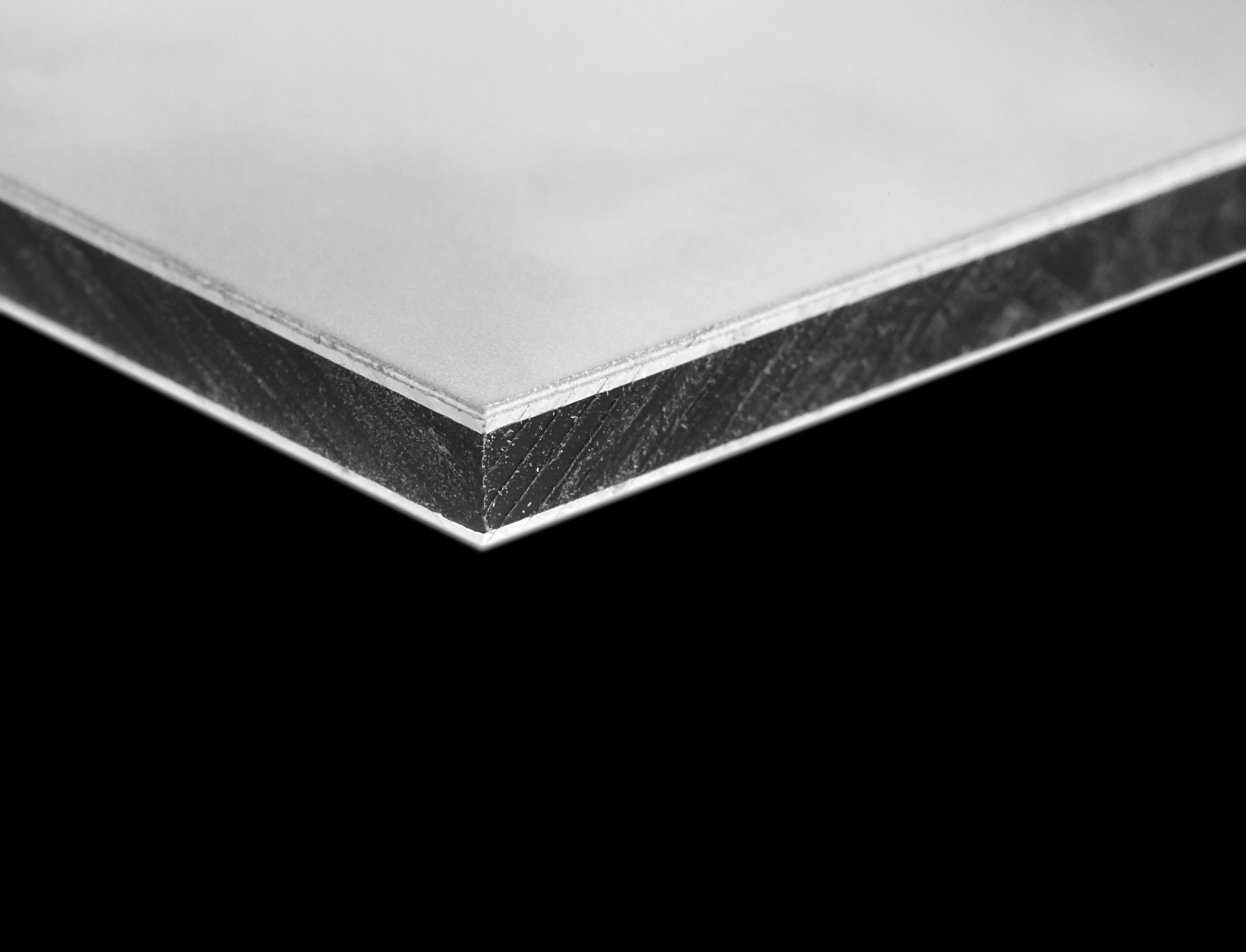
ACM sheet (Aluminum Composite Material) is a lightweight, rigid panel composed of two thin aluminum sheets bonded to a polyethylene core. It is widely used in architectural cladding, signage, displays, and interior design due to its durability, aesthetic flexibility, and ease of fabrication. Known for its sleek appearance, weather resistance, and cost-effectiveness compared to solid aluminum, ACM offers a high strength-to-weight ratio and excellent dimensional stability—making it a preferred material across construction, advertising, and industrial design sectors.
What Is ACM Sheet?
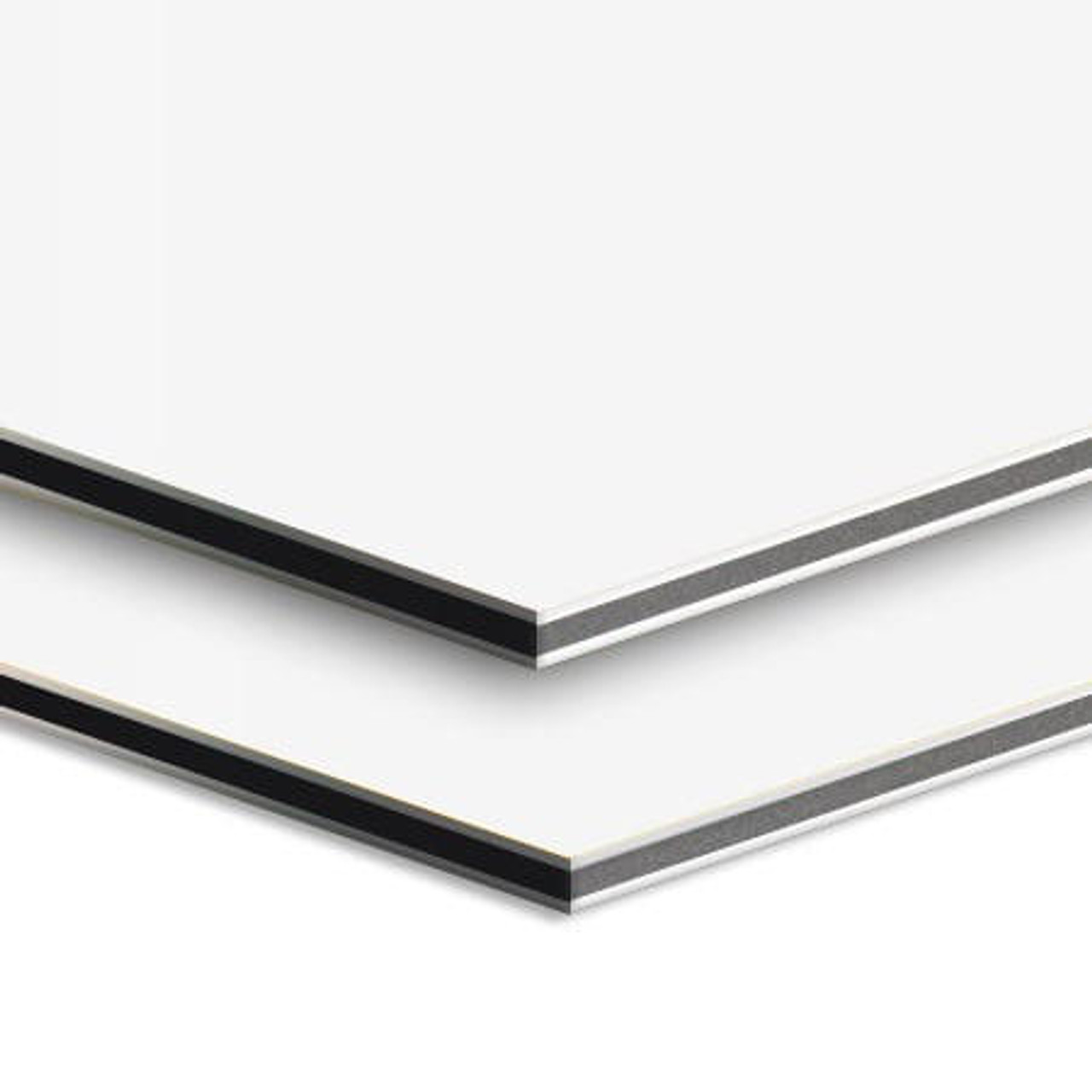
Aluminum Composite Material (ACM), often referred to simply as ACM sheet or composite panel, is a multi-layered engineered material designed for structural and decorative applications. The standard construction consists of:
- Two outer layers: Thin sheets (typically 0.2–0.5 mm thick) of pre-painted or coated aluminum.
- One inner core: A solid polyethylene (PE) or fire-retardant mineral-filled core.
This sandwich structure provides a balance of lightweight properties, rigidity, and flatness, while resisting warping, corrosion, and UV degradation.
Key Components of ACM
- Face Sheets: Provide strength, weather resistance, and aesthetic finish.
- Core Material: Offers insulation, impact absorption, and contributes to fire performance (depending on type).
- Adhesive Bond: Ensures strong lamination between layers for long-term durability.
ACM is available in various thicknesses (commonly 2mm to 6mm) and standard sheet sizes such as 4’x8’ (1220×2440 mm) and 5’x10’, with custom cuts also widely supported.
Applications of ACM Sheets
ACM’s versatility makes it suitable for a broad range of industries and uses.
H3: Signage & Branding
- Exterior signs and channel letter backings
- Wayfinding systems and retail signage
- Digital printing substrates due to smooth, printable surfaces
- Indoor/outdoor displays and point-of-purchase (POP) displays
Example: DIBOND® and Alumanate panels are popular in sign-making because they accept UV, latex, and screen printing without surface preparation.
H3: Architectural Cladding & Building Facades
- Rainscreen systems
- Exterior wall panels
- Curtain walls
- Renovation retrofits
Benefit: ACM reduces structural load on buildings while offering modern aesthetics and long-term weather resistance.
H3: Interior Design & Fit-Outs
- Wall paneling
- Ceiling systems
- Partition walls
- Furniture accents
Design Advantage: Available in matte, gloss, brushed metal, wood-grain, and custom finishes—ideal for high-end commercial interiors.
H3: Exhibits, Kiosks & Retail Fixtures
- Trade show booths
- Museum displays
- Retail store fixtures
- Modular kiosks
Why ACM? Easy to CNC-rout, lightweight for transport, and durable enough for repeated use.
H3: Transportation & Specialty Vehicles
- Food trucks
- Emergency vehicles
- RVs and trailers
- Equipment enclosures
Performance Benefit: Reduces vehicle weight, improves fuel efficiency, and resists corrosion from road salts and weather exposure.
Benefits of Using ACM Sheets
H3: Lightweight Yet Strong
- Weighs approximately half as much as solid aluminum of the same thickness.
- Easier to handle, ship, and install—reducing labor and structural support costs.
H3: Dimensional Stability & Flatness
- Resists oil canning (rippling effect common in thin metal sheets).
- Maintains flatness over large spans, critical for architectural and signage applications.
H3: Weather and UV Resistance
- Coatings (e.g., PVDF/Kynar or polyester) resist fading, chalking, and corrosion.
- Suitable for long-term outdoor use in harsh climates.
H3: Design Flexibility
- Available in hundreds of colors, textures, and finishes:
- Matte, gloss, brushed aluminum, mirror, wood, stone, color-changing
- Can be cut, bent, routed, drilled, and formed using standard tools.
H3: Fire Performance Options
- Standard PE-core ACM is suitable for many applications but may not meet strict fire codes.
- Fire-rated ACM options (e.g., E-PANEL™, DIBOND® A2, Reynobond FR) use mineral-filled cores (e.g., fire-retardant polyethylene or inorganic minerals) to achieve:
- Class A / Class 1 fire rating (ASTM E84)
- UL 94 V-0 recognition
- Compliance with building codes in commercial and high-rise structures
How to Work With ACM Sheets: Fabrication & Installation
H3: Cutting and Machining
ACM can be processed using standard workshop tools:
– Circular saws, panel saws, or CNC routers with fine-tooth carbide blades
– Recommended blade specs: 80–100 teeth, low feed rate to avoid melting the core
– Drilling: Use sharp drill bits at moderate speed to prevent delamination
Tip: Always support the sheet fully during cutting to avoid vibration and chipping.
H3: Bending and Forming
- Not bendable like sheet metal, but can be V-grooved for precise folding:
- A V-shaped groove is cut into the backside along the bend line.
- Remaining aluminum skin allows clean 90° or curved folds.
- Commonly used for box signs, edging, and 3D displays.
H3: Joining and Mounting
- Mechanical fasteners: Screws, standoffs, or clips (use neoprene washers to prevent galvanic corrosion).
- Adhesives: High-strength structural tapes (e.g., 3M VHB) or polyurethane adhesives.
- Welding: Not applicable—bonding is preferred.
H3: Printing and Finishing
- Direct digital printing (UV, latex, solvent) on print-ready surfaces.
- Vinyl lamination for graphics and branding.
- Painting: Possible with proper primers; pre-finished panels usually don’t require it.
Major Brands and Product Lines
| Brand | Manufacturer | Key Features |
|---|---|---|
| DIBOND® | 3A Composites | Industry standard, ultra-flat, excellent for printing, mirror finishes available |
| Alumanate® | Laird Plastics | US-made, enhanced print surface, 10-year finish warranty |
| E-PANEL™ | 3A Composites | UL-listed, Class A fire-rated, ideal for commercial interiors |
| Reynobond® | Arconic | Fire-safe options (PE, FR, A2), used in high-rise buildings |
| Alucobond® | Alcoa (now Arconic) | One of the original ACM brands, widely specified in architecture |
Note: DIBOND® and Alucobond® are often used generically, but are registered trademarks.
Actionable Tips for Using ACM Sheets
- Choose the Right Grade
- Use fire-rated ACM (FR or A2 core) for interior walls, ceilings, or high-traffic public spaces.
-
Use standard PE-core for outdoor signage and non-code-critical areas.
-
Specify Finish Early
- Select PVDF (Kynar) coatings for long-term exterior durability (30+ years).
-
Use polyester for cost-effective indoor or short-term outdoor use.
-
Optimize for Fabrication
- Provide CAD files to suppliers for pre-cut, pre-routed panels.
-
Consider V-grooving for clean bends—specify depth and angle.
-
Avoid Moisture Trapping
- In cladding systems, ensure proper drainage and ventilation behind panels.
-
Seal cut edges in wet environments to prevent moisture ingress into the core.
-
Partner with Experts
- Work with distributors offering cut-to-size, CNC routing, and laminating services.
- Request samples before large orders to verify color and finish.
Pricing and Cost Estimates
ACM pricing varies based on brand, thickness, finish, and quantity. Below are approximate market prices (as of 2024–2025):
| Specification | Average Price (USD) |
|---|---|
| 3mm White ACM (4’x8′) – Economy Grade | $115 – $140 |
| 3mm Brushed Silver (4’x8′) – DIBOND® | $150 – $180 |
| 6mm White ACM (4’x8′) – Standard | $160 – $200 |
| 3mm Fire-Rated ACM (E-PANEL™) | $200 – $250 |
| 4’x8′ Pre-Cut Sign Blank (1/8″) | $15 – $25 per piece |
| Custom Cut & Fabrication | +$20 – $50 per panel (varies by complexity) |
Note: Volume discounts are common for commercial orders. Many suppliers offer cut-to-size services with no minimums.
Conclusion
ACM sheet is a high-performance, cost-effective solution for modern design and construction challenges. Its combination of lightweight strength, aesthetic versatility, and ease of fabrication makes it ideal for applications ranging from architectural facades to retail signage and exhibition displays. With options for fire safety, weather resistance, and custom finishes, ACM continues to be a go-to material for architects, sign makers, and industrial designers. By selecting the right grade, finish, and fabrication method, professionals can maximize both performance and visual impact.
Frequently Asked Questions (FAQ)
1. What is the difference between ACM and solid aluminum sheet?
ACM is a sandwich panel with two thin aluminum skins over a plastic core, making it lighter, flatter, and more cost-effective than solid aluminum. Solid aluminum is heavier, more expensive, and prone to oil canning in thin gauges.
2. Can ACM panels be used outdoors?
Yes. ACM with PVDF (Kynar) or high-quality polyester coatings is highly resistant to UV, moisture, and temperature changes, making it ideal for long-term exterior use such as building cladding and outdoor signage.
3. Are ACM panels fireproof?
Standard ACM with polyethylene core is combustible and not fireproof. However, fire-rated ACM (e.g., E-PANEL™, DIBOND® A2) uses mineral-filled cores to achieve Class A fire ratings and meet building code requirements for interior and high-rise applications.
4. How do you bend ACM panels?
ACM cannot be bent like metal. Instead, V-grooving is used: a groove is cut into the backside of the panel along the bend line, allowing it to be folded into clean 90° angles or curves without cracking the aluminum surface.
5. Can you print directly on ACM?
Yes. Many ACM panels (especially DIBOND® and Alumanate®) are print-ready for UV, latex, or screen printing. They offer excellent ink adhesion and are widely used for large-format graphics, signage, and photo mounting.
- For project-specific needs, consult with a trusted plastics or building materials supplier to select the optimal ACM grade, finish, and fabrication method.*