
Aluminium Cladding Panels: 2025 Guide & Expert Tips
Tired of high maintenance exteriors that fade, dent, or warp over time? Aluminium cladding panels offer a sleek, durable solution that’s transforming modern architecture. Lightweight yet incredibly strong, these panels resist corrosion, require minimal upkeep, and deliver a contemporary aesthetic that elevates any building. Whether you’re renovating a home or designing a commercial space, aluminium cladding combines long-term value with energy efficiency and fire resistance. With endless finishes and colours, customization has never been easier. Discover how aluminium cladding panels protect your property while making a bold design statement—without the hassle of constant repairs or replacements.
How Aluminium Cladding Panels Work: A Comprehensive Guide
Aluminium cladding panels are lightweight, durable, and low-maintenance exterior or interior wall coverings made from solid aluminum or aluminum composite materials. They are installed over a building’s primary structure to enhance aesthetics, improve energy efficiency, and provide protection from weather, fire, and pests. With advanced finishes that mimic wood, stone, or metal, these panels offer architectural versatility while meeting strict fire safety and sustainability standards.
Used in residential, commercial, and high-rise buildings, aluminum cladding systems combine modern design with long-term performance—requiring no painting, sealing, or staining. Their non-combustible properties, corrosion resistance, and recyclability make them a preferred choice for architects and builders seeking resilient, eco-friendly façades.
Types of Aluminium Cladding Panels
There are several types of aluminum cladding systems, each designed for specific applications, performance needs, and aesthetic goals.
Solid Aluminium Panels
Made from a single sheet of aluminum (typically 2–3 mm thick), these panels are highly durable, non-combustible (A1 fire-rated), and ideal for high-safety zones. They are often coil-coated with PVDF or FEVE resins for superior color retention and weather resistance.
- Common uses: High-rise buildings, hospitals, schools, and areas with strict fire codes.
- Brands: ALUCOLUX®, Alumitex® Plate, SlideLux
- Advantages:
- Perfect flatness and dimensional stability
- 100% recyclable
- Resistant to warping, cracking, and fading
Aluminum Composite Panels (ACM)
ACM panels consist of two thin aluminum sheets bonded to a polyethylene or fire-retardant core. They are lighter and more cost-effective than solid panels but vary in fire performance depending on core type.
- Common uses: Commercial façades, retail centers, office buildings
- Brands: ALUCOBOND®, Alumitex® ACM
- Advantages:
- Excellent formability for curved designs
- Wide range of colors and finishes
- Cost-efficient for large-scale projects
Note: Only fire-rated ACM (e.g., ALUCOBOND PLUS with mineral core) meets A2 fire classification and is suitable for buildings over 18 meters.
Tongue-and-Groove & Snap-On Systems
These are modular panel systems designed for quick, tool-free installation.
- Tongue-and-groove (e.g., SlideLux, GTO Universal): Panels interlock seamlessly, creating a continuous surface. Ideal for both interior and exterior use.
- Snap-on/Click systems (e.g., GTO Click): Panels “click” into a subframe with hidden fasteners, offering a clean, screw-free appearance.
Key Benefits of Aluminium Cladding Panels
Durability & Weather Resistance
Aluminum cladding is engineered to withstand extreme climates—from coastal salt spray to desert heat and arctic cold.
- Resists corrosion, UV degradation, and thermal expansion
- Does not rot, warp, or attract pests like termites
- Lifespan exceeds 25–50 years with minimal degradation
Fire Safety
One of the most critical advantages is non-combustibility.
- Solid aluminum panels are classified as A1 (non-combustible) under EN 13501-1
- Fire-retardant ACM panels achieve A2 classification
- Systems like ALUCOLUX® pass BS 8414-1 fire tests, making them suitable for high-rise buildings
Low Maintenance
Unlike wood or vinyl, aluminum cladding requires virtually no upkeep.
- No painting, staining, or sealing needed
- Easy to clean with soapy water
- Color remains consistent for decades due to PVDF/FEVE coatings
Sustainability
Aluminum is one of the most recyclable building materials.
- Up to 75% of all aluminum ever produced is still in use
- Recycled content ranges from 20–100%, contributing to LEED certification
- Energy-efficient manufacturing and long lifespan reduce environmental impact
Aesthetic Flexibility
Modern finishes allow aluminum to mimic wood, stone, concrete, or brushed metal.
- Wood grain foils (e.g., Oak, Walnut, Red Pine) offer warmth without maintenance
- Metallic, matte, gloss, and embossed textures provide design variety
- Custom colors and perforations enable branding or artistic façades
Installation Process and Systems
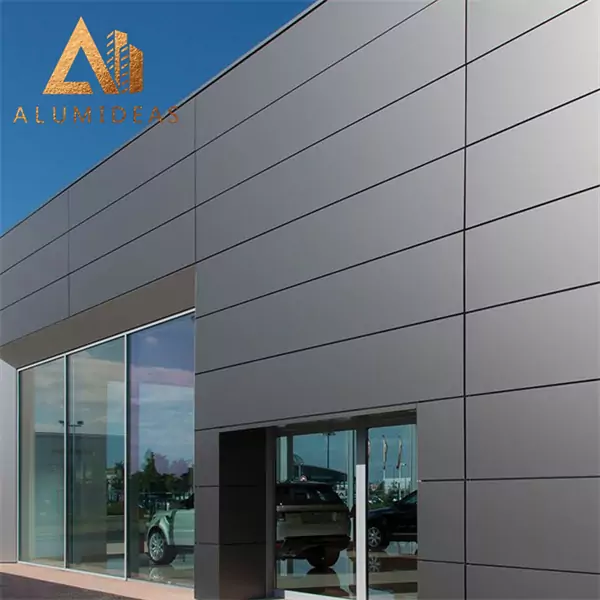
Proper installation ensures performance, longevity, and weather tightness. Most systems use a rainscreen principle, where panels are mounted over a ventilated cavity to manage moisture and thermal movement.
1. Substrate Preparation
The wall must be structurally sound and flat. Common substrates include:
– Plywood or OSB sheathing
– Insulation boards
– Concrete or masonry
No surface prep required—panels can be installed over existing walls to conceal damage or update aesthetics.
2. Subframe Installation
A z-shaped or hat channel subframe is attached to the substrate to create an air gap (typically 20–50 mm).
- Ensures ventilation and drainage
- Allows for thermal movement
- Provides a level mounting surface
3. Panel Attachment
Panels are secured using one of several methods:
| System Type | How It Works | Best For |
|---|---|---|
| Concealed Fasteners | Screws hidden under panel edges | Clean, seamless look |
| Face-Fastened | Visible screws with caps | Simpler, lower-cost installs |
| Click/Snap Systems | Panels snap into rails | DIY, fast installation |
| Tongue-and-Groove | Panels slide together | Waterproof, modern finish |
4. Trims and Accessories
Finishing trims (corner, J-channel, starter) ensure weatherproofing and clean edges.
- Integrated accessories (e.g., LED strips, vents, taps) can be embedded
- Expansion gaps (3–5 mm) must be left between panels to allow movement
Applications of Aluminium Cladding
Exterior Façades
The most common use—upgrading building exteriors with modern, durable finishes.
- Residential homes, apartment blocks, offices
- Renovations over old siding or stucco
- Mixed-material designs (e.g., aluminum with glass or brick)
Soffits and Eaves
Aluminum soffits are rot-proof and ventilated, ideal for under eaves and overhangs.
- Prevents moisture buildup in roof cavities
- Available in matching profiles to wall panels
Interior Accent Walls
Used in lobbies, stairwells, retail spaces, and homes for a sleek, industrial look.
- Sound-dampening when combined with insulation
- Scratch- and graffiti-resistant (ideal for public buildings)
Ceilings and Partitions
Tongue-and-groove panels create seamless ceilings in offices, airports, and shopping malls.
- Fire-rated options meet commercial safety codes
- Can be perforated for acoustics
Actionable Tips for Choosing & Installing Aluminium Cladding
-
Prioritize Fire Safety
For buildings over 18 meters, use A1-rated solid aluminum or A2 fire-retardant ACM. Avoid polyethylene-core ACM in high-risk zones. -
Choose the Right Finish
Opt for PVDF or FEVE coatings for maximum UV and color resistance—especially in sunny or coastal areas. -
Plan for Thermal Movement
Aluminum expands and contracts with temperature. Leave 3–5 mm expansion gaps and use flexible fixings. -
Use Compatible Trims
Invest in manufacturer-specific trims and rails to ensure proper drainage and wind resistance. -
Consider Installation Skill Level
- DIY-friendly: Click systems (GTO, WoodPlank)
-
Professional-grade: Concealed fastener or rainscreen systems
-
Order Samples First
View finishes in natural light to assess color, texture, and reflectivity before full purchase.
Pricing and Cost Estimates
Aluminum cladding costs vary based on material type, thickness, finish, and system complexity.
| Panel Type | Price Range (USD per sq. ft.) | Notes |
|---|---|---|
| Solid Aluminum (2–3 mm) | $8 – $15 | Higher upfront cost, longer lifespan |
| Fire-Rated ACM (e.g., ALUCOBOND PLUS) | $6 – $10 | Ideal for commercial projects |
| Standard ACM (PE core) | $4 – $7 | Not suitable for high-rise |
| Click/Snap Systems (DIY) | $5 – $9 | Includes subframe and trims |
| Custom Colors/Perforations | +20–50% | Minimum order may apply |
Installation labor: $3 – $7 per sq. ft. (professional), less for DIY
Full project cost: $10 – $20 per sq. ft. installed
Bulk discounts are often available for orders over 5,000 sq. ft.
Conclusion
Aluminium cladding panels offer an ideal balance of beauty, durability, and safety for modern architecture. Whether you’re renovating a home, designing a commercial façade, or building a high-rise, aluminum provides a low-maintenance, fire-resistant, and sustainable solution that outperforms traditional materials like wood, vinyl, or fiber cement.
With innovations in wood-look finishes, snap-on systems, and recyclable materials, aluminum cladding is no longer just a functional choice—it’s a design statement. By selecting the right panel type, finish, and installation method, you can achieve a long-lasting, high-performance façade that enhances both aesthetics and building performance.
Frequently Asked Questions (FAQ)
1. Are aluminum cladding panels fireproof?
Yes, solid aluminum panels are non-combustible (A1-rated) and do not contribute to fire spread. Fire-retardant ACM panels are A2-rated. Avoid standard polyethylene-core ACM in high-risk or tall buildings.
2. Do aluminum cladding panels fade in the sun?
No, panels with PVDF or FEVE coatings are highly UV-resistant and retain color for 25+ years. Most manufacturers offer 25–35 year finish warranties.
3. Can I install aluminum cladding myself?
Yes, click and snap systems (e.g., GTO, WoodPlank) are designed for DIY installation. Professional systems with concealed fasteners require more skill and tools.
4. How long do aluminum cladding panels last?
With proper installation, they last 40–50 years or more. Solid aluminum panels outlast composites and require no maintenance.
5. Are aluminum cladding panels eco-friendly?
Yes. Aluminum is 100% recyclable, and many panels contain 20–100% recycled content. Their long life and low maintenance reduce environmental impact over time.