
Aluminum Composite Signs: 2025 Guide & Expert Tips
Tired of signs that fade, warp, or corrode after just a season outdoors? Aluminum composite signs offer a durable, sleek solution built to withstand the elements without sacrificing style. Combining a lightweight core with protective aluminum sheets, these signs resist rust, UV damage, and extreme temperatures—making them perfect for both indoor branding and outdoor signage. Whether you’re upgrading a storefront, labeling a corporate campus, or creating eye-catching displays, aluminum composite delivers crisp graphics, long-term reliability, and a professional finish. Lightweight yet strong, they’re easy to install and maintain, saving time and costs over time. Discover how aluminum composite signs are transforming the way businesses communicate with lasting impact.
How Aluminum Composite Signs Are Made and Used
Aluminum composite signs (ACM signs) are durable, lightweight, and weather-resistant signage solutions made from a sandwich of two thin aluminum sheets bonded to a polyethylene core. These signs are ideal for both indoor and outdoor use due to their strength, rigidity, and resistance to rust, fading, and environmental damage. They are commonly used for real estate signage, directional signs, office branding, building identification, and retail displays. The manufacturing process involves digital printing with UV-resistant inks onto pre-finished aluminum composite panels, followed by cutting, finishing (such as rounded corners or hole drilling), and optional mounting hardware installation.
What Are Aluminum Composite Signs?
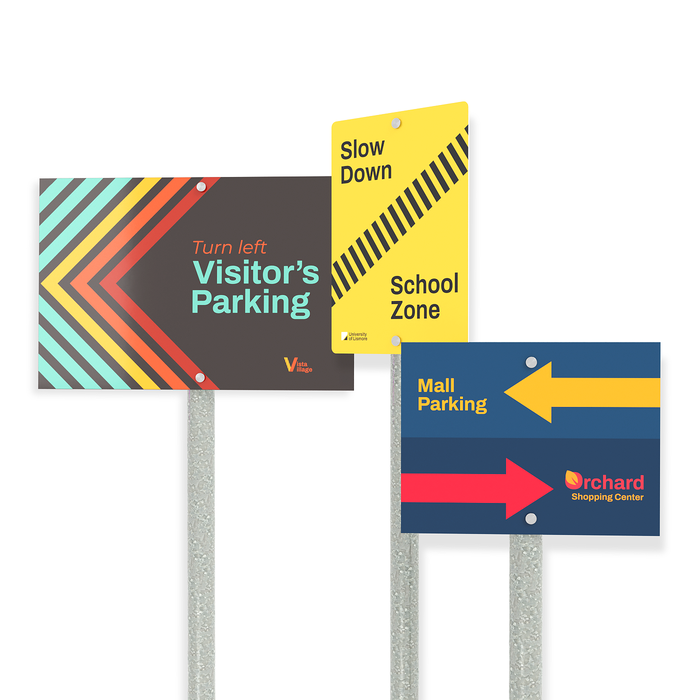
Aluminum Composite Material (ACM), often referred to by brand names like Dibond®, is a rigid panel composed of:
- Two thin aluminum skins (typically 0.15–0.30 mm each)
- A central core of low-density polyethylene (PE) or fire-retardant mineral-filled core
- A total thickness usually ranging from 3mm to 6mm
This construction gives ACM signs a unique balance of lightweight handling and structural rigidity, making them easy to install yet highly durable.
Why Choose ACM Over Solid Aluminum?
| Feature | Aluminum Composite (ACM) | Solid Aluminum |
|---|---|---|
| Weight | Lighter due to plastic core | Heavier, denser |
| Cost | More cost-effective | Higher material cost |
| Rigidity | High, resists bending | High, but more prone to “oil canning” |
| Print Surface | Smooth, pre-coated for optimal ink adhesion | Requires additional surface prep |
| Durability | Excellent for long-term outdoor use | Slightly more impact-resistant but less stable over large areas |
ACM is preferred for most commercial signage applications due to its superior flatness, ease of fabrication, and consistent finish.
How Aluminum Composite Signs Are Manufactured
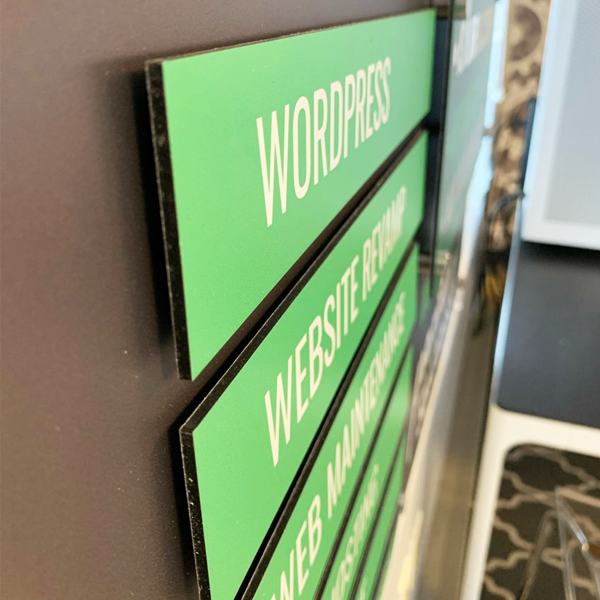
Step 1: Material Selection
Manufacturers offer several types of ACM panels based on application needs:
- White ACM: Matte or semi-gloss white finish; ideal for full-color graphics.
- Brushed Aluminum ACM: Sleek metallic appearance; popular for modern office interiors.
- Reflective ACM: Laminated with engineer-grade reflective vinyl for high visibility at night.
- Lite or HD Variants: Thinner (Lite) or thicker/heavier-duty (HD) versions for specific structural needs.
Panels come in standard sizes (e.g., 4’ x 8’) and can be cut to custom dimensions.
Step 2: Digital Printing
ACM signs are typically printed using UV flatbed printers, which apply ink directly onto the panel surface. Key features:
- UV-Curable Inks: Dry instantly under ultraviolet light, producing vibrant, scratch-resistant colors.
- Weather Resistance: UV inks resist fading for 5–15 years, depending on exposure.
- White Ink Option: Allows for opaque base layers under colored graphics (not always available on all services).
- Full-Color CMYK Printing: Supports photorealistic images, gradients, and complex logos.
Some providers print on adhesive vinyl first, then laminate it onto the panel—offering flexibility and enhanced durability.
Step 3: Cutting and Shaping
After printing, the panels are cut to shape using CNC routers or panel saws:
- Standard Shapes: Rectangle, square, circle, oval
- Custom Contour Cuts: Unique shapes matching logos or designs
- Rounded Corners: Standard safety feature (e.g., 1/4″ radius) to prevent injury
ACM is easier to cut than solid aluminum, allowing faster turnaround and more design freedom.
Step 4: Finishing Touches
Common post-production options include:
- Protective Lamination: Glossy or matte overlay to resist graffiti, UV degradation, and scratches
- Hole Drilling: Pre-drilled holes for screws, zip ties, or standoffs
- Locations: Corners, center top/bottom, all sides
- Edge Sealing: Optional treatment to prevent moisture ingress into the core
Step 5: Mounting Hardware & Accessories
To simplify installation, many suppliers offer add-ons:
- Standoffs: Brushed aluminum spacers that mount the sign 3/4″ off the wall for a floating effect
- 3M Command Strips: For damage-free indoor hanging
- Zip Ties: Ideal for attaching signs to chain-link fences
- Velcro Patches: Reusable mounting solution
Benefits of Aluminum Composite Signs
1. Durability and Weather Resistance
- Resists rain, snow, wind, UV rays, and temperature extremes
- Will not rust, warp, or corrode
- Suitable for coastal, urban, and industrial environments
2. Lightweight and Easy to Install
- Weighs significantly less than solid metal signs
- Can be mounted with basic tools—no heavy-duty supports required
- Ideal for temporary or semi-permanent installations
3. Professional Appearance
- Smooth, flat surface ensures crisp, high-resolution graphics
- Available in white, brushed, or reflective finishes to match branding
- Looks premium in corporate offices, retail stores, and building exteriors
4. Long Lifespan
- With proper care, ACM signs last 5–15 years outdoors
- Protective coatings extend life and maintain color vibrancy
- Resistant to graffiti (especially with anti-graffiti laminate)
5. Versatile Applications
Used across industries for:
– Real estate signage (for-sale signs, open house displays)
– Directional and wayfinding signs (campuses, hospitals, parks)
– Building identification (tenant signs, suite numbers)
– Retail and restaurant menu boards
– Office and lobby signage (brand walls, reception signs)
– Construction site signage (safety notices, project info)
Actionable Tips for Ordering ACM Signs
To get the best results when ordering aluminum composite signs, follow these expert recommendations:
✅ 1. Provide Print-Ready Artwork
- Use CMYK color mode, not RGB
- Set resolution to 300 DPI at full size
- Include a 0.125″ bleed on all sides
- Save as PDF, EPS, or high-quality JPG
Tip: If you don’t have design capabilities, most providers offer free design assistance or low-cost design packages.
✅ 2. Choose the Right Finish
- White ACM: Best for colorful graphics and indoor/outdoor versatility
- Brushed ACM: Ideal for minimalist, modern office branding
- Reflective ACM: Essential for safety signs, roadways, or low-light visibility
✅ 3. Consider Installation Method Early
- Wall mounting? Opt for standoffs or Command strips
- Fence posting? Request pre-drilled holes and zip ties
- Freestanding display? Use double-sided printing for visibility from both sides
✅ 4. Specify Custom Sizes and Shapes
- Max dimensions vary by provider (common max: 48″ x 96″)
- For larger signs, consider multi-panel designs
- Use contour cutting to match brand logos or unique shapes
✅ 5. Order in Bulk for Savings
- Most printers offer volume discounts starting at 5–10 units
- Example: 1 sign may cost $50; 10 signs may drop to $35 each
Pricing and Cost Estimates
Pricing for aluminum composite signs varies based on size, material type, printing, and accessories. Below are market-averaged estimates (as of 2024–2025):
| Size | Material | Single Sided | Double Sided | Notes |
|---|---|---|---|---|
| 12″ x 18″ | White ACM | $30 – $45 | $50 – $65 | Most common for real estate |
| 18″ x 24″ | White ACM | $45 – $60 | $70 – $85 | Popular for directional signs |
| 24″ x 36″ | White ACM | $70 – $90 | $110 – $130 | Standard storefront signage |
| 36″ x 48″ | White ACM | $120 – $160 | $180 – $220 | Large building identifiers |
| 48″ x 96″ | Brushed ACM | $200 – $300 | Not typically offered | High-end architectural use |
Add-On Costs:
– Protective lamination: +$10–$20
– Rounded corners: Usually included
– Hole drilling: +$5–$15
– Standoffs (4 pcs): +$15–$25
– Reflective overlay: +15–25% of base price
Turnaround Time: Typically 3–5 business days, with some providers offering 24-hour production.
Conclusion
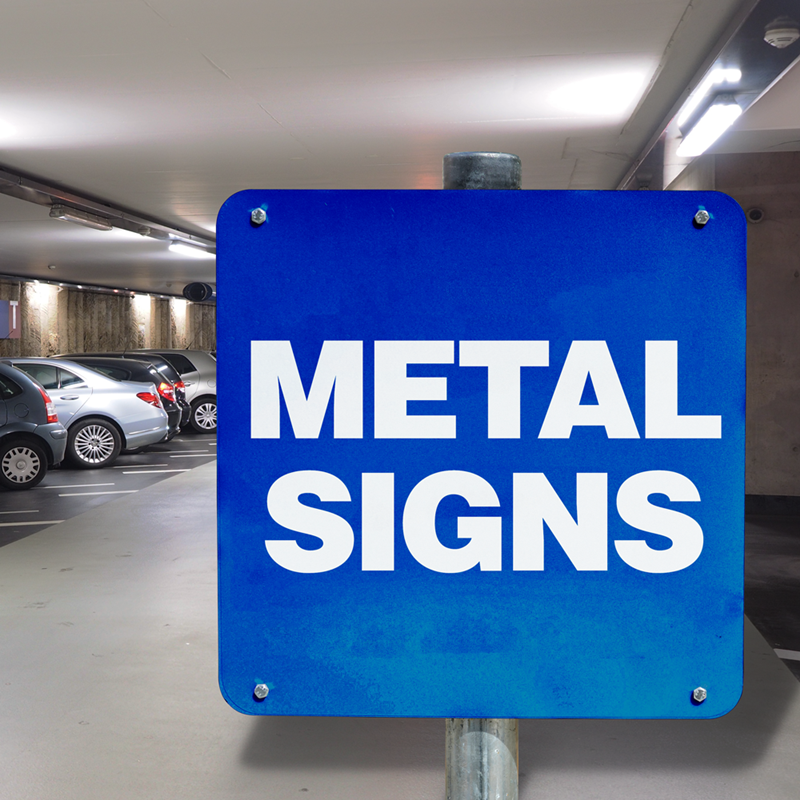
Aluminum composite signs are a high-performance, cost-effective solution for businesses and organizations needing durable, professional-grade signage. Their combination of lightweight construction, weather resistance, and superior print quality makes them ideal for both temporary and permanent applications. Whether used outdoors for real estate or safety warnings, or indoors for branding and wayfinding, ACM signs deliver long-lasting visibility and impact.
By selecting the right material, finish, and mounting options—and working with a reputable provider—you can create signage that enhances your brand, communicates clearly, and withstands the elements for years.
Frequently Asked Questions (FAQ)
1. Are aluminum composite signs waterproof?
Yes. The aluminum skins and sealed edges make ACM signs highly resistant to water, moisture, and humidity, making them suitable for outdoor use in all climates.
2. Can ACM signs be used outdoors?
Absolutely. ACM signs are specifically designed for outdoor use, with UV-resistant inks and protective coatings that prevent fading and degradation from sunlight and weather.
3. How long do aluminum composite signs last?
With proper installation and minimal maintenance, ACM signs typically last 5 to 15 years. Reflective and laminated versions often have longer lifespans.
4. Can I print on both sides of an ACM sign?
Yes, double-sided printing is available and commonly used for freestanding, hanging, or fence-mounted signs that need visibility from both directions.
5. Do I need special tools to install ACM signs?
No. Most ACM signs can be installed with basic tools like drills and screwdrivers. Pre-drilled holes and accessories like standoffs or Command strips make setup simple and tool-light.