
Aluminium Cladding Sheet Guide: 2025 Expert Tips & Trends
Tired of building materials that warp, rust, or demand constant maintenance? Aluminium cladding sheets offer a sleek, durable solution that stands up to the elements while enhancing your property’s modern appeal. Lightweight yet incredibly strong, these sheets resist corrosion, require minimal upkeep, and deliver exceptional energy efficiency. Whether you’re renovating a home or designing a commercial space, aluminium cladding combines aesthetic versatility with long-term cost savings. Available in a range of finishes, colours, and profiles, it adapts effortlessly to any architectural style. Discover how aluminium cladding sheets can transform your project—boosting durability, cutting maintenance costs, and elevating curb appeal with a contemporary edge.
How Aluminium Cladding Sheet: A Comprehensive Guide
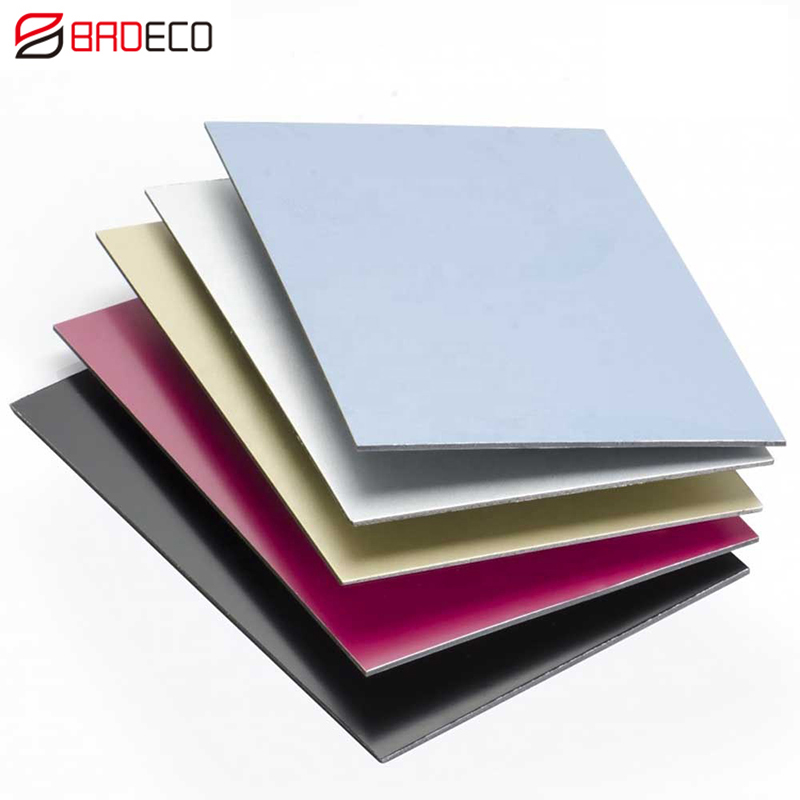
Aluminium cladding sheets are lightweight, durable, and low-maintenance exterior or interior wall coverings made from solid aluminium or composite materials. They are widely used in residential, commercial, and industrial buildings for façades, soffits, ceilings, and wall protection due to their aesthetic versatility, weather resistance, fire safety, and long-term cost efficiency.
These sheets come in various forms—including solid aluminium panels, aluminium composite panels (ACPs), and pre-finished siding profiles—and offer design flexibility with wood, stone, metallic, and custom finishes. Installation is typically fast using rain-screen or click systems, and proper selection ensures compliance with fire, wind, and energy codes.
Below is a detailed breakdown of aluminium cladding sheets, including types, benefits, technical specifications, installation practices, pricing, and best use cases.
Types of Aluminium Cladding Sheets
Aluminium cladding is available in several configurations, each suited to different architectural and functional needs.
Solid Aluminium Panels
Made from a single sheet of coil-coated aluminium (typically 2–3 mm thick), these panels are non-combustible (A1 fire-rated) and ideal for high-safety zones like high-rise buildings.
– Material: 100% aluminium, pre-painted with PVDF or FEVE coatings
– Thickness: 2 mm or 3 mm
– Weight: ~8.1 kg/m² (3 mm panel)
– Applications: Facades, soffits, column cladding
– Key Brands: ALUCOLUX®, Alumitex® Plate
Aluminium Composite Panels (ACPs)
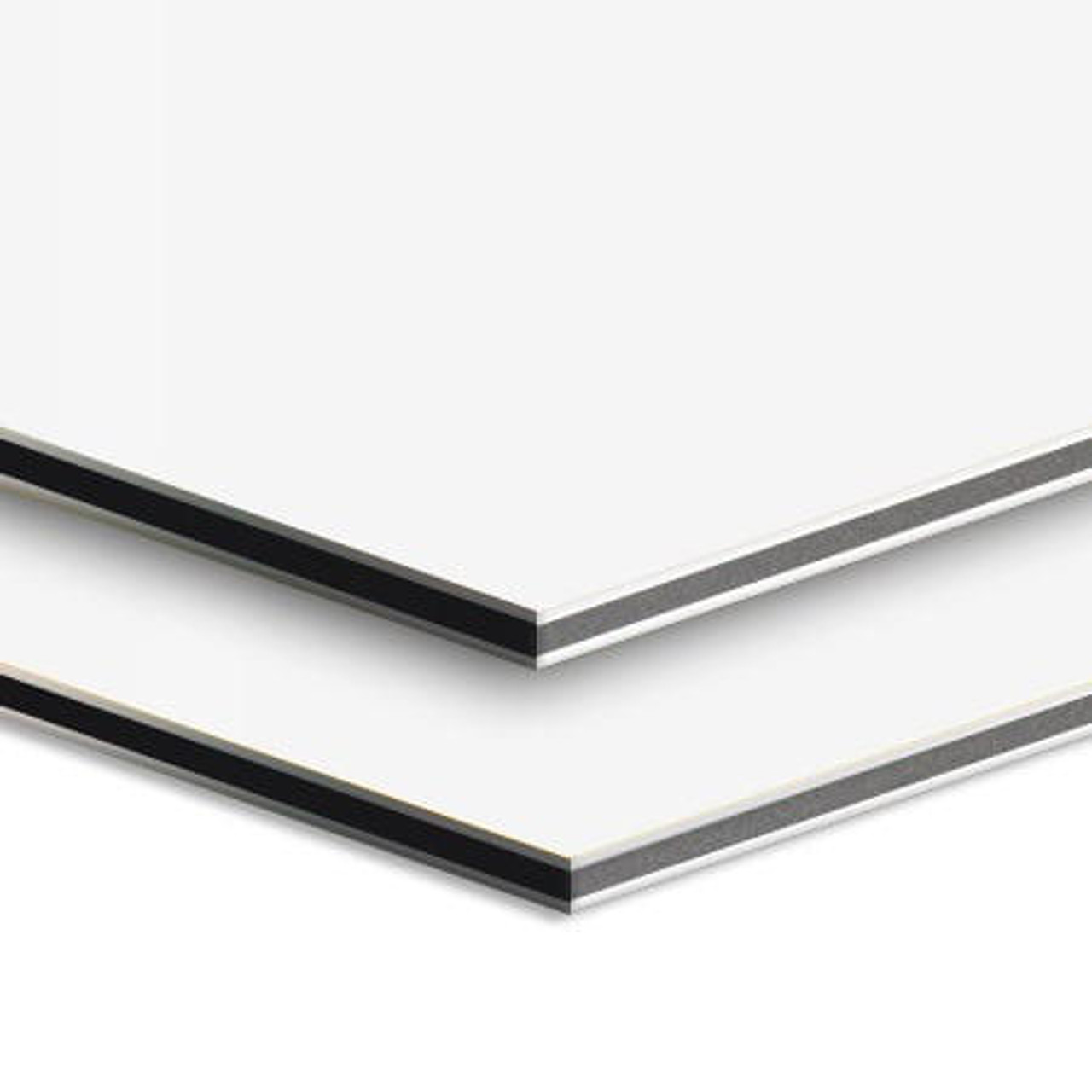
Sandwich panels consisting of two thin aluminium sheets bonded to a polyethylene or fire-retardant core.
– Core Types:
– PE (Polyethylene): Lightweight, cost-effective, suitable for low-rise buildings
– FR (Fire Retardant): Meets stricter fire codes (e.g., Class A, NFPA 285)
– Thickness: 3 mm, 4 mm, or 6 mm
– Weight: ~3–5 kg/m²
– Applications: Signage, façades, interior partitions
– Key Brands: ALUCOBOND®, DIBOND®, E-PANEL™
Aluminium Siding & Profile Systems
Extruded or roll-formed panels designed to mimic wood, often used in residential applications.
– Profile Types: V-groove, shiplap, click-and-lock
– Installation: Horizontal or vertical, with hidden fasteners
– Material: 15-gauge (1.5 mm) T5 aluminium alloy
– Features: Woodgrain finishes, snap-on systems (e.g., GTO Click System)
Benefits of Aluminium Cladding Sheets
Durability & Weather Resistance
- Corrosion-resistant: Does not rust, ideal for coastal and humid environments
- UV-stable: PVDF coatings resist fading for 20+ years
- Impact-resistant: Withstands hail, wind, and debris
- Thermal stability: Minimal expansion/contraction in extreme temperatures
Fire Safety
- Solid aluminium panels are non-combustible (A1-rated) per EN 13501-1
- FR-rated ACPs meet NFPA 285 and BS 8414 standards for high-rise use
- Outperforms wood, vinyl, and standard composites in fire tests
Low Maintenance
- No painting, sealing, or staining required
- Clean with mild detergent and water
- Resistant to mold, pests, and rot
- Warranties range from 15 to 50 years depending on brand and coating
Aesthetic Versatility
- Available in wood grain, stone, metallic, anodized, and custom colours
- Can be brushed, embossed, or digitally printed
- Enables seamless transitions between interior and exterior design
Sustainability
- 100% recyclable with high recycled content (up to 30% LEED contribution)
- Energy-efficient: Reflects solar heat, reducing cooling loads
- Long lifespan reduces replacement frequency and waste
Lightweight & Easy Installation
- Weighs 1.9–3 lbs/sq ft, reducing structural load
- Compatible with rainscreen, click, or tongue-and-groove systems
- Reduces labour time and cost compared to brick or stone
Technical Specifications & Performance
Material Composition
| Type | Core | Coating | Fire Rating | Weight (kg/m²) |
|---|---|---|---|---|
| Solid Aluminium | None | PVDF/FEVE | A1 (Non-combustible) | 5.4 (2mm), 8.1 (3mm) |
| ACP (PE) | Polyethylene | PVDF | B1/B2 (Combustible) | 3–5 |
| ACP (FR) | Fire-retardant polymer | PVDF | A2 (Limited combustibility) | 4–6 |
Wind Load & Structural Performance
- Panels must be engineered for wind pressure, especially in high-rise or coastal areas
- Permissible panel sizes depend on wind zone, support spacing, and fixing method
- Example: 3 mm ALUCOLUX® panels supported on four sides can span up to 1.5 m x 3 m under moderate wind loads
Thermal Movement
- Coefficient of linear expansion: 23 x 10⁻⁶ /°C
- Requires expansion gaps (3–5 mm) between panels to prevent buckling
Colour & Finish Standards
- PVDF (Polyvinylidene Fluoride): AAMA 2605 compliant, 20–30 year colour retention
- FEVE (Fluoroethylene Vinyl Ether): Superior gloss and fade resistance, ideal for harsh climates
- Powder coating: Electrostatic application for custom colours, durable but less UV-resistant than PVDF
Installation Process: Step-by-Step
1. Surface Preparation
- Ensure substrate (concrete, wood, or metal framing) is clean, flat, and dry
- Install vapour barrier and water-resistive barrier (WRB) if using rainscreen system
2. Framework Installation
- Use aluminium or galvanized steel substructure (hat channels or vertical battens)
- Fix to structural wall with stainless steel or corrosion-resistant fasteners
- Ensure level and plumb alignment
3. Panel Fabrication
- Cut panels with non-ferrous carbide-tipped blades or CNC routers
- Avoid grinding or sanding edges to preserve coating integrity
4. Mounting
- Rainscreen Method:
- Attach panels using Z-profile brackets or face-fixed screws
- Maintain 10–20 mm air cavity behind panels for drainage and ventilation
- Click Systems (e.g., GTO Click 40/60):
- Panels snap into starter channels with hidden fixings
- No visible screws, ideal for DIY
5. Sealing & Trimming
- Use compatible J-channels, corner trims, and caps
- Seal joints with UV-resistant silicone (e.g., neutral cure silicone)
- Avoid over-tightening screws to allow thermal movement
Actionable Tips for Selecting & Installing Aluminium Cladding
- Choose A1-rated solid aluminium for high-rises or fire-prone zones
- Use FR-core ACPs for mid-rise buildings requiring fire compliance
- Order samples to verify colour, texture, and finish under natural light
- Consult wind load calculations for projects over 40 feet in height
- Leave expansion gaps (3–5 mm) between panels to prevent warping
- Use plastic spacers during installation to maintain consistent gaps
- Avoid mixing metals (e.g., steel fasteners with aluminium) to prevent galvanic corrosion
- Install from bottom to top, overlapping panels to shed water
- Hire certified installers for large or complex façades to ensure warranty validity
Pricing & Cost Estimates
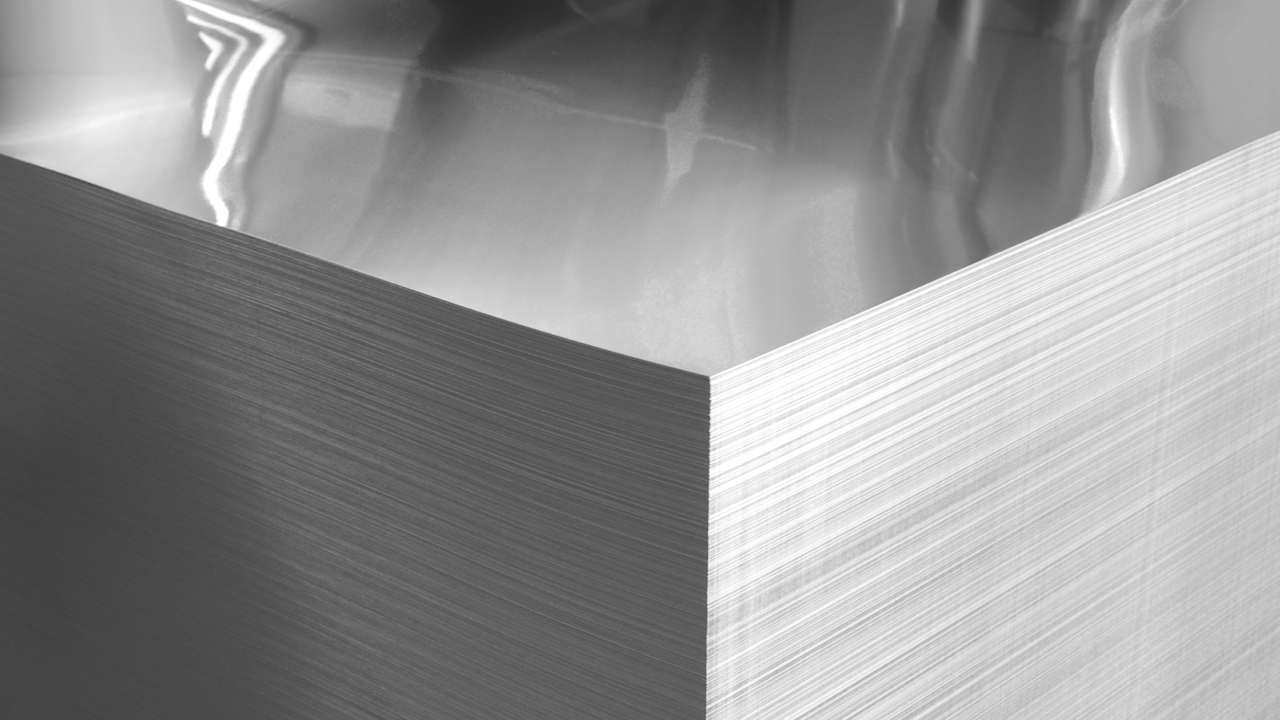
Aluminium cladding costs vary by type, thickness, finish, and brand. Below are market estimates (USD):
| Product Type | Price per Sq. Ft. | Notes |
|---|---|---|
| Solid Aluminium Panels (3 mm) | $8 – $15 | Higher for PVDF/FEVE, custom colours |
| ACP (PE Core) | $4 – $8 | Budget-friendly, limited fire rating |
| ACP (FR Core) | $7 – $12 | Required for commercial/high-rise |
| Aluminium Siding (Woodgrain) | $6 – $10 | Includes trim and accessories |
| Installation Labour | $3 – $7 | Varies by region and complexity |
Bulk Discounts: Available for orders over 5,000–8,000 sq. ft.
Warranty: 15–50 years depending on manufacturer (e.g., ALUCOLUX®: 15 years, WoodPlank: 50 years)
Conclusion
Aluminium cladding sheets offer a perfect balance of aesthetics, performance, and sustainability for modern construction. Whether you’re cladding a high-rise façade, a residential exterior, or an industrial wall, aluminium provides long-term value through durability, fire safety, and minimal maintenance. With advancements in coating technology and installation systems, it has become the material of choice for architects, builders, and homeowners seeking a future-proof, visually striking building envelope.
By selecting the right type—solid, composite, or profile-based—and following best practices in design and installation, aluminium cladding can transform any structure into a resilient, beautiful, and code-compliant masterpiece.
Frequently Asked Questions (FAQ)
1. Is aluminium cladding fireproof?
Yes, solid aluminium panels are non-combustible (A1-rated) and will not contribute to fire spread. FR-core ACPs are fire-retardant but not fully non-combustible. Always verify fire ratings for your project’s building code requirements.
2. How long does aluminium cladding last?
High-quality aluminium cladding with PVDF/FEVE coatings lasts 20–50 years without significant fading or degradation. Structural integrity often exceeds 50 years with proper installation.
3. Can aluminium cladding be used on interiors?
Yes, aluminium cladding is widely used for interior accent walls, ceilings, column covers, and partitions. It offers a sleek, modern look and is easy to clean—ideal for offices, retail spaces, and healthcare facilities.
4. Does aluminium cladding require painting?
No, factory-coated aluminium cladding is pre-finished and does not require on-site painting. The colour is baked into the surface and resists fading, chipping, and staining.
5. Is aluminium cladding eco-friendly?
Yes, aluminium is 100% recyclable and retains its properties through multiple recycling cycles. Many panels contain 20–30% recycled content and contribute to LEED certification in green building projects.