
Aluminium Composite Panel Roof Guide: 2025 Expert Tips
Tired of roofing materials that warp, rust, or cost a fortune to maintain? Aluminium composite panel roofs offer a sleek, durable solution for modern homes and commercial buildings alike. Lightweight yet incredibly strong, these panels combine the resilience of aluminium with a fire-resistant core, delivering long-lasting protection against the elements. With superior insulation, minimal upkeep, and a clean, contemporary look, they’re redefining rooftop performance. Whether you’re renovating or building new, switching to an aluminium composite panel roof means investing in energy efficiency, aesthetic appeal, and lasting value—all without the hassle of traditional roofing drawbacks. Discover how this innovative material is transforming rooftops across the globe.
How Aluminium Composite Panel Roofs Work: A Complete Guide
Aluminium composite panel (ACP) roofs are modern, lightweight roofing systems that use sandwich panels made of two thin aluminium sheets bonded to a non-aluminum core—typically polyethylene (PE) or fire-retardant (FR) material. These panels are used for roofing applications such as soffits, roof edges, canopies, and even self-supporting roof structures due to their high strength-to-weight ratio, design flexibility, durability, and weather resistance. They offer architects and builders a versatile solution for both aesthetic and functional roofing needs in residential, commercial, and industrial buildings.
Originally developed in the 1960s by 3A Composites, ACP technology has evolved into a cornerstone of modern architectural design. While traditionally associated with façades and wall cladding, aluminium composite panels are now increasingly used in roofing systems—especially where complex shapes, low structural load, and long-term performance are critical.
This comprehensive guide explores how aluminium composite panel roofs work, their benefits, technical considerations, installation practices, costs, and best applications.
Why Use Aluminium Composite Panels for Roofs?
Aluminium composite panels have become a preferred choice for modern roofing systems due to their unique combination of structural, aesthetic, and environmental advantages. Here’s a detailed breakdown of why they’re gaining popularity.
H3: Lightweight and High Strength
One of the most compelling reasons to use ACPs on roofs is their exceptional strength-to-weight ratio.
- Weight: ACPs typically weigh between 3.5 to 7.6 kg/m², depending on thickness and core type—significantly lighter than traditional metal, concrete, or clay roofing.
- Structural Benefit: The reduced load minimizes stress on supporting structures, making ACPs ideal for retrofitting older buildings or constructing large-span canopies without requiring heavy reinforcements.
- Ease of Installation: Their lightness allows for faster, safer handling and installation—often reducing labor costs and project timelines.
H3: Design Flexibility and Aesthetic Appeal
Architects value ACPs for their unmatched design freedom.
- Custom Shapes: Panels can be bent, folded, milled, and contoured to fit curved, angular, or complex roof geometries.
- Color & Finish Options: Available in solid colors, wood grain, metallic, mirror, and even custom corporate branding via digital printing.
- Seamless Appearance: With concealed fastening systems like riveting or gluing, ACP roofs can achieve a clean, flush finish with minimal visual interruptions.
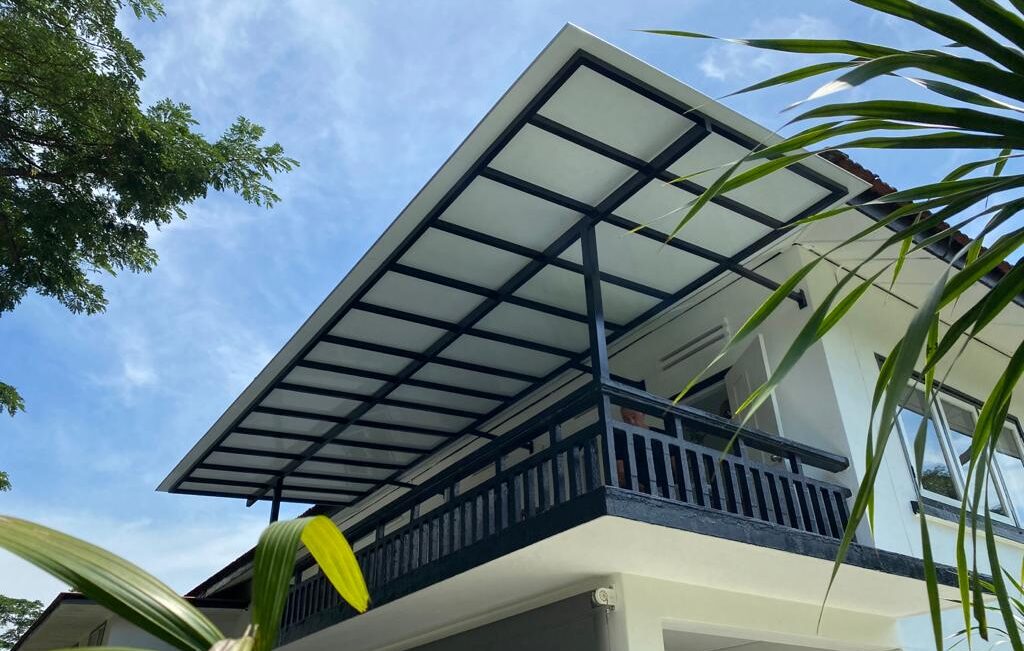
This makes them ideal for modern architectural statements such as cantilevered canopies, sculptural rooflines, and ventilated double-skin roofs.
H3: Durability and Weather Resistance
ACP roofs are engineered to withstand harsh environmental conditions.
- Corrosion & Rust Resistant: The aluminium surface is coated with PVDF (polyvinylidene fluoride) or polyester finishes that resist oxidation, UV degradation, and chemical exposure.
- Water Resistance: When properly installed with sealed joints and compatible flashings, ACPs provide excellent waterproofing.
- Climate Resilience: Tested to perform in temperatures ranging from -50°C to +80°C, they maintain integrity in extreme cold, heat, snow, and coastal salt spray environments.
With proper maintenance, an ACP roof can last 30 to 50 years.
H3: Thermal and Fire Performance
Thermal efficiency and fire safety are critical in roofing systems.
Thermal Benefits:
- Solar Reflectance: Light-colored or cool-coated ACPs reflect solar radiation, reducing heat absorption and lowering indoor cooling loads.
- Insulation Compatibility: ACPs are often part of a rainscreen or double-wall system, allowing integration with insulation layers for improved energy efficiency.
Fire Safety:
- Core Types Matter:
- PE (Polyethylene) Core: Lightweight and cost-effective but flammable—not recommended for high-rise or public buildings.
- FR (Fire-Retardant) Core: Contains mineral fillers to suppress flame spread. Complies with B-s1,d0 classification (European standard EN 13501-1).
- A2 (Non-Combustible) Core: Made with mineral-based materials; meets A2-s1,d0, suitable for high-safety applications like schools, hospitals, and skyscrapers.
Always verify local fire codes and select the appropriate core type accordingly.
H3: Sustainability and Recyclability
Sustainability is a growing priority in construction.
- Recyclable Material: Aluminium is 100% recyclable without loss of quality. Many ACPs contain up to 85% recycled content.
- Low Waste: Panels are often prefabricated off-site, minimizing on-site cutting and material waste.
- Energy Efficient Production: Leading manufacturers like Alucobond and PREFA use certified eco-friendly processes and publish Environmental Product Declarations (EPDs).
Technical Considerations for ACP Roofing Systems
To ensure long-term performance, several technical factors must be addressed during design and installation.
H3: Core Material Selection
Choosing the right core is essential for safety and compliance:
| Core Type | Fire Rating | Best For | Limitations |
|---|---|---|---|
| PE (Polyethylene) | E–C (flammable) | Low-rise, non-critical areas | Not allowed in many high-rise codes |
| FR (Fire Retardant) | B-s1,d0 | Commercial, mid-rise buildings | Slightly heavier and more expensive |
| A2 (Mineral) | A2-s1,d0 | Hospitals, schools, high-rises | Higher cost, limited color options |
✅ Recommendation: Use FR or A2 cores for any roof above ground level or in public-access buildings.
H3: Panel Thickness and Rigidity
Common thicknesses range from 3mm to 6mm, affecting rigidity and span capability.
- 3–4mm: Suitable for soffits, fascias, and small canopies.
- 5–6mm: Recommended for large overhangs or self-supporting roofs, especially when using honeycomb-core variants like ALUCORE®.
Higher flexural rigidity reduces deflection under wind or snow loads.
H3: Mounting Systems and Substructure
The method of attachment impacts both performance and appearance.
Common Fastening Methods:
- Screwed (Face-Fastened): Visible screws; suitable for simple installations.
- Riveted: Clean look with mechanical fasteners hidden behind panel edges.
- Glued (Structural Silicone): Invisible fixings; requires skilled labor and compatible adhesives.
- Clip-Based Systems: Used with vertical or horizontal rails for concealed support.
Substructures are typically made of:
– Aluminium: Corrosion-resistant, lightweight.
– Galvanized Steel: Stronger, used for larger spans.
Proper spacing and alignment are crucial to prevent thermal expansion stress and water ingress.
H3: Weatherproofing and Drainage
Even though ACPs are water-resistant, joint detailing is critical.
- Sealed Joints: Use durable sealants (e.g., silicone) at panel overlaps and perimeters.
- Drainage Planes: Incorporate back-ventilated cavities to allow moisture escape and reduce condensation.
- Flashing Integration: Coordinate with metal flashings at eaves, ridges, and wall intersections to prevent leaks.
⚠️ Poor detailing is the leading cause of ACP roof failure—not the material itself.
Actionable Tips for Installing ACP Roofs
Follow these best practices to ensure a successful, long-lasting installation:
-
Hire Certified Installers
ACP systems require precision. Use installers trained by the manufacturer or certified in rainscreen systems. -
Verify Wind Load Calculations
Especially for large overhangs or high-wind zones, perform structural analysis to ensure panel retention under suction forces. -
Allow for Thermal Movement
Aluminium expands and contracts with temperature changes. Leave expansion gaps (typically 2–5mm) and use flexible sealants. -
Use Compatible Accessories
Stick to the same brand’s clips, rails, and fasteners to ensure warranty validity and performance consistency. -
Inspect After Extreme Weather
Conduct annual inspections post-storms or heavy snow to check for loose fasteners, sealant degradation, or dents. -
Clean Regularly
Wash panels every 6–12 months with mild soap and water. Avoid abrasive cleaners that can damage coatings. -
Avoid Mixing Materials
Do not combine ACPs directly with dissimilar metals (e.g., copper or untreated steel) to prevent galvanic corrosion.
Cost and Pricing Estimates
ACP roofing is more expensive than basic metal roofing but competitive with premium architectural systems.
| Component | Average Cost Range (CAD/USD) |
|---|---|
| ACP Panels (FR Core, 4mm) | $35 – $65 per m² |
| A2 Core Panels | $50 – $85 per m² |
| Substructure (Aluminium) | $15 – $25 per m² |
| Installation Labor | $20 – $40 per m² |
| Accessories & Sealants | $10 – $15 per m² |
| Total Installed Cost | $80 – $150 per m² |
💡 Note: Prices vary by region, project scale, complexity, and finish. Custom colors or shapes may increase costs by 15–30%.
While initial costs are higher than standard metal roofing (~$40–$70/m²), the long lifespan, low maintenance, and energy savings make ACPs cost-effective over time.
Conclusion
Aluminium composite panel roofs represent a fusion of form and function in modern construction. Their lightweight nature, design versatility, durability, and sustainability make them ideal for contemporary architectural applications—from sleek commercial canopies to complex residential roofscapes. With proper material selection (especially fire-rated cores), expert installation, and routine maintenance, ACP roofs deliver decades of reliable performance with minimal upkeep.
As building codes evolve toward higher energy efficiency and fire safety standards, ACPs with FR or A2 cores will continue to play a key role in sustainable, resilient building envelopes.
Whether you’re an architect, builder, or property owner, considering ACP for your next roofing project offers a smart balance of aesthetics, performance, and long-term value.
Frequently Asked Questions (FAQ)
1. Are aluminium composite panels safe for roofing?
Yes, when using fire-retardant (FR) or non-combustible (A2) cores and installing them according to manufacturer guidelines and local building codes. Avoid PE-core panels in high-risk or high-rise applications.
2. Can ACPs be used for flat roofs?
ACP panels are not waterproof membranes, so they shouldn’t be used as primary waterproofing on flat roofs. However, they can serve as cladding for flat roof edges, parapets, or soffits, or as part of a ventilated roof system over a proper waterproof deck.
3. How long do aluminium composite panel roofs last?
With proper installation and maintenance, ACP roofs can last 30 to 50 years. The PVDF-coated surface resists fading and degradation, maintaining appearance and performance over decades.
4. Can ACP roofs be walked on?
No, ACPs are not designed for foot traffic. They lack the structural strength of roofing membranes or decks. If access is needed, install walkway pads or maintenance bridges separate from the panel system.
5. Are ACP roofs energy efficient?
Yes. Their reflective surfaces reduce solar heat gain, and when integrated into ventilated double-skin systems, they enhance insulation performance. This contributes to lower HVAC loads and improved building energy ratings.