
Aluminium Composite Panel Signage: 2025 Expert Guide
Tired of signage that fades, warps, or fails to turn heads? Aluminum composite panel (ACP) signage offers a durable, sleek solution that combines eye-catching design with long-term performance. Perfect for businesses wanting to make a lasting impression, ACP signs resist weather, corrosion, and impact—ideal for both indoor and outdoor use. Lightweight yet strong, they’re easy to install and offer limitless customization with vibrant prints, crisp branding, and modern finishes. Whether for storefronts, offices, or wayfinding systems, aluminum composite panels deliver professional aesthetics with minimal maintenance. Discover how ACP signage transforms your brand visibility while standing up to the elements—smart, stylish, and built to last.
How Aluminum Composite Panel Signage Works: A Complete Guide
Aluminum composite panel (ACP) signage is a premium, durable, and versatile solution for both indoor and outdoor branding, wayfinding, and architectural identification. Made from two thin aluminum sheets bonded to a polyethylene core, ACP signs offer exceptional strength, weather resistance, and a sleek, modern appearance. They can be digitally printed, vinyl-wrapped, CNC-routed into custom shapes, or layered for dimensional effects—making them ideal for storefronts, building signs, office interiors, and retail displays.
With superior durability compared to wood, foam board, or standard metal signs, ACP signage resists fading, warping, and corrosion, ensuring long-term performance in harsh environments. Its lightweight nature simplifies handling and installation, while its smooth surface allows for high-resolution graphics, vibrant colors, and photographic detail.
This guide explores everything you need to know about aluminum composite panel signage—from materials and manufacturing processes to design options, applications, costs, and best practices.
What Is Aluminum Composite Material (ACM)?
Aluminum Composite Material (ACM), also known as Aluminum Composite Panel (ACP), is a multi-layered panel consisting of:
- Two thin aluminum sheets (typically 0.21–0.50 mm thick)
- A central polyethylene (PE) core
- Optional fire-retardant (FR) or mineral-filled cores for enhanced safety
The standard thickness for signage is 3mm, though 4mm and 6mm options are available for heavy-duty or structural applications.
Key Properties of ACM Panels
- Lightweight: Half the weight of solid aluminum, making it easy to handle and install.
- Rigid & Flat: Resists warping and maintains dimensional stability over time.
- Weather Resistant: Impervious to moisture, UV radiation, temperature fluctuations, and corrosion.
- Print-Ready Surface: Compatible with UV, latex, and solvent printing, as well as vinyl lamination.
- Easily Fabricated: Can be cut, routed, folded, bent, or engraved using standard CNC or hand tools.
- Fire-Rated Options Available: UL Class A fire-rated panels (e.g., E-PANEL™, DIBOND® FR) meet building code requirements for commercial interiors.
How ACP Signage Is Manufactured
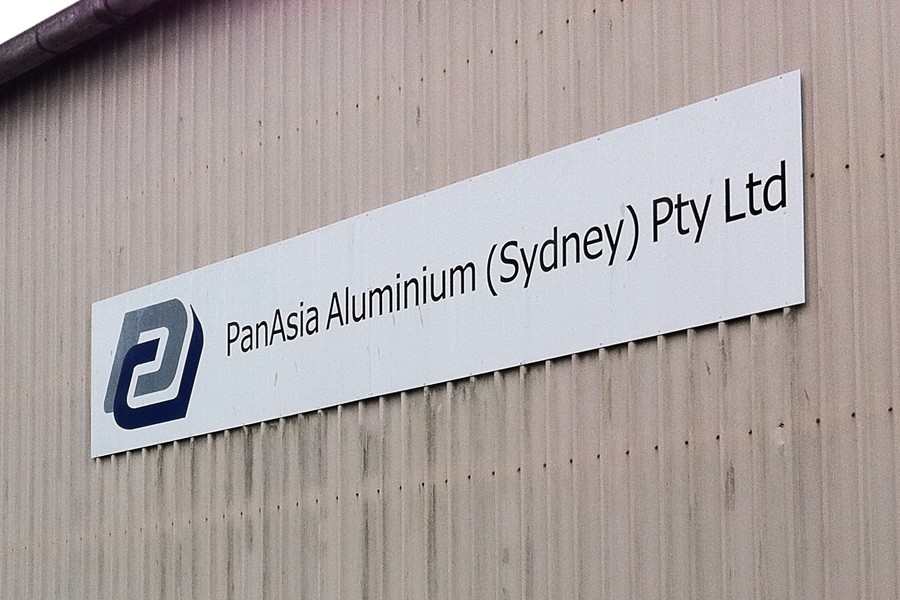
Creating aluminum composite panel signs involves several key steps, from material selection to final finishing.
Step 1: Material Selection
Sign makers choose from various ACP types based on application needs:
| Type | Best For | Features |
|---|---|---|
| Standard White ACM | General signage, indoor/outdoor use | Cost-effective, smooth white surface |
| Brushed Aluminum ACM | Premium branding, corporate interiors | Metallic finish, modern aesthetic |
| Reflective ACM | Traffic, directional, real estate signs | Engineer-grade reflective vinyl overlay |
| Fire-Rated ACM (Class A) | Commercial buildings, high-traffic areas | Meets fire safety codes |
| Lite or Economy ACM | Temporary or budget-conscious projects | Thinner aluminum skins, lower cost |
Popular brands include DIBOND®, Alumanate, Maxmetal®, and E-PANEL™.
Step 2: Printing & Graphic Application
Graphics are applied using one of two primary methods:
Direct Digital Printing
- Uses UV-curable or latex inks printed directly onto the panel.
- Ideal for full-color images, gradients, and photographs.
- Enhanced with protective over-lamination (gloss, matte, or anti-graffiti) to extend lifespan.
Vinyl Application
- High-resolution graphics printed on adhesive vinyl (e.g., Avery, 3M).
- Applied using a flatbed laminator for bubble-free results.
- Allows for easy replacement of graphics without replacing the entire panel.
✅ Pro Tip: For outdoor use, always apply a UV-protective laminate to prevent ink fading and surface degradation.
Step 3: Fabrication & Customization
ACM panels can be transformed into custom signs through:
- CNC Routing: Cut into complex shapes, letters, or layered designs.
- Contour Cutting: Create dimensional effects by layering routed panels.
- Folding & Bending: Form 3D structures or folded edges for a clean, frameless look.
- Engraving: Expose the colored core (often black or white) for contrast effects.
- Drilling: Pre-drilled holes for standoffs, screws, or hanging hardware.
🔧 Example: A corporate lobby sign might feature a brushed aluminum panel with a routed logo and standoff mounting for a floating effect.
Step 4: Mounting & Installation
Common mounting methods include:
- Standoffs: Create a “floating” appearance with space between the sign and wall.
- Z-Clips or Rail Systems: Ideal for large wall-mounted panels.
- Post Mounting: For freestanding or exterior signs.
- Adhesive Tape (e.g., 3M VHB): Clean, screw-free installation for flat surfaces.
Benefits of Aluminum Composite Panel Signage
1. Exceptional Durability
- Resists moisture, UV rays, rust, and impact
- Lasts 8–15+ years outdoors with proper lamination
- Maintains color and structural integrity in extreme climates
2. Professional, High-End Appearance
- Sleek, modern finish enhances brand perception
- Available in white, brushed, metallic, and custom colors
- Reflective and textured finishes add visual interest
3. Design Flexibility
- Supports full-color printing, cut vinyl, and 3D routing
- Can be cut to any shape, including circles, ovals, and organic forms
- Enables backlit, layered, or illuminated designs
4. Easy to Install & Maintain
- Lightweight panels reduce labor and hardware costs
- Simple cleaning with mild soap and water
- No painting or sealing required
5. Eco-Friendly & Sustainable
- Recyclable aluminum content
- Long lifespan reduces replacement frequency
- Some panels made with recycled materials or low-VOC inks
Common Applications of ACP Signage
Outdoor Signage
- Building identification signs
- Entrance and wayfinding signs
- Retail storefront signs
- Real estate and directional signs
- Beach house and residential address signs
🌧️ Ideal for coastal areas due to saltwater and UV resistance.
Indoor Signage
- Corporate lobby signs
- Office door and room identification
- Retail and showroom displays
- Museum and exhibition graphics
- Hospitality and hotel branding
Architectural & Branding Elements
- Feature walls
- Column wraps
- Dimensional letters and logos
- Interior cladding with integrated graphics
Actionable Tips for Designing & Ordering ACP Signs
✅ 1. Use High-Resolution Artwork
- Submit vector files (AI, EPS, PDF) or 300 DPI raster images.
- Avoid pixelation by designing at actual size or 50% scale.
✅ 2. Specify Finish & Lamination
- Choose gloss for vibrancy, matte for reduced glare, or anti-graffiti for high-traffic areas.
- Always request UV-protective lamination for outdoor signs.
✅ 3. Plan for Mounting Early
- Decide on standoffs, Z-clips, or adhesive before fabrication.
- Specify pre-drilled holes (e.g., corner holes, center mounts).
✅ 4. Consider Size & Weight Limits
- Standard sheet size: 4’ x 8’ (48” x 96”)
- Larger signs may require panel seams or custom shipping.
- Use 6mm panels for signs over 4 ft. tall or exposed to wind.
✅ 5. Work with a Reputable Fabricator
- Choose a supplier with in-house printing, CNC routing, and finishing.
- Ask for samples to evaluate print quality and material finish.
Pricing & Cost Estimates
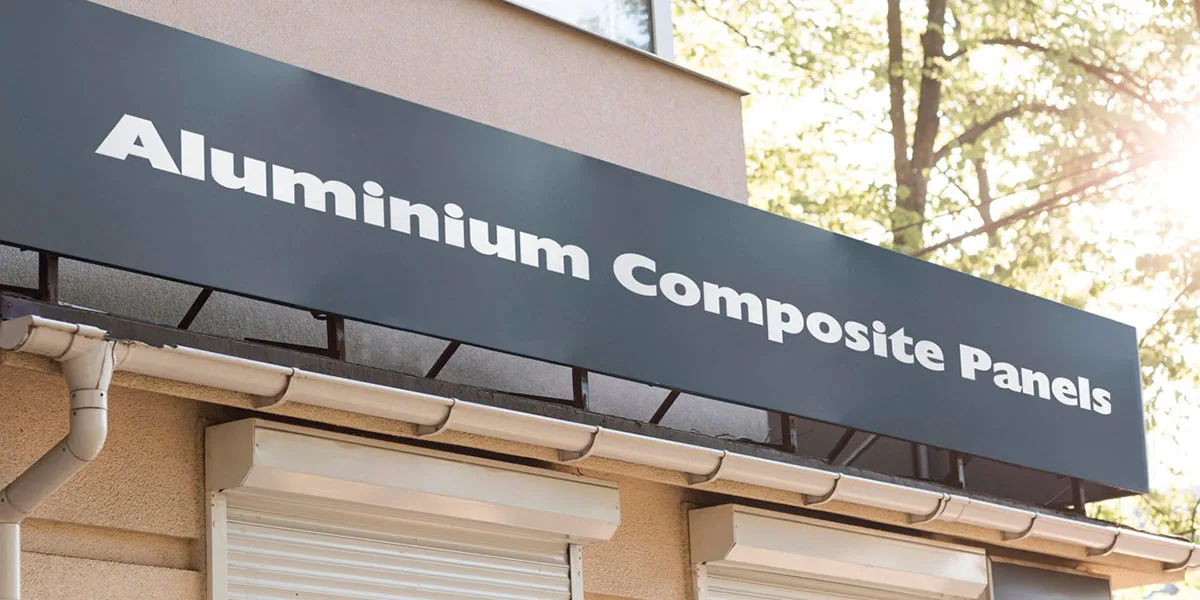
ACM signage pricing varies based on size, material type, printing method, and customization.
Material Cost (Per 4’ x 8’ Sheet)
| Panel Type | Average Price (USD) |
|---|---|
| Standard White ACM (3mm) | $70 – $90 |
| Brushed Aluminum ACM | $100 – $130 |
| Reflective ACM | $120 – $150 |
| Fire-Rated ACM (Class A) | $150 – $200 |
| Economy/Lite ACM | $50 – $70 |
Custom Sign Pricing (Installed Estimate)
| Size | Description | Approximate Cost |
|---|---|---|
| 24” x 36” | Single-sided, full-color print, matte lamination, pre-drilled | $120 – $180 |
| 36” x 48” | Double-sided, gloss laminate, standoff mounting | $250 – $350 |
| 4’ x 8’ | Custom routed logo, layered design, fire-rated panel | $600 – $1,200+ |
| 12” x 12” (bulk) | 10+ pieces, vinyl graphics, standard ACM | $20 – $30 each |
💡 Bulk discounts typically start at 5–10 units. Production turnaround: 3–5 business days.
Conclusion
Aluminum composite panel signage offers a powerful combination of durability, aesthetics, and versatility—making it the go-to choice for businesses, architects, and sign professionals. Whether you’re branding a corporate headquarters, guiding visitors through a campus, or creating a standout retail display, ACP signs deliver long-lasting performance with a premium look.
Their ability to be printed, routed, layered, and mounted in countless ways ensures that no design vision is out of reach. With proper material selection and fabrication, ACM signs can elevate any environment—indoors or out—while providing years of maintenance-free service.
Investing in aluminum composite panel signage is not just about visibility; it’s about making a lasting impression.
Frequently Asked Questions (FAQ)
1. How long do aluminum composite panel signs last?
Outdoor ACP signs typically last 10–15 years when laminated with UV-protective film. Indoor signs can last 15+ years due to reduced exposure. Fire-rated and marine-grade panels offer extended durability in harsh conditions.
2. Can you print photos on aluminum composite panels?
Yes. ACP panels are ideal for photo-quality printing using UV or latex printers. Direct printing or vinyl application both support high-resolution images, gradients, and full-color branding.
3. Are ACP signs suitable for outdoor use?
Absolutely. ACP is highly weather-resistant, non-corrosive, and UV-stable. With proper lamination, it performs exceptionally well in rain, snow, and direct sunlight—making it perfect for exterior building signs.
4. Can ACM panels be bent or folded?
Yes. Thin-gauge ACM (3mm) can be scored and bent to create folded edges or 3D structures. Heavy-duty panels like Maxmetal® HD or 6mm ACM are better for structural folds and permanent shaping.
5. Do aluminum composite panels meet fire codes?
Standard PE-core ACM is not fire-rated, but Class A fire-rated options (e.g., E-PANEL™, DIBOND® FR) are available for commercial interiors, high-rises, and public buildings. Always verify local building codes before installation.
- For optimal results, consult with a professional sign fabricator to select the right ACM type, finish, and mounting system for your project.*