
Screen Printing on Metal: Expert Guide 2025
Tired of flimsy labels that fade, peel, or scratch off metal surfaces? Screen printing on metal offers a durable, high-impact solution that stands the test of time. Whether you’re customizing signage, appliances, or promotional items, this technique delivers vibrant, long-lasting designs with precision. Unlike traditional printing methods, screen printing bonds ink directly to metal, ensuring resistance to heat, moisture, and wear. From industrial applications to artistic creations, it’s the go-to choice for professional-quality results. Discover how this versatile process works, the materials involved, and why it’s transforming the way brands and manufacturers present their metal products. Unlock the power of bold, permanent graphics—right where durability matters most.
How Screen Printing on Metal Works: A Complete Guide
Screen printing on metal is a highly durable and precise industrial printing method used to apply logos, labels, serial numbers, branding, and decorative graphics onto metal surfaces. This process involves transferring ink through a fine mesh screen onto a metal substrate, creating sharp, vibrant, and long-lasting prints ideal for both functional and aesthetic applications. It is widely used in industries such as automotive, electronics, aerospace, consumer goods, and industrial manufacturing due to its exceptional durability, color vibrancy, and resistance to environmental wear.
Unlike digital or inkjet printing, screen printing deposits a thick, opaque layer of ink that adheres strongly to the metal surface—especially when cured properly—making it perfect for outdoor exposure, high-touch environments, and safety-critical components.
The Screen Printing Process on Metal: Step-by-Step
The screen printing process on metal is a meticulous, multi-stage operation that ensures high precision and long-term durability. Below is a detailed breakdown of each step.
1. Artwork Preparation
The process begins with high-resolution digital artwork provided by the client. This artwork is converted into film positives using UV-blocking transfer film (e.g., Econofilm), where the design appears as a negative—opaque areas block UV light, while transparent areas allow exposure.
Key Tip: Ensure artwork is vector-based for crisp edges and scalability, especially for small text or intricate patterns.
2. Screen Creation
A mesh screen—typically made of polyester or stainless steel—is coated with a light-sensitive emulsion in a darkroom environment. The film positive is then placed over the screen and exposed to UV light in a vacuum exposure unit.
- Exposed areas harden (where the design is solid).
- Unexposed areas remain soluble and are washed out, creating open mesh areas for ink to pass through.
The result is a custom stencil that matches the desired design.
3. Substrate Preparation
Before printing, the metal surface must be cleaned and pre-treated to ensure optimal ink adhesion. This may include:
- Degreasing to remove oils and contaminants.
- Abrasion or sanding to improve surface texture.
- Primer application for non-porous or coated metals.
Critical Note: Bare metals like aluminum and stainless steel often require surface activation (e.g., chemical etching) for better ink bonding.
4. Ink Application
The prepared screen is aligned over the metal part with a small gap (off-contact) to prevent smudging. Ink is applied to the top of the screen and a squeegee (typically rubber, 60–80 Shore hardness) is pulled across the screen at a controlled angle and pressure.
- The squeegee forces ink through the open mesh areas.
- The ink transfers directly onto the metal surface below.
Multiple passes may be used to build ink thickness for enhanced opacity or texture.
5. Curing
After printing, the ink must be cured to achieve full adhesion and durability. The method depends on the ink type:
- UV-Cured Inks: Exposed to ultraviolet light for rapid polymerization.
- Heat-Cured Inks: Baked in an oven (typically 250–350°F for 10–30 minutes).
- Air-Dried Inks: Left to cure at ambient temperature (less durable, used for indoor applications).
Best Practice: Use infrared or convection ovens for consistent heat distribution and full cross-linking of resins.
6. Quality Inspection
Final prints are inspected for:
- Color accuracy (using Pantone or RAL standards).
- Registration alignment (for multi-color prints).
- Adhesion (tape test per ASTM D3359).
- Durability (resistance to abrasion, chemicals, UV exposure).
Types of Metals Suitable for Screen Printing
Not all metals react the same way to screen printing. The choice of substrate affects ink adhesion, finish quality, and longevity.
| Metal Type | Printability | Common Applications |
|---|---|---|
| Aluminum | Excellent – lightweight, corrosion-resistant, ideal for anodized or painted surfaces | Nameplates, enclosures, signage |
| Stainless Steel | High – durable, but requires surface prep for adhesion | Medical devices, industrial equipment, drinkware |
| Anodized Aluminum | Superior – porous surface bonds well with ink | Aerospace, electronics, automotive |
| Powder-Coated Metal | Good – but coating type matters (thermoset preferred) | Appliances, machinery, architectural panels |
| Brass & Copper | Moderate – requires priming due to oxidation | Decorative labels, vintage-style signage |
Avoid: Thermoplastic-coated metals, as heat or solvents during printing can melt the coating.
Ink Selection for Metal Screen Printing
Choosing the right ink is critical for performance and compliance. Here are the most common types:
UV-Cured Inks
- Pros: Fast curing, excellent scratch and chemical resistance, high gloss.
- Best For: High-volume production, outdoor applications.
- Limitations: Higher initial equipment cost.
Heat-Cured Solvent Inks
- Types: Epoxy, polyurethane, polyester, enamel.
- Pros: Extreme durability, UV and weather resistance.
- Best For: Automotive, aerospace, industrial labels.
- Curing: Requires oven baking (280–320°F for 20–30 mins).
Air-Dried Solvent Inks
- Formulations: Acrylic, lacquer, vinyl-based.
- Pros: No oven required, cost-effective.
- Cons: Lower durability, not ideal for outdoor use.
- Best For: Indoor labels, short-run prototypes.
Pro Tip: For outdoor exposure, epoxy or urethane-based heat-cured inks are the gold standard.
Advantages of Screen Printing on Metal
✅ Durability & Longevity
Screen-printed inks form a strong chemical and mechanical bond with metal, resisting:
- UV fading
- Moisture and humidity
- Abrasion and scratching
- Harsh chemicals (e.g., solvents, cleaners)
Ideal for outdoor signage, vehicle components, and industrial machinery.
✅ High Opacity & Vibrant Colors
Unlike digital printing, screen printing uses thick ink layers (up to 30μm), producing:
- Solid, opaque coverage (even on dark metals).
- Rich, saturated colors.
- Matte, glossy, or textured finishes.
✅ Precision & Repeatability
Capable of printing:
- Tiny text (down to 6pt).
- Fine lines and complex patterns.
- Consistent results across thousands of parts.
✅ Versatility in Substrates
Works on:
- Flat, curved, or cylindrical surfaces.
- Bare, painted, anodized, or powder-coated metals.
- Large panels or small components.
Common Applications
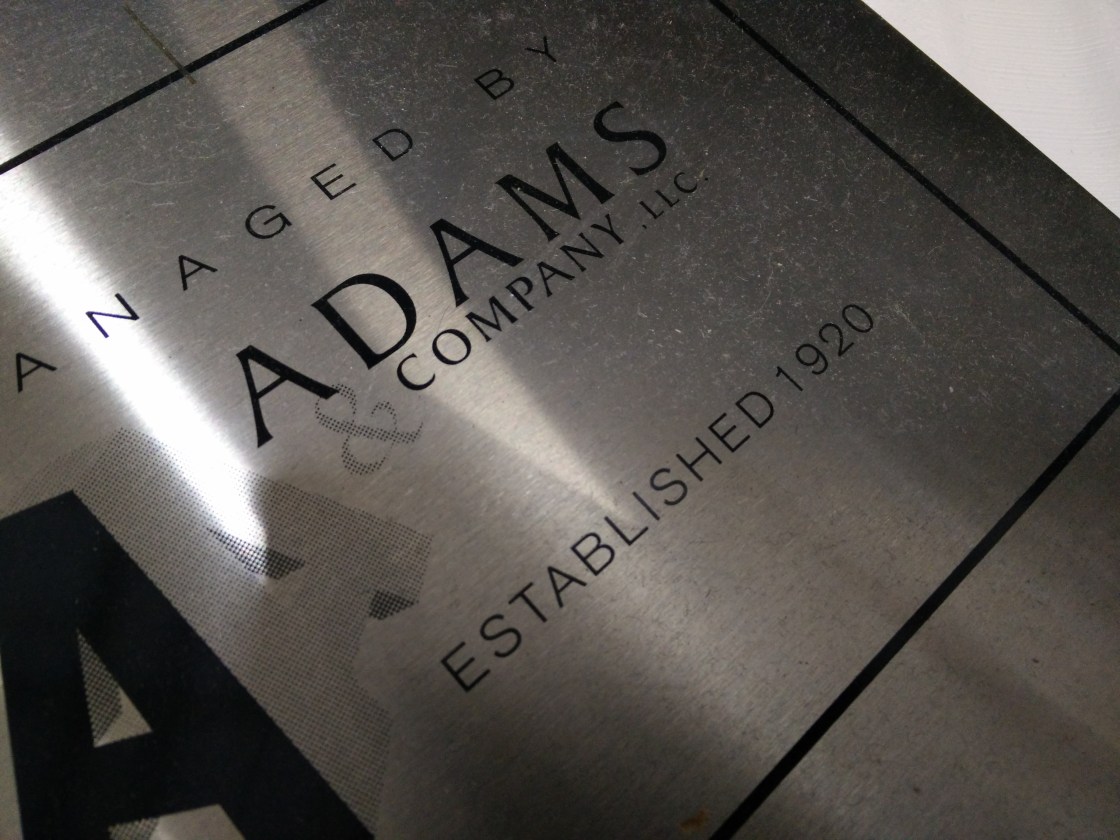
Screen printing on metal is used across industries for both functional and branding purposes:
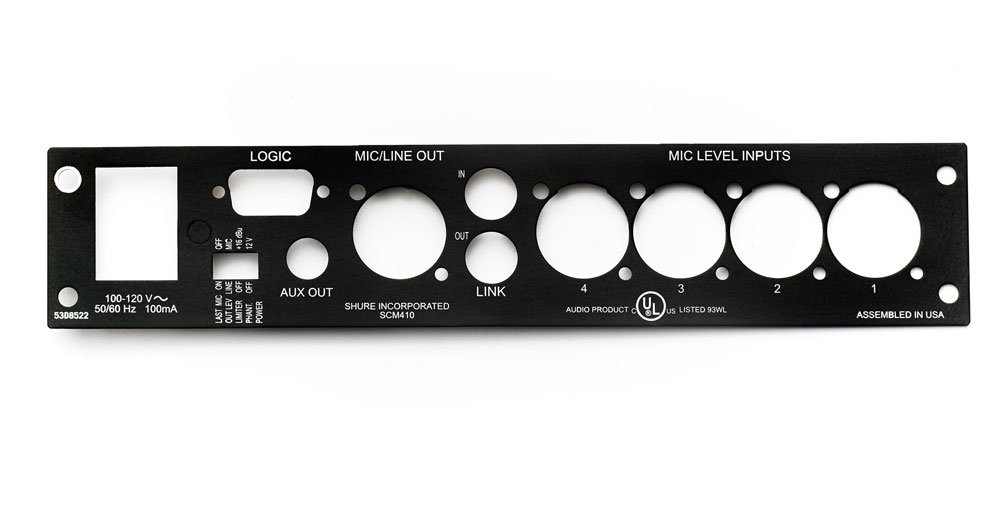
- Industrial: Nameplates, control panels, warning labels, serial numbers.
- Electronics: Circuit overlays, membrane switches, metal enclosures.
- Automotive: Dashboard labels, trim markings, VIN plates.
- Consumer Goods: Stainless steel bottles, cookware, promotional items.
- Aerospace & Defense: Equipment tags, calibration marks, safety labels.
- Architecture: Metal signage, access panels, elevator buttons.
Trend Alert: Custom screen-printed aluminum business cards and branded drinkware are rising in popularity for corporate gifting.
Actionable Tips for Successful Metal Screen Printing
- Choose the Right Ink for the Environment
- Outdoor use? Use heat-cured epoxy or UV inks.
-
Indoor? Air-dried lacquer may suffice.
-
Pre-Treat the Surface
Always clean and degrease metal. For stainless steel or aluminum, consider chemical primers (e.g., silane-based adhesion promoters). -
Match Mesh Count to Detail Level
- Fine details: 200–305 mesh.
-
Bold graphics: 110–160 mesh.
-
Control Squeegee Pressure & Angle
- Too much pressure = ink bleed.
- Too little = incomplete transfer.
-
Ideal angle: 60–75°.
-
Test Before Full Production
Run print trials on sample substrates to check adhesion, color, and cure. -
Use Registration Pins for Multi-Color Prints
Ensures perfect alignment when printing multiple colors (each requires a separate screen).
Cost & Pricing Estimates
Screen printing on metal is cost-effective for medium to high volumes, but setup costs can be high due to screen creation and curing equipment.
| Factor | Cost Impact |
|---|---|
| Setup (Screen Making) | $50–$150 per screen (one-time) |
| Ink Type | UV/heat-cured: +20–30% vs. air-dried |
| Number of Colors | +$0.05–$0.15 per color per part |
| Part Size | Larger = higher ink usage |
| Volume | 1,000+ units = lower per-unit cost ($0.10–$0.50/unit) |
Example: Printing a single-color logo on 1,000 aluminum nameplates (2” x 4”) costs ~$120–$200 total, or $0.12–$0.20 per unit.
Conclusion
Screen printing on metal remains one of the most reliable, durable, and visually impactful methods for applying graphics and information to metal surfaces. Its ability to withstand extreme environments, deliver vibrant colors, and maintain precision over thousands of cycles makes it indispensable in industrial and commercial applications.
While newer technologies like UV direct printing and dye sublimation are gaining traction, screen printing still dominates for high-volume, high-durability needs—especially in sectors where longevity and legibility are non-negotiable.
For businesses seeking professional, long-lasting metal branding or labeling, screen printing offers unmatched value and performance.
Frequently Asked Questions (FAQ)
1. Can you screen print multiple colors on metal?
Yes, but each color requires a separate screen and pass. Multi-color prints use registration systems to align each layer precisely. CMYK process printing is possible but less common due to cost and complexity.
2. How long does screen-printed ink last on metal?
With proper curing and UV/chemical-resistant inks, prints can last 10+ years outdoors without fading or peeling. Indoor prints may last decades.
3. Is screen printing on metal eco-friendly?
It depends. Solvent-based inks release VOCs, but UV-cured and water-based inks are more environmentally friendly. Many manufacturers now use low-VOC formulations and recycle screens.
4. Can screen printing be done on curved or cylindrical metal surfaces?
Yes. Specialized jigs and cylindrical screen printing machines allow printing on round surfaces like bottles, tubes, and pipes.
5. How do you remove screen-printed ink from metal?
- Water-based ink: Alcohol or mild solvents.
- Oil-based or cured ink: Requires industrial paint strippers or abrasive blasting.
- Laser ablation is used for precision removal in industrial settings.
For businesses and designers, understanding the capabilities and limitations of screen printing on metal ensures better material selection, cost control, and product longevity. Whether you’re branding a product or labeling critical equipment, this time-tested method delivers precision, durability, and professional quality unmatched by most alternatives.