
The Ultimate Guide to Sourcing Disposable Plates Wholesale: Top 2 C…
Introduction: Navigating the Global Market for disposable plates wholesale
In the ever-evolving landscape of global trade, sourcing disposable plates wholesale presents a unique set of challenges for B2B buyers. Navigating through a myriad of options while ensuring quality, cost-effectiveness, and compliance with regional regulations can be daunting. This guide aims to streamline your purchasing process by providing a comprehensive overview of the disposable plates market, covering various types, applications, and suppliers. Whether you are catering events in Brazil, supplying restaurants in Nigeria, or managing large-scale operations in Europe and the Middle East, understanding these key aspects is vital for making informed decisions.
From eco-friendly materials to stylish designs, the range of disposable plates available today can cater to diverse customer preferences and market demands. This guide not only highlights the types of disposable plates—ranging from plastic to biodegradable options—but also delves into critical factors such as supplier vetting, pricing strategies, and logistical considerations. By equipping you with actionable insights and best practices, we empower international B2B buyers to navigate the complexities of sourcing disposable plates efficiently and effectively. With this resource, you will be better positioned to meet your business needs while enhancing customer satisfaction across various markets.
Top 10 Disposable Plates Wholesale Manufacturers & Suppliers List
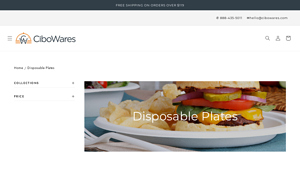
1. Cibo Wares – Wholesale Disposable Plates
Domain: cibowares.com
Registered: 2014 (11 years)
Introduction: Wholesale Disposable Plates available in various sizes and configurations. Key products include:
1. SKU: EDP-10 – 10″ Square Heavy Molded Fiber Plates, Case of 250, Price: $60.98 USD
2. SKU: PL-93-NPFA – 9″ – 3 Section Round Heavy Molded Fiber Plates, Case of 500, Price: $52.23 USD
3. SKU: PL-10-NPFA – 10″ Round Heavy Molded Fiber Plates, Case of 500, Price: $60.59 USD
4. SKU: PL-09-NPFA – 9″ Rou…
2. WebstaurantStore – Disposable Plastic Plates
Domain: webstaurantstore.com
Registered: 2003 (22 years)
Introduction: Disposable Plastic Plates available in bulk for catering events and parties. Various types include dinner plates, dessert plates, salad plates, and charger plates. Sizes range from 3″ to 13″. Features include BPA-free, recyclable, and some are commercially compostable. Multiple brands available such as Solo, Creative Converting, and Huhtamaki. Options for edge styles (banded, decorative, scalloped…
Understanding disposable plates wholesale Types and Variations
| Type Name | Key Distinguishing Features | Primary B2B Applications | Brief Pros & Cons for Buyers |
|---|---|---|---|
| Plastic Disposable Plates | Lightweight, available in various sizes and colors | Catering, events, and food service | Pros: Cost-effective, versatile. Cons: Environmental concerns due to plastic waste. |
| Paper Disposable Plates | Eco-friendly options, often biodegradable | Outdoor events, picnics, and casual gatherings | Pros: Sustainable, lightweight. Cons: Less durable, may not hold heavy foods well. |
| Molded Fiber Plates | Made from recycled materials, sturdy and compostable | Catering, food trucks, and eco-conscious events | Pros: Durable, environmentally friendly. Cons: Higher cost than plastic or paper. |
| Charger Plates | Decorative plates used for presentation, often layered | Upscale events, weddings, and formal dinners | Pros: Enhances presentation, available in various designs. Cons: Typically more expensive, may not be suitable for all food types. |
| Biodegradable Plastic Plates | Made from plant-based materials, designed to break down | Eco-friendly events, catering, and takeout | Pros: Sustainable, retains plastic-like durability. Cons: Higher price point, limited availability in some regions. |
What are the Key Characteristics of Plastic Disposable Plates?
Plastic disposable plates are widely used in the B2B sector due to their lightweight nature and variety of sizes and colors. They are ideal for catering, events, and food services where convenience and cost-effectiveness are paramount. Buyers should consider the specific type of plastic used, as some may be recyclable, while others may contribute to environmental concerns. The versatility of plastic plates makes them suitable for both formal and casual occasions, but businesses must weigh the benefits against the ecological impact.
Why Choose Paper Disposable Plates for Events?
Paper disposable plates are favored for their eco-friendliness, often being biodegradable or compostable. They are commonly used in outdoor events, picnics, and casual gatherings, appealing to businesses looking to project a sustainable image. However, their durability is a consideration; they may not hold heavy foods well, which could limit their use in more formal settings. Buyers should assess the thickness and quality of the paper to ensure it meets the needs of their specific applications.
What Makes Molded Fiber Plates a Sustainable Choice?
Molded fiber plates are crafted from recycled materials, offering a sturdy and compostable alternative to traditional plastic plates. They are particularly popular in catering, food trucks, and eco-conscious events, appealing to businesses focused on sustainability. While they provide excellent durability, their cost is typically higher than that of plastic or paper options. B2B buyers should evaluate their budget alongside their environmental goals when considering molded fiber plates.
How Do Charger Plates Enhance Event Presentation?
Charger plates serve as decorative under-plates that enhance the visual appeal of a dining setting, making them a popular choice for upscale events, weddings, and formal dinners. Available in various designs and materials, they elevate the presentation of food and contribute to the overall ambiance. However, their higher price point and limited functionality for food service may deter some buyers. Businesses should consider their event type and budget when integrating charger plates into their offerings.
What are the Benefits of Using Biodegradable Plastic Plates?
Biodegradable plastic plates are made from plant-based materials, combining the convenience of plastic with the sustainability of compostable products. They are increasingly popular in eco-friendly events, catering, and takeout services, appealing to businesses that prioritize environmental responsibility. While they offer durability similar to traditional plastic plates, their higher price point and potential availability issues in certain regions are factors that buyers should consider.
Key Industrial Applications of disposable plates wholesale
| Industry/Sector | Specific Application of Disposable Plates Wholesale | Value/Benefit for the Business | Key Sourcing Considerations for this Application |
|---|---|---|---|
| Catering and Events | Use in large-scale catering services for weddings and parties | Cost-effective, reduces cleanup time | Quality assurance, variety in design and material |
| Food Service and Restaurants | Disposable plates for takeout and delivery services | Enhances customer experience, maintains hygiene | Eco-friendliness, durability, and size options |
| Healthcare | Disposable plates for patient meals in hospitals | Ensures sanitation, reduces cross-contamination | Compliance with health regulations, material safety |
| Educational Institutions | Use in cafeterias for school lunches and events | Streamlined service during peak hours | Bulk purchasing options, customization for branding |
| Outdoor Events and Festivals | Disposable plates for food stalls and vendors | Easy to handle, minimizes waste management issues | Weather-resistant materials, aesthetic appeal |
How Are Disposable Plates Wholesale Used in Catering and Events?
In the catering industry, disposable plates are essential for managing large events such as weddings, corporate gatherings, and parties. They provide a cost-effective solution that simplifies cleanup, allowing caterers to focus on service rather than dishwashing. Buyers in this sector should prioritize quality and design to enhance the dining experience, ensuring that plates are durable enough to hold various types of food without bending or breaking.
What Role Do Disposable Plates Play in Food Service and Restaurants?
For restaurants, especially those focusing on takeout and delivery, disposable plates are crucial for maintaining hygiene and enhancing customer satisfaction. They allow for efficient packaging and presentation of food, which is vital in the competitive food service landscape. International buyers should consider eco-friendly options that align with global sustainability trends while also ensuring the plates can withstand transportation and maintain food temperature.
How Are Disposable Plates Utilized in Healthcare Settings?
In healthcare facilities, disposable plates are used for serving meals to patients, ensuring high standards of sanitation and minimizing the risk of cross-contamination. This application is critical, especially in environments where infection control is paramount. Buyers must ensure that the products comply with health regulations, focusing on materials that are safe for food contact and easy to dispose of without environmental concerns.
Why Are Disposable Plates Important in Educational Institutions?
Schools and universities frequently use disposable plates in cafeterias to streamline the serving process during busy lunch hours. These plates facilitate quick service and reduce the burden of washing dishes, allowing staff to focus on food quality. When sourcing for educational institutions, bulk purchasing options and the ability to customize plates for branding or special events are significant considerations.
How Do Disposable Plates Benefit Outdoor Events and Festivals?
For outdoor events and festivals, disposable plates are a practical solution for food stalls and vendors. They are lightweight, easy to transport, and can be disposed of after use, which minimizes waste management issues. Buyers should look for plates made from weather-resistant materials that can handle various food types and maintain an appealing presentation, as aesthetics can significantly impact consumer choices in outdoor settings.
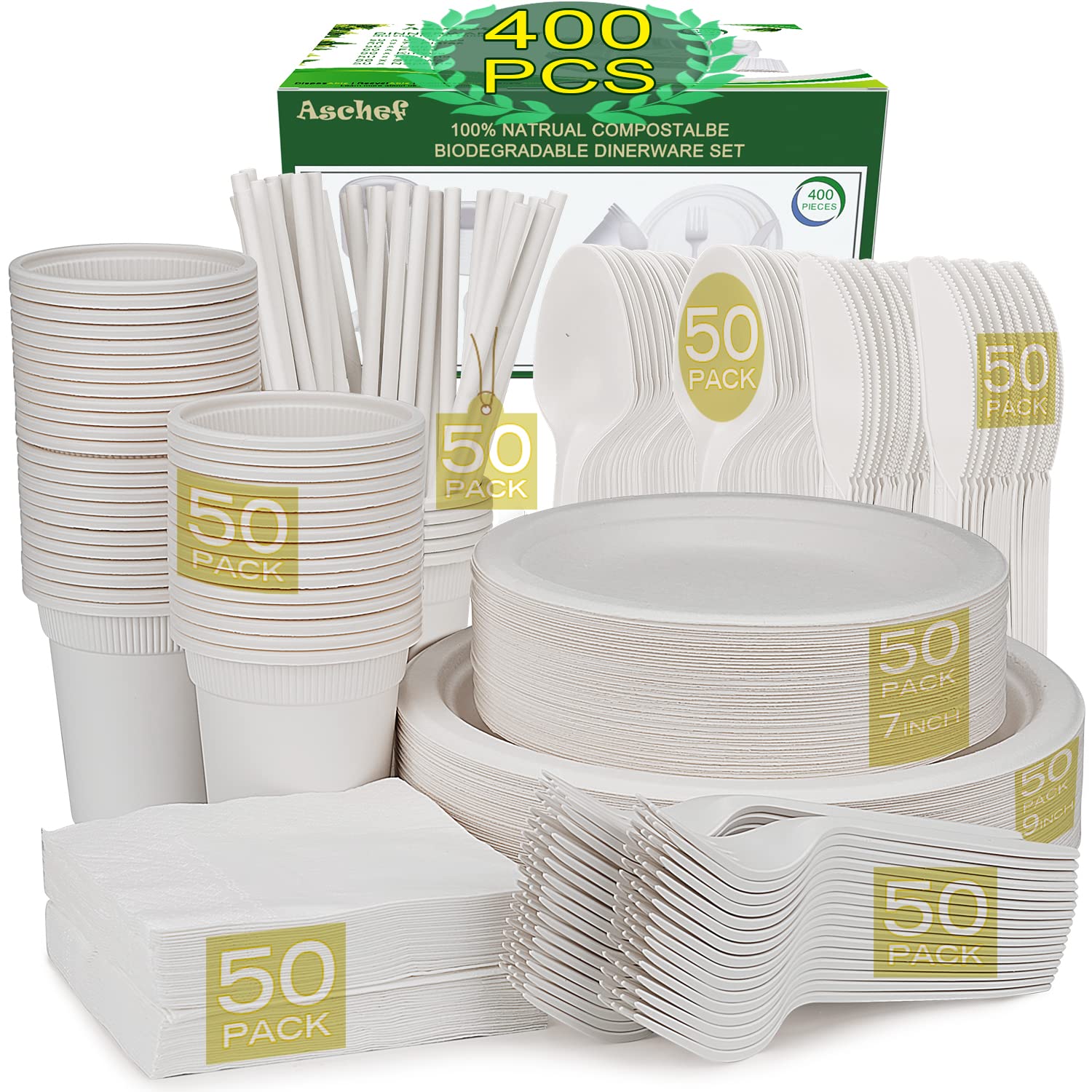
A stock image related to disposable plates wholesale.
3 Common User Pain Points for ‘disposable plates wholesale’ & Their Solutions
Scenario 1: Challenges with Quality Assurance in Bulk Orders
The Problem: B2B buyers often struggle with ensuring the quality of disposable plates when ordering in bulk. The risk of receiving substandard products—such as plates that are too flimsy, prone to breaking, or not meeting food safety standards—can lead to significant issues during events or in catering services. This not only affects customer satisfaction but can also result in financial losses due to wasted inventory and the need for last-minute replacements.
The Solution: To mitigate quality concerns, buyers should prioritize sourcing from reputable suppliers who provide detailed product specifications and samples before placing large orders. Conducting thorough research on potential vendors is essential; look for certifications that guarantee safety and quality, such as ISO or food safety compliance marks. Additionally, leveraging online reviews and testimonials can provide insights into the reliability of the supplier. Establishing a clear communication channel with the supplier can also help clarify expectations regarding product quality. Requesting a trial order or sample can further ensure that the products meet your standards before committing to a larger purchase.
Scenario 2: Navigating Diverse Regulatory Standards Across Regions
The Problem: International B2B buyers, particularly those operating in multiple regions such as Africa, South America, the Middle East, and Europe, face the daunting task of navigating diverse regulatory standards for disposable plates. Different countries may have varying requirements concerning materials, biodegradability, and safety certifications, making compliance a complex issue that can lead to shipment delays, legal troubles, or additional costs.
The Solution: To effectively navigate these complexities, buyers should invest time in understanding the regulatory landscape of each target market. This can be achieved by consulting with local experts or trade organizations familiar with the specific regulations related to food packaging and disposable products. It is also beneficial to partner with suppliers who have experience in international trade and compliance. They can provide insights into the necessary certifications required for different regions. Additionally, maintaining flexibility in sourcing materials—such as opting for biodegradable options when necessary—can help ensure compliance with evolving regulations, while also appealing to environmentally conscious customers.
Scenario 3: Managing Cost Efficiency While Maintaining Aesthetic Appeal
The Problem: Many B2B buyers face the challenge of balancing cost efficiency with the need for aesthetically pleasing disposable plates. Events and catering services often require visually appealing tableware that enhances the dining experience. However, opting for high-quality, attractive plates can significantly increase costs, putting pressure on budgets and profit margins.
The Solution: To strike a balance between cost and aesthetics, buyers should explore bulk purchasing options that offer discounts for larger orders. Investigating private label or generic brands that still meet aesthetic and quality standards can also provide substantial savings without compromising on visual appeal. Additionally, leveraging seasonal promotions or clearance sales from suppliers can yield high-quality products at lower prices. Buyers can also consider innovative designs that provide a premium look at a lower cost, such as using patterned or colored plastic plates that mimic more expensive materials. Ultimately, it’s crucial to align product choices with the brand’s identity and customer expectations while keeping an eye on the bottom line.
Strategic Material Selection Guide for disposable plates wholesale
When selecting materials for disposable plates in a wholesale context, it is essential to consider various factors that affect product performance, cost, and market suitability. Below is an analysis of four common materials used in disposable plates, focusing on their properties, advantages, disadvantages, and specific considerations for international buyers.
What are the Key Properties of Plastic Plates?
Plastic plates, commonly made from materials such as polypropylene (PP) and polystyrene (PS), are widely used in disposable dinnerware. They exhibit excellent temperature resistance, capable of withstanding temperatures up to 100°C (212°F) without deforming. Plastic plates are lightweight, making them easy to transport and stack. However, they are not biodegradable, raising environmental concerns.
Pros: Plastic plates are durable, resistant to moisture, and available in a variety of designs. They are also cost-effective, making them a popular choice for large events.
Cons: While they are sturdy, they can crack under high pressure or if dropped. Additionally, the environmental impact of single-use plastics is prompting regulatory changes in various regions, including Europe and parts of Africa.
How Do Paper Plates Compare in Performance?
Paper plates, particularly those made from molded fiber or coated paper, offer an eco-friendly alternative to plastic. They are typically designed to handle temperatures up to 90°C (194°F) and are biodegradable, making them suitable for environmentally conscious markets.
Pros: The primary advantage of paper plates is their sustainability. They can be produced without harmful chemicals, appealing to buyers in regions with strict environmental regulations.
Cons: However, paper plates may not be as sturdy as plastic, especially when wet, and can be more expensive to produce. They may also require additional coatings to enhance moisture resistance, complicating the manufacturing process.
What are the Benefits of Biodegradable Plates?
Biodegradable plates, often made from materials like bagasse (sugarcane fiber) or bamboo, are gaining traction in the market. These materials can decompose within a few months under the right conditions, aligning with global sustainability trends.
Pros: They are robust and can handle hot foods without losing integrity. Their eco-friendly nature appeals to consumers and businesses looking to reduce their carbon footprint.
Cons: The primary drawback is the higher cost compared to traditional plastic or paper plates. Additionally, availability may be limited in certain regions, affecting supply chains for international buyers.
Why Choose Foam Plates for Specific Applications?
Foam plates, usually made from expanded polystyrene (EPS), are lightweight and provide excellent insulation, making them ideal for hot food items. They can withstand temperatures up to 90°C (194°F) and are often used in fast-food settings.
Pros: The main advantage of foam plates is their low cost and effective thermal insulation, which keeps food warm longer. They are also resistant to grease and moisture.
Cons: On the downside, foam plates are not biodegradable and can contribute to environmental pollution. Many countries are beginning to phase out EPS products, which could affect long-term viability.
Summary Table of Material Selection for Disposable Plates
| Material | Typical Use Case for disposable plates wholesale | Key Advantage | Key Disadvantage/Limitation | Relative Cost (Low/Med/High) |
|---|---|---|---|---|
| Plastic | Catering events, parties, and casual dining | Durable and moisture-resistant | Environmental concerns and regulations | Low |
| Paper | Eco-friendly events and casual gatherings | Biodegradable and sustainable | Less sturdy when wet | Medium |
| Biodegradable | Eco-conscious catering and events | Strong and compostable | Higher cost and limited availability | High |
| Foam | Fast food and takeaway services | Excellent thermal insulation | Not biodegradable and environmentally harmful | Low |
In conclusion, understanding the properties and implications of each material is crucial for international B2B buyers in making informed purchasing decisions. Factors such as cost, environmental impact, and regulatory compliance should guide the selection process to ensure suitability for specific markets, especially in regions like Africa, South America, the Middle East, and Europe.
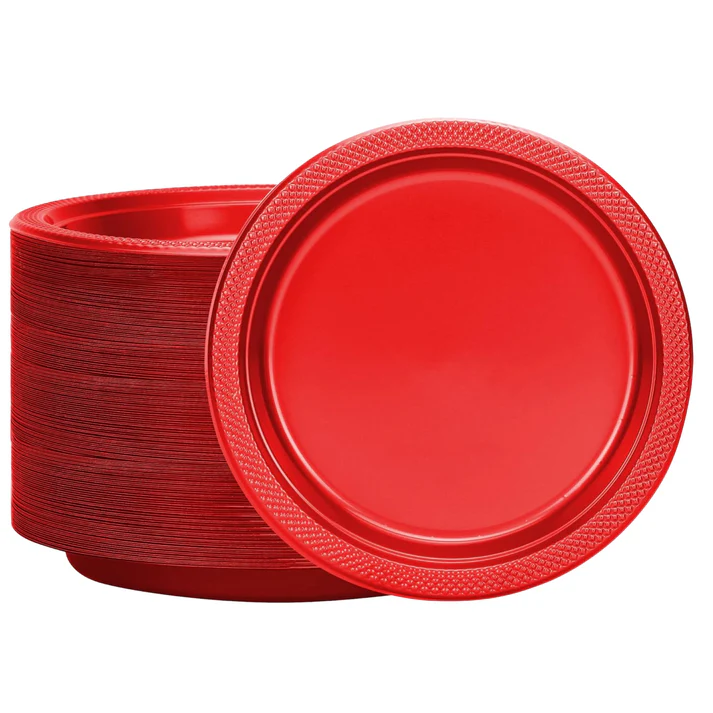
A stock image related to disposable plates wholesale.
In-depth Look: Manufacturing Processes and Quality Assurance for disposable plates wholesale
What Are the Key Stages in the Manufacturing Process of Disposable Plates?
Manufacturing disposable plates involves several critical stages, each designed to ensure efficiency and quality. The primary stages of production include material preparation, forming, assembly, and finishing.
-
Material Preparation
The first step is sourcing high-quality materials, typically plastic (like polypropylene or polystyrene) or biodegradable materials (like molded fiber or sugarcane). Suppliers must ensure that the raw materials meet the specific requirements for durability and food safety. This often involves pre-screening materials for contaminants and verifying that they adhere to international safety standards. -
Forming
The forming stage involves shaping the raw materials into plates. This can be achieved through various techniques, including injection molding, thermoforming, or compression molding. Injection molding is particularly popular for plastic plates, as it allows for intricate designs and high-volume production. For biodegradable plates, molded fiber processes are utilized, where pulp is pressed into molds and dried. -
Assembly
While disposable plates typically don’t require extensive assembly, this stage might include the addition of features like decorative elements or compartments for sectioned plates. This can involve secondary processes such as printing or lamination to enhance aesthetics or functionality. -
Finishing
The final stage encompasses quality checks, packaging, and labeling. Plates are often subjected to additional treatments to enhance their appearance or durability, such as surface treatments that make them more resistant to heat or moisture. Packaging is done in bulk to facilitate easy shipping and handling, often including information about the product’s material and usage instructions.
How Is Quality Control Implemented in Disposable Plate Manufacturing?
Quality control (QC) is an integral part of the manufacturing process, ensuring that products meet specific standards and customer expectations. Key aspects of QC include the implementation of international standards, regular checkpoints, and various testing methods.
-
Relevant International Standards
Many manufacturers adhere to ISO 9001, which focuses on quality management systems and emphasizes customer satisfaction. Other relevant certifications may include CE marking for safety standards in Europe and compliance with FDA regulations for food contact materials in the U.S. For biodegradable products, certifications like BPI (Biodegradable Products Institute) or ASTM D6400 may be necessary. -
QC Checkpoints
Quality checks are performed at various stages of production, including:
– Incoming Quality Control (IQC): This involves inspecting raw materials upon arrival to ensure they meet specified standards.
– In-Process Quality Control (IPQC): During production, random samples are tested for consistency in dimensions, weight, and appearance.
– Final Quality Control (FQC): After production, finished products are examined for defects, packaging integrity, and labeling accuracy. -
Common Testing Methods
Various tests are employed to ensure product quality. These may include tensile strength tests to evaluate durability, thermal resistance tests to check for heat tolerance, and migration tests to assess the safety of materials in contact with food. Additionally, visual inspections help identify cosmetic defects.
How Can B2B Buyers Verify Supplier Quality Control Processes?
For international B2B buyers, particularly in regions such as Africa, South America, the Middle East, and Europe, verifying a supplier’s QC processes is crucial for ensuring product quality and compliance with regional standards.
-
Conducting Audits
Regular audits of manufacturing facilities can provide insights into a supplier’s adherence to quality standards. These audits should assess compliance with ISO and other relevant certifications, as well as the effectiveness of their QC checkpoints. -
Reviewing Quality Reports
Requesting detailed quality reports from suppliers can help buyers understand their QC measures. These reports should include data on defect rates, testing results, and compliance with international standards. -
Engaging Third-Party Inspectors
Utilizing third-party inspection services can add an extra layer of assurance. These independent inspectors can conduct random checks during production and provide unbiased reports on quality compliance.
What Are the Quality Control Nuances for International Buyers?
International buyers must be aware of specific nuances in quality control, particularly when sourcing from different regions. Understanding local regulations, cultural differences in manufacturing practices, and logistical challenges is essential.
-
Navigating Local Regulations
Different countries have varying regulations regarding food safety and product standards. Buyers should familiarize themselves with these regulations to ensure compliance and avoid potential legal issues. -
Cultural Differences in Manufacturing
Manufacturing practices can vary significantly by region. Understanding local practices can help buyers establish better communication and expectations regarding quality standards. -
Logistical Challenges
Shipping products internationally can introduce risks, such as damage during transit or delays that affect product quality. Buyers should ensure that suppliers have robust packaging and shipping practices to mitigate these risks.
Conclusion
Understanding the manufacturing processes and quality assurance measures for disposable plates is crucial for B2B buyers. By focusing on the key stages of production, implementing effective quality control measures, and verifying supplier practices, businesses can ensure they receive high-quality products that meet their needs. This knowledge not only aids in making informed purchasing decisions but also fosters long-term relationships with reliable suppliers, ultimately enhancing business operations in the competitive disposable plates market.
Practical Sourcing Guide: A Step-by-Step Checklist for ‘disposable plates wholesale’
Introduction
When sourcing disposable plates wholesale, it’s essential to follow a structured approach to ensure quality, cost-effectiveness, and compliance with regional requirements. This checklist is designed to guide international B2B buyers, particularly those from Africa, South America, the Middle East, and Europe, through the critical steps in the procurement process.
Step 1: Define Your Technical Specifications
Before reaching out to suppliers, clearly define the specifications for the disposable plates you need. Consider factors such as material (plastic, paper, or biodegradable), size (e.g., 9″, 10″, or 12″), and design (plain vs. decorative).
– Why It Matters: This helps narrow down potential suppliers and ensures that the products meet your specific requirements for quality and functionality.
Step 2: Research Potential Suppliers
Conduct thorough research to identify potential suppliers that specialize in disposable plates. Look for manufacturers and wholesalers with a solid reputation in the industry.
– Tips for Success:
– Use trade directories, industry-specific platforms, and trade shows to compile a list.
– Pay attention to customer reviews and feedback to gauge reliability.
Step 3: Evaluate Supplier Certifications
Before engaging with suppliers, verify their certifications and compliance with international standards. This includes safety certifications, environmental compliance, and quality management systems.
– Why It Matters: Ensuring that suppliers adhere to recognized standards mitigates risks associated with product quality and safety, particularly in regions with strict regulations.
Step 4: Request Samples
Always request samples before placing a bulk order. This allows you to assess the quality, durability, and design of the plates firsthand.
– Important Considerations:
– Evaluate the material and weight of the plates to ensure they meet your expectations.
– Test for usability, particularly if the plates will be used for hot or heavy foods.
Step 5: Analyze Pricing and Payment Terms
Once you’ve narrowed down your options, compare pricing structures and payment terms from different suppliers. Look for bulk discounts, shipping costs, and any additional fees.
– What to Look For:
– Ensure transparency in pricing to avoid unexpected costs.
– Negotiate terms that align with your budget and cash flow needs.
Step 6: Review Delivery and Logistics Options
Confirm the supplier’s delivery capabilities and logistics arrangements. Understand their lead times, shipping methods, and tracking processes.
– Why It Matters: Timely delivery is crucial for maintaining your operations, especially if you have scheduled events or peak seasons.
Step 7: Establish Clear Communication Channels
Set up effective communication channels with your chosen supplier to facilitate smooth transactions. Discuss expectations, order updates, and any potential issues.
– Best Practices:
– Use email, phone, or dedicated platforms for regular updates.
– Ensure that both parties are aligned on timelines and responsibilities.
By following this checklist, B2B buyers can streamline their sourcing process for disposable plates, ensuring they make informed decisions that benefit their business and meet customer needs.
Comprehensive Cost and Pricing Analysis for disposable plates wholesale Sourcing
What Are the Key Cost Components in Disposable Plates Wholesale Sourcing?
When sourcing disposable plates wholesale, understanding the cost structure is essential for effective budgeting and decision-making. The primary cost components include:
-
Materials: The type of material used—be it plastic, paper, or molded fiber—significantly influences the overall cost. For example, eco-friendly materials may carry a premium, but they can enhance brand reputation and appeal to environmentally conscious consumers.
-
Labor: Labor costs vary based on the manufacturing location and complexity of production. Regions with lower labor costs can offer competitive pricing, but ensure that quality is not compromised.
-
Manufacturing Overhead: This includes the indirect costs associated with production, such as utilities and facility maintenance. Efficient manufacturing processes can help reduce these overheads.
-
Tooling: Custom designs require specific molds or tooling, which can add significant upfront costs. However, these costs can be amortized over larger production runs.
-
Quality Control (QC): Implementing strict QC measures ensures product reliability and compliance with safety standards, which is particularly important for international buyers needing certifications.
-
Logistics: Shipping costs can vary significantly based on distance, mode of transport, and local tariffs. Understanding the logistics landscape can help in estimating total landed costs.
-
Margin: Supplier margins can vary based on market demand and competition. Negotiating favorable terms can lead to better pricing.
How Do Price Influencers Affect the Cost of Disposable Plates?
Several factors influence the pricing of disposable plates, particularly in a B2B context:
-
Volume and Minimum Order Quantity (MOQ): Suppliers often offer tiered pricing based on order volume. Higher quantities typically result in lower per-unit costs, making it essential for buyers to assess their needs carefully.
-
Specifications and Customization: Custom designs or unique specifications can increase costs due to additional tooling and production complexity. Buyers should weigh the benefits of customization against its cost implications.
-
Materials and Quality Certifications: Premium materials and certifications (like BPA-free or compostable) can raise costs. However, they may be necessary to meet market demands or regulatory requirements.
-
Supplier Factors: Supplier reputation, reliability, and financial stability can influence pricing. Established suppliers may offer better service but at a premium.
-
Incoterms: Understanding Incoterms is crucial for international transactions, as they define the responsibilities of buyers and sellers in shipping and logistics. This can affect overall pricing and risk management.
What Are Some Effective Buyer Tips for Negotiating Disposable Plates Pricing?
Navigating the pricing landscape for disposable plates can be complex, especially for international buyers. Here are some actionable tips:
-
Negotiate Strategically: Leverage volume orders to negotiate better pricing. Suppliers are often willing to offer discounts for larger commitments.
-
Consider Total Cost of Ownership (TCO): Evaluate not just the purchase price but also logistics, storage, and disposal costs. A lower upfront price may lead to higher long-term expenses.
-
Be Aware of Pricing Nuances: Different regions may have varying pricing structures based on local demand and supply dynamics. For instance, prices in Brazil may differ from those in Nigeria due to local market conditions.
-
Build Relationships with Suppliers: Establishing strong relationships can lead to better terms and improved service. Consider long-term partnerships rather than one-off transactions.
-
Stay Informed on Market Trends: Keeping abreast of changes in material costs, regulatory requirements, and consumer preferences can provide leverage in negotiations.
Disclaimer
Prices mentioned in this analysis are indicative and can fluctuate based on market conditions, supplier negotiations, and changes in material costs. Always consult with suppliers for the most accurate pricing tailored to your specific needs.
Alternatives Analysis: Comparing disposable plates wholesale With Other Solutions
Introduction to Alternatives in Disposable Plates Wholesale
In the realm of catering and event management, selecting the right type of dinnerware is crucial for both functionality and aesthetics. While disposable plates wholesale offer convenience and cost-effectiveness, various alternatives exist that may better align with specific business needs, sustainability goals, or event themes. This analysis will compare disposable plates wholesale against two viable alternatives: reusable dinnerware and biodegradable plates. Each option presents unique benefits and challenges that international B2B buyers should consider.
Comparison Table
| Comparison Aspect | Disposable Plates Wholesale | Reusable Dinnerware | Biodegradable Plates |
|---|---|---|---|
| Performance | Good for single-use, various designs available | High durability, can withstand multiple uses | Functional for single-use, often less sturdy than plastic |
| Cost | Low per unit, bulk pricing available | Higher upfront costs, but savings over time | Moderate cost, varies by material and brand |
| Ease of Implementation | Simple to order and use, no cleaning required | Requires storage and cleaning facilities | Requires proper disposal methods |
| Maintenance | Minimal (disposal only) | Regular cleaning and storage needed | Limited maintenance, but needs proper composting |
| Best Use Case | Large events, quick service, budget-friendly | Corporate events, formal gatherings | Eco-conscious events, outdoor gatherings |
Detailed Breakdown of Alternatives
What Are the Pros and Cons of Reusable Dinnerware?
Reusable dinnerware is ideal for businesses that host frequent events and can justify the investment in durable dishware. The main advantage is its longevity; with proper care, reusable plates can last for years, making them cost-effective in the long run. They also offer a higher-end feel, enhancing the overall presentation of meals. However, initial costs can be substantial, and they require a commitment to cleaning and storage, which may not be feasible for all businesses, especially those with limited resources or space.
How Do Biodegradable Plates Compare?
Biodegradable plates present a sustainable alternative that appeals to environmentally conscious consumers. Made from materials such as sugarcane, bamboo, or palm leaves, these plates are designed to decompose naturally, reducing landfill waste. They offer a middle ground in terms of cost and performance but may lack the sturdiness of plastic or reusable options. Additionally, businesses must ensure proper disposal methods are in place to maximize environmental benefits, which can complicate logistics, especially in regions where composting facilities are limited.
Conclusion: How to Choose the Right Solution for Your Needs
When selecting between disposable plates wholesale and alternatives like reusable or biodegradable options, B2B buyers should assess their specific needs, including budget constraints, event frequency, and sustainability goals. Disposable plates wholesale are ideal for large-scale, budget-sensitive events where convenience is paramount. In contrast, reusable dinnerware suits businesses aiming for a sophisticated image and willing to invest in long-term solutions. Biodegradable plates cater to eco-conscious companies looking to minimize their environmental impact. By carefully evaluating these factors, buyers can make informed decisions that align with their operational and ethical objectives.
Essential Technical Properties and Trade Terminology for disposable plates wholesale
What Are the Key Technical Properties of Disposable Plates in Wholesale?
When sourcing disposable plates for wholesale, understanding their technical properties is crucial for making informed purchasing decisions. Here are several essential specifications to consider:
-
Material Composition
Disposable plates are typically made from various materials, including plastic, paper, and molded fiber. Plastic plates can be made from polystyrene (PS), polypropylene (PP), or polyethylene terephthalate (PET), each offering different levels of durability and heat resistance. Paper plates, often coated for moisture resistance, are an eco-friendly option. Molded fiber plates, made from recycled materials, provide a biodegradable choice that appeals to environmentally conscious consumers. -
Size and Shape Variability
Disposable plates come in various sizes (e.g., 6″, 9″, 10″, 11″, and 13″) and shapes (round, square, rectangular). The size you choose should be suitable for the type of food being served, whether it’s appetizers, main courses, or desserts. Offering a range of sizes ensures flexibility for different events and menu items, which is vital for catering businesses. -
Weight Capacity and Durability
The weight capacity of disposable plates is a critical factor, especially for events serving heavier meals. Heavy-duty plates are designed to withstand higher weights without bending or breaking, making them ideal for catered events. This specification is particularly important for B2B buyers who prioritize reliability during service. -
Heat Resistance
Heat resistance indicates the maximum temperature a plate can withstand without deforming or releasing harmful substances. This property is essential for plates that will hold hot foods, as it ensures food safety and maintains the plate’s integrity. Buyers should inquire about heat tolerance when selecting plates for hot meals. -
Eco-Friendliness
With increasing consumer awareness of environmental issues, eco-friendly disposable plates are gaining popularity. Buyers should look for certifications such as compostable or biodegradable. Understanding the environmental impact of the materials used can enhance brand reputation and appeal to eco-conscious clients. -
Customizability
Many suppliers offer options for custom branding or designs on disposable plates. Customizability can enhance brand visibility at events and provide a unique touch to catering services. Buyers should consider whether they require personalized products for their business needs.
What Are the Common Trade Terms Used in the Disposable Plates Wholesale Industry?
Understanding industry jargon is essential for effective communication and negotiation. Here are some key terms frequently encountered in the disposable plates wholesale market:
-
OEM (Original Equipment Manufacturer)
An OEM refers to a company that manufactures products based on the specifications provided by another company, often involving custom designs. In the disposable plates market, businesses may partner with OEMs to produce unique plate styles or materials tailored to their brand. -
MOQ (Minimum Order Quantity)
MOQ is the smallest quantity of a product that a supplier is willing to sell. This term is crucial for B2B buyers as it can affect purchasing decisions and inventory management. Understanding MOQ helps buyers plan their orders effectively and avoid excess inventory. -
RFQ (Request for Quotation)
An RFQ is a standard business process in which a buyer requests pricing information from suppliers for specific products. This term is essential in the wholesale market, as it allows buyers to compare prices, terms, and services before making a purchase decision. -
Incoterms (International Commercial Terms)
Incoterms are internationally recognized rules that define the responsibilities of buyers and sellers in the shipping process. Understanding these terms, such as FOB (Free on Board) or CIF (Cost, Insurance, and Freight), is critical for managing logistics and ensuring that both parties are clear on their obligations. -
Lead Time
Lead time refers to the time taken from placing an order to receiving the products. This term is significant for businesses that require timely delivery for events or promotions. Knowing the lead time helps buyers plan ahead and manage expectations. -
Certification Standards
These are guidelines that products must meet to ensure safety and quality, such as FDA approval for food contact materials. Buyers should look for certifications that align with their market requirements, as compliance can influence purchasing decisions and consumer trust.
By understanding these technical properties and trade terms, international B2B buyers can make more informed decisions when sourcing disposable plates, ultimately ensuring successful procurement and customer satisfaction.
Navigating Market Dynamics and Sourcing Trends in the disposable plates wholesale Sector
What Are the Key Market Dynamics and Trends Influencing Disposable Plates Wholesale?
The global disposable plates wholesale market is evolving rapidly, driven by a combination of consumer preferences, economic factors, and technological advancements. Notably, the rise in food delivery services and catering events has significantly increased demand for disposable dinnerware, particularly in emerging markets across Africa, South America, the Middle East, and Europe. In regions like Nigeria and Brazil, urbanization and a growing middle class are contributing to a higher frequency of social gatherings, further propelling the need for disposable plates.
Current sourcing trends are increasingly influenced by technology. E-commerce platforms have made it easier for international B2B buyers to access a wide range of products and suppliers. Moreover, advancements in supply chain management software are enabling businesses to optimize their inventory and logistics, ensuring timely deliveries and reduced costs. Buyers should also be aware of the growing trend towards customization, where suppliers offer tailored solutions to meet specific customer needs, enhancing the overall buying experience.
Additionally, the market is experiencing a shift towards higher-quality materials that provide a balance between functionality and aesthetics. Products like heavy molded fiber plates are gaining popularity due to their sturdiness and eco-friendliness, appealing to buyers looking for both practicality and style in disposable tableware.
How Is Sustainability and Ethical Sourcing Shaping the Disposable Plates Wholesale Sector?
Sustainability has become a pivotal concern in the disposable plates wholesale market. Increasing environmental awareness among consumers and businesses alike is driving demand for eco-friendly alternatives. B2B buyers are now prioritizing suppliers who can demonstrate sustainable practices, such as using biodegradable materials or recyclable packaging. As a result, products that are certified ‘green’ or made from renewable resources are increasingly sought after, providing a competitive edge to suppliers who prioritize these attributes.
Ethical sourcing practices are equally critical, as they ensure that the materials used in disposable plates do not contribute to environmental degradation or exploit labor. B2B buyers should seek suppliers who adhere to fair trade principles and can provide transparency regarding their supply chains. Certifications such as FSC (Forest Stewardship Council) for paper products or compostability certifications for bioplastics can serve as indicators of a supplier’s commitment to sustainability.
As regulations around waste management tighten globally, businesses that invest in sustainable disposable plates not only comply with legal requirements but also enhance their brand reputation. This shift towards sustainable sourcing is not just a trend; it is a necessity for companies aiming to succeed in today’s conscientious marketplace.
What Is the Evolution of the Disposable Plates Wholesale Market?
The disposable plates market has undergone significant transformation over the decades. Initially dominated by traditional materials like plastic and Styrofoam, the industry faced criticism for environmental harm and waste generation. In response, manufacturers began exploring alternative materials, leading to the introduction of biodegradable and compostable options that cater to the rising demand for sustainability.
The evolution has also seen a shift in consumer preferences, with an increasing focus on aesthetics and functionality. Today, disposable plates come in a variety of styles, colors, and materials, allowing businesses to align their offerings with brand identity and event themes. As the market continues to evolve, B2B buyers can expect ongoing innovation that balances convenience, sustainability, and design.
By understanding these market dynamics, trends, and the importance of sustainability, international B2B buyers can make informed decisions that align with both their operational needs and corporate values.
Frequently Asked Questions (FAQs) for B2B Buyers of disposable plates wholesale
-
How do I ensure the quality of disposable plates from wholesale suppliers?
To ensure quality, conduct thorough research on potential suppliers. Look for certifications such as ISO or other quality management standards. Request samples to evaluate the material and durability of the plates. Checking customer reviews and references can also provide insights into the supplier’s reputation. Establishing clear quality assurance protocols in your contract can further safeguard against subpar products. -
What is the best type of disposable plate for catering events?
The best type of disposable plate for catering events often depends on the type of food being served and the event’s formality. For upscale events, heavy-duty plastic or elegant paper plates with decorative designs are ideal. If sustainability is a concern, consider biodegradable options made from molded fiber or palm leaves. Always assess your target market’s preferences to align with local dining customs. -
How can I customize disposable plates for my brand?
Many suppliers offer customization options for disposable plates, including printing your logo or brand colors. When selecting a supplier, inquire about their customization capabilities, minimum order quantities (MOQ), and lead times for production. Ensure that the printing process aligns with your quality standards and that the materials used are compatible with the intended use of the plates. -
What are the typical minimum order quantities (MOQ) for disposable plates?
Minimum order quantities for disposable plates can vary widely depending on the supplier and the type of plates ordered. Generally, MOQs can range from 500 to several thousand units. It’s essential to discuss your needs with suppliers upfront and negotiate terms that suit your business model, especially if you require a smaller quantity for trial runs or specific events. -
What payment terms should I expect when purchasing disposable plates wholesale?
Payment terms can differ significantly among suppliers. Common terms include full payment upfront, a deposit with the balance upon delivery, or net payment terms (e.g., net 30 days). When negotiating, consider factors such as your cash flow and the supplier’s reliability. Always secure payment terms in writing to avoid misunderstandings later. -
How do I vet suppliers for disposable plates in international markets?
To vet suppliers in international markets, start by verifying their business credentials and looking for industry certifications. Request references from previous clients and assess their experience with international shipping. Utilizing platforms that provide supplier ratings can also be beneficial. Conducting a background check and visiting the supplier’s facility, if possible, can further ensure their legitimacy. -
What are the logistics considerations when importing disposable plates?
Logistics considerations include shipping methods, customs regulations, and delivery times. Assess the total landed cost, including shipping fees, customs duties, and taxes, to understand the full financial impact. Work with experienced freight forwarders to navigate international shipping complexities. Ensure that your supplier is familiar with export regulations to avoid delays at customs. -
How can I find reliable suppliers for disposable plates in Africa, South America, and the Middle East?
To find reliable suppliers in these regions, leverage online B2B marketplaces, trade shows, and industry networks. Engaging with local chambers of commerce and trade associations can also provide valuable leads. Networking within industry-specific forums can help identify reputable suppliers. Always request samples and conduct due diligence before finalizing any agreements.
Important Disclaimer & Terms of Use
⚠️ Important Disclaimer
The information provided in this guide, including content regarding manufacturers, technical specifications, and market analysis, is for informational and educational purposes only. It does not constitute professional procurement advice, financial advice, or legal advice.
While we have made every effort to ensure the accuracy and timeliness of the information, we are not responsible for any errors, omissions, or outdated information. Market conditions, company details, and technical standards are subject to change.
B2B buyers must conduct their own independent and thorough due diligence before making any purchasing decisions. This includes contacting suppliers directly, verifying certifications, requesting samples, and seeking professional consultation. The risk of relying on any information in this guide is borne solely by the reader.
Strategic Sourcing Conclusion and Outlook for disposable plates wholesale
In the dynamic landscape of disposable plates wholesale, strategic sourcing emerges as a critical factor for international B2B buyers looking to optimize their supply chains. Understanding the diverse range of products—from eco-friendly molded fiber plates to elegant plastic options—enables businesses to cater effectively to varying consumer preferences and regulatory standards across regions, particularly in Africa, South America, the Middle East, and Europe.
Key takeaways for buyers include the importance of assessing quality, price, and sustainability when selecting suppliers. Engaging with manufacturers that offer bulk purchasing options can lead to significant cost savings and better inventory management. Additionally, leveraging technology for streamlined ordering processes can enhance operational efficiency.
As the demand for disposable plates continues to grow, particularly in the catering and events sectors, now is the opportune moment for businesses to solidify their sourcing strategies. By prioritizing partnerships that align with their values and operational needs, B2B buyers can ensure a competitive edge. Embrace this opportunity to innovate and elevate your offerings, positioning your business for success in an evolving market.