Wholesale Table Tennis Factory China Guide: An Expert Review of Top…
Introduction: Navigating the Global Market for table tennis factory china
In the dynamic world of international trade, sourcing high-quality table tennis equipment from a reliable factory in China presents a unique set of challenges for B2B buyers. The rapid expansion of the global table tennis market, driven by increasing participation rates and a growing emphasis on sports and recreation, necessitates informed purchasing decisions. This guide serves as a comprehensive resource for international buyers, especially those from Africa, South America, the Middle East, and Europe (including key markets like Germany and Nigeria).
Throughout this guide, we will explore various types of table tennis products, including tables, paddles, and accessories, while examining their applications in diverse settings such as schools, sports clubs, and commercial venues. We will also delve into the process of vetting suppliers, ensuring that buyers can identify trustworthy manufacturers that meet their specific needs. Additionally, we will provide insights on cost structures, helping you navigate pricing challenges while maximizing value.
By equipping you with actionable strategies and in-depth knowledge, this guide empowers you to make informed decisions that enhance your procurement processes. Whether you are looking to establish long-term partnerships with manufacturers or seeking innovative product solutions, understanding the landscape of table tennis factories in China is essential for driving your business success in this competitive market.
Top 10 Table Tennis Factory China Manufacturers & Suppliers List
1. Giant Dragon – Table Tennis Equipment
Domain: giant-dragon.com
Registered: 1999 (26 years)
Introduction: Dongxing Giant Dragon specializes in table tennis equipment, offering a range of products including RUBBERS, BATS, BLADES, BALLS, TABLES, and ACCESSORIES.
2. Double Fish – Table Tennis Equipment
Domain: doublefish.com
Registered: 1997 (28 years)
Introduction: Double Fish offers a range of sports equipment, primarily focusing on table tennis products. Key products include: 1. Table Tennis Series: – Table Tennis Tables (e.g., SMC outdoor table tennis table SW-318C, ITTF approved tables) – Table Tennis Balls (e.g., Double Fish V40+ 3 stars, ITTF approved) – Table Tennis Rackets (suitable for various play styles) – Table Tennis Robots – Table Tennis Blades…
3. Jiangshan Xinda – Table Tennis Tables
Domain: jsxd.goldsupplier.com
Registered: 2000 (25 years)
Introduction: Table tennis table from Jiangshan Xinda Sportsware Co., Ltd. Various models available with FOB prices ranging from US$ 65 to US$ 520. Minimum order quantities vary from 1 to 10 sets. Types include indoor foldable, double-folding recreational, steel, movable, and specialized tournament tables. Additional features include wheels for mobility and options for club use.
4. DHS Sports – Table Tennis Equipment
Domain: en.dhs-sports.com
Introduction: Brand: DHS Sports
Categories:
– Table Tennis:
– Blades: Ma Long, Wang Liqin, Wang Hao, Ding Ning, Li Xiaoxia
– Types: Wood Blade, Compound Blade
– Rubbers: Hurricane, Skyline, TinArc
– Rackets: Classical Sets, Superstar Rackets (1-6 Star Racket)
– Balls: 40MM+, 40MM
– Series: Classic Series, Conventional Series, Fitness Series, TM Series, Paris Purple Series, Outdoor Series
– Equip…
5. SANWEI – EX-C Froster & Ultra Spin
Domain: sanweisport.com
Registered: 2008 (17 years)
Introduction: SANWEI EX-C Froster: $109.00, made with KOTO surface, Arylate-Carbon Fiber, and Kiri core. Features fast arc attack, designed for middle/near stage players, with a specially designed aluminum handle lens. Comes with a free EVA wear-resistant hard case. Ultra Spin: $6.99, ITTF-approved, high cost-performance ratio, exceptional spin generation, excellent stability and ball handling, versatile for di…
Understanding table tennis factory china Types and Variations
| Type Name | Key Distinguishing Features | Primary B2B Applications | Brief Pros & Cons for Buyers |
|---|---|---|---|
| OEM Table Tennis Tables | Custom designs, various materials (MDF, SMC), ITTF-approved | Sports retailers, schools, recreational centers | Pros: Tailored products, competitive pricing. Cons: Longer lead times for customization. |
| ODM Table Tennis Equipment | Original designs developed by manufacturers, unique branding options | Brand-specific sports equipment distributors | Pros: Exclusive products, brand differentiation. Cons: Higher costs for unique designs. |
| Smart Training Equipment | Integration of technology (training robots, smart accessories) | Professional training facilities, academies | Pros: Enhanced training, innovative features. Cons: Potentially higher maintenance costs. |
| Outdoor Table Tennis Tables | Weather-resistant materials, foldable designs for portability | Parks, schools, outdoor recreational areas | Pros: Durability, easy transport. Cons: Limited designs compared to indoor tables. |
| Competition-Grade Tables | Built to ITTF specifications, robust construction for tournaments | Competitive sports clubs, international events | Pros: High performance, standard compliance. Cons: Higher price point, specialized market. |
What Are the Characteristics of OEM Table Tennis Tables?
OEM (Original Equipment Manufacturer) table tennis tables are characterized by their ability to be customized according to client specifications. These tables often utilize a variety of materials, such as MDF and SMC, and are designed to meet ITTF standards. For B2B buyers, the ability to order bulk quantities with personalized branding can significantly enhance market competitiveness. However, it is essential to consider that customization may lead to longer lead times compared to off-the-shelf products.
How Do ODM Table Tennis Equipment Options Differ?
ODM (Original Design Manufacturer) table tennis equipment allows companies to create unique products that reflect their brand identity. These manufacturers often develop original designs that cater specifically to market trends and consumer preferences. While ODM products can provide a competitive edge, they typically come at a higher cost due to the investment in design and development. B2B buyers should weigh the benefits of brand exclusivity against the increased expense.
What Advantages Do Smart Training Equipment Offer?
Smart training equipment integrates advanced technology, such as training robots and smart accessories, to enhance the training experience for players. These products are particularly suited for professional training facilities and academies aiming to improve player performance through innovative methods. While they offer significant advantages, such as real-time feedback and training efficiency, buyers should consider the potential for increased maintenance and operational costs associated with high-tech equipment.
What Should Buyers Know About Outdoor Table Tennis Tables?
Outdoor table tennis tables are designed with weather-resistant materials and often feature foldable designs for easy transport. These tables are ideal for parks, schools, and other recreational areas where space and durability are critical. While they offer advantages like portability and resilience against the elements, buyers may find that outdoor tables have a more limited range of designs compared to indoor models, which could affect aesthetic appeal in certain settings.
Why Choose Competition-Grade Tables for Professional Use?
Competition-grade tables are built to meet rigorous ITTF specifications, ensuring high performance during tournaments. These tables are constructed with robust materials and are designed for stability and consistent play. B2B buyers in competitive sports clubs or event organizers should consider these tables for their reliability and adherence to international standards. However, it’s important to note that they typically come at a higher price point, which may be a consideration for budget-conscious buyers.
Key Industrial Applications of table tennis factory china
| Industry/Sector | Specific Application of table tennis factory china | Value/Benefit for the Business | Key Sourcing Considerations for this Application |
|---|---|---|---|
| Sports Equipment Retail | Custom-branded table tennis tables and accessories | Enhances brand visibility and customer engagement | Minimum order quantities, customization options, lead times |
| Educational Institutions | Durable and safe table tennis tables for school use | Promotes physical education and student engagement | Compliance with safety standards, bulk pricing, delivery timelines |
| Hospitality and Recreation | Outdoor table tennis tables for hotels and resorts | Attracts guests and enhances recreational offerings | Weather-resistant materials, design aesthetics, volume discounts |
| Sports Clubs and Associations | Professional-grade equipment for training and competitions | Improves training quality and competitiveness | Certification requirements, quality assurance processes, after-sales support |
| Event Organizers | Portable and easily assembled tables for tournaments and events | Facilitates smooth event execution and participant satisfaction | Logistics support, rental options, customization for branding |
How Are Table Tennis Factories in China Serving Sports Equipment Retailers?
Table tennis factories in China provide custom-branded tables and accessories tailored for sports equipment retailers. This customization allows retailers to enhance their brand visibility and engage customers more effectively. Retailers can source products in bulk, benefiting from competitive pricing and a variety of styles. Key considerations include minimum order quantities and the flexibility of design options to meet specific market demands, ensuring that the final product resonates with local consumers.
What Role Do Table Tennis Factories Play in Educational Institutions?
In educational settings, table tennis factories supply durable and safe tables designed for school use. These products not only promote physical education but also encourage student engagement in sports. When sourcing, schools must ensure compliance with safety standards and may benefit from bulk pricing options. Timely delivery is also crucial, particularly when preparing for school events or competitions, making strong communication with suppliers essential.
How Are Table Tennis Tables Enhancing Hospitality and Recreation Offerings?
Hotels and resorts leverage outdoor table tennis tables sourced from Chinese manufacturers to attract guests and enhance their recreational offerings. These tables are designed to withstand various weather conditions, ensuring longevity and usability. When sourcing, hospitality businesses should consider materials that are both weather-resistant and visually appealing. Additionally, volume discounts can significantly reduce costs, making it a strategic investment for enhancing guest experiences.
Why Are Professional-Grade Tables Important for Sports Clubs and Associations?
Sports clubs and associations benefit from sourcing professional-grade table tennis equipment from Chinese manufacturers for training and competitions. This high-quality equipment improves training quality and competitiveness among players. Buyers must consider certification requirements to ensure compliance with international standards, alongside quality assurance processes to maintain product integrity. After-sales support is also vital for ongoing maintenance and replacement needs.
How Are Event Organizers Utilizing Portable Table Tennis Tables?
Event organizers frequently source portable and easily assembled table tennis tables for tournaments and events from Chinese manufacturers. These tables facilitate smooth event execution and enhance participant satisfaction. Logistics support is a key consideration, as timely delivery and setup can significantly impact event success. Additionally, customization options for branding can create a memorable experience for participants and spectators alike, making it an attractive option for organizers.
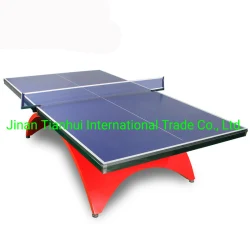
A stock image related to table tennis factory china.
3 Common User Pain Points for ‘table tennis factory china’ & Their Solutions
Scenario 1: Inconsistent Product Quality Across Orders
The Problem: B2B buyers often face significant challenges with the consistency of product quality when sourcing table tennis equipment from factories in China. After placing an initial order, buyers may find that subsequent shipments do not meet the same standards, leading to customer dissatisfaction and potential damage to their brand reputation. This inconsistency can stem from variations in manufacturing processes, material quality, or quality control measures that differ between production runs.
The Solution: To mitigate quality inconsistencies, buyers should establish a robust quality assurance protocol before committing to large orders. This includes conducting thorough due diligence on the factory’s certifications and production capabilities. Requesting samples from multiple batches can help assess quality variations. Additionally, implementing a detailed specification document that outlines material standards, dimensions, and performance criteria can serve as a reference point for the manufacturer. Consider hiring a third-party inspection service to conduct quality checks before shipment. This proactive approach not only ensures that products meet the required standards but also fosters a transparent relationship with the manufacturer.
Scenario 2: Communication Barriers Leading to Misunderstandings
The Problem: Effective communication is critical in B2B transactions, yet language barriers and cultural differences can lead to misunderstandings between international buyers and Chinese manufacturers. Misinterpretations regarding product specifications, delivery timelines, and payment terms can cause delays and frustrations, ultimately jeopardizing business relationships.
The Solution: To overcome communication challenges, buyers should utilize experienced intermediaries, such as sourcing agents or local representatives who understand both cultures and languages. These professionals can facilitate clear communication and help bridge any gaps. Additionally, using visual aids like diagrams, photos, or videos to convey product specifications can enhance understanding. It’s also beneficial to establish regular communication channels, such as weekly check-ins via video calls, to keep both parties aligned on project progress and expectations. By fostering a collaborative environment, buyers can significantly reduce the risk of misunderstandings.
Scenario 3: Navigating Complex Import Regulations and Logistics
The Problem: International buyers often struggle with the complexities of import regulations, tariffs, and logistics when sourcing table tennis products from China. Each country has its own set of regulations that can affect shipping times, costs, and the overall feasibility of the procurement process. This often leads to unexpected delays and increased costs, which can severely impact supply chain efficiency.
The Solution: To navigate these complexities, buyers should conduct comprehensive research on their country’s import regulations concerning sports equipment. Collaborating with logistics experts or freight forwarders who specialize in international shipping can provide valuable insights and streamline the process. These professionals can assist with documentation, customs clearance, and choosing the most efficient shipping methods. Additionally, buyers should consider using Incoterms to clarify the responsibilities of both parties in the shipping process. By understanding these logistical elements and leveraging expert assistance, buyers can enhance their procurement strategy, ensuring timely and cost-effective delivery of their table tennis products.
Strategic Material Selection Guide for table tennis factory china
What Are the Key Materials Used in Table Tennis Manufacturing?
When selecting materials for table tennis equipment, manufacturers in China typically consider several factors, including performance, durability, cost, and compliance with international standards. Here we analyze four common materials used in the production of table tennis tables and equipment, focusing on their properties, advantages, disadvantages, and considerations for international buyers.
What Are the Key Properties of Medium Density Fiberboard (MDF)?
MDF is widely used for table tennis tabletops due to its excellent flatness and smooth surface finish. It typically has a density of 600-800 kg/m³ and can withstand moderate temperature changes without warping. However, it is not waterproof, making it less suitable for outdoor use unless properly coated.
Pros: MDF offers a cost-effective solution with good performance characteristics. It is easy to manufacture and can be shaped and finished to meet specific design requirements.
Cons: Its susceptibility to moisture can lead to degradation over time, particularly in humid environments. Additionally, MDF may not provide the same level of bounce as higher-density materials.
Impact on Application: MDF is ideal for indoor tables but requires protective coatings for outdoor applications.
Considerations for International Buyers: Buyers should ensure that MDF used complies with standards such as ASTM E84 for fire safety and CARB for formaldehyde emissions, especially in markets like Europe and North America.
How Does Aluminum Enhance Table Tennis Equipment Durability?
Aluminum is commonly used for the frames and legs of table tennis tables due to its lightweight and corrosion-resistant properties. It can withstand varying temperatures and does not rust, making it suitable for both indoor and outdoor use.
Pros: The lightweight nature of aluminum allows for easy transportation and setup. Its durability ensures long-lasting performance, reducing maintenance costs.
Cons: Aluminum can be more expensive than other materials, and its manufacturing process may require more complex techniques, potentially increasing production time.
Impact on Application: Aluminum frames provide stability and support, enhancing the overall durability of the table.
Considerations for International Buyers: Compliance with international standards like ISO 9001 for quality management and EN 71 for safety in toys is crucial, especially for markets in Europe and the Middle East.
What Role Does Polyurethane Coating Play in Table Tennis Equipment?
Polyurethane is often used as a protective coating for table tennis tabletops and frames. It provides a durable, weather-resistant finish that enhances the longevity of the product.
Pros: Polyurethane coatings are highly resistant to scratches, UV light, and chemicals, making them ideal for outdoor tables. They also improve the aesthetic appeal of the equipment.
Cons: The application process can be labor-intensive and may require specialized equipment, increasing manufacturing complexity.
Impact on Application: This coating extends the lifespan of the equipment, particularly in outdoor settings, where exposure to elements can be detrimental.
Considerations for International Buyers: Buyers should verify that the coatings meet environmental regulations, such as REACH in Europe, to ensure they are safe for use.
How Does Rubber Contribute to Performance in Table Tennis?
Rubber is essential for table tennis paddles and balls, providing the necessary grip and bounce. High-quality rubber can withstand high-pressure impacts and temperature variations without losing its properties.
Pros: Rubber offers excellent traction and control, enhancing player performance. It is also relatively inexpensive and widely available.
Cons: The quality of rubber can vary significantly, and lower-grade options may degrade quickly, affecting performance.
Impact on Application: The right rubber can significantly influence the gameplay experience, making it a critical factor for competitive players.
Considerations for International Buyers: Compliance with ITTF standards is essential for competitive equipment, and buyers should ensure that the rubber used is free from harmful chemicals, adhering to regulations like RoHS.
Summary Table of Material Selection for Table Tennis Manufacturing
| Material | Typical Use Case for table tennis factory china | Key Advantage | Key Disadvantage/Limitation | Relative Cost (Low/Med/High) |
|---|---|---|---|---|
| Medium Density Fiberboard (MDF) | Tabletop for indoor tables | Cost-effective with good performance | Susceptible to moisture | Low |
| Aluminum | Frame and legs of tables | Lightweight and corrosion-resistant | Higher cost and complex manufacturing | Medium |
| Polyurethane | Protective coating for tabletops and frames | Durable and weather-resistant | Labor-intensive application process | Medium |
| Rubber | Paddles and balls | Excellent grip and control | Quality variation can affect performance | Low |
This strategic material selection guide provides international B2B buyers with critical insights into the materials used in table tennis manufacturing, enabling informed purchasing decisions that align with their market needs and compliance requirements.
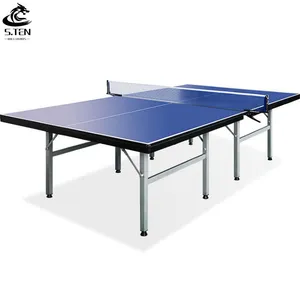
A stock image related to table tennis factory china.
In-depth Look: Manufacturing Processes and Quality Assurance for table tennis factory china
What Are the Key Manufacturing Processes in Table Tennis Production in China?
The manufacturing of table tennis equipment in China involves a series of meticulously planned stages that ensure high-quality output. Understanding these processes is crucial for B2B buyers looking to source reliable products.
How Are Materials Prepared for Table Tennis Equipment Manufacturing?
The first stage in the manufacturing process is material preparation. Manufacturers typically utilize a variety of materials depending on the specific type of equipment being produced. Common materials include Medium Density Fiberboard (MDF), aluminum, and plastics. For instance, the tabletop is often crafted from MDF of varying thicknesses, which is then cut and shaped to the required dimensions using CNC routers.
Quality sourcing of materials is essential; thus, suppliers often establish relationships with trusted vendors to ensure the raw materials meet international standards. Buyers should verify the origin and quality of these materials, as they directly impact the durability and performance of the final products.
What Forming Techniques Are Used in Table Tennis Equipment Manufacturing?
Once the materials are prepared, the next step involves forming the various components of the table tennis equipment. This includes several sub-processes:
- Tabletop Production: The MDF is shaped into the desired tabletop dimensions, ensuring a smooth and even surface for optimal gameplay.
- Frame and Leg Production: Metal or aluminum tubing is bent and welded to form the frame and legs, providing the necessary support for the tabletop. Advanced welding techniques and machinery are used to ensure structural integrity.
- Coating: After the components are formed, they undergo a coating process. A protective layer, often made of polyurethane or acrylic, is applied to enhance durability and resistance to wear and weather conditions.
These forming techniques are critical for producing equipment that meets competitive standards. Manufacturers often invest in modern machinery and skilled labor to maintain precision in these processes.
How Is Assembly Conducted in Table Tennis Manufacturing?
The assembly process is where all the individual components come together. This stage involves:
- Attaching the legs to the frame.
- Securing the tabletop to the frame.
- Installing nets and other accessories.
Each assembly line is designed for efficiency, often utilizing assembly jigs to streamline the process and reduce the risk of errors. Quality checks are integrated into the assembly stage to catch any issues before the product moves to the finishing phase.
What Finishing Processes Are Essential for Quality Table Tennis Products?
The finishing process includes final inspections and packaging. After assembly, products undergo a thorough quality control check to ensure they meet design specifications and performance standards. This may include:
- Visual inspections for aesthetic defects.
- Functional tests to ensure the equipment meets bounce and stability requirements.
Once verified, products are carefully packaged for shipment, ensuring they arrive at their destination in pristine condition. Proper packaging is critical, especially for international shipping, to prevent damage during transit.
What Quality Assurance Standards Are Relevant for Table Tennis Manufacturing?
Quality assurance is paramount in the manufacturing process. International standards, such as ISO 9001, are commonly adopted to ensure consistent quality across production lines. For table tennis manufacturers, other certifications, such as CE marking for European markets, indicate compliance with health, safety, and environmental protection standards.
How Do Manufacturers Implement Quality Control Checkpoints?
Quality control (QC) is integrated at various checkpoints throughout the manufacturing process:
- Incoming Quality Control (IQC): Raw materials are inspected upon arrival to ensure they meet specified standards.
- In-Process Quality Control (IPQC): Ongoing inspections during production help catch defects early.
- Final Quality Control (FQC): Before products are packaged, they undergo a comprehensive inspection to ensure they meet all quality standards.
These checkpoints allow manufacturers to maintain high defect-free rates, crucial for building trust with international buyers.
How Can B2B Buyers Verify Supplier Quality Control Practices?
For B2B buyers, particularly those from Africa, South America, the Middle East, and Europe, verifying a supplier’s quality control practices is essential. Here are actionable steps:
- Request Certifications: Ask for copies of relevant certifications (e.g., ISO 9001, CE) to assess the manufacturer’s commitment to quality.
- Conduct Audits: Consider conducting on-site audits to evaluate the manufacturing processes and QC measures firsthand.
- Review Quality Reports: Suppliers should be willing to provide quality control reports that detail inspection results and defect rates.
- Engage Third-Party Inspectors: Utilizing third-party inspection services can provide an unbiased assessment of the product quality before shipment.
What Are the Specific QC Nuances for International Buyers?
International buyers must be aware of specific nuances when it comes to quality control. For instance, different regions may have varying compliance standards. Buyers from Europe, for example, may prioritize CE marking, while those from the Middle East might look for compliance with local regulations.
Additionally, understanding the logistics of international shipping and customs regulations is critical to prevent delays or additional costs. Ensuring that the manufacturer is well-versed in these requirements can facilitate smoother transactions.
Conclusion
In summary, the manufacturing processes and quality assurance measures in China’s table tennis factories are designed to produce high-quality equipment that meets international standards. By understanding these processes and implementing thorough verification practices, B2B buyers can make informed decisions and build successful partnerships with reputable suppliers.
Practical Sourcing Guide: A Step-by-Step Checklist for ‘table tennis factory china’
Introduction
Sourcing table tennis equipment from factories in China can significantly enhance your product offerings, providing access to high-quality, cost-effective solutions. This checklist serves as a practical guide for international B2B buyers aiming to streamline their procurement process, ensuring that you make informed decisions while navigating the complexities of international sourcing.
Step 1: Define Your Technical Specifications
Begin by clearly outlining the technical specifications for the table tennis products you intend to source. Consider factors such as materials, dimensions, performance standards, and compliance with international regulations. Having a well-defined specification helps in communicating your requirements to potential suppliers and ensures that the products meet your market needs.
- Material Choices: Specify whether you need MDF, SMC, or other materials.
- Performance Standards: Ensure compliance with ITTF or other relevant standards.
Step 2: Research Potential Suppliers
Conduct thorough research to identify potential suppliers in China. Utilize platforms like Alibaba, Global Sources, and trade shows to gather a list of manufacturers specializing in table tennis equipment. Assess their market reputation through reviews and testimonials from other B2B buyers.
- Industry Experience: Look for suppliers with a minimum of 5-10 years in the industry.
- Product Range: Ensure they offer a variety of products that fit your specifications.
Step 3: Verify Supplier Certifications
It’s crucial to verify the certifications of potential suppliers to ensure they adhere to quality and safety standards. Look for ISO certifications, CE markings, and ITTF approvals, which indicate that the manufacturer meets international quality benchmarks.
- Quality Management Systems: Confirm ISO 9001 certification for quality assurance processes.
- Environmental Standards: Check for compliance with environmental regulations, which can impact your brand’s reputation.
Step 4: Request Samples
Before finalizing any orders, request samples of the products you are considering. This allows you to evaluate the quality, craftsmanship, and suitability of the items firsthand. Assess the samples against your technical specifications and ensure they meet your expectations.
- Quality Check: Inspect the materials, finish, and overall construction.
- Functionality Testing: Test the equipment for performance characteristics, such as bounce and durability.
Step 5: Negotiate Pricing and Terms
Once you’ve selected a supplier, engage in negotiations regarding pricing, payment terms, and delivery schedules. Be clear about your budget and requirements, and don’t hesitate to seek volume discounts for bulk orders.
- Payment Methods: Consider secure payment options like letters of credit or PayPal.
- Shipping Terms: Clarify Incoterms (e.g., FOB, CIF) to understand your responsibilities in shipping.
Step 6: Establish Communication Channels
Effective communication is vital for successful sourcing. Establish clear channels for ongoing dialogue with your supplier, and ensure you have a dedicated contact person who understands your needs. Regular updates and feedback can help mitigate issues before they escalate.
- Language Proficiency: Ensure your contact is fluent in your preferred language or use translation services.
- Response Time: Gauge their responsiveness to inquiries during the initial communication.
Step 7: Conduct a Final Quality Inspection
Before accepting the final shipment, conduct a thorough quality inspection of the products. This can be done in collaboration with third-party inspection services to ensure that the items match your specifications and are free from defects.
- Inspection Checklist: Create a checklist based on your initial specifications to guide the inspection process.
- Documentation: Ensure all quality assurance documents are in order before shipment acceptance.
By following this checklist, B2B buyers can streamline their sourcing process, ensuring that they procure high-quality table tennis equipment from reputable factories in China, ultimately leading to successful business outcomes.
Comprehensive Cost and Pricing Analysis for table tennis factory china Sourcing
What Are the Key Cost Components in Table Tennis Manufacturing in China?
When sourcing table tennis equipment from China, understanding the cost structure is crucial for making informed purchasing decisions. The primary cost components include:
-
Materials: The choice of materials significantly influences costs. Common materials for table tennis tables include MDF, aluminum, and various plastics. Higher-quality materials typically lead to increased durability and performance, but they also raise the price.
-
Labor: Labor costs in China are generally lower than in many Western countries. However, skilled labor for specialized production processes can command higher wages. The efficiency and experience of the workforce also play a role in overall labor costs.
-
Manufacturing Overhead: This encompasses expenses related to factory operations, such as utilities, facility maintenance, and indirect labor costs. Factories with advanced technology and efficient processes may have lower overheads.
-
Tooling: Custom tooling for specialized products can represent a significant upfront investment. If a buyer requires unique designs or specifications, they should budget for these costs, which can vary widely based on complexity.
-
Quality Control (QC): Ensuring product quality through rigorous testing and inspection is essential. This may add to costs, but it is crucial for maintaining high standards and avoiding defects, which can lead to additional expenses.
-
Logistics: Shipping costs can vary based on the destination, shipping method, and order size. Buyers should consider freight charges, insurance, and potential tariffs when calculating total logistics costs.
-
Margin: Factories typically include a profit margin in their pricing, which can range from 10% to 30%, depending on the product and market conditions.
How Do Price Influencers Affect Table Tennis Equipment Costs?
Several factors can influence the pricing of table tennis equipment sourced from China:
-
Volume/MOQ: Bulk orders generally lead to lower per-unit costs due to economies of scale. Minimum Order Quantities (MOQs) can vary by supplier, and negotiating lower MOQs can be beneficial for smaller businesses.
-
Specifications and Customization: Custom designs or specific features can increase costs. Buyers should clearly define their requirements to receive accurate quotes and avoid unexpected charges.
-
Materials and Quality Certifications: Higher-quality materials and certifications (like ITTF approval) can lead to increased costs. Buyers should weigh the benefits of quality against budget constraints.
-
Supplier Factors: Established suppliers with a proven track record may charge higher prices due to their reputation and quality assurance processes. However, they often provide better reliability and support.
-
Incoterms: Understanding shipping terms (such as FOB, CIF, or DDP) is vital. These terms define responsibilities for shipping costs and risks, impacting the overall cost to the buyer.
What Are Essential Buyer Tips for Cost-Efficiency in B2B Sourcing?
For international B2B buyers, especially from regions like Africa, South America, the Middle East, and Europe, navigating the complexities of sourcing from China can be challenging. Here are some actionable tips:
-
Negotiate Effectively: Engage in open discussions with suppliers about pricing, payment terms, and delivery schedules. Many suppliers are willing to negotiate, especially for larger orders.
-
Consider Total Cost of Ownership (TCO): Evaluate not just the initial purchase price but also the long-term costs associated with maintenance, logistics, and potential defects. This holistic view can lead to better decision-making.
-
Be Aware of Pricing Nuances: Prices may fluctuate based on market demand, currency exchange rates, and geopolitical factors. Keeping abreast of these dynamics can help buyers time their purchases effectively.
-
Research Suppliers Thoroughly: Vet suppliers based on their reputation, product quality, and customer service. Look for certifications and testimonials from other buyers to gauge reliability.
-
Leverage Technology: Utilize online platforms and trade shows to connect with multiple suppliers, compare prices, and explore a wide range of products. This can enhance negotiation leverage and ensure competitive pricing.
Conclusion
Sourcing table tennis equipment from China offers significant opportunities for cost savings and quality products. By understanding the cost components, recognizing price influencers, and applying strategic buying practices, international B2B buyers can optimize their sourcing processes and enhance their competitive edge in the market. Always remember to consult with multiple suppliers and seek indicative pricing, as costs can vary widely based on specific requirements and market conditions.
Alternatives Analysis: Comparing table tennis factory china With Other Solutions
Understanding the Importance of Exploring Alternatives in Table Tennis Manufacturing
In the competitive landscape of table tennis equipment manufacturing, international B2B buyers often seek to explore various solutions to meet their operational needs. While sourcing from table tennis factories in China presents numerous advantages, it is essential to evaluate alternative manufacturing options that could offer comparable benefits or unique features. This analysis will compare table tennis factories in China with two viable alternatives: local manufacturing and sourcing from specialized European manufacturers.
Comparison of Table Tennis Manufacturing Solutions
| Comparison Aspect | Table Tennis Factory China | Local Manufacturing | Specialized European Manufacturers |
|---|---|---|---|
| Performance | High-quality, ITTF-certified tables with extensive customization options | Varies widely based on local expertise | Consistently high quality with a focus on innovation |
| Cost | Competitive pricing due to economies of scale | Often higher due to limited production scale | Premium pricing reflecting quality and brand reputation |
| Ease of Implementation | Streamlined logistics and bulk order capabilities | Complicated due to smaller production runs and less flexibility | Straightforward for EU buyers due to proximity and established regulations |
| Maintenance | Comprehensive after-sales support and warranty options | Limited support, often reliant on the manufacturer’s capacity | Excellent customer service and easy access to replacement parts |
| Best Use Case | Ideal for large-scale orders and customized solutions for diverse markets | Suitable for niche products or bespoke designs | Best for high-end markets and specialized products requiring innovation |
Detailed Breakdown of Alternatives
Local Manufacturing
Local manufacturing offers the advantage of supporting regional economies and reducing transportation costs. However, the performance and quality of products can be inconsistent due to varying levels of expertise and technology. Additionally, local manufacturers may struggle with economies of scale, leading to higher production costs. This solution is best suited for niche markets where customization and local preferences are paramount, but it may not meet the demands of larger B2B buyers looking for bulk orders.
Specialized European Manufacturers
European manufacturers are known for their innovation and high-quality standards, often producing equipment that meets rigorous regulatory requirements. The proximity to the European market allows for easier communication and logistics, minimizing lead times. However, the cost of sourcing from these manufacturers can be significantly higher due to their premium pricing and the associated brand reputation. This option is ideal for buyers targeting high-end markets where quality is non-negotiable and where customers are willing to pay a premium for superior products.
Conclusion: Choosing the Right Manufacturing Solution for Your Business Needs
When selecting a manufacturing solution for table tennis equipment, B2B buyers must carefully consider their specific needs, including budget, quality requirements, and market positioning. While table tennis factories in China offer a compelling mix of competitive pricing and high-quality products, alternatives such as local manufacturing and specialized European producers can provide unique advantages depending on the buyer’s objectives. Conducting thorough research and aligning the choice with business goals will ensure the most effective and profitable procurement strategy.
Essential Technical Properties and Trade Terminology for table tennis factory china
What Are the Essential Technical Properties for Table Tennis Equipment Sourcing?
When sourcing table tennis equipment from China, understanding critical technical properties can greatly influence the quality and performance of the products. Here are some essential specifications to consider:
-
Material Grade
The grade of materials used in table tennis equipment, such as the tabletop and frame, plays a crucial role in durability and performance. Common materials include Medium Density Fiberboard (MDF) for tabletops and metal tubing for frames. For example, a thicker MDF (like 25mm) provides better bounce and stability, which is vital for competitive play. In B2B transactions, specifying material grades ensures that the product meets performance expectations and compliance with international standards. -
Bounce Quality
This specification refers to how well the table surface returns the ball, which is influenced by the tabletop’s material and thickness. The International Table Tennis Federation (ITTF) sets specific bounce height standards for competition-grade tables. Understanding bounce quality helps buyers ensure that their products will meet the standards required for tournaments and enhance player experience. -
Weight Capacity
The weight capacity of table tennis tables and other equipment determines their stability and usability. A robust frame and high-quality materials can support heavier weights without compromising structural integrity. This is particularly important for commercial buyers who intend to use the tables in schools or clubs where they will be subjected to regular use and potential abuse. -
Finish and Coating
The finish applied to the tabletop and frame impacts both aesthetics and longevity. Coatings such as polyurethane or acrylic protect against scratches, moisture, and UV damage, which is crucial for outdoor tables. Specifying the type of finish helps ensure that products remain visually appealing and functional over time, reducing long-term replacement costs. -
Tolerance Levels
Tolerance refers to the allowable deviation in dimensions and is critical for ensuring compatibility and performance. For instance, precise tolerances in the assembly of table legs and frames can affect the stability and playability of the table. Understanding tolerance levels can help buyers negotiate specifications that suit their operational needs, particularly in high-precision markets.
What Are Common Trade Terms Used in Table Tennis Manufacturing?
Navigating the world of table tennis manufacturing requires familiarity with industry-specific terminology. Here are several key terms that buyers should know:
-
OEM (Original Equipment Manufacturer)
OEM refers to companies that manufacture products based on the designs and specifications provided by other brands. For buyers, partnering with an OEM allows for customized products that align with their brand identity while leveraging the manufacturer’s expertise. -
MOQ (Minimum Order Quantity)
MOQ represents the smallest number of units a supplier is willing to produce for a single order. Understanding MOQ is essential for buyers to manage inventory effectively and ensure that they are not overcommitting to stock they may not sell. -
RFQ (Request for Quotation)
An RFQ is a document sent to suppliers to request pricing and terms for specific products or services. For B2B buyers, an RFQ is a critical tool for comparing suppliers and negotiating the best terms, ensuring cost-effective sourcing. -
Incoterms (International Commercial Terms)
Incoterms define the responsibilities of buyers and sellers in international transactions, covering aspects like shipping, risk, and insurance. Familiarity with Incoterms helps buyers understand their obligations and rights, ensuring smoother logistics and compliance with international trade regulations. -
Lead Time
Lead time refers to the time taken from placing an order to delivery. Knowing the lead times helps buyers plan their inventory and sales strategies effectively, ensuring that they can meet customer demand without excessive delay. -
Certification Standards
These are quality assurance marks that indicate compliance with specific industry standards, such as ITTF certification for table tennis equipment. Understanding certification requirements is vital for buyers to ensure that their products are suitable for competitive play and meet local regulatory standards.
By grasping these technical properties and trade terminologies, international B2B buyers can make informed decisions when sourcing table tennis equipment from China, ultimately enhancing their procurement strategies and customer satisfaction.
Navigating Market Dynamics and Sourcing Trends in the table tennis factory china Sector
What Are the Current Market Dynamics and Key Trends in the Table Tennis Manufacturing Sector in China?
The global table tennis equipment market is witnessing a surge driven by increased participation in sports and recreational activities, particularly in emerging markets across Africa, South America, the Middle East, and Europe. Factors such as rising disposable incomes, a growing youth demographic, and the popularity of table tennis as both a competitive sport and a leisure activity are fueling demand. Additionally, the integration of technology into sports equipment—such as smart table tennis training robots and IoT-enabled performance tracking devices—represents a significant trend, appealing to tech-savvy consumers and competitive players alike.
International B2B buyers are increasingly focusing on sourcing from manufacturers that offer flexible OEM and ODM solutions. This flexibility allows businesses to customize products to meet local market preferences, enhancing brand differentiation. Furthermore, the competitive pricing of Chinese manufacturers, combined with advanced manufacturing capabilities, ensures that buyers can maintain healthy margins while meeting consumer demand. As global supply chains continue to recover from disruptions, the emphasis on reliable logistics and on-time delivery has become paramount for businesses looking to establish or expand their presence in new markets.
How Can Sustainability and Ethical Sourcing Impact B2B Relationships in the Table Tennis Sector?
Sustainability has become a core consideration for international B2B buyers, especially as consumers demand greater transparency regarding the environmental impact of products. The table tennis manufacturing sector is no exception, with an increasing focus on eco-friendly materials and sustainable production practices. Manufacturers in China are adopting environmentally responsible manufacturing processes and utilizing materials such as recycled plastics and sustainably sourced woods. These initiatives not only reduce the carbon footprint but also appeal to buyers who prioritize sustainability in their purchasing decisions.
Ethical sourcing is equally critical; buyers are encouraged to partner with manufacturers that adhere to fair labor practices and possess relevant certifications. Certifications such as ISO 14001 for environmental management and ISO 9001 for quality management can signal a commitment to responsible manufacturing. Buyers should inquire about a manufacturer’s sourcing practices and seek partnerships that align with their corporate social responsibility goals, ensuring that their supply chain is not only efficient but also ethical.
What Is the Historical Context of the Table Tennis Manufacturing Industry in China?
The evolution of the table tennis manufacturing industry in China dates back several decades, with the country emerging as a global leader in sports equipment production. The 1980s marked the beginning of significant investments in manufacturing technologies and facilities, driven by China’s economic reforms and opening up to international trade. By the 1990s, China had established itself as a powerhouse in the production of table tennis equipment, with numerous brands gaining recognition both domestically and internationally.
Over the years, Chinese manufacturers have not only focused on mass production but have also embraced innovation, leading to the development of high-quality, specialized products that cater to various market segments—from professional players to recreational users. This historical context is essential for B2B buyers, as it underscores the depth of expertise and the capacity for customization that Chinese manufacturers can offer, ensuring that they meet the diverse needs of global markets.
Frequently Asked Questions (FAQs) for B2B Buyers of table tennis factory china
-
How do I ensure quality when sourcing table tennis equipment from China?
To ensure quality, consider partnering with manufacturers who have robust quality control processes, certifications (like ISO 9001), and a proven track record in the industry. Request samples before placing bulk orders to evaluate the craftsmanship and materials used. Additionally, it’s beneficial to conduct factory visits or hire third-party inspection services to verify production standards and adherence to specifications. -
What are the typical minimum order quantities (MOQs) for table tennis products?
Minimum order quantities can vary significantly among manufacturers, typically ranging from 100 to 1,000 units for standard products. For custom designs, MOQs may be higher due to the additional setup costs. Discuss your needs directly with suppliers to negotiate terms that work for both parties. It’s also wise to inquire about bulk pricing discounts, which can enhance your profitability. -
What customization options are available for table tennis tables and equipment?
Most manufacturers offer extensive customization options, including size, color, branding, and material specifications. You can also request unique features like foldable designs or integrated storage solutions. Providing detailed specifications and discussing your vision with the supplier will help them create products that meet your exact requirements. -
What payment terms should I expect when dealing with Chinese suppliers?
Payment terms vary, but many suppliers accept methods such as T/T (bank transfer), L/C (letter of credit), or online payment platforms like Alipay. Common arrangements include a 30% deposit upfront and the remaining 70% before shipment. Always clarify payment terms and conditions early in negotiations to avoid misunderstandings later. -
How can I vet a table tennis factory in China before making a purchase?
To vet a factory, research their background, customer reviews, and industry certifications. Request references from other international clients to gauge their reliability. Additionally, consider visiting the factory or using third-party verification services to assess their production capabilities and working conditions firsthand. -
What logistics options are available for shipping table tennis products from China?
Logistics options typically include sea freight, air freight, and express courier services. The choice depends on your budget, urgency, and volume of goods. Many suppliers offer door-to-door delivery services, which can simplify the shipping process. Ensure you discuss shipping terms and costs upfront to avoid unexpected expenses. -
How do I handle potential delays in delivery from Chinese manufacturers?
To mitigate delivery delays, establish clear timelines and confirm the production schedule with your supplier. Regular communication is key; request updates on the manufacturing process and shipping status. Having a contingency plan, such as alternative suppliers or backup inventory, can also help manage potential disruptions in your supply chain. -
What certifications should I look for in table tennis equipment from China?
When sourcing table tennis equipment, look for certifications such as ITTF (International Table Tennis Federation) approval, CE marking for safety standards in Europe, and ISO certifications for quality management. These certifications ensure that the products meet international standards, enhancing their marketability and compliance with local regulations.
Important Disclaimer & Terms of Use
⚠️ Important Disclaimer
The information provided in this guide, including content regarding manufacturers, technical specifications, and market analysis, is for informational and educational purposes only. It does not constitute professional procurement advice, financial advice, or legal advice.
While we have made every effort to ensure the accuracy and timeliness of the information, we are not responsible for any errors, omissions, or outdated information. Market conditions, company details, and technical standards are subject to change.
B2B buyers must conduct their own independent and thorough due diligence before making any purchasing decisions. This includes contacting suppliers directly, verifying certifications, requesting samples, and seeking professional consultation. The risk of relying on any information in this guide is borne solely by the reader.
Strategic Sourcing Conclusion and Outlook for table tennis factory china
What Are the Key Benefits of Sourcing Table Tennis Equipment from China?
In conclusion, strategic sourcing from Chinese table tennis factories offers international buyers unparalleled advantages, including cost efficiency, customization, and quality assurance. With over 16 years of manufacturing expertise, leading suppliers provide innovative products that meet international standards and cater to diverse market demands. The vertical integration of production processes ensures that buyers benefit from rapid prototyping and scalable solutions, which are vital for staying competitive in the global sports market.
How Can International Buyers Leverage China’s Manufacturing Expertise?
As international B2B buyers from regions such as Africa, South America, the Middle East, and Europe look to expand their offerings, partnering with reputable Chinese manufacturers can significantly enhance product portfolios. By choosing suppliers that emphasize quality control and customer service, businesses can secure reliable, high-quality products that resonate with their target markets.
What’s Next for B2B Buyers in the Table Tennis Equipment Market?
The future of the table tennis equipment market looks promising, with increasing global interest in the sport and its associated products. Now is the time for buyers to engage with Chinese manufacturers, harnessing their expertise to create tailored solutions that meet specific market needs. Embrace this opportunity to innovate and differentiate your brand in a thriving industry. Reach out to leading suppliers today to explore potential partnerships and elevate your business to new heights.