
Unveiling the Top 10 Wholesale Self Defense Items Suppliers for You…
Introduction: Navigating the Global Market for wholesale self defense items
In today’s increasingly unpredictable global landscape, sourcing wholesale self-defense items poses a significant challenge for B2B buyers. Companies across Africa, South America, the Middle East, and Europe, including regions like Saudi Arabia and Brazil, are tasked with ensuring their clients’ safety while navigating a myriad of product options, supplier reliability, and regulatory compliance. This guide serves as a comprehensive resource, equipping international buyers with the knowledge needed to make informed purchasing decisions.
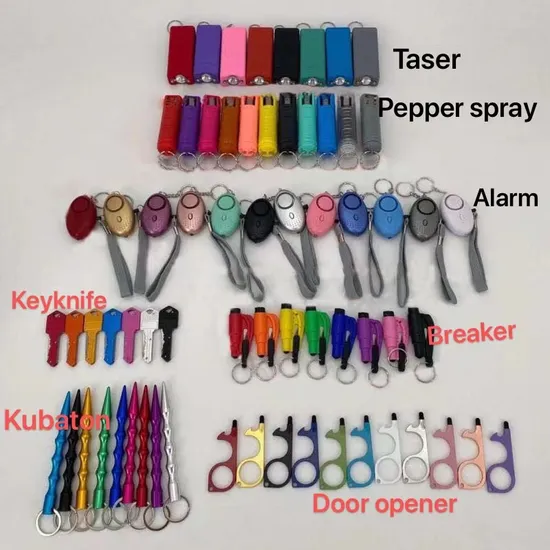
Within this guide, we delve into the diverse range of self-defense products available on the market, including stun guns, pepper sprays, personal alarms, and tactical tools. Each product type is explored in detail, highlighting its applications and unique benefits. Additionally, we provide insights on supplier vetting, ensuring that buyers can identify reputable manufacturers and wholesalers who adhere to quality standards. Understanding cost structures and pricing strategies is crucial in maximizing profitability while meeting customer demands.
By addressing these key areas, this guide empowers B2B buyers to confidently navigate the wholesale self-defense market, ensuring they can provide effective solutions to their clients. Whether you’re a retailer, distributor, or security service provider, our insights will help you streamline your sourcing process and enhance your product offerings, ultimately driving business success.
Top 10 Wholesale Self Defense Items Manufacturers & Suppliers List
1. Alarmed & Dangerous – Wholesale Self-Defense Tools
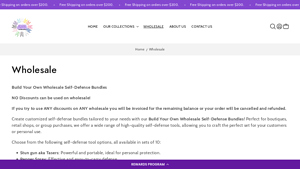
Domain: alarmedndangerous.com
Registered: 2022 (3 years)
Introduction: Wholesale self-defense tools including stun guns, pepper spray, kubatons, personal alarms, seatbelt cutters/window breakers, whistles, discreet knives, cat ears, wristlets & lanyards, pom poms, and mini suitcases. Products available in sets of 10. Prices range from $3.00 to $365.00 USD. Free shipping on orders over $200. No discounts applicable on wholesale orders.
2. DPCI Wholesale – Stun Guns and Pepper Spray
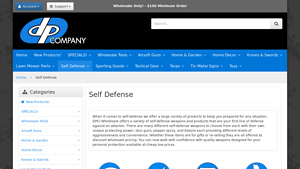
Domain: dpciwholesale.com
Registered: 2008 (17 years)
Introduction: DPCI Wholesale offers a variety of self-defense weapons including stun guns, pepper spray, and batons, each providing different levels of protection. Key products include: 1/2 Ounce Survivor Hard Case Pepper Spray Keychain (SKU: 5158) priced at $3.59, 3 Million Volt Monster Stun Gun (SKU: 5337) priced at $5.99, The Police Grade Stun Gun Flashlight (SKU: 11598) priced at $4.99, Guard Dog Stun Gun D…
3. Streetwise Security – Self-Defense Solutions
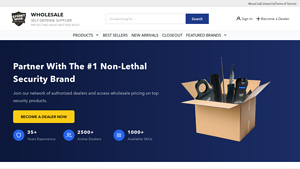
Domain: streetwisesecurity.com
Registered: 1999 (26 years)
Introduction: Streetwise Security offers a wide range of self-defense products including stun guns, pepper spray, self-defense keychains, knives, flashlights, batons, alarms, bulletproof gear, displays, DVR and surveillance equipment, extinguishers, handcuffs, power banks, and safes. Some highlighted products include: Streetwise 18 Stream Pepper Spray (0.5 oz) for $3.30, SMART 24,000,000* Keychain Stun Gun for …
4. Self Defense Supply – Tactical Gear
Domain: selfdefensesupply.com
Registered: 1999 (26 years)
Introduction: Wholesale Knives, OTF (Out-the-Front) Knives, Automatic Knives, Self-Defense Gear, Stun Guns, Pepper Spray, Expandable Batons, Fixed Blade Knives, Assisted Opening Knives, Butterfly Knives, Tactical Gear, Multi-Tools, Machetes, Pocket Knives, Throwing Knives, Self Defense Products, Security Alarms, Defense Keychains, Defense Pens, Diversion Safes, Handcuffs, TASERs, Swords, Water Filters, Knife Ac…
5. Faire – Wholesale Self Defense Products
Domain: faire.com
Registered: 1998 (27 years)
Introduction: Wholesale self defense products available for retail stores. Access to over 100,000 brands for various self defense items.
6. Blue Ridge Knives – Self-Defense Products
Domain: blueridgeknives.com
Registered: 1998 (27 years)
Introduction: Blue Ridge Knives offers wholesale self-defense and personal security products including pepper spray, handcuffs, and more. They are a leading distributor of high-quality items from trusted brands such as ASP, Sabre, and Police Magnum. Their products are suitable for both personal and home protection.
7. Self Shield – Wholesale Self-Defense Products
Domain: selfshieldus.com
Registered: 2020 (5 years)
Introduction: Wholesale self-defense products including Kubatons, pepper spray, self-defense keychains, stun guns, discreet knives, brass knuckles, and various bundles/packages. Prices range from $2.25 to $147.99 for different items, with specific products like the Lipstick Stun Gun priced from $9.30 and the Hard Case Pepper Spray from $3.50. The catalog includes items like the Wholesale Kubaton, Wholesale Key …
8. Blingsting – Skinny Lipstick Stun Gun
Domain: blingsting.com
Registered: 2009 (16 years)
Introduction: Women’s Wholesale Self Defense Products including Stun Guns and Pepper Spray. Key products include: 1. Skinny Lipstick Stun Gun – Compact and stylish design. 2. High Voltage Stun Gun – Powerful self-defense tool. 3. Pepper Sprays – Available in glitter and colorful designs with safety lock and key ring. 4. Mini Soft Touch Heart Alarm Charm – Compact personal alarm for easy carry. 5. Self-defense k…
9. Self Defense Products Inc – Wholesale Safety Solutions
Domain: selfdefenseproductsinc.com
Registered: 2013 (12 years)
Introduction: Wholesale bulk options for self-defense products including pepper spray, stun guns, personal alarms, and other safety items. Various pricing tiers based on quantity ordered. Custom branding options available for bulk orders.
10. Rex Distributor – Wholesale Self-Defense Products
Understanding wholesale self defense items Types and Variations
| Type Name | Key Distinguishing Features | Primary B2B Applications | Brief Pros & Cons for Buyers |
|---|---|---|---|
| Stun Guns | High voltage, compact, often dual-function with flashlight | Retail, personal safety, law enforcement | Pros: Effective deterrent, easy to carry. Cons: Legal restrictions in some regions. |
| Pepper Spray | Aerosol-based, various ranges and formulations | Personal defense, self-defense training | Pros: Non-lethal, easy to use. Cons: Wind can affect deployment. |
| Personal Alarms | Loud alarms designed to attract attention | Retail, personal safety kits | Pros: Simple operation, effective for emergencies. Cons: Limited physical defense capability. |
| Kubatons | Compact striking tools, often made of durable materials | Martial arts, personal protection | Pros: Versatile and discreet. Cons: Requires some training for effective use. |
| Tactical Flashlights | Multi-functional, often include stun capabilities | Retail, outdoor activities, law enforcement | Pros: Practical for everyday use, dual-purpose. Cons: Bulkier than standard flashlights. |
What Are the Key Characteristics of Stun Guns for B2B Buyers?
Stun guns deliver a high-voltage shock designed to incapacitate an attacker temporarily. They are compact, often integrating flashlight features for added utility. B2B buyers should consider the voltage output and battery life when purchasing, as these factors influence effectiveness and reliability. Stun guns are popular among retailers and personal safety advocates, but buyers must be aware of varying legal regulations in different markets, particularly in regions like Europe and the Middle East.
How Can Pepper Spray Benefit Your Wholesale Inventory?
Pepper spray is a widely recognized self-defense tool that can incapacitate an attacker with a simple spray. Available in various sizes and formulations, it is easy to carry and can be marketed effectively to both consumers and businesses. B2B buyers should evaluate the range, spray pattern, and heat level (measured in SHU) when selecting products. While pepper spray is non-lethal and widely accepted, buyers should be cautious of potential restrictions in certain countries, particularly in Africa and the Middle East.
Why Choose Personal Alarms for Your Self-Defense Product Line?
Personal alarms are designed to emit a loud sound, attracting attention and deterring potential attackers. These devices are simple to use, making them accessible for a wide audience, including children and the elderly. B2B buyers should focus on the volume (measured in decibels) and ease of activation when selecting alarms for resale. While effective in emergencies, personal alarms do not provide physical defense, so they are often best marketed as part of a broader safety kit.
What Makes Kubatons a Unique Addition to Your Inventory?
Kubatons are small, durable striking tools that can be used for self-defense in close combat situations. They are often crafted from strong materials like aluminum or steel, making them resilient and discreet. B2B buyers should consider the design, grip texture, and color options to appeal to various consumer preferences. While kubatons are effective, they require some training to use properly, which may necessitate additional marketing efforts to educate potential buyers.
How Do Tactical Flashlights Enhance Self-Defense Offerings?
Tactical flashlights serve multiple purposes, often featuring high-intensity beams and stun capabilities. They are useful for everyday carry and emergency situations, appealing to consumers interested in both safety and practicality. B2B buyers should assess the brightness (measured in lumens), battery life, and durability of these products. While tactical flashlights are versatile and popular among outdoor enthusiasts and security professionals, their bulkier design may deter some consumers seeking more discreet options.
Key Industrial Applications of wholesale self defense items
| Industry/Sector | Specific Application of wholesale self defense items | Value/Benefit for the Business | Key Sourcing Considerations for this Application |
|---|---|---|---|
| Retail | Stocking self-defense products for consumer sales | Increased customer traffic and sales in safety products | Ensure compliance with local laws and regulations |
| Corporate Security | Providing personal safety tools for employees | Enhanced employee safety and reduced liability risks | Consider bulk purchasing options for cost efficiency |
| Event Management | Offering self-defense items at large gatherings | Improved attendee safety and risk management | Evaluate product types based on event demographics |
| Educational Institutions | Supplying self-defense training tools for students | Empowerment through education and increased safety awareness | Assess training needs and product effectiveness |
| Hospitality | Equipping staff with personal safety devices | Increased customer trust and staff security | Focus on discreet, easy-to-use self-defense options |
How Can Retailers Benefit from Wholesale Self-Defense Items?
Retailers can significantly enhance their product offerings by stocking wholesale self-defense items, such as pepper spray and stun guns. These products attract consumers seeking personal safety solutions, thereby increasing foot traffic and sales. Retailers need to ensure compliance with local regulations regarding the sale of such items, which may vary greatly across regions like Africa, South America, and Europe. Additionally, understanding customer preferences for specific products can help retailers tailor their inventory to meet market demands.
What Role Do Self-Defense Items Play in Corporate Security?
Corporate security departments can use wholesale self-defense items to equip employees with personal safety tools, such as keychain stun guns or personal alarms. This not only enhances employee safety but also reduces potential liability risks for the organization. When sourcing these items, companies should consider bulk purchasing options to achieve cost efficiencies, while also ensuring that the products comply with local laws in their operating regions, such as Saudi Arabia or Brazil.
How Can Event Management Companies Enhance Safety with Self-Defense Products?
Event management companies can provide self-defense items at large gatherings, such as festivals or conferences, to improve attendee safety. Items like personal alarms and discreet self-defense tools can be offered as part of registration packages or sold at event booths. It is essential to evaluate the types of products based on the demographics of the event attendees to ensure maximum effectiveness. Additionally, sourcing from reputable wholesale suppliers ensures that the products meet safety standards.
Why Are Educational Institutions Investing in Self-Defense Tools?
Educational institutions are increasingly recognizing the importance of self-defense training and tools for their students. Supplying items such as kubatons or pepper spray not only empowers students but also fosters a culture of safety and awareness. Institutions must assess the specific training needs and effectiveness of the products they choose to implement. Furthermore, international buyers should consider cultural sensitivities and legal restrictions when sourcing these items for educational settings.
How Do Hospitality Businesses Use Self-Defense Products for Staff Security?
In the hospitality sector, equipping staff with personal safety devices, like discreet knives or pepper sprays, can enhance both employee and guest safety. This proactive approach helps build customer trust and fosters a secure environment. When sourcing these products, hospitality businesses should focus on discreet, easy-to-use options that staff can carry without drawing attention. Understanding local laws regarding self-defense items is crucial, particularly in diverse markets across different continents.
A stock image related to wholesale self defense items.
3 Common User Pain Points for ‘wholesale self defense items’ & Their Solutions
Scenario 1: Navigating Compliance and Legal Restrictions in Self-Defense Products
The Problem:
B2B buyers in regions such as Africa and South America often encounter significant challenges regarding the legal landscape surrounding self-defense items. Different countries have varying laws governing the sale and possession of items like pepper spray, stun guns, and knives. Buyers may inadvertently purchase products that are illegal in their market, leading to potential legal issues, financial losses, and reputational damage.
The Solution:
To navigate these legal complexities, buyers should conduct thorough research into the specific laws and regulations that apply to self-defense products in their target markets. This includes consulting with legal experts or local authorities and accessing government resources that outline permissible items. Additionally, partnering with reputable wholesale suppliers who provide clear information about compliance can help mitigate risks. Buyers should ensure that all products sourced come with documentation verifying their legality and compliance with local laws. Establishing a checklist of permissible items and their regulations can streamline future purchasing decisions and safeguard against legal pitfalls.
Scenario 2: Managing Inventory and Demand Fluctuations
The Problem:
Wholesale buyers often struggle with accurately forecasting demand for self-defense products, leading to either excess inventory or stockouts. For instance, a sudden rise in local crime rates may increase demand for certain items, while during safer periods, these products may not sell as quickly. This unpredictability can strain cash flow and storage capabilities, making it essential for buyers to strike a balance between having enough stock and not overcommitting financially.
The Solution:
Implementing a robust inventory management system can significantly aid in addressing this challenge. Buyers should analyze historical sales data to identify trends and seasonality in demand for self-defense items. Utilizing tools like predictive analytics can help forecast future demand based on various market indicators. Moreover, maintaining open communication with suppliers about lead times and order flexibility is crucial. Establishing a just-in-time (JIT) inventory approach can allow buyers to reorder products based on real-time sales data, minimizing excess inventory while ensuring that popular items are always available.
Scenario 3: Ensuring Product Quality and Reliability
The Problem:
Quality assurance is a significant concern for B2B buyers in the self-defense products sector. Buyers need to ensure that the items they purchase meet safety standards and perform as advertised. Poor-quality products can lead to customer dissatisfaction, increased return rates, and potential liability issues if items fail during use. This is particularly critical in markets where the reliability of self-defense tools can literally mean the difference between safety and danger.
The Solution:
To ensure product quality, buyers should establish a rigorous vetting process for suppliers. This includes requesting samples for testing before making bulk purchases and verifying certifications that demonstrate compliance with safety standards. Engaging in supplier audits and seeking testimonials or reviews from other businesses can also provide insights into product reliability. Additionally, building a long-term relationship with a select few reputable suppliers can facilitate better quality control and responsiveness to issues. Buyers should also consider implementing a return policy that allows for the inspection of products upon delivery, ensuring that any defective items can be promptly addressed without impacting customer satisfaction.
Strategic Material Selection Guide for wholesale self defense items
When selecting materials for wholesale self-defense items, it’s crucial to consider their properties, advantages, and limitations in relation to product performance, manufacturing complexity, and market preferences. Below is an analysis of four common materials used in self-defense products, focusing on their relevance to B2B buyers in diverse international markets.
What are the Key Properties of Plastic in Self-Defense Items?
Plastic is a widely used material in the production of self-defense items such as pepper spray canisters and personal alarms. Key properties include lightweight design, resistance to corrosion, and the ability to be molded into various shapes. Plastics can withstand a range of temperatures, making them suitable for diverse climates.
Pros: The primary advantage of plastic is its low cost and ease of manufacturing, which allows for mass production. Additionally, it is lightweight and portable, making it ideal for personal defense items.
Cons: However, plastic may not be as durable as metals, particularly under extreme conditions. Its susceptibility to UV degradation can also limit its lifespan if exposed to sunlight for prolonged periods.
Impact on Application: Plastic is compatible with liquids like pepper spray, but care must be taken to ensure that the specific type of plastic used is resistant to the chemicals involved.
Considerations for International Buyers: Buyers should ensure compliance with local regulations regarding the use of plastics, especially in regions with strict environmental laws. Standards like ASTM D6400 for compostable plastics may be relevant.
How Does Metal Enhance the Performance of Self-Defense Tools?
Metals such as aluminum and stainless steel are commonly used in self-defense items like stun guns and tactical flashlights. These materials are known for their strength, durability, and resistance to corrosion.
Pros: Metals provide a high level of durability and can withstand significant impact, making them ideal for self-defense applications. They also offer a premium feel and aesthetic, which can enhance the marketability of products.
Cons: The main disadvantage is the higher cost of metal components compared to plastics. Additionally, the manufacturing process can be more complex, requiring specialized equipment and techniques.
Impact on Application: Metal components are essential for items that require high structural integrity, such as batons and stun guns, ensuring they perform reliably in critical situations.
Considerations for International Buyers: Buyers should be aware of standards such as ISO 9001 for quality management systems, which can affect metal sourcing and manufacturing. Compliance with local laws regarding the use of metal in self-defense items is also crucial.
What Role Does Rubber Play in Self-Defense Products?
Rubber is often used in grips and padding for self-defense items, including stun guns and personal alarms. Its key properties include excellent grip, shock absorption, and flexibility.
Pros: Rubber enhances user comfort and control, making it easier to handle self-defense tools effectively. It is also relatively inexpensive and can be produced in various textures and colors.
Cons: However, rubber can degrade over time, especially when exposed to extreme temperatures or UV light. This can affect the longevity of the product.
Impact on Application: Rubber’s shock-absorbing properties make it suitable for items that require a firm grip, such as stun guns, where control is critical during use.
Considerations for International Buyers: Buyers should consider the compliance of rubber materials with local safety standards, such as REACH in Europe, which regulates chemical substances.
How Do Fabrics Contribute to Self-Defense Accessories?
Fabrics, particularly those with high tensile strength, are used in items like self-defense keychains and wristlets. Key properties include flexibility, lightweight, and the ability to be produced in various colors and patterns.
Pros: Fabrics are cost-effective and can be easily customized, which is appealing for branding and marketing purposes. They also allow for creative designs that can attract consumers.
Cons: The main limitation is that fabrics may not provide the same level of protection as harder materials, making them less suitable for more aggressive self-defense tools.
Impact on Application: Fabrics are ideal for accessories that enhance the usability of self-defense tools, such as carrying cases and pouches, rather than the tools themselves.
Considerations for International Buyers: Buyers should ensure compliance with textile regulations in their respective countries, such as flammability standards and labeling requirements.
Summary Table of Material Selection for Wholesale Self-Defense Items
| Material | Typical Use Case for wholesale self defense items | Key Advantage | Key Disadvantage/Limitation | Relative Cost (Low/Med/High) |
|---|---|---|---|---|
| Plastic | Pepper spray canisters, personal alarms | Lightweight and cost-effective | Less durable, UV degradation | Low |
| Metal | Stun guns, tactical flashlights | High durability and impact resistance | Higher cost and manufacturing complexity | High |
| Rubber | Grips and padding for stun guns | Enhances comfort and control | Degrades over time with exposure | Medium |
| Fabric | Self-defense keychains, wristlets | Cost-effective and customizable | Limited protection compared to hard materials | Low |
This guide provides a comprehensive overview of material selection for wholesale self-defense items, enabling B2B buyers to make informed decisions that align with their market needs and compliance requirements.
A stock image related to wholesale self defense items.
In-depth Look: Manufacturing Processes and Quality Assurance for wholesale self defense items
What Are the Key Stages of Manufacturing Self-Defense Items for Wholesale?
Manufacturing self-defense items involves a series of meticulously organized stages that ensure product quality and compliance with safety standards. The main stages typically include:
-
Material Preparation: This initial phase involves selecting high-quality raw materials suitable for self-defense tools. For instance, metals for stun guns must be durable, while plastics for pepper spray containers need to be resistant to impact and temperature fluctuations. Suppliers often conduct pre-production tests to validate material properties before manufacturing begins.
-
Forming: In this stage, raw materials are shaped into their final forms using various techniques such as injection molding for plastic components and metal stamping for parts like batons. Advanced technologies, such as CNC machining, may also be employed to achieve precise dimensions and complex designs, particularly for products that require ergonomic handling.
-
Assembly: Once individual components are formed, they are assembled into finished products. This process might involve manual labor for intricate designs or automated machinery for high-volume production. Quality checks are integrated into the assembly line, ensuring that each item meets the required specifications before moving on to the next stage.
-
Finishing: The final stage includes surface treatments such as painting, coating, or polishing to enhance durability and aesthetics. For instance, self-defense items may undergo a process to ensure corrosion resistance or to apply a non-slip coating. This stage may also involve packaging, which is crucial for branding and product safety during transportation.
How Is Quality Assurance Managed in Self-Defense Item Manufacturing?
Quality assurance (QA) is critical in the manufacturing of self-defense items, particularly as these products are often used in high-stress situations. The QA process typically adheres to both international standards and industry-specific regulations:
-
International Standards: Many manufacturers comply with ISO 9001, which outlines requirements for a quality management system (QMS). This standard ensures that companies consistently produce quality products and improve processes. Compliance with CE marking is also essential for products sold in Europe, demonstrating that they meet safety and health requirements.
-
Industry-Specific Standards: Depending on the product, additional certifications may apply. For example, stun guns may need to meet specific electrical safety standards, while pepper spray might require adherence to chemical safety regulations. Manufacturers in the Middle East and South America may also be subject to local regulations governing the sale and use of self-defense products.
-
Quality Control Checkpoints: Quality control (QC) is integrated into the manufacturing process through several checkpoints:
– Incoming Quality Control (IQC): Materials are inspected upon arrival to ensure they meet specifications before production begins.
– In-Process Quality Control (IPQC): Continuous monitoring during the manufacturing process identifies defects early, allowing for immediate corrective actions.
– Final Quality Control (FQC): The finished products undergo rigorous testing and inspection to ensure they meet all quality and safety standards before packaging and shipping.
What Common Testing Methods Are Used for Self-Defense Products?
Manufacturers employ various testing methods to ensure the reliability and effectiveness of self-defense items:
-
Functional Testing: This assesses the operational effectiveness of products, such as the firing mechanism of stun guns or the spray distance of pepper spray. Each product must perform reliably under expected use conditions.
-
Durability Testing: Items are subjected to stress tests to evaluate their resilience under extreme conditions, including temperature fluctuations, impacts, and prolonged use. This is particularly important for portable self-defense tools that may be used in unpredictable environments.
-
Safety Testing: Compliance with safety regulations involves conducting tests for electrical safety (for electronic items) and chemical safety (for sprays). Manufacturers may use independent laboratories to validate these tests, providing additional credibility to their quality claims.
How Can B2B Buyers Verify Supplier Quality Control?
B2B buyers looking to source self-defense items wholesale should adopt several strategies to verify supplier quality control:
-
Supplier Audits: Conducting on-site audits allows buyers to assess the manufacturing processes, quality control systems, and compliance with international standards. This hands-on approach provides insight into the supplier’s operational integrity.
-
Requesting Quality Reports: Suppliers should be able to provide documentation, including test reports and compliance certifications. Buyers should request these documents as part of their due diligence process.
-
Third-Party Inspections: Engaging independent third-party inspection services can provide unbiased assessments of product quality before shipment. This step is crucial, especially for international purchases where local regulations may differ.
-
Reviews and References: Checking supplier reviews and requesting references from other buyers can offer valuable insights into a supplier’s reliability and product quality. Engaging with previous customers can reveal potential issues or confirm a supplier’s reputation.
What Are the Nuances of Quality Control for International B2B Buyers?
When sourcing self-defense items internationally, particularly from regions like Africa, South America, the Middle East, and Europe, buyers must navigate several nuances in quality control:
-
Regulatory Compliance: Different countries have varying regulations regarding self-defense products. Buyers should familiarize themselves with local laws to ensure compliance and avoid legal issues when importing goods.
-
Cultural Sensitivities: Understanding cultural attitudes towards self-defense can influence product selection and marketing strategies. For example, certain self-defense items may be viewed differently in various regions, affecting their acceptance and sales potential.
-
Logistical Considerations: International shipping can introduce complexities in the supply chain, including potential delays and additional customs inspections. Buyers should work with suppliers who have experience in international logistics to ensure timely delivery of quality products.
-
Building Relationships: Establishing strong relationships with suppliers can enhance communication and collaboration, making it easier to address quality concerns and adapt to changing market demands. Trust and transparency are vital in fostering long-term partnerships.
By understanding these manufacturing processes and quality assurance practices, B2B buyers can make informed decisions when sourcing self-defense items, ensuring they provide reliable and effective products to their customers.
Practical Sourcing Guide: A Step-by-Step Checklist for ‘wholesale self defense items’
In the fast-evolving landscape of self-defense products, international B2B buyers must navigate a variety of options and supplier relationships to source effectively. This practical guide serves as a checklist to streamline the procurement process for wholesale self-defense items, ensuring that your purchases are both strategic and compliant with regional regulations.
Step 1: Identify Your Target Market Needs
Understanding your target market is crucial for successful sourcing. Conduct market research to determine the specific self-defense items that resonate with your audience, such as stun guns, pepper sprays, or personal alarms. Consider regional preferences and cultural sensitivities that may influence purchasing decisions.
- Research trends: Utilize online reports and industry publications to identify emerging trends in self-defense products.
- Survey potential customers: Gather insights through surveys or focus groups to understand preferences and price sensitivity.
Step 2: Define Your Budget and Pricing Strategy
Establishing a clear budget is essential for effective procurement. Calculate the total cost of ownership, including shipping, customs duties, and potential tariffs, to ensure your pricing strategy remains competitive.
- Assess wholesale pricing: Compare prices from multiple suppliers to identify the best value.
- Consider volume discounts: Inquire about bulk purchase discounts that can lower your overall costs.
Step 3: Evaluate Potential Suppliers
Before committing, it’s crucial to vet suppliers thoroughly. Request company profiles, case studies, and references from buyers in a similar industry or region. Don’t just rely on their website; a comprehensive evaluation will help you gauge reliability and product quality.
- Check certifications: Ensure that suppliers comply with industry standards and local regulations.
- Review product samples: Request samples to assess the quality and functionality of the self-defense items.
Step 4: Ensure Compliance with Local Laws and Regulations
Different countries have varying regulations regarding the sale and use of self-defense products. Familiarize yourself with these laws to avoid potential legal issues.
- Research import/export regulations: Understand the legal implications of importing self-defense items into your target market.
- Consult with legal experts: If necessary, seek advice from legal professionals who specialize in international trade.
Step 5: Negotiate Terms and Conditions
Establishing clear terms with suppliers is vital for a successful partnership. Discuss payment terms, delivery schedules, and return policies to avoid misunderstandings later on.
- Clarify payment methods: Determine acceptable payment options and any upfront deposits required.
- Set delivery expectations: Agree on shipping timelines and what happens in case of delays.
Step 6: Plan for Marketing and Distribution
Once you’ve procured your self-defense products, develop a marketing strategy to promote them effectively. Identify distribution channels that will reach your target market efficiently.
- Utilize online platforms: Leverage e-commerce solutions to expand your reach.
- Collaborate with local retailers: Partnering with local businesses can enhance visibility and credibility in your market.
Step 7: Monitor and Evaluate Performance
After your products have launched, continuously monitor their performance in the market. Collect feedback from customers and analyze sales data to identify areas for improvement.
- Track sales metrics: Use analytics tools to assess which products perform best.
- Adapt strategies: Be prepared to adjust your sourcing and marketing strategies based on customer feedback and market trends.
By following this checklist, B2B buyers can navigate the complexities of sourcing wholesale self-defense items with greater confidence and efficiency.
Comprehensive Cost and Pricing Analysis for wholesale self defense items Sourcing
When sourcing wholesale self-defense items, understanding the cost structure and pricing dynamics is crucial for international B2B buyers. The cost components involved in the production and distribution of these items encompass several key areas, which can significantly influence the final pricing.
What Are the Key Cost Components in Wholesale Self-Defense Items?
-
Materials: The choice of materials directly impacts the cost. High-quality materials, such as durable plastics for pepper spray canisters or robust metals for stun guns, can increase production expenses but also enhance product longevity and effectiveness.
-
Labor: Labor costs vary by region and can be influenced by local wage standards and the complexity of the manufacturing process. For instance, products requiring intricate designs or assembly may incur higher labor costs.
-
Manufacturing Overhead: This includes costs associated with factory operations, utilities, and other overhead expenses. Efficient manufacturing processes can help keep these costs down.
-
Tooling: For customized or specialized products, tooling costs can be significant. This refers to the expenses related to creating molds or tools necessary for production, which may not be needed for standard items.
-
Quality Control (QC): Ensuring products meet safety and quality standards is essential. QC processes can add to costs but are vital for maintaining a reliable product reputation.
-
Logistics: Shipping and handling costs are particularly important for international buyers. Factors such as distance, shipping method, and volume can greatly affect logistics costs.
-
Margin: Suppliers typically add a profit margin to cover their operational costs and ensure profitability. Understanding the typical margin in the industry can help buyers gauge fair pricing.
What Influences Pricing in the Wholesale Self-Defense Market?
-
Volume and Minimum Order Quantity (MOQ): Bulk purchasing often leads to discounted rates. Suppliers may have different pricing tiers based on volume, encouraging larger orders to reduce per-unit costs.
-
Specifications and Customization: Customizing products (like branding or specific features) can lead to higher prices due to additional labor and tooling costs. Buyers should weigh the benefits of customization against potential price increases.
-
Materials and Quality Certifications: Higher-quality materials and certifications (e.g., safety certifications) can increase costs. Buyers should consider the value of these certifications in terms of customer trust and product reliability.
-
Supplier Factors: The reputation, location, and reliability of suppliers can influence pricing. Established suppliers may offer better quality assurance, but potentially at a higher cost.
-
Incoterms: Understanding shipping terms (Incoterms) is critical for international buyers. These terms define responsibilities for shipping costs, insurance, and risk, directly affecting the total cost.
What Tips Can Help Buyers Negotiate Better Prices?
-
Negotiation: Always approach suppliers with a clear understanding of market prices and competitor offerings. Leverage volume commitments to negotiate better pricing or terms.
-
Cost-Efficiency: Assess the Total Cost of Ownership (TCO) rather than just the purchase price. Consider factors like shipping, customs duties, and potential return rates when calculating overall expenses.
-
Pricing Nuances for International Buyers: Be aware of currency fluctuations, tariffs, and regional economic conditions that can affect pricing. International buyers from regions such as Africa, South America, the Middle East, and Europe should factor these into their budget.
-
Disclaimer on Indicative Prices: Prices for wholesale self-defense items can vary widely based on the aforementioned factors. It’s essential to request updated quotes and detailed breakdowns to understand the true cost of procurement.
By grasping these cost components and pricing influencers, international B2B buyers can make informed decisions, ensuring they source high-quality self-defense items at competitive prices while maintaining a focus on overall value.
Alternatives Analysis: Comparing wholesale self defense items With Other Solutions
Exploring Alternatives to Wholesale Self Defense Items
In the realm of personal safety and security, wholesale self-defense items offer a range of products designed to empower individuals and enhance their protection. However, it is essential for B2B buyers to consider alternative solutions that may provide similar benefits or address specific needs more effectively. This analysis will compare wholesale self-defense items against two viable alternatives: personal security apps and professional security services.
Comparison Table
| Comparison Aspect | Wholesale Self Defense Items | Personal Security Apps | Professional Security Services |
|---|---|---|---|
| Performance | Effective in immediate defense | Provides alerts and tracking features | Comprehensive protection and response |
| Cost | Moderate initial investment | Generally low or subscription-based cost | Higher cost due to personnel and services |
| Ease of Implementation | Simple to purchase and use | Requires download and setup | Contractual agreements and planning needed |
| Maintenance | Minimal (occasional replacement) | Regular app updates required | Ongoing service costs and management |
| Best Use Case | Personal protection in emergencies | Urban environments, travel safety | High-risk situations, events, or businesses |
Detailed Breakdown of Alternatives
1. Personal Security Apps: Are They Worth the Investment?
Personal security apps have gained popularity as a modern alternative to physical self-defense products. These applications can provide users with features such as real-time location tracking, emergency alerts, and direct connections to local authorities. They are generally low-cost or subscription-based, making them financially accessible for many users. However, their effectiveness relies heavily on technology, requiring a smartphone and a stable internet connection. In high-stress situations, a user may struggle to access the app quickly, which can limit its utility compared to tangible self-defense items.
2. Professional Security Services: A Comprehensive Approach to Safety
Professional security services offer a robust alternative to wholesale self-defense items, particularly in high-risk environments or for businesses. These services provide trained personnel who can respond to security threats, ensuring immediate action and peace of mind. While the cost is significantly higher than purchasing self-defense items, the comprehensive nature of these services can justify the expense, especially for organizations concerned with liability and safety. However, the implementation process can be lengthy and complex, requiring contracts and ongoing management, which may not be suitable for all buyers.
Conclusion: How to Choose the Right Self-Defense Solution
When selecting a self-defense solution, B2B buyers must assess their specific needs and the context in which the products or services will be used. Wholesale self-defense items are ideal for individuals or businesses seeking immediate, portable solutions at a moderate cost. In contrast, personal security apps may serve well in urban settings where technology can enhance safety through alerts and tracking. For organizations facing higher risks, professional security services offer comprehensive protection but come at a higher financial commitment. Ultimately, the right choice depends on evaluating factors such as cost, ease of implementation, and the specific security needs of the organization or individual.
Essential Technical Properties and Trade Terminology for wholesale self defense items
What Are the Key Technical Properties of Wholesale Self Defense Items?
When sourcing wholesale self-defense items, it’s essential to understand the critical technical properties that define product quality and suitability for various markets. Here are some key specifications to consider:
-
Material Grade
The material grade of self-defense items—such as stun guns, pepper sprays, and batons—affects durability and performance. Common materials include high-grade plastics, metals like aluminum for batons, and specialized formulations for pepper spray. Understanding material grade helps buyers ensure that the products can withstand wear and tear while providing reliable protection. -
Voltage Rating (for Stun Guns)
The voltage rating of stun guns is crucial as it indicates the device’s effectiveness in incapacitating an attacker. Ratings can range from 1 million to over 20 million volts. Buyers must consider local regulations regarding voltage limits and the intended user demographic to ensure compliance and safety. -
Capacity and Range (for Pepper Spray)
The capacity (measured in ounces) and range (measured in feet) of pepper spray are vital specifications. A typical pepper spray can contains between 0.5 to 2 ounces and can spray effectively from 6 to 12 feet. Buyers should match these specifications to the needs of their target market, ensuring that the product is user-friendly and effective. -
Decibel Rating (for Personal Alarms)
The decibel rating of personal alarms indicates how loud the alarm will sound when activated. Ratings often exceed 120 dB, which is loud enough to attract attention in emergency situations. Buyers should prioritize high-decibel alarms for their effectiveness in drawing help and deterring attackers. -
Size and Weight
The size and weight of self-defense items can affect their portability and user comfort. For example, compact and lightweight designs are ideal for keychain pepper sprays or mini stun guns, appealing to consumers seeking discreet options. Buyers must evaluate the ergonomics of the products to cater to different user preferences. -
Safety Features
Safety features, such as child-resistant mechanisms on stun guns and pepper sprays, are essential for preventing accidental discharges. Buyers must consider these features to ensure that products meet safety standards and reduce liability concerns when reselling.
What Are Common Trade Terms in the Wholesale Self Defense Industry?
Familiarity with industry jargon is crucial for effective communication and negotiation in the wholesale market. Here are several common terms:
-
OEM (Original Equipment Manufacturer)
OEM refers to companies that produce parts or products that are then sold by another company under its brand name. In the self-defense industry, this could involve a manufacturer creating custom products for a retailer. Understanding OEM relationships can help buyers negotiate better pricing and customization options. -
MOQ (Minimum Order Quantity)
MOQ is the smallest quantity of a product that a supplier is willing to sell. In the self-defense market, MOQs can vary significantly depending on the item and supplier. Knowing the MOQ helps buyers plan their inventory and understand the financial commitment required for wholesale purchases. -
RFQ (Request for Quotation)
An RFQ is a document issued by buyers to solicit price quotes from suppliers for specific products. This process helps buyers compare prices and terms across different suppliers, ensuring they secure the best deal for self-defense items. -
Incoterms (International Commercial Terms)
Incoterms define the responsibilities of buyers and sellers in international trade, including who is responsible for shipping, insurance, and tariffs. Familiarity with these terms is crucial for buyers operating in multiple countries, as they can significantly impact total costs and delivery timelines. -
Lead Time
Lead time refers to the amount of time it takes for a supplier to fulfill an order after it has been placed. In the self-defense market, understanding lead times is essential for inventory management, particularly in response to fluctuating demand or seasonal trends. -
Warranty and Return Policy
Warranties and return policies outline the terms under which products can be returned or replaced. Buyers should ensure they understand these policies to mitigate risks associated with defective items and to maintain customer satisfaction in their retail operations.
By grasping these technical properties and trade terms, B2B buyers can make informed decisions when sourcing wholesale self-defense items, ultimately enhancing their product offerings and customer satisfaction.
Navigating Market Dynamics and Sourcing Trends in the wholesale self defense items Sector
What Are the Current Market Dynamics and Key Trends in the Wholesale Self-Defense Items Sector?
The wholesale self-defense items market is experiencing robust growth driven by several global factors. Increased concerns over personal safety, heightened crime rates in various regions, and a growing awareness of self-defense rights are key motivators for consumers and businesses alike. The self-defense market is projected to grow at a compound annual growth rate of 5.9%, reaching approximately $3.64 billion by 2025. This growth presents significant opportunities for international B2B buyers, particularly in regions like Africa, South America, the Middle East, and Europe, where safety concerns are prevalent.
Emerging B2B tech trends, such as e-commerce platforms and AI-driven inventory management systems, are transforming the way buyers source self-defense items. Online marketplaces enable buyers to access a broader range of products and suppliers, facilitating quick comparisons and better pricing. Additionally, innovative sourcing strategies, such as drop shipping and just-in-time inventory, are becoming increasingly popular among wholesalers, allowing businesses to reduce overhead costs while maintaining flexibility.
International buyers should also be aware of regional dynamics that may influence sourcing decisions. For instance, the demand for non-lethal self-defense products, such as pepper spray and stun guns, is rising in regions with strict firearm regulations, while traditional weaponry may still be preferred in areas with less restrictive laws. Understanding these nuances can help buyers tailor their inventory to meet local demands effectively.
How Does Sustainability and Ethical Sourcing Impact the Wholesale Self-Defense Items Sector?
Sustainability and ethical sourcing are becoming increasingly important in the wholesale self-defense items sector. As consumers and businesses alike become more environmentally conscious, the demand for products that minimize environmental impact is rising. This shift is particularly relevant in the self-defense market, where materials and manufacturing processes can significantly affect the overall carbon footprint.
B2B buyers should prioritize suppliers who demonstrate a commitment to sustainability through eco-friendly practices, such as using recyclable materials or sustainable production methods. Certifications like the Global Organic Textile Standard (GOTS) or the Forest Stewardship Council (FSC) can help buyers identify suppliers that meet rigorous environmental standards. Additionally, sourcing products from companies that engage in ethical labor practices ensures that the supply chain is not only sustainable but also socially responsible.
The importance of sustainability extends beyond compliance; it can enhance brand reputation and customer loyalty. Companies that prioritize green initiatives often attract environmentally conscious consumers, leading to increased sales and long-term success. Therefore, B2B buyers in the self-defense market should not only consider the price and quality of products but also the environmental and ethical implications of their sourcing decisions.
What Has Been the Evolution of the Wholesale Self-Defense Items Market?
The evolution of the wholesale self-defense items market reflects broader societal changes regarding personal safety and self-defense rights. Initially dominated by traditional self-defense weapons, the market has expanded to include a diverse range of products, including non-lethal options like pepper spray and stun guns, which cater to a growing demand for personal safety tools that are effective yet not lethal.
Over the past few decades, advancements in technology have also played a significant role in this evolution. The introduction of compact and easy-to-use self-defense products, such as keychain stun guns and personal alarms, has made self-defense more accessible to the general public. As awareness of personal safety issues continues to rise, the market is expected to keep evolving, incorporating innovative designs and features that meet the needs of today’s consumers.
In summary, the wholesale self-defense items market is navigating a landscape shaped by global safety concerns, technological advancements, and a growing emphasis on sustainability. For B2B buyers, understanding these dynamics is crucial for making informed sourcing decisions that align with market trends and consumer expectations.
Frequently Asked Questions (FAQs) for B2B Buyers of wholesale self defense items
-
How do I choose the right self-defense products for my business?
When selecting self-defense products for your business, consider the needs and preferences of your target market. Assess factors like local regulations, cultural attitudes towards self-defense, and the types of products that are popular in your region. Offering a diverse range of items, such as stun guns, pepper spray, and personal alarms, can cater to varying customer needs. Additionally, consider the quality, price point, and brand reputation of suppliers to ensure that you are providing reliable products that will resonate with your clientele. -
What is the best self-defense item for personal protection?
The best self-defense item largely depends on the user’s comfort level and the specific circumstances they might face. For general personal protection, pepper spray is widely regarded for its effectiveness and ease of use. Stun guns also provide a non-lethal option that can incapacitate an attacker, while personal alarms can alert others in case of an emergency. Offering a range of products allows your customers to choose what they feel most comfortable with, enhancing their confidence in personal safety. -
What are the minimum order quantities (MOQs) for wholesale self-defense items?
Minimum order quantities (MOQs) can vary significantly among suppliers, typically ranging from 10 to 100 units per product. It’s crucial to confirm the specific MOQs with each supplier before placing an order. Some suppliers may offer flexibility for new businesses or bulk discounts for larger orders. Understanding MOQs helps in planning your inventory management and ensuring you have enough stock to meet customer demands without over-investing. -
How can I verify the credibility of a wholesale supplier for self-defense products?
To vet the credibility of a wholesale supplier, start by researching their business history, customer reviews, and industry reputation. Request references from other B2B clients and check their online presence, including their website and social media profiles. Additionally, inquire about their product sourcing, quality assurance processes, and compliance with local regulations. A reliable supplier should provide transparency and demonstrate a commitment to quality and customer service. -
What payment terms should I expect when sourcing self-defense items internationally?
Payment terms can vary by supplier and region, but common options include upfront payment, net 30/60/90 days, or a deposit followed by the balance upon delivery. Always clarify the payment methods accepted (e.g., bank transfer, credit card, PayPal) and any fees associated with international transactions. Understanding these terms upfront can help you manage cash flow and avoid potential disputes. -
What shipping options are available for international orders of self-defense items?
Shipping options for international orders typically include air freight, sea freight, and express courier services. The choice depends on factors like budget, urgency, and the volume of goods. Air freight is faster but more expensive, while sea freight is cost-effective for larger shipments. Ensure your supplier provides tracking information and offers insurance to protect your goods during transit. Familiarize yourself with customs regulations in your destination country to avoid delays. -
How do I ensure quality assurance for self-defense products?
To ensure quality assurance, request samples from potential suppliers before placing bulk orders. Evaluate the products for functionality, durability, and compliance with safety standards. Additionally, inquire about the supplier’s quality control processes, including inspections and testing protocols. Establishing a clear communication channel with the supplier can also help address any quality concerns promptly and ensure that products meet your specifications. -
Are there customization options available for wholesale self-defense items?
Many suppliers offer customization options for self-defense items, such as branding, color choices, and packaging designs. Customization can enhance your product appeal and differentiate your offerings in a competitive market. When discussing customization, clearly outline your requirements and any minimum order quantities needed for customized products. This approach can help you create a unique brand identity and cater to specific customer preferences.
Important Disclaimer & Terms of Use
⚠️ Important Disclaimer
The information provided in this guide, including content regarding manufacturers, technical specifications, and market analysis, is for informational and educational purposes only. It does not constitute professional procurement advice, financial advice, or legal advice.
While we have made every effort to ensure the accuracy and timeliness of the information, we are not responsible for any errors, omissions, or outdated information. Market conditions, company details, and technical standards are subject to change.
B2B buyers must conduct their own independent and thorough due diligence before making any purchasing decisions. This includes contacting suppliers directly, verifying certifications, requesting samples, and seeking professional consultation. The risk of relying on any information in this guide is borne solely by the reader.
Strategic Sourcing Conclusion and Outlook for wholesale self defense items
How Can Strategic Sourcing Enhance Your Wholesale Self-Defense Product Offerings?
In the dynamic landscape of wholesale self-defense items, strategic sourcing emerges as a critical component for success. By leveraging diverse supplier relationships and understanding market demand, international B2B buyers can enhance their product offerings with high-quality self-defense tools, from stun guns to pepper spray. Customizable bundles allow businesses to cater to specific customer needs, ensuring a competitive edge in retail environments across Africa, South America, the Middle East, and Europe.
Moreover, the growing global demand for personal safety products presents a lucrative opportunity for wholesalers. With the self-defense market projected to expand significantly, aligning your inventory with trusted suppliers ensures access to innovative and reliable products. The emphasis on quality, affordability, and a broad selection will resonate well with your target audience.
As you navigate this promising market, consider expanding your strategic sourcing initiatives to include emerging trends and technologies in self-defense. Act now to position your business as a leader in this essential industry—explore new partnerships and product lines that meet the evolving needs of your customers, and secure your place in the future of wholesale self-defense.