
8 Leading Wholesale Used Clothing Bales Usa Manufacturers for Globa…
Introduction: Navigating the Global Market for wholesale used clothing bales usa
In the ever-evolving landscape of global commerce, international B2B buyers face the challenge of sourcing high-quality wholesale used clothing bales from the USA. As demand for sustainable fashion grows, navigating the complexities of this market becomes crucial for businesses looking to capitalize on the lucrative resale opportunities. This guide aims to equip you with essential insights into the wholesale used clothing bales market, covering various aspects such as types of clothing available, applications in different markets, and strategies for supplier vetting and cost assessment.
Understanding the nuances of sourcing used clothing can significantly enhance your purchasing decisions, especially for buyers from Africa, South America, the Middle East, and Europe, including countries like Germany and Vietnam. With our comprehensive analysis, you will learn how to identify reputable suppliers, evaluate product quality, and negotiate favorable terms. Additionally, we will delve into the logistics of shipping and the importance of sustainable practices in the used clothing industry.
By the end of this guide, you will be empowered to make informed decisions that align with your business objectives while contributing to a more sustainable fashion ecosystem. Embrace the potential of wholesale used clothing bales and position your business for success in this dynamic global market.
Top 10 Wholesale Used Clothing Bales Usa Manufacturers & Suppliers List
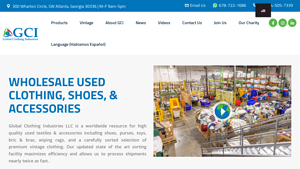
1. Global Clothing Industries – High-Quality Used Textiles & Accessories
Domain: gciatl.com
Registered: 2006 (19 years)
Introduction: Global Clothing Industries LLC offers a wide range of high-quality used textiles and accessories, including: Used Clothing, Used Shoes, Used Purses and Bags, Used Hard Toys, Used Soft Toys, Bric & Brac, Recycled Industrial Wiping Rags, and Vintage Clothing. They have over 600 SKUs of used clothing and consignment inventory, with a total warehouse space of over 130,000 square feet. Their vintage cl…
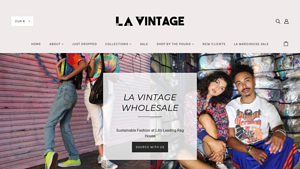
2. LA Vintage – Wholesale Vintage Clothing
Domain: lavintage.com
Registered: 1999 (26 years)
Introduction: LA Vintage is a wholesale vintage clothing supplier based in Los Angeles, specializing in sustainable fashion. They offer a wide range of vintage clothing, shoes, and accessories for men, women, and children. Their products are available in bulk, with options such as 100 lbs bales, 50 lbs boxes, and pallets (900 lbs). The company has over 29 years of experience in the industry and operates a 42,00…
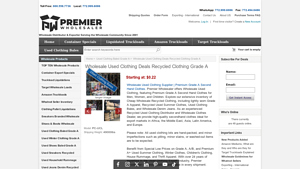
3. Premier Wholesaler – Grade A Used Clothing
Domain: premierwholesaler.com
Registered: 2001 (24 years)
Introduction: Wholesale Used Clothing Deals Recycled Clothing Grade A [PC-UCL] – $0.22 per lb. Shipping Weight: 49,000 lbs. Premium Grade A Second Hand Clothes for Men, Women, and Children. Includes lightly worn Grade A Apparel, Recycled Used Summer Clothes, Used Clothing Bales, and Wholesale Denim Jeans. Hand-packed lots may have minor imperfections. Special low prices on Grade A, A/B, and Premium A+ Used Summ…
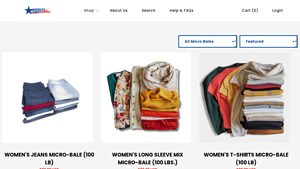
4. America’s Thrift Supply – Fast Delivery
5. Bank & Vogue – Credential Clothing
Domain: bankvogue.com
Registered: 2003 (22 years)
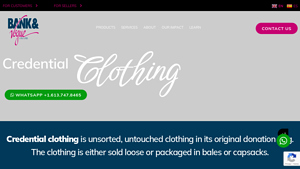
Introduction: Credential clothing is unsorted, untouched clothing in its original donation bag. It is sold loose or packaged in bales or capsacks. Bank and Vogue exports credential clothing globally, collected by nonprofit organizations and private collectors from the United States, Canada, Australia, and Europe. The clothing is 100% credentialed, meaning it has not been sorted or touched. On average, suppliers…
6. A&E Used Clothing – Wholesale Second-Hand Apparel
Domain: aeclothing.net
Registered: 2006 (19 years)
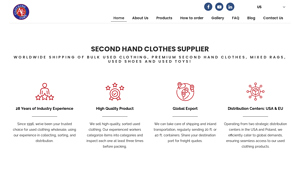
Introduction: A&E Used Clothing specializes in wholesale second-hand clothes, offering premium quality used clothing, mixed rags, used shoes, and used toys. They have 28 years of industry experience, processing over 100,000 pounds of used clothing daily. The company inspects each item at least three times before packing and operates from distribution centers in the USA and Poland, providing global shipping. The…
7. Thrift Vintage Fashion – Bulk Secondhand Clothing Bales
Domain: thriftvintagefashion.com
Registered: 2020 (5 years)
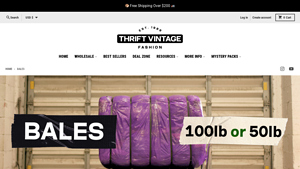
Introduction: Bales ship in 50lb boxes. Grade A condition with up to 15% grade B. Fast shipping. 30 years experience offering consistent quality American secondhand clothing in bulk. Bales ship directly to your door anywhere in the continental USA for under $100.
8. Bata USA – Wholesale Sorted Used Clothing
Domain: batausa.com
Registered: 2013 (12 years)
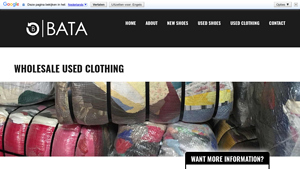
Introduction: Wholesale Used Clothing – High-Quality, Sorted Clothing Bales
1. **Sorted Used Clothing**: Exported in bales of 100 lbs (45 kg).
– **Africa #1 Bales**: Premium grade used clothing from unsorted and untouched donations (Credential/Original Clothing). Distributed to East and West Africa.
– **Africa #2 Bales**: Used clothing with no damages but may be faded or have washable stains. Deeply disc…
Understanding wholesale used clothing bales usa Types and Variations
| Type Name | Key Distinguishing Features | Primary B2B Applications | Brief Pros & Cons for Buyers |
|---|---|---|---|
| Mixed Clothing Bales | A variety of clothing types, including casual, formal, and children’s wear. | Thrift stores, online resale platforms, and flea markets. | Pros: Diverse inventory; Cons: Quality may vary. |
| Vintage Clothing Bales | Carefully sorted items from specific decades, often featuring unique styles. | Boutique retailers, film and theater costume departments. | Pros: High resale value; Cons: Limited availability. |
| Premium Quality Bales | High-grade items, often from well-known brands, thoroughly inspected. | High-end resale shops, export to fashion-conscious markets. | Pros: Consistent quality; Cons: Higher price point. |
| Rags and Wiping Cloths | Clothing deemed unsuitable for resale, often recycled into rags. | Industrial cleaning companies, manufacturing sectors. | Pros: Eco-friendly; Cons: Lower profit margins. |
| Seasonal Bales | Clothing sorted by season (e.g., summer, winter), often including accessories. | Retailers focusing on seasonal sales, pop-up shops. | Pros: Timely inventory; Cons: Limited shelf life. |
What Are Mixed Clothing Bales and Their B2B Suitability?
Mixed clothing bales contain a diverse assortment of garments, ranging from casual wear to formal attire, including children’s clothing. These bales are ideal for thrift stores and online resale platforms, providing a broad selection for varied customer preferences. When purchasing, buyers should consider the potential variability in quality, as the assortment may include both high-quality and less desirable items. This type of bale is excellent for businesses looking to cater to a wide audience without a significant upfront investment.
Why Choose Vintage Clothing Bales for Your Retail Business?
Vintage clothing bales are composed of carefully curated garments from specific eras, often characterized by unique styles and high-quality craftsmanship. These bales are particularly sought after by boutique retailers and costume departments in the film industry. Buyers should be aware that while vintage items can command a higher resale price, the availability is often limited, making it essential to act quickly when sourcing these bales. This option is perfect for businesses aiming to attract niche markets and fashion enthusiasts.
What Makes Premium Quality Bales a Smart Investment?
Premium quality bales consist of high-grade clothing items, frequently sourced from reputable brands. These bales undergo rigorous inspection processes to ensure only the best items are included. They are particularly beneficial for high-end resale shops and markets that prioritize quality over quantity. While the upfront cost is typically higher, the consistent quality can lead to increased customer satisfaction and loyalty, making them a worthwhile investment for discerning buyers.
How Are Rags and Wiping Cloths Utilized in B2B Markets?
Rags and wiping cloths are produced from clothing that does not meet resale standards. These items are often repurposed for industrial cleaning and manufacturing applications. While this option may not yield high profit margins, it offers an eco-friendly solution for businesses looking to reduce waste. Companies focused on sustainability will find this type of bale appealing, as it aligns with environmentally conscious practices.
What Are the Benefits of Seasonal Bales for Retailers?
Seasonal bales contain clothing sorted by specific seasons, often including complementary accessories. This type of inventory is particularly advantageous for retailers who wish to capitalize on seasonal trends and consumer demand. However, buyers should consider the limited shelf life of these items, as they may need to sell quickly to avoid excess inventory. Seasonal bales are an excellent choice for businesses that thrive on timely, trend-based sales.
Key Industrial Applications of wholesale used clothing bales usa
| Industry/Sector | Specific Application of wholesale used clothing bales usa | Value/Benefit for the Business | Key Sourcing Considerations for this Application |
|---|---|---|---|
| Retail & Thrift Stores | Reselling mixed bales of clothing in local markets | Access to affordable inventory, catering to diverse customer preferences | Quality assurance, sorting standards, and reliable shipping timelines |
| Export & Import Businesses | Bulk distribution of used clothing to developing markets | Profitable margins from selling high-demand second-hand goods | Compliance with import regulations and market demand analysis |
| Fashion Resale Platforms | Curated collections for online resale | Competitive edge with unique, high-quality vintage items | Provenance of clothing, grading standards, and marketing support |
| Charitable Organizations | Supplying affordable clothing to underserved communities | Addressing social issues while generating revenue | Ethical sourcing practices and partnership opportunities |
| Eco-Friendly Initiatives | Promoting sustainable fashion through recycled clothing | Enhancing brand image and meeting consumer demand for sustainability | Transparency in sourcing practices and environmental impact assessments |
How Are Wholesale Used Clothing Bales Used in Retail & Thrift Stores?
Retail and thrift stores often purchase wholesale used clothing bales to stock their inventory. These bales provide a cost-effective way to offer a wide variety of clothing styles, appealing to diverse customer bases. By sourcing these bales, retailers can cater to different demographics, including budget-conscious consumers and those seeking unique fashion finds. Buyers should ensure that the supplier adheres to quality assurance processes and can provide consistent shipping timelines to maintain inventory levels.
What Role Do Wholesale Used Clothing Bales Play in Export & Import Businesses?
Export and import businesses leverage wholesale used clothing bales to meet the growing demand for affordable apparel in developing markets. These businesses benefit from higher profit margins by reselling second-hand clothing that is often more affordable than new garments. International buyers must consider compliance with local import regulations, as well as conducting market demand analyses to ensure that the products offered align with local consumer preferences.
How Do Fashion Resale Platforms Utilize Wholesale Used Clothing Bales?
Fashion resale platforms frequently utilize wholesale used clothing bales to create curated collections of vintage and second-hand clothing. This practice not only appeals to eco-conscious consumers but also allows these platforms to differentiate themselves in a competitive market. Buyers in this sector should prioritize suppliers who can provide detailed provenance and adhere to strict grading standards, ensuring the quality and authenticity of the items.
In What Ways Do Charitable Organizations Benefit from Wholesale Used Clothing Bales?
Charitable organizations often source wholesale used clothing bales to provide affordable clothing options to underserved communities. This approach not only addresses social issues but also generates revenue that can be reinvested into community programs. When sourcing from suppliers, organizations should focus on ethical sourcing practices and explore partnership opportunities to enhance their impact.
How Do Eco-Friendly Initiatives Leverage Wholesale Used Clothing Bales?
Eco-friendly initiatives utilize wholesale used clothing bales as part of their strategy to promote sustainable fashion. By recycling and reselling second-hand clothing, these initiatives help reduce textile waste and encourage responsible consumption. Buyers involved in such initiatives should seek transparency in sourcing practices and conduct environmental impact assessments to align with their sustainability goals.
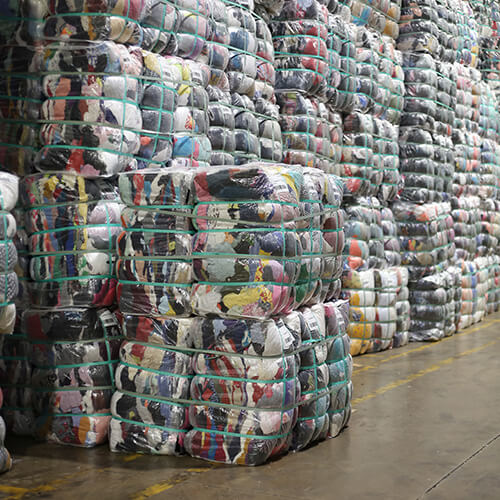
A stock image related to wholesale used clothing bales usa.
3 Common User Pain Points for ‘wholesale used clothing bales usa’ & Their Solutions
Scenario 1: Navigating Quality Assurance Challenges in Used Clothing Bales
The Problem: Many B2B buyers face significant challenges regarding the quality of used clothing bales. Often, they receive products that do not meet their expectations in terms of condition, style, or brand representation. This is particularly concerning for retailers who rely on high-quality merchandise to attract and retain customers. The inconsistency in quality can lead to financial losses, customer dissatisfaction, and even damage to their brand reputation.
The Solution: To ensure quality, buyers should establish clear communication with their suppliers about specific quality standards and grading processes. Before finalizing an order, it is advisable to request samples of the bales. This allows buyers to assess the condition, style, and brand representation firsthand. Additionally, developing a partnership with suppliers who have a robust quality assurance process can mitigate risks. Suppliers should be able to share their sorting and inspection methods, demonstrating their commitment to high standards. Regular audits and maintaining open lines of communication can further enhance trust and satisfaction in the procurement process.
Scenario 2: Shipping and Delivery Delays Impacting Inventory Management
The Problem: Timely delivery is crucial for B2B buyers who depend on consistent inventory for their businesses. Delays in shipping used clothing bales can disrupt sales cycles, lead to stockouts, and ultimately affect revenue. For international buyers, particularly those from regions like Africa and South America, these delays can be exacerbated by logistical challenges, customs clearance issues, and varying shipping regulations.
The Solution: To address shipping delays, buyers should work closely with suppliers who have established logistics networks and can provide detailed shipping timelines. It is beneficial to negotiate terms that include penalties for delays, ensuring accountability from suppliers. Buyers can also consider using freight forwarders with experience in shipping to their specific regions, as they can navigate customs and other logistical challenges more efficiently. Implementing an advanced inventory management system that can forecast demand and account for potential delays will help businesses maintain a steady flow of products and reduce the impact of unforeseen shipping issues.
Scenario 3: Understanding Cost Structures and Pricing Transparency
The Problem: B2B buyers often struggle with opaque pricing structures when purchasing wholesale used clothing bales. Hidden costs, fluctuating prices, and a lack of clarity regarding what is included in the pricing can lead to budgeting challenges and affect overall profitability. This confusion can be particularly pronounced for international buyers who may face additional fees related to shipping, customs, and handling.
The Solution: To ensure transparency in pricing, buyers should request a detailed breakdown of costs from their suppliers. This should include the price per bale, shipping fees, handling charges, and any additional costs that may arise. Establishing a clear understanding of the pricing structure upfront will help in budgeting and forecasting expenses accurately. Furthermore, buyers should consider forming long-term relationships with suppliers who are willing to offer consistent pricing and loyalty discounts. By leveraging technology, such as procurement software, buyers can also track and compare costs over time, helping them to make informed purchasing decisions and negotiate better terms.
Strategic Material Selection Guide for wholesale used clothing bales usa
What Are the Key Materials in Wholesale Used Clothing Bales?
In the wholesale used clothing industry, the selection of materials significantly influences the quality, durability, and marketability of the products. Understanding the common materials found in used clothing bales is essential for B2B buyers, especially when considering factors such as performance, cost, and compliance with international standards. Below, we analyze several prevalent materials, their properties, advantages, disadvantages, and considerations for international buyers.
What Are the Key Properties of Cotton in Used Clothing Bales?
Cotton is one of the most widely used materials in clothing, known for its breathability and comfort. It typically offers excellent moisture absorption, making it suitable for various climates. Cotton garments can withstand repeated washing and maintain their shape and color, which is crucial for resale markets.
Pros and Cons:
– Pros: Durable, soft, and hypoallergenic. Cotton is also biodegradable, appealing to eco-conscious consumers.
– Cons: It can shrink when washed improperly, and its production is water-intensive. Additionally, cotton clothing may be more prone to wrinkling.
Impact on Application:
Cotton’s compatibility with various dyes and finishes allows for a wide range of styles and colors, making it a versatile choice for resale. However, buyers should be aware of the potential for shrinkage and fading.
Considerations for International Buyers:
Buyers from regions like Africa and South America should ensure that cotton products meet local standards for textile quality. Compliance with ASTM or ISO standards can enhance market acceptance.
How Does Polyester Perform in Used Clothing Bales?
Polyester is a synthetic fiber known for its strength and resistance to stretching and shrinking. It dries quickly and resists wrinkles, making it an attractive option for consumers looking for low-maintenance clothing.
Pros and Cons:
– Pros: Highly durable and resistant to environmental conditions. Polyester garments are often less expensive than cotton.
– Cons: It is less breathable than natural fibers, which can be a drawback in hot climates. Additionally, polyester is not biodegradable, raising environmental concerns.
Impact on Application:
Polyester’s durability makes it suitable for activewear and outdoor clothing, but its lower breathability can limit its appeal in warmer regions.
Considerations for International Buyers:
Buyers should verify that polyester garments comply with local regulations regarding synthetic materials, particularly in Europe where environmental standards are stringent.
What Role Does Wool Play in Used Clothing Bales?
Wool is valued for its thermal insulation and moisture-wicking properties. It is particularly suitable for colder climates, making it a popular choice for winter clothing.
Pros and Cons:
– Pros: Naturally insulating and breathable, wool is also resistant to fire and has inherent antibacterial properties.
– Cons: Wool can be more expensive and requires careful washing to avoid felting. It is also prone to moth damage.
Impact on Application:
Wool’s unique properties make it ideal for high-quality garments such as sweaters and coats. However, its cost may limit its marketability in price-sensitive regions.
Considerations for International Buyers:
Buyers in the Middle East and Europe should ensure that wool products adhere to local quality standards and consider the demand for sustainable sourcing.
Why Is Denim Important in Used Clothing Bales?
Denim, a sturdy cotton twill fabric, is synonymous with casual wear and is highly sought after in the used clothing market. Its durability and timeless appeal make it a staple in many wardrobes.
Pros and Cons:
– Pros: Extremely durable and versatile, denim can be styled in numerous ways. It also has a strong resale value.
– Cons: Denim can be heavy and may require special washing to maintain its color and texture. Additionally, it may not be suitable for warmer climates.
Impact on Application:
Denim’s widespread popularity ensures a consistent demand, especially among younger consumers. However, its weight can increase shipping costs, which is a consideration for international buyers.
Considerations for International Buyers:
Buyers should be aware of the varying preferences for denim styles across different regions and ensure compliance with local fabric regulations.
Summary Table of Material Properties and Considerations
| Material | Typical Use Case for wholesale used clothing bales usa | Key Advantage | Key Disadvantage/Limitation | Relative Cost (Low/Med/High) |
|---|---|---|---|---|
| Cotton | Casual wear, t-shirts, and dresses | Breathable and soft | Prone to shrinkage | Medium |
| Polyester | Activewear, casual clothing | Durable and quick-drying | Less breathable | Low |
| Wool | Sweaters, coats, and thermal wear | Insulating and moisture-wicking | Higher cost and care required | High |
| Denim | Jeans, jackets, and casual wear | Strong resale value | Heavy and may require special care | Medium |
This strategic material selection guide provides a comprehensive overview for B2B buyers looking to navigate the wholesale used clothing market effectively. Understanding these materials will aid in making informed purchasing decisions that align with market demands and regional preferences.
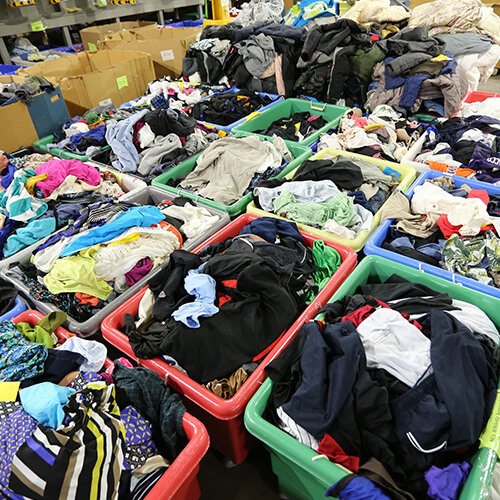
A stock image related to wholesale used clothing bales usa.
In-depth Look: Manufacturing Processes and Quality Assurance for wholesale used clothing bales usa
What Are the Main Stages in the Manufacturing Process for Wholesale Used Clothing Bales in the USA?
The manufacturing process for wholesale used clothing bales typically consists of several key stages: material preparation, sorting, packing, and shipping. Each stage is critical to ensuring that the final product meets quality standards and buyer expectations.
How Is Material Prepared for Used Clothing Bales?
Material preparation begins with sourcing used clothing from various collection points, such as donation centers, thrift stores, and direct consumer contributions. This clothing is then transported to sorting facilities where it undergoes an initial inspection. During this phase, items are assessed for wear and tear, and any unsuitable garments are removed from the production line. High-quality items are categorized based on type, brand, and condition to facilitate efficient sorting.
What Techniques Are Used for Sorting and Packing?
Sorting is a crucial stage where experienced workers categorize clothing into defined groups, such as men’s, women’s, children’s, and vintage items. Each item is thoroughly inspected—often up to three times—before it is approved for packing. Techniques such as optical sorting and manual inspection are employed to ensure that only high-quality items make it to the bales.
Once sorted, the clothing is baled using industrial baling machines. This process compresses the clothing into tightly packed bales, maximizing container utilization for shipping. Advanced techniques allow companies to fill containers to nearly 100% capacity, reducing shipping costs and environmental impact.
How Is Quality Assurance Integrated into the Manufacturing Process?
Quality assurance (QA) is embedded throughout the manufacturing process, with a focus on maintaining high standards that meet both international and industry-specific regulations. The implementation of a robust QA system not only ensures compliance but also builds trust with international B2B buyers.
What International Standards Are Relevant for Quality Assurance?
One of the most recognized international standards for quality management is ISO 9001. This standard outlines a framework for consistent quality in products and services, emphasizing customer satisfaction and continual improvement. Many suppliers of wholesale used clothing also adhere to industry-specific standards such as CE marking for consumer safety and compliance.
What Are the Key QC Checkpoints During Production?
Quality control (QC) checkpoints are strategically placed throughout the manufacturing process to catch any issues early. These checkpoints typically include:
-
Incoming Quality Control (IQC): This initial checkpoint occurs as materials arrive at the facility. Items are inspected for quality and compliance with specified criteria.
-
In-Process Quality Control (IPQC): During the sorting and packing stages, ongoing inspections are conducted to ensure that the items meet predefined quality standards. This may involve random sampling of bales to verify that they contain the correct mix and quality of clothing.
-
Final Quality Control (FQC): Before shipment, a final inspection is conducted to ensure that the bales meet all quality standards. This includes checking the packaging, labeling, and overall condition of the bales.
What Testing Methods Are Commonly Used in Quality Assurance?
Several testing methods are employed to assess the quality of used clothing, ensuring they meet both safety and performance standards. Common testing methods include:
- Visual Inspection: A thorough visual check for any defects, stains, or damages.
- Material Testing: Assessing the fabric for durability and compliance with safety standards, especially for children’s clothing.
- Functionality Testing: Ensuring that zippers, buttons, and other functional elements work as intended.
How Can B2B Buyers Verify Supplier Quality Control?
For international B2B buyers, verifying a supplier’s quality control practices is crucial to mitigate risks. Here are several ways to achieve this:
-
Supplier Audits: Conducting regular audits of the supplier’s facilities can provide insight into their manufacturing processes and quality control measures. This can be done by the buyer or through third-party inspection services.
-
Quality Assurance Reports: Requesting detailed QA reports can help buyers understand the QC processes in place. These reports should outline the results of various quality checks and any corrective actions taken in response to issues identified.
-
Third-Party Inspections: Engaging third-party inspection agencies to conduct random checks on the shipments can provide an unbiased assessment of the product quality before it reaches the buyer.
What Nuances Should International Buyers Consider Regarding Quality Control?
International B2B buyers, particularly from regions like Africa, South America, the Middle East, and Europe, should be aware of several nuances in the quality control landscape:
-
Cultural Differences: Different regions may have varying expectations regarding product quality and safety standards. Understanding these differences is essential for successful negotiations and long-term partnerships.
-
Regulatory Compliance: Buyers must ensure that the products comply with local regulations in their countries. This may include certifications, labeling requirements, and safety standards that differ from those in the USA.
-
Sustainability Practices: Increasingly, international buyers are interested in the sustainability practices of their suppliers. Ensuring that suppliers follow environmentally friendly practices can enhance a buyer’s brand reputation and appeal to eco-conscious consumers.
By understanding the manufacturing processes and quality assurance measures in place for wholesale used clothing bales, international B2B buyers can make informed decisions that align with their business needs and customer expectations.
Practical Sourcing Guide: A Step-by-Step Checklist for ‘wholesale used clothing bales usa’
In today’s competitive market, sourcing wholesale used clothing bales from the USA can provide significant advantages for international B2B buyers. This step-by-step checklist will guide you through the process, ensuring you make informed decisions that align with your business goals.
Step 1: Identify Your Market Needs
Understanding your target market is essential before sourcing used clothing. Analyze the preferences, styles, and price points that appeal to your customers. This insight will help you select the right type of bales—whether they are vintage, high-quality brands, or mixed styles—ensuring your inventory meets market demand.
Step 2: Research Reputable Suppliers
Start by compiling a list of potential suppliers who specialize in wholesale used clothing bales. Look for companies with established reputations, verified reviews, and industry experience. Prioritize suppliers who provide transparency in their sourcing and processing methods, which can help ensure quality and reliability.
Step 3: Evaluate Supplier Certifications
Before finalizing your supplier choice, verify any relevant certifications they may hold. Look for certifications related to quality control, environmental standards, and ethical sourcing practices. This not only adds a layer of trust but also aligns with growing consumer demand for sustainable and ethically sourced products.
Step 4: Request Product Samples
Always request samples of the clothing bales before committing to a large order. Inspect the quality, condition, and style of the items included in the sample. This step helps ensure that the bales meet your expectations and minimizes the risk of customer dissatisfaction once the products are in your inventory.
Step 5: Confirm Shipping and Logistics Options
Discuss shipping methods and logistics with your chosen supplier. Understand the costs, timelines, and shipping methods available, whether by land or sea. Efficient logistics are crucial for maintaining your supply chain and ensuring timely delivery to your market.
Step 6: Negotiate Pricing and Terms
Engage in discussions about pricing, payment terms, and return policies. Many suppliers may offer discounts for bulk purchases or long-term contracts. Ensure that the terms are favorable and that you fully understand the implications of any agreements before signing.
Step 7: Establish a Clear Communication Channel
Lastly, set up a reliable communication channel with your supplier. Clear communication will facilitate the resolution of any issues that may arise during the sourcing process. Regular updates on inventory levels, shipping status, and market trends can also help you make informed decisions moving forward.
By following this checklist, B2B buyers can effectively navigate the complexities of sourcing wholesale used clothing bales from the USA, ensuring they make strategic decisions that enhance their business operations.
Comprehensive Cost and Pricing Analysis for wholesale used clothing bales usa Sourcing
What Are the Key Cost Components in Sourcing Wholesale Used Clothing Bales from the USA?
When sourcing wholesale used clothing bales from the USA, understanding the cost structure is critical for international buyers. The primary cost components include:
-
Materials: The cost of used clothing is influenced by the quality and type of garments. Premium brands and vintage items can significantly increase material costs. Suppliers often categorize clothing into various grades, which affects pricing.
-
Labor: Labor costs encompass sorting, grading, and packing the clothing. Efficient sorting operations with experienced staff can enhance product quality, which may justify higher prices. Labor costs may vary based on the supplier’s location and operational efficiency.
-
Manufacturing Overhead: This includes costs related to maintaining sorting facilities, utilities, and equipment depreciation. Suppliers with modern facilities may charge a premium due to their ability to process larger volumes efficiently.
-
Tooling: While not as significant in clothing sourcing, tooling costs refer to the equipment used in the sorting and baling processes. Efficient tooling can minimize waste and improve the quality of the bales, thus impacting overall pricing.
-
Quality Control (QC): Implementing stringent QC measures ensures that only high-quality items are packaged. This often involves multiple inspections before bales are formed, which can add to the cost but ultimately enhances buyer satisfaction.
-
Logistics: Shipping costs, including freight and insurance, are vital considerations. Logistics costs can vary greatly depending on the destination, shipping method, and container utilization rates. Suppliers that maximize container capacity can offer more competitive pricing.
-
Margin: Suppliers typically add a profit margin to cover their operating costs and ensure business sustainability. This margin can vary based on supplier reputation, market demand, and the uniqueness of the clothing offered.
What Price Influencers Should International Buyers Consider?
Several factors can influence the pricing of wholesale used clothing bales:
-
Volume and Minimum Order Quantity (MOQ): Larger orders often qualify for bulk pricing discounts. Buyers should consider their capacity to store and sell larger quantities to leverage better pricing.
-
Specifications and Customization: Specific requests for types of clothing, sizes, or brands can lead to variations in pricing. Customization may incur additional costs but can meet unique market needs.
-
Materials and Quality Certifications: Higher-quality items, particularly those from well-known brands, generally command higher prices. Certifications related to quality or sustainability can also influence pricing.
-
Supplier Factors: The reputation and reliability of the supplier play a significant role in pricing. Established suppliers with a proven track record may charge a premium but offer greater assurance of quality and service.
-
Incoterms: Understanding Incoterms is crucial for international shipping. Terms like FOB (Free on Board) or CIF (Cost, Insurance, and Freight) will affect overall costs and responsibilities during shipping.
What Are Essential Buyer Tips for Cost-Efficiency in Sourcing?
International B2B buyers should consider the following strategies to enhance cost-efficiency:
-
Negotiation: Always negotiate terms and prices with suppliers. Establishing a long-term relationship can lead to better deals and more favorable payment terms.
-
Total Cost of Ownership (TCO): Evaluate the total cost of acquiring the bales, including shipping, customs duties, and potential storage costs. TCO analysis helps identify the most cost-effective sourcing strategies.
-
Pricing Nuances: Be aware of pricing fluctuations based on market demand and seasonality. Timing your orders can lead to substantial savings, especially during off-peak seasons.
-
Quality Assurance: Prioritize suppliers who offer robust quality assurance processes. Investing in high-quality bales can lead to better resale value and customer satisfaction.
-
Research and Compare: Conduct thorough research and compare multiple suppliers. Consider factors such as delivery times, payment terms, and after-sales support to make informed decisions.
Disclaimer
Prices and costs mentioned in this analysis are indicative and subject to change based on market conditions, supplier policies, and other external factors. Always consult with suppliers for the most accurate and current pricing information.
Alternatives Analysis: Comparing wholesale used clothing bales usa With Other Solutions
Exploring Alternatives to Wholesale Used Clothing Bales from the USA
In the dynamic landscape of global fashion and textile sourcing, businesses often seek alternatives to wholesale used clothing bales from the USA. While these bales offer a convenient and cost-effective solution for accessing high-quality second-hand apparel, it is essential to compare them with other viable options. This analysis will examine various alternatives to help international B2B buyers make informed decisions based on their specific needs.
| Comparison Aspect | Wholesale Used Clothing Bales USA | Direct Sourcing from Local Thrift Stores | Retail Arbitrage of Used Clothing |
|---|---|---|---|
| Performance | High-quality, sorted bales; variety of brands and styles | Variable quality; depends on local inventory | Quality can vary; dependent on market trends |
| Cost | Competitive bulk pricing; shipping costs can be minimized | Potentially lower initial costs; may require more time | Variable costs; potential for high markup |
| Ease of Implementation | Streamlined process; easy ordering and shipping logistics | Time-consuming; requires frequent visits and manual sourcing | Requires knowledge of market trends and pricing |
| Maintenance | Minimal; once sourced, products are ready for resale | Ongoing; need to manage inventory and quality | Moderate; requires constant market evaluation |
| Best Use Case | Ideal for established retailers seeking consistent supply | Suitable for startups and small businesses with local focus | Best for entrepreneurs familiar with resale markets |
What Are the Pros and Cons of Direct Sourcing from Local Thrift Stores?
Direct sourcing from local thrift stores can be a cost-effective alternative for businesses looking to minimize expenses. This approach allows buyers to hand-pick items, ensuring a personal touch and unique inventory. However, the quality and availability of clothing can vary significantly based on location and time. Additionally, this method can be time-intensive, requiring frequent visits and ongoing management of the inventory.
How Does Retail Arbitrage of Used Clothing Compare?
Retail arbitrage involves purchasing used clothing from various sources, such as thrift stores or clearance sales, and reselling them at a profit. This method can yield significant returns if executed correctly, especially for those knowledgeable about current fashion trends and consumer demand. However, it requires a keen understanding of the market and can be unpredictable, with fluctuating prices impacting profitability. Moreover, the time and effort involved in sourcing and managing inventory may not be feasible for all businesses.
Conclusion: How Should B2B Buyers Choose the Right Solution?
When selecting the most suitable sourcing method, B2B buyers should assess their specific business needs, capacity for inventory management, and market understanding. Wholesale used clothing bales from the USA offer a reliable, efficient, and diverse inventory option, making them ideal for established retailers. In contrast, direct sourcing and retail arbitrage may appeal to smaller businesses or entrepreneurs looking for unique inventory at potentially lower costs. Ultimately, the right choice will depend on balancing quality, cost, and operational efficiency to meet market demands effectively.
Essential Technical Properties and Trade Terminology for wholesale used clothing bales usa
What Are the Key Technical Properties of Wholesale Used Clothing Bales in the USA?
When engaging in the wholesale used clothing market, understanding the technical properties of the bales you are purchasing is crucial for making informed decisions. Here are some critical specifications:
1. Material Grade
Material grade refers to the quality of the clothing included in the bales. It can range from first-quality items (gently used or like new) to mixed rags (lower-quality items suitable for recycling). B2B buyers must assess material grade to ensure the products meet their market’s quality expectations, which can affect resale value and customer satisfaction.
2. Bale Weight
Typically, bales of used clothing can weigh between 100 to 200 pounds (45 to 90 kg). The weight of the bale can impact shipping costs and logistics planning. Buyers need to consider their capacity for handling and transporting these weights to optimize their supply chain and minimize costs.
3. Bale Size and Dimensions
The dimensions of bales can vary significantly, often influenced by the packing techniques used. Standard sizes might include 24″ x 24″ x 36″ for larger bales. Understanding bale size is essential for efficient storage and transportation, as it impacts how many bales can fit into a shipping container and the overall shipping costs.
4. Sorting and Grading Process
The sorting process involves categorizing clothing into various quality levels before baling. A well-defined sorting process ensures that only items meeting specific criteria are included, which is vital for maintaining product quality. Buyers should inquire about the grading standards used by suppliers to ensure they align with their business needs.
5. Container Utilization Rate
This term refers to the percentage of a shipping container that is filled with product. An optimal utilization rate, ideally around 99%, can significantly reduce shipping costs per unit. Buyers should prioritize suppliers who maximize container space to enhance their cost-efficiency in logistics.
Which Trade Terms Are Commonly Used in the Wholesale Used Clothing Industry?
Familiarity with industry-specific jargon is essential for effective communication and negotiation in the wholesale used clothing market. Here are some common terms:
1. MOQ (Minimum Order Quantity)
MOQ is the smallest quantity of a product that a supplier is willing to sell. Understanding the MOQ is crucial for B2B buyers as it influences how much inventory they need to purchase upfront. Suppliers may set MOQs to ensure profitability, so knowing this term helps in budgeting and planning.
2. RFQ (Request for Quotation)
An RFQ is a document sent to suppliers requesting pricing and other terms for specific products. In the context of wholesale used clothing, an RFQ allows buyers to compare offers from different suppliers. A well-structured RFQ can facilitate better negotiation and ensure that buyers receive competitive pricing.
3. OEM (Original Equipment Manufacturer)
OEM refers to a company that produces parts or products that are used in another company’s end products. In the used clothing market, this term may not be as prevalent but can relate to businesses that resell branded items. Understanding OEM helps buyers identify authentic products versus generic alternatives.
4. Incoterms
Incoterms are international commercial terms that define the responsibilities of buyers and sellers in shipping arrangements. Familiarity with these terms, such as FOB (Free on Board) or CIF (Cost, Insurance, and Freight), is essential for B2B buyers to understand their liability and shipping costs.
5. FCL (Full Container Load) vs. LCL (Less than Container Load)
FCL refers to a shipment that occupies an entire container, while LCL involves sharing container space with other shipments. B2B buyers should evaluate their needs based on volume and cost-effectiveness, as choosing between FCL and LCL can significantly affect shipping expenses.
By grasping these essential properties and terms, international B2B buyers can navigate the wholesale used clothing market more effectively, ensuring they make informed decisions that align with their business strategies.
Navigating Market Dynamics and Sourcing Trends in the wholesale used clothing bales usa Sector
What Are the Current Market Dynamics and Key Trends in the Wholesale Used Clothing Bales USA Sector?
The wholesale used clothing bales market in the USA is experiencing robust growth driven by several global factors. Increasing consumer awareness around sustainability and the circular economy is pushing demand for second-hand clothing across various regions, particularly in Africa, South America, the Middle East, and Europe. As economies in these regions develop, there is a growing preference for affordable yet high-quality clothing options, making the import of used clothing an attractive proposition for B2B buyers.
Technological advancements are also influencing the sourcing landscape. Digital platforms are streamlining the procurement process, allowing international buyers to easily access inventories, track shipments, and manage orders. Moreover, innovations in sorting and packaging technologies are enabling suppliers to maximize container utilization, thereby reducing shipping costs. This efficiency is particularly appealing for businesses operating in markets where margins are tight.
Emerging trends such as the rise of vintage clothing are reshaping the industry. Many B2B buyers are now seeking specialized suppliers who can provide curated selections of vintage apparel to cater to niche markets. As these trends evolve, international buyers should remain agile and responsive to shifting consumer preferences while leveraging technology to enhance their sourcing strategies.
How Is Sustainability and Ethical Sourcing Impacting the Wholesale Used Clothing Bales USA Sector?
Sustainability is becoming a cornerstone of the wholesale used clothing bales sector, with both buyers and suppliers increasingly prioritizing ethical sourcing practices. The environmental impact of textile waste is substantial, prompting companies to adopt more responsible practices. By sourcing used clothing, businesses can significantly reduce their carbon footprint while contributing to waste reduction efforts.
Ethical supply chains are essential, as consumers are more informed and concerned about the origins of their clothing. Buyers are encouraged to partner with suppliers who emphasize transparency in their sourcing processes and adhere to environmental regulations. Certifications such as Global Organic Textile Standard (GOTS) and Fair Trade can serve as indicators of a supplier’s commitment to sustainability and ethical practices.
Moreover, the incorporation of ‘green’ materials and practices—such as recycling and repurposing used textiles—adds value to the wholesale used clothing proposition. B2B buyers who prioritize sustainable sourcing can differentiate themselves in a competitive market, appealing to eco-conscious consumers and enhancing their brand reputation.
What Is the Evolution and History of the Wholesale Used Clothing Bales Sector?
The wholesale used clothing sector in the USA has evolved significantly over the past few decades. Initially viewed as a niche market, it has transformed into a thriving industry fueled by changing consumer attitudes towards fashion and sustainability. The rise of thrift culture in the 1990s laid the groundwork for the current demand for second-hand clothing, which has only accelerated with the growing awareness of environmental issues.
As the market matured, suppliers began adopting more sophisticated sorting and grading techniques, allowing for a more consistent and high-quality product offering. Today, major players in the industry leverage advanced technology for sorting and logistics, enabling them to meet the demands of a global clientele. The expansion of e-commerce and digital marketing has further facilitated international trade, allowing businesses in developing countries to access American used clothing more easily.
This evolution has positioned the wholesale used clothing bales sector as a critical component of the global textile market, catering to a diverse range of buyers who seek quality, affordability, and sustainability in their sourcing strategies.
Frequently Asked Questions (FAQs) for B2B Buyers of wholesale used clothing bales usa
-
How do I ensure quality when purchasing wholesale used clothing bales?
To guarantee quality, always work with reputable suppliers who conduct thorough inspections and sorting processes. Request samples before placing a large order to assess the condition and variety of the clothing. Additionally, inquire about the supplier’s grading criteria and quality assurance measures. Establish a clear understanding of return policies and warranties in case the received goods do not meet your expectations. -
What are the best practices for shipping used clothing bales internationally?
When shipping used clothing bales internationally, collaborate with suppliers experienced in global logistics. Ensure they provide comprehensive shipping options, including freight quotes to your destination port. Understand the customs regulations in your country to avoid unexpected delays or additional costs. Opt for suppliers who utilize reliable carriers and offer tracking for your shipments to monitor progress. -
What should I consider regarding minimum order quantities (MOQ) for used clothing bales?
MOQs can vary significantly between suppliers, so it’s essential to discuss your specific needs upfront. Some suppliers may require larger orders to ensure cost-effectiveness, while others may accommodate smaller quantities. Clarify if the MOQ affects pricing and delivery timelines. If your business is small or just starting, look for suppliers who are flexible with order sizes to help you establish your market presence. -
How do I vet a supplier for wholesale used clothing bales?
Start by researching the supplier’s reputation through reviews and testimonials from previous clients. Request references and check their history in the industry. It’s also beneficial to visit their facility if possible to observe their sorting and packing processes. Verify certifications and compliance with international trade regulations to ensure they follow ethical and sustainable practices. -
What payment terms should I expect when buying used clothing bales?
Payment terms can vary widely among suppliers, but common practices include upfront payments, partial deposits, or payment upon delivery. Always clarify the payment methods accepted, such as bank transfers, letters of credit, or PayPal. Be aware of any additional fees that might apply, such as transaction fees or currency conversion charges. Establishing clear payment terms in your contract can help prevent misunderstandings. -
Can I customize my order of used clothing bales?
Many suppliers offer customization options, allowing you to specify the types of clothing, sizes, or brands included in your bales. Discuss your requirements with the supplier and inquire about any additional costs associated with customization. Keep in mind that larger, more consistent orders may provide more flexibility in terms of customization, so plan your inventory needs accordingly. -
What are the common challenges in sourcing used clothing bales, and how can I overcome them?
Common challenges include inconsistent quality, shipping delays, and customs issues. To overcome these, work with established suppliers who have a proven track record. Maintain clear communication with your supplier regarding expectations and timelines. Additionally, familiarize yourself with customs regulations in your country to ensure compliance and avoid unexpected delays during importation. -
How can I assess the market demand for used clothing in my region?
Conduct market research to analyze trends and consumer preferences in your area. Use surveys, social media insights, and competitor analysis to gather data on what types of clothing are in demand. Attend trade shows and networking events to gain insights from industry experts. Understanding your target market will help you make informed decisions on the types of used clothing bales to source and sell.
Important Disclaimer & Terms of Use
⚠️ Important Disclaimer
The information provided in this guide, including content regarding manufacturers, technical specifications, and market analysis, is for informational and educational purposes only. It does not constitute professional procurement advice, financial advice, or legal advice.
While we have made every effort to ensure the accuracy and timeliness of the information, we are not responsible for any errors, omissions, or outdated information. Market conditions, company details, and technical standards are subject to change.
B2B buyers must conduct their own independent and thorough due diligence before making any purchasing decisions. This includes contacting suppliers directly, verifying certifications, requesting samples, and seeking professional consultation. The risk of relying on any information in this guide is borne solely by the reader.
Strategic Sourcing Conclusion and Outlook for wholesale used clothing bales usa
In the dynamic landscape of wholesale used clothing, strategic sourcing emerges as a critical factor for B2B buyers seeking to capitalize on the growing demand for pre-owned textiles. By leveraging reliable suppliers like Global Clothing Industries and A&E Clothing, businesses can ensure access to high-quality, sorted clothing that meets consumer preferences across diverse markets. The emphasis on sustainability and cost-effectiveness makes used clothing not only a viable option but also a responsible choice in today’s economy.
International buyers from Africa, South America, the Middle East, and Europe stand to benefit significantly from establishing strong partnerships with trusted suppliers in the U.S. These relationships can enhance supply chain efficiency, reduce costs through bulk purchasing, and provide access to a wider range of products. As global trends shift toward eco-conscious consumerism, the resale market is poised for substantial growth.
Now is the time to act. By engaging with established U.S. wholesalers, you can secure your position in this thriving market. Explore your options, request quotes, and initiate discussions with suppliers to ensure your business stays ahead of the curve in the wholesale used clothing industry.