
The Ultimate Guide to Sourcing Wholesale Graphic Tees: Top 6 Compan…
Introduction: Navigating the Global Market for wholesale graphic tees
In the ever-evolving landscape of fashion retail, sourcing wholesale graphic tees presents a unique challenge for international B2B buyers. Whether you are catering to trendy boutiques in Germany or vibrant marketplaces in South America, finding high-quality, stylish, and competitively priced graphic tees that resonate with diverse consumer preferences is essential. This comprehensive guide delves into the global market for wholesale graphic tees, addressing key aspects such as different styles, materials, supplier vetting processes, and cost considerations.
By equipping you with actionable insights and strategies, this guide empowers you to make informed purchasing decisions that align with your business goals. From understanding the latest trends in graphic designs to navigating the complexities of international shipping and customs regulations, we cover all the bases. Additionally, we provide tips on evaluating supplier reliability and product quality, ensuring you partner with manufacturers that meet your standards.
For B2B buyers from Africa, the Middle East, Europe, and South America, this guide serves as a valuable resource to enhance your procurement strategies. With the right knowledge and tools, you can confidently stock your inventory with wholesale graphic tees that not only meet market demands but also drive sales and customer loyalty.
Top 10 Wholesale Graphic Tees Manufacturers & Suppliers List
1. Katydid Wholesale – Trendy Short Sleeve T-Shirts
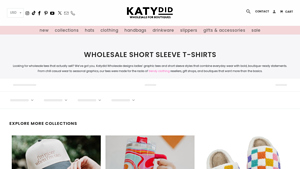
Domain: katydidwholesale.com
Registered: 2010 (15 years)
Introduction: Wholesale short sleeve t-shirts designed for boutiques and stores. Features include:
– Soft fabrics and flattering fits
– Bold graphics and trendy designs
– Suitable for casual wear and layering
– Statement-making styles that appeal to a diverse customer base
– Low minimum order of $50
– Fast shipping from Dallas, Texas
– Always-updated inventory with the latest styles
– No high buy-in requirement…
2. Texas True Threads – Wholesale Graphic Tees & Screen Print Shirts
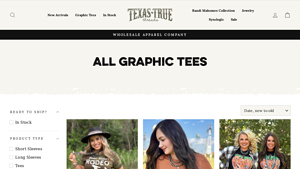
Domain: texastruethreads.com
Registered: 2016 (9 years)
Introduction: Wholesale Graphic Tees & Screen Print Shirts from Texas True Threads. Product types include short sleeves, long sleeves, sweaters, and sweatshirts. Available colors: Black, Cream, Green, Blue, Neon Pink, Leopard, Camo, Rust, Silver, Turquoise, Red, White. Various designs include themes like Western, Funny, Sports, Holiday, Christian, and State Pride. Seasonal tees for St. Patrick’s Day, Valentine’…
3. Threadheads – Custom Apparel & Accessories

Domain: threadheads.com
Registered: 1996 (29 years)
Introduction: Threadheads offers a variety of products including Classic Tees, Oversized Tees, Wash Tees, Baby Tees, Hoodies, Sweatshirts, Socks, Enamel Pins, and Mugs. All products are made-to-order in Melbourne, Australia, and feature vibrant prints that last after 30+ washes. The company provides wholesale pricing with discounts of up to 50% based on order volumes, and they have a fast turnaround time, aimin…
4. Assorted – Wholesale Bulk Lot Graphic Tee Shirts (20)
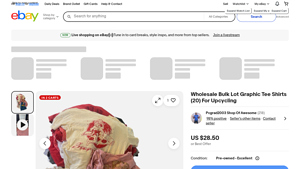
Domain: ebay.com
Registered: 1995 (30 years)
Introduction: Wholesale Bulk Lot Graphic Tee Shirts (20) for Upcycling. Condition: Pre-owned – Excellent. Quantity: 1 available. Brand: Assorted. Size Type: Regular. Item description: Mixed lot of 20 graphic tees, all are either cotton or a cotton blend with at least 60% cotton for Tie Dye, except for the Harry Potter tee which is 50/50. May have stains or marks on them. Price: $28.50 or Best Offer, with $11.99…
5. Solid Threads – Wholesale Graphic Tees
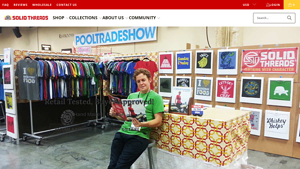
Domain: solidthreads.com
Registered: 2002 (23 years)
Introduction: Cool Wholesale Graphic Tees for men, women, and kids. Features funny, vintage graphics. Ethically sourced and sustainably printed in Burlington, VT. Retail tested and buyer approved. Small batch, high quality, buttery soft tees. Low minimums and quick turnaround. Wholesale options available through Faire with Net 60 terms and free returns. First order discount of $100 and free shipping for a year….
6. Gildan – Wholesale T-Shirts

Understanding wholesale graphic tees Types and Variations
| Type Name | Key Distinguishing Features | Primary B2B Applications | Brief Pros & Cons for Buyers |
|---|---|---|---|
| Fashion Graphic Tees | Trendy designs, seasonal graphics, and bold statements. | Boutiques, gift shops, and online retailers. | Pros: High appeal, quick turnover. Cons: Requires constant trend monitoring. |
| Vintage Graphic Tees | Retro designs, often with faded colors and classic logos. | Thrift stores, vintage shops, and online marketplaces. | Pros: Nostalgic appeal, unique inventory. Cons: Sourcing can be inconsistent. |
| Sports Team Tees | Logos and designs representing professional or college teams. | Sports merchandise stores, fan shops. | Pros: Strong market demand, brand loyalty. Cons: Seasonal sales fluctuations. |
| Customizable Graphic Tees | Options for personalized designs and branding. | Corporate gifts, events, and promotional items. | Pros: Unique offerings, higher margins. Cons: Longer lead times for production. |
| Eco-Friendly Graphic Tees | Made from sustainable materials with eco-conscious designs. | Specialty boutiques, eco-friendly stores. | Pros: Growing consumer demand, positive brand image. Cons: Higher costs compared to conventional tees. |
What Are the Characteristics of Fashion Graphic Tees?
Fashion graphic tees are characterized by their trendy designs and seasonal graphics that resonate with current fashion trends. They often feature bold statements or artistic prints that appeal to a younger demographic. For B2B buyers, these tees are ideal for boutiques and gift shops that want to attract customers with fresh, eye-catching inventory. When purchasing, consider the latest trends and ensure your stock aligns with seasonal demands to maximize sales potential.
How Do Vintage Graphic Tees Stand Out in the Market?
Vintage graphic tees are distinguished by their retro designs, often featuring faded colors, classic logos, and nostalgic imagery. They appeal to consumers looking for unique and authentic pieces, making them a popular choice for thrift stores and vintage shops. B2B buyers should focus on sourcing from reliable suppliers to ensure a consistent inventory. Keep in mind that while vintage tees can be highly sought after, the sourcing process may vary, impacting availability.
What Makes Sports Team Tees a Reliable Choice for Retailers?
Sports team tees are designed with logos and graphics representing professional or collegiate teams, making them a staple in sports merchandise stores and fan shops. Their strong market demand stems from brand loyalty among sports enthusiasts. B2B buyers should consider seasonal fluctuations in sales, especially around major sporting events, to optimize inventory levels. Offering a diverse range of teams can also enhance customer appeal.
Why Are Customizable Graphic Tees Popular Among B2B Buyers?
Customizable graphic tees allow businesses to offer personalized designs, making them suitable for corporate gifts, events, and promotional items. These tees can feature company logos or unique graphics tailored to specific occasions. While they present an opportunity for higher profit margins, B2B buyers should be prepared for longer lead times in production and ensure they have a clear understanding of client needs to facilitate customization.
How Do Eco-Friendly Graphic Tees Cater to Modern Consumer Preferences?
Eco-friendly graphic tees are made from sustainable materials and often feature designs that promote environmental consciousness. As consumers increasingly prioritize sustainability, these tees are becoming essential for specialty boutiques and eco-friendly stores. B2B buyers should consider the higher costs associated with sourcing eco-friendly products but can benefit from a positive brand image and growing consumer demand. Balancing cost with sustainability can lead to a competitive advantage in the marketplace.
Key Industrial Applications of wholesale graphic tees
| Industry/Sector | Specific Application of wholesale graphic tees | Value/Benefit for the Business | Key Sourcing Considerations for this Application |
|---|---|---|---|
| Retail and Boutiques | Seasonal and Trendy Fashion Collections | Attracts customers with fresh, appealing designs, increasing sales | Look for suppliers with low minimum orders and quick shipping options. |
| Events and Promotions | Custom Event Merchandise | Enhances brand visibility and creates a memorable experience | Ensure customization options and quality assurance for large orders. |
| Sports and Fitness | Team Apparel and Fan Gear | Fosters team spirit and loyalty among fans and participants | Verify the quality of materials and sizing options for diverse audiences. |
| Educational Institutions | School Spirit Wear and Fundraising | Builds community identity and supports fundraising initiatives | Seek bulk pricing and flexibility in design to cater to various events. |
| Non-Profit Organizations | Awareness Campaign Merchandise | Raises awareness and funds for social causes | Consider ethical sourcing and the ability to create unique, impactful designs. |
How Are Wholesale Graphic Tees Utilized in Retail and Boutiques?
In the retail sector, especially boutiques, wholesale graphic tees are pivotal for curating seasonal collections that resonate with current fashion trends. These tees often feature bold graphics and catchy phrases, appealing to a diverse customer base. Retailers benefit from low minimum order requirements, allowing them to test new styles without significant financial commitment. For international buyers, sourcing from suppliers with efficient logistics is essential to ensure timely stock replenishment, particularly in fast-moving fashion markets across Africa and Europe.
What Role Do Wholesale Graphic Tees Play in Events and Promotions?
Wholesale graphic tees serve as excellent merchandise for events and promotional activities. Organizations can customize these tees with event branding, enhancing visibility and creating a sense of belonging among attendees. This application is particularly valuable for businesses looking to leave a lasting impression on potential clients. International buyers should prioritize suppliers who offer customization options and can handle large orders efficiently, ensuring that the tees meet deadlines for events in regions like South America and the Middle East.
How Are Wholesale Graphic Tees Beneficial for Sports and Fitness Industries?
In the sports and fitness industries, wholesale graphic tees are commonly used as team apparel or fan gear. These tees foster camaraderie among team members and promote loyalty among fans, making them a staple for sporting events. Buyers in this sector must focus on the quality of materials to ensure comfort and durability, especially in active environments. Sourcing from suppliers that provide a variety of sizes and styles can help cater to diverse demographics, particularly in regions like Germany and Vietnam, where sports culture is vibrant.
Why Are Wholesale Graphic Tees Important for Educational Institutions?
Educational institutions utilize wholesale graphic tees for school spirit wear and fundraising campaigns. These tees not only promote school identity but also serve as a means to raise funds for various programs. Buyers from schools and universities should seek suppliers that offer bulk pricing and customizable options to accommodate different events and spirit days. Additionally, ensuring that the designs are appealing to students can enhance participation and support from the community, especially in competitive educational environments.
How Do Non-Profit Organizations Leverage Wholesale Graphic Tees?
Non-profit organizations often use wholesale graphic tees for awareness campaigns and fundraising efforts. These tees can effectively convey messages related to social causes, creating a sense of community among supporters. When sourcing for such initiatives, non-profits should consider ethical sourcing practices and the ability to create unique designs that resonate with their mission. Engaging suppliers who understand the nuances of non-profit branding can significantly enhance the impact of their campaigns, particularly in diverse markets across Africa and the Middle East.
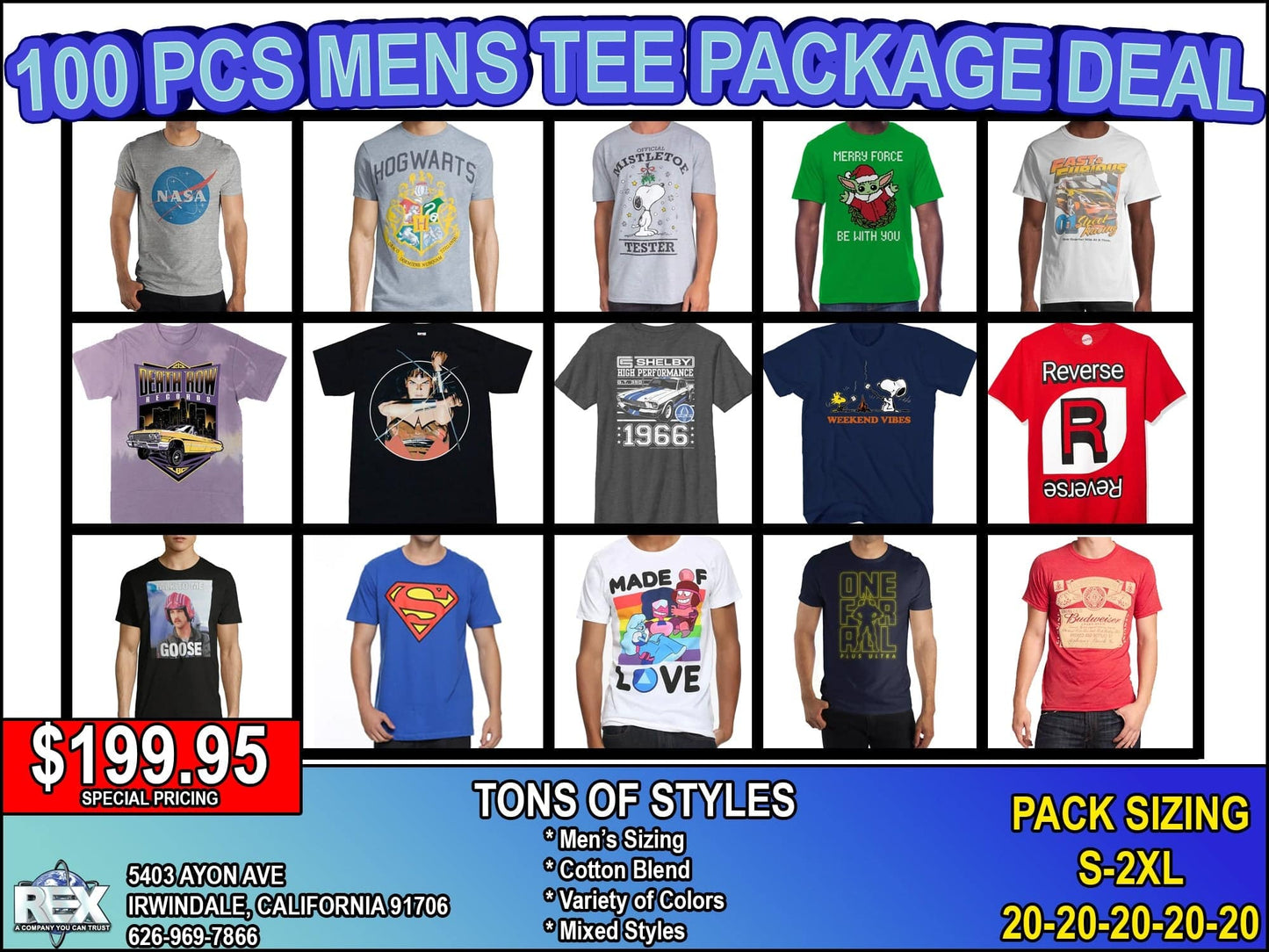
A stock image related to wholesale graphic tees.
3 Common User Pain Points for ‘wholesale graphic tees’ & Their Solutions
Scenario 1: Difficulty in Finding Unique Designs That Sell
The Problem: B2B buyers often struggle to locate wholesale graphic tees that feature unique, eye-catching designs tailored to their target audience. This issue is particularly pronounced in competitive markets where standing out is crucial for sales. Buyers may find themselves sifting through vast inventories filled with generic designs, which can lead to missed opportunities for differentiation and lower sales volumes.
The Solution: To address this challenge, wholesale buyers should prioritize suppliers who offer customizable designs or limited-edition collections. Engaging with manufacturers that allow for bespoke graphics can empower buyers to curate a selection that resonates with their specific clientele. Additionally, buyers should stay informed about current trends and seasonal themes, leveraging social media insights and fashion forecasting reports to inform their purchasing decisions. Collaborating with local artists or designers can also lead to exclusive offerings that attract customers seeking originality.
Scenario 2: Concerns About Quality and Consistency
The Problem: Another common pain point is the inconsistency in quality across different suppliers. Buyers may receive graphic tees that vary significantly in fabric quality, print durability, and fit, leading to dissatisfaction among customers and increased return rates. This inconsistency can damage a buyer’s reputation and result in lost sales, particularly in markets where quality is paramount.
The Solution: To mitigate these risks, buyers should conduct thorough research on potential suppliers before making commitments. Requesting samples is critical; it allows buyers to assess the quality firsthand. Establishing clear quality standards and communicating them to suppliers can also help ensure consistency. Additionally, buyers should consider partnerships with manufacturers known for their quality assurance processes, such as those that employ strict inspection protocols before shipment. Regular audits and feedback loops with suppliers can further enhance quality control.
Scenario 3: Navigating Minimum Order Quantities and Pricing Structures
The Problem: B2B buyers often face challenges related to minimum order quantities (MOQs) and complex pricing structures that can limit their purchasing flexibility. High MOQs can be particularly burdensome for small businesses or those just entering the market, as they may not have the capital to invest heavily in inventory upfront. This situation can lead to overstock or financial strain, making it difficult to manage cash flow effectively.
The Solution: Buyers should seek out wholesale suppliers that offer low or flexible MOQs, allowing for smaller test orders. This strategy enables businesses to gauge market demand without overcommitting resources. Additionally, negotiating pricing structures with suppliers can be beneficial; buyers should explore bulk discounts, loyalty programs, or consignment options that align with their purchasing capacity. Utilizing technology platforms that facilitate wholesale transactions can also provide buyers with more transparent pricing and flexible payment options, further easing the financial burden.
Strategic Material Selection Guide for wholesale graphic tees
When selecting materials for wholesale graphic tees, understanding the properties, advantages, and limitations of each fabric is crucial for international B2B buyers. This guide explores four common materials used in the production of graphic tees, offering insights into their performance characteristics, cost implications, and suitability for various applications.
What Are the Key Properties of Cotton for Wholesale Graphic Tees?
Cotton is one of the most widely used materials for graphic tees, known for its softness and breathability. It offers excellent moisture absorption, making it comfortable for wear in warm climates. Cotton tees typically have a temperature rating suitable for everyday wear, ensuring comfort in various environments. However, cotton can be prone to shrinkage and wrinkling, which may affect the appearance of the finished product.
Pros: Cotton is durable, easy to dye, and can be produced at a relatively low cost. Its natural fibers are also biodegradable, appealing to environmentally conscious consumers.
Cons: Despite its benefits, cotton can be less durable than synthetic fibers and may not withstand heavy washing or wear over time. Additionally, its production may involve significant water usage, which is a consideration for sustainability-focused buyers.
How Does Polyester Compare for Graphic Tee Production?
Polyester is a synthetic fiber known for its durability and resistance to shrinking, stretching, and wrinkling. It has a high temperature resistance, making it suitable for various printing techniques, including sublimation, which allows for vibrant designs. Polyester is also moisture-wicking, making it a popular choice for activewear.
Pros: The primary advantage of polyester is its longevity and ease of care. It is often more affordable than cotton and provides excellent color retention, which is crucial for graphic tees that feature bold designs.
Cons: However, polyester can be less breathable than cotton, which may lead to discomfort in hot climates. Additionally, it is derived from petroleum, raising environmental concerns regarding sustainability.
What Are the Benefits of Blended Fabrics in Wholesale Tees?
Blended fabrics, particularly cotton-polyester blends, combine the best properties of both materials. These blends offer the softness and breathability of cotton with the durability and wrinkle resistance of polyester. This makes them a versatile option for graphic tees, suitable for both casual wear and promotional items.
Pros: The blend enhances comfort while maintaining a polished appearance, making it ideal for various applications. It also allows for more affordable pricing without sacrificing quality.
Cons: The primary drawback is that the environmental impact can be higher due to the synthetic component. Additionally, the blend may not be as breathable as 100% cotton, which could deter some consumers.
Why Consider Bamboo Fabric for Eco-Friendly Options?
Bamboo fabric is gaining popularity in the apparel industry due to its sustainable production process and natural properties. It is soft, breathable, and has natural antibacterial properties, making it an excellent choice for graphic tees. Bamboo also has a high moisture-wicking ability, keeping wearers comfortable in humid conditions.
Pros: Bamboo is biodegradable and requires less water and pesticides to grow compared to cotton, appealing to eco-conscious buyers. It also provides UV protection, making it suitable for outdoor wear.
Cons: The main limitation is its cost; bamboo fabric tends to be more expensive than cotton or polyester. Additionally, the manufacturing process can vary significantly between suppliers, leading to inconsistencies in quality.
Summary Table of Material Selection for Wholesale Graphic Tees
| Material | Typical Use Case for wholesale graphic tees | Key Advantage | Key Disadvantage/Limitation | Relative Cost (Low/Med/High) |
|---|---|---|---|---|
| Cotton | Casual wear, everyday graphic tees | Softness and breathability | Prone to shrinkage and wrinkling | Low |
| Polyester | Activewear, vibrant graphic designs | Durability and color retention | Less breathable than cotton | Low |
| Blended | Versatile applications, promotional items | Combines comfort with durability | Higher environmental impact | Medium |
| Bamboo | Eco-friendly options, outdoor wear | Sustainable and antibacterial | Higher cost and variable quality | High |
This strategic material selection guide provides international B2B buyers with essential insights into the various materials available for wholesale graphic tees, helping them make informed purchasing decisions that align with their business goals and customer preferences.
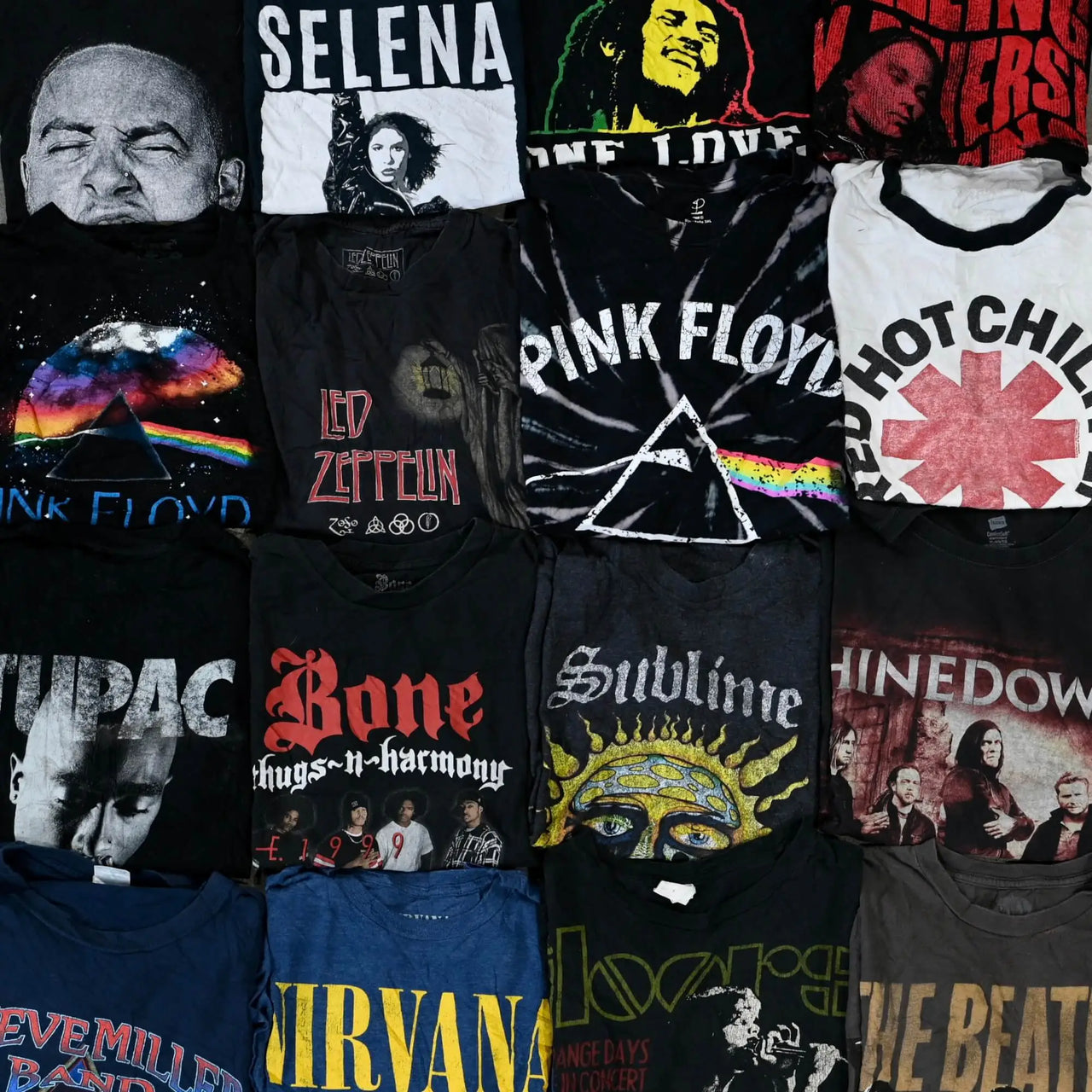
A stock image related to wholesale graphic tees.
In-depth Look: Manufacturing Processes and Quality Assurance for wholesale graphic tees
What Are the Key Stages in the Manufacturing Process of Wholesale Graphic Tees?
The manufacturing process for wholesale graphic tees involves several critical stages, each designed to ensure the highest quality and efficiency. Understanding these stages can help B2B buyers make informed decisions when sourcing products.
Material Preparation: How Are Fabrics Selected and Treated?
The first step in the manufacturing process is material preparation. Manufacturers typically use cotton, polyester, or blends, depending on the desired fabric feel and durability. Sourcing high-quality raw materials is crucial; suppliers often conduct tests to assess the fabric’s strength, shrinkage, and colorfastness.
Once the fabric is selected, it undergoes treatments such as pre-shrinking and dyeing. Pre-shrinking ensures that the tees maintain their size after washing, while dyeing provides vibrant colors that appeal to consumers. B2B buyers should inquire about the sourcing practices and certifications of materials, as sustainable and ethical practices are increasingly important in the global market.
What Techniques Are Used in the Forming Stage?
After material preparation, the next stage is forming, which involves cutting the fabric into the required shapes for the tees. This step often employs automated cutting machines to enhance precision and reduce waste. Manufacturers typically use patterns that maximize fabric usage, minimizing excess material.
Following cutting, the fabric pieces are sewn together. Techniques may vary from basic stitching to advanced methods like flatlock seams, which provide a smoother finish and added comfort. For B2B buyers, understanding the sewing techniques used can help gauge the durability and comfort of the final product.
How Does Assembly and Finishing Impact the Quality of Graphic Tees?
Assembly is where the pieces come together to form the final product. This stage includes attaching labels, tags, and any additional elements, such as pockets or embellishments. Quality control at this stage is vital, as any flaws can affect the overall aesthetic and functionality.
Finishing processes, such as pressing and packaging, also play a significant role in the final quality of the tees. Manufacturers may use techniques like heat sealing for graphics to ensure they adhere well and withstand multiple washes. B2B buyers should ask suppliers about their finishing processes and any specific treatments applied to graphics, as this can impact the longevity and appeal of the tees.
What Quality Assurance Standards Should B2B Buyers Be Aware Of?
Quality assurance (QA) is integral to the manufacturing process, ensuring that products meet international standards and customer expectations. B2B buyers should familiarize themselves with relevant quality standards to make informed purchasing decisions.
Which International Standards Are Relevant for Wholesale Graphic Tees?
ISO 9001 is a widely recognized quality management standard that outlines criteria for an effective quality management system. Compliance with ISO 9001 indicates that a manufacturer has established processes for consistent quality and continuous improvement. Other industry-specific standards, such as CE marking for safety and environmental compliance, may also apply, especially for buyers in the European market.
What Are Common Quality Control Checkpoints in the Manufacturing Process?
Quality control in the manufacturing of graphic tees typically involves several checkpoints:
-
Incoming Quality Control (IQC): This stage involves inspecting raw materials upon arrival to ensure they meet specified standards.
-
In-Process Quality Control (IPQC): Ongoing inspections during production help identify any issues early on, ensuring they are addressed before the final product is completed.
-
Final Quality Control (FQC): This final inspection checks the finished products for defects, ensuring they meet design specifications and quality standards before shipping.
B2B buyers should ensure that their suppliers have established protocols for these checkpoints and that they can provide documentation of quality checks performed.
How Can B2B Buyers Verify Supplier Quality Control Practices?
Verifying a supplier’s quality control practices is essential for B2B buyers looking to establish long-term partnerships. Here are some actionable steps to ensure that suppliers maintain high-quality standards.
What Audits and Reports Should Buyers Request?
Buyers should request copies of quality audit reports and certifications from their suppliers. These documents provide insight into the supplier’s adherence to quality standards and their commitment to continuous improvement. Regular audits by third-party organizations can further validate a supplier’s claims of compliance with ISO or other standards.
How Important Are Third-Party Inspections in Ensuring Quality?
Engaging third-party inspectors can be an effective way to ensure that products meet quality expectations. Independent inspections can be conducted at various stages of production, providing unbiased assessments of quality control practices and finished products. B2B buyers, particularly those from regions with stringent quality requirements, should consider this option as part of their sourcing strategy.
What Nuances Should International Buyers Consider Regarding Quality Control?
International buyers, especially from diverse markets like Africa, South America, the Middle East, and Europe, must navigate various quality control nuances. Understanding local regulations, import standards, and cultural expectations can significantly influence sourcing decisions.
How Do Regional Standards Affect Quality Assurance?
Different regions may have specific standards for textiles, which can impact the quality assurance processes employed by manufacturers. For example, European buyers may require compliance with REACH regulations for chemical safety, while buyers in the Middle East may focus on different safety standards. B2B buyers should ensure that their suppliers are knowledgeable about these regional standards and can provide necessary certifications.
What Role Does Communication Play in Quality Assurance Across Borders?
Clear communication is vital when dealing with suppliers from different countries. Language barriers, cultural differences, and varying business practices can lead to misunderstandings regarding quality expectations. B2B buyers should establish clear guidelines and maintain open lines of communication to ensure that quality standards are understood and met throughout the manufacturing process.
By understanding the manufacturing processes and quality assurance practices for wholesale graphic tees, B2B buyers can make informed decisions that align with their business needs and customer expectations. This comprehensive knowledge not only fosters trust with suppliers but also ensures that the products sourced meet the high standards required in today’s competitive marketplace.
Practical Sourcing Guide: A Step-by-Step Checklist for ‘wholesale graphic tees’
In the competitive landscape of wholesale graphic tees, having a structured approach to sourcing is essential for B2B buyers aiming to maximize their investment and ensure product quality. This checklist will guide you through the critical steps in the procurement process, helping you make informed decisions that align with your business goals.
Step 1: Identify Your Target Market
Understanding your target audience is crucial for selecting the right graphic tees. Consider demographics such as age, gender, and interests to tailor your offerings effectively. This insight will help you choose designs and styles that resonate with your customers, increasing the likelihood of sales.
Step 2: Set a Budget and Minimum Order Quantity (MOQ)
Establishing a budget allows you to narrow down your options without overspending. Different suppliers have varying MOQs, which can impact your cash flow. Look for suppliers that offer flexibility in MOQs, enabling you to test styles with lower financial risk.
Step 3: Research Potential Suppliers
Conduct thorough research to find reputable suppliers. Look for companies with positive reviews, a solid online presence, and experience in the graphic tee market. Pay attention to their product range, pricing structure, and shipping policies to ensure they meet your business needs.
- Tip: Reach out to other businesses in your network for recommendations or experiences with specific suppliers.
Step 4: Verify Product Quality and Materials
Quality is paramount in graphic tees, as it directly affects customer satisfaction and repeat business. Request samples to evaluate fabric softness, print durability, and overall craftsmanship. Ensure that the materials used are suitable for your market’s climate and preferences.
- Tip: Look for suppliers that provide detailed product descriptions, including fabric composition and care instructions.
Step 5: Assess Design Options and Customization Capabilities
Explore the variety of graphic designs available and whether the supplier offers customization services. Unique designs can set your brand apart, so consider suppliers that can accommodate your specific design needs or collaborate on new ideas.
- Tip: Ask for a portfolio of previous designs to gauge their creative capabilities and trends they follow.
Step 6: Evaluate Shipping and Delivery Times
Prompt delivery is crucial for maintaining inventory levels and satisfying customers. Investigate the supplier’s shipping methods, costs, and estimated delivery times. Suppliers with efficient logistics can help you respond quickly to market demands.
- Tip: Look for suppliers that offer tracking options to keep tabs on your orders during transit.
Step 7: Review Payment Terms and Return Policies
Understanding payment terms and return policies is vital to ensure a smooth transaction process. Clarify accepted payment methods, deposit requirements, and timelines for payment. Additionally, familiarize yourself with the supplier’s return policy in case of defective or unsatisfactory products.
By following this checklist, you will enhance your sourcing process for wholesale graphic tees, ultimately leading to better products for your customers and a more successful business.
Comprehensive Cost and Pricing Analysis for wholesale graphic tees Sourcing
What Are the Key Cost Components in Wholesale Graphic Tees?
When sourcing wholesale graphic tees, understanding the cost structure is crucial for making informed purchasing decisions. The primary cost components include materials, labor, manufacturing overhead, tooling, quality control (QC), logistics, and the supplier’s margin.
-
Materials: The fabric quality significantly impacts the overall cost. Common materials include cotton, polyester, and blends, with organic or specialty fabrics typically costing more. Buyers should assess the desired fabric type based on target market preferences.
-
Labor: Labor costs vary by region. For instance, sourcing from countries with lower labor costs like Vietnam may yield cheaper prices, whereas manufacturers in Europe may have higher labor costs due to stricter labor laws and wage standards.
-
Manufacturing Overhead: This includes costs associated with running the production facility, such as utilities, rent, and equipment maintenance. Efficient production facilities with optimized processes can lower overhead costs, affecting the final price.
-
Tooling: Custom designs may require specific tooling or equipment, which can add to initial costs. It’s essential to consider whether the investment in tooling will be justified by the expected sales volume.
-
Quality Control (QC): Ensuring quality can incur additional costs, especially when dealing with multiple suppliers or complex designs. Implementing stringent QC processes can prevent defects and returns, ultimately saving money in the long run.
-
Logistics: Shipping costs can vary dramatically based on the origin of the goods, the destination, and the chosen shipping method. It’s important to evaluate the total logistics costs, including customs duties and taxes, especially for international shipments.
-
Margin: Suppliers typically mark up prices to ensure profitability. Understanding the supplier’s margin expectations can aid in negotiation and help buyers find the best value.
How Do Pricing Influencers Impact Wholesale Graphic Tee Costs?
Several factors influence pricing in wholesale graphic tees, which buyers should consider to optimize their procurement strategy.
-
Volume and Minimum Order Quantity (MOQ): Larger order volumes often lead to lower per-unit costs due to economies of scale. Understanding a supplier’s MOQ can help buyers strategize their purchases effectively.
-
Specifications and Customization: Custom designs, colors, or sizes can increase costs. Buyers should assess whether the added expense aligns with their market demand and potential profit margins.
-
Material Quality and Certifications: High-quality materials or certifications (like organic or fair-trade) can elevate costs but may also enhance brand value. This is particularly relevant for buyers targeting environmentally conscious consumers.
-
Supplier Factors: Reliability, reputation, and production capacity of the supplier can influence pricing. Established suppliers may charge a premium for their proven quality and service.
-
Incoterms: The shipping terms agreed upon (e.g., FOB, CIF) can significantly affect pricing. Understanding these terms helps buyers calculate the total landed cost and avoid unexpected expenses.
What Are Effective Buyer Tips for Sourcing Wholesale Graphic Tees?
To navigate the complexities of wholesale graphic tee sourcing, buyers can employ several strategic approaches:
-
Negotiation: Leverage volume and long-term relationships to negotiate better pricing. Suppliers may offer discounts for repeat business or larger orders.
-
Cost-Efficiency: Consider the Total Cost of Ownership (TCO) rather than just the purchase price. This includes logistics, potential returns, and quality-related costs.
-
Pricing Nuances for International Buyers: Buyers from Africa, South America, the Middle East, and Europe should be aware of regional market dynamics, currency fluctuations, and import regulations that can affect pricing.
-
Research and Benchmarking: Conduct thorough market research to compare prices and quality among suppliers. This benchmarking can reveal opportunities for cost savings and help identify the best supplier fit.
-
Stay Informed: Keep abreast of industry trends, as demand for specific styles or materials can shift rapidly. This knowledge can help buyers make timely purchasing decisions that align with consumer preferences.
Disclaimer on Indicative Prices
Prices for wholesale graphic tees can vary widely based on the factors discussed. The information provided serves as a general guideline and should be validated through direct engagement with suppliers for accurate quotes tailored to specific requirements.
Alternatives Analysis: Comparing wholesale graphic tees With Other Solutions
Introduction: Understanding Alternatives in Wholesale Apparel
In the competitive landscape of fashion retail, particularly for graphic tees, it’s essential for B2B buyers to explore various options. While wholesale graphic tees present a popular solution for retailers looking to stock trendy apparel, alternative products and methods may offer unique advantages that align better with specific business needs. This analysis will compare wholesale graphic tees with two viable alternatives: custom-designed apparel and bulk plain tees with in-house printing.
Comparison Table
| Comparison Aspect | Wholesale Graphic Tees | Custom-Designed Apparel | Bulk Plain Tees with In-House Printing |
|---|---|---|---|
| Performance | High-quality prints, trendy designs | Unique, personalized designs | Variable quality based on printing method |
| Cost | Competitive prices, low minimum orders | Higher initial costs, design fees | Lower upfront costs, but potential for higher per-unit costs |
| Ease of Implementation | Simple ordering process, fast shipping | Longer lead times due to design approvals | Requires equipment and skills for printing |
| Maintenance | Minimal, as items are ready to sell | Ongoing design updates needed | Equipment maintenance and supply management |
| Best Use Case | Boutique and gift shops needing trendy stock | Brands looking for unique identity | Startups or budget-conscious retailers needing flexibility |
Detailed Breakdown of Alternatives
Custom-Designed Apparel
Custom-designed apparel offers retailers the opportunity to create unique pieces that stand out in a saturated market. This can be particularly beneficial for brands aiming to establish a distinctive identity or targeting niche markets. However, the trade-off comes in the form of higher upfront costs and longer lead times due to the design process and production. Additionally, the need for ongoing design updates can lead to increased maintenance efforts and costs.
Bulk Plain Tees with In-House Printing
Bulk plain tees are a cost-effective option for retailers who prefer to implement their own designs. This method allows for significant flexibility, enabling businesses to quickly adapt to market trends by printing new graphics as needed. However, the quality of the final product can vary based on the printing technology used, which could impact customer satisfaction. Furthermore, managing the equipment and supplies for in-house printing requires an investment in skills and resources, which may not be feasible for all retailers.
Conclusion: How Can B2B Buyers Choose the Right Solution?
Choosing the right apparel solution depends on various factors including budget, market strategy, and operational capabilities. Wholesale graphic tees provide a hassle-free option with trendy designs and fast turnaround times, making them ideal for boutiques and gift shops. Conversely, custom-designed apparel is perfect for brands seeking to carve out a unique niche, albeit with higher costs and longer lead times. Meanwhile, bulk plain tees with in-house printing present a flexible solution for budget-conscious retailers willing to invest in equipment and skills. Ultimately, B2B buyers should assess their specific needs, target audience, and operational capacity to make the most informed decision.
Essential Technical Properties and Trade Terminology for wholesale graphic tees
What Are the Key Technical Properties of Wholesale Graphic Tees?
When selecting wholesale graphic tees, understanding their technical properties is crucial for ensuring quality, durability, and customer satisfaction. Here are some essential specifications to consider:
1. Material Composition
The fabric used in graphic tees significantly affects their feel, durability, and appearance. Common materials include cotton, polyester, and blends. Cotton is favored for its breathability and softness, while polyester offers moisture-wicking properties and enhanced durability. Blends combine the best features of both, providing comfort and longevity. For B2B buyers, selecting the right material can influence customer experience and repeat sales.
2. Fabric Weight
Measured in grams per square meter (GSM), fabric weight indicates the thickness and sturdiness of the tee. Lighter fabrics (around 150-180 GSM) are ideal for warm climates and casual wear, while heavier options (220 GSM and above) offer durability and are suitable for cooler conditions. Understanding fabric weight helps buyers match products to their target market’s preferences.
3. Print Method
The technique used for graphic printing affects both the quality and longevity of the designs. Common methods include screen printing, direct-to-garment (DTG), and heat transfer. Screen printing is cost-effective for large batches, while DTG offers high detail for smaller orders. Buyers should consider the print method to ensure it aligns with their branding and customer expectations.
4. Size Range
Wholesale graphic tees typically come in various sizes, from small to plus sizes. Offering a diverse size range is essential for appealing to a broader customer base. Buyers should verify that their supplier can accommodate the sizes required by their target market, ensuring inclusivity and maximizing sales potential.
5. Care Instructions
Understanding the care requirements of the tees is vital for maintaining quality over time. Fabrics may require specific washing and drying methods to prevent shrinkage or fading. Clear care instructions can enhance customer satisfaction and reduce returns, making this an important consideration for B2B buyers.
What Are Common Trade Terminologies in the Wholesale Graphic Tee Industry?
Familiarity with industry jargon can streamline communication and negotiations with suppliers. Here are several key terms to understand:
1. OEM (Original Equipment Manufacturer)
OEM refers to a company that produces goods that are marketed by another firm under its brand name. In the context of wholesale graphic tees, buyers may engage with OEMs to create custom designs or private-label products, allowing for unique offerings in the market.
2. MOQ (Minimum Order Quantity)
MOQ denotes the smallest quantity of products that a supplier is willing to sell. Understanding MOQs is essential for buyers to manage inventory costs effectively. Low MOQs can benefit smaller retailers looking to test new designs without committing to large orders.
3. RFQ (Request for Quotation)
An RFQ is a formal document sent by buyers to suppliers requesting pricing and terms for specific products. It is a critical step in the procurement process, enabling buyers to compare offers and negotiate better deals based on quality and price.
4. Incoterms (International Commercial Terms)
Incoterms are internationally recognized rules that define the responsibilities of buyers and sellers in shipping goods. Understanding these terms, such as FOB (Free on Board) or CIF (Cost, Insurance, and Freight), is crucial for ensuring clarity in shipping costs and responsibilities, especially in international transactions.
5. Lead Time
Lead time refers to the time taken from placing an order until it is delivered. For wholesale buyers, understanding lead times is vital for inventory planning and ensuring that products are available to meet customer demand, particularly during peak seasons.
6. B2B (Business-to-Business)
B2B refers to transactions conducted between businesses, as opposed to direct sales to consumers. This term is essential for understanding the wholesale market dynamics, as B2B relationships often involve bulk orders, negotiated prices, and ongoing partnerships.
By mastering these technical properties and trade terminologies, B2B buyers can make informed purchasing decisions that align with their business goals and customer needs.
Navigating Market Dynamics and Sourcing Trends in the wholesale graphic tees Sector
Market Overview & Key Trends: What Drives the Wholesale Graphic Tees Sector?
The global wholesale graphic tees market is influenced by a myriad of factors, including shifting consumer preferences towards casual wear and the rise of e-commerce platforms. As lifestyle changes continue to push casual fashion to the forefront, international B2B buyers, especially from regions like Africa, South America, the Middle East, and Europe, are increasingly seeking stylish yet comfortable options that resonate with local cultures and trends. Key drivers include the growing influence of social media, where visually appealing graphic tees often go viral, and the demand for personalized apparel, which encourages suppliers to offer customizable options.
Emerging technologies in sourcing, such as AI-driven inventory management and blockchain for supply chain transparency, are revolutionizing the way businesses procure wholesale graphic tees. These innovations not only streamline the ordering process but also enhance the ability to track product origins, ensuring compliance with ethical standards. Moreover, the trend of dropshipping is gaining traction, allowing retailers to offer a wide range of products without the burden of maintaining large inventories.
Internationally, buyers are also noticing a rise in local manufacturers who can provide shorter lead times and cater to specific market needs. This shift is particularly relevant for European and Middle Eastern markets, where there’s a growing preference for locally produced goods that support regional economies. As the market evolves, staying informed about these dynamics will be crucial for B2B buyers aiming to maintain competitive advantages.
How Does Sustainability & Ethical Sourcing Impact the Wholesale Graphic Tees Market?
In today’s marketplace, sustainability is not merely a trend but a crucial factor influencing purchasing decisions. B2B buyers increasingly prioritize suppliers who adopt environmentally friendly practices in their production processes. The textile industry is notorious for its environmental impact, from water usage to chemical waste. Therefore, sourcing wholesale graphic tees from companies committed to sustainable practices is becoming essential for businesses aiming to appeal to eco-conscious consumers.
Ethical sourcing is equally important, with buyers seeking out suppliers who maintain fair labor practices and provide safe working conditions. Certifications such as Global Organic Textile Standard (GOTS) and OEKO-TEX® can serve as indicators of a supplier’s commitment to sustainability and ethical labor practices. By partnering with manufacturers who offer organic cotton tees or recycled materials, businesses can not only reduce their environmental footprint but also enhance their brand image.
Furthermore, transparency in the supply chain is critical. B2B buyers should inquire about the sourcing of materials and the manufacturing processes employed by their suppliers. This level of diligence not only ensures compliance with ethical standards but also builds trust with end consumers who are increasingly concerned about the origins of their apparel.
What Is the Brief Evolution of the Wholesale Graphic Tees Market?
The wholesale graphic tees market has undergone significant transformations over the decades. Initially rooted in basic designs, the 1980s and 1990s saw a surge in graphic tees as a form of self-expression and cultural commentary, often linked to music, art, and pop culture. With the advent of digital printing technology in the early 2000s, manufacturers gained the ability to produce intricate designs at scale, making custom and on-demand printing more accessible.
The rise of e-commerce platforms further accelerated growth, allowing small boutiques and larger retailers alike to reach global audiences. Today, the market is characterized by an emphasis on niche designs that cater to specific demographics and trends, supported by social media marketing strategies that amplify brand visibility. This evolution continues to shape the wholesale landscape, making it essential for B2B buyers to stay ahead of design trends and consumer preferences.
Frequently Asked Questions (FAQs) for B2B Buyers of wholesale graphic tees
-
How do I ensure the quality of wholesale graphic tees from suppliers?
To ensure quality, start by vetting potential suppliers thoroughly. Request samples of their graphic tees to assess fabric quality, print durability, and overall workmanship. Additionally, check for certifications that indicate compliance with international quality standards. Establish clear quality assurance (QA) protocols and consider visiting the supplier’s manufacturing facility if possible. Building a strong communication line with suppliers can help address any quality concerns proactively. -
What is the best way to negotiate payment terms with suppliers for wholesale graphic tees?
Negotiating favorable payment terms involves clear communication about your needs and the supplier’s expectations. Aim for terms that allow for partial upfront payment and the remainder upon delivery or after a specified period. This approach mitigates risks for both parties. Research typical payment practices in the supplier’s country and be open to discussing alternative methods such as letters of credit or escrow services to build trust and ensure secure transactions. -
What are the minimum order quantities (MOQ) typically required for wholesale graphic tees?
Minimum order quantities can vary significantly among suppliers, often ranging from as low as 50 to several hundred pieces per style. It’s essential to confirm the MOQ before placing an order, as it can impact your cash flow and inventory management. Some suppliers may offer flexible MOQ options for new customers, allowing you to test styles without a large commitment. Always inquire about potential discounts for larger orders to maximize your investment. -
How do I customize graphic tees to meet my brand’s needs?
Many wholesale suppliers offer customization options, including unique designs, colors, and sizes. Start by discussing your specific requirements with the supplier, such as artwork specifications and desired materials. Ensure you have the necessary rights to any graphics or logos you plan to use. Additionally, request a digital proof before finalizing the order to avoid any discrepancies. Customization can enhance your brand identity and differentiate your offerings in a competitive market. -
What shipping options are available for international orders of wholesale graphic tees?
Shipping options for international orders typically include air freight and sea freight. Air freight is faster but more expensive, while sea freight is cost-effective for larger shipments but takes longer. Discuss shipping methods with your supplier to understand lead times and costs. Additionally, consider working with a freight forwarder to streamline logistics, manage customs clearance, and ensure compliance with international shipping regulations. -
How can I assess a supplier’s reliability for wholesale graphic tees?
Assessing supplier reliability involves researching their reputation in the industry. Look for online reviews, testimonials, and ratings from other B2B buyers. Request references and follow up with previous customers to understand their experiences. Additionally, check if the supplier is a member of reputable trade organizations or has any certifications that demonstrate their commitment to quality and ethical practices. Building a relationship through consistent communication can also help gauge their reliability. -
What are common trends in wholesale graphic tees that I should be aware of?
Staying updated on trends is crucial for successful merchandising. Popular trends include eco-friendly materials, oversized fits, and graphic designs that resonate with current events or pop culture. Seasonal themes, such as holiday graphics or sports events, can also drive sales. Utilize social media and fashion industry reports to monitor emerging styles. Collaborating with designers or influencers can help you stay ahead of trends and attract a broader customer base. -
How do I handle returns or exchanges for wholesale graphic tees?
Establishing a clear return and exchange policy is vital for maintaining good supplier relationships and customer satisfaction. Discuss and document the terms with your supplier before placing an order, including conditions for returns, time frames, and restocking fees. Ensure your customers are aware of the policy to manage expectations. Having a process in place for handling defective or unsold merchandise can help mitigate losses and streamline operations.
Important Disclaimer & Terms of Use
⚠️ Important Disclaimer
The information provided in this guide, including content regarding manufacturers, technical specifications, and market analysis, is for informational and educational purposes only. It does not constitute professional procurement advice, financial advice, or legal advice.
While we have made every effort to ensure the accuracy and timeliness of the information, we are not responsible for any errors, omissions, or outdated information. Market conditions, company details, and technical standards are subject to change.
B2B buyers must conduct their own independent and thorough due diligence before making any purchasing decisions. This includes contacting suppliers directly, verifying certifications, requesting samples, and seeking professional consultation. The risk of relying on any information in this guide is borne solely by the reader.
Strategic Sourcing Conclusion and Outlook for wholesale graphic tees
What Are the Key Takeaways for Sourcing Wholesale Graphic Tees?
As the demand for unique and trendy graphic tees continues to rise, strategic sourcing becomes essential for B2B buyers. Selecting reliable suppliers who offer a diverse range of high-quality designs is crucial to meeting the evolving preferences of consumers across various markets. Low minimum order requirements and fast shipping options provide flexibility, allowing retailers to adapt quickly to seasonal trends and consumer demands without significant financial risk.
How Can International Buyers Capitalize on Emerging Trends?
Buyers from regions such as Africa, South America, the Middle East, and Europe should leverage the growing popularity of graphic tees by partnering with suppliers that stay ahead of fashion trends. Emphasizing quality materials, bold graphics, and comfortable fits will not only attract customers but also enhance brand loyalty.
What Should B2B Buyers Do Next?
Engage with suppliers who understand the nuances of your target market and can provide tailored solutions. As you navigate the wholesale landscape, focus on building relationships that foster collaboration and innovation. The future of wholesale graphic tees is bright, and by strategically sourcing your inventory, you can position your business for success. Take the next step—explore new partnerships and refresh your offerings to meet the demands of today’s discerning customers.