
Wholesale Hotel Door Lock System Suppliers Guide: An Expert Review …
Introduction: Navigating the Global Market for hotel door lock system suppliers
In an era where security is paramount, sourcing reliable hotel door lock systems presents a significant challenge for international B2B buyers. The hospitality sector, which spans continents from Africa to Europe, requires tailored solutions that not only enhance security but also elevate the guest experience. This comprehensive guide delves into the various types of hotel door lock systems available, including electronic, RFID, and biometric options, providing insights into their applications and benefits.
As buyers navigate the complexities of selecting a supplier, this resource outlines essential criteria for vetting potential partners, ensuring they align with specific operational needs and regional compliance standards. Furthermore, it addresses critical factors such as cost considerations, installation requirements, and the potential for future scalability.
By equipping B2B buyers—especially those from diverse markets like South America, the Middle East, and Europe (including key players like Germany and Vietnam)—with the knowledge to make informed purchasing decisions, this guide empowers stakeholders to optimize their security investments. Ultimately, understanding the nuances of hotel door lock systems can lead to enhanced safety, increased operational efficiency, and a superior experience for guests, making it a crucial element of modern hospitality management.
Top 10 Hotel Door Lock System Suppliers Manufacturers & Suppliers List
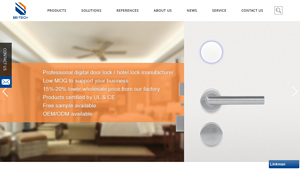
1. Be-Tech – Electronic Security Solutions
Domain: betechlock.com
Registered: 2017 (8 years)
Introduction: Be-Tech offers a range of electronic security products including: 1. Electronic Hotel Locks: Standalone electronic locks with RFID technology, high security stainless steel mortise lockcase, ADA compliant keypad, and options for matte black and white colors. 2. Electronic Hotel Safes: Designed for secure storage in hotels. 3. Electronic Cabinet Locks: Suitable for various applications including ho…
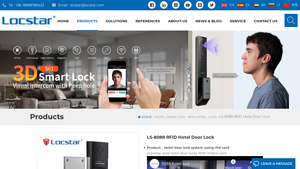
2. Locstar – LS-8088 RFID Hotel Door Lock
Domain: locstar.com
Registered: 2002 (23 years)
Introduction: LS-8088 RFID Hotel Door Lock: Hotel door lock system using RFID card, stainless steel construction. Brand: Locstar. Item No.: LS-8088. Unlocking methods: RFID card + mechanical key. Material: SUS304 stainless steel. Certifications: FCC, CE. Mortise: 8# ANSI, 9# Euro. Color options: Silver, Golden. Warranty: 2 years. Payment terms: T/T, Western Union, PayPal. Weight: 2.9 Kg. Core features include m…
3. ASSA ABLOY – Electronic Locks and Accessories
Understanding hotel door lock system suppliers Types and Variations
| Type Name | Key Distinguishing Features | Primary B2B Applications | Brief Pros & Cons for Buyers |
|---|---|---|---|
| Traditional Mechanical Locks | Simple cylinder mechanism; physical keys | Budget hotels, smaller establishments | Pros: Low installation cost; easy to use. Cons: High risk of lost keys; difficult to track access. |
| RFID Key Card Systems | Uses RFID technology; key cards for access | Mid-range to upscale hotels | Pros: Easy to manage access; cost-effective for medium-sized operations. Cons: Card loss can lead to security risks; initial setup costs. |
| Mobile Access Solutions | Utilizes smartphones as keys; Bluetooth-enabled | Modern hotels seeking tech-savvy solutions | Pros: Enhanced convenience for guests; reduces physical key management. Cons: Higher implementation costs; requires reliable tech infrastructure. |
| Biometric Locks | Fingerprint or facial recognition technology | High-security hotels and resorts | Pros: Superior security; difficult to replicate. Cons: Expensive; potential technical issues with user recognition. |
| Smart Lock Systems | Integrates with hotel management software; remote access control | Large hotels and chains | Pros: Comprehensive access management; real-time monitoring. Cons: Significant upfront investment; requires ongoing maintenance and updates. |
What are the Characteristics of Traditional Mechanical Locks?
Traditional mechanical locks are the simplest form of hotel door security, utilizing a basic cylinder mechanism and physical keys. They are often favored by budget hotels and smaller establishments due to their low installation costs. However, the challenges associated with lost or copied keys can pose significant security risks. B2B buyers should consider the volume of guest turnover and the potential for unauthorized access when opting for this type of lock.
How Do RFID Key Card Systems Benefit Hotels?
RFID key card systems are a popular choice among mid-range to upscale hotels. These systems use RFID technology to store digital credentials on key cards, allowing for easy access management. The convenience of issuing and revoking access quickly makes them ideal for properties with moderate guest turnover. However, buyers should weigh the costs of potential card replacements and the need for a robust security protocol to mitigate risks associated with lost cards.
What Advantages Do Mobile Access Solutions Offer?
Mobile access solutions represent a modern approach to hotel security by allowing guests to use their smartphones as digital keys. These systems are particularly appealing to tech-savvy hotels looking to enhance the guest experience. While they provide convenience and reduce the need for physical key management, B2B buyers must consider the initial investment and the necessity for a reliable technological infrastructure to support these systems.
Why Choose Biometric Locks for High-Security Needs?
Biometric locks, which utilize fingerprint or facial recognition technology, are ideal for high-security hotels and resorts. They offer a level of security that is difficult to replicate, making them an attractive option for properties that prioritize guest safety. However, the cost of installation and potential technical issues can be a deterrent for some buyers. When considering biometric locks, hotel owners should assess their security needs against budget constraints.
What Makes Smart Lock Systems a Comprehensive Solution?
Smart lock systems integrate with hotel management software, allowing for remote access control and real-time monitoring. This technology is particularly suited for large hotels and chains that require comprehensive access management. While the upfront investment can be significant, the benefits of streamlined operations and enhanced security often justify the costs. Buyers should evaluate the long-term maintenance and software updates needed to keep these systems functioning optimally.
Key Industrial Applications of hotel door lock system suppliers
| Industry/Sector | Specific Application of hotel door lock system suppliers | Value/Benefit for the Business | Key Sourcing Considerations for this Application |
|---|---|---|---|
| Hospitality | Implementation of RFID electronic locks in hotels | Enhanced guest security and convenience | Compliance with local security regulations, cost-effectiveness, and integration with existing systems |
| Residential Security | Smart lock systems for residential hotels | Improved access control and reduced unauthorized access | Scalability for multiple units, ease of installation, and user-friendly technology |
| Short-Term Rentals | Keyless entry systems for vacation rentals | Streamlined guest check-in and increased occupancy | Compatibility with various property management systems and remote access capabilities |
| Corporate Offices | Access control systems for employee areas | Enhanced security for sensitive information | Integration with corporate IT systems and user management capabilities |
| Healthcare Facilities | Electronic locks for patient rooms and sensitive areas | Increased safety for patients and staff | Compliance with health regulations and ease of maintenance |
How Are Hotel Door Lock Systems Utilized in the Hospitality Industry?
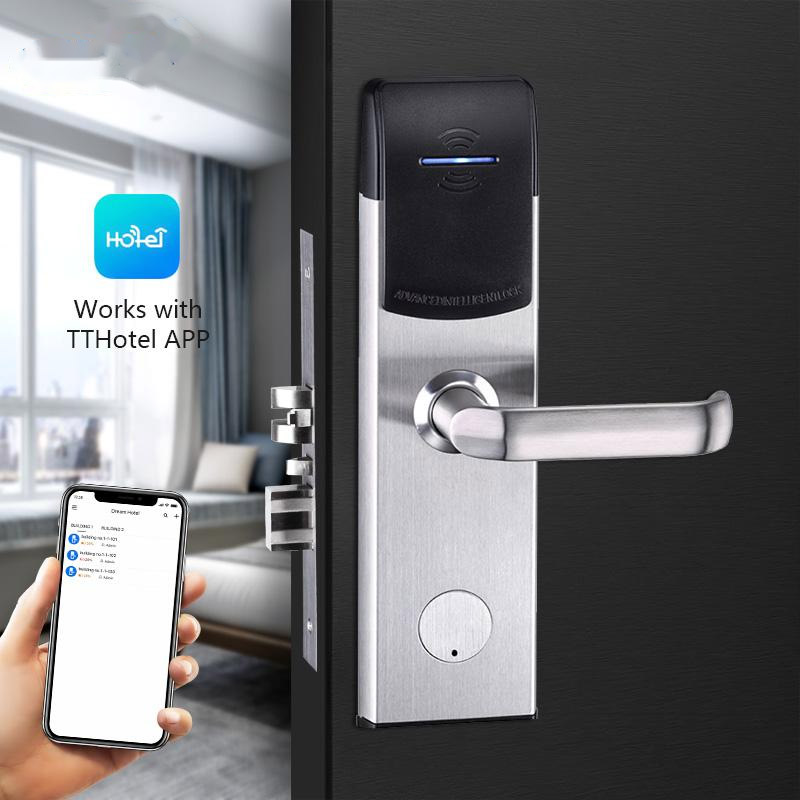
In the hospitality sector, hotel door lock system suppliers provide advanced RFID electronic locks that enhance security and convenience for guests. These systems allow for easy access management through digital credentials, significantly reducing the risk of unauthorized access. For international buyers, especially in regions like Africa and the Middle East, it is crucial to consider local compliance with security regulations and the ability to integrate these systems with existing hotel management software. The value lies in not only securing guest rooms but also improving the overall guest experience.
What Role Do Smart Lock Systems Play in Residential Security?
In residential hotels, smart lock systems are increasingly adopted to improve access control. These systems allow property managers to grant and revoke access remotely, which is especially beneficial for managing multiple units. For B2B buyers from South America and Europe, sourcing considerations should include the scalability of the lock systems and their compatibility with existing security frameworks. The primary benefit is the reduction of unauthorized entries, enhancing the safety of both guests and property.
How Are Keyless Entry Systems Transforming Short-Term Rentals?
Keyless entry systems are revolutionizing the short-term rental market by facilitating seamless guest check-ins. These systems eliminate the need for physical keys, thereby streamlining the process and increasing occupancy rates. Buyers from regions like Africa and Vietnam should prioritize systems that are compatible with various property management solutions and offer remote access features. The significant benefit is the enhanced guest experience and operational efficiency for property owners.
Why Are Access Control Systems Essential for Corporate Offices?
In corporate environments, access control systems provided by hotel door lock suppliers are critical for securing sensitive areas. These systems can restrict access to authorized personnel only, thus safeguarding confidential information. International buyers, particularly from Europe, should consider how well these systems integrate with corporate IT frameworks and their user management capabilities. The key benefit is the enhancement of security protocols, which is vital for maintaining corporate integrity.
How Do Electronic Locks Improve Security in Healthcare Facilities?
Healthcare facilities utilize electronic locks to secure patient rooms and sensitive areas, ensuring the safety of both patients and staff. Suppliers of hotel door lock systems offer solutions that comply with health regulations while being easy to maintain. Buyers from the Middle East and Africa should focus on the durability and reliability of these locks, given the high-stakes environment of healthcare. The main advantage is the increased safety and peace of mind for all stakeholders involved.
A stock image related to hotel door lock system suppliers.
3 Common User Pain Points for ‘hotel door lock system suppliers’ & Their Solutions
Scenario 1: The Challenge of Outdated Security Systems
The Problem: Many hotel operators, particularly those managing older properties, grapple with outdated mechanical locking systems that lack the efficiency and security of modern electronic solutions. These systems not only pose security risks, such as easy duplication of keys but also create operational inefficiencies. Staff members often spend significant time managing physical keys, leading to frustration and potential security breaches. Moreover, the inability to easily monitor who has access can heighten anxiety for hotel managers concerned about guest safety.
The Solution: To address this challenge, hotel operators should consider transitioning to a modern electronic hotel door lock system. Start by assessing the specific security needs of the hotel and consulting with suppliers who specialize in electronic access solutions. Look for suppliers that offer comprehensive systems, including RFID technology and mobile access options, which provide greater control over guest access. When sourcing, prioritize suppliers that offer customizable solutions that can integrate with existing property management systems, allowing for seamless management of access rights. Additionally, ensure that the selected system includes robust reporting features that enable real-time monitoring and tracking of access, thus enhancing overall security management.
Scenario 2: Difficulty in Managing Temporary Access for Guests
The Problem: Hotel operators often face the challenge of managing temporary access for guests, especially during peak seasons when turnover is high. The traditional systems of issuing physical keys can lead to confusion, lost keys, and unauthorized access. Moreover, the inability to quickly deactivate lost or stolen keys can result in security vulnerabilities, which can negatively impact guest trust and satisfaction.
The Solution: Implementing a mobile access solution can significantly mitigate these issues. Choose a hotel door lock system that supports digital key functionalities, allowing guests to use their smartphones as room keys. This not only eliminates the need for physical key management but also offers an enhanced guest experience. Ensure that the supplier provides a user-friendly mobile app that guests can easily navigate to access their rooms. For added security, opt for systems that allow hotel staff to remotely deactivate lost keys instantly, providing peace of mind to both guests and management. Training staff on how to use these systems effectively is also crucial; consider investing in training sessions provided by the supplier to ensure a smooth transition.
Scenario 3: Integrating Lock Systems with Other Hotel Technologies
The Problem: Many hotel operators are increasingly looking to integrate their locking systems with other technology solutions, such as energy management systems or guest experience apps. However, they often encounter compatibility issues between different systems, leading to increased costs and operational inefficiencies. The lack of integration can prevent hotels from maximizing the benefits of their technology investments, such as automating room access based on guest check-in and check-out times.
The Solution: To overcome this hurdle, it is essential to partner with hotel door lock system suppliers that prioritize compatibility and integration capabilities. Before making a selection, thoroughly research potential suppliers’ offerings to ensure they provide APIs and integration support for existing hotel management systems. Engage in discussions with the supplier about your specific technology stack and ask for case studies or references from similar installations that successfully integrated multiple systems. Additionally, consider suppliers who offer comprehensive support services, including ongoing technical assistance and updates, to ensure that your systems continue to work together as technology evolves. This proactive approach will not only streamline operations but also enhance the overall guest experience by leveraging technology effectively.
Strategic Material Selection Guide for hotel door lock system suppliers
What Are the Key Materials for Hotel Door Lock Systems?
When selecting materials for hotel door lock systems, suppliers must consider several factors, including durability, cost, and compliance with international standards. Here, we analyze four common materials used in the manufacturing of hotel door locks, focusing on their properties, advantages, disadvantages, and implications for international B2B buyers.
How Does Stainless Steel Perform in Hotel Door Lock Systems?
Key Properties: Stainless steel is renowned for its corrosion resistance and strength, making it ideal for high-traffic environments. It typically withstands temperatures ranging from -40°C to 300°C, ensuring reliable performance in various climates.
Pros & Cons: The durability of stainless steel is a significant advantage, as it resists wear and tear over time. However, it can be more expensive than other materials, which may impact the overall budget for hotel projects. Manufacturing complexity is moderate, as stainless steel requires specialized tools for shaping and finishing.
Impact on Application: Stainless steel is compatible with various media, including moisture and chemicals, making it suitable for hotels in humid regions. Its aesthetic appeal also aligns with modern design trends.
Considerations for International Buyers: Compliance with standards such as ASTM A240 and EN 10088 is essential. Buyers from Europe and the Middle East often prefer stainless steel for its robust performance and aesthetic qualities.
What Role Does Zinc Alloy Play in Hotel Door Lock Systems?
Key Properties: Zinc alloy is lightweight and offers good corrosion resistance, although it is less durable than stainless steel. It typically performs well in temperatures up to 150°C.
Pros & Cons: The primary advantage of zinc alloy is its cost-effectiveness, making it an attractive option for budget-conscious projects. However, its lower durability means it may require more frequent replacements, increasing long-term costs.
Impact on Application: Zinc alloy locks are suitable for indoor applications where exposure to harsh conditions is minimal. They are often used in boutique hotels or short-term rentals.
Considerations for International Buyers: Buyers should ensure compliance with standards like ASTM B86. In regions like Africa and South America, where budget constraints are common, zinc alloy may be a preferred choice.
How Do Brass Locks Benefit Hotel Door Lock Systems?
Key Properties: Brass is known for its excellent machinability and corrosion resistance, particularly in humid environments. It can withstand temperatures up to 200°C, making it versatile for various applications.
Pros & Cons: The aesthetic appeal of brass is a significant advantage, as it can enhance the overall look of hotel interiors. However, brass can be more expensive than alternatives like zinc alloy, and it may tarnish over time if not properly maintained.
Impact on Application: Brass is particularly effective in environments where aesthetics are a priority, such as luxury hotels. Its compatibility with various finishes allows for customization.
Considerations for International Buyers: Compliance with standards such as ASTM B453 is crucial. Buyers in Europe and the Middle East often favor brass for its traditional look and durability.
Why Is Plastic Used in Some Hotel Door Lock Systems?
Key Properties: Plastic offers lightweight characteristics and is resistant to corrosion and moisture. However, it typically has a lower temperature tolerance, generally around 60°C.
Pros & Cons: The primary advantage of plastic is its low cost and ease of manufacturing. However, it is less durable than metal options, which may lead to higher replacement rates.
Impact on Application: Plastic locks are often used in budget hotels or temporary accommodations where cost is a primary concern. They may not be suitable for high-security areas.
Considerations for International Buyers: Compliance with local standards is essential. In regions with budget constraints, such as parts of Africa and South America, plastic may be a viable option for low-cost projects.
Summary Table of Material Selection for Hotel Door Lock Systems
| Material | Typical Use Case for hotel door lock system suppliers | Key Advantage | Key Disadvantage/Limitation | Relative Cost (Low/Med/High) |
|---|---|---|---|---|
| Stainless Steel | High-traffic hotels and resorts | Excellent durability and corrosion resistance | Higher cost than alternatives | High |
| Zinc Alloy | Budget hotels and short-term rentals | Cost-effective | Lower durability | Low |
| Brass | Luxury hotels and high-end accommodations | Aesthetic appeal | Can tarnish and higher cost | Medium |
| Plastic | Budget accommodations and temporary rentals | Lightweight and low cost | Less durable than metal options | Low |
This comprehensive analysis equips international B2B buyers with the necessary insights to make informed decisions regarding material selection for hotel door lock systems, ensuring compliance with local standards while balancing cost and performance.
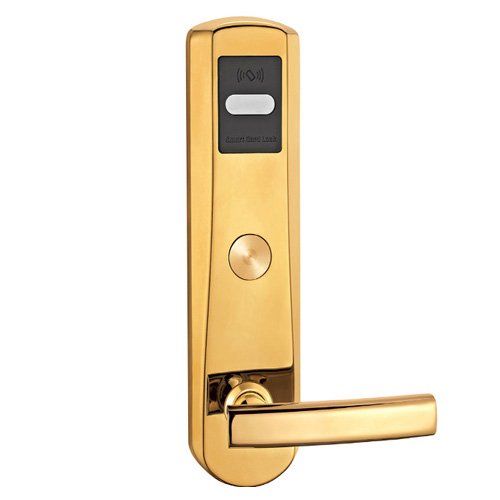
A stock image related to hotel door lock system suppliers.
In-depth Look: Manufacturing Processes and Quality Assurance for hotel door lock system suppliers
What Are the Main Stages in the Manufacturing Process of Hotel Door Lock Systems?
The manufacturing process for hotel door lock systems typically involves several critical stages: material preparation, forming, assembly, and finishing. Each stage is essential in ensuring that the final product meets the high standards required for security and durability in the hospitality industry.
Material Preparation
The first stage involves selecting high-quality materials, primarily metals like stainless steel, brass, and zinc alloys, which are known for their durability and corrosion resistance. Suppliers often conduct a thorough assessment of material specifications to ensure compliance with industry standards. This includes sourcing materials that are RoHS (Restrictions of Hazardous Substances) compliant to ensure environmental safety.
Forming
Once the materials are prepared, the next step is forming, which can involve processes such as casting, machining, and stamping. Advanced CNC (Computer Numerical Control) machines are frequently employed to achieve precise dimensions and tolerances necessary for the intricate components of electronic locks. Techniques like injection molding may also be utilized for producing plastic components, such as housings and buttons.
Assembly
The assembly stage is where various components come together to form the final product. This can include the integration of electronic circuits, RFID readers, and battery systems in electronic locks. Automated assembly lines are often employed to enhance efficiency and reduce human error. Skilled technicians may also perform manual assembly for more complex systems, ensuring that every lock meets stringent quality standards.
Finishing
The final stage, finishing, involves surface treatments like plating, anodizing, or powder coating. These processes not only enhance the aesthetic appeal of the locks but also provide additional protection against wear and tear. Quality assurance checks during this stage ensure that any cosmetic defects are identified and rectified.
How Is Quality Control Implemented in Hotel Door Lock Manufacturing?
Quality control (QC) is critical in the production of hotel door lock systems, ensuring that each lock operates reliably and securely. Suppliers typically adhere to several international standards and industry-specific guidelines throughout their manufacturing processes.
International Standards
A commonly referenced standard is ISO 9001, which outlines criteria for a quality management system. Compliance with ISO 9001 indicates that a supplier has demonstrated the ability to consistently provide products that meet customer and regulatory requirements. Additionally, certifications like CE (Conformité Européenne) and API (American Petroleum Institute) may be relevant, particularly for locks used in specialized environments.
QC Checkpoints
The QC process is often divided into several checkpoints, including:
-
Incoming Quality Control (IQC): This initial checkpoint involves inspecting raw materials and components upon arrival at the manufacturing facility. Suppliers verify material certifications and conduct tests to confirm that they meet specified standards.
-
In-Process Quality Control (IPQC): During the manufacturing process, IPQC checks are performed at various stages to ensure that production adheres to quality standards. This may involve regular monitoring of machinery, dimensions, and assembly processes.
-
Final Quality Control (FQC): Once the locks are fully assembled, FQC involves comprehensive testing to ensure functionality, security features, and durability. This can include operational tests for electronic locks, as well as stress tests to assess their resistance to tampering.
What Common Testing Methods Are Used for Hotel Door Locks?
To guarantee that hotel door locks meet rigorous security and performance standards, various testing methods are employed throughout the manufacturing process.
Functional Testing
Functional tests assess whether the lock operates as intended. This includes testing electronic components for responsiveness and ensuring that RFID readers accurately recognize authorized credentials.
Durability Testing
Durability tests simulate extended use, evaluating how the lock withstands repeated operations. Tests may include opening and closing the lock a specified number of times to identify potential wear points.
Environmental Testing
Environmental tests assess the lock’s resistance to various conditions, including humidity, temperature fluctuations, and exposure to corrosive substances. These tests are crucial for locks intended for use in diverse climates, particularly in regions like Africa and the Middle East.
How Can B2B Buyers Verify Supplier Quality Control Processes?
B2B buyers, particularly those sourcing hotel door lock systems internationally, should take several steps to verify a supplier’s quality control processes.
Supplier Audits
Conducting supplier audits can provide insights into a manufacturer’s quality management practices. These audits can be performed on-site or through third-party agencies that specialize in quality assessments. Auditors evaluate adherence to international standards and review documentation related to quality control procedures.
Quality Assurance Reports
Requesting quality assurance reports can help buyers understand the supplier’s QC process better. These reports typically include details on testing methodologies, results, and any corrective actions taken in case of non-compliance.
Third-Party Inspections
Engaging third-party inspection services is another effective way to verify quality. Independent inspectors can assess the manufacturing facility and conduct random checks on products before shipment. This adds an extra layer of assurance for buyers, especially those in regions with varying standards and regulations.
What Are the Quality Control and Certification Nuances for International B2B Buyers?
International B2B buyers must navigate various nuances when dealing with quality control and certification. Different regions may have specific compliance requirements that impact product acceptance.
Regional Standards
For instance, European buyers may prioritize CE certification, which indicates conformity with health, safety, and environmental protection standards. On the other hand, buyers in the Middle East might look for compliance with local standards, such as the Gulf Cooperation Council (GCC) regulations.
Documentation Requirements
Buyers should be aware of the necessary documentation when importing locks into their respective countries. This may include certificates of conformity, test reports, and declarations of compliance, which are essential for customs clearance.
Cultural Considerations
Lastly, understanding cultural differences in business practices can also affect the procurement process. Buyers from different regions may have varying expectations regarding communication, negotiation, and post-sale support, which can influence the overall satisfaction with the supplier relationship.
In conclusion, a thorough understanding of manufacturing processes and quality assurance practices is vital for B2B buyers in the hotel door lock system market. By focusing on these elements, buyers can make informed decisions that enhance security and reliability within their establishments.
Practical Sourcing Guide: A Step-by-Step Checklist for ‘hotel door lock system suppliers’
When sourcing hotel door lock systems, international B2B buyers must navigate a landscape filled with varied technologies, compliance standards, and supplier capabilities. This practical sourcing guide serves to streamline the procurement process, ensuring that hotel operators make informed decisions that enhance security and guest experience.
Step 1: Define Your Technical Specifications
Before reaching out to suppliers, it’s critical to establish clear technical specifications for your hotel door lock system. Consider factors such as the type of locks (mechanical vs. electronic), compatibility with existing systems, and the preferred method of access (e.g., RFID, mobile credentials). This step ensures that potential suppliers can meet your specific needs and avoid costly adjustments later on.
Step 2: Research Market Trends and Technologies
Stay updated on the latest trends in hotel door lock systems, including advancements in smart technology and mobile access solutions. This knowledge will help you identify innovative products that can enhance guest convenience and security. Look for suppliers that offer cutting-edge solutions, such as Bluetooth Low Energy (BLE) capabilities or integrated access management software.
Step 3: Evaluate Potential Suppliers
It’s essential to vet suppliers thoroughly before making a commitment. Request company profiles, case studies, and references from buyers in similar industries or regions. Pay attention to their experience with different hotel types, from boutique to large resorts, to ensure they can cater to your specific requirements.
Step 4: Verify Supplier Certifications
Ensure that the suppliers you consider are certified to meet relevant industry standards. Look for certifications such as ANSI/BHMA Grade 1, CE, and ROHS compliance, which indicate quality and safety. These certifications not only assure you of the product’s reliability but also help in meeting local regulatory requirements.
Step 5: Assess Warranty and Support Services
Inquire about the warranty terms and the level of customer support offered by potential suppliers. A robust warranty will provide peace of mind regarding the longevity of the lock systems, while excellent support services can assist with installation, troubleshooting, and maintenance. Ensure that the supplier provides accessible support channels, such as online resources and customer service representatives.
Step 6: Request Product Demonstrations
Arrange for product demonstrations or site visits to evaluate the functionality of the lock systems firsthand. Observing the locks in action can give you insights into ease of use and integration with existing systems. This also allows you to assess the user interface and guest experience, which are crucial for a smooth operation.
Step 7: Compare Pricing and Payment Terms
Finally, gather detailed quotations from multiple suppliers and compare their pricing structures and payment terms. Look for transparency in pricing, including any additional costs for installation or ongoing support. Understanding the total cost of ownership will help you make a financially sound decision that aligns with your budget constraints.
By following this step-by-step checklist, hotel operators can effectively navigate the complexities of sourcing door lock systems, ensuring they select a supplier that meets their security and operational needs while enhancing the overall guest experience.
Comprehensive Cost and Pricing Analysis for hotel door lock system suppliers Sourcing
What Are the Key Cost Components in Hotel Door Lock Systems?
When sourcing hotel door lock systems, understanding the cost structure is crucial for effective budgeting and negotiation. The primary components influencing the costs include:
-
Materials: The choice of materials significantly affects pricing. High-quality materials like stainless steel or advanced polymers used in electronic locks typically lead to higher upfront costs but can enhance durability and security, ultimately providing better value over time.
-
Labor: Labor costs involve the workforce required for manufacturing, assembly, and installation. In regions with higher labor costs, such as Western Europe, these expenses can significantly impact the total price. It is advisable to consider local labor markets when evaluating suppliers.
-
Manufacturing Overhead: This encompasses the indirect costs associated with production, including utilities, rent, and equipment depreciation. Suppliers with efficient manufacturing processes can offer more competitive pricing.
-
Tooling: Initial tooling costs for specialized locks can be substantial, especially if customization is required. Buyers should inquire about these costs, as they can be amortized over larger orders.
-
Quality Control (QC): Rigorous QC processes ensure that the products meet safety and performance standards. Suppliers that prioritize QC may have higher prices, but this can prevent costly failures and enhance customer satisfaction.
-
Logistics: Shipping and handling costs can vary widely based on the supplier’s location and the buyer’s destination. Understanding Incoterms is essential, as they define who bears the shipping risks and costs, impacting the overall pricing.
-
Margin: Finally, supplier margins will vary based on their market position and competition. Larger suppliers may offer lower margins due to economies of scale, while niche suppliers might charge more for specialized products.
How Do Price Influencers Affect Hotel Door Lock Systems?
Several factors can influence the pricing of hotel door lock systems, including:
-
Volume/MOQ: Many suppliers offer tiered pricing based on order volume. Larger orders often result in reduced unit costs, making it beneficial for buyers to consolidate their purchases.
-
Specifications and Customization: Custom features, such as smart technology or unique designs, can lead to increased costs. Buyers should clearly define their needs to avoid unexpected charges.
-
Materials and Quality Certifications: Locks that meet specific certifications (e.g., ANSI/BHMA) or utilize advanced technologies (like Bluetooth or RFID) will generally cost more. However, these investments can enhance security and reduce the likelihood of replacements.
-
Supplier Factors: The supplier’s reputation, experience, and location can influence pricing. Established suppliers may command higher prices due to brand trust and proven reliability.
-
Incoterms: Understanding the agreed terms of shipping (e.g., FOB, CIF) is critical as they determine the cost structure and responsibilities of both parties, affecting the total landed cost.
What Are Effective Buyer Tips for Negotiating Hotel Door Lock System Pricing?
To navigate the complexities of sourcing hotel door lock systems, consider the following strategies:
-
Negotiate Effectively: Utilize your understanding of the cost components and price influencers to negotiate better terms. Highlighting your volume potential can encourage suppliers to offer discounts.
-
Focus on Cost-Efficiency: Evaluate not just the initial purchase price but also the Total Cost of Ownership (TCO). This includes maintenance, energy consumption, and replacement costs over the system’s lifecycle.
-
Understand International Pricing Nuances: Different regions have varying standards and expectations. For instance, suppliers in Europe may emphasize compliance with stricter EU regulations, which could influence pricing. Buyers from Africa or South America should be aware of currency fluctuations and import tariffs that could impact costs.
-
Request Multiple Quotes: Gathering quotes from various suppliers can provide a clearer picture of the market and help identify competitive pricing.
-
Be Aware of Indicative Prices: Prices can fluctuate based on market conditions, material availability, and global economic factors. Always seek updated pricing information to ensure your budget reflects current realities.
By understanding these cost structures, price influencers, and negotiation strategies, B2B buyers can make informed decisions when sourcing hotel door lock systems, ensuring they balance quality, security, and cost-effectiveness.
Alternatives Analysis: Comparing hotel door lock system suppliers With Other Solutions
Introduction: Exploring Alternatives to Hotel Door Lock Systems
In the hospitality industry, ensuring security for guests and property is paramount. While traditional hotel door lock system suppliers provide a range of electronic and mechanical locking solutions, alternative technologies and methods also exist that can offer varying degrees of security, convenience, and cost-effectiveness. This analysis will compare established hotel door lock systems with alternative solutions, aiding B2B buyers in making informed decisions tailored to their specific operational needs.
Comparison Table
| Comparison Aspect | Hotel Door Lock System Suppliers | Biometric Access Control | Smart Home Automation |
|---|---|---|---|
| Performance | High security with customizable access control; real-time monitoring available | Very high security; unique to each user, eliminating unauthorized access | Moderate security; relies on network connectivity and user devices for access |
| Cost | Moderate to high initial investment; ongoing maintenance costs | High initial investment; potential high maintenance costs | Variable costs; can be lower with DIY installations, but may include subscription fees |
| Ease of Implementation | Professional installation required; may involve complex setup | Requires specialized installation; may necessitate additional infrastructure | User-friendly installation; compatible with existing smart devices |
| Maintenance | Regular software updates and hardware checks needed; vendor support available | High maintenance; requires regular updates and calibration | Low to moderate maintenance; software updates depend on the platform used |
| Best Use Case | Ideal for hotels of all sizes needing robust security | Best for high-security environments like luxury hotels or sensitive facilities | Suitable for smaller establishments or short-term rentals prioritizing convenience |
Detailed Breakdown of Alternatives
Biometric Access Control
Biometric systems use unique physical traits, such as fingerprints or facial recognition, to grant access. This method offers very high security, as it’s nearly impossible to replicate biometric data. However, the initial investment can be significant due to the advanced technology involved, and ongoing maintenance can be costly as well. Implementation may require additional infrastructure, making it less suitable for budget-conscious hotels or those with limited technical capabilities.
Smart Home Automation
Smart home systems integrate various technologies, including smart locks, mobile apps, and home assistants, to control access and enhance guest experiences. This solution can be more cost-effective, especially for smaller establishments, as it often allows for DIY installation. However, reliance on network connectivity can pose security risks if not properly managed. While suitable for short-term rentals or boutique hotels, the variable security offered may not meet the stringent needs of larger hotels or resorts.
Conclusion: How to Choose the Right Solution for Your Hotel
When evaluating door lock systems and alternatives, B2B buyers should prioritize their specific security requirements, budget constraints, and the scale of their operations. Traditional hotel door lock system suppliers excel in providing comprehensive solutions with robust security features, making them ideal for larger establishments. In contrast, biometric systems offer unmatched security but at a higher cost and complexity, while smart home automation can provide flexibility and lower costs but may lack the rigorous security needed for larger properties. By carefully assessing these factors, buyers can select the most appropriate access control solution that aligns with their operational goals and guest expectations.
Essential Technical Properties and Trade Terminology for hotel door lock system suppliers
What Are the Key Technical Properties of Hotel Door Lock Systems?
When selecting a hotel door lock system, several critical specifications must be considered to ensure security, functionality, and reliability. Here are some essential technical properties that suppliers should prioritize:
1. Material Grade
The material used in the construction of door locks significantly affects their durability and security. High-grade materials such as stainless steel or brass are commonly utilized due to their resistance to corrosion and wear. In a B2B context, choosing locks made from quality materials can reduce maintenance costs and enhance the longevity of the system, which is crucial for hotels aiming to minimize operational disruptions.
2. Security Certification
Locks should ideally be certified to recognized standards such as ANSI/BHMA Grade 1, which indicates the highest level of durability and security. For hotel operators, these certifications serve as assurance that the locks can withstand tampering and forced entry, thus safeguarding guests and property. This certification can also be a selling point for suppliers, as it demonstrates compliance with industry security norms.
3. Power Supply Specifications
For electronic locks, understanding the power supply requirements is essential. This includes voltage ratings, battery life, and backup power options. Suppliers must provide clear specifications on how long batteries last and what happens in the event of a power failure. For hotel operators, this translates into less downtime and a better guest experience, as reliable power sources ensure that locking systems function continuously.
4. Communication Protocols
Modern hotel door lock systems often feature advanced connectivity options, such as RFID, Bluetooth, or mobile access capabilities. Each protocol comes with its own benefits and limitations, impacting how locks integrate with hotel management systems. Suppliers should clearly outline these options, as hotels may prefer systems that allow seamless integration with existing software for managing guest access and security.
5. Installation and Maintenance Requirements
The complexity of installation and ongoing maintenance can vary significantly between different lock systems. Suppliers should provide detailed information on installation requirements, including tools needed and estimated timeframes. Additionally, offering maintenance guidelines can help hotel operators plan for periodic servicing, which is vital for ensuring long-term reliability and security.
What Are Common Trade Terms Used in Hotel Door Lock Systems?
Understanding industry jargon can facilitate smoother communication between suppliers and hotel operators. Here are some common terms that buyers should know:
1. OEM (Original Equipment Manufacturer)
An OEM is a company that produces parts or equipment that may be marketed by another manufacturer. In the hotel lock industry, this often refers to suppliers who design and manufacture locking systems that are branded and sold by hotel brands. Recognizing OEMs can help buyers identify trusted manufacturers with proven track records.
2. MOQ (Minimum Order Quantity)
MOQ refers to the smallest number of units a supplier is willing to sell. For hotel operators, understanding MOQ is crucial for budgeting and inventory planning, especially when establishing relationships with suppliers for bulk orders of lock systems.
3. RFQ (Request for Quotation)
An RFQ is a document issued by a buyer to request pricing and other details from suppliers for specific products or services. For hotel operators, sending out RFQs can streamline the procurement process, ensuring that they receive competitive pricing and terms from multiple suppliers.
4. Incoterms (International Commercial Terms)
Incoterms are a set of predefined commercial terms published by the International Chamber of Commerce (ICC) that define the responsibilities of sellers and buyers in international transactions. Understanding Incoterms is essential for hotel operators sourcing locks from global suppliers, as they clarify shipping, risk, and cost responsibilities.
5. Lead Time
Lead time refers to the time it takes from placing an order to receiving the product. For hotel operators, knowing the lead time is critical for planning renovations or new installations, ensuring that security measures are in place before guests arrive.
By familiarizing themselves with these technical properties and trade terms, hotel door lock system suppliers can better cater to the needs of their B2B clients, ultimately enhancing the purchasing experience and ensuring that security solutions meet the diverse requirements of the hospitality industry.
Navigating Market Dynamics and Sourcing Trends in the hotel door lock system suppliers Sector
What Are the Key Market Trends Impacting Hotel Door Lock System Suppliers?
The hotel door lock systems sector is experiencing a transformative phase driven by several global factors. As the hospitality industry rebounds from the pandemic, there is an increasing demand for enhanced security solutions that ensure guest safety and operational efficiency. International buyers, particularly from Africa, South America, the Middle East, and Europe, are prioritizing advanced electronic locking systems that integrate mobile access technologies, such as Bluetooth and RFID. This shift towards digital solutions is not just about convenience but also about improving the guest experience, which is crucial for attracting and retaining clientele.
Emerging trends in B2B technology, such as cloud-based access management systems and the Internet of Things (IoT), are reshaping how hotels manage security. These technologies allow for real-time monitoring and adjustments to access permissions, providing greater flexibility in managing guests and staff. Additionally, sustainability is becoming a significant consideration for buyers, with a growing focus on sourcing products that minimize environmental impact. This trend aligns with broader global efforts to adopt green technologies and practices.
Market dynamics are also influenced by regional regulations and standards, which can vary significantly across continents. For instance, European markets often have stricter compliance requirements, necessitating suppliers to ensure their products meet local certifications. Understanding these regional differences is essential for international buyers seeking reliable suppliers who can navigate these complexities.
How Are Sustainability and Ethical Sourcing Changing the Hotel Door Lock Systems Landscape?
Sustainability and ethical sourcing are increasingly shaping the procurement decisions of international B2B buyers in the hotel door lock systems sector. With growing awareness of environmental issues, buyers are more inclined to partner with suppliers who demonstrate a commitment to sustainable practices. This includes using eco-friendly materials, reducing waste in manufacturing processes, and ensuring compliance with environmental regulations.
For hotel door lock system suppliers, obtaining certifications such as ISO 14001 (Environmental Management) and using materials that are ROHS compliant (Restriction of Hazardous Substances) can enhance their market appeal. Moreover, offering products made from recyclable or biodegradable materials not only meets buyer demands but also aligns with the global push towards circular economies.
Ethical sourcing extends beyond environmental considerations; it encompasses fair labor practices and transparent supply chains. Suppliers who can demonstrate ethical sourcing practices are more likely to build trust with B2B buyers, particularly those in regions where corporate social responsibility is a priority. By integrating sustainability into their business models, suppliers can differentiate themselves in a competitive market and appeal to a growing segment of environmentally conscious buyers.
How Has the Hotel Door Lock Systems Market Evolved Over Time?
The evolution of hotel door lock systems reflects broader technological advancements and changing consumer expectations. Initially dominated by mechanical locks and physical keys, the market has shifted towards electronic solutions that offer enhanced security and convenience. The introduction of RFID technology marked a significant turning point, allowing hotels to streamline their access management while improving guest experiences.
Over the past two decades, the advent of smart technologies has further revolutionized the sector. The integration of mobile access solutions and cloud-based management systems has enabled hotel operators to provide a seamless experience for guests, while also enhancing security protocols. As the industry continues to innovate, the focus is increasingly on creating integrated systems that not only secure physical spaces but also enhance operational efficiency and guest satisfaction. This ongoing evolution presents ample opportunities for international buyers to invest in cutting-edge technologies that cater to modern hospitality needs.
Frequently Asked Questions (FAQs) for B2B Buyers of hotel door lock system suppliers
-
How do I choose the right hotel door lock system for my property?
Choosing the right hotel door lock system involves assessing your specific security needs, property size, and guest demographics. Consider the types of locks available—mechanical, RFID, mobile access, or biometric systems—and evaluate their ease of use and management capabilities. Consult with suppliers to understand their offerings and customization options. Additionally, prioritize systems that offer reliable customer support and warranty services. It’s essential to balance cost with long-term security benefits to ensure a sound investment. -
What factors should I consider when vetting hotel door lock system suppliers?
When vetting suppliers, assess their reputation, industry experience, and customer reviews. Look for certifications such as ANSI/BHMA for quality assurance. Evaluate their product range to ensure they offer modern, scalable solutions that suit your needs. Ask for case studies or references from similar properties. Consider their ability to provide ongoing support, including installation, maintenance, and software updates, as well as their responsiveness to inquiries and issues. -
What customization options are available for hotel door lock systems?
Many suppliers offer customization options, including branding on key cards, tailored access levels for staff, and integration with existing property management systems. You can also choose features like mobile access, biometric authentication, and energy-saving settings. Discuss your specific needs with potential suppliers to see how they can tailor their solutions to enhance guest experience and operational efficiency. -
What are the minimum order quantities (MOQ) for hotel door lock systems?
MOQs vary by supplier and product type. Some suppliers may have flexible MOQs for smaller establishments or pilot projects, while others may require larger orders for bulk pricing. It’s advisable to communicate your requirements upfront and inquire about potential discounts for larger orders or long-term contracts to ensure you’re getting the best value. -
What payment terms should I expect from hotel door lock system suppliers?
Payment terms can vary significantly among suppliers. Common terms include upfront payments, partial payments upon order confirmation, and the balance upon delivery or installation. Some suppliers may offer financing options or installment plans for larger purchases. Always clarify payment terms before finalizing an agreement to avoid misunderstandings and ensure your cash flow remains stable. -
How can I ensure quality assurance for my hotel door lock systems?
To ensure quality assurance, choose suppliers with robust testing and quality control processes. Ask about their manufacturing standards and certifications, such as ISO 9001. Request samples or demonstrations to evaluate product durability and performance. Additionally, inquire about warranty terms and post-installation support, as these will give you insight into the supplier’s commitment to quality. -
What logistics considerations should I keep in mind when sourcing hotel door lock systems internationally?
When sourcing internationally, consider shipping costs, delivery timelines, and customs regulations. Verify whether the supplier has experience with international shipping and can provide necessary documentation for import. Discuss logistics options, including freight forwarders and insurance, to mitigate risks. Ensure that the supplier can handle any potential delays or issues that may arise during transit. -
How do electronic hotel door lock systems enhance guest security?
Electronic hotel door lock systems enhance guest security by using unique digital credentials, making it difficult for unauthorized individuals to gain access. Features such as real-time monitoring and the ability to revoke access instantly add an extra layer of security. Many systems also offer integration with other security measures, such as CCTV and alarm systems, providing a comprehensive approach to hotel security that enhances both guest safety and peace of mind.
Important Disclaimer & Terms of Use
⚠️ Important Disclaimer
The information provided in this guide, including content regarding manufacturers, technical specifications, and market analysis, is for informational and educational purposes only. It does not constitute professional procurement advice, financial advice, or legal advice.
While we have made every effort to ensure the accuracy and timeliness of the information, we are not responsible for any errors, omissions, or outdated information. Market conditions, company details, and technical standards are subject to change.
B2B buyers must conduct their own independent and thorough due diligence before making any purchasing decisions. This includes contacting suppliers directly, verifying certifications, requesting samples, and seeking professional consultation. The risk of relying on any information in this guide is borne solely by the reader.
Strategic Sourcing Conclusion and Outlook for hotel door lock system suppliers
In conclusion, the strategic sourcing of hotel door lock systems is pivotal for enhancing security, operational efficiency, and guest satisfaction in the hospitality sector. B2B buyers must prioritize suppliers that offer a comprehensive range of electronic and smart locking solutions tailored to diverse property types, from boutique hotels to large resorts. As security needs evolve, investing in advanced systems—such as RFID and mobile access—can significantly mitigate risks associated with theft and unauthorized access while streamlining key management processes.
Moreover, establishing strong partnerships with reputable suppliers ensures not only the reliability of the locking systems but also access to ongoing support and innovation. As the global hospitality industry continues to grow, particularly in emerging markets across Africa, South America, the Middle East, and Europe, the demand for sophisticated security solutions will only increase.
International buyers are encouraged to engage with suppliers who demonstrate a commitment to quality, compliance with international standards, and a forward-thinking approach to technology. By making informed sourcing decisions today, you can position your hotel to meet the challenges of tomorrow’s hospitality landscape effectively.