
Top 10 Self Defense Products Wholesale Manufacturers & Suppliers (2…
Introduction: Navigating the Global Market for self defense products wholesale
In an increasingly uncertain world, sourcing self defense products wholesale has become a pressing challenge for international B2B buyers. As demand for reliable personal protection tools rises across diverse markets, it’s essential for businesses to navigate this landscape with confidence and expertise. This guide serves as a comprehensive resource, addressing various types of self defense products, their applications, and the critical aspects of supplier vetting. From stun guns and pepper sprays to tactical flashlights and customized bundles, we cover the full spectrum of options available to meet the unique needs of customers in regions such as Africa, South America, the Middle East, and Europe, including Germany and Brazil.
Understanding the intricacies of pricing, shipping logistics, and compliance with local regulations is vital for making informed purchasing decisions. This guide not only highlights the best practices for evaluating suppliers but also offers insights into emerging trends and market demands. By equipping B2B buyers with actionable knowledge and strategic approaches, we empower them to build successful partnerships and capitalize on the growing self defense market. Whether you are a retailer seeking to enhance your inventory or a distributor looking to expand your offerings, this resource will guide you through the complexities of wholesale self defense products, ensuring you are well-prepared to meet the evolving needs of your customers.
Top 10 Self Defense Products Wholesale Manufacturers & Suppliers List
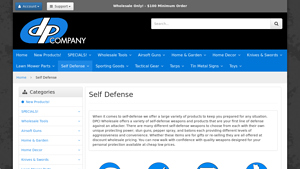
1. DPCI Wholesale – Survivor Hard Case Pepper Spray Keychain
Domain: dpciwholesale.com
Registered: 2008 (17 years)
Introduction: DPCI Wholesale offers a variety of self-defense weapons including stun guns, pepper spray, and batons, each with unique protective capabilities. Products are available at wholesale pricing with a minimum order of $100. Bestsellers include: 1/2 Ounce Survivor Hard Case Pepper Spray Keychain – Black ($3.59), 3 Million Volt Monster Stun Gun – Purple ($5.99), The Police Grade Stun Gun Flashlight – Pin…
2. Streetwise Security – Self-Defense Products
Domain: streetwisesecurity.com
Registered: 1999 (26 years)
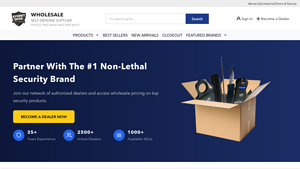
Introduction: Streetwise Security offers a wide range of self-defense products including stun guns, pepper spray, self-defense keychains, knives, flashlights, batons, alarms, bulletproof gear, displays, DVR and surveillance equipment, extinguishers, handcuffs, power banks, and safes. Some best-selling items include the Streetwise 18 Stream Pepper Spray, SMART Keychain Stun Gun, Expandable Steel Baton, Pain Pen …
3. Alarmed & Dangerous – Wholesale Self-Defense Tools
Domain: alarmedndangerous.com
Registered: 2022 (3 years)
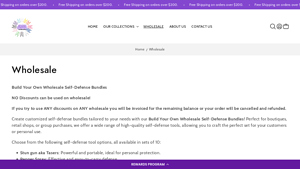
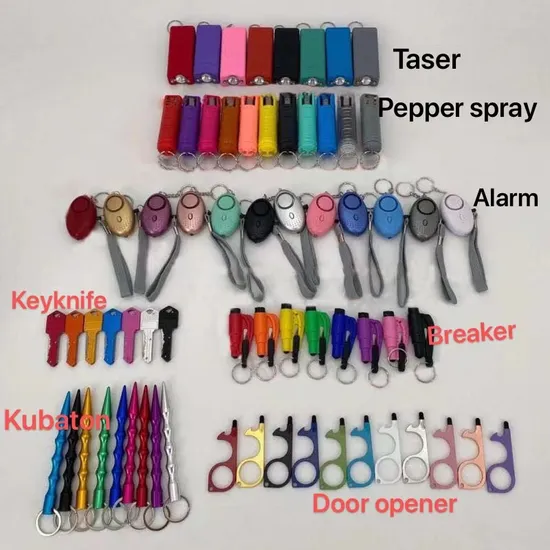
Introduction: Wholesale self-defense tools including stun guns, pepper spray, kubatons, personal alarms, seatbelt cutters/window breakers, whistles, discreet knives, cat ears, wristlets & lanyards, pom poms, and mini suitcases. Products available in sets of 10. Prices range from $3.00 to $365.00 USD. Free shipping on orders over $200. No discounts applicable on wholesale orders.
4. Self Defense Supply – Tactical Gear & Self-Defense Products
Domain: selfdefensesupply.com
Registered: 1999 (26 years)
Introduction: Wholesale Knives, OTF & Automatic Knives, Self-Defense Gear, Alarms, Assisted Knives, Blowguns, Fixed Blade Knives, Tactical Gear, Stun Guns, Pepper Spray, Expandable Batons, Multi-Tools, Machetes, Pocket Knives, Butterfly Knives, Automatic Knives, Self Defense Products, Security Cameras, Water Filtration, Freeze Dried Foods, Name Brand Knives (Bear and Sons, Cold Steel, CRKT, Gerber, Ka-Bar, Kers…
5. Faire – Wholesale Self Defense Products
Domain: faire.com
Registered: 1998 (27 years)
Introduction: Wholesale self defense products available for retail stores, featuring over 100,000 brands. Essential tools for peace of mind.
6. Blue Ridge Knives – Self-Defense Products
Domain: blueridgeknives.com
Registered: 1998 (27 years)
Introduction: Wholesale self-defense and personal security products including pepper spray, handcuffs, and more. High-quality items from trusted brands like ASP, Sabre, and Police Magnum. Ideal for personal and home protection.
7. Self Defense Products Inc – Wholesale Self-Defense Gear
Domain: selfdefenseproductsinc.com
Registered: 2013 (12 years)
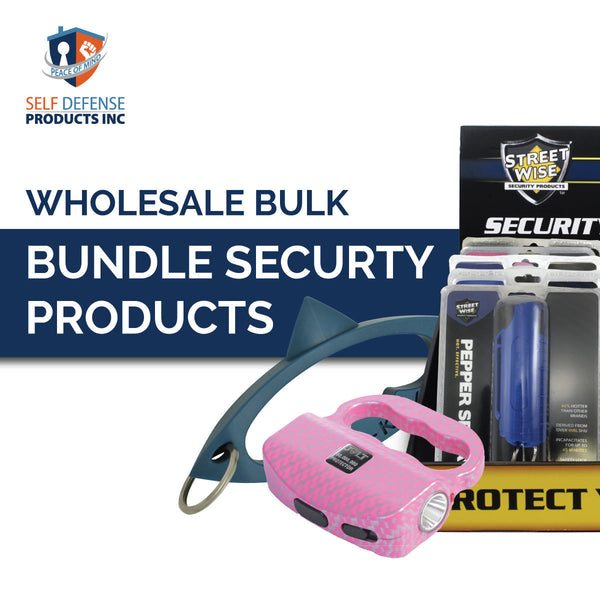
Introduction: Wholesale Self-Defense products including a variety of categories such as Self Defense Batons (Automatic, Expandable, Flashlight, Key-Chain, Pink, Tonfa), Self Defense Key-Chains, Self Defense Kubatons, Self Defense Knives (Automatic, Pocket, Tactical, Disguised, Throwing, Survival), Dog and Animal Repellent, Byrna Pepper Launcher, Pepper Alarms, Pepper Guns (with accessories and holsters), Pepper…
8. Blingsting – Skinny Lipstick Stun Gun
Domain: blingsting.com
Registered: 2009 (16 years)
Introduction: Women’s Wholesale Self Defense Products including Stun Guns and Pepper Spray. Key products include: 1. Skinny Lipstick Stun Gun – compact and stylish design. 2. High Voltage Stun Gun – powerful self-defense tool. 3. Glitter Pepper Spray – fashionable and functional with safety lock and key ring. 4. Personal Alarm Keychains – compact and loud, designed to deter threats. 5. Full women’s self-defense…
9. Self Shield USA – Wholesale Kubatons
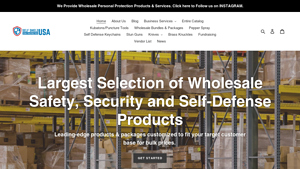
Domain: selfshieldus.com
Registered: 2020 (5 years)
Introduction: Self Shield USA, LLC offers a variety of wholesale self-defense products including Kubatons, pepper spray, stun guns, self-defense keychains, discreet knives, brass knuckles, and more. Key products include: Wholesale Kubatons (from $9.99), Wholesale Key Knife (from $3.29), Wholesale Hard Case Pepper Spray (from $3.50), Wholesale Lipstick Stun Gun (from $9.30), and various starter kits for self-def…
10. Wholesale Blades – Self Defense Weapons
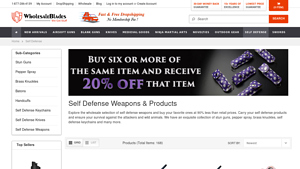
Domain: wholesaleblades.com
Registered: 2013 (12 years)
Introduction: Self Defense Weapons and Products at Best Wholesale Rate | Wholesale Blades. Key products include: Stun Guns, Pepper Spray, Brass Knuckles, Batons, Handcuffs, Self Defense Keychains, Self Defense Knives. Notable items: Black Hard Case Personal Defense Pepper Spray Keychain ($2.75), Red Personal Defense Pepper Spray OC-18 1/2 oz – Leather Case ($2.65), 21 Inch Self Defense EXTENDABLE Walking Steel …
Understanding self defense products wholesale Types and Variations
| Type Name | Key Distinguishing Features | Primary B2B Applications | Brief Pros & Cons for Buyers |
|---|---|---|---|
| Stun Guns | High voltage, portable, often dual-purpose with flashlight | Retail, personal protection, law enforcement | Pros: Highly effective, compact; Cons: Legal restrictions in some regions, requires training for safe use. |
| Pepper Spray | Compact, easy to use, various formulations (gel, foam) | Retail, self-defense classes, personal safety | Pros: Non-lethal, effective deterrent; Cons: Limited range, effectiveness can be affected by wind. |
| Batons | Expandable, durable, often made of metal or composite | Security services, law enforcement, personal safety | Pros: Versatile, can be used for self-defense or control; Cons: Requires training, can be seen as aggressive. |
| Personal Alarms | Loud sound, compact design, often keychain-friendly | Retail, personal safety, travel accessories | Pros: Easy to use, alerts others in emergencies; Cons: May not deter an attacker, effectiveness relies on others responding. |
| Self-Defense Keychains | Multi-functional tools, often include pepper spray or alarms | Retail, personal use, gifts | Pros: Discreet, convenient; Cons: Limited effectiveness compared to other self-defense tools. |
What are the Key Characteristics of Stun Guns for Wholesale Buyers?
Stun guns are compact self-defense devices that deliver a high-voltage shock to incapacitate an attacker temporarily. They often come with additional features like built-in flashlights, enhancing their utility. When considering purchasing stun guns wholesale, B2B buyers should assess the voltage output, battery life, and safety features. This type of product is highly sought after in retail environments and law enforcement, but buyers must be aware of regional legal restrictions that may impact sales.
Why is Pepper Spray a Popular Choice Among B2B Buyers?
Pepper spray is a favored self-defense product due to its ease of use and effectiveness in deterring attackers. Available in various formulations, including gel and foam, it can be tailored to specific market needs. Buyers should consider factors such as the spray’s range, formulation type, and packaging for retail display. This product is ideal for personal safety applications and self-defense classes, making it a staple in many wholesale inventories.
How Do Batons Serve B2B Applications in Security?
Batons are durable self-defense tools that can be expanded for ease of use. They are often utilized by security personnel and law enforcement for crowd control and self-defense. When purchasing batons wholesale, buyers should evaluate the material, length, and mechanism of extension. While batons are versatile and effective, they require proper training for safe usage and can be perceived as aggressive, which may affect their marketability.
What Advantages Do Personal Alarms Offer to B2B Buyers?
Personal alarms are compact devices that emit a loud sound to alert others during an emergency. They are easy to use and can be attached to keychains, making them convenient for everyday carry. B2B buyers should consider the alarm’s volume, battery life, and design when sourcing these products. While personal alarms provide a sense of security, their effectiveness largely depends on the response of bystanders, which can be a limitation in high-stress situations.
What Makes Self-Defense Keychains Attractive for B2B Markets?
Self-defense keychains are multi-functional tools that often incorporate pepper spray or personal alarms. Their discreet design allows users to carry them easily without drawing attention. For wholesale buyers, keychains present an opportunity to cater to the gift market and personal safety enthusiasts. When sourcing these products, buyers should focus on the design, functionality, and ease of use to ensure they meet consumer demands. However, their limited effectiveness compared to other self-defense tools can be a drawback to consider.
Key Industrial Applications of self defense products wholesale
| Industry/Sector | Specific Application of self defense products wholesale | Value/Benefit for the Business | Key Sourcing Considerations for this Application |
|---|---|---|---|
| Retail | Selling self-defense products in boutiques and online stores | Increased sales and customer trust through offering security items | Quality assurance, competitive pricing, and diverse product range |
| Security Services | Providing equipment for personal security and protection agencies | Enhanced service offerings and client satisfaction | Compliance with local regulations, reliability, and product training |
| Educational Institutions | Supplying self-defense tools for student safety programs | Promoting a safer environment and peace of mind for students | Bulk purchasing options, customization, and training for staff |
| Corporate Security | Equipping employees with personal safety devices | Reducing liability and enhancing employee safety | Product effectiveness, ease of use, and warranty support |
| Event Management | Offering self-defense products at events and festivals | Attracting attendees with safety measures and enhancing reputation | Availability of products, logistical support, and event-specific items |
How Can Retailers Leverage Self Defense Products Wholesale?
Retailers can enhance their product offerings by including self-defense products such as pepper spray, stun guns, and personal alarms. These items appeal to consumers’ growing concerns for personal safety, particularly in urban areas. By sourcing these products wholesale, retailers can enjoy competitive pricing, allowing for better profit margins while fostering customer loyalty through a commitment to safety. International buyers should ensure that products comply with local regulations and standards, which can vary significantly between regions, especially in Europe and Africa.
What Role Do Self Defense Products Play in Security Services?
Security service providers can benefit from wholesale self-defense products by equipping their personnel with essential tools for personal protection. This not only enhances the effectiveness of their services but also boosts client confidence. Buyers in this sector should prioritize products that meet stringent safety and operational standards, ensuring reliability during critical situations. Additionally, understanding local laws regarding the use of self-defense tools is crucial, especially in regions with varying legal frameworks.
Why Are Self Defense Products Important for Educational Institutions?
Educational institutions are increasingly recognizing the importance of safety measures for students and staff. By sourcing self-defense products wholesale, schools can implement safety programs that educate students on personal protection. This proactive approach not only promotes a secure environment but also reassures parents and guardians. Buyers should consider bulk purchasing options and the need for training programs to ensure effective use of these products within the educational framework.
How Can Corporate Security Use Self Defense Products?
Corporate security departments can enhance employee safety by providing self-defense tools as part of their security protocols. This practice reduces potential liability while empowering employees to feel secure in their work environment. Buyers in this sector should focus on the effectiveness and user-friendliness of products, as well as the availability of training sessions to maximize product utility. Compliance with workplace safety regulations is also a key consideration for international buyers.
What Benefits Do Event Managers Gain from Offering Self Defense Products?
Event managers can improve attendee experience and safety by incorporating self-defense products into their event planning. Offering these items at festivals or conferences not only attracts visitors but also demonstrates a commitment to attendee well-being. Buyers should look for logistical support from suppliers, ensuring timely delivery and availability of products tailored for event settings. Customization options for branding can also enhance the appeal of these products at events.
A stock image related to self defense products wholesale.
3 Common User Pain Points for ‘self defense products wholesale’ & Their Solutions
Scenario 1: Navigating Diverse Legal Regulations for Self-Defense Products
The Problem:
B2B buyers of self-defense products often face significant challenges related to the varying legal regulations across different countries and regions. For instance, products like stun guns or pepper spray may be legal in some areas but banned in others. A buyer in Germany may encounter strict regulations regarding the sale of certain self-defense items, while a retailer in Brazil may find more lenient laws. This discrepancy can lead to confusion, potential legal issues, and financial losses if products cannot be sold due to non-compliance.
The Solution:
To navigate these legal complexities, B2B buyers should conduct thorough research on the specific regulations governing self-defense products in each target market. Collaborating with local legal experts or consultants can provide valuable insights into compliance requirements. Additionally, establishing relationships with reputable wholesalers who are well-versed in international laws can help ensure that the products sourced are compliant. Buyers can also utilize resources such as trade associations or governmental websites to stay updated on any changes in legislation. By proactively managing compliance, businesses can avoid costly mistakes and focus on effectively marketing their products.
Scenario 2: Ensuring Product Quality and Reliability
The Problem:
One of the critical pain points for B2B buyers in the self-defense products market is the assurance of product quality and reliability. With numerous suppliers offering a wide range of products, distinguishing between high-quality and subpar items can be challenging. A buyer may invest in a batch of self-defense products only to find that they do not perform as advertised, leading to customer dissatisfaction, potential safety risks, and damage to their brand reputation.
The Solution:
To ensure the quality and reliability of self-defense products, buyers should prioritize sourcing from established wholesalers with a proven track record. Requesting product samples before placing large orders can help assess quality firsthand. Buyers should also look for certifications and test results from independent laboratories, which can validate the effectiveness of products like stun guns and pepper sprays. Additionally, seeking out wholesalers that offer warranties or satisfaction guarantees can provide extra security. Engaging in customer feedback mechanisms after sales can also help identify any issues with product performance, allowing for quick resolution and continuous improvement.
Scenario 3: Managing Inventory and Supply Chain Challenges
The Problem:
B2B buyers often struggle with inventory management and supply chain challenges when dealing with self-defense products. The demand for these products can fluctuate significantly, influenced by factors such as crime rates or global events. This unpredictability can lead to overstocking or stockouts, both of which can have negative financial implications for a business. A buyer may find themselves with excess inventory that ties up capital or, conversely, face missed sales opportunities due to inadequate stock levels.
The Solution:
Implementing a robust inventory management system can help mitigate these challenges. Buyers should consider using software that provides real-time inventory tracking and demand forecasting based on historical data and market trends. Establishing a close relationship with suppliers can also facilitate quicker replenishment times, enabling businesses to respond rapidly to changes in demand. Additionally, diversifying product lines to include a mix of high-demand and niche self-defense products can help balance inventory levels. Regularly reviewing sales data and customer preferences will enable buyers to make informed decisions on stock levels, ensuring they remain competitive and responsive to market needs.
Strategic Material Selection Guide for self defense products wholesale
What Are the Key Materials Used in Self Defense Products?
When selecting materials for self-defense products, B2B buyers must consider various factors that influence product performance, durability, and compliance with international standards. Here, we analyze four common materials used in self-defense products, focusing on their properties, advantages, disadvantages, and specific considerations for international markets.
How Does ABS Plastic Perform in Self Defense Products?
Acrylonitrile Butadiene Styrene (ABS) plastic is widely used in the manufacturing of self-defense tools such as batons and pepper spray canisters. Key properties of ABS include high impact resistance and good tensile strength, making it suitable for products that may experience rough handling.
Pros: ABS is lightweight, cost-effective, and easy to mold, enabling complex designs that enhance usability.
Cons: It has lower heat resistance compared to other materials, which may limit its performance in high-temperature environments.
Impact on Application: ABS is compatible with various media, including liquids used in pepper sprays, but may degrade over time when exposed to UV light.
Considerations for International Buyers: Compliance with ASTM standards is essential, particularly in markets like Germany and Brazil, where product safety regulations are stringent.
Why Is Aluminum a Popular Choice for Self Defense Products?
Aluminum is frequently used in the construction of stun guns and batons due to its excellent strength-to-weight ratio and corrosion resistance.
Pros: It is durable, lightweight, and can be anodized for additional protection against wear and tear.
Cons: While generally more expensive than plastics, the benefits often outweigh the costs for high-quality products.
Impact on Application: Aluminum is suitable for high-performance applications, such as stun guns, where electrical conductivity is crucial.
Considerations for International Buyers: Buyers should ensure that aluminum products meet compliance standards, such as DIN in Europe, to guarantee safety and reliability.
What Role Does Stainless Steel Play in Self Defense Products?
Stainless steel is commonly found in self-defense items like tactical knives and handcuffs due to its high corrosion resistance and durability.
Pros: It offers exceptional strength and longevity, making it ideal for products requiring high durability.
Cons: The manufacturing process can be more complex and costly compared to plastic alternatives.
Impact on Application: Stainless steel is compatible with various environments, including humid or coastal areas, where corrosion could be a concern.
Considerations for International Buyers: Compliance with international standards, such as JIS in Japan, is critical for stainless steel products, particularly in markets with strict import regulations.
How Does Rubber Contribute to Self Defense Products?
Rubber is often used in grips and protective casings for self-defense tools, providing a non-slip surface that enhances user control.
Pros: It is flexible, shock-absorbent, and provides excellent grip, making it suitable for handheld devices like stun guns.
Cons: Rubber may degrade over time, especially when exposed to extreme temperatures or UV light.
Impact on Application: Rubber’s compatibility with various environments makes it ideal for products that require a secure hold, particularly in high-stress situations.
Considerations for International Buyers: Buyers should verify that rubber materials comply with relevant safety standards, particularly in regions like Africa and the Middle East, where product reliability is paramount.
Summary Table of Material Selection for Self Defense Products
| Material | Typical Use Case for self defense products wholesale | Key Advantage | Key Disadvantage/Limitation | Relative Cost (Low/Med/High) |
|---|---|---|---|---|
| ABS Plastic | Batons, pepper spray canisters | Lightweight and cost-effective | Lower heat resistance | Low |
| Aluminum | Stun guns, tactical batons | Durable and corrosion-resistant | Higher cost | Med |
| Stainless Steel | Tactical knives, handcuffs | Exceptional strength and longevity | Complex manufacturing process | High |
| Rubber | Grips for stun guns, protective casings | Non-slip and shock-absorbent | Potential degradation over time | Low |
This guide serves as a strategic resource for international B2B buyers looking to make informed decisions when selecting materials for self-defense products, ensuring they meet both performance and compliance standards in their respective markets.
A stock image related to self defense products wholesale.
In-depth Look: Manufacturing Processes and Quality Assurance for self defense products wholesale
What Are the Main Stages of Manufacturing Self-Defense Products?
The manufacturing process for self-defense products involves several critical stages, each designed to ensure that the final products meet safety and performance standards. The primary stages include material preparation, forming, assembly, and finishing.
-
Material Preparation: This initial stage involves sourcing high-quality materials that meet specific safety standards. For example, materials for stun guns and pepper sprays must be durable and capable of withstanding high-stress conditions. Suppliers often utilize materials like high-grade plastics, aluminum, and specialized chemical formulations for pepper sprays. Each material is tested for compliance with international safety standards before use.
-
Forming: During the forming stage, raw materials are shaped into the desired components. Techniques such as injection molding for plastic parts or metal stamping for batons are commonly employed. Advanced technologies like CNC machining may also be used for precision components, ensuring that parts fit together seamlessly. This stage is crucial for maintaining the integrity of the design and ensuring functionality.
-
Assembly: Once components are formed, they move to the assembly line, where skilled workers or automated systems put together the products. This stage often includes integrating electronic components for devices like stun guns, where battery installation and circuitry connections are critical. Quality assurance checks are typically conducted at this point to verify that each assembly meets design specifications.
-
Finishing: The final stage involves applying any surface treatments, such as painting, anodizing, or adding protective coatings. This not only enhances the aesthetic appeal of the product but also improves durability and resistance to environmental factors. Each product undergoes a final inspection to ensure it meets both functional and visual standards before packaging.
What Quality Assurance Standards Should B2B Buyers Be Aware Of?
Quality assurance is essential in the self-defense products industry, where reliability and safety are paramount. Buyers should be familiar with several international standards that ensure product quality and safety.
-
ISO 9001: This widely recognized standard focuses on quality management systems (QMS). Manufacturers adhering to ISO 9001 demonstrate their commitment to consistent quality and continuous improvement. B2B buyers should request ISO certification documents to verify compliance.
-
CE Marking: For products sold within the European Economic Area, CE marking indicates that the product complies with EU safety, health, and environmental protection standards. It’s crucial for buyers in Europe, as products without this marking may not be legally sold.
-
API Standards: For products that involve chemical formulations, such as pepper sprays, adherence to American Petroleum Institute (API) standards can be a mark of quality. These standards ensure that chemical products are safe and effective.
What Are the Key Quality Control Checkpoints in Manufacturing?
Quality control (QC) is integral to the manufacturing process, involving various checkpoints to identify and rectify issues early in production. Key checkpoints include:
-
Incoming Quality Control (IQC): This initial inspection stage occurs when raw materials arrive at the manufacturing facility. Materials are tested against predefined specifications to ensure they meet quality standards before entering production.
-
In-Process Quality Control (IPQC): During the manufacturing process, ongoing checks are conducted to monitor product quality at various stages. This includes inspections after forming and assembly, ensuring that any defects can be addressed immediately to minimize waste and rework.
-
Final Quality Control (FQC): Before products are packaged and shipped, FQC involves a comprehensive review of the final product. Testing may include functionality tests, safety assessments, and visual inspections to ensure that all products meet the required standards.
How Can B2B Buyers Verify Supplier Quality Control?
For international B2B buyers, verifying the quality control processes of suppliers is crucial to ensure product reliability. Here are effective strategies:
-
Conducting Audits: Buyers should perform on-site audits of manufacturing facilities. This allows them to assess the quality management systems in place, observe manufacturing practices, and engage with staff to understand their processes.
-
Requesting Quality Reports: Suppliers should provide detailed quality control reports, including results from IQC, IPQC, and FQC. These documents should outline the methods used and any corrective actions taken for non-conformities.
-
Utilizing Third-Party Inspection Services: Engaging third-party inspection agencies can provide an unbiased assessment of the manufacturing process and product quality. These services can conduct random inspections and tests, ensuring compliance with international standards.
What Nuances Should International Buyers Consider Regarding QC?
International buyers, particularly those from Africa, South America, the Middle East, and Europe, should be aware of specific nuances related to quality control and compliance.
-
Cultural Differences: Understanding cultural attitudes toward quality and compliance can be essential. For example, some regions may prioritize cost over quality, which can affect supplier practices. Establishing strong relationships and clear communication can help mitigate these challenges.
-
Regulatory Compliance: Different regions have varying regulations regarding self-defense products. For instance, products considered legal in one country may be restricted in another. Buyers should familiarize themselves with local laws to avoid compliance issues.
-
Shipping and Logistics: Quality assurance does not end at the manufacturing stage. Buyers should ensure that suppliers have robust logistics practices to prevent damage during shipping. This includes proper packaging and handling instructions that align with international shipping standards.
By understanding the manufacturing processes and quality assurance protocols involved in self-defense products, B2B buyers can make informed decisions, ensuring they source reliable and compliant products for their markets.
Practical Sourcing Guide: A Step-by-Step Checklist for ‘self defense products wholesale’
The following practical sourcing guide serves as a comprehensive checklist for B2B buyers looking to procure self-defense products wholesale. This guide will help you navigate the complexities of sourcing, ensuring you select the best products and suppliers to meet your business needs.
Step 1: Identify Your Target Market Needs
Understanding the specific demands of your target market is crucial for successful sourcing. Research the preferences and safety concerns prevalent in your region, whether it’s Africa, South America, the Middle East, or Europe. Tailor your product selection, such as pepper sprays or stun guns, based on these insights to ensure market fit.
Step 2: Define Product Specifications
Clearly outline the types of self-defense products you wish to source, including size, power, and usability. Consider factors such as portability and ease of use, as these can significantly influence consumer purchasing decisions. For instance, lightweight stun guns may appeal more to urban customers seeking discreet options.
Step 3: Evaluate Potential Suppliers
Before making any commitments, it’s imperative to conduct thorough evaluations of potential suppliers. Request detailed company profiles, verify their business history, and seek references from other businesses in your sector. Pay attention to their product range, quality assurance processes, and customer service reputation.
Step 4: Assess Compliance and Certifications
Ensure that the self-defense products you are considering comply with local and international regulations. Check for certifications such as ISO standards or safety testing results. Compliance not only protects your business from legal issues but also assures your customers of product reliability.
Step 5: Negotiate Pricing and Terms
Once you’ve identified suitable suppliers, engage in negotiations to secure favorable pricing and payment terms. Compare quotes from multiple suppliers to ensure you’re getting competitive rates, and don’t hesitate to ask for volume discounts or extended payment options. This can significantly impact your profit margins.
Step 6: Request Samples for Quality Testing
Before finalizing your order, always request samples of the products you intend to purchase. Testing these samples can help you assess their quality, functionality, and appeal to your target market. Look for features that set your products apart, such as unique designs or enhanced safety mechanisms.
Step 7: Plan for Logistics and Distribution
Finally, consider the logistics of shipping and distribution. Assess the supplier’s shipping capabilities, including delivery times and costs. Determine how you will manage inventory and distribution in your region, ensuring you can meet customer demand promptly and efficiently.
By following this checklist, you can effectively source high-quality self-defense products that meet market needs while establishing solid relationships with reputable suppliers. This strategic approach will position your business for success in the competitive self-defense market.
Comprehensive Cost and Pricing Analysis for self defense products wholesale Sourcing
What Are the Key Cost Components in Wholesale Self-Defense Products?
When sourcing self-defense products wholesale, understanding the cost structure is crucial for B2B buyers. The primary components of cost include materials, labor, manufacturing overhead, tooling, quality control (QC), logistics, and profit margins.
-
Materials: The quality and type of materials used in products like stun guns, pepper sprays, and batons directly impact costs. High-grade materials may incur a higher initial expense but can lead to better durability and customer satisfaction.
-
Labor: Labor costs can vary significantly based on the region of manufacturing. For instance, countries with lower labor costs may offer cheaper products, but this could affect quality. It’s essential to balance cost with quality expectations.
-
Manufacturing Overhead: This encompasses expenses related to the production facility, utilities, and other indirect costs. Efficient manufacturing processes can reduce overhead and improve profit margins.
-
Tooling: Initial tooling costs can be substantial, particularly for customized products. However, once established, these costs are amortized over the production volume, influencing the price per unit.
-
Quality Control (QC): Rigorous QC procedures are vital for maintaining product standards, especially in self-defense items where reliability is paramount. Investing in quality assurance can reduce returns and increase customer trust.
-
Logistics: Shipping and handling costs are critical, particularly for international buyers. Factors such as freight rates, customs duties, and delivery timelines can significantly affect the final cost.
-
Margin: The profit margin varies by supplier and product type. Understanding the typical markup in your region will help in negotiating better deals.
How Do Price Influencers Impact Wholesale Sourcing of Self-Defense Products?
Several factors influence pricing, making it essential for international B2B buyers to consider these variables:
-
Volume and Minimum Order Quantity (MOQ): Larger orders typically result in better pricing due to economies of scale. Suppliers may offer tiered pricing based on the volume ordered, so negotiating MOQ can lead to significant savings.
-
Specifications and Customization: Customization options can increase costs. However, tailored products often command higher retail prices, potentially offsetting the initial investment.
-
Materials and Certifications: Products made with higher quality or specialized materials (e.g., military-grade) may come at a premium. Certifications can also impact pricing, as compliant products often require additional testing and documentation.
-
Supplier Factors: The reputation and reliability of the supplier can influence pricing. Established suppliers may charge more but offer better quality and service.
-
Incoterms: Understanding shipping terms is crucial for international buyers. Different Incoterms (like FOB, CIF) can affect who bears the shipping and insurance costs, impacting the total cost.
What Are the Best Negotiation Strategies for International B2B Buyers?
To maximize cost-efficiency when sourcing self-defense products wholesale, international buyers should consider the following tips:
-
Conduct Market Research: Understand the pricing landscape by researching competitors and market trends. This knowledge will empower you during negotiations.
-
Negotiate Payment Terms: Flexible payment terms can ease cash flow pressures. Consider negotiating payment plans or discounts for early payments.
-
Consider Total Cost of Ownership (TCO): Evaluate not just the purchase price but also logistics, customs duties, and potential warranty costs. TCO can reveal the true expense of a product over its lifecycle.
-
Build Relationships: Establishing long-term relationships with suppliers can lead to better pricing and service. Reliable partnerships often result in preferential pricing and priority treatment.
-
Stay Informed on Pricing Nuances: Be aware of currency fluctuations and geopolitical factors that might affect costs. This knowledge can help in making informed purchasing decisions.
Conclusion: Understanding Pricing Dynamics in Self-Defense Products
Engaging in wholesale sourcing of self-defense products requires a deep understanding of cost structures, price influencers, and effective negotiation strategies. By leveraging these insights, international B2B buyers can make informed decisions that balance cost with quality, ultimately leading to successful procurement strategies.
Disclaimer: The prices mentioned in this analysis are indicative and subject to change based on market conditions and supplier agreements. Always confirm current pricing with suppliers prior to purchase.
Alternatives Analysis: Comparing self defense products wholesale With Other Solutions
Exploring Alternatives to Self Defense Products Wholesale
In the ever-evolving landscape of personal safety and security, B2B buyers often seek various solutions to meet their customers’ needs. While wholesale self-defense products offer a straightforward method for enhancing personal protection, several alternative technologies and methods can also provide effective solutions. Understanding these alternatives can empower businesses to make informed decisions based on their unique requirements and market dynamics.
Comparison of Self Defense Products Wholesale with Alternative Solutions
| Comparison Aspect | Self Defense Products Wholesale | Personal Safety Apps | Security Personnel |
|---|---|---|---|
| Performance | High effectiveness in deterring threats through physical means | Moderate effectiveness; relies on user response | High effectiveness, immediate response capability |
| Cost | Low initial investment; bulk pricing available | Generally low cost, often subscription-based | Higher ongoing costs due to salaries and training |
| Ease of Implementation | Simple to stock and distribute; minimal training required | Easy to implement; requires user engagement | Requires hiring and training, more complex |
| Maintenance | Minimal maintenance; products have a shelf life | Regular updates needed; depends on app developers | Ongoing training and management necessary |
| Best Use Case | Retail environments, personal use, and group purchases | Urban areas with high smartphone usage | High-risk environments or large events needing security presence |
Detailed Breakdown of Alternatives
Personal Safety Apps
Personal safety applications have gained popularity, especially among younger demographics who are increasingly reliant on smartphones. These apps can alert authorities, send distress signals, or provide real-time location tracking to friends or family. The primary advantage of these solutions is their low cost and ease of use. However, they rely heavily on the user’s engagement and the availability of technology, which can be a limitation in regions with low smartphone penetration or unstable internet connectivity.
Security Personnel
Employing trained security personnel represents a robust alternative to self-defense products. This solution is particularly effective in environments where immediate, human intervention is necessary, such as in corporate offices, event venues, or high-risk neighborhoods. The presence of security personnel can significantly deter crime and provide a sense of safety. However, this approach involves higher ongoing costs due to salaries and training requirements, and may not be feasible for smaller businesses or those with limited budgets.
Conclusion: How to Choose the Right Solution for Your Business Needs
Selecting the appropriate self-defense solution involves a thorough assessment of your specific context, budget, and target audience. For businesses focused on retailing self-defense tools, wholesale self-defense products offer a cost-effective and reliable option that meets immediate consumer needs. Alternatively, if your clientele is tech-savvy and resides in urban environments, personal safety apps might resonate better. For organizations that require a stronger physical security presence, investing in trained personnel may be justified despite the higher costs. Ultimately, aligning the chosen solution with your business model and customer expectations will lead to greater success in the marketplace.
Essential Technical Properties and Trade Terminology for self defense products wholesale
What Are the Essential Technical Properties of Self Defense Products?
Understanding the technical specifications of self-defense products is crucial for B2B buyers. These specifications not only impact product performance but also influence purchasing decisions. Here are some key properties to consider:
-
Material Grade
The materials used in self-defense products, such as stun guns and pepper sprays, vary widely. Common materials include high-grade plastics, aluminum, and stainless steel. The grade of these materials affects durability, weight, and resistance to wear and tear. For example, aluminum may provide a lightweight option for batons, while stainless steel offers enhanced durability for handcuffs. Buyers should assess material quality to ensure product longevity and customer satisfaction. -
Voltage Ratings
For electrical self-defense devices like stun guns, voltage ratings are a critical specification. Voltage indicates the device’s effectiveness in incapacitating an attacker. Products can range from 1 million volts to over 7 million volts. Higher voltage generally means greater effectiveness, but safety and compliance with local regulations are paramount. Buyers should ensure that products meet the necessary safety standards in their respective markets. -
Capacity and Size
The capacity of products, particularly in terms of spray volume for pepper sprays and battery life for stun guns, is another vital specification. For example, a 0.5-ounce pepper spray may provide a limited number of uses compared to a 2-ounce version. Size also influences portability and ease of use. Buyers should consider the intended user demographic when selecting product sizes, ensuring they offer options for both compact and full-size units. -
Range and Effectiveness
The effective range of self-defense products is particularly important for items like pepper spray and stun guns. For instance, pepper sprays can have ranges from 8 to 15 feet, while stun guns typically require closer proximity. Understanding the effective range helps buyers recommend appropriate products based on user scenarios, such as urban environments versus rural settings. -
Compliance and Certifications
Many self-defense products must comply with local laws and regulations. Certifications, such as those from independent testing laboratories, can indicate quality and safety standards. For example, some pepper sprays are tested for heat levels, with higher ratings indicating more effective deterrents. Buyers should verify compliance with local regulations to avoid legal issues and ensure customer safety.
What Are Common Trade Terms in the Self Defense Products Wholesale Industry?
Familiarity with industry terminology is essential for effective communication and negotiation in the wholesale market. Here are some common terms that B2B buyers should know:
-
OEM (Original Equipment Manufacturer)
This term refers to a company that produces components or products that are then marketed by another company under its brand name. For self-defense products, an OEM might manufacture stun guns that a retailer sells under its label. Understanding OEM relationships can help buyers identify reliable manufacturers and assess product quality. -
MOQ (Minimum Order Quantity)
MOQ is the smallest number of units that a supplier is willing to sell. This term is crucial for B2B buyers to understand, as it affects inventory planning and cash flow. Suppliers often set MOQs based on production costs and logistics. Buyers should negotiate MOQs that align with their sales forecasts and storage capabilities. -
RFQ (Request for Quotation)
An RFQ is a standard business process used to invite suppliers to bid on specific products or services. Buyers submit an RFQ to multiple suppliers to receive pricing and terms. Crafting a well-defined RFQ can lead to competitive pricing and better product options, making it an essential tool for B2B negotiations. -
Incoterms (International Commercial Terms)
These are standardized trade terms published by the International Chamber of Commerce that define the responsibilities of buyers and sellers in international transactions. Terms like FOB (Free on Board) and CIF (Cost, Insurance, and Freight) clarify who is responsible for shipping, insurance, and tariffs, which is particularly important for international B2B buyers. -
Lead Time
This term refers to the time between placing an order and receiving the products. Understanding lead times is critical for inventory management and fulfilling customer demand. Buyers should communicate with suppliers to establish realistic lead times to avoid stock shortages. -
Warranty and Return Policy
Warranty terms outline the conditions under which a product can be repaired or replaced. A robust warranty can signify product reliability and quality. Buyers should carefully review warranty and return policies to ensure they can offer their customers adequate support in case of product issues.
By understanding these technical properties and trade terms, B2B buyers can make informed decisions when sourcing self-defense products, ultimately leading to better customer satisfaction and business success.
Navigating Market Dynamics and Sourcing Trends in the self defense products wholesale Sector
What Are the Current Market Dynamics and Key Trends in the Self Defense Products Wholesale Sector?
The global self-defense products market is experiencing notable growth, driven by increasing concerns over personal safety and crime rates. As the market evolves, several key trends are emerging that international B2B buyers, particularly those from Africa, South America, the Middle East, and Europe, should be aware of. Firstly, technological advancements are shaping the landscape of self-defense products. Innovations such as high-voltage stun guns, smart pepper sprays with GPS capabilities, and mobile apps for safety alerts are becoming prevalent. These advancements not only enhance product effectiveness but also appeal to a tech-savvy consumer base.
Moreover, the rise of e-commerce has transformed sourcing dynamics. B2B buyers can now easily access a wide variety of products from global suppliers, allowing for greater flexibility and efficiency in inventory management. Platforms enabling bulk purchasing, such as those providing customizable wholesale bundles, are gaining traction, catering to the needs of retailers and distributors looking for tailored solutions.
Another significant trend is the shift towards non-lethal self-defense options. As awareness about the implications of using lethal force grows, products like pepper sprays, personal alarms, and tactical flashlights are becoming preferred choices. This trend reflects a broader societal movement towards responsible self-defense practices, which is particularly relevant in regions with stringent regulations regarding weapons.
How Is Sustainability and Ethical Sourcing Influencing the Self Defense Products Wholesale Sector?
Sustainability and ethical sourcing are becoming increasingly important in the self-defense products wholesale sector. As environmental concerns rise globally, businesses are seeking to minimize their ecological footprint. This includes sourcing materials that are sustainable, such as recycled plastics for product packaging and biodegradable components for personal safety devices. Buyers are encouraged to look for suppliers that demonstrate a commitment to environmental stewardship through certifications or transparent sourcing practices.
Furthermore, ethical supply chains are essential for maintaining brand reputation and customer trust. Consumers are increasingly scrutinizing the practices behind the products they purchase. For B2B buyers, partnering with suppliers who prioritize fair labor practices and community support can enhance their market position. This is particularly relevant in regions like Europe, where consumers are willing to pay a premium for ethically produced goods.
Incorporating sustainability into product offerings not only aligns with consumer values but also opens up new market opportunities. B2B buyers should consider expanding their product lines to include eco-friendly self-defense options, such as solar-powered alarms or sustainably sourced stun guns, to meet the growing demand for responsible products.
What Is the Evolution of the Self Defense Products Market for B2B Buyers?
The self-defense products market has evolved significantly over the last few decades. Initially dominated by traditional weapons like pepper spray and batons, the industry has expanded to include a diverse range of non-lethal self-defense tools driven by consumer demand for safety and security. The introduction of advanced technology into these products has transformed their functionality and appeal.
In the 1990s, the focus was primarily on basic self-defense items, but as societal concerns about crime and personal safety intensified, the market began to diversify. Today, the industry encompasses a wide array of products, from compact stun guns and personal alarms to innovative solutions like tactical flashlights and self-defense keychains.
This evolution reflects a broader cultural shift towards prioritizing personal safety, especially in urban areas where crime rates may be higher. For B2B buyers, understanding this historical context is crucial for making informed sourcing decisions and capitalizing on emerging trends that resonate with end consumers. The continuous innovation within the sector suggests that staying updated on market developments will be vital for maintaining competitive advantage.
Frequently Asked Questions (FAQs) for B2B Buyers of self defense products wholesale
-
How do I choose the right self-defense products for my market?
Choosing the right self-defense products involves understanding your target market’s needs and preferences. Research popular items in your region, considering factors such as local crime rates, cultural attitudes toward self-defense, and legal restrictions on weapon types. Engage with potential customers through surveys or focus groups to gather insights. Additionally, consider stocking a mix of products, such as stun guns, pepper spray, and personal alarms, to cater to varying preferences and budgets. -
What are the most effective self-defense products for retail?
The most effective self-defense products for retail often include stun guns, pepper spray, and personal alarms. Stun guns are portable and powerful, ideal for personal protection, while pepper spray is easy to carry and use in an emergency. Personal alarms are great for alerting others during a crisis. To maximize sales, consider offering a variety of options, including different sizes, styles, and price points, to appeal to a broader audience. -
What minimum order quantities (MOQs) should I expect when sourcing wholesale self-defense products?
MOQs for wholesale self-defense products can vary significantly by supplier and product type. Typically, MOQs may range from 10 to 100 units per item, depending on the manufacturer. It’s essential to communicate with potential suppliers to understand their specific requirements and negotiate terms that work for your business model. Some suppliers may offer flexibility, especially for new accounts or bulk orders, so it’s worth inquiring. -
How can I verify the reliability of a self-defense products supplier?
To verify the reliability of a self-defense products supplier, conduct thorough research, including checking their business history, customer reviews, and industry reputation. Request references from other clients and assess their responsiveness and communication during your inquiry. It’s also prudent to evaluate their product quality through samples before placing a large order. Additionally, consider suppliers with established partnerships or certifications that demonstrate their commitment to quality and compliance. -
What payment terms are commonly offered by wholesale suppliers?
Payment terms can vary widely among wholesale suppliers, but many offer options such as net 30, net 60, or upfront payment. Some may accept credit terms or provide discounts for early payments. It’s important to discuss payment options early in negotiations and ensure they align with your cash flow needs. Additionally, using secure payment methods like escrow services can help protect your investment during the transaction. -
Are there customs regulations for importing self-defense products?
Yes, importing self-defense products is subject to various customs regulations that differ by country. It’s crucial to familiarize yourself with the laws in your target market regarding the importation of self-defense items, as some products may be restricted or require specific permits. Consult with a customs broker or legal expert to ensure compliance with all regulations, including labeling, packaging, and safety standards. -
What quality assurance measures should I consider for self-defense products?
Quality assurance is critical when sourcing self-defense products to ensure safety and effectiveness. Look for suppliers who provide product certifications, such as ISO or CE markings, which indicate compliance with industry standards. Request information about their manufacturing processes, quality control checks, and any independent testing conducted on their products. Regular audits and inspections can also help maintain quality standards in your inventory. -
How can I effectively market self-defense products in my region?
To effectively market self-defense products, tailor your strategies to resonate with your target audience. Utilize digital marketing channels, such as social media and email campaigns, to reach potential customers. Highlight the unique features and benefits of your products, focusing on safety and empowerment. Collaborate with local influencers or community organizations to build trust and awareness. Additionally, consider hosting workshops or demonstrations to educate consumers about the importance of self-defense and how to use your products effectively.
Important Disclaimer & Terms of Use
⚠️ Important Disclaimer
The information provided in this guide, including content regarding manufacturers, technical specifications, and market analysis, is for informational and educational purposes only. It does not constitute professional procurement advice, financial advice, or legal advice.
While we have made every effort to ensure the accuracy and timeliness of the information, we are not responsible for any errors, omissions, or outdated information. Market conditions, company details, and technical standards are subject to change.
B2B buyers must conduct their own independent and thorough due diligence before making any purchasing decisions. This includes contacting suppliers directly, verifying certifications, requesting samples, and seeking professional consultation. The risk of relying on any information in this guide is borne solely by the reader.
Strategic Sourcing Conclusion and Outlook for self defense products wholesale
In the evolving landscape of self-defense products wholesale, strategic sourcing emerges as a cornerstone for success. By carefully selecting suppliers, B2B buyers can access a diverse range of high-quality self-defense products, from stun guns to pepper sprays, catering to the growing demand for personal security across various markets. The wholesale sector is witnessing a robust growth trajectory, driven by rising safety concerns and the need for effective self-defense solutions.
Buyers from regions such as Africa, South America, the Middle East, and Europe should prioritize partnerships with reputable wholesalers that offer competitive pricing, innovative products, and reliable customer support. Leveraging these relationships not only enhances product offerings but also builds trust and loyalty among end customers.
Looking ahead, the self-defense market is set to expand significantly, with an estimated growth rate of 5.9% through 2025. This presents a unique opportunity for international buyers to position themselves as leaders in this vital sector. Engage with trusted suppliers today to secure your competitive edge and meet the increasing demand for effective self-defense solutions. Your proactive approach can empower communities and ensure safety across borders.