
The Ultimate Guide to Sourcing Wholesale Trucker Caps: Top 5 Compan…
Introduction: Navigating the Global Market for wholesale trucker caps
In an increasingly competitive global marketplace, sourcing wholesale trucker caps can present a unique set of challenges for B2B buyers, particularly those operating in diverse regions such as Africa, South America, the Middle East, and Europe. As fashion trends evolve and consumer preferences shift, navigating the complexities of quality, pricing, and supplier reliability is crucial for businesses aiming to capitalize on this popular accessory. This guide is designed to empower international buyers by providing in-depth insights into various types of trucker caps, their applications across different markets, and effective strategies for vetting suppliers.
From classic foam trucker hats to trendy designs featuring vibrant colors and unique graphics, understanding the full spectrum of available options is essential for making informed purchasing decisions. Additionally, we will cover cost considerations, helping buyers evaluate pricing structures and negotiate favorable terms with suppliers. By synthesizing vital information and actionable strategies, this comprehensive resource equips businesses to enhance their product offerings and meet the demands of their customers.
Whether you’re a boutique owner in Brazil seeking the latest fashion trends or a retailer in Saudi Arabia looking to diversify your inventory, this guide will serve as your roadmap to successfully navigating the wholesale trucker cap market. Prepare to unlock opportunities that will elevate your business and drive sales in a dynamic landscape.
Top 10 Wholesale Trucker Caps Manufacturers & Suppliers List
1. Katydid – Wholesale Hats and Caps
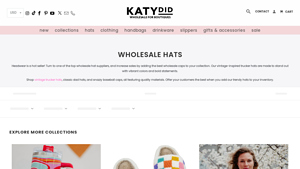
Domain: katydidwholesale.com
Registered: 2010 (15 years)
Introduction: Wholesale hats and caps made in the US. Vintage-inspired trucker hats, classic dad hats, and baseball caps available. Features include vibrant colors, bold statements, and quality materials. Suitable for women’s boutiques and retail stores, appealing to trendy moms and fashionable girls. Types of hats include foam trucker hats with happy face designs, trendy embroidered caps, beach-ready sun hats,…
2. Buck Wholesale – Trucker Hats
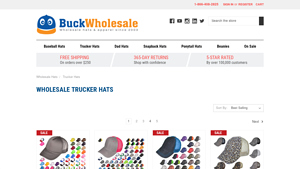
Domain: buckwholesale.com
Registered: 2003 (22 years)
Introduction: Trucker Hats Wholesale | Buy in Bulk | Buck Wholesale
– Variety of styles: Foam front, structured, unstructured, low-profile, mid-profile, distressed, vintage-washed
– Over 60+ color options across multiple styles
– No minimum order requirement (Buy 1 or 1,000+)
– Bulk discounts available
– Fast U.S. shipping from Atlanta, GA
– Prices starting around $2.00
– 365-day return policy
– BBB “A+” ratin…
3. Decky – Wholesale Hats & Caps
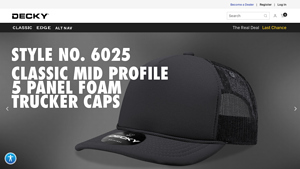
4. Richardson – 112 Trucker Snapback Cap
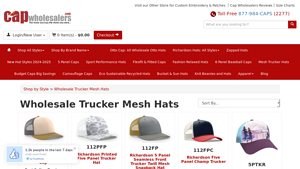
Domain: capwholesalers.com
Registered: 2002 (23 years)
Introduction: Wholesale Mesh Trucker Hats in Bulk – Cap Wholesalers offers a variety of trucker hats including popular brands like Richardson, Pacific Aug Brand, and Yupoong. Key products include:
– Richardson 112 Trucker Snapback Cap starting at $8.95
– Richardson Printed Five Panel Trucker Hat starting at $11.10
– Pacific Aug Brand Duck Camo Trucker Snapback Cap starting at $7.34
– Yupoong Flat Bill Trucker M…
5. CapBargain – Wholesale Hats & Custom Options
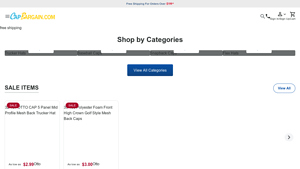
Domain: capbargain.com
Registered: 2007 (18 years)
Introduction: CapBargain offers a wide range of bulk wholesale hats including blank and custom options. Key product details include:
– Free shipping for orders over $119 in the continental United States for blank product orders only.
– Categories include Trucker Hats, Baseball Caps, Snapback Caps, Flex Hats, and more.
– Featured products include:
– OTTO CAP 5 Panel Mid Profile Mesh Back Trucker Hat starti…
Understanding wholesale trucker caps Types and Variations
| Type Name | Key Distinguishing Features | Primary B2B Applications | Brief Pros & Cons for Buyers |
|---|---|---|---|
| Classic Trucker Hat | 6-panel design, foam front, mesh back | Promotional events, casual retail | Pros: Affordable, customizable; Cons: May lack uniqueness |
| Snapback Trucker Hat | Adjustable snapback closure, flat bill | Youth and adult markets, sports teams | Pros: Popular style, versatile fit; Cons: Less breathable |
| Distressed Trucker Hat | Vintage look with frayed edges and faded colors | Fashion boutiques, casual wear | Pros: Trendy, appeals to younger demographics; Cons: Limited durability |
| Rope Trucker Hat | Decorative rope across the front, often two-toned | Outdoor events, beachwear collections | Pros: Unique aesthetic, stands out; Cons: Niche appeal |
| Kids Trucker Hat | Smaller size, playful designs, often with fun graphics | Children’s apparel stores, schools | Pros: Engaging for kids, customizable; Cons: Size limitations |
What are the Characteristics of Classic Trucker Hats?
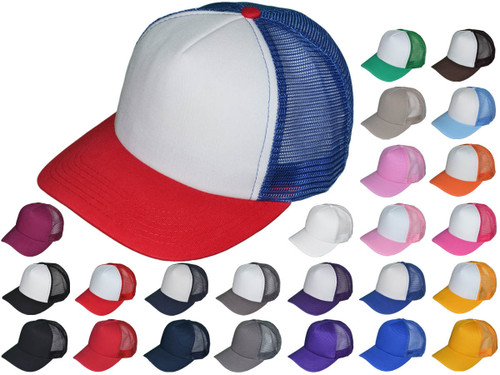
Classic trucker hats are characterized by their traditional 6-panel construction, featuring a foam front for easy customization and a breathable mesh back for comfort. They are an excellent choice for promotional events and casual retail settings due to their affordability and broad appeal. When sourcing these hats, buyers should consider the range of color options and customization capabilities, ensuring they can align the product with their brand identity.
How Do Snapback Trucker Hats Stand Out in the Market?
Snapback trucker hats feature an adjustable snap closure at the back and a flat bill, making them a popular choice among diverse demographics, especially youth and sports teams. Their versatility allows them to be worn in various settings, from casual outings to sporting events. Buyers should evaluate the quality of the materials used, as this will influence durability and customer satisfaction. Customization options, such as embroidery or screen printing, can also enhance their appeal.
Why Choose Distressed Trucker Hats for Your Inventory?
Distressed trucker hats offer a vintage aesthetic with frayed edges and faded colors, making them appealing to fashion-conscious consumers. They are particularly suitable for boutiques and casual wear retailers looking to attract younger audiences. When considering these hats for wholesale, buyers should assess the balance between style and durability, as the distressed look may compromise the hat’s lifespan. Ensuring a variety of designs can help cater to different tastes.
What Makes Rope Trucker Hats Unique?
Rope trucker hats are distinguished by a decorative rope that runs along the front, often complemented by two-tone color schemes. These hats are ideal for outdoor events and beachwear collections, providing a stylish yet functional accessory. Buyers should consider the unique aesthetic appeal of these hats, as they can differentiate their offerings in a competitive market. However, they may have a more niche appeal, so understanding the target demographic is crucial.
How Do Kids Trucker Hats Cater to Younger Audiences?
Kids trucker hats are designed with smaller sizes and playful graphics, making them a hit among children and parents alike. They are perfect for children’s apparel stores and school events, offering customization options that can engage young consumers. When purchasing these hats, buyers should focus on the fun factor, ensuring designs resonate with children while also considering comfort and durability for active wear.
Key Industrial Applications of wholesale trucker caps
| Industry/Sector | Specific Application of wholesale trucker caps | Value/Benefit for the Business | Key Sourcing Considerations for this Application |
|---|---|---|---|
| Agriculture | Promotional giveaways at agricultural fairs and expos | Enhances brand visibility and connects with local farmers | Ensure quality materials suitable for outdoor conditions; consider local customs for designs. |
| Sports and Recreation | Team merchandise for local sports clubs and events | Fosters community spirit and supports local teams | Look for bulk pricing options and customizable designs for team logos. |
| Fashion and Retail | Trendy accessory for boutiques and online stores | Appeals to fashion-forward consumers, increasing sales volume | Focus on current trends, material quality, and unique designs to stand out in a competitive market. |
| Hospitality and Tourism | Branded merchandise for hotels and resorts | Enhances guest experience and promotes brand loyalty | Consider eco-friendly materials and the ability to customize for different locations. |
| Corporate Branding | Employee uniforms or promotional items for corporate events | Improves brand recognition and team unity among employees | Look for bulk discounts and options for customization to reflect company branding. |
How Are Wholesale Trucker Caps Used in Agriculture?
In the agriculture sector, wholesale trucker caps serve as effective promotional items during agricultural fairs and expos. Farmers and agricultural businesses often distribute these caps to enhance brand visibility while engaging with potential customers. The caps not only protect wearers from the sun but also act as walking advertisements, reinforcing brand identity. For international buyers, it is crucial to select durable materials that can withstand outdoor conditions, as well as designs that resonate with local farming communities.
What Role Do Trucker Caps Play in Sports and Recreation?
Local sports clubs frequently utilize wholesale trucker caps as team merchandise. These caps are sold or distributed at games and events, helping to foster community spirit and support for local teams. They can also be used as incentives for youth participation in sports. Buyers from regions like South America and Europe should consider bulk pricing options and the ability to customize these caps with team logos and colors to create a sense of unity among players and fans alike.
How Are Trucker Caps Beneficial for Fashion and Retail Businesses?
In the fashion and retail sector, trucker caps have become trendy accessories that boutiques and online retailers can leverage to attract customers. They often feature unique designs, colors, and sayings that appeal to fashion-conscious consumers. For B2B buyers, focusing on current fashion trends and ensuring high-quality materials can significantly boost sales. Customization options allow retailers to differentiate their offerings, making it essential to source from suppliers who can provide a variety of styles and colors.
How Do Hospitality and Tourism Industries Utilize Trucker Caps?
In the hospitality and tourism industries, branded trucker caps are used as merchandise to enhance guest experiences at hotels and resorts. These caps can be sold in gift shops or given away as complimentary items, promoting brand loyalty and providing guests with a stylish way to protect themselves from the sun. For international buyers, sourcing eco-friendly materials can appeal to environmentally conscious consumers, and customization options can help reflect the local culture or brand identity.
What Advantages Do Trucker Caps Offer for Corporate Branding?
Corporate branding often incorporates wholesale trucker caps as part of employee uniforms or promotional giveaways at corporate events. These caps improve brand recognition and foster a sense of unity among employees. Companies looking to source these caps should consider bulk discounts and customization options that reflect their branding. Ensuring high-quality materials and trendy designs can enhance the overall perception of the brand, making it a worthwhile investment for corporate buyers.
A stock image related to wholesale trucker caps.
3 Common User Pain Points for ‘wholesale trucker caps’ & Their Solutions
Scenario 1: Navigating Quality Variability in Bulk Orders
The Problem: When sourcing wholesale trucker caps, B2B buyers often face significant variability in product quality. With numerous suppliers, it can be challenging to determine which ones provide hats that meet the necessary durability and aesthetic standards. A buyer might receive a shipment where the material feels cheap, seams are poorly stitched, or the colors are inconsistent, leading to customer dissatisfaction and potential returns.
The Solution: To ensure consistent quality, it is crucial to conduct thorough supplier vetting before placing bulk orders. Start by requesting samples from potential suppliers to evaluate their products firsthand. Look for suppliers with established reputations and positive reviews from other businesses, particularly those in your target market. Additionally, consider suppliers who offer a quality guarantee or return policy for defective items. This proactive approach not only helps you avoid quality issues but also builds a reliable supply chain that can enhance your brand’s reputation.
Scenario 2: Managing Diverse Customer Preferences
The Problem: In today’s competitive marketplace, catering to diverse customer preferences can be a daunting task. Wholesale buyers might struggle to select the right styles, colors, and sizes that appeal to their target demographic. For instance, a retailer in Brazil may need vibrant, tropical colors, while a buyer in Saudi Arabia might look for more muted, classic designs. This mismatch can lead to overstock of unpopular items and lost sales opportunities.
The Solution: To address this challenge, conduct market research to understand regional preferences and trends. Utilize online tools and platforms that provide insights into popular styles and customer behavior in different areas. Consider diversifying your inventory by offering a mix of classic and trendy designs, ensuring you have a range that appeals to various tastes. Collaborating with local influencers or conducting surveys can also provide valuable feedback on what styles resonate best with your target audience. This data-driven approach will help you stock items that are more likely to sell, minimizing excess inventory.
Scenario 3: Overcoming Shipping and Logistics Challenges
The Problem: International shipping of wholesale trucker caps often comes with its own set of challenges, including long lead times, unexpected customs fees, and damaged goods during transit. Buyers from regions like Africa and South America may find that delays in delivery can disrupt their retail operations, leading to lost sales and dissatisfied customers.
The Solution: To mitigate these logistical issues, establish a clear shipping strategy with your suppliers. Discuss and agree upon shipping methods that balance cost and speed, such as using air freight for urgent orders or sea freight for larger shipments. Additionally, work with logistics partners who have experience in international shipping and can navigate customs regulations effectively. Implementing robust packaging solutions can also minimize the risk of damage during transit. Finally, maintain open communication with your supplier to track shipments and anticipate any potential delays. This proactive planning will help you ensure timely delivery and maintain a smooth supply chain, ultimately enhancing customer satisfaction.
Strategic Material Selection Guide for wholesale trucker caps
What Are the Common Materials Used in Wholesale Trucker Caps?
When selecting materials for wholesale trucker caps, it’s essential to consider the properties, advantages, and limitations of each material. The choice of material can significantly impact the cap’s performance, durability, and appeal in various international markets.
What Are the Key Properties of Polyester in Trucker Caps?
Polyester is a popular choice for trucker caps due to its excellent durability and resistance to shrinking and stretching. It also offers good moisture-wicking properties, making it suitable for outdoor activities in various climates. Polyester can withstand high temperatures, making it ideal for regions with intense heat, such as parts of Africa and the Middle East.
Pros: Polyester caps are lightweight, cost-effective, and can be easily dyed in vibrant colors, appealing to fashion-conscious consumers. They are also resistant to mildew and fading, ensuring longevity.
Cons: On the downside, polyester is less breathable than natural fibers, which may lead to discomfort in hot and humid conditions. Additionally, it is less eco-friendly compared to organic materials.
Impact on Application: Polyester caps are compatible with various printing methods, including screen printing and embroidery, allowing for custom branding, which is crucial for businesses looking to enhance brand visibility.
How Does Cotton Perform as a Material for Trucker Caps?
Cotton is another widely used material for trucker caps, known for its softness and breathability. It provides comfort, making it a preferred choice for casual wear. Cotton caps are particularly suitable for cooler climates and are often favored for their natural feel.
Pros: Cotton is biodegradable, making it an environmentally friendly option. It is also highly absorbent, which can be beneficial in humid conditions.
Cons: However, cotton is less durable than polyester and can shrink or fade over time. It is also more susceptible to mildew, which can be a concern in humid regions.
Impact on Application: Cotton caps can be more challenging to maintain, especially in regions with high humidity. International buyers should consider the local climate when selecting cotton caps for their inventory.
What Are the Benefits of Foam in Trucker Caps?
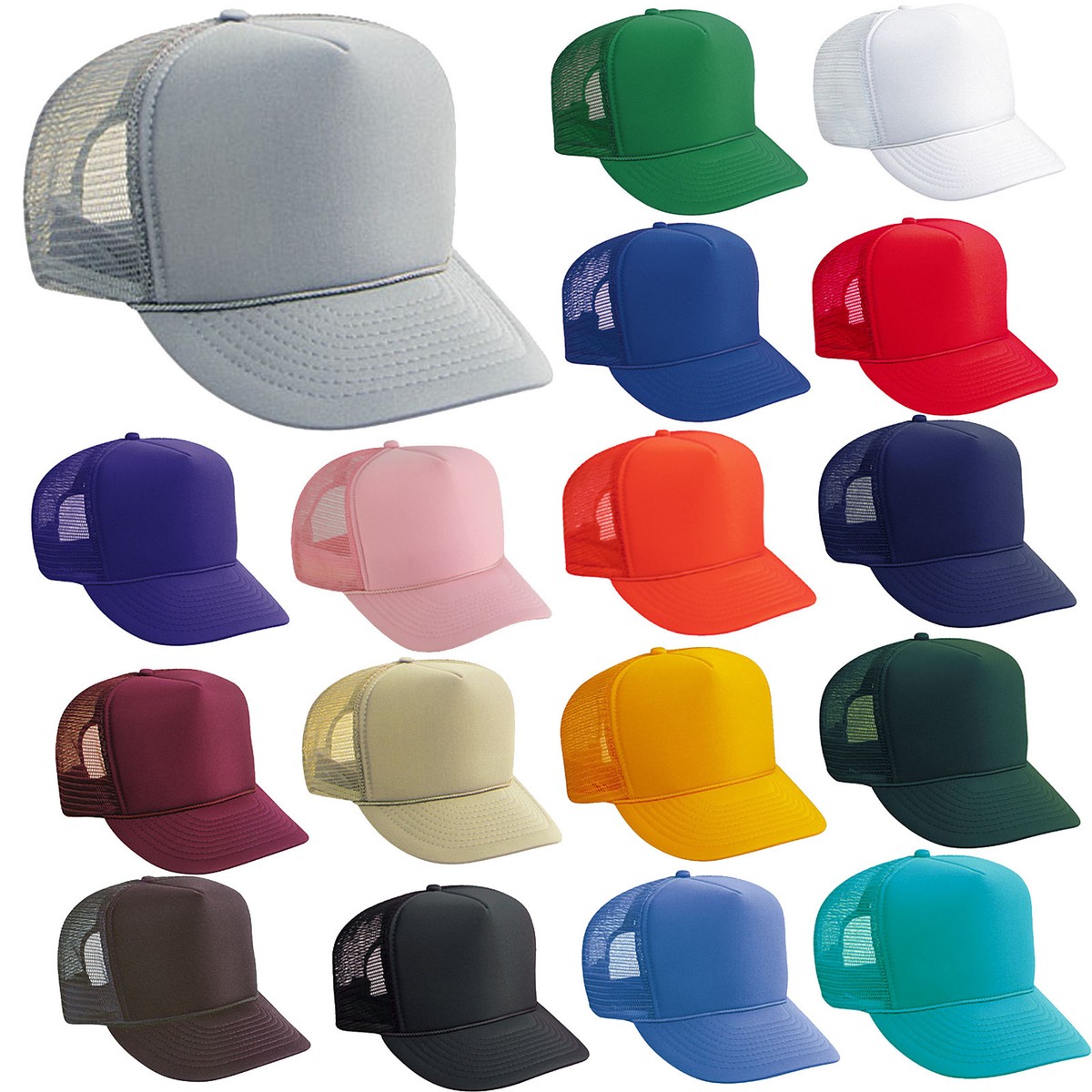
Foam is commonly used in the front panels of trucker caps, providing structure and a unique aesthetic. Foam caps are lightweight and often feature a mesh back for breathability.
Pros: The primary advantage of foam is its ability to hold shape, which is essential for maintaining the cap’s design. Foam caps are also cost-effective and can be produced in various colors and styles.
Cons: Foam is less durable than other materials and can be prone to damage from moisture and heat. It may not be suitable for regions with extreme weather conditions.
Impact on Application: Foam caps are ideal for promotional events and casual wear, but their longevity may be a concern for buyers in markets with harsh climates.
How Do Blends of Materials Affect Trucker Cap Performance?
Blended materials, such as cotton-polyester mixes, combine the benefits of both fibers. These blends aim to offer the comfort of cotton with the durability of polyester.
Pros: Blended caps tend to be more durable than 100% cotton while retaining breathability and comfort. They are also less prone to wrinkling and fading.
Cons: The main limitation is that blended materials may not be as eco-friendly as 100% natural fibers, which could be a consideration for environmentally conscious buyers.
Impact on Application: Blended caps are versatile, making them suitable for various applications, from casual wear to promotional events. Buyers should ensure that the blend ratio aligns with their target market’s preferences.
Summary Table of Material Properties for Wholesale Trucker Caps
| Material | Typical Use Case for wholesale trucker caps | Key Advantage | Key Disadvantage/Limitation | Relative Cost (Low/Med/High) |
|---|---|---|---|---|
| Polyester | Outdoor and promotional caps | Durable and moisture-wicking | Less breathable than natural fibers | Low |
| Cotton | Casual and eco-friendly caps | Soft and breathable | Less durable and prone to shrinking | Medium |
| Foam | Structured caps with mesh backing | Holds shape well | Less durable and sensitive to moisture | Low |
| Blended | Versatile use across various markets | Combines comfort with durability | May not be as eco-friendly as pure cotton | Medium |
This comprehensive analysis should assist international B2B buyers in making informed decisions regarding material selection for wholesale trucker caps, ensuring that they meet market demands and consumer preferences effectively.
A stock image related to wholesale trucker caps.
In-depth Look: Manufacturing Processes and Quality Assurance for wholesale trucker caps
What Are the Key Stages in the Manufacturing Process of Wholesale Trucker Caps?
The manufacturing process of wholesale trucker caps involves several critical stages that ensure quality and consistency. Understanding these stages can help B2B buyers make informed decisions when selecting suppliers.
-
Material Preparation
The first step in the manufacturing process involves selecting high-quality materials. Common components include foam, cotton, polyester, and mesh. The foam is often used for the front panel, while mesh is utilized for breathability at the back. Suppliers typically source materials from reputable vendors to ensure durability and comfort. This stage may also involve dyeing and treating fabrics to achieve desired colors and finishes. -
Forming
Once the materials are prepared, they undergo forming. This involves cutting the fabric into specific shapes that will later be assembled into caps. Automated cutting machines are commonly used to ensure precision and reduce waste. The forming process also includes shaping the foam and preparing the mesh for attachment to the cap’s structure. -
Assembly
Assembly is where the various components come together. The front panel, back mesh, and brim are stitched together, often using industrial sewing machines. Quality stitching techniques are essential to enhance durability and aesthetics. During this stage, manufacturers may also add features such as adjustable straps, labels, and custom embroidery, which can be tailored to client specifications. -
Finishing
The finishing stage involves several processes designed to enhance the cap’s overall quality. This can include applying protective coatings, final inspections, and pressing the caps to achieve a polished look. Labels and tags are added, and the caps are packed for shipment. This stage is crucial for ensuring that the final product meets the expected quality standards.
How is Quality Assurance Implemented in Trucker Cap Manufacturing?
Quality assurance (QA) is integral to the manufacturing of wholesale trucker caps, helping to ensure that products meet international standards and client expectations. Here are the key components of a robust QA process:
-
Adhering to International Standards
Many manufacturers adhere to international quality standards such as ISO 9001, which outlines requirements for a quality management system. Compliance with these standards helps ensure that products are consistently produced and that processes are continually improved. Additionally, industry-specific certifications, such as CE marking for safety and performance, may also be relevant. -
Quality Control Checkpoints
Effective quality control (QC) involves several checkpoints throughout the manufacturing process:
– Incoming Quality Control (IQC): This initial stage verifies the quality of raw materials before they enter production. Suppliers may conduct visual inspections and material testing to ensure compliance with specifications.
– In-Process Quality Control (IPQC): During the assembly phase, ongoing inspections are conducted to identify defects early. This may involve monitoring stitching quality, color consistency, and proper assembly.
– Final Quality Control (FQC): After assembly, finished caps undergo a comprehensive inspection. This includes checking for defects, ensuring correct labeling, and verifying that the caps meet client specifications. -
Common Testing Methods for Quality Assurance
Various testing methods are employed to ensure the quality and safety of trucker caps:
– Physical Testing: This includes assessments of fabric strength, seam durability, and colorfastness to ensure the caps withstand wear and washing.
– Chemical Testing: Manufacturers may test materials for harmful substances to comply with safety regulations, particularly in international markets.
– Fit and Comfort Testing: Caps are often worn by testers to assess comfort and fit, ensuring that the final product meets consumer expectations.
How Can B2B Buyers Verify Supplier Quality Control?
For B2B buyers, particularly in regions such as Africa, South America, the Middle East, and Europe, verifying supplier quality control is crucial to ensuring reliable partnerships. Here are actionable steps buyers can take:
-
Conduct Audits
Regular audits of potential suppliers can provide insights into their manufacturing processes and quality assurance practices. Buyers should request documentation of past audits, including findings and corrective actions taken. -
Request Quality Reports
Suppliers should be able to provide detailed quality control reports that outline their QC processes, testing methods, and results. This transparency can help buyers assess the supplier’s commitment to quality. -
Engage Third-Party Inspectors
Utilizing third-party inspection services can provide an unbiased assessment of the manufacturing process. These services can conduct inspections at various stages, from raw material sourcing to final product delivery, ensuring adherence to quality standards.
What Are the Quality Control Nuances for International B2B Buyers?
B2B buyers in international markets must navigate various nuances in quality control when sourcing trucker caps:
-
Understanding Regional Standards
Different regions may have varying quality and safety standards. For example, European buyers often require compliance with EU regulations, while buyers in the Middle East may have specific local standards. Buyers should familiarize themselves with these requirements to avoid compliance issues. -
Cultural Considerations
Cultural differences can impact quality expectations. Buyers should communicate clearly with suppliers about their quality standards and ensure that both parties understand the specifications and expectations. -
Building Long-Term Relationships
Establishing long-term relationships with suppliers can lead to improved quality assurance over time. Regular communication and feedback can help suppliers align their processes with buyer expectations, fostering a partnership based on trust and reliability.
Conclusion
In conclusion, understanding the manufacturing processes and quality assurance measures for wholesale trucker caps is essential for B2B buyers. By familiarizing themselves with the key stages of production, implementing effective quality control measures, and verifying supplier practices, buyers can ensure they are sourcing high-quality products that meet international standards. This diligence not only enhances product reliability but also strengthens business relationships across diverse markets.
Practical Sourcing Guide: A Step-by-Step Checklist for ‘wholesale trucker caps’
Introduction
Sourcing wholesale trucker caps can be a strategic move for businesses looking to enhance their product offerings or enter new markets. This guide provides a step-by-step checklist to streamline the procurement process, ensuring you select the right suppliers and products to meet your business needs.
Step 1: Identify Your Market Needs
Understanding your target audience is the first step in sourcing trucker caps. Research trends specific to your market—be it fashion-forward styles for younger consumers or classic designs for a more mature demographic. This will help you select caps that not only appeal to your customers but also align with regional preferences.
Step 2: Define Your Technical Specifications
Before reaching out to suppliers, clarify the specifications for the caps you want to procure. Consider factors such as materials (foam, cotton, etc.), design features (embroidered logos, distressed looks), and sizes. Having detailed specifications allows for more accurate quotes and ensures that the products meet your quality standards.
Step 3: Research Potential Suppliers
Identifying reliable suppliers is critical for successful sourcing. Look for manufacturers or wholesalers with a solid reputation in the industry, particularly those who have experience exporting to your region. Utilize online directories, trade shows, and industry networks to compile a list of potential partners.
Step 4: Request Samples
Before making a bulk order, always request samples from your shortlisted suppliers. This step allows you to evaluate the quality of the caps firsthand, ensuring they meet your specifications and standards. Pay attention to the materials, stitching, and overall finish, as these factors greatly influence customer satisfaction.
Step 5: Verify Supplier Credentials
It’s essential to vet suppliers thoroughly to avoid potential pitfalls. Check for certifications, such as ISO standards, and assess their compliance with international trade regulations. Additionally, request references or testimonials from other businesses in your region to gauge their reliability and service quality.
Step 6: Negotiate Terms and Pricing
Once you have selected a supplier, engage in negotiations regarding pricing, payment terms, and delivery schedules. Ensure that the agreement includes details such as minimum order quantities, lead times, and shipping costs. A clear understanding of these terms can prevent misunderstandings later in the process.
Step 7: Plan for Logistics and Distribution
After finalizing your order, develop a logistics plan for shipping and distribution. Consider how you will manage customs and import duties, particularly if sourcing from overseas suppliers. Efficient logistics planning ensures timely delivery and can significantly impact your overall operational efficiency.
By following this checklist, you will be well-equipped to source wholesale trucker caps effectively, enhancing your inventory while meeting the demands of your target market.
Comprehensive Cost and Pricing Analysis for wholesale trucker caps Sourcing
What Are the Key Cost Components in Sourcing Wholesale Trucker Caps?
Understanding the cost structure for sourcing wholesale trucker caps is essential for making informed purchasing decisions. The primary cost components include:
-
Materials: The fabric, mesh, and foam used in trucker caps significantly impact pricing. For instance, higher quality materials such as organic cotton or advanced moisture-wicking fabrics may command a premium, while basic polyester options can be sourced at lower costs.
-
Labor: Labor costs vary by region and can influence the overall price of trucker caps. Countries with lower labor costs may offer cheaper options, but this could come at the expense of quality.
-
Manufacturing Overhead: This includes factory expenses like utilities, rent, and equipment depreciation. Factories that maintain high standards of operation may have higher overheads, which can reflect in the final pricing.
-
Tooling: Customization options, such as unique embroidery or screen printing, require specialized tools and setup, contributing to increased costs.
-
Quality Control (QC): Implementing stringent QC measures ensures that products meet specified standards, but it also adds to the overall cost. International buyers should consider the QC practices of their suppliers to avoid costly returns or unsold inventory.
-
Logistics: Shipping costs, including freight, insurance, and tariffs, can vary greatly depending on the destination and Incoterms used. Understanding these costs is crucial for accurate budgeting.
-
Margin: Suppliers typically add a profit margin to cover their costs and risks. This margin can vary based on supplier reputation and market demand.
How Do Price Influencers Impact Wholesale Trucker Cap Costs?
Several factors can influence the pricing of wholesale trucker caps, particularly for international B2B buyers:
-
Volume/MOQ: Minimum order quantities (MOQs) can significantly affect the unit price. Larger orders often result in better pricing due to economies of scale. Buyers should assess their inventory needs against supplier MOQs to maximize cost efficiency.
-
Specifications and Customization: Custom designs or specific color requests can drive prices up. Buyers must weigh the benefits of customization against the additional costs.
-
Materials and Quality Certifications: Caps made from premium materials or those that meet specific certifications (like eco-friendly or fair trade) typically cost more. Buyers should consider their target market’s preferences when selecting materials.
-
Supplier Factors: The reputation and reliability of suppliers can impact pricing. Established suppliers may offer higher quality and service, justifying their prices, while newer or less reputable suppliers might offer lower prices but with risks.
-
Incoterms: Understanding shipping terms is crucial for international transactions. Incoterms define the responsibilities of buyers and sellers regarding shipping costs and risk, which can affect total costs.
What Tips Can Help Buyers Negotiate Better Prices for Wholesale Trucker Caps?
For B2B buyers, particularly in regions such as Africa, South America, the Middle East, and Europe, effective negotiation strategies can lead to significant savings:
-
Leverage Volume Discounts: When planning orders, consider consolidating purchases to meet MOQs. This strategy can provide leverage for negotiating lower prices.
-
Understand Total Cost of Ownership (TCO): Look beyond initial pricing. TCO includes shipping, duties, and potential returns. Assessing TCO can help identify the most cost-effective suppliers.
-
Build Relationships with Suppliers: Establishing strong relationships with suppliers can lead to better service, pricing flexibility, and priority on future orders.
-
Research Market Prices: Being informed about the average market prices for specific styles and qualities of trucker caps can empower buyers during negotiations.
-
Consider Alternative Suppliers: Don’t hesitate to explore multiple suppliers. A competitive approach can yield better pricing and service offerings.
Disclaimer on Indicative Prices
Prices for wholesale trucker caps can fluctuate based on various factors, including market demand, material costs, and supplier pricing strategies. The figures mentioned in this analysis are indicative and should be verified with suppliers for accuracy.
Alternatives Analysis: Comparing wholesale trucker caps With Other Solutions
Understanding Alternatives to Wholesale Trucker Caps
When evaluating wholesale trucker caps as a product offering, it’s essential to consider alternatives that may fulfill similar market needs. Alternative products can provide unique benefits and cater to different consumer preferences. This analysis will compare wholesale trucker caps with two viable alternatives: custom embroidered caps and bucket hats.
Comparison Table
| Comparison Aspect | Wholesale Trucker Caps | Custom Embroidered Caps | Bucket Hats |
|---|---|---|---|
| Performance | Durable, versatile, and popular among various demographics | High-quality branding potential with personalized designs | Excellent sun protection, ideal for outdoor activities |
| Cost | Generally low-cost, ranging from $2.88 to $11.80 per unit | Higher cost due to customization, typically $10-$25 per unit | Moderate cost, usually between $5 and $20 per unit |
| Ease of Implementation | Simple to source and stock; minimal setup required | Requires design approval and production time | Easy to stock but may require different sizing options |
| Maintenance | Low maintenance; easy to clean and store | Requires care to maintain embroidered designs | Generally low maintenance but may need cleaning after outdoor use |
| Best Use Case | Promotional events, casual wear, and branding | Corporate gifts, team uniforms, and special events | Outdoor events, festivals, and leisure activities |
What Are the Advantages and Disadvantages of Custom Embroidered Caps?
Custom embroidered caps offer a fantastic opportunity for branding and personalization, making them an attractive alternative for B2B buyers seeking to promote their brand. They can be tailored to fit specific themes or events, enhancing customer loyalty and recognition. However, the higher cost and longer production times can be a drawback, especially for businesses that require quick turnaround on inventory. This makes them less ideal for fast-paced retail environments.
How Do Bucket Hats Compare as an Alternative?
Bucket hats are another popular alternative that appeals particularly to outdoor enthusiasts and younger demographics. They provide excellent sun protection, making them a favorite for beach outings, festivals, and summer events. Bucket hats can also be customized, though typically to a lesser extent than trucker caps. While their cost is generally moderate, the variety in styles and sizes may complicate inventory management. Nevertheless, their unique appeal can attract a different customer segment, complementing the offerings of wholesale trucker caps.
How Should B2B Buyers Choose the Right Solution?
Choosing between wholesale trucker caps and their alternatives hinges on understanding your target market and specific business goals. For businesses focused on casual branding and promotional events, wholesale trucker caps may be the best fit due to their affordability and popularity. On the other hand, if the goal is to create a unique brand identity through customized products, custom embroidered caps could be more beneficial despite the higher investment. Bucket hats serve well for outdoor-centric businesses or seasonal promotions, offering a trendy option that can diversify inventory. Ultimately, aligning your choice with customer preferences and market demands will ensure the best return on investment.
Essential Technical Properties and Trade Terminology for wholesale trucker caps
What Are the Essential Technical Properties of Wholesale Trucker Caps?
When considering wholesale trucker caps, several key technical properties must be understood to ensure product quality and customer satisfaction. Here are some critical specifications that buyers should be aware of:
-
Material Composition
– Trucker caps are typically made from a combination of foam, polyester, and mesh. The foam provides structure and comfort, while the polyester offers durability and ease of printing for branding. Understanding the material composition is crucial for assessing the cap’s performance in various weather conditions and its suitability for promotional use. -
Panel Configuration
– The design of trucker caps can vary by the number of panels used—commonly 5 or 6 panels. A 5-panel cap provides a more streamlined look, while a 6-panel cap offers added structure. This specification is important as it affects the cap’s fit and can influence consumer preference based on style and comfort. -
Fit and Size Tolerance
– Trucker caps come in various sizes, often adjustable with snapbacks or fitted styles. The tolerance levels for sizing (e.g., small, medium, large) must be clearly defined to minimize returns and ensure customer satisfaction. A proper fit is essential for comfort and brand representation. -
Brim Style and Length
– The brim of a trucker cap can be flat or curved, and its length can affect both style and sun protection. Buyers should specify the desired brim style based on target demographic preferences and intended use, such as outdoor activities or casual wear. -
Colorfastness and Printability
– Colorfastness refers to how well the colors hold up under various conditions, including sunlight and washing. Printability pertains to the cap’s suitability for customization through embroidery or screen printing. These properties are vital for maintaining brand integrity and ensuring the longevity of promotional caps.
What Common Trade Terms Should B2B Buyers Know When Sourcing Trucker Caps?
Understanding industry terminology is essential for navigating wholesale transactions effectively. Here are some common trade terms relevant to wholesale trucker caps:
-
OEM (Original Equipment Manufacturer)
– This term refers to a company that produces parts or products that are used in another company’s end product. In the context of trucker caps, buyers may work with OEMs to create customized designs that reflect their brand identity. -
MOQ (Minimum Order Quantity)
– MOQ is the smallest number of units a supplier is willing to sell. Understanding MOQ is crucial for inventory management and cost control, as it directly impacts initial investment and stocking strategies. -
RFQ (Request for Quotation)
– An RFQ is a document sent to suppliers to request pricing and terms for a specific quantity of products. When sourcing trucker caps, buyers should prepare detailed RFQs to ensure they receive accurate and competitive quotes from manufacturers. -
Incoterms (International Commercial Terms)
– These are a set of predefined commercial terms published by the International Chamber of Commerce that define the responsibilities of buyers and sellers in international transactions. Familiarity with Incoterms is vital for understanding shipping responsibilities, costs, and risk management in the procurement process. -
Lead Time
– Lead time refers to the time taken from placing an order to receiving it. This is particularly important for seasonal items like trucker caps, where timely delivery can affect sales performance and inventory management. -
Customization Options
– This term refers to the various ways a cap can be personalized, including embroidery, screen printing, and color variations. Buyers should explore customization options to differentiate their products in the market and meet consumer demands for unique styles.
By understanding these technical properties and trade terms, B2B buyers can make informed decisions when sourcing wholesale trucker caps, ensuring they meet both quality standards and market needs.
Navigating Market Dynamics and Sourcing Trends in the wholesale trucker caps Sector
What Are the Current Trends Driving the Wholesale Trucker Caps Market?
The wholesale trucker caps market is experiencing a dynamic shift influenced by several global drivers. Growing interest in casual and outdoor lifestyles, particularly in regions like Africa, South America, and the Middle East, is propelling demand for versatile headwear. Social media platforms have also played a significant role, with influencers showcasing trucker caps as essential fashion accessories. This trend is particularly pronounced among younger demographics who favor unique, customizable designs that reflect their personal styles.
Emerging B2B technologies are reshaping sourcing processes, making it easier for international buyers to connect with manufacturers. E-commerce platforms are increasingly becoming the go-to for bulk purchases, allowing buyers to evaluate product offerings, prices, and supplier reputations from the comfort of their offices. Additionally, advancements in supply chain management software are enhancing inventory tracking and order fulfillment, streamlining operations for B2B buyers.
International market dynamics show that buyers from regions like Saudi Arabia and Brazil are increasingly focusing on quality and branding. The trend toward private labeling and custom designs is gaining traction, as businesses seek to differentiate themselves in competitive markets. Thus, suppliers offering customization options and robust branding capabilities are likely to capture a larger share of the market.
How Is Sustainability Shaping the Sourcing of Wholesale Trucker Caps?
Sustainability is becoming a cornerstone of sourcing practices in the wholesale trucker caps sector. With growing awareness of environmental impacts, international B2B buyers are increasingly prioritizing suppliers who adhere to ethical sourcing practices. This encompasses everything from the materials used to manufacture the caps to the conditions under which they are produced.
Buyers are seeking out ‘green’ certifications that validate the environmental integrity of the products they purchase. Sustainable materials such as organic cotton, recycled polyester, and biodegradable fabrics are gaining popularity. Suppliers that offer transparency in their supply chains—highlighting their use of renewable resources and ethical labor practices—are likely to build stronger relationships with conscientious buyers.
Moreover, the push for sustainability is not just a trend but a necessity for businesses aiming to appeal to eco-conscious consumers. As retailers and brands align their values with sustainable practices, they create a unique selling proposition that resonates with their target audience, ultimately driving sales and enhancing brand loyalty.
How Has the Wholesale Trucker Caps Market Evolved Over Time?
The evolution of the wholesale trucker caps market dates back to the 1970s when these caps were primarily worn by farmers and truck drivers. Initially designed for practicality, they have transitioned into a fashion staple, particularly among younger consumers. The introduction of vibrant colors, unique patterns, and customizable options has broadened their appeal beyond traditional demographics.
In recent years, the market has seen an influx of various styles, including distressed and vintage designs, catering to diverse consumer preferences. The rise of online retailing has also transformed how businesses source these caps, enabling easier access to a global marketplace. This evolution reflects a significant shift in consumer behavior, where casual and stylish headwear is no longer confined to specific groups but has become a universal accessory embraced by all.
In summary, understanding these market dynamics, sustainability considerations, and the historical evolution of trucker caps can help B2B buyers make informed sourcing decisions in a competitive global landscape.
Frequently Asked Questions (FAQs) for B2B Buyers of wholesale trucker caps
-
How do I choose the right supplier for wholesale trucker caps?
Choosing the right supplier involves several key steps. Start by researching potential suppliers’ reputation in the market, checking reviews and testimonials from other B2B buyers. Ensure they have a diverse product range that meets your needs, including customization options. Request samples to assess quality firsthand and inquire about their production processes and lead times. It’s also critical to confirm their compliance with international trade regulations and payment security measures to safeguard your investment. -
What are the common minimum order quantities (MOQs) for wholesale trucker caps?
Minimum order quantities can vary significantly based on the supplier and the specific product line. Typically, MOQs for wholesale trucker caps range from 50 to 500 units. For customized caps, MOQs may be higher due to setup costs associated with printing or embroidery. Always clarify MOQs upfront to avoid unexpected costs and ensure they align with your business needs. If you’re a smaller retailer, consider suppliers that offer flexible MOQ options. -
What customization options are available for wholesale trucker caps?
Many suppliers offer a variety of customization options, including different colors, materials, and styles. Common customization includes embroidery, screen printing, and heat transfer for logos or designs. Some suppliers also provide design assistance to help you create a unique product. When selecting customization, consider the target market’s preferences and trends to ensure your caps stand out. Always request a digital proof before production to confirm the design meets your expectations. -
What payment terms should I expect when ordering wholesale trucker caps?
Payment terms can vary widely among suppliers, but common practices include upfront payments, deposits, or net payment terms (e.g., 30 days post-delivery). International buyers may need to consider currency exchange rates and transaction fees. Always clarify payment methods accepted—wire transfers, credit cards, or PayPal are common. Establishing clear payment terms helps prevent misunderstandings and ensures a smooth transaction process. -
How can I ensure quality assurance for my wholesale trucker caps?
To ensure quality, request detailed product specifications and quality assurance protocols from your supplier. Many reputable suppliers conduct quality checks at various stages of production. If possible, arrange for pre-shipment inspections, or consider hiring a third-party quality assurance service to evaluate the products before shipment. Establishing clear return policies and warranty terms also helps protect your investment in case of defects. -
What logistics considerations should I keep in mind for international shipping of trucker caps?
When importing trucker caps, consider shipping methods, costs, and estimated delivery times. Air freight is faster but more expensive, while sea freight is more economical for larger shipments. Ensure your supplier has experience with international logistics and understands customs regulations specific to your country. Additionally, verify whether the supplier can assist with documentation and customs clearance to streamline the import process. -
How do I handle customs duties and taxes when importing trucker caps?
Customs duties and taxes depend on the destination country and the value of the shipment. Familiarize yourself with your country’s import regulations, including duty rates for textiles and apparel. It’s advisable to work with a customs broker who can guide you through the process, ensuring all paperwork is completed accurately. Suppliers may also provide invoices that clearly outline product classifications to assist with duty calculations. -
What trends should I be aware of when sourcing wholesale trucker caps?
Staying updated on fashion trends is crucial for successful sourcing. Currently, retro and vintage styles are gaining popularity, alongside sustainable materials as consumers become more environmentally conscious. Customization options such as unique prints and personalized messages are also in demand. Consider seasonal trends and cultural preferences in your target markets, as these can influence buyer decisions and enhance your product offerings.
Important Disclaimer & Terms of Use
⚠️ Important Disclaimer
The information provided in this guide, including content regarding manufacturers, technical specifications, and market analysis, is for informational and educational purposes only. It does not constitute professional procurement advice, financial advice, or legal advice.
While we have made every effort to ensure the accuracy and timeliness of the information, we are not responsible for any errors, omissions, or outdated information. Market conditions, company details, and technical standards are subject to change.
B2B buyers must conduct their own independent and thorough due diligence before making any purchasing decisions. This includes contacting suppliers directly, verifying certifications, requesting samples, and seeking professional consultation. The risk of relying on any information in this guide is borne solely by the reader.
Strategic Sourcing Conclusion and Outlook for wholesale trucker caps
The wholesale trucker cap market presents significant opportunities for international B2B buyers looking to diversify their product offerings. With a wide range of styles, colors, and materials available, these caps can cater to various customer preferences across different regions, including Africa, South America, the Middle East, and Europe. Strategic sourcing not only enhances your competitive edge but also ensures you meet market demands efficiently, providing both quality and cost-effectiveness.
Investing in trucker caps can be a game-changer for retailers, particularly as trends shift towards more casual and versatile headwear. By partnering with reliable suppliers who offer customizable options and trendy designs, businesses can enhance their brand appeal and drive sales. Emphasizing quality materials and unique styles will resonate with consumers, helping to establish a loyal customer base.
Looking ahead, now is the time to act. Evaluate your sourcing strategies and consider expanding your inventory with wholesale trucker caps that align with current fashion trends. Seize this opportunity to position your business at the forefront of the evolving headwear market, ensuring you remain competitive and relevant in a dynamic retail landscape.