
The Ultimate Guide to Sourcing Clamshell Containers Wholesale: Top …
Introduction: Navigating the Global Market for clamshell containers wholesale
In today’s fast-evolving marketplace, sourcing clamshell containers wholesale presents a unique challenge for international B2B buyers. With increasing demand for sustainable packaging solutions, businesses must navigate a complex landscape of options that cater to diverse food applications, from takeout meals to fresh produce. This comprehensive guide delves into the various types of clamshell containers available, their specific applications, and the critical factors to consider when vetting suppliers.
Understanding the nuances of material choices—ranging from traditional plastics to innovative compostable options—can significantly impact both your brand’s sustainability goals and your bottom line. Additionally, we will explore cost considerations and provide actionable insights to help you make informed purchasing decisions.
For B2B buyers from regions such as Africa, South America, the Middle East, and Europe—including key markets like Brazil and Germany—this guide serves as an essential resource. It equips you with the knowledge needed to confidently select the right clamshell containers that align with your operational needs and environmental commitments. By leveraging the insights shared herein, you can streamline your procurement process, enhance your product offerings, and ultimately drive success in the competitive global market.
Top 10 Clamshell Containers Wholesale Manufacturers & Suppliers List
1. Green Paper Products – Compostable Clamshell Packaging
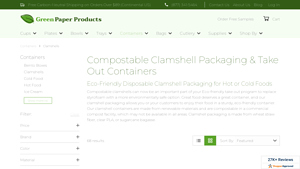
Domain: greenpaperproducts.com
Registered: 2007 (18 years)
Introduction: Compostable Clamshell Packaging & Take Out Containers, Eco-Friendly Disposable Clamshell Packaging for Hot or Cold Foods, made from renewable materials including wheat straw fiber, clear PLA, or sugarcane bagasse. Compostable in commercial compost facilities. Certified compostable clamshells meet BPI standards or ASTM 6400/6868. Available in various sizes (12oz to 80oz) and dimensions. No added PF…
2. Plastech – Clear Plastic Clamshell Packaging
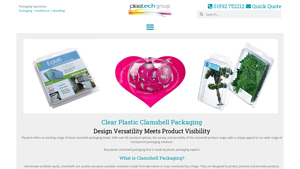
Domain: plastechgroup.com
Introduction: Plastech offers a range of clear plastic clamshell packaging with over 80 standard options. Clamshells, also known as blister packs, are one-piece sealable containers made from two halves connected by a hinge, designed to protect and promote products. The clamshells are made from high-clarity recycled APET (rPET), which is 100% recyclable and generates 79% fewer carbon emissions than virgin plasti…
3. Clamshell Packaging – Custom & Stock Clamshells
Domain: clamshell-packaging.com
Introduction: Clamshell Packaging offers a variety of products including over 200 sizes of stock clamshells, semi-custom clamshells, custom clamshells, clamshell trays, and tri-fold clamshells. They provide same-day shipments and low minimum quantities for stock items. Other packaging solutions include plastic trays for food, medical, electronics, and retail applications, as well as blister packs and thermoform…
Understanding clamshell containers wholesale Types and Variations
| Type Name | Key Distinguishing Features | Primary B2B Applications | Brief Pros & Cons for Buyers |
|---|---|---|---|
| Compostable Clamshells | Made from renewable materials like sugarcane or wheat straw. | Food service, catering, eco-friendly packaging. | Pros: Eco-friendly, suitable for hot/cold foods. Cons: Requires commercial composting facilities. |
| Clear PLA Clamshells | Transparent, made from plant-based PLA, designed for visibility. | Deli, salads, bakery items. | Pros: Great for branding, compostable. Cons: Not microwave safe, limited temperature tolerance. |
| Fiber Clamshells | Durable, made from natural fibers, suitable for hot foods. | Take-out services, food trucks, restaurants. | Pros: High heat resistance, compostable. Cons: May be more expensive than traditional plastics. |
| Biodegradable Clamshells | Made from materials that decompose through biological action. | Grocery stores, food packaging, retail displays. | Pros: Environmentally friendly, versatile. Cons: Decomposition rates vary based on conditions. |
| Clamshells with Hang Holes | Designed for retail display, includes hanging options. | Retail, food displays, merchandising. | Pros: Enhances product visibility, easy to display. Cons: Limited to certain product types. |
What are the characteristics of compostable clamshells and their suitability for B2B buyers?
Compostable clamshells are crafted from renewable resources such as sugarcane and wheat straw, making them an eco-friendly option for businesses focused on sustainability. They are ideal for food service applications, including catering and take-out, as they can accommodate both hot and cold foods. When purchasing, B2B buyers should consider the availability of commercial composting facilities in their region, as these containers require specific conditions to break down effectively.
How do clear PLA clamshells benefit businesses and what should buyers know?
Clear PLA clamshells offer excellent visibility for packaged products, making them a popular choice for delis, salad bars, and bakeries. Made from plant-based materials, these containers are compostable, aligning with eco-conscious business practices. However, buyers should be aware that they are not microwave-safe and have a limited temperature tolerance, which could affect their use for hot food items. Understanding storage conditions is also crucial to prevent warping or melting.
What makes fiber clamshells a preferred option for hot food packaging?
Fiber clamshells are designed for durability and can withstand higher temperatures, making them suitable for hot food applications in take-out services and food trucks. Their compostable nature aligns with growing consumer demand for sustainable packaging. B2B buyers should consider the cost implications, as these containers may carry a higher price point than traditional plastic options, but the benefits of sustainability and customer appeal can justify the investment.
What are the advantages of biodegradable clamshells for diverse applications?
Biodegradable clamshells are versatile and made from materials that decompose through biological processes. They are suitable for various applications, including grocery stores and retail packaging, appealing to businesses looking to minimize their environmental impact. However, the decomposition rate can vary based on environmental conditions, which is an important consideration for buyers concerned about product lifecycle and waste management.
How do clamshells with hang holes enhance retail display effectiveness?
Clamshells with hang holes are specifically designed for retail environments, allowing for easy display and merchandising of products. These containers enhance product visibility and can be used for a variety of items, including food and non-food products. Buyers should assess the types of products they plan to display, as these clamshells may not be suitable for all items, but they can significantly improve customer engagement and sales through effective presentation.
Key Industrial Applications of clamshell containers wholesale
| Industry/Sector | Specific Application of clamshell containers wholesale | Value/Benefit for the Business | Key Sourcing Considerations for this Application |
|---|---|---|---|
| Food Service | Takeout and Delivery Packaging | Enhances food presentation and maintains freshness | Ensure containers are suitable for hot and cold foods; check for compostability certifications. |
| Agriculture | Packaging for Fresh Produce | Protects products during transport and extends shelf life | Consider biodegradable options for eco-conscious markets; assess durability against environmental conditions. |
| Retail | Display and Storage of Packaged Foods | Increases visibility and accessibility for consumers | Focus on clear options for product display; ensure compliance with food safety regulations. |
| Catering | Meal Prep and Event Service Packaging | Convenient for portion control and easy transport | Look for stackable designs; ensure containers meet temperature requirements for hot foods. |
| Bakery | Packaging for Baked Goods | Preserves freshness and prevents damage during delivery | Choose containers that allow for branding; consider sizes based on product range. |
How Are Clamshell Containers Used in the Food Service Industry?
In the food service sector, clamshell containers are essential for takeout and delivery packaging. They provide an effective solution for maintaining food quality during transport, ensuring that meals arrive fresh and visually appealing. Buyers should prioritize containers that accommodate both hot and cold foods, and are certified compostable to align with sustainability goals. This is particularly important for international buyers looking to meet local regulations on food packaging, especially in regions like Europe where eco-friendly practices are increasingly demanded.
What Role Do Clamshell Containers Play in Agriculture?
Clamshell containers are widely used in agriculture for packaging fresh produce. They protect fruits and vegetables from bruising and damage while also allowing for adequate ventilation, which helps extend shelf life. When sourcing these containers, buyers should consider options made from biodegradable materials, as this can appeal to environmentally conscious consumers in markets across Africa and South America. Durability against varying environmental conditions is also crucial to ensure that products remain intact during transport.
How Do Retailers Benefit from Clamshell Containers?
In the retail sector, clamshell containers serve as effective display and storage solutions for packaged foods. Their transparent design enhances product visibility, attracting customers and facilitating impulse purchases. Retailers should focus on sourcing containers that comply with food safety regulations and are made from materials that allow for easy recycling or composting. This is especially significant for international buyers from Europe and the Middle East, where sustainability standards are high.
Why Are Clamshell Containers Important in Catering Services?
Catering businesses utilize clamshell containers for meal prep and event services, providing a convenient way to package individual servings. These containers facilitate portion control and make transportation simple, ensuring meals are delivered in excellent condition. Buyers should look for stackable designs that maximize space during transport and ensure that containers can withstand the required temperatures for hot foods. This consideration is vital for international catering operations, where diverse food safety regulations may apply.
How Do Bakeries Use Clamshell Containers?
Bakeries rely on clamshell containers to package baked goods, ensuring freshness and protection during delivery. These containers help preserve the quality of items like cakes, pastries, and bread, preventing damage that could affect customer satisfaction. When sourcing clamshells, bakeries should prioritize options that allow for branding opportunities, as well as sizes that accommodate their product range. This is particularly relevant for international buyers who may need to adapt packaging to meet local consumer preferences in regions such as Brazil and Germany.
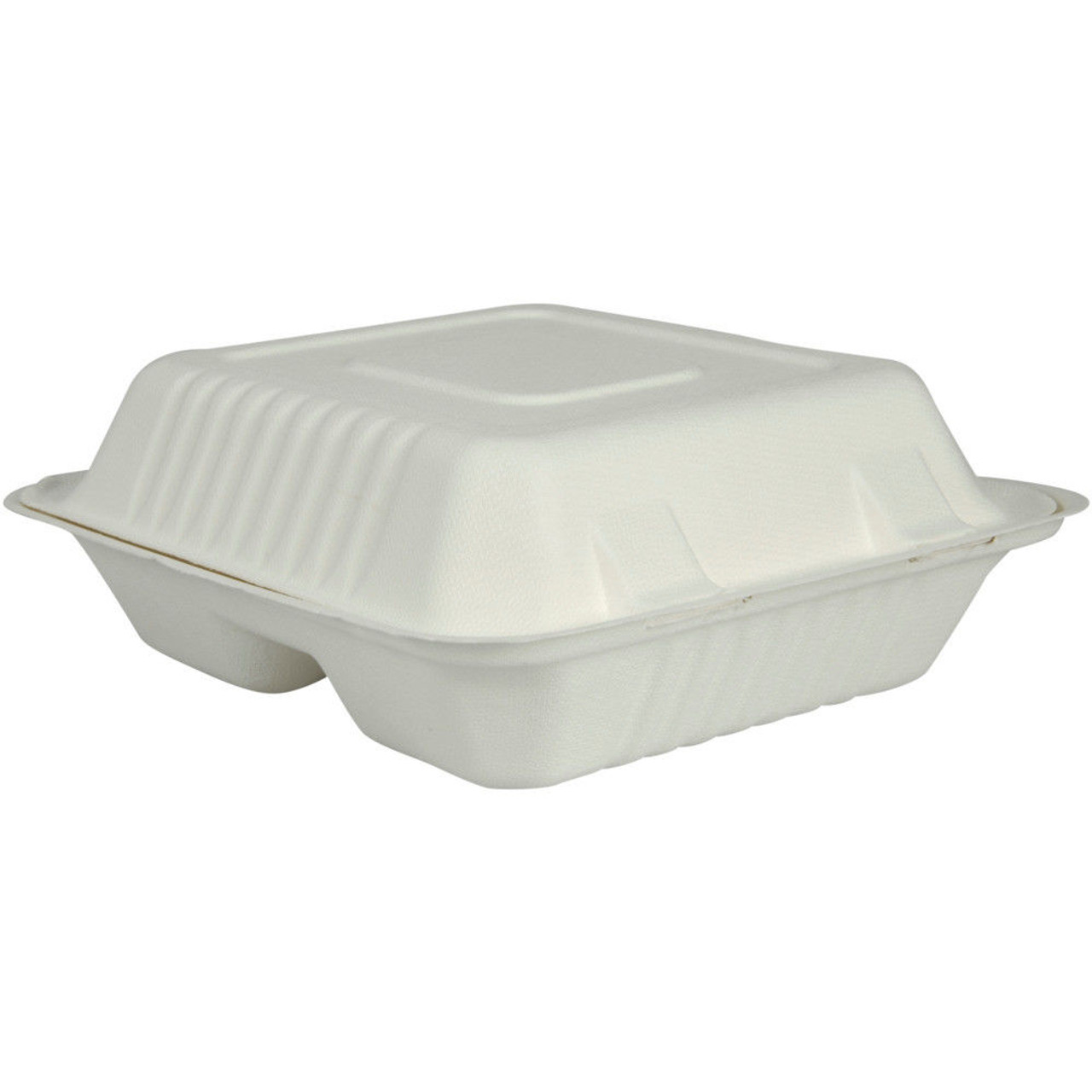
A stock image related to clamshell containers wholesale.
3 Common User Pain Points for ‘clamshell containers wholesale’ & Their Solutions
Scenario 1: Difficulty in Sourcing Sustainable Clamshell Containers
The Problem: B2B buyers, especially in regions like Africa and South America, often struggle to find reliable suppliers of sustainable clamshell containers. The growing demand for eco-friendly packaging is met with limited availability and inconsistent quality. Buyers may face challenges in ensuring that the containers meet their environmental standards, resulting in frustration and potential damage to their brand reputation if they cannot deliver on sustainability promises.
The Solution: To effectively source sustainable clamshell containers, buyers should prioritize partnerships with suppliers who specialize in eco-friendly packaging. Conduct thorough market research to identify manufacturers that offer certified compostable options made from materials like PLA (polylactic acid) or sugarcane bagasse. Request samples to evaluate the quality and functionality of products before placing bulk orders. Additionally, consider suppliers who provide transparent information about their sourcing practices and certifications, such as BPI (Biodegradable Products Institute) or CMA (Compost Manufacturing Alliance). Establishing a long-term relationship with a dependable supplier can streamline the procurement process and ensure consistent access to high-quality, sustainable packaging solutions.
Scenario 2: Inadequate Temperature Resistance for Hot Foods
The Problem: Many buyers face the challenge of selecting clamshell containers that can effectively hold hot foods without compromising the integrity of the packaging. Containers that are not designed for high temperatures may warp, leak, or even melt, leading to food safety issues and customer dissatisfaction. This is particularly critical for food service businesses in regions where hot meals are a staple, such as in parts of the Middle East and Europe.
The Solution: To address this concern, buyers should focus on sourcing fiber clamshell containers specifically designed for hot food applications. These containers, often made from sugarcane or wheat straw, are engineered to withstand higher temperatures without warping or leaking. It’s essential to verify the temperature threshold of the containers and ensure they are oven and microwave safe if needed. Collaborate with suppliers who can provide detailed specifications and recommend appropriate products based on the specific types of food being packaged. Educating staff about the correct use of these containers can also minimize issues and enhance customer satisfaction.
Scenario 3: Confusion Over Compostability Standards
The Problem: With varying definitions and certifications around compostability, B2B buyers often find themselves confused about which clamshell containers are genuinely compostable and suitable for their operations. This confusion can lead to purchasing decisions that do not align with their sustainability goals, potentially resulting in wasted resources and negative environmental impacts. This issue is particularly pressing for businesses in Europe, where regulatory standards for compostable packaging are stringent.
The Solution: To navigate the complexities of compostability, buyers should familiarize themselves with the key certifications that indicate true compostability, such as ASTM D6400 and BPI certification. When sourcing clamshell containers, request documentation from suppliers that confirms their products meet these standards. Additionally, consider engaging with experts or industry consultants who can provide insights into the latest compostability regulations and best practices. Implementing a clear procurement policy that prioritizes certified compostable products will help streamline purchasing decisions and align with the company’s sustainability objectives. By educating staff on the importance of these standards, companies can ensure that their packaging choices contribute positively to the environment.
Strategic Material Selection Guide for clamshell containers wholesale
What Are the Key Properties of Common Materials Used in Clamshell Containers?
When selecting clamshell containers for wholesale, understanding the properties of various materials is crucial for ensuring optimal performance and compliance with international standards. Below is an analysis of four common materials used in clamshell containers, focusing on their properties, advantages, disadvantages, and specific considerations for international B2B buyers.
How Do PLA (Polylactic Acid) Clamshell Containers Perform?
PLA is a biodegradable plastic derived from renewable resources like corn starch. It is known for its lightweight nature and ability to maintain structural integrity up to temperatures of around 110-120°F.
Pros:
– Eco-Friendly: As a compostable material, PLA aligns with increasing global sustainability demands, making it a preferred choice for environmentally conscious businesses.
– Transparency: Its clear appearance enhances product visibility, which is beneficial for branding and presentation.
Cons:
– Temperature Limitations: PLA is not suitable for hot foods exceeding 110°F, which limits its application in certain food service scenarios.
– Storage Sensitivity: Requires careful storage away from direct sunlight and heat to prevent warping or melting.
Impact on Application:
PLA containers are ideal for cold food items like salads and sandwiches. Their compostability makes them suitable for markets with strong environmental regulations.
Considerations for International Buyers:
Compliance with ASTM D6400 standards is essential for PLA products. Buyers in Europe, particularly Germany, may also need to adhere to DIN standards for biodegradable materials.
What Are the Advantages of Sugarcane Bagasse Clamshell Containers?
Sugarcane bagasse is a byproduct of sugar production and is increasingly used in food packaging due to its strength and compostability.
Pros:
– High Temperature Resistance: Can withstand higher temperatures than PLA, making it suitable for hot food applications.
– Durability: Offers excellent structural integrity, making it a reliable option for transporting food items.
Cons:
– Cost: Generally more expensive than traditional plastic options, which may affect pricing strategies.
– Moisture Sensitivity: Can absorb moisture, which may impact the quality of certain food items over time.
Impact on Application:
Sugarcane bagasse containers are versatile and can be used for both hot and cold foods, making them suitable for a wide range of food service applications.
Considerations for International Buyers:
Ensure compliance with local composting regulations, as the acceptance of bagasse containers varies by region. Buyers from Africa and South America may find this material more readily available and cost-effective.
How Do Clear PET (Polyethylene Terephthalate) Clamshell Containers Compare?
PET is a widely used plastic known for its clarity, strength, and recyclability. It is commonly used in food packaging due to its excellent barrier properties.
Pros:
– Versatile Use: Suitable for a variety of food items, including fresh produce and baked goods.
– Recyclable: PET containers can be recycled, appealing to businesses focused on sustainability.
Cons:
– Environmental Impact: While recyclable, PET is derived from petroleum, which may not align with eco-friendly initiatives.
– Limited Compostability: Unlike PLA and bagasse, PET does not biodegrade and requires proper recycling facilities.
Impact on Application:
PET containers are ideal for businesses that prioritize product visibility and require robust packaging for transportation.
Considerations for International Buyers:
Buyers should verify local recycling capabilities and regulations, as these can vary significantly between regions, especially in developing markets.
What About Fiber-Based Clamshell Containers?
Fiber-based clamshells, often made from recycled paper or cardboard, are gaining traction in the food packaging industry.
Pros:
– Sustainability: Typically made from recycled materials, they appeal to eco-conscious consumers.
– Biodegradable: These containers break down naturally, reducing landfill impact.
Cons:
– Moisture Limitations: Not suitable for liquid-heavy foods as they can become soggy.
– Strength Variability: May not offer the same structural integrity as plastic options, affecting transport reliability.
Impact on Application:
Best suited for dry food items like sandwiches and pastries, fiber-based containers are popular in cafes and bakeries.
Considerations for International Buyers:
Ensure compliance with local food safety regulations, as fiber-based containers may have different acceptance levels across regions.
Summary of Material Selection for Clamshell Containers
| Material | Typical Use Case for clamshell containers wholesale | Key Advantage | Key Disadvantage/Limitation | Relative Cost (Low/Med/High) |
|---|---|---|---|---|
| PLA | Cold food items like salads and sandwiches | Eco-friendly and compostable | Limited to lower temperatures | Medium |
| Sugarcane Bagasse | Hot and cold food applications | High temperature resistance | Higher cost compared to plastic | High |
| PET | Fresh produce and baked goods | Excellent clarity and strength | Environmental impact | Medium |
| Fiber-based | Dry food items like sandwiches and pastries | Sustainable and biodegradable | Moisture sensitivity | Low |
This comprehensive analysis provides international B2B buyers with essential insights into the material selection process for clamshell containers, ensuring informed decisions that align with their operational needs and sustainability goals.
A stock image related to clamshell containers wholesale.
In-depth Look: Manufacturing Processes and Quality Assurance for clamshell containers wholesale
What Are the Main Stages of Manufacturing Clamshell Containers?
Manufacturing clamshell containers involves several crucial stages that ensure the final product meets industry standards for quality and functionality. Understanding these stages can help B2B buyers evaluate potential suppliers effectively.
How Is Material Prepared for Clamshell Container Manufacturing?
The manufacturing process begins with material preparation. Common materials for clamshell containers include PLA (polylactic acid), sugarcane bagasse, and PET (polyethylene terephthalate). These materials are sourced from renewable resources, particularly for eco-friendly options.
During material preparation, raw materials are tested for quality and consistency. Suppliers often conduct moisture content analysis and tensile strength tests to ensure that the materials will perform well during subsequent manufacturing stages. This initial quality check is critical for ensuring that the containers can withstand the rigors of food packaging, including exposure to temperature variations and physical handling.
What Techniques Are Used in Forming Clamshell Containers?
Once the materials are prepared, the next stage is forming. This typically involves thermoplastic processes where the raw materials are heated until they become pliable and are then shaped into clamshell forms. Key techniques include:
- Injection Molding: This is the most common method for producing clamshell containers. Molten material is injected into a mold under high pressure, allowing for precise control over the shape and size of the container.
- Thermoforming: In this process, a sheet of material is heated until soft and then formed over a mold. This technique is particularly useful for creating thinner-walled containers, such as those used for salads and sandwiches.
- Blow Molding: While less common for clamshells, this technique is sometimes employed for creating hollow containers. Air is blown into a heated tube of material, shaping it against the mold.
These techniques ensure that the clamshells are both sturdy and lightweight, making them suitable for various applications in the food service industry.
How Are Clamshell Containers Assembled and Finished?
After forming, the next steps involve assembly and finishing. In the assembly phase, any additional components, such as lids or dividers, are attached. For clamshells, this typically involves a simple hinging mechanism that allows for easy opening and closing.
Finishing processes may include trimming excess material, surface treatment for aesthetics, and printing branding information or nutritional information directly on the container. Quality checks during this phase ensure that the containers meet customer specifications regarding size, weight, and appearance.
What Quality Assurance Standards Should B2B Buyers Look For?
Quality assurance (QA) is critical in the manufacturing of clamshell containers, especially for international B2B transactions. Several standards and certifications indicate a supplier’s commitment to quality.
Which International Standards Apply to Clamshell Container Manufacturing?
The ISO 9001 standard is one of the most recognized quality management standards globally. Suppliers with this certification demonstrate their ability to consistently provide products that meet customer and regulatory requirements. Other relevant standards include:
- CE Marking: Particularly important for suppliers in Europe, this marking indicates that a product complies with EU health, safety, and environmental protection standards.
- BPI Certification: This is crucial for compostable clamshells, ensuring that the materials meet specific biodegradability and compostability standards.
Understanding these certifications can help buyers assess the credibility of their suppliers.
What Are the Key Quality Control Checkpoints in Clamshell Manufacturing?
Quality control is integrated into various stages of the manufacturing process. Common checkpoints include:
- Incoming Quality Control (IQC): This stage verifies the quality of raw materials before they enter the production line. Materials that do not meet specifications are rejected, preventing defects in the final product.
- In-Process Quality Control (IPQC): During manufacturing, periodic checks are conducted to ensure that production processes are being followed correctly. This may include monitoring temperatures in molding processes or checking the integrity of seals.
- Final Quality Control (FQC): Once production is complete, final inspections ensure that the clamshell containers meet all specified requirements before they are packaged and shipped.
How Can B2B Buyers Verify Supplier Quality Control?
B2B buyers should take proactive steps to verify the quality control processes of potential suppliers.
What Steps Can Buyers Take to Ensure Supplier QC?
-
Conduct Audits: Regular audits of suppliers can help ensure compliance with quality standards. Buyers should request access to audit reports that reflect the supplier’s adherence to ISO 9001 and other relevant standards.
-
Request Documentation: Suppliers should provide documentation of their quality control processes, including test reports for raw materials and finished products. This transparency allows buyers to evaluate the effectiveness of the supplier’s QC measures.
-
Engage Third-Party Inspectors: Hiring independent third-party inspectors can provide an unbiased assessment of a supplier’s quality control practices. This is particularly important for international transactions where buyers may not have direct oversight.
What Are the Specific QC Considerations for International B2B Buyers?
For B2B buyers from regions such as Africa, South America, the Middle East, and Europe, there are additional considerations to keep in mind:
- Regulatory Compliance: Different regions may have specific regulations governing food packaging. Buyers should ensure that suppliers can comply with local regulations, particularly concerning food safety and environmental standards.
- Cultural Sensitivity: Understanding the cultural and market-specific needs of each region can influence quality expectations. For instance, buyers in Europe may prioritize eco-friendly materials more than buyers in other regions.
Conclusion
Understanding the manufacturing processes and quality assurance protocols for clamshell containers is essential for B2B buyers. By knowing the stages of production, quality control standards, and how to verify supplier practices, businesses can make informed purchasing decisions that align with their operational needs and market expectations.
Practical Sourcing Guide: A Step-by-Step Checklist for ‘clamshell containers wholesale’
Introduction
Sourcing clamshell containers wholesale can significantly impact your business operations, especially in the food service and retail sectors. This guide outlines essential steps to help international B2B buyers navigate the procurement process effectively, ensuring that you select the right containers that meet your business needs while aligning with sustainability goals.
Step 1: Define Your Technical Specifications
Understanding your specific needs is the foundation of effective sourcing. Clearly outline the types of clamshell containers required, including materials (e.g., PLA, sugarcane bagasse), sizes, and intended use (e.g., hot or cold foods). This clarity helps in communicating with suppliers and ensures that you receive products that fit your operational requirements.
Step 2: Research Potential Suppliers
Conduct thorough research to identify reliable suppliers. Utilize online directories, trade shows, and industry associations to find manufacturers and distributors specializing in clamshell containers. Look for suppliers with a strong reputation and positive reviews from other B2B clients to ensure credibility.
Step 3: Evaluate Supplier Certifications
Before finalizing any supplier, verify their certifications. Ensure that their products comply with relevant food safety standards and environmental regulations, such as the ASTM D6400 for compostable materials. Certifications like BPI (Biodegradable Products Institute) can indicate the quality and sustainability of the products, which is increasingly important for modern consumers.
Step 4: Request Samples for Testing
To ensure product quality and functionality, request samples of the clamshell containers you are considering. Testing samples helps you evaluate their durability, usability, and suitability for your specific applications, such as handling hot or cold foods. This step is critical to avoid costly mistakes after bulk purchases.
Step 5: Compare Pricing and Terms
Once you have a shortlist of potential suppliers, compare their pricing and terms of service. Look beyond just the cost per unit; consider shipping options, payment terms, minimum order quantities, and return policies. A supplier offering favorable terms can significantly affect your overall procurement costs and flexibility.
Step 6: Assess Sustainability Practices
Given the rising demand for eco-friendly products, assess each supplier’s sustainability practices. Investigate whether they use renewable materials and how they manage waste. Suppliers with robust sustainability initiatives not only enhance your brand’s image but also align with consumer preferences for environmentally responsible products.
Step 7: Negotiate and Finalize Contracts
Once you have selected a supplier, engage in negotiations to finalize terms. Ensure that all agreements are documented, covering aspects such as delivery timelines, payment schedules, and quality assurance measures. A well-negotiated contract protects your interests and sets clear expectations for both parties.
By following this step-by-step checklist, B2B buyers can effectively navigate the sourcing process for clamshell containers, ensuring that they make informed decisions that benefit their business operations and sustainability goals.
Comprehensive Cost and Pricing Analysis for clamshell containers wholesale Sourcing
What Are the Key Cost Components in Clamshell Container Sourcing?
When sourcing clamshell containers wholesale, understanding the cost structure is crucial for effective budgeting and negotiation. The primary cost components include:
-
Materials: The type of material significantly influences the price. Options range from traditional plastics to eco-friendly alternatives like PLA (polylactic acid) and sugarcane bagasse. Compostable materials typically carry a premium due to the sustainable practices involved in their production.
-
Labor: Labor costs can vary by region and production scale. Automated manufacturing processes can reduce costs, but skilled labor might be necessary for quality control and specialized production techniques.
-
Manufacturing Overhead: This encompasses utilities, equipment maintenance, and facility costs. Efficient production lines can minimize overhead per unit, impacting overall pricing.
-
Tooling: Custom molds or specific designs require investment in tooling, which can be a significant upfront cost. This is particularly relevant for unique sizes or features that differentiate your product in the market.
-
Quality Control (QC): Ensuring product quality through rigorous testing and compliance with certifications adds to the cost. Containers meeting specific standards (like ASTM D6400 for compostability) often command higher prices.
-
Logistics: Shipping costs, including freight and customs duties, vary based on destination and Incoterms. For international buyers, understanding these costs is vital to avoid unexpected expenses.
-
Margin: Suppliers typically add a margin to cover their costs and profit. The margin can vary widely based on market demand, competition, and supplier reputation.
How Do Price Influencers Affect Clamshell Container Costs?
Several factors influence the pricing of clamshell containers, which can vary by supplier and market conditions:
-
Volume/MOQ: Larger orders often lead to discounted pricing. Buyers should consider their demand patterns to optimize order sizes and leverage economies of scale.
-
Specifications and Customization: Customized containers, whether in size, color, or branding, can significantly increase costs. Standardized products usually provide better pricing flexibility.
-
Material Quality and Certifications: Higher-quality materials and certifications can raise the price. Buyers should assess whether the additional cost aligns with their brand values and customer expectations.
-
Supplier Factors: The supplier’s reputation, reliability, and production capabilities can affect pricing. Established suppliers may charge more due to their quality assurances and service levels.
-
Incoterms: The agreed-upon Incoterms dictate who bears the cost of shipping, insurance, and customs duties. Understanding these terms can help buyers manage their total landed costs effectively.
What Buyer Tips Can Optimize Cost-Efficiency in Sourcing?
International B2B buyers, especially those from regions like Africa, South America, the Middle East, and Europe, should consider the following tips to enhance their sourcing efficiency:
-
Negotiation: Engage in open discussions with suppliers to negotiate better terms. Leverage your purchasing power, especially if you represent a collective of businesses.
-
Total Cost of Ownership (TCO): Evaluate the total cost beyond just the purchase price. Include logistics, storage, and disposal costs, especially for eco-friendly options, which may offer savings in waste management.
-
Pricing Nuances for International Buyers: Be aware of currency fluctuations, tariffs, and local market conditions. Establishing long-term relationships with suppliers can mitigate risks associated with these factors.
-
Request Samples: Before committing to large orders, request samples to assess product quality and suitability. This step can prevent costly mistakes and ensure the containers meet your needs.
-
Monitor Market Trends: Stay informed about industry trends, emerging materials, and competitor pricing. This knowledge can empower you to make informed decisions and take advantage of better pricing opportunities.
Disclaimer
The prices and cost components mentioned in this analysis are indicative and may vary based on market conditions, supplier negotiations, and specific requirements. Always conduct thorough research and obtain quotes from multiple suppliers to ensure competitive pricing.
Alternatives Analysis: Comparing clamshell containers wholesale With Other Solutions
In the competitive landscape of food packaging, businesses often explore various options to meet their operational needs. Clamshell containers wholesale provide a sturdy and versatile solution, but several alternatives also merit consideration. This analysis compares clamshell containers with two viable alternatives: biodegradable paper containers and traditional plastic takeout containers.
| Comparison Aspect | Clamshell Containers Wholesale | Biodegradable Paper Containers | Traditional Plastic Takeout Containers |
|---|---|---|---|
| Performance | Strong, durable, and moisture-resistant; suitable for hot and cold foods. | Good for cold foods; less moisture-resistant; some may leak with hot items. | Excellent durability and moisture resistance; versatile for various food types. |
| Cost | Moderate to high; prices vary based on material and customization. | Typically lower than clamshells but can vary based on design and certification. | Generally the lowest cost option; widely available and economical. |
| Ease of Implementation | Requires supplier relationships and may need storage considerations. | Easy to source; lightweight and stackable, simplifying storage and transport. | Highly accessible with established supply chains; minimal training required. |
| Maintenance | Minimal; focus on proper storage to maintain integrity. | Requires careful handling to avoid damage from moisture. | Low maintenance; durable and reusable in some cases. |
| Best Use Case | Ideal for restaurants, food trucks, and catering where presentation matters. | Best for eco-conscious brands and events aiming for sustainability. | Suitable for high-volume takeout services where cost-efficiency is critical. |
What are the Pros and Cons of Using Biodegradable Paper Containers?
Biodegradable paper containers offer an eco-friendly alternative to traditional plastic packaging. They are typically made from renewable materials and can break down in composting environments. However, their performance may vary, particularly when used for hot or greasy foods, which can lead to leaks. While they are generally more affordable than clamshell containers, their limited moisture resistance can be a drawback for certain applications. Businesses that prioritize sustainability and target environmentally conscious consumers may find these containers particularly appealing.
How Do Traditional Plastic Takeout Containers Compare?
Traditional plastic takeout containers are a staple in the food service industry due to their affordability and versatility. They are widely available and can effectively hold a variety of food types without compromising structural integrity. However, they come with environmental concerns, as they are often not recyclable or biodegradable. Additionally, increasing regulations against single-use plastics in various regions may limit their future viability. Despite this, for businesses focused primarily on cost and immediate functionality, traditional plastic containers remain a popular choice.
How Can B2B Buyers Choose the Right Solution for Their Needs?
When selecting the right packaging solution, B2B buyers should consider several factors, including their operational requirements, target market preferences, and sustainability goals. Clamshell containers are ideal for businesses that value presentation and durability, while biodegradable paper containers appeal to those with eco-conscious branding. Traditional plastic containers may be suitable for high-volume operations prioritizing cost-efficiency. Ultimately, aligning packaging choices with business objectives and customer expectations will lead to the most effective packaging strategy.
Essential Technical Properties and Trade Terminology for clamshell containers wholesale
What Are the Essential Technical Properties of Clamshell Containers for Wholesale Buyers?
Understanding the technical properties of clamshell containers is crucial for B2B buyers, especially when selecting products that meet specific requirements for their operations. Here are some key specifications to consider:
1. Material Composition
Clamshell containers are typically made from various materials, including PLA (polylactic acid), PET (polyethylene terephthalate), and sugarcane bagasse. PLA is a plant-based bioplastic that is compostable, making it an eco-friendly option. PET is a widely used plastic known for its durability and recyclability. Understanding the material composition helps buyers choose containers that align with their sustainability goals and food safety standards.
2. Temperature Tolerance
Temperature tolerance refers to the range of temperatures a clamshell container can withstand without deforming or compromising the integrity of its contents. For instance, PLA containers can handle temperatures up to 110-120°F (43-49°C), while fiber-based containers can tolerate higher temperatures, making them suitable for hot foods. Knowing the temperature tolerance is essential for ensuring the product’s suitability for different food types, especially in takeout and delivery scenarios.
3. Size and Dimensions
Clamshell containers come in various sizes, typically measured in ounces or dimensions (length x width x height). Common sizes include 8″x8″x3″ and 9″x9″x3″. Selecting the right size is critical for optimal food presentation and efficient storage. Buyers should consider their menu offerings and portion sizes to ensure they choose containers that fit their products well.
4. Certification Standards
Many clamshell containers come with certifications that indicate their compliance with industry standards for compostability and food safety. For example, certifications from organizations like the Biodegradable Products Institute (BPI) or the Compost Manufacturing Alliance (CMA) ensure that the containers meet specific environmental criteria. Understanding these certifications can help buyers make informed decisions about sustainability and regulatory compliance.
5. Closure Mechanism
The closure mechanism of clamshell containers can vary, including hinged lids or snap-on designs. A secure closure is vital for preventing spills and maintaining food freshness during transport. Buyers should consider the nature of their food products and choose containers with the appropriate closure type to enhance customer satisfaction.
What Common Trade Terms Should B2B Buyers Know in Clamshell Container Wholesale?
Familiarity with industry jargon is essential for B2B buyers to navigate the procurement process effectively. Here are some common terms:
1. OEM (Original Equipment Manufacturer)
OEM refers to a company that produces parts or products that are then sold under another company’s brand. In the context of clamshell containers, understanding OEM relationships can help buyers identify reliable suppliers and ensure product quality.
2. MOQ (Minimum Order Quantity)
MOQ is the smallest quantity of a product that a supplier is willing to sell. This term is crucial for budget-conscious buyers, as it impacts inventory management and cash flow. Buyers should negotiate MOQs that align with their purchasing capabilities and storage capacity.
3. RFQ (Request for Quotation)
An RFQ is a formal process used by buyers to request pricing and terms from suppliers for specific products. Submitting an RFQ for clamshell containers can help buyers gather competitive quotes, enabling better decision-making based on pricing and service options.
4. Incoterms (International Commercial Terms)
Incoterms are a set of international rules that define the responsibilities of buyers and sellers in shipping goods. Understanding these terms, such as FOB (Free On Board) and CIF (Cost, Insurance, and Freight), is essential for B2B buyers to manage shipping costs and liabilities effectively.
5. Lead Time
Lead time refers to the duration between placing an order and receiving the products. Knowledge of lead times is vital for planning inventory and ensuring timely delivery to meet customer demands. Buyers should inquire about lead times when negotiating with suppliers to avoid disruptions in their supply chain.
By understanding these technical properties and trade terms, B2B buyers can make informed decisions when sourcing clamshell containers, ultimately enhancing their operational efficiency and customer satisfaction.
Navigating Market Dynamics and Sourcing Trends in the clamshell containers wholesale Sector
What Are the Key Market Drivers for Clamshell Containers in the Wholesale Sector?
The clamshell containers wholesale market is experiencing significant growth, driven by various global factors. The increasing demand for convenient packaging solutions in the food service industry, particularly in take-out and delivery sectors, is a primary driver. Additionally, the rise of e-commerce and online food delivery services, especially in regions like Africa and South America, has amplified the need for durable, cost-effective packaging options. Emerging technologies, such as automated packaging solutions and online sourcing platforms, are also reshaping the market dynamics, making it easier for international buyers to procure clamshell containers efficiently.
Another noteworthy trend is the growing preference for customizable packaging solutions. Businesses are increasingly seeking clamshell containers that can be tailored to their brand needs, including size, shape, and material. This trend is particularly evident in Europe, where regulations encourage sustainable packaging practices. The emphasis on convenience, coupled with a shift towards eco-friendly products, positions clamshell containers as a versatile choice for various applications, from food service to retail.
How Are Sustainability and Ethical Sourcing Influencing Clamshell Containers?
Sustainability has emerged as a crucial factor in the clamshell containers wholesale sector. The environmental impact of packaging waste is prompting businesses to adopt more sustainable practices. Clamshell containers made from compostable materials such as PLA (polylactic acid) and sugarcane bagasse are gaining traction among B2B buyers. These materials not only reduce carbon footprints but also align with consumer preferences for eco-friendly products.
Ethical sourcing is equally vital in today’s market. Buyers are increasingly demanding transparency in supply chains to ensure that materials are sourced responsibly and sustainably. Certifications like BPI (Biodegradable Products Institute) and CMA (Compost Manufacturing Alliance) are becoming essential for suppliers aiming to prove the environmental integrity of their products. By prioritizing ethical sourcing and sustainability, companies can enhance their brand reputation and meet regulatory requirements, particularly in regions with strict environmental standards, such as Germany and other parts of Europe.
What Is the Evolution of Clamshell Containers in the Wholesale Market?
The evolution of clamshell containers has been marked by a transition from traditional materials to innovative, sustainable options. Initially, clamshells were primarily made from non-biodegradable plastics, which contributed to significant environmental concerns. However, as awareness of environmental issues grew, manufacturers began exploring alternatives. The introduction of compostable materials like PLA and sugarcane bagasse has revolutionized the industry, enabling businesses to offer eco-friendly packaging solutions.
This shift not only caters to changing consumer preferences but also aligns with global sustainability goals. As the market continues to evolve, B2B buyers can expect further innovations in design and functionality, ensuring clamshell containers remain a vital component of sustainable packaging strategies.
Frequently Asked Questions (FAQs) for B2B Buyers of clamshell containers wholesale
-
How do I choose the right clamshell containers for my business needs?
Choosing the right clamshell containers involves considering the type of food you plan to package, the required durability, and any environmental certifications. For hot foods, opt for fiber or sugarcane bagasse containers that can withstand higher temperatures. If showcasing fresh items is essential, clear PLA containers provide excellent visibility. Additionally, consider your target market’s preferences for eco-friendly options, as sustainable packaging is increasingly important in many regions. -
What are the advantages of using compostable clamshell containers?
Compostable clamshell containers are made from renewable resources and are designed to break down in industrial composting facilities, making them an environmentally friendly choice. They help businesses meet sustainability goals and appeal to eco-conscious consumers. Moreover, these containers can enhance your brand image, as customers increasingly prefer brands that prioritize eco-friendly practices. They are available in various sizes and designs to accommodate diverse food offerings. -
What minimum order quantities (MOQs) should I expect when sourcing clamshell containers?
Minimum order quantities for clamshell containers can vary significantly between suppliers, ranging from 500 to several thousand units. This variance often depends on factors such as material type, container size, and the supplier’s production capabilities. It’s advisable to communicate your specific needs to potential suppliers to negotiate favorable MOQs that align with your business model. Additionally, some suppliers may offer tiered pricing based on order volume, which can help you save costs. -
How can I ensure the quality of clamshell containers from international suppliers?
To ensure quality, conduct thorough supplier vetting by reviewing their certifications, such as ISO or ASTM standards for food safety. Request samples to evaluate the container’s durability and functionality before placing a larger order. Establish clear quality assurance protocols, including inspections upon arrival. Consider working with suppliers who offer guarantees or warranties for their products, which can provide additional peace of mind regarding quality. -
What payment terms are typically offered by wholesale suppliers of clamshell containers?
Payment terms can vary widely among suppliers, but common options include upfront payments, net 30/60/90 days, or letter of credit for larger orders. It’s essential to discuss payment terms during negotiations and consider the impact on your cash flow. Some suppliers may also offer discounts for early payments or bulk orders. Always ensure that the payment method aligns with your business policies and provides adequate protection against fraud. -
What shipping options are available for clamshell containers purchased internationally?
Shipping options for international orders typically include air freight, which is faster but more expensive, and sea freight, which is more economical but slower. The choice depends on your timeline and budget. Collaborate with your supplier to determine the best shipping method based on order size and destination. Additionally, inquire about the supplier’s experience with customs clearance to avoid delays and ensure compliance with international shipping regulations. -
Are there customization options available for clamshell containers?
Many suppliers offer customization options, including printing your logo, choosing specific colors, or modifying container sizes and shapes. Customization can help enhance brand recognition and create a unique packaging experience for your customers. Be sure to discuss your requirements with potential suppliers early in the negotiation process, as custom orders may have different MOQs and lead times compared to standard products. -
What types of clamshell containers are best suited for different food applications?
The ideal clamshell container type depends on the specific food application. For cold items like salads and sandwiches, clear PLA containers offer visibility and freshness. For hot foods, opt for fiber or sugarcane bagasse containers that withstand higher temperatures. If you need containers for take-out or delivery, choose durable, stackable designs to optimize space. Understanding your food offerings will help you select the most suitable clamshell containers for your business.
Important Disclaimer & Terms of Use
⚠️ Important Disclaimer
The information provided in this guide, including content regarding manufacturers, technical specifications, and market analysis, is for informational and educational purposes only. It does not constitute professional procurement advice, financial advice, or legal advice.
While we have made every effort to ensure the accuracy and timeliness of the information, we are not responsible for any errors, omissions, or outdated information. Market conditions, company details, and technical standards are subject to change.
B2B buyers must conduct their own independent and thorough due diligence before making any purchasing decisions. This includes contacting suppliers directly, verifying certifications, requesting samples, and seeking professional consultation. The risk of relying on any information in this guide is borne solely by the reader.
Strategic Sourcing Conclusion and Outlook for clamshell containers wholesale
In navigating the evolving landscape of clamshell containers wholesale, strategic sourcing emerges as a critical factor for international B2B buyers. By prioritizing eco-friendly options such as compostable and recyclable materials, businesses can enhance their sustainability profile while meeting the increasing consumer demand for environmentally responsible packaging solutions. Engaging with reliable suppliers who offer a diverse range of products, including clear PLA and fiber-based clamshells, allows companies to cater to various food service needs—from takeout to fresh produce.
Furthermore, understanding the specifications and performance characteristics of different materials will enable buyers to make informed decisions that align with their operational requirements. As markets across Africa, South America, the Middle East, and Europe continue to expand, the importance of establishing strong supplier relationships cannot be overstated.
Looking ahead, businesses are encouraged to invest in strategic sourcing practices that not only optimize cost-efficiency but also foster innovation in packaging solutions. By doing so, they position themselves to adapt to market changes and consumer preferences, ensuring a competitive edge in the global marketplace. Embrace the opportunity to enhance your supply chain and drive sustainable practices today.