
The Ultimate Guide to Sourcing Bulk Engine Oil Suppliers: Top 5 Com…
Introduction: Navigating the Global Market for bulk engine oil suppliers
In the competitive landscape of international commerce, sourcing bulk engine oil suppliers presents a unique set of challenges for B2B buyers, particularly those operating in regions like Africa, South America, the Middle East, and Europe. With an array of options available, businesses must navigate varying product specifications, compliance standards, and logistical considerations that can significantly impact operational efficiency and cost-effectiveness. This guide serves as a comprehensive resource, detailing the types of engine oils available, their specific applications, and key factors to consider when vetting suppliers.
From understanding the nuances between synthetic blends and conventional oils to evaluating supplier reliability and pricing structures, this guide equips international buyers with the insights needed to make informed purchasing decisions. It emphasizes the importance of aligning product selection with regional demands and compliance requirements, ensuring that businesses not only secure quality products but also foster sustainable supplier relationships.
By addressing common pitfalls and highlighting best practices, this resource aims to empower B2B buyers in their quest for reliable bulk engine oil suppliers, ultimately enhancing their competitive edge in the marketplace. Whether you’re operating a repair shop in Nigeria or managing a fleet in Brazil, the information contained within this guide will be pivotal in optimizing your procurement strategy and maximizing your return on investment.
Top 10 Bulk Engine Oil Suppliers Manufacturers & Suppliers List
1. Safety-Kleen – High-Performance Engine Oils
Domain: store.safety-kleen.com
Registered: 1995 (30 years)
Introduction: Safety-Kleen offers a range of high-performance engine oils and industrial lubricants, including various grades of motor oils such as 0W-20, 5W-20, 5W-30, 5W-40, 10W-30, and 15W-40. The products are designed to meet and exceed API, ILSAC, and SAE standards for engine protection. They are available in different sizes, including cases, single drums, and totes. Key benefits include improved fuel econ…
2. SCL – BP Castrol EDGE 5W-30
Domain: shop.sclubricants.com
Registered: 2004 (21 years)
Introduction: Wholesale Bulk Motor Oil Supplier | SCL offers a variety of automotive motor oils including PCMO, HDMO, and NGEO. Key products include BP BMW GROUP LL-17 FE+ 0W-20, BP Castrol Vecton 15W-40 CK-4, BP Castrol EDGE 5W-30, BP Castrol GTX Ultraclean 5W-30, BP Castrol GTX Ultraclean 5W-20, BP Castrol CRB Multi 15W-40 CK-4, BP Castrol Vecton Long Drain 10W-30 CK-4, BP Castrol Vecton Long Drain 5W30 CK-4/…
3. Yoder Oil – Chevron Delo 400 15w40
Domain: yoderoil.com
Registered: 1998 (27 years)
Introduction: Yoder Oil offers a variety of engine oils including brands such as Phillips 66, Kendall, Citgo, Valvoline, and Lucas. They provide different weights and viscosities suitable for passenger cars and performance vehicles. Specific products include:
– Chevron Delo 400 15w40 (3/1 Gallon) – $91.65
– Citgo Supergard 10W30 Motor Oil (12/1 Qts. Case) – $66.96
– Citgo Supergard 10W40 Motor Oil (12/1 Qts….
4. PetroChoice – Bulk Engine Oils

Domain: petrochoice.com
Registered: 2008 (17 years)
Introduction: PetroChoice is a premier distributor of Bulk Engine Oils with about 11 million gallons of bulk capacity across various regions including the Midwest, Ohio, MidAtlantic, Tennessee, and Southeast. They stock bulk engine oils from brands such as Mobil, Valvoline, Dyna-Plex 21C, Medallion Plus, and EcoUltra. Benefits of buying engine oils in bulk include competitive pricing, less product handling, and…
5. Pennzoil – 5W-30 Full Synthetic Oil Bulk Purchase

Domain: reddit.com
Registered: 2005 (20 years)
Introduction: The user is looking to buy 50 quarts (12.5 gallons) of 5W-30 full synthetic oil in bulk to save on costs, as they typically pay around $25 for 5 quarts of Pennzoil, totaling $250 for the season. They change oil every other drift event, totaling 10 oil changes for 20 events.
Understanding bulk engine oil suppliers Types and Variations
| Type Name | Key Distinguishing Features | Primary B2B Applications | Brief Pros & Cons for Buyers |
|---|---|---|---|
| Conventional Oil Suppliers | Standard mineral oils, lower cost, suitable for basic engines | General automotive maintenance, older vehicles | Pros: Cost-effective, widely available. Cons: Lower performance in extreme conditions. |
| Synthetic Oil Suppliers | Engineered oils for superior performance, high-temperature stability | High-performance vehicles, luxury cars | Pros: Enhanced protection, longer intervals between changes. Cons: Higher cost, may not be necessary for all vehicles. |
| Synthetic Blend Oil Suppliers | Mixture of synthetic and conventional oils, balanced performance | Versatile applications, fleet operations | Pros: Cost-effective, improved protection over conventional oils. Cons: Performance may not match full synthetics. |
| Heavy-Duty Oil Suppliers | Formulated for commercial vehicles, high viscosity ratings | Trucks, construction equipment, industrial engines | Pros: Designed for extreme conditions, excellent wear protection. Cons: Limited to specific applications, higher initial investment. |
| Bulk Oil Distributors | Large-scale suppliers, offer a variety of brands and formulations | Large repair shops, service centers | Pros: Convenient bulk purchasing, often better pricing. Cons: Requires storage and handling considerations. |
What are the Characteristics of Conventional Oil Suppliers?
Conventional oil suppliers provide standard mineral oils that are typically less expensive and readily available. These oils are suitable for basic automotive maintenance and older vehicles that do not require advanced lubrication technology. When purchasing from these suppliers, buyers should consider the engine’s specifications and the oil’s API ratings to ensure compatibility. While conventional oils are cost-effective, they may not perform well in extreme temperatures or under heavy loads, making them less ideal for high-performance applications.
How Do Synthetic Oil Suppliers Differ?
Synthetic oil suppliers offer engineered lubricants that provide superior performance and protection compared to conventional oils. These oils are designed to withstand higher temperatures and resist breakdown, making them ideal for high-performance vehicles and luxury cars. When considering synthetic oils, buyers should evaluate the specific performance requirements of their engines, as well as the recommended oil change intervals. The primary drawback is the higher cost, which may not be justified for all vehicles, especially older models.
Why Choose Synthetic Blend Oil Suppliers?
Synthetic blend oil suppliers offer a balanced mixture of synthetic and conventional oils, delivering improved performance at a more affordable price point. These oils are versatile and suitable for various applications, including fleet operations where cost-effectiveness and performance are both critical. Buyers should assess the specific needs of their vehicles and operational conditions when selecting synthetic blends. While they provide better protection than conventional oils, they may not match the performance of full synthetics in extreme scenarios.
What are the Advantages of Heavy-Duty Oil Suppliers?
Heavy-duty oil suppliers specialize in lubricants formulated for commercial vehicles and industrial applications. These oils typically have higher viscosity ratings and are designed to perform under extreme conditions, such as high loads and temperatures. Buyers in sectors like trucking or construction should consider the specific requirements of their equipment and the oil’s certifications. While heavy-duty oils offer excellent wear protection, they may be limited to specific applications and require a higher initial investment.
What Should B2B Buyers Know About Bulk Oil Distributors?
Bulk oil distributors cater to large-scale buyers, offering a wide range of brands and formulations for various applications. They are particularly beneficial for large repair shops and service centers that require consistent oil supplies. When engaging with bulk distributors, buyers should consider factors such as storage capabilities and handling logistics, as bulk purchasing requires adequate facilities. The primary advantage of bulk purchasing is the potential for better pricing, although it necessitates careful planning regarding inventory management.
Key Industrial Applications of bulk engine oil suppliers
| Industry/Sector | Specific Application of bulk engine oil suppliers | Value/Benefit for the Business | Key Sourcing Considerations for this Application |
|---|---|---|---|
| Automotive Repair | High-volume oil supply for service centers and workshops | Ensures consistent quality and availability for customer service | Certifications, viscosity grades, and API ratings |
| Transportation & Logistics | Bulk oil for fleet maintenance and management | Reduces operational downtime and maintenance costs | Supplier reliability, delivery times, and bulk pricing options |
| Manufacturing | Lubrication for machinery and equipment | Enhances machinery lifespan and operational efficiency | Compatibility with equipment, safety data sheets, and volume discounts |
| Agriculture | Engine oil for agricultural machinery | Improves equipment performance and reduces breakdowns | Seasonal demand fluctuations, bulk ordering capabilities |
| Mining & Construction | Heavy-duty oils for mining and construction vehicles | Provides protection in extreme conditions and enhances productivity | Performance specifications, environmental regulations, and local sourcing options |
How is Bulk Engine Oil Used in the Automotive Repair Sector?
Bulk engine oil suppliers play a critical role in the automotive repair industry by providing high-volume supplies of oil needed for routine maintenance and repairs. Service centers and workshops rely on consistent quality oil to meet customer demands efficiently. Problems such as engine wear and tear can be mitigated through the use of high-quality oils that meet specific API standards. International buyers, especially from regions like Africa and South America, should prioritize suppliers who offer certified products and flexible delivery options to accommodate varying workshop sizes and demands.
What are the Benefits of Bulk Oil in Transportation & Logistics?
In the transportation and logistics sector, bulk engine oil is essential for the maintenance of fleets. Companies can significantly reduce operational downtime by ensuring their vehicles are regularly serviced with high-quality oil. This not only extends the lifespan of engines but also lowers maintenance costs. B2B buyers in the Middle East and Europe should consider suppliers who offer competitive bulk pricing and reliable delivery schedules, as these factors directly influence the cost-effectiveness of fleet management.
How Does Bulk Oil Supply Enhance Manufacturing Operations?
Manufacturing industries depend heavily on machinery that requires regular lubrication to function optimally. Bulk engine oil suppliers provide the necessary products to keep equipment running smoothly, thereby enhancing operational efficiency. This is crucial for businesses looking to minimize equipment failures and extend machinery lifespan. Buyers should focus on sourcing oils that are compatible with their specific machinery and inquire about safety data sheets to ensure compliance with local regulations, especially in Europe.
Why is Bulk Engine Oil Important for Agriculture?
In the agriculture sector, bulk engine oil is vital for the maintenance of tractors and other farming equipment. High-quality oil helps improve performance and reduces the likelihood of breakdowns during critical planting and harvesting seasons. Buyers from regions like Brazil should pay attention to suppliers who can provide oils tailored for agricultural machinery and understand the seasonal demands that may affect availability and pricing.
What Role Does Heavy-Duty Oil Play in Mining & Construction?
Heavy-duty oils from bulk engine oil suppliers are indispensable in the mining and construction industries, where machinery operates under extreme conditions. These oils protect engines from wear and tear, ensuring that equipment remains functional and productive. B2B buyers should evaluate suppliers based on their ability to meet specific performance specifications and their understanding of environmental regulations, which can vary significantly across different regions, including Africa and the Middle East.
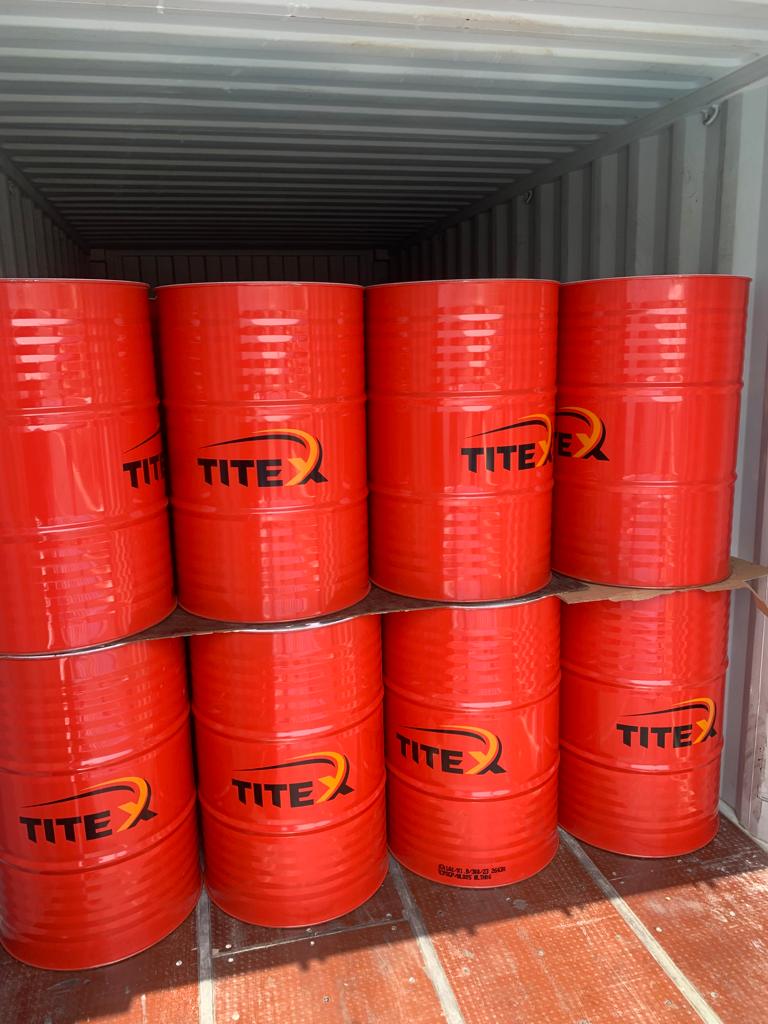
A stock image related to bulk engine oil suppliers.
3 Common User Pain Points for ‘bulk engine oil suppliers’ & Their Solutions
Scenario 1: Difficulty in Sourcing Consistent Quality Engine Oil
The Problem: B2B buyers often struggle with ensuring that the bulk engine oil they procure meets the required specifications for their specific applications. Inconsistent quality can lead to engine failures, increased maintenance costs, and ultimately, dissatisfied customers. For companies operating in regions with diverse climatic conditions, such as Nigeria or Brazil, the challenge intensifies. They need oil that performs reliably under varying temperatures and loads, but suppliers may not always deliver products that adhere to strict quality standards.
The Solution: To mitigate this issue, B2B buyers should establish a robust vendor qualification process. This involves thoroughly vetting suppliers for their manufacturing processes, certifications, and quality control measures. Engaging in direct communication with potential suppliers about their product testing and certifications can provide insights into the consistency of their offerings. Additionally, requesting sample batches before committing to large orders allows buyers to assess the performance of the oil in real-world conditions. Buyers should also consider forming partnerships with suppliers who offer transparency in their sourcing and production, ensuring that the oils meet international standards such as API or ACEA classifications.
Scenario 2: Navigating Price Fluctuations and Budget Constraints
The Problem: Bulk engine oil buyers frequently face challenges with fluctuating prices due to global oil market volatility. This unpredictability can complicate budgeting and financial forecasting, especially for businesses in sectors like transportation and agriculture, where operating costs are closely monitored. In regions with economic instability, such as parts of the Middle East or South America, the pressure to maintain competitive pricing intensifies, making it essential for buyers to find reliable suppliers without compromising on quality.
The Solution: To tackle price fluctuations, B2B buyers can negotiate long-term contracts with fixed pricing or price caps with their suppliers. This strategy not only stabilizes costs but also fosters a stronger partnership with suppliers who may offer better terms for loyalty. Additionally, buyers should keep abreast of market trends and consider bulk purchasing during periods of lower prices to build up inventory. Utilizing software tools for supply chain management can also provide insights into optimal purchasing times and quantity, allowing businesses to make informed decisions that align with their budgetary constraints.
Scenario 3: Managing Inventory and Supply Chain Logistics
The Problem: Efficient inventory management is a significant concern for B2B buyers of bulk engine oil. Many companies experience challenges in predicting usage rates, leading to either excess inventory or stockouts. This situation is particularly problematic in regions with limited storage facilities or in businesses with fluctuating demand, such as automotive repair shops or fleet operators. Poor inventory management can lead to increased costs, wastage, and lost sales opportunities.
The Solution: Implementing an inventory management system tailored for bulk oil can significantly streamline operations. Buyers should utilize demand forecasting tools that analyze historical usage patterns, seasonal trends, and market conditions to predict future needs accurately. Establishing a just-in-time (JIT) inventory system can help maintain optimal stock levels, reducing storage costs and minimizing waste. Additionally, developing strong relationships with suppliers who offer flexible delivery options can ensure that businesses receive oil shipments as needed, preventing disruptions in operations. Regular communication with suppliers about anticipated changes in demand can further enhance supply chain responsiveness and reliability.
Strategic Material Selection Guide for bulk engine oil suppliers
What Are the Key Materials Used by Bulk Engine Oil Suppliers?
When selecting materials for bulk engine oil, suppliers must consider various factors that impact performance, cost, and compliance with international standards. Below is an analysis of four common materials used in the formulation and packaging of bulk engine oil.
1. Mineral Oil
Key Properties:
Mineral oil, derived from refining crude oil, exhibits good lubrication properties and a wide temperature range. It typically withstands temperatures up to 100°C and provides moderate pressure resistance.
Pros & Cons:
Mineral oil is cost-effective and readily available, making it a popular choice for many applications. However, it may require additives to enhance performance characteristics, such as viscosity and oxidation stability, which can increase overall costs.
Impact on Application:
Mineral oil is suitable for general automotive applications but may not perform well in extreme conditions, such as high-performance engines or severe climates.
Specific Considerations for International Buyers:
Buyers in regions like Africa and South America should ensure compliance with local regulations regarding oil formulations. Standards such as API (American Petroleum Institute) and SAE (Society of Automotive Engineers) are critical for ensuring product quality.
2. Synthetic Oil
Key Properties:
Synthetic oils are engineered to provide superior performance, with high temperature stability (up to 200°C) and excellent low-temperature fluidity. They also offer better oxidation resistance and thermal stability compared to mineral oils.
Pros & Cons:
The main advantage of synthetic oil is its ability to provide enhanced engine protection and efficiency, especially in extreme conditions. However, synthetic oils are generally more expensive to produce, which can be a barrier for cost-sensitive markets.
Impact on Application:
Synthetic oils are ideal for high-performance engines and vehicles operating in extreme temperatures. They provide better fuel efficiency and engine cleanliness.
Specific Considerations for International Buyers:
Buyers should look for compliance with international standards such as ACEA (European Automobile Manufacturers Association) and API ratings. In regions like the Middle East, where temperatures can be extreme, synthetic oils may be preferred for their performance benefits.
3. Additives
Key Properties:
Additives enhance the performance of base oils, providing properties such as improved viscosity, corrosion resistance, and thermal stability. Common additives include detergents, dispersants, and anti-wear agents.
Pros & Cons:
Additives can significantly improve the overall performance of engine oils, allowing for longer intervals between oil changes. However, the complexity of formulations can lead to higher manufacturing costs.
Impact on Application:
The right combination of additives can tailor engine oil for specific applications, enhancing performance in both standard and high-performance engines.
Specific Considerations for International Buyers:
Understanding local regulations regarding chemical additives is crucial. Buyers should ensure that the additives used comply with standards such as REACH (Registration, Evaluation, Authorisation, and Restriction of Chemicals) in Europe.
4. Packaging Materials (Drums and Totes)
Key Properties:
The materials used for packaging, such as steel or high-density polyethylene (HDPE), must be durable and resistant to corrosion. Steel drums can withstand high pressures, while HDPE is lightweight and resistant to chemical degradation.
Pros & Cons:
Steel drums offer excellent protection and are reusable, but they are heavier and more expensive. HDPE is cost-effective and lightweight, but may not provide the same level of protection against physical damage.
Impact on Application:
The choice of packaging material can affect storage and transportation. Steel drums are preferred for long-term storage, while HDPE is suitable for bulk transport.
Specific Considerations for International Buyers:
International buyers should consider the shipping regulations for hazardous materials, especially in regions with stringent environmental regulations. Compliance with ISO standards for packaging can also enhance marketability.
Summary Table
| Material | Typical Use Case for bulk engine oil suppliers | Key Advantage | Key Disadvantage/Limitation | Relative Cost (Low/Med/High) |
|---|---|---|---|---|
| Mineral Oil | General automotive applications | Cost-effective and readily available | Requires additives for enhanced performance | Low |
| Synthetic Oil | High-performance engines | Superior protection and efficiency | Higher production costs | High |
| Additives | Custom formulations for specific applications | Tailored performance improvements | Increased manufacturing complexity | Med |
| Packaging Materials | Storage and transport of bulk oils | Durable and reusable options available | Weight and cost considerations | Med |
This strategic material selection guide provides valuable insights for international B2B buyers, helping them make informed decisions when sourcing bulk engine oil. Understanding the properties, advantages, and limitations of each material is crucial for optimizing performance and compliance in diverse markets.
A stock image related to bulk engine oil suppliers.
In-depth Look: Manufacturing Processes and Quality Assurance for bulk engine oil suppliers
What Are the Main Stages in the Manufacturing Process of Bulk Engine Oil?
The manufacturing process of bulk engine oil involves several critical stages that ensure the final product meets performance specifications and regulatory standards. These stages typically include material preparation, blending, filling, and packaging.
-
Material Preparation: The process begins with the careful selection and preparation of base oils and additives. Base oils can be mineral, synthetic, or a blend of both, each chosen for their specific properties. Additives such as detergents, dispersants, anti-wear agents, and viscosity index improvers are also prepared, ensuring they meet the required specifications.
-
Blending: Once the materials are prepared, they are blended in precise ratios according to the formulation guidelines. This stage is crucial as the performance of the engine oil depends significantly on the correct balance of base oils and additives. Advanced blending techniques, such as the use of automated systems, help maintain accuracy and consistency during this process.
-
Filling: After blending, the oil is transferred to filling lines, where it is packaged into various containers, including 55-gallon drums, totes, and smaller retail-sized bottles. This stage is often automated to increase efficiency and reduce contamination risks.
-
Packaging: Finally, the packaged oil undergoes labeling and is prepared for distribution. Packaging must comply with local regulations and must include important information such as API service ratings, viscosity grades, and safety warnings.
What Quality Control Measures Are Essential in Bulk Engine Oil Manufacturing?
Quality control (QC) is a fundamental aspect of bulk engine oil manufacturing, ensuring that the products meet international standards and customer expectations. Here are the key QC measures typically employed:
-
International Standards: Adhering to recognized international standards such as ISO 9001 is vital. This standard outlines a framework for quality management systems (QMS) that help organizations consistently meet customer and regulatory requirements.
-
Industry-Specific Standards: Additional certifications such as API (American Petroleum Institute) and ACEA (Association des Constructeurs Européens d’Automobiles) provide specific guidelines for engine oil formulations, ensuring they meet performance and environmental standards.
-
Quality Control Checkpoints:
– Incoming Quality Control (IQC): This checkpoint involves testing raw materials and additives upon arrival at the facility. Only those that meet stringent specifications are approved for use in production.
– In-Process Quality Control (IPQC): During manufacturing, periodic checks are conducted to monitor blending accuracy and ensure that no contamination occurs.
– Final Quality Control (FQC): After filling and packaging, the final product is tested for viscosity, flash point, and other critical properties to ensure compliance with the specified standards.
Which Testing Methods Are Commonly Used in Engine Oil Quality Assurance?
Various testing methods are employed throughout the manufacturing and QC processes to ensure the engine oil’s quality and performance:
-
Viscosity Testing: This is one of the most critical tests, measuring the oil’s resistance to flow at different temperatures. It ensures that the oil will perform adequately in various operating conditions.
-
Flash Point Testing: This test determines the temperature at which the oil can vaporize to form an ignitable mixture. It’s crucial for safety and regulatory compliance.
-
Wear Protection Testing: Tests such as the Four-Ball Wear Test assess the oil’s ability to protect engine components against wear, a key performance metric for engine longevity.
-
Oxidation Stability Testing: This evaluates how well the oil resists breakdown when exposed to heat and oxygen over time, ensuring it maintains its protective properties throughout its service life.
How Can B2B Buyers Verify Supplier Quality Control Processes?
For international B2B buyers, especially those from regions like Africa, South America, the Middle East, and Europe, verifying a supplier’s QC processes is essential. Here are actionable steps to ensure that suppliers meet quality standards:
-
Supplier Audits: Conducting regular audits of suppliers’ manufacturing facilities can provide insights into their QC processes. This can include reviewing their QMS documentation, observing manufacturing practices, and assessing their testing capabilities.
-
Requesting Quality Reports: B2B buyers should request quality assurance reports and certificates of analysis for each batch of oil produced. These documents should detail the results of various tests and confirm compliance with relevant standards.
-
Third-Party Inspections: Engaging third-party inspection services can add an additional layer of assurance. These independent entities can perform audits and testing, providing unbiased verification of the supplier’s claims.
-
Understanding Certification Nuances: It’s important to be aware of the specific certifications that may vary by region. For instance, certifications relevant in Europe (like ACEA) may differ from those in the Americas (like API). Understanding these nuances can help buyers make informed decisions.
What Unique Quality Control Considerations Exist for International B2B Buyers?
International B2B buyers face unique challenges when it comes to quality control due to varying regulations and standards across different regions. Here are some considerations:
-
Regulatory Compliance: Each region may have its own regulations governing engine oil specifications. Buyers must ensure that the products they purchase comply with local regulations in their countries, which may involve additional testing or certifications.
-
Cultural and Logistical Challenges: Differences in business practices and logistics can affect the consistency of supply. Establishing clear communication and expectations regarding quality standards is essential to mitigate these risks.
-
Economic Factors: Fluctuations in currency and trade policies can impact the cost and availability of quality engine oils. Buyers should consider establishing long-term contracts with suppliers to secure favorable terms.
-
Environmental Standards: With increasing focus on sustainability, international buyers should also consider the environmental impact of the engine oils they procure. Suppliers should be able to demonstrate compliance with relevant environmental standards and practices.
By understanding the manufacturing processes and quality assurance measures that bulk engine oil suppliers employ, B2B buyers can make informed decisions, ensuring they source high-quality products that meet their operational needs.
Practical Sourcing Guide: A Step-by-Step Checklist for ‘bulk engine oil suppliers’
Introduction
This guide provides a practical checklist for B2B buyers seeking to source bulk engine oil suppliers. With the growing demand for automotive lubricants in regions such as Africa, South America, the Middle East, and Europe, it is crucial to approach this procurement process strategically. By following these steps, buyers can ensure they select reliable suppliers that meet their specific needs.
Step 1: Define Your Technical Specifications
Clearly outline the types of engine oil required for your operations. This includes the viscosity grades (e.g., 5W-30, 15W-40), oil types (synthetic, conventional, or blends), and any specific certifications (API, ILSAC) necessary for compliance in your market. Establishing these criteria upfront helps narrow down potential suppliers who can meet your quality and performance requirements.
Step 2: Conduct Market Research
Investigate the market to identify potential suppliers. Look for manufacturers and distributors known for their quality products and reliable service. Utilize online platforms, industry forums, and trade shows to gather information about suppliers, including their reputation, product offerings, and customer reviews. This foundational research will help you build a shortlist of viable candidates.
Step 3: Evaluate Potential Suppliers
Before committing, it’s crucial to vet suppliers thoroughly. Request company profiles, case studies, and references from buyers in a similar industry or region. Assess their production capabilities, quality control measures, and delivery timelines to ensure they can meet your operational demands.
- Check for Certifications: Ensure suppliers have relevant certifications such as ISO 9001, which indicates adherence to quality management practices.
Step 4: Request Samples and Test Products
Once you have a shortlist, request samples of the engine oil products you intend to purchase. Testing these samples in real-world conditions will help you evaluate their performance, compatibility with your machinery, and overall quality. This step is essential in mitigating risks associated with inferior products that could harm equipment or lead to costly downtimes.
Step 5: Compare Pricing and Terms
Gather detailed pricing from each supplier, including bulk order discounts, shipping costs, and payment terms. Analyze the total cost of ownership, not just the upfront price. Consider factors such as product quality, supplier reliability, and customer service, which can significantly impact long-term value.
- Negotiate Terms: Don’t hesitate to negotiate payment terms or discounts for larger orders to optimize your budget.
Step 6: Verify Logistics and Delivery Capabilities
Evaluate each supplier’s logistics capabilities to ensure they can meet your delivery requirements. This includes assessing their distribution network, lead times, and the ability to handle customs and import regulations, particularly if you are sourcing internationally. Reliable logistics are crucial for maintaining your supply chain and avoiding interruptions.
Step 7: Establish a Long-Term Relationship
Once you choose a supplier, focus on building a strong, long-term partnership. Regular communication, feedback, and performance reviews will help foster a collaborative relationship, allowing both parties to adapt to changing needs and market conditions. A reliable supplier can become a key ally in supporting your business growth and operational efficiency.
By following this structured approach, B2B buyers can effectively navigate the complexities of sourcing bulk engine oil, ensuring they secure the best products and services for their needs.
Comprehensive Cost and Pricing Analysis for bulk engine oil suppliers Sourcing
What Are the Key Cost Components in Bulk Engine Oil Supply?
When evaluating the pricing structure of bulk engine oil suppliers, several cost components play a crucial role. These include:
-
Materials: The primary cost driver, comprising base oils and additives. Prices can fluctuate based on crude oil market trends, which directly impact the cost of raw materials.
-
Labor: Labor costs involve both manufacturing and administrative staff. Efficient labor management can significantly affect the overall pricing.
-
Manufacturing Overhead: This encompasses utilities, maintenance, and facility costs. Efficient production processes can help minimize overhead, thus reducing prices for buyers.
-
Tooling: Investment in specialized equipment for production affects initial costs. Suppliers with advanced technology may offer higher quality oils but at a premium price.
-
Quality Control (QC): Ensuring compliance with industry standards incurs costs. Suppliers committed to high-quality standards often pass these costs onto buyers.
-
Logistics: Transporting bulk oil can be expensive, especially for international shipments. Costs may vary based on distance, shipping method, and fuel prices.
-
Margin: The profit margin set by suppliers can vary significantly, influenced by brand reputation and market competition.
How Do Price Influencers Affect Bulk Engine Oil Costs?
Understanding the factors influencing pricing can help buyers make informed decisions:
-
Volume/MOQ (Minimum Order Quantity): Larger orders typically benefit from reduced per-unit costs. Buyers should assess their needs to negotiate better terms.
-
Specifications and Customization: Custom formulations or specific certifications (like API or ILSAC) can lead to higher costs. Buyers must determine the necessity of these specifications.
-
Materials: Premium base oils or additives will increase costs. Buyers should evaluate the performance requirements against the potential cost implications.
-
Quality and Certifications: Products that meet rigorous quality standards may come at a higher price. Buyers should balance quality requirements with budget constraints.
-
Supplier Factors: Established suppliers with a strong reputation may charge more due to perceived reliability. Newer or less-known suppliers might offer competitive pricing to build market share.
-
Incoterms: The chosen Incoterms (International Commercial Terms) can significantly affect the total cost. Understanding responsibilities related to shipping and customs can help buyers manage expenses better.
What Negotiation Strategies Can International B2B Buyers Use?
For buyers in regions such as Africa, South America, the Middle East, and Europe, effective negotiation strategies can yield significant savings:
-
Leverage Volume: Commit to larger orders to negotiate better pricing and payment terms. Suppliers often appreciate the assurance of larger sales volumes.
-
Explore Long-Term Contracts: Establishing long-term relationships can lead to price stability and discounts over time. Suppliers may be more willing to negotiate when assured of ongoing business.
-
Assess Total Cost of Ownership (TCO): Instead of focusing solely on initial costs, consider the TCO, which includes maintenance, performance, and longevity of the oil. Sometimes a higher initial investment can lead to lower overall costs.
-
Understand Pricing Nuances: Be aware of local market conditions and supplier pricing strategies. This knowledge can provide leverage during negotiations.
What Should International Buyers Keep in Mind Regarding Pricing?
While indicative prices may vary, international buyers should be aware of additional costs associated with importing bulk engine oil. These may include customs duties, taxes, and insurance. It’s essential to factor these into the overall cost analysis to avoid unexpected expenses.
In conclusion, understanding the intricate cost structure and pricing influencers in the bulk engine oil market can empower international B2B buyers. By leveraging negotiation strategies and being aware of total costs, buyers can secure favorable deals while ensuring they meet their operational needs effectively.
Alternatives Analysis: Comparing bulk engine oil suppliers With Other Solutions
Understanding Alternatives to Bulk Engine Oil Suppliers
In the competitive landscape of automotive maintenance, selecting the right engine oil solution is crucial for businesses. While bulk engine oil suppliers offer a reliable option for high-volume needs, alternative solutions exist that may better suit specific operational requirements or budget constraints. This section explores viable alternatives to bulk engine oil suppliers, helping B2B buyers make informed decisions.
Comparison of Bulk Engine Oil Suppliers and Alternatives
| Comparison Aspect | Bulk Engine Oil Suppliers | In-House Oil Production | Retail Engine Oil Distribution |
|---|---|---|---|
| Performance | High-quality, consistent supply of various oil grades. | Quality depends on sourcing and blending capabilities; may lack consistency. | Limited range of products; quality may vary significantly. |
| Cost | Competitive pricing, especially for high-volume purchases. | Initial setup costs can be high; potential long-term savings. | Higher per-unit cost; volume discounts may be limited. |
| Ease of Implementation | Simple ordering process; established supply chains. | Requires infrastructure, training, and ongoing management. | Easy to purchase; may require frequent reorders. |
| Maintenance | Minimal maintenance; suppliers handle logistics and quality control. | High maintenance; requires regular monitoring of production quality. | Low maintenance; relies on supplier for quality assurance. |
| Best Use Case | Ideal for businesses with consistent, high-volume oil usage. | Suitable for companies with specific oil requirements and capacity for production. | Best for smaller businesses or those with fluctuating demand. |
Detailed Breakdown of Alternatives
In-House Oil Production
In-house oil production involves blending and refining oil within a company’s facilities. This method can provide tailored formulations that meet specific performance standards. However, it requires significant investment in equipment, skilled personnel, and ongoing quality control processes. While it offers the potential for long-term cost savings and customization, it also comes with complexities that can divert focus from core business operations.
Retail Engine Oil Distribution
Retail engine oil distribution encompasses purchasing oil from local or national retailers. This approach is straightforward, allowing businesses to quickly acquire oil as needed. However, the main drawback is the higher per-unit costs, especially when purchasing smaller quantities. Additionally, the variety of available products may not meet the specific needs of every operation, leading to potential performance issues if the wrong oil is chosen.
Conclusion: How to Choose the Right Engine Oil Solution
When determining the best engine oil solution, B2B buyers must consider their operational needs, volume requirements, and budget constraints. Bulk engine oil suppliers excel in providing consistent quality and competitive pricing for high-volume users, making them a strong choice for many businesses. On the other hand, in-house production may suit companies with specialized requirements, while retail distribution offers flexibility for smaller operations. By evaluating these alternatives against their specific needs, buyers can make informed decisions that enhance their operational efficiency and product performance.
Essential Technical Properties and Trade Terminology for bulk engine oil suppliers
What Are the Critical Technical Properties of Bulk Engine Oils?
Understanding the essential technical specifications of bulk engine oils is crucial for B2B buyers, as these properties directly affect product performance and compatibility with various engine types. Here are some key specifications to consider:
-
Viscosity Grade
Viscosity is a measure of a fluid’s resistance to flow. Engine oils are categorized by their viscosity grade, which is indicated by a number followed by a letter (e.g., 5W-30). The first number (5W) represents the oil’s flow at low temperatures (Winter), while the second number (30) indicates the oil’s thickness at high temperatures. Selecting the correct viscosity grade is vital for ensuring optimal lubrication, fuel efficiency, and engine protection across varying temperatures and operational conditions. -
API Certification
The American Petroleum Institute (API) provides certification for engine oils based on their performance standards. Oils with an API certification (e.g., API SN, API CK-4) meet specific criteria for engine cleanliness, wear protection, and thermal stability. For B2B buyers, API certification is essential as it guarantees that the oil will perform effectively in various engine designs and extends the engine’s lifespan. -
Additive Package
Engine oils contain various additives to enhance performance characteristics, such as detergents, anti-wear agents, and antioxidants. The composition and concentration of these additives can significantly impact the oil’s effectiveness in preventing deposits, reducing friction, and prolonging oil life. Buyers should inquire about the specific additive package used in the oil to ensure it meets their operational requirements. -
Pour Point
The pour point is the lowest temperature at which an oil will flow. This property is crucial in regions with extreme temperatures, as it influences the oil’s ability to circulate during cold starts. Understanding the pour point helps buyers select oils suitable for their geographic and climatic conditions, ensuring reliable engine performance. -
Flash Point
The flash point refers to the temperature at which oil vapors can ignite. This property is essential for safety and storage considerations. Oils with higher flash points are generally safer to handle and store, which is an important consideration for bulk suppliers and users in various industries.
What Are the Common Trade Terms for Bulk Engine Oil Transactions?
Navigating the terminology used in the bulk engine oil industry is vital for successful transactions. Here are some commonly used terms:
-
OEM (Original Equipment Manufacturer)
This term refers to companies that manufacture products that are then sold under another company’s brand name. In the context of engine oils, OEM specifications ensure that the oil meets the performance standards set by vehicle manufacturers. B2B buyers should look for oils that comply with OEM specifications to maintain warranty coverage and optimal engine performance. -
MOQ (Minimum Order Quantity)
MOQ indicates the smallest quantity of product that a supplier is willing to sell. Understanding MOQ is crucial for buyers to manage inventory levels and cost-effectiveness. It ensures that businesses can procure sufficient quantities of oil without overcommitting resources. -
RFQ (Request for Quotation)
An RFQ is a formal document sent to suppliers to request pricing and terms for specific products. This term is essential in B2B transactions, as it helps buyers compare offers from different suppliers and negotiate favorable terms. -
Incoterms (International Commercial Terms)
Incoterms are a set of predefined international trade terms that clarify the responsibilities of buyers and sellers in shipping agreements. Understanding these terms is vital for B2B buyers, as they dictate who is responsible for shipping, insurance, and tariffs, affecting overall costs and delivery timelines. -
Bulk Delivery
This term refers to the transportation of large quantities of product, typically in tankers or drums, rather than smaller retail containers. Bulk delivery is important for B2B buyers as it often results in lower costs per unit and more efficient logistics. -
Technical Data Sheet (TDS)
A TDS provides detailed information about a product’s specifications, applications, and performance characteristics. For B2B buyers, reviewing a TDS is essential for ensuring that the chosen engine oil meets specific operational requirements and industry standards.
Understanding these technical properties and trade terms empowers B2B buyers to make informed decisions, ensuring they select the right engine oils for their needs while navigating the complexities of bulk transactions efficiently.
Navigating Market Dynamics and Sourcing Trends in the bulk engine oil suppliers Sector
What Are the Key Trends Shaping the Bulk Engine Oil Suppliers Market?
The bulk engine oil suppliers market is witnessing significant transformations driven by various global factors. One of the primary drivers is the growing demand for high-performance and synthetic engine oils, particularly in emerging markets such as Africa and South America. The automotive industry is evolving towards more fuel-efficient and environmentally friendly vehicles, leading to an increased need for advanced lubricants that can meet these new standards. This trend is further supported by the rising number of vehicles on the roads, particularly in rapidly urbanizing areas.
In terms of technology, the integration of digital platforms for procurement and supply chain management is becoming essential. International B2B buyers are increasingly turning to e-commerce solutions that offer transparent pricing, real-time inventory updates, and efficient logistics. This shift towards digitalization enhances sourcing efficiency and enables buyers to make informed purchasing decisions quickly. Moreover, the use of data analytics is becoming prevalent, allowing suppliers to predict market trends and adjust their inventory and pricing strategies accordingly.
Furthermore, regulatory compliance is a crucial aspect of market dynamics. Buyers must navigate various international regulations concerning product standards and environmental impact, particularly when sourcing from different regions. Understanding these regulations is vital for companies looking to enter or expand in markets like Nigeria and Brazil, where local compliance can significantly impact operational success.
How Is Sustainability Influencing Sourcing Decisions in the Bulk Engine Oil Sector?
Sustainability is no longer a peripheral concern; it has become a central focus for businesses in the bulk engine oil sector. The environmental impact of lubricants, particularly their contribution to pollution and waste, has prompted a shift toward more sustainable practices. B2B buyers are increasingly prioritizing suppliers that demonstrate a commitment to sustainability through ethical sourcing and production processes.
The importance of ethical supply chains cannot be overstated. Suppliers that adhere to strict environmental standards and utilize ‘green’ certifications are more appealing to international buyers. This includes sourcing base oils from sustainable sources and ensuring that manufacturing processes minimize waste and emissions. Buyers are also interested in suppliers that offer biodegradable or recyclable products, aligning with their corporate social responsibility goals.
Moreover, the adoption of circular economy principles is gaining traction. This involves not just responsible sourcing but also the recycling and reprocessing of used oils. Suppliers that provide take-back programs or recycling options for spent oil can create a competitive edge in the market. For buyers, partnering with such suppliers not only improves their sustainability profile but also enhances brand reputation in an increasingly eco-conscious market.
How Has the Bulk Engine Oil Suppliers Market Evolved Over Time?
The bulk engine oil suppliers market has evolved significantly over the decades, shaped by technological advancements and changing consumer preferences. Initially dominated by conventional mineral oils, the market has transitioned towards synthetic and semi-synthetic oils, driven by demands for better performance and efficiency. This evolution has been facilitated by advancements in refining technologies and additive formulations, enabling suppliers to offer products that meet the rigorous demands of modern engines.
The globalization of trade has also played a crucial role. As automotive manufacturing expanded across borders, so did the sourcing of engine oils. International suppliers began to emerge, providing a wider range of products tailored to diverse regional needs. Today, buyers can access a global marketplace, benefiting from competitive pricing and a broader selection of high-performance lubricants.
In conclusion, the bulk engine oil suppliers market is characterized by dynamic trends and evolving buyer expectations. Understanding these nuances is essential for B2B buyers looking to navigate this complex landscape effectively.
Frequently Asked Questions (FAQs) for B2B Buyers of bulk engine oil suppliers
-
How do I choose the right bulk engine oil supplier for my business?
Choosing the right bulk engine oil supplier involves evaluating several key factors. Start by assessing the supplier’s reputation, which can be gauged through online reviews and industry recommendations. Look for suppliers who offer a range of products that meet your specific needs, including viscosity, brand, and performance specifications. Verify their certifications and quality assurance processes to ensure compliance with international standards. Additionally, consider their logistics capabilities, customer service responsiveness, and payment terms to ensure a smooth purchasing experience. -
What is the best type of engine oil for commercial vehicles?
The best type of engine oil for commercial vehicles often depends on the engine specifications and operational conditions. Heavy-duty diesel engines typically benefit from oils like 15W-40 or 10W-30, which offer superior protection under high-stress conditions. Synthetic blends may also be considered for enhanced performance and longer intervals between changes. It’s crucial to consult the vehicle manufacturer’s recommendations and consider the local climate conditions when selecting the appropriate oil grade. -
What are the common minimum order quantities (MOQs) for bulk engine oil?
Minimum order quantities for bulk engine oil can vary significantly among suppliers and are often influenced by packaging and shipping costs. Typically, MOQs range from 1,000 to 5,000 liters, but some suppliers may accommodate smaller orders, particularly for new clients. Discuss your specific needs with potential suppliers to negotiate MOQs that align with your inventory management strategy while ensuring cost-effectiveness. -
What payment terms should I expect when purchasing bulk engine oil?
Payment terms for bulk engine oil purchases can vary based on the supplier’s policies and your business relationship. Common terms include payment upon delivery, net 30, or net 60 days. Some suppliers may offer discounts for upfront payments or larger orders. Always clarify payment methods accepted, such as bank transfers or letters of credit, and ensure that terms are documented in the purchase agreement to avoid misunderstandings. -
How can I ensure the quality of bulk engine oil before purchasing?
To ensure the quality of bulk engine oil, request product specifications and certifications from the supplier, such as API (American Petroleum Institute) or SAE (Society of Automotive Engineers) ratings. Consider conducting independent lab tests to verify the oil’s performance characteristics and adherence to industry standards. Additionally, ask for samples before committing to a large order to assess the oil’s viscosity and consistency firsthand. -
What logistics considerations should I be aware of when sourcing bulk engine oil internationally?
When sourcing bulk engine oil internationally, logistics considerations include shipping methods, lead times, and customs regulations. Collaborate with suppliers to understand their shipping capabilities and choose a reliable freight forwarder experienced in handling hazardous materials, as engine oil is classified as such. Familiarize yourself with import/export regulations in your country, including tariffs and documentation requirements, to ensure compliance and avoid delays. -
How do I vet potential suppliers for bulk engine oil?
Vetting potential suppliers for bulk engine oil involves conducting thorough background checks. Start by reviewing their business history, customer testimonials, and industry certifications. Request references from other B2B clients to gain insights into their reliability and service quality. Additionally, consider visiting the supplier’s facilities, if feasible, to assess their production capabilities and quality control processes firsthand. -
Can I customize bulk engine oil orders to meet specific needs?
Yes, many bulk engine oil suppliers offer customization options to meet specific requirements. This can include blending different oil types, adjusting viscosity, or packaging specifications. When discussing customization, provide clear specifications and discuss any additional costs or lead times associated with tailored orders. Establishing a good relationship with your supplier can facilitate more flexible arrangements for future orders.
Important Disclaimer & Terms of Use
⚠️ Important Disclaimer
The information provided in this guide, including content regarding manufacturers, technical specifications, and market analysis, is for informational and educational purposes only. It does not constitute professional procurement advice, financial advice, or legal advice.
While we have made every effort to ensure the accuracy and timeliness of the information, we are not responsible for any errors, omissions, or outdated information. Market conditions, company details, and technical standards are subject to change.
B2B buyers must conduct their own independent and thorough due diligence before making any purchasing decisions. This includes contacting suppliers directly, verifying certifications, requesting samples, and seeking professional consultation. The risk of relying on any information in this guide is borne solely by the reader.
Strategic Sourcing Conclusion and Outlook for bulk engine oil suppliers
In the competitive landscape of bulk engine oil supply, strategic sourcing emerges as a critical factor for international B2B buyers. By identifying reliable suppliers and leveraging bulk purchasing, businesses can significantly reduce costs while ensuring consistent quality across their product offerings. The diverse range of motor oil options available—from synthetic blends to conventional oils—allows buyers to tailor their procurement strategies to meet specific regional demands, particularly in markets such as Africa, South America, the Middle East, and Europe.
Moreover, understanding the nuances of local regulations and product certifications can enhance compliance and operational efficiency. Buyers should prioritize suppliers that not only offer competitive pricing but also demonstrate a commitment to sustainability and innovation in their products.
Looking ahead, the demand for high-quality bulk engine oil is expected to rise, driven by increasing vehicle usage and maintenance needs in emerging markets. Now is the time for international B2B buyers to engage with trusted suppliers, explore long-term partnerships, and harness the advantages of strategic sourcing to drive business growth. Embrace this opportunity to secure a competitive edge in your supply chain today.