
The Ultimate Guide to Sourcing Auto Glass Factory: Top 6 Companies …
Introduction: Navigating the Global Market for auto glass factory
In the rapidly evolving automotive industry, sourcing high-quality auto glass for factories presents a significant challenge for international B2B buyers. With the diverse needs of vehicles ranging from passenger cars to commercial fleets, understanding the nuances of auto glass manufacturing and supply chain logistics is crucial. This guide aims to equip you with the knowledge to navigate the global market effectively, covering essential topics such as types of auto glass, applications across various vehicle models, supplier vetting processes, and cost considerations.
International buyers from regions like Africa, South America, the Middle East, and Europe—including key markets in Germany and Vietnam—will find this resource particularly valuable. It empowers you to make informed purchasing decisions by detailing best practices for evaluating suppliers, ensuring compliance with regional safety standards, and leveraging competitive pricing strategies.
As you delve into this comprehensive guide, you will gain insights into the critical factors that influence the auto glass market, including advancements in technology, such as ADAS (Advanced Driver Assistance Systems), and the importance of quality assurance in glass sourcing. By the end of this guide, you will be well-prepared to address the complexities of the auto glass supply chain, enabling your business to thrive in a competitive landscape.
Top 10 Auto Glass Factory Manufacturers & Suppliers List
1. Fuyao Glass – OEM Auto Glass Solutions
Domain: fuyaousa.com
Registered: 2012 (13 years)
Introduction: Fuyao Glass America is an OEM glass supplier to major auto manufacturers including General Motors, Ford, BMW, Honda, and Bentley. They offer aftermarket glass that matches the quality of original manufacturer auto glass, produced using the same processes as their OEM products. Fuyao emphasizes top quality, competitive pricing, and has a legacy of trust and expertise in the industry. They have manu…
2. Carlex – Automotive Glass Solutions
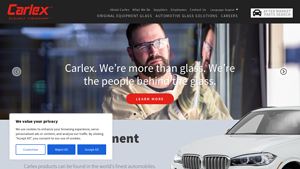
Domain: carlex.com
Registered: 1997 (28 years)
Introduction: Carlex Glass America, LLC offers Original Equipment Glass Products and Automotive Replacement Glass. Their products are designed with safety in mind, meeting or exceeding all Federal safety standards for automotive glass. They have over 80 years of experience providing replacement glass for various vehicle manufacturers. Key products include SoundScreen Acoustic Glass, Truck Sliders, and Logo Wind…
3. Auto Glass Factory – Glendale AZ

4. IMARC Group – Automotive Glass Solutions
Domain: imarcgroup.com
Registered: 2009 (16 years)
Introduction: Automotive glass refers to specialized tempered or laminated glass used in manufacturing windscreens, side windows, rear car glass, and sunroofs. It exhibits superior water resistance, aerodynamic features, and heat absorption properties to maintain comfortable temperatures in the car, improving fuel efficiency by reducing the load on the AC unit. It provides protection against UV radiation, rain,…
5. Custom Glass Solutions – Laminated Glass
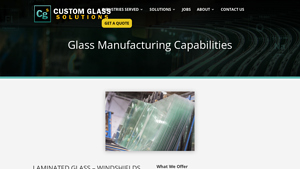
Domain: customglasssolutions.com
Registered: 2011 (14 years)
Introduction: Custom Glass Solutions specializes in laminated glass, primarily windshields for OEM and aftermarket customers. They offer laminated glass that is strong, cost-effective, and shatter-proof, providing safety and UV protection. They also manufacture flat and bent tempered glass using advanced technology, including the Glasstech DBOIV system. Their OEM glass assemblies save customers time and labor b…
6. Auto Glass Factory – Auto Glass Services

Domain: yelp.com
Registered: 2003 (22 years)
Introduction: Auto Glass Factory provides the following services: auto mirror repair, auto window repair, auto windshield repair, auto mirror replacement, auto window replacement, auto glass repair, fleet and commercial glass services, and windshield calibration.
Understanding auto glass factory Types and Variations
| Type Name | Key Distinguishing Features | Primary B2B Applications | Brief Pros & Cons for Buyers |
|---|---|---|---|
| OEM Auto Glass Manufacturers | Utilize original equipment manufacturer (OEM) glass, ensuring quality and compatibility. | Vehicle manufacturers, dealerships, and auto repair shops. | Pros: High quality, reliable fit. Cons: Higher cost compared to aftermarket options. |
| Aftermarket Auto Glass Suppliers | Provide a range of glass products that may not be OEM but meet safety standards. | Independent repair shops, insurance companies, and fleet services. | Pros: Cost-effective, diverse product range. Cons: Potential quality variability. |
| Mobile Auto Glass Services | Offer on-site repair and replacement services, minimizing downtime. | Fleet operators, commercial vehicle services, and individual customers. | Pros: Convenience, quick response time. Cons: Limited service area and availability. |
| Specialty Auto Glass Services | Focus on niche markets, such as heavy-duty vehicles or classic car restoration. | Custom auto shops, restoration companies, and specialized fleets. | Pros: Expertise in specific needs. Cons: May have longer lead times and higher costs. |
| Integrated ADAS Calibration Centers | Combine auto glass services with advanced driver-assistance systems (ADAS) recalibration. | Automotive manufacturers, repair shops with modern vehicles, and fleet services. | Pros: Ensures safety features function correctly. Cons: Requires specialized training and equipment. |
What Are the Characteristics of OEM Auto Glass Manufacturers?
OEM auto glass manufacturers are distinguished by their use of original equipment parts, which are designed to meet the exact specifications of vehicle manufacturers. This ensures that the glass fits perfectly and maintains the structural integrity of the vehicle. B2B buyers, such as dealerships and repair shops, often prefer OEM products for their reliability and warranty support. However, the higher cost can be a consideration for budget-conscious businesses.
How Do Aftermarket Auto Glass Suppliers Operate?
Aftermarket auto glass suppliers provide a cost-effective alternative to OEM products. They offer a wide variety of glass types, including windshields, side windows, and back glass, which meet safety standards but may not be identical to the original parts. These suppliers are particularly appealing to independent repair shops and insurance companies looking to save costs. While they provide flexibility and competitive pricing, buyers should be aware of potential quality inconsistencies.
Why Choose Mobile Auto Glass Services?
Mobile auto glass services bring the repair shop directly to the customer’s location, significantly reducing downtime for businesses, especially those with fleet vehicles. This service is ideal for companies that require quick turnarounds and minimal disruption to operations. While the convenience of mobile services is a major advantage, buyers should consider the service area limitations and the availability of technicians.
What Are Specialty Auto Glass Services?
Specialty auto glass services focus on specific markets, such as heavy-duty vehicles or classic cars, providing tailored solutions that address unique challenges. These services are invaluable for custom auto shops and restoration companies that require expertise in handling non-standard glass installations. While these specialists offer high-quality craftsmanship, lead times may be longer, and costs can be higher compared to standard services.
How Important Are Integrated ADAS Calibration Centers?
Integrated ADAS calibration centers combine auto glass replacement with the recalibration of advanced driver-assistance systems. This service is crucial for modern vehicles equipped with safety features that rely on precise sensor alignment. B2B buyers, including automotive manufacturers and repair shops, benefit from this integrated approach as it ensures that vehicles maintain their safety standards post-repair. However, the need for specialized training and equipment can be a barrier for some service providers.
Key Industrial Applications of auto glass factory
| Industry/Sector | Specific Application of auto glass factory | Value/Benefit for the Business | Key Sourcing Considerations for this Application |
|---|---|---|---|
| Automotive Manufacturing | Windshield and window installation for new vehicles | Ensures safety compliance and enhances vehicle durability | OEM certification, quality standards, and delivery timelines |
| Commercial Fleet Operations | Mobile glass repair and replacement for fleet vehicles | Minimizes downtime and reduces operational disruptions | Availability of mobile services, rapid response times |
| Transportation and Logistics | Glass repair for heavy-duty vehicles and RVs | Increases safety and compliance for long-distance transport | Expertise in heavy vehicles, quality of materials used |
| Insurance and Claims Management | Insurance claim processing for glass damages | Streamlines claims process, enhancing customer satisfaction | Partnerships with insurers, understanding of local regulations |
| Construction and Heavy Equipment | Glass solutions for construction vehicles and machinery | Improves visibility and safety on job sites | Custom solutions for various machinery types, durability of materials |
How is Auto Glass Factory Used in Automotive Manufacturing?
In the automotive manufacturing sector, auto glass factories play a crucial role in supplying windshields and windows for new vehicles. These components are vital for ensuring safety compliance, as they must meet stringent regulations. By sourcing high-quality OEM or equivalent glass, manufacturers can ensure that vehicles maintain structural integrity and safety standards. International buyers should consider the factory’s certification and ability to meet local regulations in their respective markets, especially in regions like Africa and South America where standards may vary.
What are the Benefits of Mobile Glass Services for Commercial Fleet Operations?
For commercial fleet operations, mobile glass repair and replacement services are invaluable. These services help minimize vehicle downtime, which is critical for maintaining operational efficiency and reducing costs. Auto glass factories that offer mobile solutions can dispatch technicians directly to the fleet’s location, ensuring timely repairs without the need for vehicles to be taken out of service for extended periods. B2B buyers in logistics and transportation sectors, particularly in the Middle East and Europe, should prioritize suppliers that can guarantee rapid response times and flexible scheduling.
How Does Auto Glass Factory Support Transportation and Logistics?
In the transportation and logistics industry, auto glass factories provide essential glass repair services for heavy-duty vehicles, such as trucks and RVs. Ensuring that these vehicles are equipped with intact glass is crucial for safety, especially during long-distance journeys. A reliable auto glass factory can address the specific needs of these vehicles, including compliance with safety regulations. Buyers in regions like Germany and Vietnam should seek factories experienced in heavy vehicle glass solutions, as well as those that can offer durable materials suited for rigorous use.
How Does Auto Glass Factory Enhance Insurance and Claims Management?
Auto glass factories also play a significant role in the insurance and claims management sector by facilitating the processing of glass damage claims. By partnering with major insurance companies, these factories can streamline the claims process, making it easier for customers to receive timely repairs. This service enhances customer satisfaction and loyalty, which is vital in competitive markets. International buyers should look for factories that have established relationships with insurers and understand the local regulatory landscape to ensure compliance and efficiency.
What Solutions Does Auto Glass Factory Provide for Construction and Heavy Equipment?
In the construction sector, auto glass factories offer specialized glass solutions for construction vehicles and machinery. These solutions improve visibility and safety on job sites, which is paramount in reducing accidents. Buyers in the construction industry should consider sourcing from factories that provide custom solutions tailored to various machinery types, ensuring that the glass used is durable and can withstand challenging conditions. Selecting a factory with expertise in heavy equipment glass can significantly enhance operational safety and efficiency.
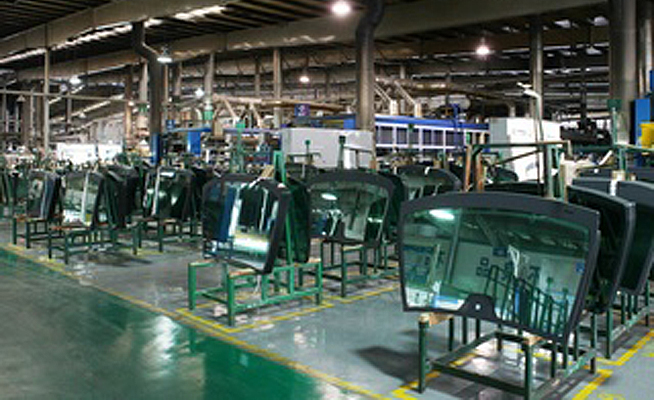
A stock image related to auto glass factory.
3 Common User Pain Points for ‘auto glass factory’ & Their Solutions
Scenario 1: Navigating Quality Assurance in Auto Glass Supply
The Problem:
B2B buyers often face uncertainty regarding the quality of auto glass products sourced from factories. This is particularly prevalent for businesses in regions where standards may vary significantly, leading to concerns about durability and safety compliance. When selecting an auto glass supplier, buyers may struggle with the lack of transparency about the sourcing of materials, leading to potential issues such as poor fit, increased liability, and customer dissatisfaction.
The Solution:
To mitigate these concerns, buyers should prioritize partnerships with auto glass factories that have proven track records and robust quality assurance protocols. Before making a decision, request detailed documentation regarding the factory’s quality control processes, including certifications like ISO 9001. Establish clear communication about material specifications and insist on the use of OEM or OEM-equivalent glass that adheres to recognized safety standards. Additionally, visiting the factory or requesting third-party audits can provide further assurance of product integrity. By building relationships with reputable suppliers, buyers can secure high-quality glass that meets their operational needs and enhances customer satisfaction.
Scenario 2: Managing Turnaround Times for Fleet Services
The Problem:
Businesses relying on fleets for operations often experience significant downtime when vehicles require glass repairs or replacements. This is especially critical in sectors like logistics and transportation, where delays can lead to financial losses and operational disruptions. Buyers may find that some auto glass factories cannot meet the urgency required, leading to prolonged vehicle unavailability and inefficiencies.
The Solution:
To address turnaround time issues, buyers should seek auto glass factories that specialize in fleet services and offer mobile repair capabilities. Ensure that the factory has a dedicated team for fleet accounts, which can streamline the scheduling process and minimize downtime. Inquire about their capacity for same-day service and confirm their flexibility in dispatching technicians to various locations, such as job sites or company yards. Establishing a contractual agreement for regular services can also help prioritize your fleet’s needs, ensuring that repairs are completed swiftly and efficiently, thus keeping your operations running smoothly.
Scenario 3: Overcoming Insurance Claim Complexities
The Problem:
Navigating insurance claims related to auto glass damage can be a daunting task for B2B buyers, particularly when dealing with multiple vehicles or fleets. Many buyers find the claims process cumbersome, leading to delays and additional costs. This complexity can result in dissatisfaction among customers and a negative impact on business relationships.
The Solution:
To simplify the insurance claims process, buyers should partner with auto glass factories that have established relationships with major insurance providers. Look for factories that offer claims assistance as part of their service, including handling paperwork and direct communication with insurers. This can alleviate the administrative burden on your team and expedite the process. Additionally, educate your staff on the common requirements for claims submission, ensuring they have all necessary documentation readily available. By fostering a strong partnership with an auto glass factory that understands insurance dynamics, businesses can streamline claims, reduce wait times, and improve overall customer experience.
Strategic Material Selection Guide for auto glass factory
What Are the Key Materials Used in Auto Glass Manufacturing?
In the auto glass manufacturing industry, the selection of materials is critical for ensuring safety, durability, and performance. Below, we analyze four common materials used in the production of auto glass, focusing on their properties, advantages, disadvantages, and considerations for international B2B buyers.
How Does Laminated Glass Perform in Auto Glass Applications?
Laminated glass consists of two or more layers of glass bonded together with a plastic interlayer, typically polyvinyl butyral (PVB). This construction provides excellent impact resistance and UV filtering capabilities. Laminated glass is particularly effective in minimizing the risk of shattering, making it a preferred choice for windshields.
Pros: Laminated glass is durable, offers superior safety features, and provides sound insulation. Its ability to hold together when shattered enhances passenger protection.
Cons: The manufacturing process is more complex and costlier compared to tempered glass. Additionally, it can be heavier, which may affect fuel efficiency in some vehicles.
Impact on Application: Laminated glass is essential for windshields, where safety and visibility are paramount. It is compatible with advanced driver-assistance systems (ADAS) that require precise optical clarity.
Considerations for International Buyers: Compliance with international safety standards such as ASTM and ECE R43 is crucial. Buyers in regions like Europe and the Middle East should ensure that the laminated glass meets local regulations for automotive safety.
What Role Does Tempered Glass Play in Auto Glass Manufacturing?
Tempered glass, also known as toughened glass, is produced through a process of extreme heating and rapid cooling, which increases its strength. It is commonly used for side and rear windows in vehicles due to its high resistance to impact and thermal stress.
Pros: Tempered glass is significantly stronger than regular glass and shatters into small, blunt pieces, reducing the risk of injury. It is also cost-effective and lightweight.
Cons: While it is strong, tempered glass cannot be cut or altered after manufacturing, which can limit its application flexibility.
Impact on Application: Tempered glass is suitable for side and rear windows, where safety and weight considerations are critical. It is compatible with various automotive designs and styles.
Considerations for International Buyers: Buyers should be aware of compliance with standards such as DIN 1249 in Germany or ANSI Z26.1 in the U.S. Countries in Africa and South America may have different regulations that need to be addressed.
Why Is Polycarbonate Used in Certain Auto Glass Applications?
Polycarbonate is a synthetic thermoplastic that is highly impact-resistant and lightweight. It is increasingly used in applications requiring high strength and transparency, such as in some specialty vehicles and as an alternative to glass in certain situations.
Pros: Polycarbonate is exceptionally durable, lightweight, and offers excellent optical clarity. It is also resistant to UV light and various chemicals.
Cons: Polycarbonate can scratch more easily than glass and may yellow over time when exposed to sunlight. It also has a lower resistance to heat compared to glass.
Impact on Application: This material is often used in high-performance vehicles or where weight savings are critical. It is compatible with various coatings and treatments to enhance its durability.
Considerations for International Buyers: Buyers should consider the specific performance standards applicable in their regions, such as JIS standards in Japan or ISO standards globally.
How Does Glass-Fiber Reinforced Plastic (GFRP) Fit into Auto Glass Manufacturing?
Glass-fiber reinforced plastic (GFRP) is a composite material made from a polymer matrix reinforced with glass fibers. While not a traditional auto glass material, it is used in some advanced applications, such as in vehicle body parts that require transparency and strength.
Pros: GFRP is lightweight, offers high strength-to-weight ratios, and can be molded into complex shapes. It is also resistant to corrosion and environmental factors.
Cons: The production process can be complex and costly. Additionally, GFRP may not provide the same level of optical clarity as traditional glass.
Impact on Application: GFRP is suitable for certain automotive components where weight and strength are critical, but it may not be used for traditional glass applications.
Considerations for International Buyers: Buyers must ensure compliance with local regulations and standards, such as ASTM D638 for plastics, which may vary by region.
Summary Table of Material Selection for Auto Glass Factory
| Material | Typical Use Case for auto glass factory | Key Advantage | Key Disadvantage/Limitation | Relative Cost (Low/Med/High) |
|---|---|---|---|---|
| Laminated Glass | Windshields | Superior safety and impact resistance | Higher manufacturing complexity | High |
| Tempered Glass | Side and rear windows | Cost-effective and lightweight | Cannot be cut after manufacturing | Medium |
| Polycarbonate | Specialty vehicles | Lightweight and highly durable | Prone to scratching and yellowing | Medium |
| Glass-Fiber Reinforced Plastic | Advanced automotive components | High strength-to-weight ratio | Complex production process | High |
This guide aims to assist international B2B buyers in making informed decisions regarding material selection for auto glass, ensuring compliance with relevant standards and optimizing performance for their specific applications.
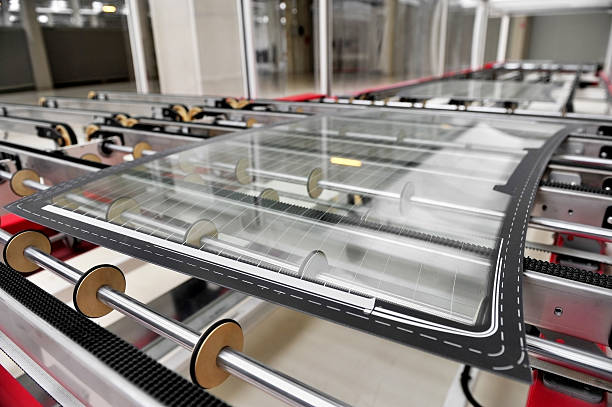
A stock image related to auto glass factory.
In-depth Look: Manufacturing Processes and Quality Assurance for auto glass factory
What Are the Key Stages in the Manufacturing Process of Auto Glass?
The manufacturing of auto glass involves several critical stages, each designed to ensure the highest quality and safety standards. Understanding these stages helps B2B buyers assess the capabilities and reliability of potential suppliers.
Material Preparation: Ensuring Quality from the Start
The first step in the auto glass manufacturing process is material preparation. High-quality raw materials, predominantly silica sand, soda ash, and limestone, are sourced and tested for purity. Additionally, suppliers may incorporate specific additives to enhance the glass’s properties, such as UV resistance and thermal stability.
Once the materials are verified, they are mixed and melted in a furnace at temperatures exceeding 1,700°C (3,092°F). This process transforms the raw materials into molten glass, ready for shaping. B2B buyers should inquire about the origin and quality of these raw materials, as they significantly impact the final product’s durability and performance.
Forming: Crafting the Glass Shape
The next phase is forming, where the molten glass is shaped into its final form. This is accomplished through various techniques, including:
- Float Glass Process: This is the most common method for producing flat glass. The molten glass is floated on top of molten tin, creating a smooth, even surface.
- Press Molding: This technique is often used for curved glass, where molten glass is pressed into molds to achieve specific shapes required for windshields and side windows.
Understanding the forming techniques used by suppliers is crucial for B2B buyers, as different methods yield distinct glass characteristics. Buyers should also assess the technological capabilities of the manufacturer, as advanced equipment can enhance precision and efficiency.
Assembly: Integrating Components for Functionality
After forming, the glass undergoes an assembly process where additional components, such as adhesives and sensors for advanced driver-assistance systems (ADAS), are integrated. This is particularly important for modern vehicles, which often require precise calibration to ensure safety features function correctly after installation.
B2B buyers should confirm whether the manufacturer has the capabilities to provide integrated solutions, particularly for specialized applications. This could include the use of OEM-equivalent glass and adhesives that meet or exceed original manufacturer specifications.
Finishing: Ensuring Quality and Aesthetic Appeal
The final stage is finishing, where the glass is polished, inspected, and prepared for shipment. This stage includes:
- Quality Checks: Visual inspections for clarity and defects are conducted to ensure that each piece meets industry standards.
- Coating Applications: Some manufacturers apply additional coatings to enhance performance, such as anti-reflective or hydrophobic coatings.
Buyers should inquire about the finishing processes to understand the level of quality assurance in place.
How Is Quality Assurance Implemented in Auto Glass Manufacturing?
Quality assurance (QA) is a fundamental aspect of the auto glass manufacturing process, ensuring that products meet international standards and customer expectations.
What International Standards Should B2B Buyers Be Aware Of?
Several international standards govern the quality of auto glass, with ISO 9001 being one of the most recognized. This standard focuses on quality management systems and ensures that manufacturers implement consistent quality practices.
Additionally, specific industry standards such as CE marking in Europe and API specifications may apply, particularly for products used in commercial vehicles. Understanding these standards can help B2B buyers gauge the reliability and safety of the glass products they are purchasing.
What Are the Quality Control Checkpoints in Auto Glass Production?
Quality control (QC) checkpoints are integrated at various stages of the manufacturing process to ensure adherence to quality standards. Key checkpoints include:
- Incoming Quality Control (IQC): This involves checking the quality of raw materials upon receipt. Ensuring that only high-quality materials enter the production line is crucial for the final product’s integrity.
- In-Process Quality Control (IPQC): Continuous monitoring during the manufacturing process helps detect and rectify issues before the glass reaches the finishing stage.
- Final Quality Control (FQC): A thorough inspection of the finished products ensures they meet all specifications and standards before being shipped.
B2B buyers should ask potential suppliers about their QC processes and the frequency of checks at each stage.
What Testing Methods Are Commonly Used in Auto Glass Quality Assurance?
To validate the quality and safety of auto glass, various testing methods are employed, including:
- Impact Resistance Testing: This assesses the glass’s ability to withstand impacts, simulating real-world conditions.
- UV Resistance Testing: Ensures that the glass can resist degradation from ultraviolet exposure, which is vital for longevity.
- Thermal Shock Testing: Evaluates how well the glass can withstand rapid temperature changes, which is crucial for vehicle safety.
B2B buyers should request documentation of these testing methods and results to ensure that the products they are sourcing meet necessary safety criteria.
How Can B2B Buyers Verify Supplier Quality Control?
B2B buyers can take several steps to verify the quality control practices of potential suppliers:
- Conduct Audits: Regular audits of the manufacturing facility can provide insights into the supplier’s adherence to quality standards and processes.
- Request Reports: Suppliers should be willing to provide detailed reports on their QC processes, including results from various tests and inspections.
- Third-Party Inspections: Engaging third-party inspection services can offer unbiased assessments of the supplier’s quality control measures.
What Nuances Should International Buyers Consider Regarding Quality Control?
For international buyers, particularly those from regions such as Africa, South America, the Middle East, and Europe, understanding the nuances of quality control is essential. Different markets may have varying regulations and standards, which can affect the importation and acceptance of auto glass products.
Buyers should familiarize themselves with local regulations regarding safety standards and ensure that their suppliers comply with these requirements. Additionally, establishing strong communication channels with suppliers can facilitate better understanding and adherence to quality expectations.
In summary, a comprehensive understanding of the manufacturing processes and quality assurance practices in the auto glass industry is vital for B2B buyers seeking reliable suppliers. By focusing on the key stages of production, relevant standards, quality checkpoints, and verification methods, buyers can make informed decisions that enhance their supply chain efficiency and product quality.
Practical Sourcing Guide: A Step-by-Step Checklist for ‘auto glass factory’
Introduction
In the competitive landscape of the auto glass industry, making informed procurement decisions is essential for B2B buyers. This practical sourcing guide outlines a systematic approach to selecting an auto glass factory, ensuring you find a reliable partner that meets your specific needs and standards. Follow these steps to streamline your sourcing process and establish a fruitful business relationship.
Step 1: Define Your Technical Specifications
Understanding your technical requirements is the first step in sourcing an auto glass factory. Clearly outline the types of glass products you need, such as windshields, door glass, or specialized components for commercial vehicles. Consider factors like material quality (OEM vs. aftermarket), glass thickness, and any specific features (e.g., tinted glass or ADAS compatibility) that your vehicles may require.
Step 2: Research Potential Suppliers
Conduct thorough research to identify potential auto glass suppliers. Utilize online directories, industry forums, and trade shows to compile a list of candidates. Evaluate their market presence, years of experience, and customer reviews to gauge their reliability and expertise. This foundational research can help you narrow down your options significantly.
Step 3: Evaluate Supplier Certifications
Before finalizing a supplier, verify their certifications and compliance with industry standards. Look for accreditations from relevant organizations such as the National Glass Association (NGA) or ISO certifications. These credentials indicate that the supplier adheres to strict quality control and safety protocols, ensuring that their products meet the necessary regulations and performance standards.
Step 4: Request Samples and Conduct Quality Checks
Once you have shortlisted potential suppliers, request product samples to assess their quality firsthand. Evaluate the glass for clarity, strength, and precision in manufacturing. Additionally, conduct quality checks on installation services, if applicable. A thorough inspection can prevent future issues related to safety and durability.
Step 5: Inquire About Supply Chain and Lead Times
Understanding the supplier’s supply chain logistics is crucial for operational efficiency. Ask about their lead times for various glass products and their capability to handle bulk orders. A reliable supplier should have a well-established supply chain that can accommodate your demands, ensuring timely delivery and minimal disruption to your operations.
Step 6: Review Pricing and Payment Terms
Pricing can vary significantly among suppliers, so it’s essential to obtain detailed quotes that outline all costs involved, including shipping and installation. Compare these quotes while considering the quality of materials and services offered. Additionally, discuss payment terms to ensure they align with your financial practices and cash flow management.
Step 7: Establish a Communication Plan
Effective communication is vital for a successful partnership. Before finalizing your supplier, establish a communication plan that details how you will interact, share updates, and resolve issues. A supplier that prioritizes clear and consistent communication can significantly enhance your operational efficiency and responsiveness to market demands.
By following these steps, B2B buyers can confidently navigate the complexities of sourcing an auto glass factory, ensuring they select a partner that meets their business needs and standards.
Comprehensive Cost and Pricing Analysis for auto glass factory Sourcing
What Are the Key Cost Components in Auto Glass Manufacturing?
Understanding the cost structure of an auto glass factory is essential for B2B buyers looking to source effectively. The primary cost components include materials, labor, manufacturing overhead, tooling, quality control (QC), logistics, and profit margins.
- Materials: The type of glass used—OEM versus aftermarket—can significantly affect costs. OEM glass typically commands a higher price due to its compliance with original specifications and certifications, ensuring quality and safety.
- Labor: Skilled labor is critical in the auto glass manufacturing process. Labor costs can vary based on geographic location, availability of skilled technicians, and labor laws. For instance, labor costs in Europe may differ markedly from those in Africa or South America.
- Manufacturing Overhead: This encompasses utilities, rent, equipment maintenance, and other indirect costs associated with running the factory. Efficient operations can help minimize overhead, thereby lowering prices for buyers.
- Tooling: Initial tooling costs for specialized molds and manufacturing equipment can be substantial, but these are typically amortized over production runs. Custom tooling for unique specifications will further increase costs.
- Quality Control: Implementing rigorous QC processes is crucial to ensure that the glass meets safety standards and performance criteria. This can add to the overall cost but is essential for maintaining product integrity and reducing returns.
- Logistics: Transportation costs can fluctuate based on location, shipping methods, and the volume of glass being shipped. International buyers should consider these costs as they can significantly impact the total price.
- Margin: Factories will typically mark up prices based on their operational costs, market demand, and competition. Understanding these margins can help buyers negotiate better deals.
How Do Price Influencers Affect Auto Glass Sourcing?
Several factors can influence pricing in the auto glass market, particularly for international B2B transactions.
- Volume/MOQ: Bulk orders often lead to lower per-unit costs. Negotiating minimum order quantities (MOQs) can lead to significant savings for buyers.
- Specifications and Customization: Custom features, such as tinted glass or specialized shapes, can increase costs. Standard specifications generally attract more competitive pricing.
- Materials and Quality Certifications: Higher quality materials and certifications (such as ISO or safety standards) can elevate prices. Buyers must weigh the importance of certifications against their budget constraints.
- Supplier Factors: The reputation and reliability of the supplier can also affect pricing. Established suppliers may charge more for their proven track record, while newer entrants might offer lower prices to attract customers.
- Incoterms: Understanding the international commercial terms (Incoterms) is crucial for international buyers. These terms dictate the responsibilities of buyers and sellers concerning shipping, insurance, and tariffs, which can influence overall costs.
What Are the Best Tips for Negotiating Auto Glass Prices?
For B2B buyers, especially those from diverse regions like Africa, South America, the Middle East, and Europe, effective negotiation strategies can lead to cost-efficiency.
- Conduct Market Research: Understanding the market price range for specific types of glass can empower buyers during negotiations. Knowledge of competitor pricing can also provide leverage.
- Assess Total Cost of Ownership (TCO): Consider not just the upfront price but also the long-term costs associated with the glass, including installation, maintenance, and potential warranty issues.
- Build Relationships: Establishing a good rapport with suppliers can lead to better pricing and terms over time. Long-term partnerships often yield greater benefits than one-off transactions.
- Be Flexible with Specifications: If the buyer can compromise on certain specifications, they may secure lower prices. Customizations often come at a premium.
- Understand Pricing Nuances for International Transactions: Be aware of exchange rates, import duties, and shipping costs that can affect overall pricing. This is particularly pertinent for buyers in Africa and South America, where logistics can add significant costs.
Conclusion: Why Caution Is Essential When Considering Prices
While this analysis provides a framework for understanding costs and pricing in auto glass sourcing, it’s crucial to note that prices are indicative and subject to change based on market conditions, raw material availability, and geopolitical factors. Buyers should always seek updated quotes and clarify terms before finalizing any agreements to ensure they are making informed purchasing decisions.
Alternatives Analysis: Comparing auto glass factory With Other Solutions
Exploring Alternatives to Auto Glass Factory Services
In the competitive landscape of auto glass services, B2B buyers must consider various alternatives to the Auto Glass Factory. This section evaluates other viable solutions and methods available for auto glass repair and replacement, providing insights that can guide your decision-making process.
| Comparison Aspect | Auto Glass Factory | Alternative 1: Mobile Glass Repair Services | Alternative 2: DIY Auto Glass Repair Kits |
|---|---|---|---|
| Performance | High-quality OEM glass, expert installation, ADAS recalibration | Comparable quality with in-house technicians, but variable depending on the service provider | Variable performance; results depend on user skill and kit quality |
| Cost | Competitive pricing; often covered by insurance | Typically lower than traditional services, but varies by provider | Generally the lowest upfront cost, but potential for future costs due to improper installation |
| Ease of Implementation | Simple scheduling via phone or online, mobile services available | Easy to book, often with same-day service options | Requires research and some technical skill to use effectively |
| Maintenance | Lifetime workmanship warranties ensure long-term reliability | Warranties vary; may not cover all repairs | Minimal ongoing maintenance; risk of needing professional repairs later |
| Best Use Case | Ideal for fleets, high-end vehicles, or where safety is paramount | Suitable for individual customers needing quick, reliable service | Cost-conscious DIYers or those with minor damages looking for quick fixes |
What Are the Pros and Cons of Mobile Glass Repair Services?
Mobile glass repair services provide a convenient option for businesses and individuals alike. The primary advantage is the flexibility of having technicians come directly to the location, minimizing downtime for fleets and personal vehicles. These services often employ certified professionals, ensuring a level of quality comparable to traditional shops. However, costs can vary significantly based on the provider, and the quality of service may not be uniform, which can lead to inconsistent results.
How Do DIY Auto Glass Repair Kits Compare?
DIY auto glass repair kits present a budget-friendly alternative for minor chips and cracks. They are readily available in stores and online, allowing users to conduct repairs at their convenience. The primary benefit lies in the low upfront cost; however, the effectiveness largely depends on the user’s skill level and the quality of the materials used. Poor application can lead to further damage, necessitating professional intervention, which could negate any initial savings. Therefore, while DIY kits may appeal to cost-conscious buyers, they come with risks that should be carefully considered.
Conclusion: How to Choose the Right Auto Glass Solution for Your Business
Selecting the right auto glass solution hinges on your specific needs and circumstances. For businesses prioritizing quality, reliability, and safety, the Auto Glass Factory’s comprehensive services offer a compelling choice, especially for fleets and advanced vehicles requiring ADAS calibration. Conversely, mobile repair services may be ideal for individuals seeking convenience without compromising quality. Lastly, DIY kits can serve as a quick fix for minor issues but require a cautious approach to avoid further complications. By evaluating these alternatives against your operational requirements and budget constraints, you can make an informed decision that best suits your auto glass needs.
Essential Technical Properties and Trade Terminology for auto glass factory
What Are the Key Technical Properties of Auto Glass in Manufacturing?
Understanding the technical properties of auto glass is crucial for B2B buyers looking to source high-quality materials for vehicle production or repair. Here are some essential specifications to consider:
-
Material Grade: Auto glass is typically made from tempered or laminated glass. Tempered glass is heat-treated for strength, while laminated glass consists of two glass layers with a plastic interlayer for safety. Choosing the right material grade ensures durability and impact resistance, which are essential for vehicle safety.
-
Thickness: The thickness of auto glass can vary, commonly ranging from 4mm to 6mm for windshields. Thicker glass offers better structural integrity and can withstand higher impacts. For B2B buyers, understanding the thickness specifications can impact vehicle design and safety compliance.
-
Optical Clarity: This property refers to how clear the glass is, which affects visibility. High optical clarity is vital for driver safety and comfort. For manufacturers, sourcing glass with superior optical properties can enhance the overall quality of their vehicles.
-
UV Protection: Many auto glasses come with UV-filtering capabilities that block harmful rays. This feature not only protects passengers but also prevents interior fading. B2B buyers should prioritize glass with UV protection to improve the longevity of vehicle interiors.
-
Thermal Resistance: Auto glass must withstand extreme temperature variations without compromising integrity. High thermal resistance minimizes the risk of shattering due to sudden temperature changes, a critical consideration for vehicles operating in diverse climates.
What Are Common Trade Terminologies in the Auto Glass Industry?
Familiarizing yourself with industry jargon can facilitate smoother transactions and negotiations. Here are several key terms you should know:
-
OEM (Original Equipment Manufacturer): This term refers to parts made by the same company that manufactured the original component of a vehicle. OEM auto glass meets specific standards set by vehicle manufacturers, ensuring fit and performance. B2B buyers should consider OEM parts for reliability and warranty purposes.
-
MOQ (Minimum Order Quantity): This is the smallest quantity of a product that a supplier is willing to sell. Understanding MOQ is vital for budget management and inventory planning, especially for businesses looking to stock auto glass components.
-
RFQ (Request for Quotation): An RFQ is a document sent to suppliers to request pricing and terms for specific products. For B2B buyers, issuing an RFQ can help compare costs and services across multiple suppliers, ensuring competitive pricing and terms.
-
Incoterms (International Commercial Terms): These are standardized terms used in international trade that define the responsibilities of buyers and sellers. Understanding Incoterms is crucial for B2B transactions involving auto glass, as they clarify shipping, insurance, and delivery responsibilities.
-
ADAS (Advanced Driver-Assistance Systems): Refers to electronic systems that assist drivers in driving and parking functions. Auto glass that integrates ADAS components requires precise calibration after installation. B2B buyers should ensure that their suppliers can accommodate these advanced technologies.
-
Aftermarket: This term describes any parts or accessories not sourced from the original manufacturer. Aftermarket auto glass can be more affordable but may not always meet the same quality standards as OEM. Buyers should weigh the cost versus quality when considering aftermarket options.
Understanding these technical properties and trade terminologies will empower B2B buyers in making informed decisions when sourcing auto glass, ensuring quality and compliance with industry standards.
Navigating Market Dynamics and Sourcing Trends in the auto glass factory Sector
What Are the Key Market Dynamics and Trends in the Global Auto Glass Sector?
The auto glass factory sector is currently experiencing significant shifts driven by several global factors. Firstly, the increasing demand for vehicle safety features, such as Advanced Driver-Assistance Systems (ADAS), is compelling manufacturers to integrate high-quality glass with precision calibration capabilities. This trend is particularly relevant for international B2B buyers, as vehicles equipped with ADAS require specialized glass that meets stringent OEM specifications.
Moreover, the rise of e-commerce and mobile service capabilities is transforming how auto glass services are delivered. Companies that offer mobile installations can cater to a broader customer base, reducing downtime for businesses that rely on fleet vehicles. This is particularly beneficial for buyers in regions like Africa and South America, where mobility and accessibility can be challenging.
Additionally, sustainability is becoming a focal point in sourcing practices. B2B buyers are increasingly looking for suppliers who prioritize eco-friendly materials and processes. This trend is notably strong in Europe, where regulations around sustainability are tightening.
With these dynamics, international buyers must stay informed about technological advancements and consumer preferences to make strategic sourcing decisions. Investing in partnerships with suppliers that demonstrate innovative solutions and sustainable practices can provide a competitive edge in the auto glass market.
How Is Sustainability Impacting Sourcing in the Auto Glass Sector?
Sustainability has emerged as a pivotal theme in the auto glass industry, influencing sourcing strategies across the globe. The environmental impact of glass production, including energy consumption and resource depletion, has prompted B2B buyers to seek suppliers that implement eco-friendly practices. This includes the use of recycled materials in glass manufacturing and processes that minimize waste and emissions.
Furthermore, ethical supply chains are increasingly important to stakeholders. Companies that can demonstrate compliance with environmental regulations and ethical labor practices are more likely to win contracts from conscientious buyers. Certifications such as ISO 14001 (Environmental Management) and LEED (Leadership in Energy and Environmental Design) are becoming essential for suppliers to showcase their commitment to sustainability.
In regions like Europe and the Middle East, where consumers are more environmentally aware, the demand for “green” certifications and materials is higher. B2B buyers must prioritize partnerships with auto glass factories that not only meet quality standards but also adhere to sustainable sourcing practices. This alignment can enhance brand reputation and meet the expectations of an increasingly eco-conscious market.
How Has the Auto Glass Sector Evolved Over Time?
The evolution of the auto glass sector reflects broader changes in automotive technology and consumer expectations. In the early days, auto glass primarily served a functional purpose—providing visibility and protection for drivers and passengers. However, advancements in automotive technology have transformed glass into a critical component of vehicle safety systems.
With the introduction of features like ADAS, the complexity of auto glass installations has increased significantly. Modern windshields now incorporate sensors and cameras, making precise calibration essential after replacement. This shift has led to the development of specialized training for technicians and the adoption of advanced diagnostic tools.
Additionally, the rise of mobile service providers has reshaped the competitive landscape, offering convenience and rapid response times to consumers. As the industry continues to evolve, B2B buyers must remain agile, adapting their sourcing strategies to align with technological advancements and changing market demands. Understanding this history can provide valuable context for making informed decisions in today’s dynamic auto glass market.
Frequently Asked Questions (FAQs) for B2B Buyers of auto glass factory
-
How do I ensure the quality of auto glass suppliers?
To ensure the quality of auto glass suppliers, conduct thorough due diligence. This includes checking certifications, such as ISO standards, and understanding their manufacturing processes. Request samples of their products to assess quality firsthand. Additionally, seek references from other B2B clients and review customer feedback on platforms like the Better Business Bureau or industry-specific forums. Establishing a clear quality assurance process, including regular audits and inspections, can also help maintain standards. -
What is the best type of auto glass for commercial vehicles?
For commercial vehicles, it is crucial to select high-quality OEM or OEM-equivalent glass. This ensures durability and performance, particularly for fleet vehicles that endure frequent use. Look for glass that offers enhanced features such as UV protection and shatter resistance. Additionally, consider suppliers that provide installation services, including ADAS calibration, to maintain the functionality of advanced safety systems. Ultimately, the best choice balances quality, cost, and the specific needs of your fleet. -
What customization options are available for auto glass products?
Many auto glass manufacturers offer customization options to meet specific client needs. This can include varying thicknesses, tint levels, and specialized coatings for UV protection or glare reduction. Additionally, suppliers may provide tailored solutions for unique vehicle models or fleet requirements. When sourcing, inquire about the supplier’s ability to accommodate custom designs and the minimum order quantities (MOQs) for these tailored products to ensure they align with your business’s needs. -
What are the typical minimum order quantities (MOQ) for auto glass purchases?
Minimum order quantities (MOQ) for auto glass can vary significantly depending on the supplier and the specific type of glass required. Generally, MOQs may range from a few units for standard products to larger quantities for specialized or custom glass. When negotiating with suppliers, discuss your purchasing needs and see if they can accommodate smaller orders, especially for new partnerships or when testing new products. This flexibility can help you manage inventory costs effectively. -
What payment terms should I expect when sourcing auto glass internationally?
When sourcing auto glass internationally, payment terms can vary based on the supplier’s policies and the nature of your business relationship. Common terms include payment in advance, letters of credit, or net 30/60 days after delivery. Ensure to clarify these terms upfront and consider negotiating terms that protect your interests, such as payment milestones tied to production phases. Additionally, be aware of currency exchange rates and transaction fees that may apply during international payments. -
How can I verify the reliability of an auto glass supplier?
To verify the reliability of an auto glass supplier, start by checking their industry reputation through online reviews, testimonials, and case studies. Request references from other B2B clients who have similar needs and analyze their feedback regarding product quality and service reliability. Additionally, confirm the supplier’s compliance with industry standards and certifications. Regular site visits or audits can further assure you of their operational capabilities and commitment to quality. -
What logistics considerations should I keep in mind when importing auto glass?
When importing auto glass, logistics considerations include shipping methods, packaging, and compliance with local regulations. Choose a reliable freight forwarder experienced in handling fragile items to minimize the risk of damage during transit. Ensure that the packaging is robust enough to protect the glass and inquire about insurance options for added security. Be mindful of customs clearance processes and any tariffs or duties that may apply, which could impact your overall costs. -
What should I know about warranty and service agreements with auto glass suppliers?
Understanding warranty and service agreements is crucial when partnering with auto glass suppliers. Typically, warranties cover defects in material and workmanship, lasting from one to several years. Review the terms carefully, including conditions for claims and any exclusions. Additionally, inquire about the supplier’s post-sale support, such as installation services or repair options, to ensure you have a comprehensive service agreement that meets your business needs. Clear communication about warranty terms can help prevent disputes in the future.
Important Disclaimer & Terms of Use
⚠️ Important Disclaimer
The information provided in this guide, including content regarding manufacturers, technical specifications, and market analysis, is for informational and educational purposes only. It does not constitute professional procurement advice, financial advice, or legal advice.
While we have made every effort to ensure the accuracy and timeliness of the information, we are not responsible for any errors, omissions, or outdated information. Market conditions, company details, and technical standards are subject to change.
B2B buyers must conduct their own independent and thorough due diligence before making any purchasing decisions. This includes contacting suppliers directly, verifying certifications, requesting samples, and seeking professional consultation. The risk of relying on any information in this guide is borne solely by the reader.
Strategic Sourcing Conclusion and Outlook for auto glass factory
In the competitive landscape of the auto glass industry, strategic sourcing emerges as a critical factor for success. By prioritizing high-quality materials, efficient logistics, and skilled labor, businesses can significantly enhance their service offerings. Key takeaways include the importance of sourcing OEM-equivalent glass to ensure safety and durability, the value of mobile services for customer convenience, and the necessity of integrating advanced driver-assistance systems (ADAS) calibration into service portfolios.
For international B2B buyers, particularly in regions like Africa, South America, the Middle East, and Europe, the focus should remain on partnering with auto glass factories that demonstrate a commitment to quality, efficiency, and customer satisfaction. The ability to provide same-day service and navigate insurance claims seamlessly adds considerable value to potential partnerships.
Looking ahead, the demand for specialized auto glass services is expected to grow, driven by advancements in vehicle technology and an increasing emphasis on safety. Now is the time for buyers to engage with reliable auto glass manufacturers to ensure they are well-positioned to meet future market needs and customer expectations. Connect with trusted suppliers today to secure a competitive edge in the evolving auto glass market.