
Aluminum Foam Core Panels: 2025 Expert Guide & Insights
Tired of heavy, inefficient building materials that compromise strength for weight? Discover the game-changing solution: aluminum foam core panels. Lightweight yet incredibly strong, these advanced sandwich panels combine a porous aluminum foam core with durable metal face sheets to deliver unmatched performance in construction, transportation, and industrial applications. Resistant to corrosion, fire, and impact, they offer superior energy absorption and thermal insulation—perfect for demanding environments. Whether you’re designing aerospace components or high-performance façades, aluminum foam core panels provide a smart balance of durability, safety, and design flexibility. Learn how this innovative material is redefining structural efficiency and why engineers and architects are turning to it for next-generation projects.
How Aluminum Foam Core Panels Work and Why They’re a Game-Changer in Modern Construction and Design
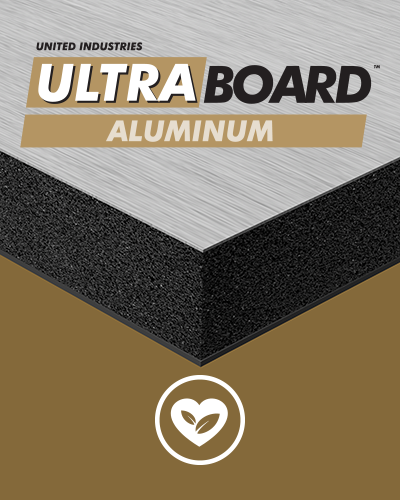
Aluminum foam core panels are advanced composite materials consisting of two thin, durable aluminum alloy face sheets bonded to a lightweight, closed-cell foam core. This sandwich structure delivers exceptional strength-to-weight ratios, thermal and acoustic insulation, fire resistance, and impact absorption—making them ideal for use in construction, transportation, aerospace, and industrial design. Unlike solid metal panels, aluminum foam core panels offer significant weight savings without sacrificing performance, providing a cost-effective, energy-efficient, and sustainable alternative.
These panels are manufactured using high-strength adhesives and precision lamination techniques that ensure the aluminum skins and foam core remain permanently bonded under extreme conditions. Depending on the application, the foam core can be made from materials like XPS (extruded polystyrene), PU (polyurethane), PET (polyethylene terephthalate), or PVC foam, while the aluminum skins can be customized with finishes such as anodizing, painting (including Kynar 500), brushing, or embossing.
How Aluminum Foam Core Panels Are Constructed
Layered Sandwich Structure
The core principle behind aluminum foam core panels is the sandwich panel design, which combines high-strength outer layers with a lightweight internal core. This configuration maximizes rigidity and insulation while minimizing weight.
- Face Sheets: Made from aluminum alloys (commonly 1050, 3003, 5052, or 6061), these provide structural integrity, weather resistance, and aesthetic appeal.
- Foam Core: Typically closed-cell foam (XPS, PU, PET, or PVC) with densities ranging from 40–100 kg/m³, offering excellent thermal and acoustic insulation.
- Adhesive Bonding: High-performance polyurethane or polyester adhesives create a permanent, durable bond that resists delamination, moisture, and temperature fluctuations.
Manufacturing Process
- Core Preparation: Foam is cut to precise thickness (5–100 mm) and width.
- Surface Treatment: Aluminum sheets are cleaned and treated (e.g., pre-painted, anodized, or brushed).
- Lamination: The foam core is sandwiched between aluminum sheets and passed through a continuous press or autoclave under heat and pressure.
- Curing & Cutting: The bonded panel is cured and trimmed to standard or custom dimensions (common sizes: 4’x8’, 4’x10’, or up to 4’x12’).
Key Benefits of Aluminum Foam Core Panels
1. Lightweight Yet Strong
- Weighs up to 70% less than solid aluminum or steel panels.
- Maintains high bending stiffness and impact resistance due to the sandwich effect.
- Ideal for applications where weight reduction is critical (e.g., RVs, trucks, aircraft).
2. Superior Thermal Insulation
- Closed-cell foam cores have low thermal conductivity (0.022–0.035 W/m·K).
- R-values range from R-6 to R-25, depending on core thickness and type.
- Reduces energy costs in buildings and refrigerated transport.
3. Excellent Sound Dampening
- The foam core absorbs sound vibrations, reducing noise transmission.
- Used in hotel walls, office partitions, and vehicle interiors for acoustic comfort.
4. Fire and Weather Resistance
- Aluminum skins do not burn and resist corrosion (melting point: ~660°C).
- Closed-cell foam cores are flame-retardant and self-extinguishing.
- Panels meet Class A fire ratings in many configurations.
5. Design Flexibility and Aesthetic Options
- Available in custom colors, wood grain, stone finishes, metallic effects, and RAL color series.
- Can be routed, bent, drilled, or CNC-cut using standard tools.
- Suitable for curved surfaces, signage, and decorative architectural elements.
6. Sustainability and Recyclability
- Many panels contain 30–50% recycled content.
- Aluminum is 100% recyclable, reducing environmental impact.
- Long service life and low maintenance contribute to lifecycle savings.
Common Applications Across Industries
Construction & Architecture
- Exterior wall cladding and spandrel panels for commercial buildings.
- Insulated partitions, ceilings, and cold room walls.
- Modular and prefabricated buildings requiring fast installation.
Transportation
- RVs, campers, and travel trailers for lightweight, insulated walls.
- Refrigerated trucks and dry freight containers to maintain temperature.
- Fire trucks, tool trucks, and mobile command units needing durability.
Industrial and Specialty Uses
- Equipment enclosures and cleanroom panels.
- Signage and decorative letters (e.g., UltraBoard Aluminum™).
- Marine and aerospace components requiring high strength-to-weight ratios.
Available Core Materials and Their Properties
| Core Type | Density (kg/m³) | Thermal Conductivity (W/m·K) | Best For |
|---|---|---|---|
| XPS (Extruded Polystyrene) | 35–50 | 0.033 | High insulation, moisture resistance |
| PU (Polyurethane) | 40–60 | 0.022 | Superior thermal performance |
| PET (Polyethylene Terephthalate) | 50–100 | 0.030 | Eco-friendly, recyclable |
| PVC Foam | 60–150 | 0.035 | High rigidity, impact resistance |
| Polystyrene (EPS) | 15–30 | 0.038 | Lightweight, cost-effective |
Each core type can be selected based on insulation needs, structural load, fire rating, and environmental conditions.
Surface Finishes and Customization Options
Aluminum foam core panels can be tailored to match any design requirement:
- Anodized: Clear, bronze, or black anodized finishes for a metallic, corrosion-resistant look.
- Painted: Coil-coated with Kynar 500, PVDF, or polyester for fade and UV resistance.
- Textured: Brushed, sandblasted, embossed, or stucco-embossed for tactile and visual appeal.
- Custom Prints: Digital printing for logos, patterns, or branding.
Double-sided panels are also available for symmetrical aesthetics or dual-environment exposure.
Actionable Tips for Selecting and Using Aluminum Foam Core Panels
- Choose the Right Core for Your Climate
- Use PU or XPS in cold environments for better insulation.
-
Opt for PVC or PET in high-impact or high-humidity areas.
-
Verify Fire Ratings for Building Codes
- Ensure panels meet ASTM E84 Class A standards for interior use.
-
Request test reports from suppliers.
-
Use Proper Fastening Methods
- Riveting, bonding with structural adhesives, or mechanical clips work best.
-
Avoid over-tightening screws to prevent core crushing.
-
Pre-Cut or CNC Machine for Precision
- Panels can be routed, v-grooved, or laser-cut for seamless joints.
-
Use sharp carbide-tipped tools to avoid chipping.
-
Seal Edges in Wet Environments
-
Apply edge tape or sealant to prevent moisture ingress in outdoor or refrigerated applications.
-
Work with Reputable Suppliers
- Choose manufacturers that offer custom sizes, finishes, and engineering support.
Pricing and Cost Estimates
Aluminum foam core panel pricing varies based on thickness, core type, finish, and volume. Below are market estimates (as of 2024):
| Panel Type | Size | Thickness | Estimated Price Range |
|---|---|---|---|
| XPS Foam Core Panel | 4’x8’ | 1” | $300 – $600 |
| PU Foam Core Panel | 4’x8’ | 1” | $350 – $700 |
| PET Foam Core Panel | 4’x8’ | 1” | $400 – $750 |
| PVC Foam Core Panel | 4’x8’ | 1” | $450 – $800 |
| Custom Kynar 500 Finish | 4’x8’ | 1” | $600 – $1,000+ |
| Aluminum Honeycomb Panel | 4’x8’ | 1” | $600 – $1,200 |
Bulk discounts are often available for large projects. Custom fabrication (CNC cutting, edging, assembly) adds 10–25% to material costs.
Conclusion
Aluminum foam core panels represent a revolution in lightweight, high-performance materials. Their unique combination of strength, insulation, fire resistance, and design versatility makes them a top choice across construction, transportation, and industrial sectors. Whether you’re building a modular home, refrigerated truck, or high-end architectural façade, these panels offer a smarter, more sustainable alternative to traditional materials. With customizable cores, finishes, and sizes, they can be engineered to meet exact performance and aesthetic requirements—delivering long-term value and efficiency.
Frequently Asked Questions (FAQ)
1. What’s the difference between aluminum foam core panels and aluminum honeycomb panels?
Aluminum foam core panels use a solid foam layer (XPS, PU, etc.) for insulation and impact absorption, while honeycomb panels use a hexagonal aluminum cell structure for extreme strength-to-weight ratios. Foam cores are better for thermal and acoustic insulation, while honeycomb excels in aerospace and high-stress structural applications.
2. Can aluminum foam core panels be used outdoors?
Yes. With Kynar 500 or PVDF coatings, these panels resist UV degradation, corrosion, and weathering. They are commonly used in exterior wall cladding, signage, and roofing systems.
3. Are these panels easy to cut and install?
Yes. They can be cut with circular saws, routers, or CNC machines using standard woodworking or metalworking tools. Installation is simplified with mechanical fasteners or structural adhesives.
4. Do aluminum foam core panels meet building codes?
Many panels meet ASTM E84 Class A fire ratings and International Building Code (IBC) requirements. Always verify certifications with the manufacturer for your specific application.
5. Can I get custom sizes and colors?
Absolutely. Most manufacturers offer custom panel dimensions, thicknesses (5–100 mm), and finishes, including RAL colors, wood grains, and metallic effects. Lead times vary from 2–6 weeks depending on complexity.