
Best Wholesale Washers Suppliers: A Deep Dive into Top 6 Options
Introduction: Navigating the Global Market for wholesale washers
In today’s fast-paced global economy, sourcing wholesale washers presents unique challenges for international B2B buyers, particularly those operating in diverse markets such as Africa, South America, the Middle East, and Europe. The quest for high-quality, cost-effective fasteners can often be hindered by issues related to supplier reliability, product specifications, and fluctuating market prices. This guide aims to simplify the complexities of purchasing wholesale washers by providing a comprehensive overview of the various types available, their applications, and essential factors to consider when vetting suppliers.
From flat washers to lock washers, the diversity in design and functionality can cater to myriad industrial applications, including construction, automotive, and electronics. Understanding these nuances not only empowers buyers to make informed decisions but also enhances the efficiency and effectiveness of their procurement processes. Additionally, this guide will delve into pricing strategies, helping buyers navigate the financial aspects of bulk purchasing while maximizing their investment.
By equipping B2B buyers with critical insights and actionable strategies, this resource serves as an essential tool for enhancing procurement practices and achieving operational excellence. Whether you are a seasoned buyer or new to the wholesale market, this guide will provide the knowledge needed to successfully navigate the global landscape of wholesale washers, ensuring that your sourcing decisions are both strategic and beneficial.
Top 10 Wholesale Washers Manufacturers & Suppliers List
1. ASMC – Bulk Washers
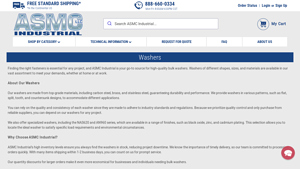
Domain: asmc.net
Registered: 1998 (27 years)
Introduction: Washers available for bulk purchase include: Beveled Washers, Malleable Washers, Belleville Spring Washers, Finishing Washers, Flat Washers, and Lock Washers. ASMC offers free standard shipping in the continental US and ships same day for new items. Customers can contact ASMC at 888-660-0334 for inquiries.
2. Fastener Superstore – Washers
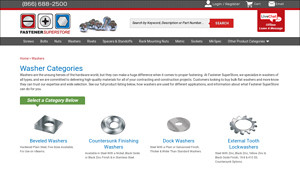
Domain: fastenersuperstore.com
Registered: 2004 (21 years)
Introduction: Washers available include: Beveled Washers (Hardened Plain Steel, five sizes for I-Beams), Countersunk Finishing Washers (Steel with Nickel, Black Oxide, or Black Zinc Finish & Stainless Steel), Dock Washers (Steel with Plain or Galvanized Finish, thicker and wider than standard), External Tooth Lockwashers (Steel with various finishes), Fender Washers (Steel with Zinc, Black Oxide, Galvanized Fin…
3. Eagle Fastener – Washer Products
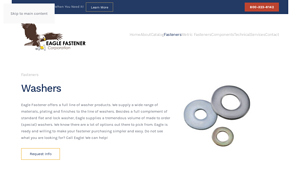
Domain: eaglefastener.net
Registered: 2008 (17 years)
Introduction: Eagle Fastener offers a full line of washer products including standard flat and lock washers, as well as made-to-order (special) washers. The product range includes various materials such as brass, copper, steel, stainless steel (18-8, 316), aluminum, titanium, and non-metallic options like Delrin and fiberglass. Types of washers available include:
– Flat Washers (various materials and sizes)
– L…
4. RC Fastener – Wholesale Washers
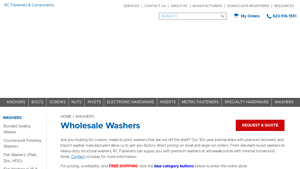
Domain: rcfastener.com
Registered: 2015 (10 years)
Introduction: Wholesale Washers including Flat Washers, Round Washers, Nylon Washers, Structural Washers, External Tooth Lockwashers, Split Lock Washers, Square Washers.
5. Aspen Fasteners – Flat Washers
Domain: aspenfasteners.com
Registered: 2008 (17 years)
Introduction: Flat Washers are available in a wide range of styles and materials. They are generally used under the head of a bolt or screw, or under a nut, to provide a greater load bearing surface. Flat Washers can also be used as spacers or shims or even to overlay if the hole is too big for the bolt. Available sizes include: 7/8″, 5/8″, 3/4″, 1/2″, and 1″ in both plain and hot dip galvanized steel. Metric o…
6. Wholesale Washers – Bulk Supply from Top Brands

Domain: ambardistributors.com
Registered: 2008 (17 years)
Introduction: Wholesale Washers available in bulk from various brands including GE, Frigidaire Professional, Summit, Maytag, Whirlpool, Amana, Electrolux, Hotpoint, Haier, Fisher & Paykel, Samsung, and LG.
Understanding wholesale washers Types and Variations
| Type Name | Key Distinguishing Features | Primary B2B Applications | Brief Pros & Cons for Buyers |
|---|---|---|---|
| Flat Washers | Thin, round, and flat; distributes load evenly | Machinery assembly, construction | Pros: Cost-effective; versatile. Cons: Limited to low-stress applications. |
| Lock Washers | Designed to prevent loosening; includes split or tooth variants | Automotive, heavy machinery | Pros: Enhances joint security. Cons: May require specific installation methods. |
| Fender Washers | Larger outer diameter; provides a larger load distribution area | Automotive, outdoor equipment | Pros: Reduces risk of damage to surfaces. Cons: Bulkier; may not fit tight spaces. |
| Split Lock Washers | Features a split design for increased friction | Electrical applications, machinery | Pros: Effective anti-vibration properties. Cons: Not suitable for high-load applications. |
| Beveled Washers | Angled surface; compensates for uneven surfaces | Construction, structural applications | Pros: Ideal for uneven surfaces. Cons: More expensive than standard washers. |
What Are Flat Washers and Their B2B Suitability?
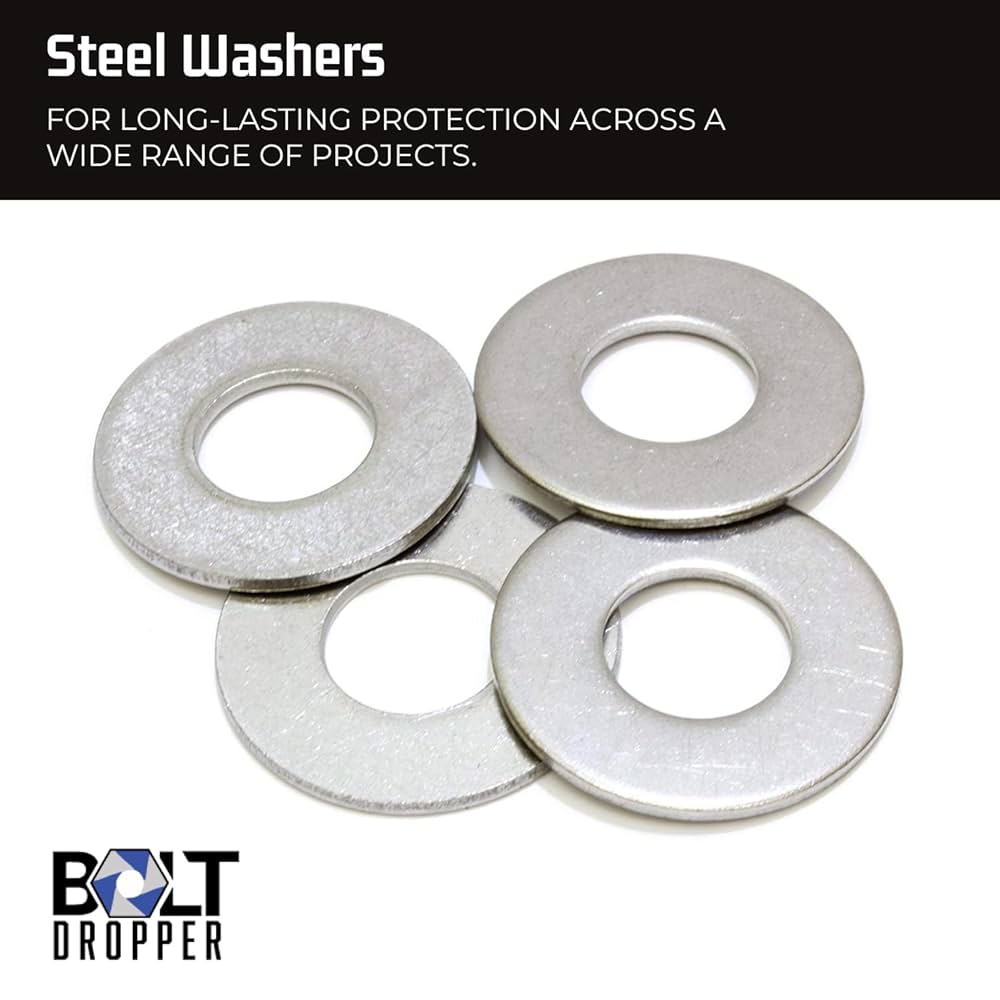
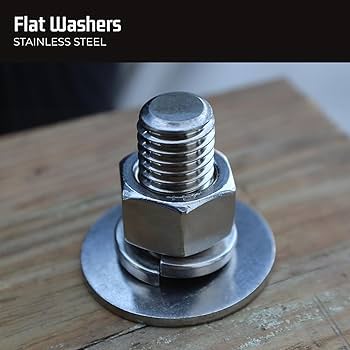
Flat washers are essential components in various fastening applications, primarily used to distribute the load of a fastener. They are typically made of materials like steel or stainless steel, offering durability and corrosion resistance. B2B buyers should consider the thickness and diameter of flat washers to ensure compatibility with their specific projects. While they are cost-effective and versatile, flat washers may not be suitable for high-stress environments.
How Do Lock Washers Enhance Fastening Security?
Lock washers are specifically designed to prevent loosening due to vibration. They come in several forms, including split and tooth variants, each providing distinct locking mechanisms. These washers are commonly used in automotive and heavy machinery applications where secure fastening is critical. B2B purchasers should assess the type of lock washer needed for their applications, as the installation may require specific orientations. While they enhance joint security, they may complicate installation processes.
What Are the Advantages of Fender Washers in Automotive Applications?
Fender washers feature a larger outer diameter, making them ideal for distributing load over a wider area. This characteristic is particularly beneficial in automotive and outdoor equipment applications, where it helps prevent damage to surfaces. Buyers should consider the material and size of the fender washers for compatibility with their projects. Although they provide superior load distribution, their bulkier design may not fit into tighter spaces.
Why Choose Split Lock Washers for Electrical Applications?
Split lock washers are designed with a split that provides increased friction, helping to secure fasteners in place. These washers are commonly used in electrical and machinery applications, where preventing loosening is crucial. B2B buyers should evaluate the load requirements and installation conditions when selecting split lock washers, as they may not be ideal for heavy-load applications. While effective against vibrations, their performance can be limited in high-stress environments.
How Do Beveled Washers Address Uneven Surfaces?
Beveled washers feature an angled surface that allows them to accommodate uneven surfaces, making them suitable for construction and structural applications. This design enhances the stability of fastened joints, particularly in environments where uneven surfaces are common. Buyers should consider the degree of bevel needed for their specific applications. While they provide excellent support, beveled washers tend to be more expensive than standard flat washers, which may affect budget considerations.
Key Industrial Applications of wholesale washers
| Industry/Sector | Specific Application of Wholesale Washers | Value/Benefit for the Business | Key Sourcing Considerations for this Application |
|---|---|---|---|
| Construction | Use in structural assemblies and machinery installations | Ensures load distribution and prevents loosening over time | Material specifications, size availability, and corrosion resistance |
| Automotive | Fastening components in vehicles | Enhances safety and reliability of automotive parts | Compliance with industry standards and specifications |
| Manufacturing | Assembly of machinery and equipment | Improves operational efficiency and reduces maintenance costs | Bulk purchasing options and compatibility with existing systems |
| Aerospace | Securing aircraft components | Critical for safety and performance in high-stress environments | Aerospace-grade materials and certifications |
| Oil & Gas | Used in drilling and extraction equipment | Increases durability in harsh environments | Resistance to corrosion and extreme temperatures |
How Are Wholesale Washers Used in the Construction Industry?
In the construction sector, wholesale washers are integral to structural assemblies and machinery installations. They distribute loads evenly across surfaces, preventing bolt loosening and enhancing the stability of constructions. For international buyers, particularly in regions like Africa and the Middle East, sourcing high-quality washers made from corrosion-resistant materials is essential due to varying environmental conditions. Understanding local building codes and standards is crucial to ensure compliance and safety.
What Role Do Wholesale Washers Play in the Automotive Industry?
In the automotive industry, wholesale washers are vital for fastening various components, such as engine parts and chassis. They contribute to the safety and reliability of vehicles by ensuring that parts remain securely fastened under stress. B2B buyers should prioritize washers that meet automotive industry standards, as well as consider the specific environmental factors they may face in markets like South America or Europe, where regulations may differ significantly.
How Are Wholesale Washers Essential in Manufacturing?
Manufacturers utilize wholesale washers to enhance the assembly of machinery and equipment, improving operational efficiency. These washers help minimize wear and tear on components, leading to reduced maintenance costs. Buyers in this sector should focus on sourcing washers in bulk, ensuring they meet specific dimensional and material standards that align with their production processes, particularly in fast-paced manufacturing environments.
Why Are Wholesale Washers Critical in Aerospace Applications?
In the aerospace sector, wholesale washers are crucial for securing components in aircraft. Their reliability is paramount, as failure can lead to catastrophic consequences. Buyers must seek aerospace-grade materials that comply with stringent safety regulations. Additionally, international buyers from regions like Europe and the Middle East should ensure that their suppliers provide necessary certifications and traceability for these critical components.
How Do Wholesale Washers Support the Oil & Gas Industry?
In the oil and gas industry, wholesale washers are used in drilling and extraction equipment, where they must withstand extreme temperatures and corrosive environments. The durability and reliability of these washers directly affect operational efficiency and safety. B2B buyers should prioritize sourcing washers that are specifically designed for harsh conditions, ensuring they meet industry standards and are available in sufficient quantities to support large-scale operations.
A stock image related to wholesale washers.
3 Common User Pain Points for ‘wholesale washers’ & Their Solutions
Scenario 1: Sourcing Quality Washers Amid Market Variability
The Problem: B2B buyers, particularly in regions like Africa and South America, often face challenges in sourcing high-quality wholesale washers. Market variability can lead to inconsistent quality, which may impact project timelines and product reliability. Buyers may receive subpar products that do not meet their specifications, resulting in additional costs for replacements and delays in their supply chain. The stakes are high, as failing to ensure the quality of these essential components can jeopardize entire projects.
The Solution: To mitigate these risks, it’s critical to establish relationships with reputable suppliers who offer transparent quality assurance processes. Buyers should prioritize vendors that provide detailed specifications, certifications, and product samples prior to bulk orders. Engaging in thorough due diligence—such as checking references, reading reviews, and evaluating previous projects—can also guide buyers in selecting trustworthy suppliers. Additionally, consider sourcing from manufacturers who are ISO certified or have other relevant quality certifications. This approach not only ensures product reliability but also fosters long-term partnerships that can lead to better pricing and priority service.
Scenario 2: Navigating Complex Sizing and Specifications
The Problem: Many buyers encounter difficulties in understanding the complex sizing and specifications of washers, which can vary significantly across different manufacturers. This confusion can lead to ordering the wrong sizes or types, resulting in incompatibility with existing components. For businesses in construction or manufacturing, this misstep can halt operations and incur significant financial losses due to wasted resources and time.
The Solution: To tackle this issue, B2B buyers should invest time in familiarizing themselves with industry standards and specifications for washers. Utilizing resources such as technical datasheets and manufacturer catalogs can provide clarity on dimensions, materials, and load capacities. Additionally, engaging with technical sales representatives from suppliers can provide valuable insights and guidance in selecting the right products. Implementing a systematic approach to documentation—keeping records of previous orders, specifications used, and project requirements—can help streamline future purchasing decisions. This proactive strategy minimizes errors and aligns purchases with precise project needs.
Scenario 3: Managing Supply Chain Disruptions
The Problem: International buyers often face supply chain disruptions that can be exacerbated by geopolitical issues, transportation delays, or fluctuating material costs. Such disruptions can lead to significant delays in receiving necessary components like washers, which can stall entire projects and impact client relationships. This unpredictability poses a considerable challenge for businesses that depend on consistent inventory levels.
The Solution: To counteract these supply chain vulnerabilities, buyers should adopt a multi-supplier strategy that diversifies their sourcing options. Establishing relationships with multiple suppliers across different regions can provide alternatives in case one source faces disruptions. Furthermore, investing in inventory management software can help track stock levels and predict future needs based on historical data and market trends. Engaging in regular communication with suppliers to discuss potential risks and lead times can also prepare businesses for unforeseen challenges. This proactive approach not only enhances resilience against disruptions but also fosters a more agile and responsive supply chain.
Strategic Material Selection Guide for wholesale washers
When selecting materials for wholesale washers, understanding the properties and suitability of various materials is crucial for ensuring optimal performance in specific applications. Here, we analyze four common materials used in the manufacturing of washers, focusing on their properties, advantages, disadvantages, and implications for international B2B buyers.
What Are the Key Properties of Stainless Steel Washers?
Stainless steel is a popular choice for washers due to its excellent corrosion resistance and mechanical strength. Key properties include a high tensile strength, which allows it to withstand significant pressure and temperature variations. Stainless steel washers can typically handle temperatures up to 1,200°F (649°C) and are resistant to rust and oxidation, making them suitable for both indoor and outdoor applications.
Pros: Stainless steel washers are durable, resistant to corrosion, and require minimal maintenance. They are ideal for applications exposed to moisture or harsh environments.
Cons: The primary disadvantage is their higher cost compared to other materials like carbon steel. Additionally, manufacturing stainless steel washers can be more complex, requiring specialized equipment.
Impact on Application: Stainless steel washers are compatible with a wide range of media, including water, oil, and chemicals, making them versatile for various industries, including automotive and construction.
Considerations for International Buyers: Buyers should be aware of compliance with international standards such as ASTM A240 for stainless steel. In regions like Africa and the Middle East, where humidity can be high, stainless steel is often preferred for outdoor applications.
How Do Carbon Steel Washers Compare in Performance?
Carbon steel washers are known for their strength and affordability. They typically have a tensile strength of around 70,000 psi and can perform well under moderate pressure and temperature conditions, generally up to 400°F (204°C).
Pros: The main advantage of carbon steel washers is their cost-effectiveness, making them a popular choice for bulk purchasing. They are also readily available and can be manufactured with relative ease.
Cons: However, carbon steel is prone to rust and corrosion if not properly treated, limiting its use in wet or corrosive environments. This can lead to a shorter lifespan in certain applications.
Impact on Application: These washers are suitable for applications where cost is a primary concern and environmental exposure is minimal, such as in indoor machinery.
Considerations for International Buyers: Buyers should consider the need for protective coatings or galvanization to enhance corrosion resistance. Compliance with standards like ASTM A307 is also essential for ensuring quality.
What Advantages Do Nylon Washers Offer?
Nylon washers provide unique benefits, particularly in applications requiring electrical insulation or resistance to chemicals. They can withstand temperatures up to 200°F (93°C) and are inherently resistant to corrosion and chemical degradation.
Pros: Nylon washers are lightweight, non-conductive, and have excellent resistance to various chemicals, making them suitable for electrical applications.
Cons: The main limitation is their lower mechanical strength compared to metal washers, which may restrict their use in high-pressure applications. They can also be more susceptible to wear and tear over time.
Impact on Application: Nylon washers are ideal for applications in electronics, plumbing, and chemical processing, where insulation and chemical resistance are crucial.
Considerations for International Buyers: Buyers should ensure that nylon washers meet relevant standards, such as ISO 9001 for quality management. In regions with high humidity, it’s essential to verify the compatibility of nylon with specific chemicals used in local industries.
How Do Brass Washers Fit into the Material Selection?
Brass washers are known for their corrosion resistance and aesthetic appeal. They can handle moderate temperatures and pressures, typically up to 300°F (149°C), and are resistant to tarnishing.
Pros: The key advantage of brass washers is their excellent resistance to corrosion, particularly in marine environments. They also provide good electrical conductivity.
Cons: Brass washers can be more expensive than carbon steel and may not be as strong as stainless steel. Additionally, they can be subject to dezincification in certain environments, which can compromise their integrity.
Impact on Application: Brass washers are often used in plumbing and electrical applications, where corrosion resistance and conductivity are essential.
Considerations for International Buyers: Buyers should be aware of the need for compliance with standards such as ASTM B16 for brass materials. In regions like Europe and South America, where marine applications are common, brass washers are frequently specified.
Summary Table of Material Selection for Wholesale Washers
| Material | Typical Use Case for Wholesale Washers | Key Advantage | Key Disadvantage/Limitation | Relative Cost (Low/Med/High) |
|---|---|---|---|---|
| Stainless Steel | Outdoor applications, automotive | Excellent corrosion resistance | Higher cost, complex manufacturing | High |
| Carbon Steel | Indoor machinery, construction | Cost-effective, readily available | Prone to rust, shorter lifespan | Low |
| Nylon | Electrical applications, plumbing | Lightweight, chemical resistant | Lower mechanical strength | Medium |
| Brass | Plumbing, electrical applications | Corrosion resistant, good conductivity | More expensive, risk of dezincification | Medium |
This strategic material selection guide provides essential insights for international B2B buyers looking to make informed decisions when sourcing wholesale washers. Understanding the properties and implications of each material can significantly impact the performance and longevity of their applications.
A stock image related to wholesale washers.
In-depth Look: Manufacturing Processes and Quality Assurance for wholesale washers
What Are the Main Stages of Manufacturing Wholesale Washers?
Manufacturing wholesale washers involves several critical stages that ensure the final product meets the required specifications and quality standards. The primary stages include material preparation, forming, assembly, and finishing.
-
Material Preparation: The manufacturing process begins with selecting the appropriate raw materials. Common materials for washers include stainless steel, carbon steel, and specialty alloys. Suppliers may also use recycled materials to promote sustainability. The selected materials are then cut to size, and any necessary surface treatments, such as cleaning or chemical treatment, are performed to enhance material properties.
-
Forming: The next stage involves forming the washers into their desired shapes. This can be achieved through various techniques, including stamping, laser cutting, or machining. Stamping is the most common method, where a die is used to create washers from flat sheets of metal. The choice of technique depends on the washer’s specifications, including thickness, diameter, and type (e.g., flat, lock, or fender washers).
-
Assembly: While most washers are single-piece components, some applications may require additional assembly. For example, in the case of specialized locking washers, the components may need to be joined or combined with other parts to create a functional unit. This stage may also involve adding coatings or surface treatments to improve corrosion resistance and durability.
-
Finishing: The finishing stage is crucial for enhancing the appearance and functionality of the washers. Processes such as plating, anodizing, or powder coating may be applied to provide additional protection against environmental factors. Additionally, finishing processes may involve deburring and polishing to remove sharp edges and ensure a smooth surface.
How Do Quality Assurance Processes Ensure the Reliability of Wholesale Washers?
Quality assurance (QA) is integral to the manufacturing process, ensuring that the washers produced meet both international standards and specific customer requirements. For B2B buyers, understanding these QA processes is essential for verifying the reliability of suppliers.
-
International Standards and Certifications: Manufacturers often adhere to international quality management standards, such as ISO 9001, which outlines the criteria for a quality management system. Compliance with these standards helps ensure consistent quality, efficient processes, and customer satisfaction. Additionally, other certifications, like CE marking or API standards, may be relevant depending on the washer’s application.
-
Quality Control Checkpoints: Quality control (QC) is typically implemented at various checkpoints throughout the manufacturing process:
– Incoming Quality Control (IQC): Raw materials undergo inspection upon arrival to ensure they meet specified requirements.
– In-Process Quality Control (IPQC): This stage involves monitoring the manufacturing process itself, where samples are tested for dimensional accuracy, strength, and surface quality during production.
– Final Quality Control (FQC): Before the washers are packaged and shipped, a final inspection is conducted to verify that all products meet the required specifications. -
Common Testing Methods: Various testing methods are employed to assess the quality and performance of washers. These may include tensile strength tests, hardness tests, and corrosion resistance tests. Non-destructive testing methods, such as ultrasonic testing, may also be used to detect internal flaws without damaging the product.
How Can B2B Buyers Verify Supplier Quality Control?
For international B2B buyers, particularly those from Africa, South America, the Middle East, and Europe, verifying a supplier’s quality control practices is essential to ensure product reliability. Here are some actionable steps:
-
Supplier Audits: Conducting supplier audits is an effective way to assess a manufacturer’s quality control processes. This may involve on-site visits to review production practices, equipment, and quality management systems. B2B buyers can use third-party audit services for an impartial assessment.
-
Quality Assurance Reports: Requesting detailed quality assurance reports from suppliers can provide insights into their manufacturing processes and QC measures. These reports should include information on compliance with international standards, inspection results, and any corrective actions taken to address quality issues.
-
Third-Party Inspections: Engaging third-party inspection services can add an extra layer of assurance. These services can conduct independent inspections at various stages of the manufacturing process, ensuring that the products meet the required specifications before shipment.
What Nuances Should International B2B Buyers Consider Regarding Quality Control?
When dealing with international suppliers, there are several nuances that B2B buyers should consider regarding quality control:
-
Cultural Differences: Different regions may have varying approaches to quality assurance and manufacturing standards. Understanding these cultural differences can help buyers communicate effectively and establish clear expectations with suppliers.
-
Regulatory Compliance: International buyers must be aware of the regulatory requirements in their own countries as well as those in the supplier’s country. Compliance with local regulations, such as environmental standards and labor laws, is crucial for ensuring ethical sourcing.
-
Language Barriers: Language differences can pose challenges in understanding quality assurance documentation and specifications. Buyers should ensure that they have access to translations or bilingual staff who can facilitate clear communication with suppliers.
-
Transportation and Logistics: The quality of washers can be affected during transportation. Buyers should discuss packaging standards and handling procedures with suppliers to minimize damage during transit.
Conclusion
The manufacturing processes and quality assurance measures for wholesale washers are critical to ensuring product reliability and customer satisfaction. By understanding the various stages of manufacturing, the importance of quality control, and how to verify supplier practices, B2B buyers can make informed decisions when sourcing washers from international suppliers. This knowledge not only helps in selecting reputable suppliers but also ensures that the washers meet the specific requirements for their intended applications, ultimately contributing to the success of their projects.
Practical Sourcing Guide: A Step-by-Step Checklist for ‘wholesale washers’
When sourcing wholesale washers, a structured approach can significantly streamline the process and ensure you make informed decisions. This guide provides a checklist designed specifically for international B2B buyers, focusing on key steps to effectively procure washers that meet your business needs.
Step 1: Define Your Technical Specifications
Understanding the specific requirements for the washers you need is essential. Consider factors such as size, material (e.g., stainless steel, carbon steel), and type (flat, lock, fender). Clearly defining these specifications helps prevent costly errors and ensures compatibility with your applications.
Step 2: Research Potential Suppliers
Begin by identifying suppliers who specialize in the type of washers you require. Look for companies with a strong reputation in the industry, positive customer reviews, and a robust online presence. Utilize platforms like trade directories, industry forums, and social media to gather insights on various suppliers.
Step 3: Evaluate Supplier Certifications
Before proceeding with a supplier, verify their certifications and compliance with international standards. Check for ISO certifications, quality assurance practices, and adherence to safety regulations. This step is critical to ensure that the products you receive will meet industry standards and reduce the risk of defects.
Step 4: Request Samples
Request samples of the washers from shortlisted suppliers to assess their quality firsthand. Examine the samples for durability, finish, and adherence to your specifications. This allows you to make an informed decision and helps establish a relationship with the supplier based on quality assurance.
Step 5: Compare Pricing and Payment Terms
Once you’ve narrowed down your options, compare pricing structures and payment terms among suppliers. Consider not only the cost per unit but also any additional fees, shipping costs, and payment flexibility. Transparent pricing helps you stay within budget and avoid unexpected expenses.
Step 6: Check Delivery Times and Logistics
Inquire about the supplier’s delivery schedules and logistics capabilities. Understanding their lead times is crucial for your project timelines, especially when dealing with international shipping. Ask about their ability to handle customs and any potential delays that may arise.
Step 7: Establish Clear Communication Channels
Effective communication is vital throughout the sourcing process. Ensure that you have direct contact with your supplier and establish a clear line of communication for updates, inquiries, and feedback. This fosters a collaborative relationship and helps address any issues that may arise promptly.
By following this checklist, you can navigate the sourcing process for wholesale washers with confidence, ensuring that you select the right suppliers and products for your business needs. This structured approach not only saves time but also enhances the quality and reliability of your procurement process.
Comprehensive Cost and Pricing Analysis for wholesale washers Sourcing
What Are the Key Cost Components in Wholesale Washers Sourcing?
When sourcing wholesale washers, understanding the cost structure is crucial for effective budgeting and negotiation. The primary cost components include:
-
Materials: The type of material significantly affects the cost. Stainless steel, for instance, is more expensive than low-carbon steel due to its corrosion resistance and durability. Specialty materials, such as marine-grade stainless steel, command even higher prices.
-
Labor: Labor costs can vary based on geographic location and the complexity of the manufacturing process. In regions with higher wage standards, such as parts of Europe, labor costs may be a considerable factor.
-
Manufacturing Overhead: This includes costs related to utilities, rent, and equipment maintenance. Manufacturers with more advanced machinery may incur higher overhead costs but can also offer better quality and efficiency.
-
Tooling: Custom tooling for specific washer designs adds to the initial investment. Buyers should weigh the cost of tooling against the anticipated volume to determine if it’s economically viable.
-
Quality Control (QC): Implementing a robust QC process ensures that the washers meet specified standards, which can increase production costs. Certifications like ISO or ASTM compliance may also elevate prices due to the rigorous testing required.
-
Logistics: Shipping costs can vary widely depending on the origin of the washers, the destination, and the chosen shipping method. International buyers must consider duties and tariffs, which can further impact the overall cost.
-
Margin: Supplier margins are influenced by competition, market demand, and the perceived value of the product. Understanding how much margin suppliers typically include can aid in negotiation.
What Factors Influence Prices for Wholesale Washers?
Several factors can influence the pricing of wholesale washers, particularly for international buyers:
-
Volume/MOQ (Minimum Order Quantity): Larger orders often come with discounts, making it vital for buyers to assess their needs and negotiate favorable terms based on anticipated usage.
-
Specifications and Customization: Custom designs or specific sizes can lead to increased costs. Buyers should evaluate whether the custom features are necessary or if standard options suffice.
-
Materials: The choice of materials directly impacts pricing. While cheaper materials may reduce upfront costs, they could lead to higher long-term expenses due to potential failures or replacements.
-
Quality and Certifications: Higher-quality washers often come with certifications that ensure reliability and performance. Buyers should weigh the benefits of these certifications against their budget constraints.
-
Supplier Factors: The reputation and reliability of the supplier can influence pricing. Established suppliers may charge more due to their perceived quality and service levels.
-
Incoterms: Understanding Incoterms (International Commercial Terms) is essential for international transactions. They define the responsibilities of buyers and sellers regarding shipping, insurance, and tariffs, impacting overall costs.
How Can International Buyers Optimize Their Sourcing Strategy for Washers?
For buyers from regions like Africa, South America, the Middle East, and Europe, several strategies can enhance cost-efficiency:
-
Negotiate Effectively: Always engage in negotiations to secure the best price. Leverage volume commitments and long-term relationships to gain concessions from suppliers.
-
Evaluate Total Cost of Ownership (TCO): Consider not just the purchase price but also the long-term costs associated with maintenance, replacements, and operational efficiencies. Sometimes a higher upfront cost can lead to lower TCO.
-
Understand Pricing Nuances: Be aware of regional price variations and market conditions. Prices in the U.S. may differ significantly from those in Europe or Asia due to local demand and supply dynamics.
-
Leverage Local Partnerships: Establishing relationships with local distributors or suppliers can reduce shipping costs and lead times, ultimately lowering the overall cost of sourcing.
-
Stay Informed About Market Trends: Regularly monitor the market for fluctuations in material costs, labor rates, and other economic indicators that may impact pricing.
Disclaimer
The prices mentioned in various references are indicative and may vary based on market conditions, supplier negotiations, and specific buyer requirements. Always conduct thorough market research and consult with suppliers for the most accurate pricing information.
Alternatives Analysis: Comparing wholesale washers With Other Solutions
When evaluating options for fastening solutions, B2B buyers must consider various alternatives to wholesale washers. Understanding these alternatives can help businesses make informed decisions based on performance, cost, and suitability for their specific applications.
| Comparison Aspect | Wholesale Washers | Alternative 1: Adhesive Fasteners | Alternative 2: Rivets |
|---|---|---|---|
| Performance | Excellent load distribution; reliable in static and dynamic applications. | Good for lightweight applications; may not withstand high loads. | Strong shear strength; suitable for permanent connections. |
| Cost | Generally low-cost in bulk; minimal overhead. | Variable costs depending on type; may require additional tools. | Moderate cost; can be more expensive than washers. |
| Ease of Implementation | Simple installation with basic tools; minimal training required. | Requires careful surface preparation; can be messy. | Installation requires specialized tools and techniques. |
| Maintenance | Low maintenance; durable under various conditions. | Limited lifespan; may degrade over time. | Permanent once installed; difficult to replace or repair. |
| Best Use Case | Ideal for mechanical assemblies, automotive, and construction. | Best for non-structural applications like crafts and lightweight assemblies. | Effective for metal joining in aerospace and automotive industries. |
What Are the Benefits and Drawbacks of Adhesive Fasteners as an Alternative?
Adhesive fasteners offer a unique solution, particularly for non-structural applications. They can bond various materials without the need for holes, making them suitable for aesthetic finishes. However, their performance can vary significantly based on environmental conditions and the materials being bonded. They may not be ideal for high-load applications, and the curing time can delay project timelines.
How Do Rivets Compare to Wholesale Washers?
Rivets provide a strong, permanent fastening solution, especially in applications requiring high shear strength, such as in aerospace and automotive industries. They are ideal for joining metal components but require specialized tools for installation, which can increase labor costs and complexity. Unlike washers, rivets cannot be easily removed or adjusted once installed, making them less flexible for projects that may require disassembly.
How Should B2B Buyers Choose Between These Options?
When selecting between wholesale washers and alternative fastening solutions, B2B buyers should consider their specific application requirements, budget constraints, and the operational environment. If the project demands flexibility and easy maintenance, wholesale washers may be the best choice. Conversely, for applications requiring permanence and strength, rivets might be more appropriate, while adhesive fasteners could be suitable for lightweight or aesthetic projects.
In conclusion, understanding the advantages and disadvantages of each fastening solution will enable buyers to align their selection with their operational needs and financial considerations. By carefully evaluating the performance, cost, and installation requirements of each option, businesses can make informed decisions that enhance their efficiency and effectiveness in the marketplace.
Essential Technical Properties and Trade Terminology for wholesale washers
What Are the Key Technical Properties of Wholesale Washers?
When sourcing wholesale washers, understanding their technical properties is crucial for ensuring compatibility and performance in various applications. Here are several critical specifications to consider:
-
Material Grade
– The material grade indicates the type of metal used in the washer’s production. Common materials include stainless steel, carbon steel, and alloy steel. Each material offers distinct properties such as corrosion resistance, strength, and durability. For instance, stainless steel washers are ideal for outdoor applications due to their resistance to rust, making them preferable in humid environments, which is essential for buyers in regions like Nigeria or Saudi Arabia. -
Thickness
– The thickness of a washer affects its load-bearing capacity and durability. Thicker washers can distribute loads more evenly and reduce the risk of deformation under pressure. This specification is particularly important for industrial applications where heavy machinery is involved, as it can prevent failure and extend the lifespan of the components. -
Inner and Outer Diameter
– The inner diameter (ID) determines the fit of the washer on the bolt or screw, while the outer diameter (OD) affects its load distribution. Accurate measurements are crucial for ensuring that the washer fits properly, preventing loosening or failure during operation. Buyers should be aware of standard sizes as well as custom options to meet specific project requirements. -
Tolerance
– Tolerance refers to the allowable variation in the dimensions of the washer. Tight tolerances are critical in high-precision applications, such as aerospace or automotive industries, where even minor discrepancies can lead to significant issues. Understanding tolerance levels helps buyers select the right washers for their specific applications, ensuring reliability and safety. -
Finish Type
– The finish type can influence a washer’s resistance to corrosion and wear. Common finishes include zinc plating, hot-dipped galvanizing, and passivation for stainless steel. Each finish offers different levels of protection, which is essential for applications exposed to harsh environments. Buyers should evaluate the environmental conditions to select the appropriate finish.
What Are Common Trade Terms in the Wholesale Washer Industry?
Familiarity with industry terminology can streamline communication and improve procurement efficiency. Here are some essential terms to know:
-
OEM (Original Equipment Manufacturer)
– An OEM refers to a company that produces parts or equipment that may be marketed by another manufacturer. In the context of washers, OEM products often signify higher quality and compatibility with specific machinery or equipment. Understanding OEM standards can help buyers ensure that they are sourcing reliable components. -
MOQ (Minimum Order Quantity)
– MOQ is the smallest number of units a supplier is willing to sell. Knowing the MOQ is crucial for buyers to manage inventory levels effectively and avoid excess stock. This term is particularly relevant for businesses that operate in regions with fluctuating demand. -
RFQ (Request for Quotation)
– An RFQ is a document issued by a buyer to solicit price quotes from suppliers for specific products. It typically includes detailed specifications and quantities required. Utilizing RFQs can help buyers compare pricing and terms from multiple suppliers, ensuring they get the best deal. -
Incoterms (International Commercial Terms)
– Incoterms are a set of predefined commercial terms that clarify the responsibilities of buyers and sellers in international transactions. Understanding these terms, such as FOB (Free on Board) or CIF (Cost, Insurance, and Freight), is essential for managing shipping costs and risks effectively, especially for international buyers in Africa or South America. -
Lead Time
– Lead time refers to the time taken from placing an order to receiving the goods. It is a critical factor in supply chain management. Knowing lead times helps businesses plan their operations and manage customer expectations effectively.
By grasping these technical properties and trade terms, B2B buyers can make informed decisions, optimize their procurement processes, and ultimately enhance their operational efficiency.
Navigating Market Dynamics and Sourcing Trends in the wholesale washers Sector
What Are the Key Market Trends Influencing the Wholesale Washers Sector?
The global wholesale washers market is experiencing significant shifts driven by various factors. Key among these are technological advancements, increased demand for customized solutions, and a growing emphasis on operational efficiency. International buyers, particularly from regions like Africa, South America, the Middle East, and Europe, are increasingly leveraging digital platforms to source products. E-commerce and online marketplaces are simplifying procurement processes, making it easier for businesses to compare prices and find suppliers that meet their specific needs.
Another notable trend is the rising demand for high-quality, durable washers. As industries such as construction and manufacturing expand, so does the need for reliable fastening solutions. Buyers are seeking products that not only meet rigorous performance standards but also offer cost-efficiency. The focus is shifting towards bulk purchasing, which allows companies to secure better pricing and ensure a steady supply chain.
Moreover, the integration of Industry 4.0 technologies is transforming how businesses operate within this sector. Automation and data analytics are optimizing inventory management and streamlining logistics, which can reduce lead times and enhance customer satisfaction. With these dynamics, international B2B buyers must stay informed about market fluctuations, pricing trends, and emerging suppliers to make strategic sourcing decisions.
How Is Sustainability and Ethical Sourcing Shaping the Wholesale Washers Market?
Sustainability has become a focal point in the wholesale washers sector, with businesses increasingly prioritizing ethical sourcing and environmental responsibility. The production and disposal of fasteners can have significant environmental impacts, prompting buyers to seek out suppliers committed to sustainable practices. This includes using recyclable materials, minimizing waste, and implementing energy-efficient manufacturing processes.
Ethical supply chains are critical for businesses aiming to enhance their brand reputation and meet consumer expectations. Many international B2B buyers are now prioritizing suppliers with recognized green certifications, such as ISO 14001 or similar standards, which demonstrate a commitment to environmental management. By partnering with manufacturers that adhere to these principles, companies can mitigate risks associated with non-compliance and improve their overall sustainability profile.
In addition, the demand for “green” materials, such as biodegradable or recycled metals, is on the rise. Buyers are increasingly looking for products that contribute to a circular economy, where materials are reused and recycled rather than discarded. This shift not only supports environmental goals but can also offer cost savings over time, making it a compelling proposition for forward-thinking businesses.
What Is the Historical Context of the Wholesale Washers Market?
The wholesale washers market has evolved significantly over the decades, shaped by changes in manufacturing technologies and market demands. Initially, washers were produced through labor-intensive methods, which limited production capacity and innovation. However, the advent of industrialization in the late 19th and early 20th centuries ushered in mass production techniques, enabling manufacturers to scale operations and reduce costs.
As industries grew, so did the demand for specialized washers tailored to specific applications, such as automotive and construction. The introduction of advanced materials and coatings further enhanced product performance, leading to a broader range of offerings in the market. Today, the sector is characterized by a diverse array of washers, including flat, lock, and fender types, available in various materials such as stainless steel, carbon steel, and plastics.
The digital transformation in recent years has also played a crucial role in reshaping the market. The rise of e-commerce platforms and online marketplaces has democratized access to suppliers, allowing B2B buyers from emerging markets to compete on a global scale. This evolution underscores the importance of adapting sourcing strategies to leverage new technologies and meet the changing demands of the marketplace.
Frequently Asked Questions (FAQs) for B2B Buyers of wholesale washers
-
How do I solve quality issues when sourcing wholesale washers?
To resolve quality issues, begin by conducting thorough research on potential suppliers. Request samples to assess material quality and craftsmanship. Implement a quality assurance (QA) process that includes inspections at various stages of production. Establish clear specifications and standards for the washers you require. Additionally, consider third-party quality audits to verify compliance with international standards, especially if sourcing from regions with varying manufacturing practices. -
What is the best type of washer for heavy-duty applications?
For heavy-duty applications, consider using flat washers made from high-strength materials such as stainless steel or alloy steel. Lock washers are also ideal for preventing loosening under vibration. Ensure the washers meet relevant industry standards and certifications to guarantee performance. When selecting, take into account factors like load-bearing capacity, corrosion resistance, and environmental conditions in which they will be used. -
How can I find reliable suppliers of wholesale washers internationally?
Finding reliable international suppliers involves researching and vetting potential partners. Utilize platforms like Alibaba, Global Sources, or trade directories specific to your industry. Attend trade shows and exhibitions to meet suppliers in person. Verify credentials, request references, and check reviews from other customers. Establishing a clear communication channel and setting expectations upfront can also help build trust and ensure a successful partnership. -
What are the typical minimum order quantities (MOQs) for wholesale washers?
Minimum order quantities (MOQs) for wholesale washers vary by supplier and product type. Commonly, MOQs can range from a few hundred to several thousand units, depending on the material and manufacturing process. It’s advisable to negotiate MOQs based on your purchasing needs, especially if you are testing a new supplier. Some suppliers may offer flexibility or tiered pricing based on order size, which can be beneficial for budgeting. -
What payment terms should I expect when sourcing washers internationally?
Payment terms when sourcing internationally typically include options such as advance payment, letters of credit, or net terms after delivery. Most suppliers prefer partial payment upfront (usually 30-50%) with the balance paid upon completion or delivery. It’s crucial to clarify payment terms before finalizing contracts and consider using secure payment methods to protect your investment. Always ensure that terms align with your cash flow capabilities. -
How can I customize washers for specific applications?
Customization of washers is often possible through discussions with your supplier. Specify the dimensions, materials, and any unique features required for your application. Many manufacturers offer custom solutions to meet specific performance criteria, such as coatings for corrosion resistance or special shapes for unique fittings. Providing detailed drawings or specifications will help ensure the final product meets your expectations. -
What are the logistics considerations for importing wholesale washers?
Logistics considerations include shipping methods, customs regulations, and delivery timelines. Choose a reliable freight forwarder experienced in handling hardware imports to navigate customs clearance and transportation effectively. Understand the tariffs and duties that may apply to your products in your country. Planning for potential delays and ensuring proper packaging to prevent damage during transit are also critical steps in the logistics process. -
How do I ensure compliance with international standards for washers?
Ensuring compliance involves understanding the specific standards applicable to your industry and region, such as ISO or ASTM certifications. Work closely with suppliers to confirm that their products meet these standards. Request documentation proving compliance, such as test reports or certification from recognized bodies. Regularly review supplier practices and engage in audits to maintain adherence to international quality and safety regulations.
Important Disclaimer & Terms of Use
⚠️ Important Disclaimer
The information provided in this guide, including content regarding manufacturers, technical specifications, and market analysis, is for informational and educational purposes only. It does not constitute professional procurement advice, financial advice, or legal advice.
While we have made every effort to ensure the accuracy and timeliness of the information, we are not responsible for any errors, omissions, or outdated information. Market conditions, company details, and technical standards are subject to change.
B2B buyers must conduct their own independent and thorough due diligence before making any purchasing decisions. This includes contacting suppliers directly, verifying certifications, requesting samples, and seeking professional consultation. The risk of relying on any information in this guide is borne solely by the reader.
Strategic Sourcing Conclusion and Outlook for wholesale washers
As the global demand for high-quality wholesale washers continues to rise, strategic sourcing emerges as a critical factor for B2B buyers aiming to enhance their supply chain efficiency and cost-effectiveness. Key takeaways from this guide highlight the importance of selecting reputable suppliers that offer a diverse range of washer types—including flat, lock, and fender washers—tailored to specific industry needs. Buyers should prioritize suppliers who can provide competitive pricing, bulk purchasing options, and reliable shipping logistics, particularly for regions in Africa, South America, the Middle East, and Europe.
In today’s interconnected marketplace, the ability to source strategically not only minimizes operational risks but also fosters long-term partnerships that can lead to innovation and improved product offerings. As you navigate this landscape, consider leveraging technology and data analytics to identify trends and optimize procurement strategies.
Looking ahead, now is the time for international B2B buyers to act decisively. Embrace strategic sourcing practices to secure your supply chain and capitalize on emerging opportunities in the wholesale washer market. Engaging with trusted suppliers will not only enhance your product offerings but also position your business for sustained growth in a competitive environment.