
Best Coat Hangers Wholesale Suppliers: A Deep Dive into Top 10 Options
Introduction: Navigating the Global Market for coat hangers wholesale
In the competitive landscape of international trade, sourcing coat hangers wholesale can pose significant challenges for B2B buyers, particularly those operating in diverse markets such as Africa, South America, the Middle East, and Europe. With a plethora of options available—from plastic and wooden to metal hangers—finding the right fit for your business needs while ensuring quality and cost-effectiveness is crucial. This guide aims to demystify the wholesale coat hanger market by providing comprehensive insights into the various types available, their applications, and critical factors to consider when selecting suppliers.
Navigating supplier vetting processes, understanding pricing structures, and recognizing the nuances of shipping logistics are essential components of making informed purchasing decisions. Whether you are a retailer looking to enhance your inventory or a manufacturer seeking reliable materials, this guide empowers you with the knowledge to effectively assess your options.
With actionable strategies tailored for B2B buyers, including tips on negotiating bulk pricing and identifying reputable suppliers, this resource is designed to streamline your sourcing process. By the end of this guide, you will be equipped to make confident decisions that align with your business goals, ensuring that your coat hanger purchases meet both quality standards and market demands.
Top 10 Coat Hangers Wholesale Manufacturers & Suppliers List
1. Store Supply Warehouse – Quality Hangers
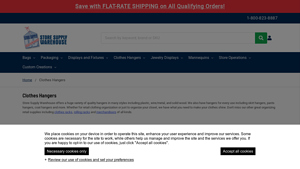
Domain: storesupply.com
Registered: 1997 (28 years)
Introduction: Store Supply Warehouse offers a huge variety of quality hangers in many styles including plastic, wire/metal, and solid wood. Types of hangers available include skirt hangers, pants hangers, coat hangers, and more. The hangers are suitable for retail clothing organization or personal closet organization.
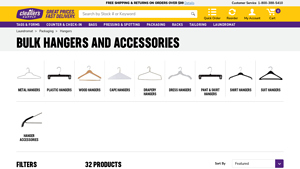
2. Cleaner Supply – Hangers
3. Hangers Direct – 17 Natural Wood Suit Hanger
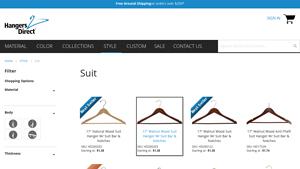
Domain: hangersdirect.com
Registered: 1999 (26 years)
Introduction: Suit Hangers & Coat Hangers available in bulk and wholesale prices. Key products include: 17″ Natural Wood Suit Hanger with Suit Bar & Notches (SKU: HD200202, Starting at $1.38), 17″ Walnut Wood Suit Hanger with Suit Bar & Notches (SKU: HD200203, Starting at $1.38), 17″ Walnut Wood Anti-Theft Suit Hanger with Suit Bar & Notches (SKU: HD1752N, Starting at $1.74), 17″ Rubber Coated Natural Wood Suit…
4. Only Hangers – Diverse Clothing Hangers
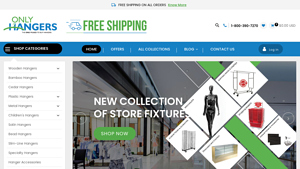
Domain: onlyhangers.com
Registered: 2006 (19 years)
Introduction: Only Hangers offers a wide variety of clothing hangers including: Wooden Hangers (Natural & Chrome, Walnut & Brass, Walnut & Chrome, Black, White, Anti-Theft, Petite Sized, Bamboo, Cedar), Plastic Hangers (Clear, Black, White, Children’s, Shaper, Clothes Vine), Metal Hangers (Vinyl Covered, Salesman’s, Decorative, Foam Padded), and Specialty Hangers. They also provide Hanger Accessories, Hanging F…
5. American Retail Supply – Hangers & Sizers
Domain: americanretailsupply.com
Introduction: American Retail Supply offers a variety of hangers and sizers designed for retail use. The product range includes different types of hangers such as plastic, wooden, and padded options, catering to various clothing types. Additionally, they provide sizers that help in organizing and displaying garments effectively. The hangers are available in multiple sizes and colors to suit different retail nee…
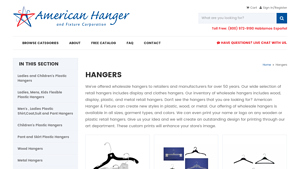
6. American Hanger – Wholesale Retail Hangers
Domain: americanhanger.com
Registered: 1999 (26 years)
Introduction: Wholesale hangers including a wide selection of retail hangers such as wood, display, plastic, and metal. Categories include Ladies and Children’s Plastic Hangers, Men’s and Ladies Plastic Shirt, Coat, Suit, and Pant Hangers, Children’s Plastic Hangers, Pant and Skirt Plastic Hangers, Wood Hangers, Metal Hangers, Plastic Economy Hangers, Display Hangers, Padded, Flocked, Plated Hangers, Reused Pla…
7. Mainetti USA – High-Quality Hangers and Accessories
Domain: usa.mainetti.com
Registered: 1996 (29 years)
Introduction: Mainetti USA offers a diverse range of high-quality hangers and accessories, including:
1. **Wooden Hangers** – Durable and elegant, available in various wood types including cedar, which repels pests and absorbs moisture.
2. **Plastic Hangers** – Affordable and versatile, suitable for basic clothing, available in various sizes and colors.
3. **Wire Hangers** – Inexpensive and commonly used in…
8. Staples Advantage – Wholesale Clothing Hangers
Domain: staplesadvantage.com
Registered: 2006 (19 years)
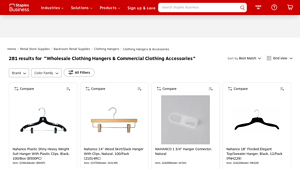
Introduction: Wholesale Clothing Hangers & Commercial Clothing Accessories available at Staples Business. Key products include: 1. Nahanco Plastic Shiny Heavy Weight Suit Hanger With Plastic Clips, Black, 100/Box (Item: 215942, Model: 8500PC) 2. Nahanco 14″ Wood Skirt/Slack Hanger With Clips, Natural, 100/Pack (Item: 215750, Model: 21014RC) 3. NAHANCO 1 3/4″ Hanger Connector, Natural (Item: 216295, Model: HC001…
9. Valentino’s Displays – Hangers & Accessories
Domain: valentinosdisplays.com
Registered: 2010 (15 years)
Introduction: Coat and Clothes Hangers include various types such as Wooden Hangers, Plastic Hangers, Metal Coat Hangers, Dry Cleaner Wire Hangers, Babies, Child and Children’s Hangers, Non-Slip Hangers, Padded, Velvet, Bendy and Flocked Hangers, Hooks, Clips and Accessories, and Size Marking, Size Cubes and Markers. Best Selling Products include: Walnut Broad Jacket Wooden Hangers 45cm (Box of 24) – £84.00 +VA…
10. Shop for Shops – Clothes Hangers
Domain: shopforshops.com
Registered: 2002 (23 years)
Introduction: Clothes Hangers for Every Retail Space. Organise and display garments neatly with a wide range of clothes hangers. Key features include:
✓ Extensive range — clipped, contoured, notched, with rail, without rail, wire hook, flocked & more
✓ Materials — Wooden hangers (standard), premium, slimline, Plastic & Metal
✓ Range of widths — 290 mm, 300 mm, 310 mm, 350 mm, 380 mm, 430 mm, 440 mm
✓ Fast, …
Understanding coat hangers wholesale Types and Variations
| Type Name | Key Distinguishing Features | Primary B2B Applications | Brief Pros & Cons for Buyers |
|---|---|---|---|
| Plastic Hangers | Lightweight, cost-effective, available in various colors | Retail clothing stores, laundromats | Pros: Affordable, versatile. Cons: Less durable than wood or metal. |
| Wooden Hangers | Sturdy, premium finish, often with notches for straps | High-end retail, boutiques | Pros: Enhances garment presentation, durable. Cons: Higher cost, heavier. |
| Metal Hangers | Sleek design, often with clips or rubber grips | Dry cleaners, upscale retailers | Pros: Long-lasting, modern aesthetic. Cons: Can be more expensive, may scratch delicate fabrics. |
| Suit Hangers | Designed specifically for suits, often with anti-theft features | Tailors, formal wear retailers | Pros: Prevents garment damage, specialized design. Cons: Specific to suit types, limited use for other clothing. |
| Specialty Hangers | Includes options for skirts, pants, and delicates | Retailers with diverse clothing lines | Pros: Tailored for specific garments, reduces damage. Cons: Requires more inventory management. |
What Are the Characteristics of Plastic Hangers for Wholesale Purchase?
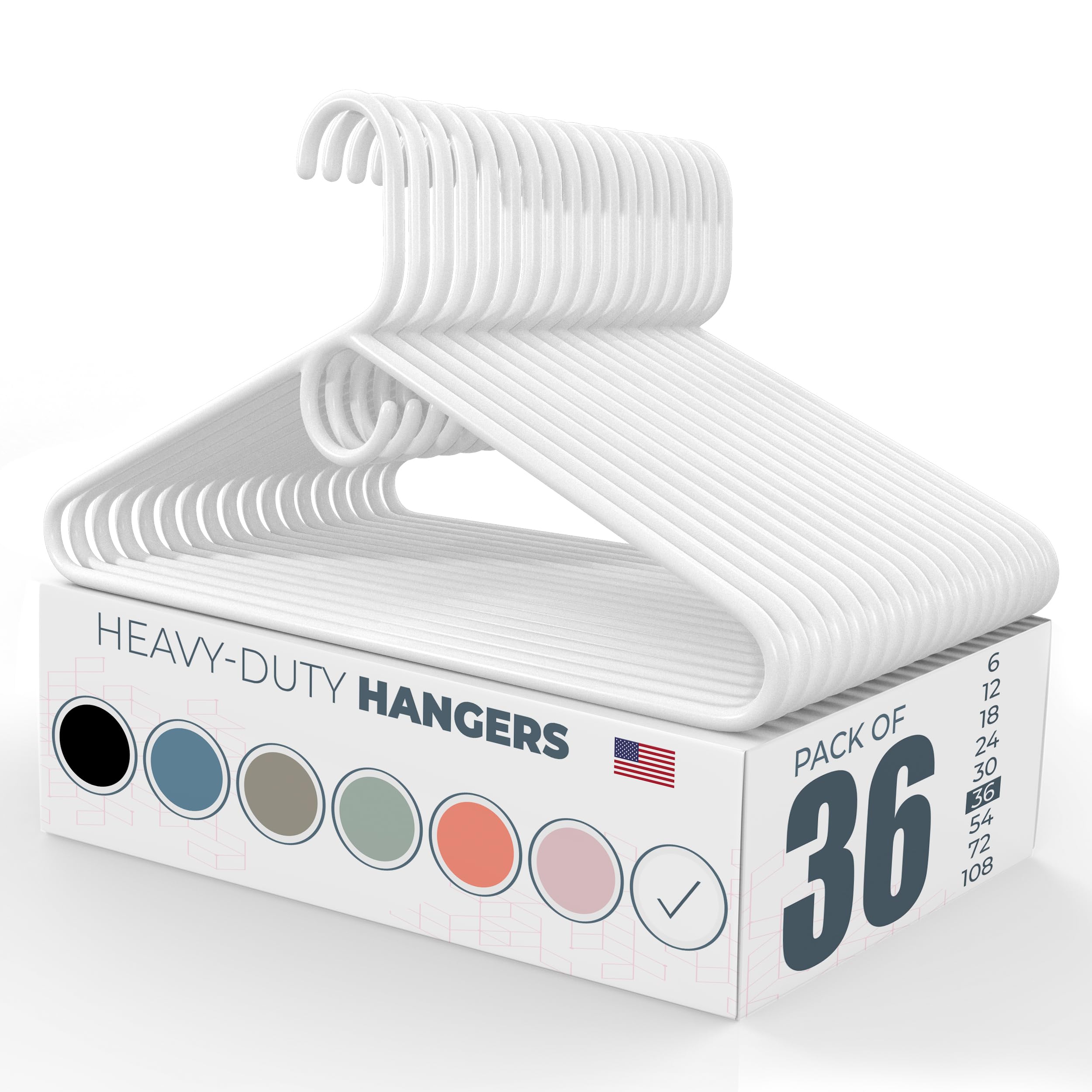
Plastic hangers are a popular choice among B2B buyers due to their lightweight nature and cost-effectiveness. They come in various colors and styles, making them versatile for different retail environments. Suitable for high-volume retailers and laundromats, these hangers are ideal for everyday clothing items. However, while they offer affordability, they may lack the durability of wooden or metal options, making them less suitable for high-end garments.
Why Choose Wooden Hangers for Your Retail Needs?
Wooden hangers provide a premium presentation for garments, making them a preferred choice for boutiques and high-end retailers. They often feature notches for securing straps, which is essential for garments like dresses and suits. B2B buyers should consider the aesthetic appeal and durability of wooden hangers, as they enhance the customer experience. However, the higher cost and weight can be a drawback, especially for businesses with limited budgets.
How Do Metal Hangers Compare in the Wholesale Market?
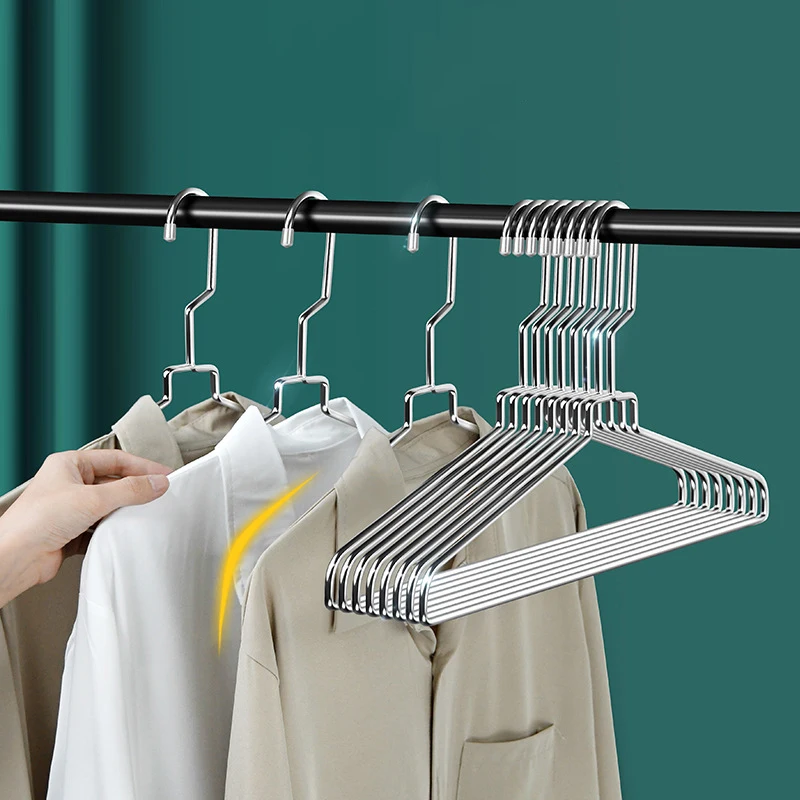
Metal hangers are recognized for their sleek design and strength, often featuring rubber grips or clips. They cater well to dry cleaners and upscale retailers looking for a modern aesthetic. The longevity of metal hangers makes them a worthwhile investment, but buyers should be cautious of potential fabric damage from sharp edges. Their higher price point may also deter some businesses, but the quality can justify the expense.
What Makes Suit Hangers Essential for Tailors and Formal Wear Retailers?
Suit hangers are specifically designed to support the structure of suits, often incorporating anti-theft features for security. Their specialized design prevents damage to the garment, making them indispensable for tailors and formal wear retailers. While they excel in functionality for suits, their use is limited for other types of clothing, which could necessitate additional inventory for diverse offerings.
What Are the Benefits of Specialty Hangers for Diverse Clothing Lines?
Specialty hangers cater to specific garment types such as skirts, pants, and delicates, providing tailored solutions for retailers with diverse clothing lines. These hangers often include features like clips or padded surfaces to prevent damage. While they enhance garment care and organization, managing a variety of specialty hangers can complicate inventory systems. B2B buyers should weigh the benefits of specialized care against the logistical challenges of stocking multiple hanger types.
Key Industrial Applications of coat hangers wholesale
| Industry/Sector | Specific Application of coat hangers wholesale | Value/Benefit for the Business | Key Sourcing Considerations for this Application |
|---|---|---|---|
| Retail Clothing Stores | Displaying garments on sales floors using various hangers types | Enhances visual merchandising, attracts customers, and prevents garment damage | Quality, material variety, bulk pricing, and delivery times |
| Dry Cleaners | Providing hangers for customer garment pick-up and delivery | Ensures garments maintain shape and cleanliness, enhancing customer satisfaction | Durability, customization options, and eco-friendly materials |
| Hotels and Hospitality | Offering coat hangers in guest rooms and laundry services | Improves guest experience and maintains garment quality during stays | Aesthetic appeal, bulk purchasing, and branding options |
| E-commerce Fulfillment | Packing garments with appropriate hangers for shipping | Reduces return rates due to garment damage, improves customer satisfaction | Lightweight materials, cost-effectiveness, and shipping efficiency |
| Event Planning & Rentals | Providing hangers for formal wear and costumes during events | Ensures garments are well-presented and ready for use, enhancing the event experience | Variety in styles, strength for heavy garments, and bulk availability |
How Are Coat Hangers Wholesale Utilized in Retail Clothing Stores?
In retail clothing stores, coat hangers are essential for displaying garments attractively on sales floors. Using a variety of hangers—such as wooden, plastic, or metal—can enhance visual merchandising, making items more appealing to customers. This application helps prevent garment damage, such as stretching or misshaping, ensuring that clothing remains in pristine condition, which is vital for maintaining brand reputation. International B2B buyers in regions like Africa and South America should consider sourcing high-quality hangers that align with their merchandise aesthetics while also ensuring bulk pricing for cost efficiency.
What Role Do Coat Hangers Play in Dry Cleaning Services?
Dry cleaners utilize coat hangers for the effective pick-up and delivery of garments. Providing sturdy and reliable hangers ensures that customers receive their clothes in excellent condition, maintaining their shape and cleanliness. This application not only enhances customer satisfaction but also reflects the quality of service offered by the cleaner. For B2B buyers in the Middle East and Europe, sourcing durable hangers that can withstand frequent handling and are customizable with branding can provide a competitive edge in the market.
How Do Hotels Benefit from Using Coat Hangers?
In the hospitality sector, hotels and resorts provide coat hangers in guest rooms and laundry services to enhance the guest experience. High-quality hangers help maintain the shape of garments during a guest’s stay, offering convenience and contributing to overall satisfaction. When sourcing coat hangers, international buyers should focus on aesthetic appeal and durability, as well as options for bulk purchasing to meet their inventory needs efficiently.
Why Are Coat Hangers Important for E-commerce Fulfillment?
E-commerce businesses often use coat hangers when packing garments for shipping. By including appropriate hangers, businesses can minimize garment damage during transit, thus reducing return rates and improving customer satisfaction. For B2B buyers in regions like Brazil and Vietnam, sourcing lightweight yet sturdy hangers can be crucial for maintaining shipping efficiency and cost-effectiveness, ensuring that products arrive in perfect condition.
How Are Coat Hangers Used in Event Planning and Rentals?
In the event planning and costume rental industry, coat hangers are crucial for presenting formal wear and costumes. They ensure that garments are well-presented and ready for use, significantly enhancing the overall experience for attendees. B2B buyers should look for a variety of styles that can support heavier garments while ensuring bulk availability for larger events. This consideration is essential for maintaining a professional image and ensuring that garments are delivered in excellent condition.
A stock image related to coat hangers wholesale.
3 Common User Pain Points for ‘coat hangers wholesale’ & Their Solutions
Scenario 1: Managing Diverse Inventory Needs for Different Markets
The Problem:
B2B buyers often face the challenge of meeting the varied demands of their customers across different regions. For instance, a retailer in Europe may require high-quality wooden coat hangers for luxury apparel, while a buyer in Africa might prefer cost-effective plastic hangers for bulk clothing sales. This diversity can complicate inventory management and lead to either surplus stock or shortages, impacting sales and customer satisfaction.
The Solution:
To effectively manage diverse inventory needs, buyers should start by conducting thorough market research to understand regional preferences and trends. This involves analyzing customer demographics and sales data to identify which types of hangers are most popular in specific areas. Once these preferences are established, buyers should work with manufacturers who offer a variety of hanger types—plastic, wood, and metal—at wholesale prices.
Additionally, implementing a flexible ordering strategy can help. For instance, consider using a just-in-time (JIT) inventory system that allows you to order smaller quantities of various types of hangers based on real-time sales data. This approach minimizes storage costs while ensuring that you have the right products available when your customers need them.
Scenario 2: Quality Control and Durability Concerns
The Problem:
Another significant pain point for B2B buyers is ensuring the quality and durability of coat hangers, especially when purchasing in bulk. Low-quality hangers can lead to damaged garments, resulting in returns and dissatisfied customers. For instance, a retailer that uses flimsy plastic hangers may find that they break easily, causing garments to fall and become wrinkled or damaged.
The Solution:
To address quality control concerns, buyers should establish strict quality criteria before sourcing coat hangers. This includes specifying materials, thickness, and weight-bearing capacity. Working directly with manufacturers who provide samples can help assess the quality before placing large orders.
Furthermore, it’s beneficial to seek out suppliers who offer warranties or guarantees on their products. This not only serves as a quality assurance measure but also builds trust between the buyer and supplier. Regular audits and feedback loops with suppliers can help ensure that the quality remains consistent across orders.
Scenario 3: Shipping and Logistics Challenges
The Problem:
International buyers often struggle with shipping logistics, including costs, customs regulations, and delivery timelines. For instance, a buyer in Brazil may find that high shipping costs significantly increase the overall expense of sourcing coat hangers from overseas. Additionally, delays in customs clearance can disrupt inventory flow, resulting in missed sales opportunities.
The Solution:
To mitigate shipping and logistics challenges, buyers should consider working with freight forwarders who specialize in international shipping. These professionals can provide valuable insights into the best shipping routes, customs regulations, and cost-effective solutions.
Establishing a strong relationship with suppliers who are experienced in international logistics can also streamline the process. For instance, some suppliers may offer direct shipping options or even localized warehouses in the buyer’s region, reducing lead times and costs.
Finally, buyers should calculate the total landed cost of products, including shipping, tariffs, and handling fees, to make informed purchasing decisions. By understanding the complete cost structure, B2B buyers can negotiate better terms with suppliers and optimize their procurement strategy.
Strategic Material Selection Guide for coat hangers wholesale
When selecting materials for coat hangers in a wholesale context, understanding the properties, advantages, and limitations of each material is crucial for international buyers. This guide will analyze four common materials: plastic, wood, metal, and cedar, providing insights tailored for B2B buyers from diverse regions including Africa, South America, the Middle East, and Europe.
What Are the Key Properties of Plastic Hangers?
Plastic hangers are lightweight and versatile, typically made from high-density polyethylene (HDPE) or polypropylene. They exhibit good temperature resistance, making them suitable for various environments. However, they can be less durable than other materials, particularly under heavy loads or extreme temperatures.
Pros and Cons:
Plastic hangers are cost-effective and easy to manufacture, making them an attractive option for bulk purchases. However, they may not support heavier garments well, leading to potential deformation over time. For international buyers, ensuring compliance with local regulations regarding plastic use is essential, especially in regions with strict environmental laws.
How Do Wooden Hangers Compare in Performance?
Wooden hangers, often crafted from materials like beech or walnut, are known for their strength and aesthetic appeal. They provide excellent support for heavier garments, preventing stretching and maintaining the shape of clothing. Wooden hangers can be treated for moisture resistance, enhancing their durability.
Pros and Cons:
The key advantage of wooden hangers is their robustness and premium appearance, which can elevate the presentation of garments in retail settings. However, they tend to be more expensive than plastic options and can require more complex manufacturing processes. International buyers should consider the sourcing of sustainably harvested wood to meet compliance standards in their regions.
What Are the Benefits of Metal Hangers?
Metal hangers, typically made from stainless steel or coated with a protective layer, offer exceptional durability and a modern look. They are resistant to corrosion and can handle heavy clothing without bending or breaking.
Pros and Cons:
The primary advantage of metal hangers is their longevity and strength, making them suitable for high-end retail environments. However, they can be heavier and more expensive than plastic or wooden options. Buyers in warmer climates should ensure that the metal is treated to prevent rust, particularly in humid conditions.
Why Choose Cedar Hangers for Specific Applications?
Cedar hangers are a niche option that combines functionality with a natural fragrance. They are particularly effective in repelling moths and absorbing moisture, making them ideal for long-term garment storage.
Pros and Cons:
The unique advantage of cedar hangers lies in their ability to protect clothing while providing a pleasant scent. However, they are generally more expensive and may not be suitable for all types of garments. International buyers should check for any specific regulations regarding the use of natural wood products in their markets.
Summary Table of Material Selection for Coat Hangers Wholesale
| Material | Typical Use Case for coat hangers wholesale | Key Advantage | Key Disadvantage/Limitation | Relative Cost (Low/Med/High) |
|---|---|---|---|---|
| Plastic | Retail stores for lightweight garments | Cost-effective and versatile | Less durable for heavy items | Low |
| Wood | High-end retail and boutiques | Robust and aesthetically pleasing | Higher cost and manufacturing complexity | High |
| Metal | Premium clothing lines and heavy garments | Exceptional durability and modern look | Heavier and more expensive | Medium |
| Cedar | Long-term garment storage | Natural moth repellent and moisture absorption | Higher cost and limited garment compatibility | High |
This analysis provides a comprehensive overview of the materials available for coat hangers in the wholesale market. By considering the properties, pros and cons, and specific regional considerations, international buyers can make informed decisions that align with their business needs and compliance requirements.
A stock image related to coat hangers wholesale.
In-depth Look: Manufacturing Processes and Quality Assurance for coat hangers wholesale
What Are the Key Stages in the Manufacturing Process of Wholesale Coat Hangers?
Manufacturing coat hangers involves a systematic approach that ensures efficiency and quality. The process can be broken down into several key stages: material preparation, forming, assembly, and finishing.
-
Material Preparation: The first step involves selecting the appropriate materials, which can range from plastic and wood to metal. Each material is chosen based on the intended use and target market. For instance, wooden hangers may be preferred for high-end retail clothing, while plastic hangers are often used for budget-conscious consumers. Once the materials are sourced, they undergo quality checks to ensure they meet industry standards.
-
Forming: This stage involves shaping the raw materials into the desired hanger forms. For plastic hangers, injection molding is commonly used, where heated plastic is injected into molds to create various shapes. Wooden hangers may be produced through cutting, shaping, and drying processes, while metal hangers typically undergo bending and welding. Advanced techniques such as CNC machining can ensure precision and uniformity in the production process.
-
Assembly: After forming, the hangers may require additional components, such as non-slip grips or clips. This stage involves assembling these parts, often using automated machinery for efficiency. For wooden hangers, this may include attaching notches or bars to accommodate different clothing styles. Quality control is critical at this stage to ensure that all components fit together seamlessly.
-
Finishing: The final stage of manufacturing involves applying finishes that enhance the appearance and durability of the hangers. This may include painting, varnishing, or applying protective coatings. For example, wooden hangers may be sanded and treated to provide a smooth, scratch-resistant surface. The finishing process not only contributes to the aesthetic appeal but also protects the hangers from wear and tear.
How Does Quality Assurance Work in Coat Hanger Manufacturing?
Quality assurance (QA) is essential in ensuring that the final products meet both regulatory and customer expectations. The QA process for coat hangers typically adheres to international standards such as ISO 9001 and industry-specific certifications like CE marking or API standards.
-
International Standards: Compliance with ISO 9001 ensures that manufacturers implement effective quality management systems. This includes regular audits and documentation of processes, which can help in maintaining consistency and quality across production batches.
-
Quality Control Checkpoints: Several checkpoints are established throughout the manufacturing process:
– Incoming Quality Control (IQC): Raw materials are inspected for quality before they enter the production line. This ensures that only materials meeting the required standards are used.
– In-Process Quality Control (IPQC): During the manufacturing stages, inspections are carried out to identify defects early. This can include checking the dimensions of hangers during the forming stage or ensuring proper assembly.
– Final Quality Control (FQC): Once the hangers are fully assembled and finished, they undergo a final inspection to check for defects in appearance, functionality, and packaging. -
Common Testing Methods: Various testing methods are employed to validate the quality of the hangers. These can include tensile strength tests for metal hangers, weight capacity tests for wooden hangers, and environmental tests to assess durability under different conditions.
How Can B2B Buyers Verify the Quality Control Measures of Their Suppliers?
For international B2B buyers, especially those from regions like Africa, South America, the Middle East, and Europe, verifying supplier quality control is crucial. Here are several strategies to consider:
-
Supplier Audits: Conducting on-site audits of suppliers can provide invaluable insights into their manufacturing processes and quality control measures. During these audits, buyers can assess the adherence to international standards and the efficiency of production methods.
-
Quality Assurance Reports: Requesting detailed quality assurance reports from suppliers can help buyers understand the methodologies and metrics used in quality control. These reports should include information about defect rates, compliance with standards, and any corrective actions taken.
-
Third-Party Inspections: Engaging third-party inspection agencies can provide an unbiased evaluation of the supplier’s quality control processes. These inspections can be particularly useful for bulk orders, ensuring that products meet specified standards before shipment.
-
Certifications and Compliance: Buyers should verify that their suppliers hold relevant certifications, such as ISO 9001 or CE marking. These certifications indicate that the supplier adheres to recognized quality management practices, which can significantly reduce the risk of receiving substandard products.
What Nuances Should International B2B Buyers Consider in Quality Control?
When sourcing coat hangers wholesale from manufacturers in different regions, international buyers should be aware of specific nuances that may affect quality control:
-
Cultural Differences: Understanding the cultural context of suppliers can impact communication and expectations regarding quality. Different regions may have varying approaches to manufacturing and quality assurance, which can affect the final product.
-
Regulatory Compliance: Each region may have specific regulations regarding materials and manufacturing processes. Buyers should ensure that suppliers comply with local regulations to avoid legal issues and ensure product safety.
-
Logistical Considerations: The logistics of transporting products internationally can also affect quality. Ensuring that suppliers use appropriate packaging and shipping methods can help prevent damage during transit.
-
Building Relationships: Establishing strong relationships with suppliers can facilitate better communication and cooperation regarding quality control. Long-term partnerships often lead to improved understanding and adherence to quality expectations.
By understanding the manufacturing processes and quality assurance practices for coat hangers, international B2B buyers can make informed decisions that align with their quality standards and business needs.
Practical Sourcing Guide: A Step-by-Step Checklist for ‘coat hangers wholesale’
Introduction
Sourcing coat hangers wholesale is a vital step for businesses in retail, hospitality, and other sectors that rely on effective garment presentation. This guide provides a practical checklist to streamline the procurement process, ensuring that B2B buyers make informed decisions while maximizing value and quality.
Step 1: Define Your Technical Specifications
Before reaching out to suppliers, outline your specific requirements for coat hangers. Consider factors such as material (wood, plastic, metal), size, weight capacity, and design features (notches, anti-theft mechanisms). Having clear specifications helps you communicate effectively with suppliers and ensures you receive products that meet your needs.
Step 2: Research Potential Suppliers
Conduct thorough research to identify reputable suppliers with a proven track record in providing coat hangers. Utilize online directories, trade shows, and industry forums to gather a list of potential partners. Pay attention to their specialization in hangers and the markets they serve, as this can indicate their ability to meet your specific demands.
Step 3: Evaluate Supplier Certifications and Compliance
Verify that potential suppliers comply with relevant industry standards and certifications. This may include quality management (ISO 9001), environmental standards (ISO 14001), or safety certifications for materials used. Suppliers with recognized certifications demonstrate a commitment to quality and sustainability, which can enhance your brand reputation.
Step 4: Request Samples for Quality Assessment
Before placing a bulk order, request samples of the hangers you’re considering. Evaluate the quality, durability, and functionality of the samples to ensure they meet your expectations. Look for details such as finish quality, strength, and how well they support the garments they’re designed for.
Step 5: Negotiate Pricing and Terms
Once you’ve identified a suitable supplier, engage in negotiations to secure the best possible pricing and terms. Discuss volume discounts, payment terms, and shipping costs, as these factors can significantly impact your overall expenditure. Be clear about your expectations and ensure that all terms are documented to avoid misunderstandings later.
Step 6: Assess Shipping and Delivery Logistics
Understand the supplier’s shipping options and delivery timelines. Evaluate their ability to meet your deadlines, especially if you operate in regions with specific logistical challenges. Consider whether they offer tracking services and how they handle customs clearance for international shipments, which is particularly important for buyers in Africa, South America, the Middle East, and Europe.
Step 7: Establish a Communication Plan
Effective communication is key to a successful sourcing relationship. Set up regular check-ins with your supplier to discuss order status, address potential issues, and provide feedback. Establishing a clear line of communication helps build a strong partnership and can lead to better service and product quality over time.
By following this checklist, B2B buyers can navigate the complexities of sourcing coat hangers wholesale effectively, ensuring that they secure high-quality products that meet their operational needs.
Comprehensive Cost and Pricing Analysis for coat hangers wholesale Sourcing
What Are the Key Cost Components in Wholesale Coat Hanger Sourcing?
When sourcing coat hangers wholesale, understanding the cost structure is essential for effective budgeting and decision-making. The primary cost components include:
-
Materials: The type of material significantly influences the cost. Wooden hangers, for instance, are generally more expensive than plastic or metal options due to the quality and sourcing of raw materials. Specialty materials, such as cedar for odor absorption, can further escalate costs.
-
Labor: Labor costs vary by region and depend on the manufacturing process. Regions with lower labor costs might offer cheaper hangers, but this can sometimes compromise quality.
-
Manufacturing Overhead: This includes costs related to the production facility, utilities, and maintenance. Higher overhead in developed regions can lead to increased prices.
-
Tooling: Custom designs or specific sizes may require specialized tooling, adding to the initial investment. This is particularly relevant for businesses seeking unique branding opportunities.
-
Quality Control (QC): Rigorous QC processes ensure that hangers meet quality standards, which can add to the cost but ultimately reduce returns and customer complaints.
-
Logistics: Shipping costs can vary widely depending on the location of the supplier and the buyer. International shipping, customs duties, and tariffs must be accounted for, especially when sourcing from countries like Vietnam or Brazil.
-
Margin: Suppliers typically build in a profit margin, which can range from 10% to 30%, depending on the market and competition.
How Do Pricing Influencers Affect Wholesale Coat Hanger Costs?
Several factors can influence the pricing of wholesale coat hangers:
-
Volume/MOQ: Minimum Order Quantities (MOQs) can significantly impact pricing. Ordering in bulk often leads to lower per-unit costs, making it advantageous for businesses with higher demand.
-
Specifications and Customization: Custom designs or specific features, such as anti-theft mechanisms or unique finishes, can increase costs. Buyers should weigh the benefits of customization against their budget constraints.
-
Materials and Quality Certifications: Higher-quality materials and certifications (e.g., eco-friendly, sustainable) can lead to increased prices. Buyers should consider the long-term value and brand perception associated with higher-quality products.
-
Supplier Factors: The reputation, reliability, and location of the supplier can influence pricing. Established suppliers may charge more due to perceived reliability, while newer or less-known suppliers might offer lower prices to gain market share.
-
Incoterms: Understanding shipping terms (e.g., FOB, CIF) can help buyers manage total costs. Incoterms define the responsibilities of buyers and sellers in international shipping, affecting overall pricing.
What Are the Best Buyer Tips for Cost-Efficient Wholesale Sourcing?
For international B2B buyers, particularly those from Africa, South America, the Middle East, and Europe, here are actionable tips for navigating the cost landscape:
-
Negotiate Effectively: Always negotiate terms and pricing with suppliers. Establishing a good relationship can lead to better pricing and terms over time.
-
Focus on Total Cost of Ownership (TCO): Evaluate not just the purchase price but the total cost of ownership, including logistics, storage, and potential product returns. A lower upfront cost may lead to higher overall expenses.
-
Consider Pricing Nuances for International Transactions: Be aware of currency fluctuations, import duties, and local taxes when sourcing from overseas. These can significantly affect the final cost.
-
Research and Compare Suppliers: Take the time to research multiple suppliers to understand market pricing. Use this information to leverage better deals.
-
Stay Informed About Market Trends: Keep abreast of industry trends, material costs, and market demands. This knowledge can help in negotiating better prices and understanding when to purchase.
Disclaimer on Indicative Prices
Prices for coat hangers can fluctuate based on various factors, including market demand, material costs, and supplier changes. It is essential for buyers to conduct their own research and obtain current quotes to ensure accurate budgeting.
Alternatives Analysis: Comparing coat hangers wholesale With Other Solutions
Introduction to Alternative Solutions for Coat Hangers Wholesale
In the competitive landscape of retail and garment care, businesses often seek various solutions to enhance their operational efficiency and product presentation. While wholesale coat hangers provide a traditional method for displaying and storing garments, alternative solutions may offer unique advantages that cater to specific business needs. This analysis compares wholesale coat hangers with alternative storage and display methods, helping B2B buyers make informed decisions.
Comparison Table
| Comparison Aspect | Coat Hangers Wholesale | Alternative 1: Shelving Systems | Alternative 2: Garment Racks |
|---|---|---|---|
| Performance | Effective for hanging garments | Offers versatile storage options | Ideal for high visibility displays |
| Cost | Generally low unit cost | Higher initial investment | Moderate cost with flexibility |
| Ease of Implementation | Simple to use and widely available | Requires assembly and space planning | Easy to set up, but may require space |
| Maintenance | Minimal maintenance required | Regular cleaning needed | Maintenance depends on material used |
| Best Use Case | Retail stores, laundries, closets | Warehouses, boutiques | Pop-up shops, events, and markets |
Detailed Breakdown of Alternatives
What Are the Benefits and Drawbacks of Using Shelving Systems?
Shelving systems provide versatile storage solutions that can accommodate a range of products, including folded garments, shoes, and accessories. These systems maximize vertical space, making them suitable for smaller retail environments. However, the initial investment can be higher than that of purchasing coat hangers, and they require careful planning and assembly. Additionally, while shelving can enhance organization, it may not offer the same aesthetic appeal as hanging garments, potentially impacting customer perception.
How Do Garment Racks Compare to Coat Hangers Wholesale?
Garment racks are another alternative that allows for high visibility of products, making them ideal for temporary displays at events or pop-up shops. These racks can accommodate a large volume of clothing and are easily transportable, which is beneficial for businesses that frequently change their display setups. However, garment racks may require more space than traditional coat hangers and can be less effective for long-term storage. Their cost can vary widely based on material and design, making it essential for buyers to evaluate their specific needs and budget.
Conclusion: Choosing the Right Solution for Your Needs
When selecting the appropriate solution for garment storage and display, B2B buyers should consider their operational requirements, budget constraints, and the overall customer experience they wish to create. While coat hangers wholesale offer a cost-effective and efficient means of displaying clothing, shelving systems and garment racks present viable alternatives that may better suit specific business models. By analyzing the performance, cost, and maintenance of each option, businesses can ensure they choose the best solution to enhance their retail environment and meet their unique needs.
Essential Technical Properties and Trade Terminology for coat hangers wholesale
What Are the Key Technical Properties of Coat Hangers in Wholesale?
When sourcing coat hangers for wholesale, understanding their technical properties is crucial for ensuring product quality and suitability for various clothing types. Here are several essential specifications to consider:
1. Material Grade
Coat hangers are typically made from materials such as plastic, wood, or metal. The material grade affects durability, aesthetic appeal, and the ability to support different garment weights. For instance, wooden hangers offer superior support for heavier items like suits, while plastic hangers are lightweight and cost-effective for lighter garments. Selecting the right material is essential for meeting customer expectations and maintaining garment integrity.
2. Load Capacity
This specification refers to the maximum weight a hanger can support without deforming or breaking. Understanding the load capacity is critical when stocking hangers for various clothing types. For instance, suit hangers should have a higher load capacity to accommodate the weight of jackets, while regular shirt hangers may require less. Ensuring that hangers can support the intended garments prevents damage and returns.
3. Dimensions and Tolerances
Hanger dimensions—including length, width, and thickness—are vital to ensure they fit well in storage or display areas. Tolerances refer to the allowable deviation in these dimensions. For example, a suit hanger may need to be 17 inches wide with a tolerance of ±0.5 inches to ensure it fits various suit sizes. Properly specified dimensions enhance organization and display effectiveness, making them appealing to buyers.
4. Surface Finish
The surface finish of hangers can affect both aesthetics and functionality. For wooden hangers, a smooth finish prevents snags on delicate fabrics, while a lacquered finish can provide added protection against moisture. In metal hangers, a rust-resistant coating is often crucial for maintaining appearance and longevity. Choosing hangers with the right surface finish enhances product quality and customer satisfaction.
5. Eco-Friendliness
With increasing consumer awareness of sustainability, the eco-friendliness of materials used in coat hangers is becoming a significant consideration. Hangers made from recycled or sustainably sourced materials appeal to environmentally conscious retailers. This aspect can also influence branding and market positioning, making it essential for wholesalers to consider eco-friendly options in their inventory.
What Are Common Trade Terms Used in Coat Hanger Wholesale?
Understanding industry jargon is essential for effective communication and decision-making in the wholesale market. Here are several common terms:
1. OEM (Original Equipment Manufacturer)
This term refers to companies that produce parts or equipment that may be marketed by another manufacturer. In the context of coat hangers, an OEM might design and manufacture hangers for a specific brand, allowing retailers to sell them under their label. Knowing about OEM partnerships can help buyers find unique products tailored to their needs.
2. MOQ (Minimum Order Quantity)
MOQ specifies the minimum number of units a buyer must purchase in a single order. This is crucial for wholesalers as it helps manage production costs and inventory levels. Understanding MOQs can assist buyers in negotiating better deals and managing their stock effectively.
3. RFQ (Request for Quotation)
An RFQ is a document sent to suppliers requesting pricing and availability for specific products. When sourcing coat hangers, buyers can issue RFQs to multiple suppliers to compare costs and terms. This practice helps in making informed purchasing decisions and establishing competitive pricing.
4. Incoterms (International Commercial Terms)
These are standardized terms used in international trade to define the responsibilities of buyers and sellers. Incoterms determine who pays for shipping, insurance, and tariffs. Familiarity with these terms is essential for international buyers to ensure clarity in transactions and avoid unexpected costs.
5. Lead Time
Lead time refers to the period between placing an order and receiving the goods. In the coat hanger wholesale business, understanding lead times is vital for inventory management and ensuring timely product availability. Buyers should consider lead times when planning their stock replenishment strategies.
By grasping these technical properties and trade terms, B2B buyers can make informed decisions, optimize their purchasing processes, and enhance their overall supply chain efficiency.
Navigating Market Dynamics and Sourcing Trends in the coat hangers wholesale Sector
What Are the Current Market Dynamics and Key Trends in the Coat Hangers Wholesale Sector?
The coat hangers wholesale market is witnessing significant growth, driven by various global factors. Increased demand for retail and e-commerce sectors, particularly in emerging markets like Africa, South America, and Southeast Asia, has led to an uptick in the production and distribution of high-quality hangers. This growth is fueled by the rise of fashion-conscious consumers and the need for retailers to present garments attractively. Notably, countries such as Vietnam and Brazil are becoming key players in this market, leveraging their manufacturing capabilities to meet international demand.
Emerging technologies are also reshaping the sourcing landscape. Automation in manufacturing processes is enhancing efficiency and reducing costs, enabling suppliers to offer competitive pricing. Furthermore, digital platforms are facilitating more streamlined communication and transactions between manufacturers and international buyers. E-commerce platforms and B2B marketplaces are increasingly favored by buyers seeking to source hangers in bulk without geographical limitations. The adoption of data analytics is also helping businesses predict trends and optimize inventory management, ensuring that retailers have the right products available when needed.
How Are Sustainability and Ethical Sourcing Shaping the Coat Hangers Wholesale Market?
Sustainability and ethical sourcing have become paramount in the coat hangers wholesale sector. As awareness of environmental issues grows, businesses are increasingly held accountable for their supply chain practices. The production of coat hangers, particularly those made from plastic and wood, can have significant environmental impacts. Therefore, suppliers are now focusing on sustainable materials, such as recycled plastics and responsibly sourced wood, to minimize their ecological footprint.
International buyers are prioritizing suppliers with strong commitments to sustainability. Certifications like FSC (Forest Stewardship Council) for wood products and ISO 14001 for environmental management systems are becoming essential for businesses aiming to establish credibility in the market. Additionally, transparency in the supply chain is crucial; buyers are seeking assurance that their hangers are produced in facilities that adhere to ethical labor practices and environmental standards. By emphasizing sustainability and ethical sourcing, businesses can not only enhance their brand reputation but also cater to the growing consumer demand for responsible products.
What Is the Brief Evolution of the Coat Hangers Wholesale Sector?
The coat hangers wholesale sector has evolved significantly over the decades. Initially, hangers were primarily made from basic materials like metal and wood, serving the functional purpose of holding clothes. However, as the fashion industry grew and consumer preferences shifted, the demand for aesthetically pleasing and durable hangers increased. The introduction of plastic hangers in the mid-20th century revolutionized the market, offering lightweight and versatile options.
In recent years, the focus has shifted towards innovation and customization, with manufacturers exploring unique designs and materials that cater to specific retail needs. The rise of online retail has further accelerated this evolution, as retailers seek to enhance the shopping experience through improved product presentation. Today, coat hangers are not only functional items but also integral components of retail branding and customer experience. This evolution underscores the importance of staying attuned to market trends and consumer preferences for B2B buyers navigating the coat hangers wholesale sector.
Frequently Asked Questions (FAQs) for B2B Buyers of coat hangers wholesale
-
How do I choose the right type of coat hanger for my business needs?
Selecting the right coat hanger is crucial for maintaining the quality of your garments. Consider the material—wooden hangers offer durability and elegance, while plastic hangers are lightweight and cost-effective. Assess the specific requirements of your clothing types, such as notches for straps or a suit bar for jackets. Additionally, think about your brand image; premium hangers can enhance customer perception. It’s advisable to order samples before committing to bulk purchases to ensure they meet your quality expectations. -
What is the minimum order quantity (MOQ) for wholesale coat hangers?
Minimum order quantities can vary significantly among suppliers, typically ranging from 100 to 1,000 units or more, depending on the type and material of the hangers. Be sure to clarify the MOQ with your chosen supplier to avoid unexpected costs. Some suppliers may offer flexible MOQs for new clients or specific promotional deals, allowing for smaller orders. Always confirm the MOQ before placing an order to ensure it aligns with your inventory needs. -
How can I customize coat hangers for my brand?
Many wholesale suppliers offer customization options, such as branding with your logo, specific colors, or unique designs. You can request tailored features like padded or flocked surfaces for added protection. Discuss your ideas with the supplier to explore available options and any associated costs. Keep in mind that custom orders may have longer lead times, so plan accordingly to avoid delays in your supply chain. -
What payment terms should I expect when ordering coat hangers wholesale?
Payment terms can vary by supplier, but common practices include a deposit (often 30-50%) upon order confirmation, with the balance due before shipment. Some suppliers may offer credit terms for established businesses. Always clarify payment methods accepted, such as bank transfers or credit cards, and inquire about any early payment discounts. Ensure that all terms are documented in your purchase agreement to avoid misunderstandings. -
What quality assurance measures should I look for in coat hanger suppliers?
Quality assurance is vital to ensure that your products meet industry standards. Look for suppliers who have certifications, such as ISO, which indicate adherence to quality management systems. Request samples to evaluate the durability and finish of the hangers. Additionally, inquire about their return policy and warranty coverage, as reputable suppliers should stand behind their products and offer remedies for defective items. -
How do I handle shipping and logistics for international orders of coat hangers?
Shipping logistics can be complex, especially for international orders. It is crucial to discuss shipping options with your supplier, including freight forwarders and courier services that can handle customs clearance. Understand the estimated delivery times and costs, and ensure that you have all necessary documentation for customs duties and taxes. Establishing a reliable logistics partner can streamline the process and mitigate potential delays. -
What are the benefits of sourcing coat hangers from different regions?
Sourcing from different regions can provide cost advantages, access to unique materials, and diverse designs. For example, wooden hangers from Europe may offer superior craftsmanship, while plastic options from Asia could be more affordable. Consider the overall supply chain impact, including shipping costs and lead times. Diversifying your supplier base can also reduce risk and enhance your bargaining power. -
How can I ensure compliance with international trade regulations when importing coat hangers?
Compliance with international trade regulations is essential to avoid legal issues and potential fines. Research the import regulations for your specific country, including tariffs, customs duties, and safety standards for materials used in coat hangers. It’s advisable to work with a customs broker or trade compliance specialist to navigate the complexities of international shipping. Keep accurate records of all transactions and communications with suppliers to ensure transparency and compliance.
Important Disclaimer & Terms of Use
⚠️ Important Disclaimer
The information provided in this guide, including content regarding manufacturers, technical specifications, and market analysis, is for informational and educational purposes only. It does not constitute professional procurement advice, financial advice, or legal advice.
While we have made every effort to ensure the accuracy and timeliness of the information, we are not responsible for any errors, omissions, or outdated information. Market conditions, company details, and technical standards are subject to change.
B2B buyers must conduct their own independent and thorough due diligence before making any purchasing decisions. This includes contacting suppliers directly, verifying certifications, requesting samples, and seeking professional consultation. The risk of relying on any information in this guide is borne solely by the reader.
Strategic Sourcing Conclusion and Outlook for coat hangers wholesale
In the evolving landscape of wholesale coat hangers, strategic sourcing emerges as a vital practice for international buyers aiming to optimize their supply chains. By understanding the diverse range of products available—ranging from plastic and wooden to metal hangers—buyers can select options that not only meet their quality standards but also align with their branding needs. Additionally, focusing on reliable suppliers ensures consistent product availability and fosters long-term business relationships, which are essential in competitive markets.
The increasing demand for sustainable and innovative materials reflects a broader consumer trend towards eco-consciousness. As buyers from Africa, South America, the Middle East, and Europe explore these options, they should consider suppliers that prioritize sustainability without compromising on quality.
Looking ahead, the global market for coat hangers is poised for growth. By leveraging strategic sourcing, B2B buyers can not only enhance their product offerings but also gain a competitive edge in their respective markets. We encourage you to engage with suppliers that resonate with your business values and explore opportunities that could elevate your brand’s presence in the retail space. Act now to secure your place in this dynamic market!