
The Ultimate Guide to Sourcing Wholesale Tarpaulin: Top 4 Companies…
Introduction: Navigating the Global Market for wholesale tarpaulin
In an increasingly interconnected world, sourcing high-quality wholesale tarpaulin can be a daunting task for international B2B buyers. With diverse applications ranging from construction and agriculture to event management and disaster relief, the need for reliable suppliers who can deliver durable, cost-effective tarps is critical. This comprehensive guide is designed to empower businesses, particularly those operating in Africa, South America, the Middle East, and Europe—including key markets like Germany and Vietnam—by providing actionable insights into the wholesale tarpaulin market.
Throughout this guide, we will explore various types of tarpaulin materials, including poly, canvas, and vinyl, each with distinct properties suited for different uses. We will also cover essential aspects such as supplier vetting processes, pricing strategies, and bulk purchasing benefits, ensuring you make informed decisions tailored to your specific operational needs. By understanding the nuances of the tarpaulin market, you can effectively navigate challenges related to quality assurance, lead times, and logistical considerations.
Armed with this knowledge, B2B buyers will be better positioned to forge strategic partnerships with suppliers, optimize procurement processes, and ultimately enhance their operational efficiency. This guide is your roadmap to mastering the wholesale tarpaulin landscape, ensuring you select the right products at the best prices for your business endeavors.
Top 10 Wholesale Tarpaulin Manufacturers & Suppliers List
1. RhinoTex – Tarpaulin Material Wholesale
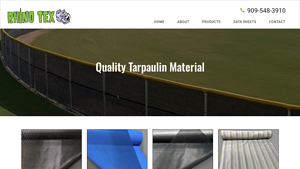
Domain: rhinotex.com
Registered: 2018 (7 years)
Introduction: Tarpaulin Material Wholesale: B1 – 8oz MESH, B2 – 8oz WINDSCREEN, B3 – 10oz MESH, B4 – 10oz MESH – MULTI COLOR, B5 – 13oz MESH – HEAVY DUTY, B6 – 1.47oz ANTI HAIL NET, B7 – AGRICULTURE SCREEN, B8 – 3.82oz MESH, B9 – 4.7oz MESH – WINDSCREEN, B10 – 6.2oz ASPHALT MESH, B11 – 6.76oz – 95% SHADE, B12 – 6.76oz STRIPED MESH, B13 – CARGO NET, B14 – 21oz MESH – PANAMA, B15 – MESH 70% SHADE FABRIC.
2. Fabric Wholesale Direct – Tarp Fabrics
3. Tuf Tec Tarps – The Toughest Tarpaulin
Domain: kraftwrap.com
Registered: 1999 (26 years)
Introduction: Tuf Tec Tarps is part of the Kraft Wrap family of companies, serving as the exclusive US-authorized distributors east of the Rockies and for Canada. Tuffpaulin, the material used to make Tuf Tec tarps, is designed to be waterproof or water resistant, known as “The Toughest Tarpaulin.” Features include: industry-first strength and durability design, proven to be 5X stronger than any woven tarp, six…
4. Bags in Bulk – Blue Poly Tarps
Domain: bagsinbulk.com
Registered: 2008 (17 years)
Introduction: Blue Poly Tarps available in various sizes: 6×8 feet ($2.25), 8×10 feet ($3.50), 10×12 feet ($6.00), and 12×16 feet ($8.50). Made with a five-layer, ripstop construction and UV inhibitors for durability and weatherproofing. Ideal for emergency shelter, storage, and construction. Sourced from trusted suppliers for premium quality.
Understanding wholesale tarpaulin Types and Variations
| Type Name | Key Distinguishing Features | Primary B2B Applications | Brief Pros & Cons for Buyers |
|---|---|---|---|
| Light Duty Poly Tarps | Lightweight, cost-effective, typically 3-5 mil thick | Temporary covers, event setups, light construction | Pros: Affordable, easy to handle. Cons: Less durable, limited weather resistance. |
| Heavy Duty Poly Tarps | Thicker, reinforced, generally 6-10 mil, UV resistant | Construction sites, agricultural use, equipment covers | Pros: Durable, versatile. Cons: Higher cost than light-duty options. |
| Canvas Tarps | Made from heavy-duty fabric, breathable, often water-resistant | Industrial applications, outdoor events, painting jobs | Pros: Strong, reusable. Cons: Heavier, may absorb water. |
| Vinyl Tarps | Made from PVC, highly durable, waterproof, and tear-resistant | Industrial, construction, and shipping industries | Pros: Excellent durability, resistant to chemicals. Cons: Can be more expensive, less breathable. |
| Fire Retardant Tarps | Specially treated to resist flames, compliant with safety standards | Construction, events, and areas with fire hazards | Pros: Safety compliant, peace of mind. Cons: Higher price point, limited color options. |
What are the Characteristics of Light Duty Poly Tarps?
Light duty poly tarps are ideal for temporary applications where cost-effectiveness is a priority. Typically ranging from 3 to 5 mil in thickness, they provide basic protection against light rain and UV rays. Commonly used for event setups, camping, and light construction, they are easy to handle and transport. However, buyers should note that their durability is limited compared to heavier options, making them less suitable for long-term use or harsh weather conditions.
How Do Heavy Duty Poly Tarps Stand Out?
Heavy duty poly tarps are designed for more demanding applications, featuring thicknesses of 6 to 10 mil. These tarps offer superior UV resistance and are reinforced for added durability, making them a popular choice in construction, agriculture, and as equipment covers. While they come at a higher cost, the investment is justified by their longevity and versatility. B2B buyers should consider the specific environmental conditions they will face to ensure the chosen tarp meets their needs.
When Should You Choose Canvas Tarps?
Canvas tarps are made from heavy-duty fabric, providing breathability along with water resistance. They are widely used in industrial applications, outdoor events, and painting jobs. Their strength and reusability make them a sustainable option for businesses looking to reduce waste. However, their heavier weight and tendency to absorb moisture can be drawbacks in certain applications. Buyers should assess their specific use cases and weigh the benefits of durability against the additional weight.
What Makes Vinyl Tarps a Durable Choice?
Vinyl tarps are constructed from PVC, offering exceptional durability and waterproofing. They are highly resistant to tearing and punctures, making them suitable for industrial, construction, and shipping applications. While they may be more expensive than other options, their longevity and resistance to chemicals provide significant value for businesses that require robust protection. Buyers should factor in their budget and the potential return on investment when considering vinyl tarps.
Why Consider Fire Retardant Tarps?
Fire retardant tarps are specially treated to resist flames, complying with safety standards that are critical in many industries. These tarps are essential for construction sites, events, and any area where fire hazards are present. While they often come with a higher price tag and limited color options, the added safety and compliance can be invaluable. B2B buyers should prioritize fire retardant tarps in environments where safety regulations are stringent, ensuring peace of mind in their operations.
Key Industrial Applications of wholesale tarpaulin
| Industry/Sector | Specific Application of Wholesale Tarpaulin | Value/Benefit for the Business | Key Sourcing Considerations for this Application |
|---|---|---|---|
| Construction | Site Protection and Temporary Coverings | Protects materials and equipment from weather damage, reducing loss and improving project timelines. | Ensure durability, UV resistance, and appropriate size for the site. |
| Agriculture | Crop and Livestock Covers | Shields crops from harsh weather and protects livestock, enhancing yield and animal welfare. | Look for waterproof, breathable materials and fire retardant options. |
| Events and Festivals | Event Canopies and Ground Covers | Provides shelter and enhances aesthetics for outdoor events, ensuring comfort and safety for attendees. | Consider weight, ease of setup, and color options that align with branding. |
| Transportation | Cargo and Equipment Protection | Safeguards goods during transit, minimizing damage and loss, and ensuring compliance with shipping regulations. | Focus on heavy-duty options with reinforced seams and waterproof features. |
| Oil and Gas | Offshore and Onshore Equipment Covers | Protects critical equipment from environmental hazards, extending lifespan and reducing maintenance costs. | Prioritize materials that are resistant to chemicals and extreme weather. |
How is Wholesale Tarpaulin Used in the Construction Industry?
In the construction sector, wholesale tarpaulins serve as vital protective coverings for materials and equipment on job sites. They shield against adverse weather conditions, such as rain and sun, which can cause significant damage and delays. Buyers in this sector must consider the durability of the tarps, ensuring they can withstand heavy use and UV exposure. Additionally, sourcing options that provide bulk discounts can lead to substantial cost savings for large projects, particularly in regions with frequent weather fluctuations.
What Role Does Tarpaulin Play in Agriculture?
Agricultural applications of wholesale tarpaulin include crop covers and livestock protection. Tarps can prevent crop loss due to extreme weather, such as hail or excessive sun, while also providing shelter for livestock, enhancing their health and productivity. International buyers, particularly in Africa and South America, should seek tarps that are waterproof and breathable to prevent moisture buildup. Fire retardant options may also be necessary in areas prone to wildfires, ensuring that agricultural investments are safeguarded.
How Are Tarpaulins Utilized for Events and Festivals?
In the events and festivals industry, wholesale tarpaulins are used for canopies and ground coverings to provide shelter and enhance the aesthetic appeal of outdoor venues. These tarps help create comfortable environments for attendees, protecting them from sun and rain. Buyers should consider the weight and ease of setup when sourcing these products, as well as color options that align with event branding. Ensuring that the tarps are durable and weather-resistant is crucial for the success of outdoor events.
Why Are Tarpaulins Important for Transportation?
In the transportation industry, wholesale tarpaulins are essential for protecting cargo and equipment during transit. They prevent damage from weather elements, reducing the risk of financial loss and ensuring compliance with shipping regulations. Buyers should prioritize heavy-duty tarps with reinforced seams and waterproof features to guarantee that goods arrive in optimal condition. This is particularly relevant for international shipping, where varying climates can pose additional risks.
What Are the Applications of Tarpaulin in the Oil and Gas Sector?
In the oil and gas industry, wholesale tarpaulins are used to cover equipment both offshore and onshore, protecting it from harsh environmental conditions. This application is critical for extending the lifespan of equipment and reducing maintenance costs. Buyers should focus on sourcing materials that are resistant to chemicals and extreme weather, as these factors can significantly impact operational efficiency. Custom options may also be necessary to meet specific project requirements, especially in diverse geographical regions.

A stock image related to wholesale tarpaulin.
3 Common User Pain Points for ‘wholesale tarpaulin’ & Their Solutions
Scenario 1: Navigating Quality Assurance in Bulk Tarpaulin Orders
The Problem:
One of the primary challenges faced by B2B buyers when sourcing wholesale tarpaulin is ensuring the quality of materials received. Many suppliers offer bulk discounts, but buyers often worry about the durability and reliability of the tarps, especially when they are needed for critical applications such as construction sites or agricultural covers. The fear of receiving subpar products that could lead to project delays or additional costs is a significant concern for international buyers, particularly in regions where harsh weather conditions demand high-quality tarpaulin.
The Solution:
To mitigate this risk, buyers should conduct thorough research before making a purchase. This includes checking supplier credentials, customer reviews, and product specifications. It is advisable to request samples or smaller test orders to evaluate the quality before committing to larger bulk orders. Additionally, buyers should look for suppliers that offer detailed product descriptions, including material types, weight, and resistance features (like UV and tear resistance). Establishing a strong relationship with suppliers can also facilitate quality assurance, as reputable companies often have stringent quality control processes in place and are willing to accommodate specific requests for inspections or certifications.
Scenario 2: Managing Inventory and Storage Challenges for Tarpaulin
The Problem:
International B2B buyers often face logistical challenges when managing inventory and storage of wholesale tarpaulin. Tarps can take up significant space, and improper storage can lead to deterioration. Buyers may struggle with balancing the need for a sufficient stockpile to meet demand while avoiding overstock that results in wasted space and potential damage. This is particularly pertinent in regions where humidity and pests can compromise the integrity of the tarps.
The Solution:
Implementing a just-in-time (JIT) inventory system can help manage these challenges effectively. By coordinating with suppliers to align delivery schedules with project timelines, buyers can reduce the need for extensive storage. Additionally, investing in proper storage solutions, such as climate-controlled facilities or protective packaging, will preserve the quality of the tarpaulin. Regularly conducting inventory audits can also ensure that the stock is rotated and that older products are used first, minimizing waste. Suppliers that offer flexible order quantities and delivery options can be invaluable partners in this process, allowing buyers to scale orders based on real-time needs.
Scenario 3: Understanding Compliance and Regulatory Requirements for Tarpaulin
The Problem:
B2B buyers in different regions often encounter challenges related to compliance and regulatory standards associated with tarpaulin materials. For instance, fire retardant requirements or environmental regulations can vary significantly between countries. Buyers may face penalties or project interruptions if they inadvertently procure materials that do not meet local standards, leading to frustration and financial loss.
The Solution:
To navigate this complexity, buyers must familiarize themselves with the specific regulations governing tarpaulin use in their target markets. This includes understanding local codes for fire safety, environmental impact, and material certifications. Engaging with suppliers who have expertise in international trade and compliance can provide critical insights. Buyers should also request documentation that proves compliance with relevant standards, such as NFPA (National Fire Protection Association) certifications for fire retardant tarps. Establishing a checklist of required certifications before making a purchase decision can streamline the procurement process and ensure that the materials meet all necessary regulations, ultimately protecting the buyer from potential legal issues.
Strategic Material Selection Guide for wholesale tarpaulin
What Are the Key Properties of Common Tarpaulin Materials?
When selecting tarpaulin materials for wholesale applications, it is essential to understand the properties that define their performance. The most common materials include polyethylene, canvas, vinyl, and mesh. Each material has unique characteristics that cater to different use cases, especially in diverse international markets.
How Does Polyethylene Perform in Tarpaulin Applications?
Polyethylene (PE) is a widely used material for tarpaulins due to its lightweight and waterproof properties. It typically has a temperature rating ranging from -20°F to 120°F, making it suitable for various climates. The material is resistant to corrosion and UV damage, which enhances its durability in outdoor applications.
Pros: PE tarps are cost-effective, easy to manufacture, and available in various colors and thicknesses. They are ideal for temporary covers, construction sites, and agricultural uses.
Cons: While they are durable, PE tarps may not withstand extreme weather conditions or heavy-duty applications as well as other materials. They can also be prone to tearing under high stress.
Impact on Application: PE tarps are compatible with a range of media, including water and agricultural products, but may not be suitable for heavy machinery.
Considerations for International Buyers: Buyers from regions like Africa and South America should ensure compliance with local standards for UV resistance and fire retardancy, as these factors can vary significantly by country.
What Are the Benefits of Using Canvas Tarps?
Canvas tarps are made from woven fabric, offering excellent durability and breathability. They typically have a temperature rating of -20°F to 100°F and are resistant to mildew and rot, making them suitable for outdoor use.
Pros: Canvas tarps are robust and can handle heavy loads, making them suitable for construction, shipping, and outdoor events. They also provide good insulation.
Cons: The cost of canvas tarps is generally higher than that of polyethylene. They may also require more maintenance to prevent mold and mildew.
Impact on Application: Canvas is ideal for applications involving heavy equipment or outdoor events where aesthetics matter, such as festivals.
Considerations for International Buyers: Compliance with standards like ASTM D751 for fabric strength is crucial, especially for buyers in Europe and the Middle East, where quality regulations are stringent.
Why Choose Vinyl Tarps for Heavy-Duty Applications?
Vinyl tarps are known for their exceptional strength and durability, with a temperature rating of -30°F to 180°F. They are highly resistant to tears, punctures, and UV rays, making them ideal for heavy-duty applications.
Pros: Vinyl tarps are waterproof and can withstand harsh weather conditions, making them suitable for industrial and commercial uses.
Cons: They are generally more expensive than other materials and can be heavier, which may complicate handling.
Impact on Application: Vinyl is ideal for covering heavy machinery, construction sites, and outdoor events that require robust protection.
Considerations for International Buyers: Buyers should look for compliance with international standards like DIN 53354 for tear resistance, especially in markets like Germany and Vietnam.
When to Use Mesh Tarps?
Mesh tarps are made from woven materials that allow air and light to pass through while providing shade and protection. They typically have a lower temperature rating, suitable for moderate climates.
Pros: Mesh tarps are lightweight and easy to handle, making them ideal for applications like shade covers and debris containment.
Cons: They do not provide complete waterproofing and may not be suitable for heavy rain or snow.
Impact on Application: Mesh tarps are excellent for agricultural uses, such as shading crops or protecting livestock from the sun.
Considerations for International Buyers: Buyers should ensure that mesh tarps meet local standards for UV protection and durability, particularly in sunny regions like Africa.
Summary Table of Tarpaulin Materials
| Material | Typical Use Case for wholesale tarpaulin | Key Advantage | Key Disadvantage/Limitation | Relative Cost (Low/Med/High) |
|---|---|---|---|---|
| Polyethylene | Temporary covers, construction sites | Lightweight and cost-effective | Less durable under extreme stress | Low |
| Canvas | Heavy equipment, outdoor events | Robust and aesthetically pleasing | Higher cost and maintenance needed | Med |
| Vinyl | Industrial applications, heavy machinery | Exceptional strength and waterproof | More expensive and heavier | High |
| Mesh | Shade covers, agricultural uses | Lightweight and breathable | Not waterproof | Low |
This guide serves as a comprehensive overview for international B2B buyers looking to make informed decisions regarding tarpaulin materials, ensuring they select the right product for their specific needs and compliance requirements.
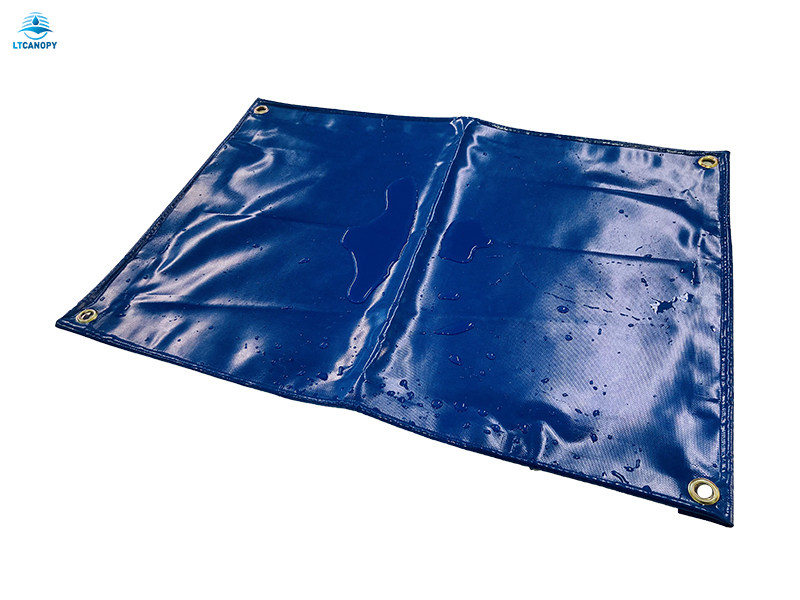
A stock image related to wholesale tarpaulin.
In-depth Look: Manufacturing Processes and Quality Assurance for wholesale tarpaulin
What Are the Key Stages in the Manufacturing Process of Wholesale Tarpaulin?
The manufacturing process of wholesale tarpaulin involves several critical stages, each designed to ensure the final product meets both quality and durability standards. Understanding these stages helps B2B buyers select suppliers that align with their expectations for performance and reliability.
-
Material Preparation
The first step in manufacturing tarpaulin is the selection and preparation of raw materials. Common materials include polyethylene (PE) and polyvinyl chloride (PVC), chosen for their waterproof, UV-resistant, and durable properties. The materials undergo a rigorous inspection to check for defects and ensure they meet specific technical specifications. This stage may also include the blending of additives to enhance properties such as fire resistance or color stability. -
Forming
Once materials are prepared, they are subjected to forming processes. In the case of polyethylene tarpaulin, sheets are produced through extrusion, where heated plastic is forced through a die to create a flat sheet. For PVC tarpaulin, a calendaring process is often used, where the material is passed through rollers to achieve the desired thickness and finish. This is a crucial stage, as the quality of the forming process directly influences the strength and flexibility of the final product. -
Assembly
After forming, the sheets are cut to size and assembled. This can involve stitching or welding the edges to create a robust hem, which adds to the overall strength and durability of the tarp. Grommets, which are small metal rings inserted into the tarp, are added during this phase to allow for easy securing and tensioning. The assembly process may also include additional features such as reinforced corners or special coatings for enhanced performance. -
Finishing
The final stage of manufacturing involves finishing processes such as applying coatings, printing logos, or additional treatments for specific applications. This stage is vital for ensuring that the tarpaulin meets customer specifications and industry standards. The finished products are then inspected for quality and consistency before being packaged for shipment.
How Is Quality Assurance Implemented in Tarpaulin Manufacturing?
Quality assurance (QA) is an integral part of the manufacturing process, ensuring that the final product meets international standards and customer requirements. For B2B buyers, understanding these QA practices can help in making informed purchasing decisions.
-
International Standards and Certifications
Many manufacturers adhere to international quality standards such as ISO 9001, which outlines requirements for a quality management system. Compliance with these standards indicates that a manufacturer has implemented consistent quality control processes. Additionally, industry-specific certifications such as CE for European markets or API for oil and gas applications may also apply, depending on the intended use of the tarpaulin. -
Quality Control Checkpoints
Quality control is typically divided into several checkpoints throughout the manufacturing process:
– Incoming Quality Control (IQC): This involves inspecting raw materials upon arrival to ensure they meet specified standards before production begins.
– In-Process Quality Control (IPQC): During manufacturing, samples may be taken at various stages to check for adherence to specifications and to identify any issues early in the process.
– Final Quality Control (FQC): Once the tarpaulin is completed, a thorough inspection is conducted to verify that it meets all quality standards before shipping. This may include visual inspections, dimensional checks, and performance tests such as waterproofing and UV resistance. -
Common Testing Methods for Tarpaulin
Various testing methods are employed to evaluate the quality and performance of tarpaulin. Common tests include:
– Tensile Strength Testing: Measures the fabric’s ability to withstand pulling forces.
– Tear Resistance Testing: Assesses how well the tarp can resist tearing under stress.
– Water Resistance Testing: Ensures the material can withstand exposure to water without leaking.
– UV Resistance Testing: Evaluates how well the tarp can resist degradation from sunlight.
How Can B2B Buyers Verify Supplier Quality Control?
For international B2B buyers, particularly those from regions such as Africa, South America, the Middle East, and Europe, verifying a supplier’s quality control processes is essential to ensure reliability and performance.
-
Supplier Audits
Conducting supplier audits is one of the most effective ways to verify quality control processes. Buyers can request on-site audits to assess manufacturing practices, equipment, and quality control measures. This firsthand observation allows buyers to ensure that the supplier adheres to international standards and best practices. -
Requesting Quality Assurance Reports
B2B buyers should request detailed quality assurance reports from suppliers, which outline their QA processes, testing results, and compliance with standards. These reports provide insight into the supplier’s commitment to quality and can help identify any potential risks. -
Third-Party Inspections
Engaging third-party inspection services can provide an additional layer of assurance. These independent organizations can conduct inspections and testing to verify compliance with agreed-upon standards and specifications. This is particularly valuable for international transactions where buyers may not be able to visit the manufacturing site.
What Are the Unique QC Considerations for International Buyers?
When dealing with international suppliers, B2B buyers must be aware of specific nuances in quality control practices that may differ from local standards.
-
Cultural and Regulatory Differences
Different countries may have varying regulations regarding manufacturing and quality assurance. Buyers should familiarize themselves with these regulations to ensure that the supplier’s practices align with their own country’s standards. This is particularly relevant for buyers from Europe, where stringent regulations may apply. -
Communication and Documentation
Clear communication regarding quality expectations is vital. Buyers should ensure that all specifications, standards, and expectations are documented and agreed upon before production begins. This can prevent misunderstandings and ensure that the final product meets the buyer’s needs. -
Understanding Lead Times and Logistics
International shipping can introduce additional complexities in quality assurance. Buyers should consider lead times and logistics when planning their orders, as delays can affect quality if products are stored improperly during transit. Ensuring that suppliers adhere to appropriate packaging and shipping standards can mitigate these risks.
By understanding the manufacturing processes and quality assurance practices for wholesale tarpaulin, B2B buyers can make informed decisions and select suppliers who will meet their performance and reliability needs. This knowledge not only aids in securing quality products but also builds long-term partnerships with trusted manufacturers.
Practical Sourcing Guide: A Step-by-Step Checklist for ‘wholesale tarpaulin’
The following guide serves as a comprehensive checklist for B2B buyers seeking to procure wholesale tarpaulins. This step-by-step approach will help you navigate the complexities of sourcing, ensuring that you make informed decisions that align with your business needs.
Step 1: Define Your Technical Specifications
Establishing clear specifications for your tarpaulin needs is crucial. Consider the intended use—whether for construction, agriculture, or events—and determine the required material, thickness, size, and color. For example, heavy-duty tarps may be necessary for construction sites, while lighter options might suffice for temporary outdoor events.
Step 2: Research Potential Suppliers
Conduct thorough research to identify reliable suppliers. Look for companies with a proven track record in the tarpaulin industry, particularly those that cater to international markets. Utilize online platforms, industry forums, and trade shows to gather information about potential suppliers and their product offerings.
Step 3: Evaluate Supplier Certifications
Before entering negotiations, ensure that your potential suppliers have the necessary certifications. Check for compliance with international standards such as ISO, as well as any specific certifications relevant to your industry, like fire retardant or environmental certifications. This will help you avoid subpar products and ensure safety and quality.
Step 4: Request Samples
Requesting samples from shortlisted suppliers allows you to assess the quality of the tarpaulins firsthand. Evaluate the material durability, stitching, and resistance to elements like UV rays and water. This step is essential to confirm that the products meet your specifications and are suitable for your intended applications.
Step 5: Compare Pricing and Terms
Once you have gathered samples and assessed quality, compare pricing among your shortlisted suppliers. Pay attention not only to the unit price but also to bulk discounts, shipping costs, and payment terms. Ensure that the overall offer aligns with your budget while still meeting your quality requirements.
Step 6: Negotiate Terms and Conditions
Engage in negotiations with your chosen supplier to establish favorable terms. Discuss delivery timelines, payment schedules, and return policies. It’s essential to have a clear agreement that protects your interests, especially when dealing with large quantities of tarpaulins.
Step 7: Finalize the Order and Monitor Delivery
After reaching an agreement, finalize your order and ensure that all details are documented. Monitor the delivery process closely to confirm that the products arrive on time and in good condition. Establish a communication channel with your supplier for any potential issues that may arise during shipping.
By following this checklist, you can effectively source wholesale tarpaulins that meet your business requirements while ensuring quality and reliability in your procurement process.
Comprehensive Cost and Pricing Analysis for wholesale tarpaulin Sourcing
What Are the Key Cost Components in Wholesale Tarpaulin Sourcing?
When evaluating the cost structure of wholesale tarpaulin sourcing, several critical components come into play:
-
Materials: The primary factor influencing the cost of tarpaulins is the type of material used. Common options include polyethylene, vinyl, and canvas. Each material has varying costs based on durability, weight, and specific features such as fire resistance or UV protection. For instance, heavy-duty vinyl tarps tend to be pricier than standard polyethylene due to their superior durability.
-
Labor: Labor costs are incurred during the production phase, which can vary significantly based on geographical location and the complexity of the manufacturing process. In regions with higher labor costs, such as parts of Europe, the overall price may be elevated compared to countries with lower labor costs.
-
Manufacturing Overhead: This includes expenses related to the manufacturing facility, equipment maintenance, utilities, and other operational costs. Efficient production processes can help reduce overhead, thus lowering overall costs.
-
Tooling: This encompasses the costs associated with the molds and equipment required to manufacture custom or specialized tarpaulins. Customization often results in increased tooling costs, which can be amortized over larger production runs to achieve cost savings.
-
Quality Control (QC): Implementing stringent quality control measures is essential to ensure product reliability and compliance with international standards. While this can increase upfront costs, it ultimately enhances product value and reduces returns.
-
Logistics: Transportation and shipping costs are significant, particularly for international buyers. Factors such as shipping distance, mode of transport, and associated tariffs can impact the final cost. Efficient logistics planning can mitigate these expenses.
-
Margin: Suppliers add a margin to their costs to ensure profitability. This margin can fluctuate based on market demand and competitive pricing strategies.
How Do Price Influencers Affect Tarpaulin Costs?
Several factors influence the pricing of wholesale tarpaulins:
-
Volume/MOQ (Minimum Order Quantity): Bulk purchases often lead to significant discounts. Suppliers may offer tiered pricing structures that reduce the unit cost as order quantities increase, incentivizing larger orders.
-
Specifications and Customization: Custom tarpaulins tailored to specific requirements (size, color, material) may incur additional costs. Buyers should weigh the benefits of customization against the potential price increase.
-
Materials and Quality Certifications: Higher-quality materials and certifications (like fire resistance) typically command higher prices. Buyers should assess the necessity of these features based on their application.
-
Supplier Factors: The reputation, reliability, and geographic location of suppliers can influence pricing. Established suppliers may offer more competitive rates due to economies of scale.
-
Incoterms: Understanding Incoterms is crucial for international transactions, as they define the responsibilities of buyers and sellers regarding shipping, insurance, and tariffs. This can significantly affect total landed costs.
What Are the Best Negotiation Strategies for International Buyers?
For B2B buyers, especially those from Africa, South America, the Middle East, and Europe, effective negotiation can lead to substantial savings:
-
Conduct Market Research: Understanding current market rates and competitor pricing can empower buyers during negotiations. This knowledge allows buyers to identify fair pricing and potential areas for negotiation.
-
Leverage Total Cost of Ownership (TCO): When discussing pricing, consider the total cost of ownership, which includes initial purchase price, maintenance, and potential resale value. Suppliers may be more flexible when they understand the long-term relationship and value.
-
Establish Relationships: Building strong relationships with suppliers can lead to better pricing, priority during production, and enhanced service levels. Long-term partnerships often yield mutual benefits.
-
Be Aware of Pricing Nuances: Different regions may have varying pricing structures based on local demand and supply chains. Buyers should be cognizant of these factors to avoid overpaying.
Disclaimer on Pricing
The prices discussed in this analysis are indicative and can vary based on market conditions, supplier negotiations, and other dynamic factors. It is recommended that buyers conduct thorough due diligence and obtain multiple quotes to ensure competitive pricing for their specific needs.
Alternatives Analysis: Comparing wholesale tarpaulin With Other Solutions
Exploring Alternatives to Wholesale Tarpaulin
In the realm of protective coverings, wholesale tarpaulin is a popular choice due to its versatility and cost-effectiveness. However, it’s essential for B2B buyers to explore alternative solutions that may better meet their specific needs. This analysis will compare wholesale tarpaulin against two viable alternatives: Vinyl Tarps and Shade Cloth. Each option has unique characteristics that may suit different applications and requirements.
| Comparison Aspect | Wholesale Tarpaulin | Vinyl Tarps | Shade Cloth |
|---|---|---|---|
| Performance | Good durability, water-resistant | Excellent durability, waterproof | Varies by material, UV resistant |
| Cost | Generally low-cost in bulk | Higher initial investment | Moderate cost, depending on quality |
| Ease of Implementation | Easy to deploy and store | Requires careful handling | Simple to install, lightweight |
| Maintenance | Minimal, easy to clean | Requires occasional cleaning | Low maintenance, may need replacing over time |
| Best Use Case | Construction, agriculture, events | Industrial applications, long-term outdoor use | Gardening, temporary outdoor shading |
In-Depth Analysis of Alternatives
What Are the Advantages and Disadvantages of Vinyl Tarps?
Vinyl tarps are known for their exceptional strength and durability, making them suitable for heavy-duty applications. They are completely waterproof, providing excellent protection against rain and moisture. However, the initial investment in vinyl tarps is generally higher than that of wholesale tarpaulin. Additionally, they can be more cumbersome to handle due to their weight and thickness. They are best suited for long-term outdoor applications where extreme weather protection is necessary, such as in industrial settings or for covering equipment.
How Does Shade Cloth Compare to Wholesale Tarpaulin?
Shade cloth is a lightweight and breathable option designed primarily for sun protection. It provides varying degrees of UV resistance, making it ideal for gardening, outdoor events, or temporary structures. While shade cloth is easy to install and maintain, it does not offer the same level of water resistance as tarpaulin. This makes it less suitable for applications where moisture protection is critical. Buyers should consider shade cloth for scenarios where ventilation and light control are priorities, such as greenhouses or outdoor seating areas.
Making the Right Choice for Your Business Needs
When selecting between wholesale tarpaulin, vinyl tarps, and shade cloth, B2B buyers should carefully evaluate their specific requirements. Considerations such as the environment in which the tarp will be used, the level of protection needed, budget constraints, and long-term use cases will guide the decision-making process. While wholesale tarpaulin offers a versatile, cost-effective solution for many industries, alternatives like vinyl tarps and shade cloth may provide enhanced performance in specific applications. Understanding these alternatives enables buyers to make informed choices that align with their operational goals.
Essential Technical Properties and Trade Terminology for wholesale tarpaulin
What Are the Key Technical Properties of Wholesale Tarpaulin?
Understanding the essential technical properties of wholesale tarpaulin is crucial for B2B buyers looking to make informed purchasing decisions. Here are several critical specifications that should be considered:
-
Material Grade
– Tarpaulins can be made from various materials, including polyethylene, vinyl, and canvas. Each material grade offers different durability, weight, and weather resistance. For instance, heavy-duty vinyl tarps are ideal for industrial applications due to their strength and resistance to harsh weather conditions. B2B buyers must assess the material grade based on their specific application needs to ensure longevity and performance. -
Tensile Strength
– This property measures the tarp’s ability to withstand pulling forces without tearing. It is typically expressed in pounds per inch (lbs/in). A higher tensile strength indicates a more robust tarp, which is essential for applications where high stress is expected, such as covering heavy equipment or construction sites. For international buyers, understanding tensile strength helps in selecting tarps that meet local environmental challenges. -
UV Resistance
– UV resistance refers to the tarp’s ability to withstand the damaging effects of sunlight without degrading. Tarps with high UV resistance are essential for outdoor applications, especially in regions with intense sunlight, like Africa or parts of South America. This specification can significantly impact the tarp’s lifespan and performance. -
Waterproof Rating
– This rating indicates the tarp’s ability to repel water and prevent moisture penetration. A tarp that is 100% waterproof is crucial for agricultural uses, outdoor events, or any application where water exposure is a concern. Buyers should seek tarps with a specified waterproof rating to ensure they meet their operational requirements. -
Fire Retardancy
– Fire retardant tarps are treated with chemicals to reduce flammability. This specification is particularly important for industries where fire safety is a priority, such as construction or event management. Understanding the fire retardancy level can help B2B buyers comply with safety regulations in their respective countries. -
Weight and Thickness
– The weight of the tarp, often measured in ounces per square yard, and its thickness, usually measured in mils, are critical for determining its durability and application suitability. Heavier and thicker tarps generally provide better protection and durability, making them ideal for demanding conditions.
What Are Common Trade Terms Used in Tarpaulin Wholesale?
Familiarity with industry jargon can facilitate smoother transactions and negotiations. Here are some common terms that B2B buyers should know:
-
OEM (Original Equipment Manufacturer)
– This term refers to companies that produce parts or equipment that may be marketed by another manufacturer. In the tarpaulin industry, OEM suppliers may provide custom tarps designed to meet specific client requirements, allowing for greater flexibility in sourcing. -
MOQ (Minimum Order Quantity)
– MOQ indicates the smallest amount of product that a supplier is willing to sell. Understanding MOQ is vital for buyers looking to manage inventory costs and ensure they are ordering quantities that meet their needs without overcommitting financially. -
RFQ (Request for Quotation)
– An RFQ is a document that buyers send to suppliers to solicit price quotes for specific products. This process is essential for B2B buyers to compare prices and terms from various suppliers, ensuring they obtain the best deal. -
Incoterms (International Commercial Terms)
– These are predefined commercial terms used in international trade that outline the responsibilities of buyers and sellers regarding shipping, insurance, and tariffs. Familiarity with Incoterms helps B2B buyers understand their obligations and liabilities in cross-border transactions. -
Lead Time
– Lead time refers to the time it takes from placing an order to receiving the product. This metric is crucial for planning inventory and project timelines, particularly for businesses that rely on just-in-time inventory systems. -
Custom Tarps
– Custom tarps are made to specific dimensions and specifications as per the buyer’s request. This flexibility is particularly important for businesses with unique needs that standard tarps cannot fulfill.
By grasping these technical properties and trade terms, B2B buyers can make more informed decisions when sourcing wholesale tarpaulins, ultimately leading to better procurement outcomes and enhanced operational efficiency.
Navigating Market Dynamics and Sourcing Trends in the wholesale tarpaulin Sector
What Are the Key Market Dynamics and Trends Influencing the Wholesale Tarpaulin Sector?
The wholesale tarpaulin market is currently experiencing significant growth, driven by various global factors. Increasing demand for protective coverings in construction, agriculture, and outdoor events is a primary driver. Emerging markets in Africa and South America are particularly notable as infrastructure projects and agricultural activities expand, creating a robust need for durable tarps. In addition, the Middle East’s booming construction sector and Europe’s focus on sustainability are reshaping sourcing strategies.
Technological advancements are also impacting the tarpaulin sector. The rise of e-commerce platforms enables international B2B buyers to easily source products from diverse suppliers, enhancing competition and driving prices down. Additionally, data analytics and inventory management systems are helping businesses optimize their supply chains, ensuring timely deliveries and reducing costs.
Moreover, there is a growing trend toward customization, with buyers seeking specific sizes, colors, and functionalities, such as flame retardancy and UV resistance. This demand for tailored solutions requires suppliers to be agile and responsive, fostering partnerships that can adapt to changing needs. International buyers, particularly from regions like Germany and Vietnam, are increasingly focusing on suppliers that offer both quality and the ability to meet specific project requirements.
How Does Sustainability Influence Sourcing Decisions in the Tarpaulin Industry?
Sustainability is becoming a critical factor in sourcing decisions within the wholesale tarpaulin sector. As global awareness of environmental issues rises, buyers are increasingly concerned about the ecological impact of their purchases. Tarpaulins made from recycled materials or produced using eco-friendly processes are gaining traction. This shift not only addresses environmental concerns but also aligns with the corporate social responsibility (CSR) goals of many organizations.
Ethical sourcing is also paramount. Buyers are increasingly looking for suppliers who prioritize fair labor practices and transparency in their supply chains. Certifications such as Global Organic Textile Standard (GOTS) or OEKO-TEX provide assurance that the materials used meet stringent environmental and social criteria. By choosing certified products, international B2B buyers can enhance their brand reputation and appeal to eco-conscious consumers.
In addition, there is a growing market for tarpaulins that incorporate innovations such as biodegradable materials or energy-efficient manufacturing processes. These options not only reduce environmental impact but can also lead to long-term cost savings through improved durability and lower disposal costs. As sustainability continues to shape the purchasing landscape, wholesale tarpaulin suppliers must adapt to meet these evolving buyer expectations.
What Is the Historical Context of the Tarpaulin Industry?
The history of tarpaulins dates back to the early 19th century when they were primarily used in maritime applications to protect ships and cargo from the elements. Over time, their versatility led to widespread adoption in various industries, including agriculture, construction, and event management.
The evolution of materials has significantly impacted the industry. Initially crafted from cotton canvas, advancements in synthetic materials such as polyethylene and vinyl have improved durability, water resistance, and UV protection. Today, the market offers a diverse range of tarpaulins tailored for specific applications, reflecting the changing needs and technological advancements of various sectors.
As international trade has expanded, so too has the wholesale tarpaulin market, with suppliers increasingly catering to global buyers seeking quality products at competitive prices. This evolution has paved the way for ongoing innovation and adaptation in the industry, ensuring that it meets the demands of a dynamic marketplace.
Frequently Asked Questions (FAQs) for B2B Buyers of wholesale tarpaulin
1. How do I choose the right tarpaulin for my business needs?
Selecting the appropriate tarpaulin involves assessing your specific requirements such as application, durability, and environmental conditions. For instance, heavy-duty poly tarps are ideal for construction and outdoor use due to their UV resistance and waterproof properties. Conversely, fire retardant tarps are necessary for environments where fire safety is paramount. Additionally, consider factors like color, size, and weight, as these can affect both functionality and aesthetics in your projects.
2. What are the minimum order quantities (MOQs) for wholesale tarpaulins?
MOQs can vary significantly between suppliers, typically ranging from a few dozen to several hundred units, depending on the material and customization options. Suppliers often set these thresholds to ensure cost-effectiveness in production and shipping. It’s advisable to discuss your specific needs with potential suppliers to negotiate MOQs that fit your business model, especially if you are targeting diverse markets in regions like Africa or South America.
3. How can I vet potential suppliers for wholesale tarpaulin?
To vet suppliers effectively, consider their industry experience, customer reviews, and product quality certifications. Request samples to assess material quality and durability firsthand. Additionally, inquire about their manufacturing processes, compliance with international standards, and ability to meet your specific customization needs. Establishing clear communication channels and understanding their logistics capabilities will also help ensure reliability in your supply chain.
4. What customization options are available for wholesale tarpaulins?
Most suppliers offer a range of customization options, including size, color, material type, and features like fire resistance or waterproofing. Some may provide custom printing services for branding purposes. When discussing customization, be clear about your requirements, including dimensions and intended use, to ensure the final product meets your expectations. It’s also wise to confirm any additional costs associated with these customizations.
5. What payment terms should I expect when purchasing wholesale tarpaulins?
Payment terms can vary widely among suppliers, typically ranging from upfront payments to net 30 or net 60 arrangements. Many suppliers may also offer discounts for early payments or bulk purchases. It’s essential to clarify payment methods accepted, such as bank transfers or credit terms, and ensure that the terms align with your cash flow and budgeting needs. Always confirm any potential fees related to international transactions.
6. How do I ensure quality assurance (QA) for my tarpaulin orders?
To ensure quality assurance, establish clear specifications before placing an order, including material standards, dimensions, and performance criteria. Request documentation proving compliance with relevant industry standards. Many suppliers provide inspection reports or allow third-party inspections before shipment. Discuss return policies and warranties to safeguard your investment in case the products do not meet the agreed-upon specifications.
7. What are the logistics considerations for importing wholesale tarpaulins?
Logistics involves understanding shipping methods, lead times, and customs regulations. Consider whether you prefer air or sea freight based on urgency and cost. Familiarize yourself with import duties and taxes applicable in your region, as these can affect overall costs. Collaborating with a logistics partner experienced in international trade can streamline the process, ensuring timely delivery and compliance with local regulations.
8. How can I calculate the total cost of importing wholesale tarpaulins?
To calculate the total cost of importing tarpaulins, include the product cost, shipping fees, insurance, customs duties, and any local taxes. Additionally, factor in potential costs for warehousing or distribution once the products arrive. Request detailed quotes from suppliers, including shipping terms, to help with accurate budgeting. Using a comprehensive breakdown will ensure you have a clear picture of your investment before placing an order.
Important Disclaimer & Terms of Use
⚠️ Important Disclaimer
The information provided in this guide, including content regarding manufacturers, technical specifications, and market analysis, is for informational and educational purposes only. It does not constitute professional procurement advice, financial advice, or legal advice.
While we have made every effort to ensure the accuracy and timeliness of the information, we are not responsible for any errors, omissions, or outdated information. Market conditions, company details, and technical standards are subject to change.
B2B buyers must conduct their own independent and thorough due diligence before making any purchasing decisions. This includes contacting suppliers directly, verifying certifications, requesting samples, and seeking professional consultation. The risk of relying on any information in this guide is borne solely by the reader.
Strategic Sourcing Conclusion and Outlook for wholesale tarpaulin
As the demand for durable and versatile tarpaulins continues to grow across various industries, strategic sourcing becomes paramount for international B2B buyers. By leveraging bulk purchasing options, companies can significantly reduce costs while ensuring a reliable supply of quality tarps tailored to their specific needs. The diversity in materials—from lightweight poly tarps to heavy-duty canvas options—provides buyers with the flexibility to select products that meet their unique operational requirements, whether in agriculture, construction, or event management.
In regions like Africa, South America, the Middle East, and Europe, understanding local market dynamics and sourcing from reputable suppliers can enhance procurement efficiency and mitigate risks. Establishing strong supplier relationships not only fosters trust but also opens avenues for customized solutions and timely deliveries.
Looking ahead, the wholesale tarpaulin market is poised for growth, driven by innovations in materials and increased demand across sectors. We encourage B2B buyers to actively explore partnerships with reliable manufacturers and distributors to stay ahead of market trends. Investing in strategic sourcing today will not only optimize your supply chain but also position your business for sustained success in the evolving global marketplace.