
Best Wholesale Skateboard Decks Suppliers: A Deep Dive into Top 5 O…
Introduction: Navigating the Global Market for wholesale skateboard decks
In an increasingly competitive landscape, sourcing wholesale skateboard decks can pose significant challenges for international B2B buyers, particularly in regions like Africa, South America, the Middle East, and Europe. With a diverse array of suppliers and products available, identifying quality, cost-effective options while navigating varying market standards can be daunting. This comprehensive guide aims to demystify the process, offering insights into the different types of skateboard decks available, their applications, and essential criteria for vetting suppliers.
By delving into the nuances of the wholesale skateboard market, this guide equips buyers with the knowledge to make informed purchasing decisions. We will explore key factors such as manufacturing standards, material quality, pricing structures, and shipping logistics, ensuring that you are well-prepared to choose the right products for your business needs. Additionally, we will highlight best practices for establishing reliable supplier relationships that can enhance your operational efficiency and profitability.
Whether you are a retailer seeking to expand your product line or a distributor aiming to meet the growing demand for skateboarding products, this guide serves as your essential resource. It empowers you to navigate the global market confidently, ensuring that you secure the best skateboard decks that align with your brand’s quality and performance standards.
Top 10 Wholesale Skateboard Decks Manufacturers & Suppliers List
1. Custom Skateboards – Blank Skateboard Decks
Domain: customskateboards.com
Registered: 2002 (23 years)
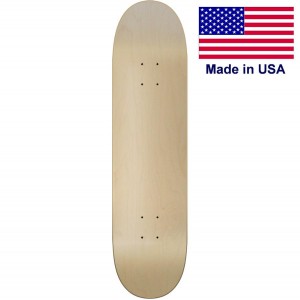
Introduction: Blank Skateboard Decks Made in USA, starting at $13.00 each. Quality hard rock maple skateboard decks pressed in California. Made to order, cut fresh, and shipped directly. Various sizes available: 7.5″, 7.6″, 7.75″, 7.8″, 8.0″, 8.125″, 8.25″, 8.38″, 8.5″, 8.6″, 8.75″, 9.0″. Most popular size is 8.0″. All decks are available for bulk orders and customization options.
2. Sk8factory – Custom Skateboards
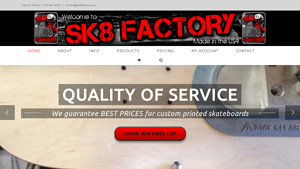
Domain: sk8factory.com
Registered: 2004 (21 years)
Introduction: Sk8factory is a custom skateboard manufacturer offering high-quality skateboard printing with customer graphics. All decks are made from 100% Canadian hard rock maple, ensuring durability and quality. They provide a variety of shapes and concave options, including medium concave, steep concave, old school, and mini cruisers. Featured products include various steep concave sizes ranging from 7.5 to…
3. Anti Hero – Skateboard Decks
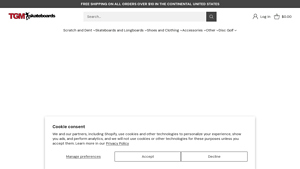
Domain: tgmskateboards.com
Registered: 2000 (25 years)
Introduction: Skateboard Decks available in various brands, widths, lengths, and wheelbases. Total of 1210 results in stock. Brands include Anti Hero, Baker, Birdhouse, Element, Powell Peralta, Santa Cruz, and many more. Widths range from 6.0″ to 10.5″. Lengths range from 23.125″ to 40″. Wheelbases vary from 9.15″ to 25.4″. Prices start from a minimum to a maximum of $196.95. Free shipping on orders over $10 in…
4. Warehouse Skateboards – Cheap Blank Skateboards
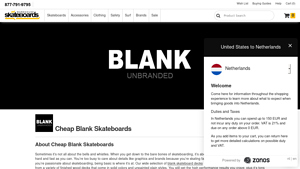
Domain: warehouseskateboards.com
Registered: 2002 (23 years)
Introduction: Product Name: Cheap Blank Skateboards Prime Assorted Colors Skateboard Deck 8.38×32
Deck Size: 8.38″ x 32″
Material: 7 ply maple
Target Audience: Skaters ages 13 years and older, height 5’3″ and taller, shoe size 9 or larger
Features: High performance, durable, available in solid colors and unpainted styles, cost-effective option for serious skaters.
5. Point Distribution – Custom Skateboard Manufacturing
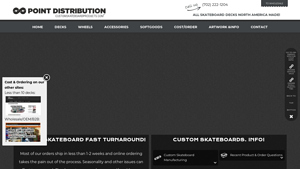
Domain: pointdistribution.com
Registered: 2004 (21 years)
Introduction: Point Distribution offers custom skateboard manufacturing with the following key details:
– Location: Las Vegas, NV, USA; decks laminated in Mexico and printing done in the USA.
– Materials: Made with top quality USA/Canada Hard Maple and Franklin Skateboard specific glue.
– Customization: Options for custom skateboard shapes, molds, and printing.
– Minimum Order: Custom printed decks can be ord…
Understanding wholesale skateboard decks Types and Variations
| Type Name | Key Distinguishing Features | Primary B2B Applications | Brief Pros & Cons for Buyers |
|---|---|---|---|
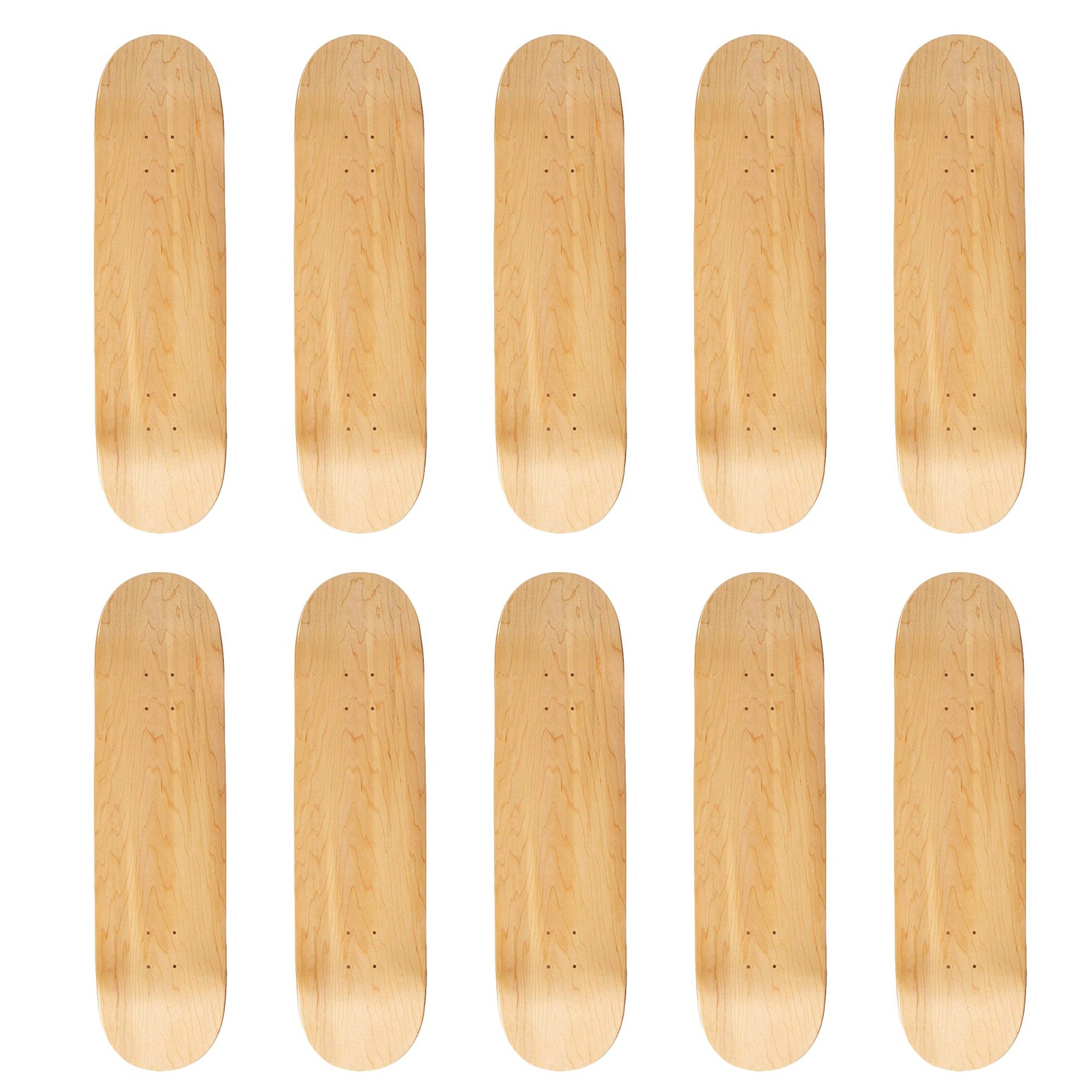
| Blank Skateboard Decks | Unfinished wood decks available in various sizes and shapes | Retail, Custom Skateboard Production | Pros: Cost-effective, customizable. Cons: Requires additional finishing work. |
| Custom Printed Decks | Decks with unique graphics or branding options | Promotional Products, Brand Marketing | Pros: Enhances brand visibility. Cons: Higher initial costs for printing. |
| Pool Shape Decks | Specifically designed for pool skating with a wider tail | Skate Parks, Specialty Retail | Pros: Ideal for specific skating styles. Cons: Limited audience compared to standard shapes. |
| Mini Skateboard Decks | Smaller decks for younger or beginner skaters | Youth Market, Retail Stores | Pros: Appeals to a niche market. Cons: Lower profit margins. |
| Tech Decks | Fingerboards made from high-quality materials | Collectibles, Custom Retail | Pros: Unique market appeal, collectible. Cons: Limited application for traditional skating. |
What Are Blank Skateboard Decks and Their B2B Relevance?
Blank skateboard decks are the foundation for many custom skateboards, providing a versatile option for businesses. They come in various sizes and shapes, allowing retailers to cater to diverse customer preferences. For B2B buyers, sourcing blank decks directly from manufacturers can significantly reduce costs and enable customization opportunities. Considerations for purchasing include the quality of materials used, such as hard rock maple, which affects durability and performance. Additionally, understanding the supply chain and manufacturing practices can ensure that the products meet quality standards.
How Do Custom Printed Decks Benefit Businesses?
Custom printed skateboard decks offer businesses a unique opportunity to promote their brand through eye-catching graphics. This type of deck is particularly useful for companies looking to create promotional products or merchandise that resonates with their target audience. When considering custom printed decks, B2B buyers should evaluate the printing techniques and materials used, as these factors influence the final product’s quality and longevity. While the initial investment may be higher due to printing costs, the potential for increased brand recognition often justifies the expense.
What Makes Pool Shape Decks Special for B2B Buyers?
Pool shape decks are designed specifically for pool skating, featuring a wider tail and unique contours that enhance performance. These decks are ideal for specialty retail shops that cater to advanced skaters or skate parks that offer pool skating facilities. B2B buyers should consider the specific needs of their customer base when purchasing these decks, as they may have a more limited appeal compared to standard shapes. However, the specialized nature of pool shape decks can command higher prices, making them a potentially lucrative investment for retailers.
Why Are Mini Skateboard Decks Important in the Market?
Mini skateboard decks cater to younger skaters or those just starting, providing a smaller, more manageable option. This niche market is growing, making mini decks an attractive addition for retailers focused on youth-oriented products. When sourcing mini decks, B2B buyers should pay attention to the quality and safety standards, as these decks often target a more vulnerable demographic. While profit margins may be lower due to the competitive pricing in this segment, the potential for volume sales can compensate for this drawback.
What Are Tech Decks and Their Unique Selling Proposition?
Tech decks, or fingerboards, are miniature skateboards that appeal to collectors and enthusiasts. Made from high-quality materials, these decks provide a fun alternative to traditional skateboarding and can be marketed as collectibles or toys. For B2B buyers, understanding the target market for tech decks is crucial, as they may require different marketing strategies compared to standard skateboard decks. Although tech decks have a limited application for traditional skating, their unique appeal can attract a dedicated customer base, making them a valuable addition to any retailer’s inventory.
Key Industrial Applications of wholesale skateboard decks
| Industry/Sector | Specific Application of wholesale skateboard decks | Value/Benefit for the Business | Key Sourcing Considerations for this Application |
|---|---|---|---|
| Retail | Custom Skateboard Retailers | Increased product variety and brand differentiation | Quality assurance, customization options, and bulk pricing |
| Sports & Recreation | Skate Parks and Recreational Facilities | Enhanced customer experience through quality equipment | Durability, compliance with safety standards, and designs |
| Education | Schools and Universities | Promotion of physical activity and youth engagement | Age-appropriate sizes, safety features, and branding options |
| Export/Import | International Distributors | Access to diverse markets and competitive pricing | Shipping logistics, local regulations, and market demand |
| Art & Design | Custom Art Projects and Installations | Unique artistic expression and promotional opportunities | Material quality, design capabilities, and lead times |
How Are Wholesale Skateboard Decks Used in Retail?
In the retail sector, custom skateboard retailers leverage wholesale skateboard decks to diversify their offerings. By sourcing blank decks, these retailers can create unique designs, catering to various customer preferences and styles. This approach not only enhances brand differentiation but also meets the growing demand for personalized products. International buyers must consider quality assurance and the availability of customization options, ensuring that they can provide high-quality products that resonate with local markets.
What Role Do Wholesale Skateboard Decks Play in Sports & Recreation?
Skate parks and recreational facilities utilize wholesale skateboard decks to enhance the overall customer experience. By providing durable and reliable decks, these facilities attract a wider audience and encourage participation in skateboarding activities. The focus here is on the quality and safety of the decks, which must comply with industry standards. For international buyers, understanding local safety regulations and ensuring that the decks can withstand the rigors of frequent use is crucial.
How Are Wholesale Skateboard Decks Beneficial for Educational Institutions?
Schools and universities are increasingly incorporating skateboarding into their physical education programs. Wholesale skateboard decks serve as a valuable resource for promoting physical activity and engaging youth. Institutions benefit from sourcing age-appropriate sizes and ensuring that the decks are designed with safety in mind. For international buyers, it’s essential to consider the specific needs of students and the educational objectives behind such programs.
How Do Wholesale Skateboard Decks Support Export/Import Businesses?
International distributors can significantly benefit from wholesale skateboard decks by accessing diverse markets. These businesses can offer competitive pricing while capitalizing on the growing global demand for skateboarding products. When sourcing, it’s vital to consider shipping logistics and compliance with local regulations, as these factors can impact the overall profitability of importing skateboards into new markets.
What Is the Importance of Wholesale Skateboard Decks in Art & Design?
Artists and designers often use wholesale skateboard decks as canvases for unique art projects and promotional displays. This application allows for creative expression while also providing an opportunity for businesses to engage customers in innovative ways. Buyers in this sector should prioritize material quality and the ability to meet design specifications, as these factors can affect the final product’s aesthetic and durability. Lead times for custom orders should also be carefully managed to align with project timelines.
A stock image related to wholesale skateboard decks.
3 Common User Pain Points for ‘wholesale skateboard decks’ & Their Solutions
Scenario 1: Navigating Quality Assurance Challenges in Wholesale Skateboard Decks
The Problem: B2B buyers often grapple with the uncertainty of quality when sourcing skateboard decks from international manufacturers. For example, a retailer in Nigeria might receive bulk orders of decks that look appealing in images but fail to meet performance and durability standards upon arrival. This discrepancy can lead to customer dissatisfaction, increased returns, and ultimately harm the retailer’s reputation.
The Solution: To mitigate quality assurance issues, buyers should prioritize sourcing from manufacturers with a proven track record of high-quality production. Conduct thorough research to find suppliers that provide detailed product specifications, including the type of wood used, the manufacturing process, and quality control measures. Request samples before committing to a large order to assess the material quality and craftsmanship firsthand. Additionally, consider visiting the supplier’s facility if possible, or utilize third-party inspection services to verify quality before shipment. Establishing a long-term relationship with a trusted supplier can also facilitate better quality assurance through consistent communication and feedback.
Scenario 2: Overcoming Customization Limitations in Skateboard Deck Orders
The Problem: Many B2B buyers desire to customize skateboard decks with unique graphics or sizes tailored to their target market but often find suppliers lacking flexibility. A distributor in Europe might struggle to find a manufacturer willing to accommodate specific design requests or unusual sizes without exorbitant fees, leading to missed opportunities in local markets.
The Solution: To address customization needs effectively, buyers should seek suppliers that specialize in custom orders and are open to collaboration. When approaching potential manufacturers, clearly outline your design ideas, desired sizes, and any specific requirements. Utilize digital design tools to create mock-ups of your concepts, which can facilitate more productive discussions with suppliers. Moreover, consider suppliers that offer low minimum order quantities for custom designs, allowing you to test market response without a significant financial risk. Establishing a partnership with manufacturers who are responsive to your needs will enhance your ability to deliver unique products that resonate with your customers.
Scenario 3: Managing Shipping and Logistics Complexities for International Orders
The Problem: International B2B buyers face numerous logistical hurdles when ordering wholesale skateboard decks, such as high shipping costs, lengthy delivery times, and potential customs delays. A retailer in South America might find that the cost of shipping significantly increases the total order expense, impacting their pricing strategy and profitability.
The Solution: To streamline shipping and logistics, buyers should evaluate suppliers who have established logistics partnerships or offer comprehensive shipping solutions. Look for manufacturers that provide options for bulk shipping to reduce per-unit costs and consider using freight forwarders who specialize in international shipping for better rates and faster delivery times. Understanding the customs regulations in your country can also help avoid delays; work with suppliers who are familiar with these processes to ensure all necessary documentation is prepared correctly. Finally, consider local sourcing options where feasible, as this can significantly reduce shipping costs and lead times, allowing for a more agile response to market demands. By addressing these logistical challenges proactively, buyers can maintain competitive pricing and satisfy customer expectations for timely delivery.
Strategic Material Selection Guide for wholesale skateboard decks
What Are the Common Materials Used for Wholesale Skateboard Decks?
When selecting materials for wholesale skateboard decks, various options are available, each with distinct properties and implications for performance, durability, and cost. This guide analyzes four common materials—maple wood, bamboo, plastic, and composite materials—highlighting their key properties, advantages, disadvantages, and considerations for international B2B buyers.
How Does Maple Wood Perform in Skateboard Decks?
Maple wood is the traditional material for skateboard decks, particularly hard rock maple, known for its strength and resilience. It typically has a high temperature and pressure rating, making it suitable for the stresses of skateboarding.
Pros: Maple offers excellent durability and a solid feel, which many skaters prefer. It can withstand significant wear and tear, making it suitable for various styles of skating, from street to vert. Additionally, maple decks can be produced at a relatively low cost, especially when sourced from established suppliers.
Cons: The primary drawback of maple is its weight compared to alternative materials. This can impact performance for some skaters. Furthermore, the manufacturing process can be complex, requiring skilled labor to ensure quality.
International Considerations: Buyers from regions such as Africa and South America should ensure compliance with local regulations regarding wood sourcing to avoid issues related to deforestation. Standards like ASTM D198 for wood products may apply.
What Are the Benefits of Bamboo Skateboard Decks?
Bamboo is increasingly popular for skateboard decks due to its eco-friendliness and lightweight properties. It has a high tensile strength, making it suitable for high-impact activities.
Pros: Bamboo decks are lighter than maple, providing better maneuverability. They also have a unique aesthetic appeal and are often marketed as sustainable products, which can attract environmentally conscious consumers.
Cons: While bamboo is durable, it may not offer the same level of impact resistance as maple. Additionally, the cost can vary significantly based on sourcing and manufacturing practices, potentially leading to higher prices for buyers.
International Considerations: Buyers should verify that bamboo products meet international sustainability standards, such as those set by the Forest Stewardship Council (FSC). Compliance with local regulations regarding imported materials is also crucial.
How Do Plastic Skateboard Decks Compare?
Plastic decks, often made from high-density polyethylene (HDPE), are gaining traction for their versatility and resistance to environmental factors.
Pros: Plastic decks are highly resistant to moisture, making them suitable for various climates. They are also lightweight and can be produced in vibrant colors, appealing to younger demographics.
Cons: The primary limitation of plastic decks is their lack of rigidity compared to wood options, which may affect performance for serious skaters. Additionally, they can be less durable under high-stress conditions.
International Considerations: Buyers should ensure that plastic decks comply with safety standards such as ASTM F1492 for skateboards. Understanding local preferences for materials is essential, especially in markets with established wood traditions.
What Advantages Do Composite Materials Offer for Skateboard Decks?
Composite materials, which often combine wood with synthetic fibers or resins, are becoming popular for their enhanced performance characteristics.
Pros: Composites can offer the best of both worlds—lightweight construction with superior strength and flexibility. They can be engineered to meet specific performance criteria, making them suitable for various skating styles.
Cons: The manufacturing complexity of composite materials can lead to higher production costs. Additionally, the market for composites is still developing, which may result in limited availability in certain regions.
International Considerations: Buyers should be aware of the varying standards for composite materials in different regions. Compliance with international standards like ISO 9001 for quality management systems can enhance trust in product quality.
Summary Table of Material Selection for Wholesale Skateboard Decks
| Material | Typical Use Case for wholesale skateboard decks | Key Advantage | Key Disadvantage/Limitation | Relative Cost (Low/Med/High) |
|---|---|---|---|---|
| Maple Wood | Traditional skateboards for street and vert | High durability and performance | Heavier than alternatives | Low |
| Bamboo | Eco-friendly and lightweight skateboards | Lightweight and sustainable | Lower impact resistance | Medium |
| Plastic | Versatile and colorful decks for casual use | Moisture resistant and vibrant colors | Less rigidity and durability | Medium |
| Composite | High-performance decks for various styles | Superior strength and flexibility | Higher production costs | High |
This comprehensive analysis provides international B2B buyers with actionable insights into material selection for wholesale skateboard decks, enabling informed purchasing decisions that align with market demands and compliance requirements.
A stock image related to wholesale skateboard decks.
In-depth Look: Manufacturing Processes and Quality Assurance for wholesale skateboard decks
What Are the Main Stages of Manufacturing Wholesale Skateboard Decks?
The manufacturing process for wholesale skateboard decks involves several critical stages that ensure quality and performance. Each stage is designed to address specific aspects of the product, from raw materials to the final finish.
Material Preparation: How Is the Right Wood Selected?
The foundation of a high-quality skateboard deck starts with selecting the right materials. Most skateboard decks are made from hard rock maple due to its strength, durability, and light weight. Manufacturers typically source wood from reputable suppliers to ensure consistency in grain and quality. The wood is then dried to a specific moisture content to prevent warping and splitting during the pressing process.
In addition to maple, some manufacturers may use alternative materials such as bamboo or composite woods, which can offer unique performance characteristics. The choice of material impacts not only the deck’s durability but also its flexibility and overall ride quality.
What Techniques Are Used in Forming Skateboard Decks?
Once the materials are prepared, the next step is forming the skateboard deck. This process generally involves the following techniques:
-
Lamination: Layers of wood are glued together under high pressure to create a single composite structure. This process enhances strength and flexibility. Manufacturers often use high-quality adhesives that are waterproof and designed for high-stress applications.
-
Pressing: The laminated wood is placed into a mold and pressed into the desired shape. This is a critical step where heat and pressure are applied to ensure that the wood fibers bond together effectively, creating a solid and durable deck.
-
Trimming and Shaping: After pressing, the decks are trimmed to remove excess material and to achieve precise dimensions. This step may also involve creating specific shapes, such as popsicle or cruiser styles, depending on market demand.
How Is the Assembly Process Handled?
The assembly stage is relatively straightforward for skateboard decks since they are typically sold as blanks. However, for custom designs, this stage may include the application of graphics, grip tape, and other hardware components.
-
Graphics Application: Many manufacturers offer custom graphics as part of their wholesale service. This could involve screen printing or digital printing techniques, depending on the complexity and quality desired.
-
Grip Tape Application: Grip tape is applied to the top surface of the deck to provide traction for the rider. This is often a pre-cut process, ensuring uniform application across multiple decks.
-
Hardware Installation: If the decks are sold as complete skateboards, this stage includes installing trucks, wheels, and bearings. Quality assurance checks are crucial here to ensure that all components are installed correctly and securely.
What Finishing Techniques Enhance the Quality of Skateboard Decks?
Finishing is the final stage of the manufacturing process, where the decks are prepared for sale. This may include sanding, sealing, and applying protective coatings.
-
Sanding: Each deck is sanded to create a smooth surface, which is essential for both aesthetics and performance. This step can also help in achieving better adhesion for grip tape and graphics.
-
Sealing and Coating: A protective sealant may be applied to enhance durability and resistance to moisture. Some manufacturers opt for eco-friendly finishes that appeal to environmentally conscious consumers.
-
Quality Inspection: Finished decks undergo a thorough inspection to check for defects, ensuring only high-quality products are shipped to customers.
What Quality Control Measures Are Essential for Skateboard Decks?
Quality assurance is paramount in the skateboard manufacturing industry, particularly for B2B buyers who require consistency and reliability in their supply chain.
Which International Standards Should Buyers Be Aware Of?
B2B buyers should look for suppliers that comply with international quality standards such as ISO 9001. This certification indicates a commitment to quality management and continuous improvement. Additionally, compliance with CE marking standards may be relevant for buyers in Europe, ensuring that products meet health, safety, and environmental protection requirements.
What Are the Key Quality Control Checkpoints in Skateboard Manufacturing?
Quality control checkpoints are integral to ensuring that skateboard decks meet industry standards. Common checkpoints include:
-
Incoming Quality Control (IQC): This step involves inspecting raw materials upon arrival to verify that they meet specified quality standards before production begins.
-
In-Process Quality Control (IPQC): Continuous monitoring during the manufacturing process helps identify any deviations from quality standards in real-time. This includes checking adhesive application, pressing conditions, and shaping accuracy.
-
Final Quality Control (FQC): Finished products undergo a comprehensive inspection to detect defects in dimensions, finish, and overall quality before they are packaged for shipment.
What Common Testing Methods Are Used for Quality Assurance?
Various testing methods are employed to ensure the durability and performance of skateboard decks:
- Flex Testing: Measures how much a deck can flex without breaking, which is crucial for performance and rider comfort.
- Impact Testing: Assesses the deck’s ability to withstand shocks and impacts, simulating real-world usage.
- Moisture Content Testing: Ensures that the wood’s moisture levels are within acceptable limits, reducing the risk of warping.
How Can B2B Buyers Verify Supplier Quality Control Processes?
For international B2B buyers, verifying the quality control processes of suppliers is essential to ensure reliability and consistency. Here are some actionable steps:
-
Conduct Supplier Audits: Regular audits can help buyers assess the manufacturing processes, quality control measures, and overall operational efficiency of potential suppliers.
-
Request Quality Assurance Reports: Suppliers should provide documentation outlining their quality control measures, including inspection results and compliance certifications.
-
Engage Third-Party Inspectors: Utilizing third-party inspection services can offer an unbiased assessment of a supplier’s quality control practices. This can be particularly beneficial for buyers in regions with varying regulatory standards.
What Are the Quality Control Nuances for International B2B Buyers?
For buyers from regions such as Africa, South America, the Middle East, and Europe, understanding the nuances of quality control is crucial:
-
Cultural Differences in Quality Standards: Different regions may have varying expectations regarding quality. Buyers should communicate their specific requirements clearly to avoid misunderstandings.
-
Regulatory Compliance: Ensure that suppliers are aware of and comply with local regulations in your market. This may include specific certifications or testing requirements unique to your region.
-
Supply Chain Transparency: Establishing a transparent supply chain can help mitigate risks associated with quality control. Buyers should seek suppliers who are willing to share information about their sourcing, manufacturing, and quality assurance processes.
By understanding the manufacturing processes and quality assurance measures for skateboard decks, B2B buyers can make informed purchasing decisions that align with their business needs and market expectations.
Practical Sourcing Guide: A Step-by-Step Checklist for ‘wholesale skateboard decks’
Introduction
This guide serves as a comprehensive checklist for B2B buyers looking to procure wholesale skateboard decks. By following these steps, you can ensure that you make informed decisions, secure high-quality products, and build lasting relationships with suppliers. Whether you’re a retailer, distributor, or manufacturer, this checklist will help streamline your sourcing process.
Step 1: Define Your Technical Specifications
Before reaching out to suppliers, it’s essential to determine the specific requirements for your skateboard decks. This includes the desired dimensions, materials (such as hard rock maple or bamboo), and design preferences.
– Consider the market: Understand the preferences of your target audience in regions like Africa or South America to tailor your offerings accordingly.
– Quality standards: Define the quality benchmarks you expect to meet, as this will guide your supplier selection.
Step 2: Research Potential Suppliers
Conduct thorough research to identify potential suppliers who specialize in skateboard decks. Look for companies with a proven track record and positive customer reviews.
– Use online resources: Platforms such as industry directories or trade shows can provide valuable insights into reputable manufacturers.
– Geographical considerations: Suppliers in regions with established skateboard cultures may offer unique insights and products tailored to your market.
Step 3: Evaluate Supplier Certifications
Before finalizing your supplier, verify their certifications and compliance with industry standards.
– Quality assurance: Ensure that suppliers adhere to quality control processes and safety regulations. This is particularly crucial for products intended for children or young adults.
– Sustainability practices: If your business values environmental responsibility, check if the supplier uses sustainably sourced materials.
Step 4: Request Samples
Always request samples before placing a bulk order. This step allows you to assess the quality of the skateboard decks firsthand.
– Examine construction: Check the durability, finish, and overall craftsmanship of the sample decks.
– Test performance: If possible, perform basic tests like weight capacity and flexibility to ensure they meet your expectations.
Step 5: Negotiate Pricing and Terms
Once you’ve identified a suitable supplier, engage in negotiations to secure favorable pricing and payment terms.
– Bulk discounts: Inquire about discounts for larger orders, which can significantly reduce costs.
– Payment terms: Discuss flexible payment options, such as deposits or net payment terms, to manage cash flow effectively.
Step 6: Assess Shipping and Logistics
Consider the logistics involved in getting the skateboard decks from the supplier to your location.
– Shipping costs: Evaluate shipping fees and delivery times, as these can impact your overall budget and timeline.
– Customs regulations: Be aware of import duties and regulations in your country, especially for international shipments.
Step 7: Build a Long-Term Relationship
Establishing a strong relationship with your supplier can lead to better pricing, priority service, and exclusive product offerings in the future.
– Regular communication: Keep open lines of communication to address any issues or changes in demand promptly.
– Feedback loop: Provide feedback on products and services to help suppliers improve and better meet your needs.
By following this checklist, B2B buyers can navigate the complexities of sourcing wholesale skateboard decks, ensuring they partner with reliable suppliers who deliver quality products tailored to their market demands.
Comprehensive Cost and Pricing Analysis for wholesale skateboard decks Sourcing
Understanding the cost structure and pricing dynamics in the wholesale skateboard deck market is crucial for international buyers, especially those sourcing from regions like Africa, South America, the Middle East, and Europe. A comprehensive analysis reveals key components that influence both costs and pricing strategies.
What Are the Key Cost Components in Skateboard Deck Manufacturing?
-
Materials: The primary material for skateboard decks is high-quality wood, often hard rock maple. The cost of wood can fluctuate based on availability and market demand. Other materials may include adhesives, paint, and grip tape. Sustainable sourcing can also impact prices, as eco-friendly materials may come at a premium.
-
Labor: Labor costs vary significantly by region. In countries with higher wage standards, labor costs may be a substantial portion of the overall manufacturing expense. Conversely, sourcing from regions with lower labor costs can reduce expenses but may affect quality and consistency.
-
Manufacturing Overhead: This includes costs associated with factory maintenance, utilities, and equipment depreciation. Efficient production processes can help minimize overhead, thus lowering overall costs.
-
Tooling: Custom shapes and designs require specialized tooling, which can be a significant upfront investment. The costs associated with tooling can be amortized over larger production runs, making it essential for buyers to consider minimum order quantities (MOQs).
-
Quality Control (QC): Ensuring the quality of skateboard decks is vital for maintaining brand reputation. QC processes involve testing for durability and safety, which adds to production costs but is essential for compliance with international safety standards.
-
Logistics: Shipping costs can vary based on distance, shipping method, and Incoterms. Buyers must consider freight charges, insurance, and customs duties when evaluating total costs.
-
Margin: Suppliers typically add a markup to cover their costs and profit margin. Understanding the supplier’s margin can provide insight into pricing flexibility during negotiations.
How Do Price Influencers Affect the Cost of Skateboard Decks?
Several factors can influence the pricing of wholesale skateboard decks:
-
Volume/MOQ: Higher order volumes often lead to lower per-unit costs. Manufacturers may offer discounts for bulk purchases, making it beneficial for buyers to consolidate orders.
-
Specifications and Customization: Customized designs or specialty materials can significantly increase costs. Buyers should evaluate the necessity of customization against potential price increases.
-
Quality and Certifications: Decks that meet specific quality certifications or industry standards may command higher prices. Buyers should weigh the benefits of certified products against their budget constraints.
-
Supplier Factors: Establishing a relationship with a reliable supplier can lead to better pricing and terms. Understanding the supplier’s production capabilities and constraints is critical.
-
Incoterms: The chosen Incoterms (e.g., FOB, CIF) affect the total cost of ownership by determining who is responsible for shipping costs and risks. Buyers should negotiate terms that align with their logistics strategy.
What Are the Best Buyer Tips for Negotiating Skateboard Deck Prices?
-
Negotiate on Volume: Leverage larger order quantities to negotiate better pricing. Suppliers are often willing to offer discounts for significant commitments.
-
Consider Total Cost of Ownership (TCO): Evaluate not just the purchase price but also shipping, handling, and potential quality issues that may arise later. A lower initial price might result in higher costs down the line if quality is compromised.
-
Stay Informed on Market Trends: Understanding current trends in materials and labor costs can provide leverage in negotiations. Keeping abreast of global supply chain dynamics is crucial.
-
Build Long-term Relationships: Establishing a reliable partnership with suppliers can lead to more favorable pricing and terms over time. A trusted supplier may prioritize your orders during times of high demand.
-
Evaluate International Pricing Nuances: For buyers in Africa, South America, the Middle East, and Europe, be aware of currency fluctuations, trade tariffs, and regional pricing strategies that may affect overall costs.
Disclaimer on Indicative Prices
Prices for skateboard decks vary widely based on the factors mentioned above. The figures provided here are indicative and should be verified with suppliers to ensure accuracy and relevance to current market conditions.
Alternatives Analysis: Comparing wholesale skateboard decks With Other Solutions
Exploring Alternatives to Wholesale Skateboard Decks
In the competitive landscape of skateboarding supplies, wholesale skateboard decks represent a popular choice for retailers and distributors. However, exploring alternatives can provide businesses with additional options that may better suit their operational needs, budget constraints, or target markets. Below, we compare wholesale skateboard decks with two viable alternatives: custom skateboard production and skateboard kits.
Comparison Table
| Comparison Aspect | Wholesale Skateboard Decks | Custom Skateboard Production | Skateboard Kits |
|---|---|---|---|
| Performance | High durability and standard shapes | Tailored performance based on specifications | User-customizable for various skill levels |
| Cost | Competitive pricing for bulk purchases | Higher cost due to customization | Moderate cost, depending on components |
| Ease of Implementation | Quick turnaround for bulk orders | Longer lead time due to custom specs | Easy to assemble with basic tools |
| Maintenance | Low maintenance with proper care | Varies based on materials used | Minimal, as components are new |
| Best Use Case | Retailers looking for ready-to-sell products | Brands wanting unique designs | Entry-level customers and DIY enthusiasts |
What Are the Pros and Cons of Custom Skateboard Production?
Custom skateboard production allows for tailored designs that align with specific branding or aesthetic preferences. This method can produce high-quality decks crafted from premium materials, enhancing performance and durability. However, the primary downside is the cost; custom boards are typically more expensive than wholesale options. Additionally, lead times may be extended as production schedules are adjusted to accommodate unique orders. This option is best suited for businesses looking to differentiate themselves in a saturated market.
How Do Skateboard Kits Provide Value?
Skateboard kits offer an alternative for businesses targeting entry-level customers or DIY enthusiasts. These kits typically include all necessary components, allowing customers to assemble their own skateboards. This approach can be appealing due to its moderate pricing and the engaging experience it provides. However, the performance may vary based on the quality of individual components, and assembly can be a barrier for less mechanically inclined users. Skateboard kits are ideal for educational purposes or as a fun activity for families.
Conclusion: How Can B2B Buyers Choose the Right Solution?
When selecting the right solution for skateboard decks, B2B buyers must evaluate their specific needs, target audience, and budget constraints. Wholesale skateboard decks provide a reliable, cost-effective option for retailers looking to stock up on popular designs quickly. Alternatively, custom skateboard production can offer a unique selling proposition but at a higher cost and longer wait times. Finally, skateboard kits can attract a different customer segment, particularly those interested in a hands-on approach. By carefully considering these factors, businesses can make informed decisions that align with their operational strategies and market demands.
Essential Technical Properties and Trade Terminology for wholesale skateboard decks
What Are the Key Technical Properties of Wholesale Skateboard Decks?
When sourcing wholesale skateboard decks, understanding the technical properties is essential for ensuring product quality and meeting customer expectations. Here are some critical specifications to consider:
1. Material Grade
The most common material for skateboard decks is hard rock maple. This wood is preferred due to its durability and shock absorption capabilities. The quality of the wood used directly impacts the longevity and performance of the skateboard. Buyers should seek suppliers that provide detailed information about their material sourcing and wood grading to ensure they receive high-quality products.
2. Deck Dimensions
Skateboard decks come in various sizes, typically ranging from 7.25 inches to 9 inches in width. The length usually varies between 28 to 32 inches. Understanding the dimensions is crucial for targeting specific customer segments, as different widths cater to different skating styles. For instance, wider decks are favored by street skaters for stability, while narrower ones are popular among trick-oriented skaters.
3. Wheelbase Measurement
The wheelbase, the distance between the two sets of wheels, affects the skateboard’s maneuverability and stability. Common wheelbases range from 14 inches to 15 inches. A shorter wheelbase offers better turning capabilities, while a longer wheelbase provides stability at higher speeds. Buyers should consider their target market’s preferences when selecting wheelbase specifications.
4. Construction Method
Most skateboard decks are constructed using a multi-ply design, usually consisting of 7 to 9 layers of wood. This layered construction increases strength and durability, making the deck more resistant to impacts. Buyers should inquire about the construction methods employed by manufacturers to ensure they meet industry standards.
5. Finish and Coating
The finish of a skateboard deck can include various treatments, such as sanding, sealing, or staining. The type of finish impacts the aesthetic appeal and the grip of the deck. For example, decks with a rough finish are often preferred for better grip when performing tricks. Understanding the different finishes can help buyers select products that align with market demands.
6. Weight Capacity
Each skateboard deck has a specific weight capacity, typically ranging from 200 to 300 pounds. It’s important for buyers to assess the weight limits to ensure that the decks can accommodate their target audience, especially in regions with larger average body weights.
What Common Trade Terms Should B2B Buyers Know in the Skateboard Industry?
Familiarity with industry jargon is crucial for effective communication and negotiation in the wholesale skateboard market. Here are some common terms that buyers should understand:
1. OEM (Original Equipment Manufacturer)
OEM refers to companies that produce parts and equipment that may be marketed by another manufacturer. In the skateboard industry, this often pertains to suppliers who create blank decks or complete skateboards for brands that then sell them under their own name. Understanding OEM relationships can help buyers identify quality manufacturers.
2. MOQ (Minimum Order Quantity)
MOQ is the minimum number of units a supplier requires a buyer to purchase in a single order. Knowing the MOQ helps buyers plan their inventory and budget effectively. It is essential to negotiate favorable MOQs to minimize excess inventory while meeting market demand.
3. RFQ (Request for Quotation)
An RFQ is a document that buyers use to request pricing and terms from suppliers. In the skateboard industry, sending an RFQ allows businesses to compare costs, lead times, and quality specifications from multiple manufacturers, facilitating informed purchasing decisions.
4. Incoterms
Incoterms (International Commercial Terms) are a series of predefined commercial terms used in international trade. They clarify the responsibilities of buyers and sellers regarding shipping, insurance, and tariffs. Familiarity with Incoterms is vital for B2B buyers to avoid misunderstandings and ensure smooth transactions.
5. SKU (Stock Keeping Unit)
An SKU is a unique identifier assigned to each product. In the context of skateboard decks, it helps manage inventory and track sales. Buyers should ensure that their suppliers provide SKUs for easy reference and order management.
6. Lead Time
Lead time refers to the amount of time it takes from placing an order to receiving the product. Understanding lead times is crucial for inventory management and ensuring that products are available to meet customer demand promptly.
By grasping these technical properties and trade terms, international B2B buyers can make informed decisions when sourcing wholesale skateboard decks, ultimately enhancing their business success.
Navigating Market Dynamics and Sourcing Trends in the wholesale skateboard decks Sector
What Are the Key Trends Shaping the Wholesale Skateboard Decks Market?
The wholesale skateboard decks market is currently influenced by several global drivers, including the increasing popularity of skateboarding as a sport and leisure activity. This trend is notably prominent in emerging markets across Africa, South America, and the Middle East, where a younger demographic is increasingly engaging in skateboarding culture. Technological advancements are also transforming the sector; digital platforms facilitate easier sourcing and purchasing, enabling international B2B buyers to access a wider range of products with just a few clicks.
Additionally, customization options are on the rise, with brands offering bespoke designs and shapes to cater to local tastes and preferences. This trend is particularly relevant in regions like Vietnam and Nigeria, where cultural influences shape consumer behavior. The demand for high-quality materials, such as hard rock maple, continues to drive sourcing strategies, as buyers prioritize durability and performance. Furthermore, logistical improvements, including better shipping and supply chain transparency, are enhancing the efficiency of international trade in skateboard decks.
How Is Sustainability Influencing the Sourcing of Skateboard Decks?
Sustainability and ethical sourcing have become paramount in the wholesale skateboard decks sector. The environmental impact of production processes is under increasing scrutiny, prompting manufacturers to adopt more responsible practices. International buyers are now more inclined to partner with suppliers who utilize sustainable materials, such as responsibly sourced wood and eco-friendly adhesives, which not only reduce the carbon footprint but also appeal to a growing segment of environmentally conscious consumers.
Certifications such as Forest Stewardship Council (FSC) and Sustainable Forestry Initiative (SFI) are becoming essential criteria for B2B buyers looking to ensure ethical sourcing. These certifications guarantee that the materials used are sourced from well-managed forests, promoting biodiversity and environmental health. By investing in sustainable supply chains, businesses can enhance their brand reputation and meet the expectations of a socially aware customer base, ultimately leading to increased market competitiveness.
What Is the Historical Context of the Skateboard Deck Market?
The skateboard deck market has evolved significantly since its inception in the 1950s and 1960s, when early boards were made from wood planks. The introduction of new materials and manufacturing techniques in the 1970s, including the use of fiberglass and plastics, marked a turning point, allowing for greater customization and performance. The 1980s and 1990s saw the rise of street skating, which further diversified the deck shapes and sizes available, catering to various styles and preferences.
Today, the market is characterized by a blend of traditional craftsmanship and modern technology. Manufacturers are increasingly adopting innovative production methods, such as CNC machining, to create high-quality, consistent products. This evolution reflects not only changing consumer preferences but also the influence of global skateboarding culture, which continues to shape the dynamics of the wholesale skateboard decks market. Understanding this historical context can provide valuable insights for international B2B buyers navigating sourcing decisions in today’s competitive landscape.
Frequently Asked Questions (FAQs) for B2B Buyers of wholesale skateboard decks
-
1. How do I choose the right supplier for wholesale skateboard decks?
Choosing the right supplier involves evaluating their production capabilities, quality standards, and reliability. Start by requesting samples to assess the craftsmanship and materials used. Verify their certifications and customer reviews to gauge reputation. Additionally, consider their communication responsiveness and willingness to meet your specific needs, such as customization options and minimum order quantities (MOQs). Building a relationship with your supplier can also help ensure better service and support throughout your partnership. -
2. What are the common minimum order quantities (MOQs) for wholesale skateboard decks?
MOQs for wholesale skateboard decks can vary significantly by supplier, typically ranging from 50 to 500 units. Factors influencing MOQs include the type of deck, customization options, and the supplier’s production capacity. For international buyers, it’s essential to clarify MOQs upfront to ensure they align with your business needs. Some suppliers may offer flexibility for first-time buyers, allowing smaller orders as a trial before committing to larger quantities. -
3. What customization options are available for skateboard decks?
Most suppliers offer various customization options, including different shapes, sizes, colors, and graphics. You can often request custom designs or branding to align with your business identity. Ensure you discuss your specific requirements with the supplier, including artwork formats and lead times for production. Customization may affect pricing and MOQs, so it’s advisable to clarify these details during negotiations. -
4. What payment terms should I expect when sourcing skateboard decks internationally?
Payment terms can vary by supplier and region. Common options include upfront payment, a deposit with the balance due upon shipment, or payment through letters of credit for larger orders. It’s crucial to establish clear payment terms before placing an order to avoid misunderstandings. International buyers should also consider currency exchange rates and potential transaction fees when negotiating payment methods. -
5. How can I ensure quality assurance (QA) for my skateboard deck orders?
To ensure quality assurance, establish a clear set of quality standards with your supplier before production begins. Request regular updates and samples during the manufacturing process to monitor quality. Some buyers choose to conduct third-party inspections before shipment to ensure compliance with specifications. It’s also beneficial to maintain open communication with your supplier to address any concerns promptly. -
6. What logistics considerations should I keep in mind when importing skateboard decks?
When importing skateboard decks, consider shipping methods, freight forwarders, and customs regulations in your country. Air freight is faster but generally more expensive than sea freight. Factor in lead times for production and shipping to manage inventory effectively. Ensure that all necessary documentation, including invoices and customs declarations, is in order to avoid delays or additional costs at customs. -
7. How do I handle potential disputes with my skateboard deck supplier?
Handling disputes requires a proactive approach. Start by documenting all communications and agreements with your supplier. If issues arise, address them directly and professionally, providing evidence of the problem. Many suppliers are willing to negotiate solutions, such as product replacements or discounts. If necessary, consider mediation or arbitration, especially in international transactions, to resolve disputes amicably. -
8. What are the trends in skateboard deck designs and materials?
Current trends in skateboard decks include eco-friendly materials, such as bamboo and recycled plastics, appealing to environmentally conscious consumers. Custom graphics and unique shapes are also gaining popularity, allowing brands to differentiate themselves in the market. Staying updated on industry trends can help you select products that resonate with your target audience and enhance your brand’s appeal. Regularly research market developments and attend trade shows to stay informed.
Important Disclaimer & Terms of Use
⚠️ Important Disclaimer
The information provided in this guide, including content regarding manufacturers, technical specifications, and market analysis, is for informational and educational purposes only. It does not constitute professional procurement advice, financial advice, or legal advice.
While we have made every effort to ensure the accuracy and timeliness of the information, we are not responsible for any errors, omissions, or outdated information. Market conditions, company details, and technical standards are subject to change.
B2B buyers must conduct their own independent and thorough due diligence before making any purchasing decisions. This includes contacting suppliers directly, verifying certifications, requesting samples, and seeking professional consultation. The risk of relying on any information in this guide is borne solely by the reader.
Strategic Sourcing Conclusion and Outlook for wholesale skateboard decks
In the competitive landscape of wholesale skateboard decks, strategic sourcing emerges as a critical factor for success. By prioritizing quality manufacturers, such as those offering American-made products, buyers can ensure that their inventory meets high standards that resonate with consumers. Understanding the nuances of various deck shapes, materials, and customization options allows B2B buyers to cater to diverse market demands, enhancing their product offerings and customer satisfaction.
Additionally, fostering relationships with reliable suppliers can lead to better pricing, exclusive deals, and improved supply chain efficiency, ultimately driving profitability. As markets evolve, international buyers from regions like Africa, South America, the Middle East, and Europe should remain agile and informed about emerging trends, such as sustainable materials and innovative designs that appeal to the modern skateboarding community.
Looking ahead, the potential for growth in the skateboard industry is substantial. By embracing strategic sourcing practices and aligning with forward-thinking manufacturers, businesses can position themselves to thrive. Engage with suppliers today to explore unique opportunities that can elevate your brand and meet the ever-changing demands of skateboarding enthusiasts worldwide.