Wholesale Designer Clothing Wholesale Guide: An Expert Review of To…
Introduction: Navigating the Global Market for designer clothing wholesale
In today’s competitive landscape, B2B buyers face the daunting challenge of sourcing designer clothing wholesale that meets both quality and price expectations. As the global market continues to evolve, it is essential for international buyers—particularly those from regions like Africa, South America, the Middle East, and Europe—to navigate the complexities of supplier relationships and product offerings effectively. This guide serves as your roadmap, detailing the various types of designer clothing available, exploring diverse applications for your business, and providing strategies for vetting suppliers to ensure reliability and authenticity.
With insights into cost structures, minimum order quantities, and shipping logistics, this comprehensive resource empowers you to make informed purchasing decisions that align with your business goals. From identifying reputable suppliers to understanding market trends, this guide equips you with the knowledge needed to secure profitable deals and enhance your product offerings. Whether you operate a retail outlet, an e-commerce store, or a multi-brand platform, mastering the wholesale landscape of designer clothing can lead to significant growth opportunities. Join us as we delve into the intricacies of sourcing, purchasing, and selling high-end fashion, paving the way for success in the ever-changing global marketplace.
Top 10 Designer Clothing Wholesale Manufacturers & Suppliers List
1. DNC Wholesale – Designer Liquidation Merchandise
Domain: dncwholesale.com
Registered: 2012 (13 years)
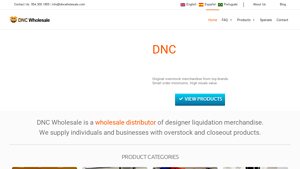
Introduction: DNC Wholesale is a wholesale distributor of designer liquidation merchandise, offering original overstock products from top brands. Key product categories include Men’s Clothing, Women’s Clothing, Children’s Clothing, Handbags, Men’s Shoes, Women’s Shoes, Costume Jewelry, Home, Bed & Bath, and Cosmetics & Makeup. They provide small order minimums, high resale value, and a constant supply of authen…
2. Brands Gateway – Luxury Fashion Wholesale
Domain: brandsgateway.com
Registered: 2016 (9 years)
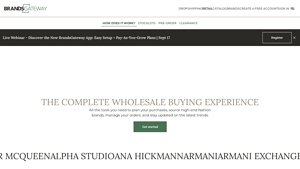
Introduction: Wholesale buying experience for over 800 luxury fashion brands. Easy online ordering with fast worldwide deliveries. Competitive pricing with discounts up to 90% off retail prices. Minimum order requirement of €1000. Categories include Accessories, Clothing, Watches, Shoes, Jewelry, Sunglasses, and Bags. Brands include Armani, Balenciaga, Calvin Klein, Dior, Dolce & Gabbana, Gucci, Hugo Boss, Jimm…
3. BrandsDistribution – Authentic Fashion Wholesale
Domain: brandsdistribution.com
Registered: 2006 (19 years)
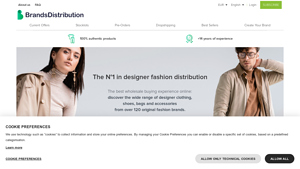
Introduction: Wholesale fashion supplier and dropshipping service offering 100% authentic products from over 120 original fashion brands. Key brands include Adidas, Tommy Hilfiger, Dr. Martens, Love Moschino, Calvin Klein, Philipp Plein, Guess, Gucci, Nike, Michael Kors, Liu Jo, and UGG. The platform provides access to a catalog of over 300,000 products, real-time updates on trends and availability, and exclusi…
4. Big Brand – Wholesale Designer Liquidations
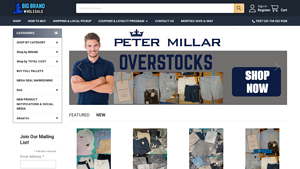
Domain: bigbrandwholesale.com
Registered: 2019 (6 years)
Introduction: Wholesale designer store liquidations located in the USA. Categories include: Women’s Clothing (Activewear, Bras, Lingerie, Tops, Dresses, Jeans, Jackets, Sleepwear, Swim), Men’s Clothing (Suits, Tops, Pants, Socks, Underwear), Kids’ Clothing (Tops, Dresses, Bottoms, Outerwear, Sleepwear), Body Care (Lotions, Bath, Skin Care), Accessories (Women’s and Men’s), Holiday & Gifts, Home Goods, Small and…
5. FashionGO – Exclusive Vendor Connections
6. Wholesale Fashion Trends – Women’s Elastic Waist Stripes Mini Shorts
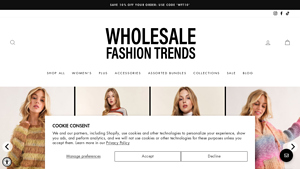
Domain: wholesalefashiontrends.com
Registered: 2020 (5 years)
Introduction: [{‘name’: “Women’s Elastic Waist Stripes Mini Shorts”, ‘price_per_unit’: ‘$5.75’, ‘price_per_pack’: ‘$46.00’}, {‘name’: “Women’s Long Sleeve Front Pocket Button Up Stripes Top”, ‘price_per_unit’: ‘$6.75’, ‘price_per_pack’: ‘$54.00’}, {‘name’: “Women’s Button Closure Cargo Pockets Denim Maxi Skirt”, ‘price_per_unit’: ‘$9.75’, ‘price_per_pack’: ‘$78.00’}, {‘name’: “Women’s Button Closure Cargo Pocke…
7. Bundlex – Wholesale Branded Clothing and Accessories
Domain: bundlex.com
Registered: 2006 (19 years)
Introduction: Bundlex offers a wide range of wholesale branded clothing and accessories for women, men, and kids. Key product categories include:
– **Women:** Clothing (dresses, shirts, blouses, t-shirts, sweatshirts, jackets, suits, trousers, skirts, swimwear), shoes (sneakers, high heels, boots, loafers, sandals), and accessories (bags, jewellery, hats, gloves).
– **Men:** Clothing (t-shirts, long sleeve shi…
8. B2brands – Outlet Fashion Wholesale
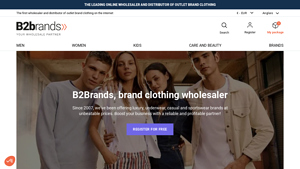
Domain: b2brands.com
Registered: 2016 (9 years)
Introduction: B2brands is a leading online wholesaler and distributor of outlet brand clothing, shoes, and accessories dedicated to professionals. They offer a wide range of products including luxury, casual, sportswear, and underwear from over 120 international fashion brands. Key brands include Calvin Klein, Tommy Hilfiger, Levi’s, Guess Jeans, Hugo Boss, and more. B2brands provides tailored solutions for fas…
Understanding designer clothing wholesale Types and Variations
| Type Name | Key Distinguishing Features | Primary B2B Applications | Brief Pros & Cons for Buyers |
|---|---|---|---|
| Luxury Brand Wholesale | High-end designer labels with exclusive collections. | High-end boutiques, luxury e-commerce stores. | Pros: Strong brand recognition; premium pricing. Cons: Higher minimum order quantities. |
| Overstock Liquidation | Unsold or excess inventory from retailers at discounted prices. | Discount retailers, online resellers, flea markets. | Pros: Low acquisition costs; diverse product range. Cons: Varied quality; limited selection. |
| Seasonal Collections | Current season styles, often at competitive prices. | Fashion retailers, online shops, seasonal pop-up stores. | Pros: Trendy inventory; appealing to fashion-forward customers. Cons: Higher price points; potential for unsold stock. |
| Private Label Wholesale | Customizable clothing lines with branding options. | Boutique owners, small retail chains, e-commerce platforms. | Pros: Unique offerings; brand identity. Cons: Longer lead times; minimum order requirements. |
| Designer Sample Sales | Exclusive access to limited-run items from designer collections. | High-end consignment shops, luxury resale platforms. | Pros: Rare items; potential for high resale value. Cons: Limited stock; competitive purchasing environment. |
What are the Characteristics of Luxury Brand Wholesale?
Luxury brand wholesale involves sourcing high-end designer clothing from well-known labels. These products are characterized by their exclusive collections, often featuring premium materials and craftsmanship. Buyers in this category typically include high-end boutiques and luxury e-commerce platforms. Key purchasing considerations include minimum order quantities, which can be substantial, and the need to maintain a premium pricing strategy to ensure brand integrity.
How Does Overstock Liquidation Work for B2B Buyers?
Overstock liquidation provides businesses with access to unsold or excess inventory from major retailers at significantly discounted prices. This type of wholesale is appealing to discount retailers and online resellers, as it allows them to offer a diverse range of products at competitive prices. However, buyers should be mindful of the quality variance and the potential for limited selection, as these items are often sold in bulk or mixed lots.
What are the Benefits of Purchasing Seasonal Collections?
Seasonal collections are characterized by current fashion trends and styles, making them ideal for retailers looking to attract fashion-conscious customers. These items are typically available at competitive prices, appealing to fashion retailers and seasonal pop-up shops. However, buyers need to consider the potential for unsold stock, as demand can fluctuate based on changing trends and consumer preferences.
What to Consider When Exploring Private Label Wholesale?
Private label wholesale allows businesses to create customizable clothing lines under their own brand. This option is particularly suitable for boutique owners and small retail chains looking to establish a unique identity in the marketplace. While private label products can enhance brand differentiation, buyers must account for longer lead times and minimum order requirements, which can impact cash flow.
Why are Designer Sample Sales Important for B2B Buyers?
Designer sample sales offer exclusive access to limited-run items from renowned designer collections, typically at reduced prices. This type of wholesale is ideal for high-end consignment shops and luxury resale platforms. Buyers benefit from acquiring rare items that can command a high resale value. However, competition for these items can be intense, and stock is often limited, necessitating quick decision-making and purchasing.
Key Industrial Applications of designer clothing wholesale
| Industry/Sector | Specific Application of designer clothing wholesale | Value/Benefit for the Business | Key Sourcing Considerations for this Application |
|---|---|---|---|
| Retail Fashion | Supplying high-end boutiques with luxury items | Increases product variety and attracts affluent customers | Ensure authenticity and compliance with local regulations |
| E-commerce | Stocking online stores with branded apparel | Expands market reach and caters to diverse consumer preferences | Fast shipping options and reliable inventory management |
| Event Planning | Providing attire for corporate events and galas | Enhances brand image and creates memorable experiences | Customization options and bulk purchasing discounts |
| Hospitality | Outfitting staff in luxury hotels and resorts | Elevates guest experience and reinforces brand standards | Consistent quality and availability of sizes and styles |
| Wholesale Distribution | Reselling designer clothing to smaller retailers | High resale margins and diverse product offerings | Access to various brands and flexible order quantities |
How is Designer Clothing Wholesale Used in Retail Fashion?
In the retail fashion sector, designer clothing wholesale is pivotal for boutiques seeking to offer a range of luxury items. By sourcing from reputable wholesalers, retailers can provide exclusive collections that attract affluent customers. This application addresses the challenge of limited inventory by enabling stores to access a diverse selection of high-end brands. For international buyers, particularly in regions like Europe and the Middle East, ensuring the authenticity of products and compliance with local regulations is critical to maintaining brand reputation.
What Role Does Designer Clothing Wholesale Play in E-commerce?
E-commerce businesses leverage designer clothing wholesale to stock their online platforms with branded apparel that appeals to a global audience. This approach allows them to expand their market reach and cater to diverse consumer preferences. The challenge lies in managing fast shipping and reliable inventory, especially for international buyers from Africa and South America. Establishing partnerships with wholesalers that provide efficient logistics and inventory management solutions is essential for success in this competitive landscape.
How Can Event Planners Benefit from Designer Clothing Wholesale?
Event planners often utilize designer clothing wholesale to provide upscale attire for corporate events and galas. By offering high-quality clothing options, planners enhance the brand image of their clients and create memorable experiences for attendees. The ability to customize attire and secure bulk purchasing discounts is vital for these applications. International buyers must consider sourcing partners that can meet specific customization requests and ensure timely delivery, particularly for events in regions like Saudi Arabia and Brazil.
Why is Designer Clothing Wholesale Important for the Hospitality Industry?
In the hospitality sector, designer clothing wholesale is essential for outfitting staff in luxury hotels and resorts. This application elevates the guest experience and reinforces the establishment’s brand standards. For hospitality businesses, consistent quality and availability of sizes and styles are crucial. International buyers should prioritize wholesalers that can provide a reliable supply chain and maintain high standards of product quality to ensure a cohesive and professional appearance for their staff.
How Do Wholesale Distributors Leverage Designer Clothing Wholesale?
Wholesale distributors play a significant role in reselling designer clothing to smaller retailers, capitalizing on high resale margins and diverse product offerings. This application allows smaller businesses to access luxury brands without the need for large investments. Key sourcing considerations include having access to a variety of brands and flexible order quantities, which can be particularly beneficial for international distributors looking to cater to niche markets in different regions.
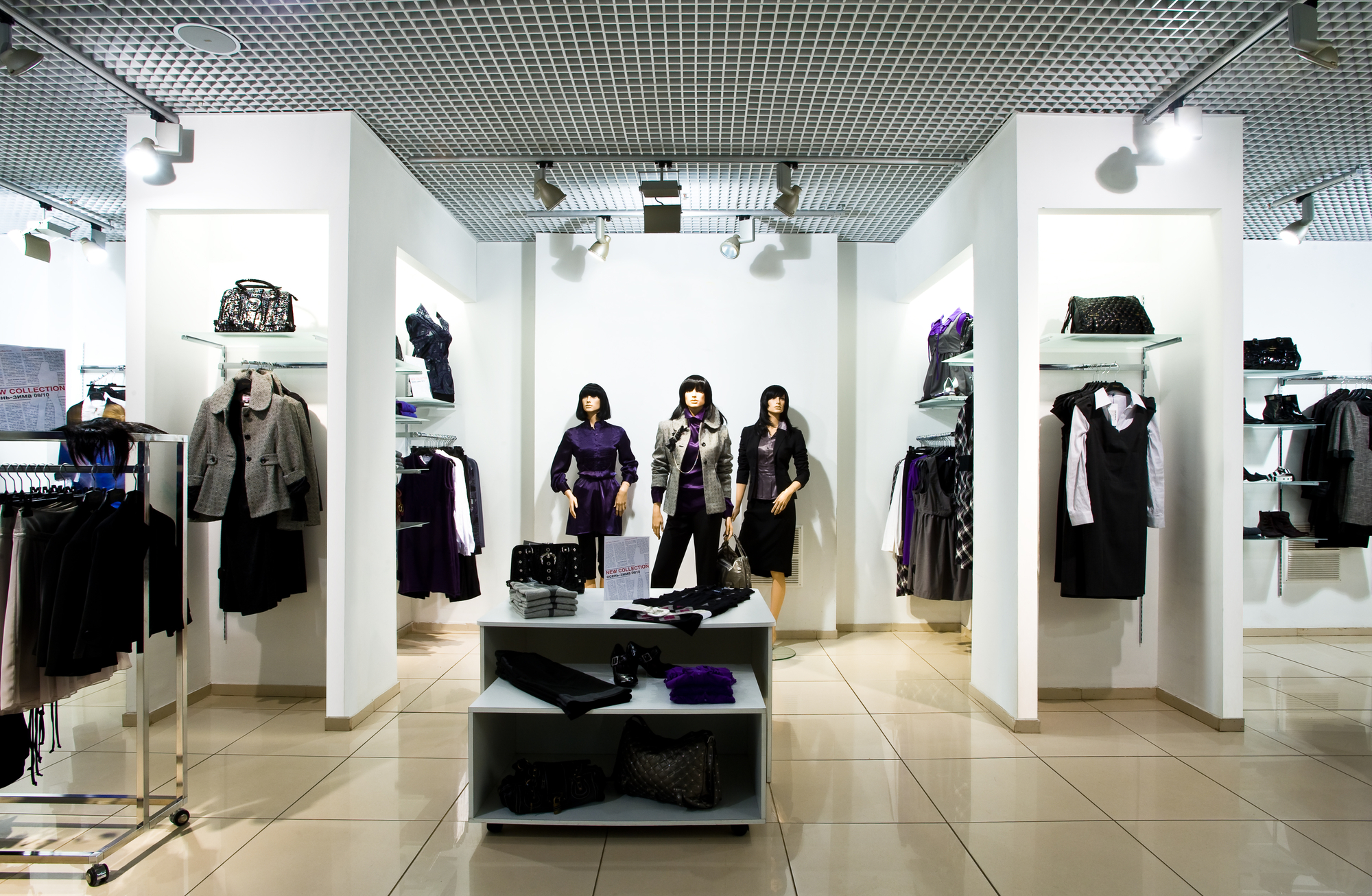
A stock image related to designer clothing wholesale.
3 Common User Pain Points for ‘designer clothing wholesale’ & Their Solutions
Scenario 1: Navigating Sourcing Quality Designer Brands
The Problem: B2B buyers often face challenges in sourcing high-quality designer clothing that meets their customers’ expectations. With the proliferation of wholesalers, distinguishing genuine, luxury items from counterfeit or subpar products can be daunting. Buyers may worry about the authenticity of the brands they are purchasing, fearing that they could jeopardize their business reputation if they inadvertently sell counterfeit goods. Additionally, the lack of transparency in the supply chain can lead to unexpected inventory issues.
The Solution: To effectively source quality designer clothing, buyers should prioritize working with reputable wholesale platforms that offer verifiable authenticity guarantees. Platforms like BrandsGateway provide extensive catalogs of over 800 recognized luxury brands, ensuring that buyers can access genuine products. Additionally, buyers should request product manifests detailing the items included in their orders, allowing for better visibility into their purchases. Establishing relationships with multiple wholesalers can also diversify sourcing options, enabling buyers to compare quality, pricing, and product authenticity across various suppliers.
Scenario 2: Overcoming High Minimum Order Requirements
The Problem: Many wholesale vendors impose high minimum order quantities, which can be prohibitive for smaller businesses or startups. This situation often forces buyers to make substantial financial commitments upfront, potentially leading to excess inventory that may not sell quickly. For international buyers, the added complexity of navigating import regulations and shipping logistics can compound these issues, making it even riskier to commit to large orders.
The Solution: To mitigate the risk associated with high minimum order requirements, buyers should seek wholesalers that offer flexible ordering options. For instance, DNC Wholesale allows for smaller order quantities, enabling businesses to test new products without a significant financial outlay. Buyers should also explore the possibility of forming purchasing cooperatives with other small retailers to meet minimum order requirements collectively. This approach not only reduces individual risk but can also foster relationships within the community. Additionally, utilizing dropshipping services can provide a way to offer a wider range of products without the need for large upfront investments.
Scenario 3: Managing Logistics and Shipping Costs
The Problem: International B2B buyers often struggle with logistics and shipping costs associated with ordering designer clothing wholesale. High shipping fees, potential delays, and customs clearance issues can lead to increased operational costs and dissatisfaction among customers awaiting their products. This is particularly pressing for businesses in regions with less reliable shipping infrastructures or those just starting to enter the global market.
The Solution: To address logistics and shipping challenges, buyers should partner with wholesalers that offer competitive shipping rates and reliable delivery services. Platforms like BrandsGateway utilize reputable courier services such as FedEx and DHL, ensuring fast and efficient worldwide delivery, which can significantly reduce wait times. Furthermore, buyers should familiarize themselves with local customs regulations and consider using freight forwarders who can streamline the shipping process and provide more favorable rates. By negotiating shipping terms and understanding the total landed costs, businesses can better manage their budgets and improve their overall profitability. Additionally, implementing inventory management systems can help track shipments and optimize stock levels, minimizing the risk of running out of popular products.
Strategic Material Selection Guide for designer clothing wholesale
What Are the Key Properties of Common Materials Used in Designer Clothing Wholesale?
In the world of designer clothing wholesale, the choice of materials can significantly influence both product quality and marketability. Here, we analyze four common materials used in the production of designer clothing: cotton, silk, polyester, and leather. Each material has unique properties and implications for B2B buyers, particularly those operating in diverse international markets.
How Does Cotton Perform in Designer Clothing?
Cotton is a natural fiber known for its breathability and comfort. It has a high moisture absorption rate, making it suitable for warm climates, which is particularly relevant for buyers in regions like Africa and South America. Cotton fabrics can withstand high temperatures during washing, which contributes to their durability. However, cotton can be prone to wrinkling and may require additional treatments to enhance its resistance to stains.
Pros: Breathable, comfortable, and easy to dye.
Cons: Prone to wrinkling and may shrink if not pre-treated.
Impact on Application: Ideal for casual wear and summer collections.
Considerations for International Buyers: Compliance with organic cotton standards (e.g., GOTS) may be essential for certain markets.
What Are the Advantages of Silk in Designer Clothing?
Silk is a luxurious material that offers a soft texture and a natural sheen, making it highly desirable for high-end fashion. Its lightweight nature and excellent drape allow for elegant designs. Silk is also known for its hypoallergenic properties, making it suitable for sensitive skin. However, it is less durable than other fabrics and can be challenging to care for, often requiring dry cleaning.
Pros: Luxurious feel, excellent drape, and hypoallergenic.
Cons: High cost and requires careful maintenance.
Impact on Application: Perfect for evening wear and upscale collections.
Considerations for International Buyers: Buyers should be aware of silk’s susceptibility to damage from sunlight and moisture, which may impact shipping and storage conditions.
How Does Polyester Compare in Terms of Performance?
Polyester is a synthetic fabric known for its durability and resistance to shrinking and stretching. It is lightweight and dries quickly, making it suitable for activewear and casual clothing. Polyester can also be blended with other materials to enhance performance and aesthetics. However, it is less breathable than natural fibers, which can be a drawback in hotter climates.
Pros: Durable, quick-drying, and resistant to wrinkles.
Cons: Less breathable and can retain odors.
Impact on Application: Ideal for sportswear and everyday clothing.
Considerations for International Buyers: Compliance with environmental standards related to synthetic fibers is increasingly important, especially in Europe.
What Role Does Leather Play in Designer Clothing?
Leather is a premium material that conveys a sense of luxury and durability. It is often used in jackets, bags, and shoes, appealing to consumers seeking high-quality, long-lasting products. Leather is resistant to wear and tear, although it requires regular maintenance to prevent drying and cracking. The sourcing of leather can raise ethical concerns, which may affect marketability.
Pros: Durable, timeless appeal, and improves with age.
Cons: High cost and requires maintenance.
Impact on Application: Suitable for outerwear and high-end accessories.
Considerations for International Buyers: Buyers should be aware of compliance with animal welfare standards and regulations in their respective markets.
Summary Table of Material Selection for Designer Clothing Wholesale
| Material | Typical Use Case for designer clothing wholesale | Key Advantage | Key Disadvantage/Limitation | Relative Cost (Low/Med/High) |
|---|---|---|---|---|
| Cotton | Casual wear, summer collections | Breathable and comfortable | Prone to wrinkling | Medium |
| Silk | Evening wear, upscale collections | Luxurious feel | High cost and maintenance needed | High |
| Polyester | Sportswear, everyday clothing | Durable and quick-drying | Less breathable | Low |
| Leather | Outerwear, high-end accessories | Durable and timeless appeal | High cost and maintenance needed | High |
This analysis provides B2B buyers with insights into the properties, advantages, disadvantages, and considerations for selecting materials in designer clothing wholesale, enabling informed purchasing decisions that align with market demands and regional preferences.
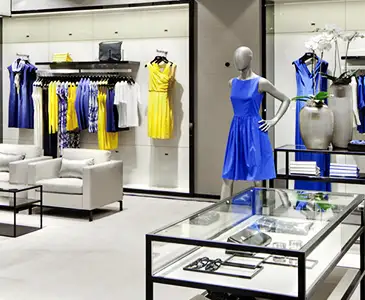
A stock image related to designer clothing wholesale.
In-depth Look: Manufacturing Processes and Quality Assurance for designer clothing wholesale
What Are the Main Stages of Manufacturing Processes for Designer Clothing Wholesale?
The manufacturing of designer clothing involves several critical stages, each designed to ensure high-quality output. The main stages include material preparation, forming, assembly, and finishing.
-
Material Preparation: This initial stage involves selecting and preparing fabrics and other materials. Quality sourcing is vital; designers often choose high-end textiles such as silk, wool, or organic cotton. Suppliers must ensure that materials meet specific standards in terms of durability and appearance. This is often followed by pre-treatment processes like dyeing or shrinking to enhance the fabric’s properties.
-
Forming: In this stage, the prepared materials are cut and shaped according to patterns. Advanced techniques such as CAD (Computer-Aided Design) are commonly used to ensure precision in cutting. This step is crucial as it influences the fit and drape of the final product. Sustainability practices are increasingly being adopted, such as minimizing waste through efficient pattern placement.
-
Assembly: Once the pieces are cut, they undergo assembly, where skilled workers stitch the components together. This process can involve various techniques, including flatlock stitching for seam strength and decorative stitching for aesthetic appeal. Quality assurance starts here, as the assembly line should be monitored for consistency and craftsmanship.
-
Finishing: The final stage involves adding details like buttons, zippers, and labels. This stage also includes pressing and quality checks to ensure that the garments meet the brand’s standards. Finishing touches can significantly enhance the garment’s appeal and functionality, making it ready for retail.
How Is Quality Assurance Implemented in Designer Clothing Manufacturing?
Quality assurance (QA) is crucial in maintaining the high standards expected of designer clothing. B2B buyers should be aware of several international and industry-specific quality standards.
-
International Standards: Compliance with ISO 9001, which focuses on quality management systems, is essential for manufacturers aiming to provide consistent quality. This standard helps suppliers develop processes that meet customer and regulatory requirements.
-
Industry-Specific Standards: Other relevant certifications may include CE marking for safety and environmental standards, particularly for clothing sold in the European market. Additionally, certain certifications like the Global Organic Textile Standard (GOTS) may apply to organic materials, important for eco-conscious brands.
What Are the Key Quality Control Checkpoints in Clothing Manufacturing?
Quality control (QC) is integrated throughout the manufacturing process, with specific checkpoints to ensure standards are met.
-
Incoming Quality Control (IQC): This initial checkpoint occurs when materials arrive at the manufacturing facility. Inspectors verify that materials meet the specifications outlined in purchase orders. This includes checking for defects, verifying fabric quality, and ensuring compliance with safety standards.
-
In-Process Quality Control (IPQC): During production, ongoing inspections are vital. This may include monitoring stitching quality, checking measurements, and ensuring that assembly processes adhere to established protocols. Regular audits during this phase help catch defects early, reducing waste and rework.
-
Final Quality Control (FQC): This final inspection occurs once garments are fully assembled. Inspectors evaluate the finished products for overall quality, including stitching, fit, and any aesthetic details. This stage is crucial for ensuring that only garments that meet the brand’s high standards are shipped.
What Common Testing Methods Are Used in Quality Control for Designer Clothing?
Several testing methods help ensure the quality of designer clothing. Some common techniques include:
-
Fabric Testing: Tests for colorfastness, shrinkage, and tensile strength are conducted to ensure that fabrics perform well under various conditions.
-
Fit Testing: Sample garments are tried on models to assess fit and comfort. Adjustments may be made based on feedback to ensure that the final products meet consumer expectations.
-
Durability Testing: Stress tests simulate wear and tear to ensure the garments can withstand daily use.
How Can B2B Buyers Verify Supplier Quality Control Practices?
For international buyers, especially from diverse markets like Africa, South America, the Middle East, and Europe, verifying a supplier’s quality control practices is essential. Here are key strategies:
-
Audits: Conducting audits of potential suppliers can provide insights into their manufacturing processes and quality control systems. These audits may include reviewing documentation, inspecting facilities, and interviewing staff.
-
Quality Reports: Requesting detailed quality reports that outline testing results and compliance with industry standards can help buyers assess a supplier’s reliability.
-
Third-Party Inspections: Engaging third-party inspection services can provide an unbiased evaluation of the manufacturing processes and quality standards. This is especially useful for buyers who cannot visit factories in person.
What Are the Quality Control Nuances for International B2B Buyers?
International buyers must navigate various challenges regarding quality control. Different countries may have distinct standards and regulations, which can affect product quality. B2B buyers should:
-
Understand Local Regulations: Familiarize themselves with local import regulations, safety standards, and labeling requirements. This knowledge is crucial for ensuring compliance and avoiding penalties.
-
Communicate Clearly: Establish clear communication with suppliers regarding quality expectations. Providing detailed specifications can help mitigate misunderstandings and ensure that products meet the required standards.
-
Build Relationships: Developing strong relationships with suppliers can foster transparency and improve quality control. Regular communication can help address issues proactively and build trust over time.
By understanding these manufacturing processes and quality assurance measures, B2B buyers can make informed decisions when sourcing designer clothing, ensuring they receive high-quality products that meet their market’s demands.
Practical Sourcing Guide: A Step-by-Step Checklist for ‘designer clothing wholesale’
Introduction
In the competitive landscape of designer clothing wholesale, making informed sourcing decisions is crucial for success. This checklist serves as a practical guide for B2B buyers looking to procure high-quality designer apparel efficiently and effectively. By following these steps, you can streamline your purchasing process, minimize risks, and maximize profitability.
Step 1: Define Your Target Market
Understanding your customer base is the first step in sourcing designer clothing. Identify the demographics, purchasing behaviors, and preferences of your target market in regions like Africa, South America, the Middle East, and Europe. This information will guide your selection of brands and styles that resonate with your customers, ensuring better sales performance.
Step 2: Research Reliable Suppliers
Finding reputable suppliers is key to a successful wholesale operation. Investigate potential vendors by checking their online presence, reviews, and industry reputation. Look for suppliers with a proven track record of quality and service, and consider platforms that offer robust support, such as live chat and dedicated account management.
Step 3: Evaluate Product Quality
Before placing orders, assess the quality of the designer clothing on offer. Request samples or detailed product descriptions, including materials used, sizes, and care instructions. High-quality products not only enhance your brand’s reputation but also lead to higher customer satisfaction and lower return rates.
Step 4: Check Pricing Structures
Understanding pricing is essential for maintaining healthy profit margins. Compare wholesale prices across different suppliers and ensure you are aware of any additional fees, such as shipping costs or taxes. Look for suppliers who offer competitive pricing without compromising on quality, enabling you to offer attractive retail prices to your customers.
Step 5: Understand Minimum Order Requirements
Many wholesale suppliers have minimum order quantities (MOQs) that can impact your initial investment. Evaluate the MOQs and determine if they align with your budget and inventory strategy. Consider starting with suppliers that offer lower MOQs, allowing you to test different products without significant financial risk.
Step 6: Review Shipping and Logistics Options
Efficient logistics is vital in wholesale operations, especially when dealing with international suppliers. Investigate the shipping methods offered by your suppliers, including delivery times and costs. Ensure they provide reliable tracking systems and consider suppliers who offer global shipping to reach your customers effectively.
Step 7: Establish Clear Communication Channels
Maintaining open lines of communication with your suppliers is crucial for resolving issues and ensuring smooth operations. Set expectations for response times and preferred communication methods. Regular updates about order status, inventory levels, and new product arrivals can help you manage your business more effectively and build a strong partnership with your suppliers.
By following this comprehensive checklist, B2B buyers can navigate the complexities of sourcing designer clothing wholesale, ensuring they make informed decisions that lead to successful business outcomes.
Comprehensive Cost and Pricing Analysis for designer clothing wholesale Sourcing
What Are the Key Cost Components in Designer Clothing Wholesale Sourcing?
When analyzing the cost structure for designer clothing wholesale sourcing, several key components come into play. Understanding these can provide international B2B buyers with a clearer picture of potential expenses.
-
Materials: The quality of fabrics and other materials significantly impacts the cost. High-end designer clothing often requires premium materials, which can increase unit costs. Buyers should inquire about material sourcing and consider the balance between cost and quality.
-
Labor: Labor costs can vary widely based on the geographic location of manufacturing. Countries with higher labor costs may offer better quality craftsmanship, while lower-cost countries may produce garments at a reduced quality. Buyers should assess the trade-offs between price and quality.
-
Manufacturing Overhead: This includes costs associated with running the production facility, such as utilities, rent, and administrative expenses. Understanding these costs can help buyers gauge the pricing strategies of suppliers.
-
Tooling and Setup Costs: For customized or specialized designs, tooling costs may be incurred. These costs can be significant for small runs, making minimum order quantities (MOQs) a critical consideration for buyers.
-
Quality Control (QC): Ensuring that products meet quality standards can add to overall costs. Buyers should discuss QC processes with suppliers to understand how these costs are factored into pricing.
-
Logistics: Shipping and handling costs are vital, especially for international transactions. Factors such as shipping method, distance, and customs duties can affect the final price significantly. It’s essential to evaluate various logistics options to optimize shipping costs.
-
Margin: Suppliers typically add a markup to their costs to ensure profitability. This margin can vary based on the supplier’s business model and market positioning. Understanding the supplier’s pricing strategy can provide insights into potential negotiation points.
How Do Price Influencers Impact Designer Clothing Wholesale Pricing?
Several factors influence the pricing of designer clothing in a wholesale context:
-
Volume and Minimum Order Quantities (MOQ): Suppliers often provide better pricing for larger orders. Understanding MOQs can help buyers negotiate more favorable terms and achieve cost efficiencies.
-
Specifications and Customization: Custom designs or specifications can increase costs. Buyers should weigh the benefits of customization against potential price hikes.
-
Quality and Certifications: Higher quality standards and certifications (e.g., sustainable sourcing) can lead to increased costs. Buyers should consider how these factors align with their brand positioning.
-
Supplier Factors: The reputation and reliability of suppliers can impact pricing. Established suppliers may command higher prices due to perceived quality and service levels.
-
Incoterms: The terms of shipment and delivery (Incoterms) can significantly affect the overall cost. Buyers should ensure they understand these terms to avoid unexpected expenses.
What Buyer Tips Can Enhance Cost-Efficiency in Designer Clothing Sourcing?
International B2B buyers, particularly those from Africa, South America, the Middle East, and Europe, can enhance their sourcing strategies through the following tips:
-
Negotiate Effectively: Engage in open discussions about pricing and terms. Suppliers may be willing to adjust prices based on order size or long-term partnership potential.
-
Consider Total Cost of Ownership (TCO): Evaluate not just the purchase price but also ongoing costs such as shipping, customs, and potential returns. This comprehensive view can lead to better decision-making.
-
Understand Pricing Nuances for Different Regions: Regional market dynamics can influence pricing. Buyers should research local competitors and market trends to inform their negotiation strategies.
-
Stay Updated on Trends: Keeping abreast of the latest fashion trends and market demands can help buyers make informed purchasing decisions, ensuring they invest in products that will sell well.
-
Build Strong Relationships: Establishing good relationships with suppliers can lead to better pricing, exclusive offers, and improved service levels. Regular communication and feedback can foster these relationships.
Conclusion
While indicative prices in the designer clothing wholesale market can vary widely, understanding the underlying cost structure and pricing influences allows buyers to make informed decisions. By leveraging negotiation strategies and considering total costs, B2B buyers can enhance their sourcing effectiveness and profitability.
Alternatives Analysis: Comparing designer clothing wholesale With Other Solutions
Understanding Alternatives to Designer Clothing Wholesale
In the competitive landscape of fashion retail, particularly for international B2B buyers, it’s crucial to evaluate various sourcing options for designer clothing. While wholesale designer clothing offers a streamlined approach to acquiring high-end fashion, there are alternative methods that can also meet business needs. This section compares designer clothing wholesale against two viable alternatives: liquidation sales and direct partnerships with brands.
Comparison Table
| Comparison Aspect | Designer Clothing Wholesale | Liquidation Sales | Direct Brand Partnerships |
|---|---|---|---|
| Performance | High-quality, curated inventory with broad brand selection | Varies based on available stock, often lower quality | Consistent quality, brand loyalty |
| Cost | Competitive pricing with high margins (up to 90% off retail) | Often lower prices, but unpredictable stock | Generally higher costs due to brand premiums |
| Ease of Implementation | Simple online ordering, low minimums (e.g., €1,000) | Complex logistics, often bulk purchases required | Lengthy negotiation processes, may require exclusivity |
| Maintenance | Ongoing support, easy inventory management | Requires constant monitoring of stock levels | Requires strong relationship management and marketing support |
| Best Use Case | E-commerce, multi-brand retail | Discount outlets, clearance sales | Exclusive retail partners, high-end boutiques |
In-Depth Analysis of Alternatives
What Are the Advantages and Disadvantages of Liquidation Sales?
Liquidation sales can be an attractive alternative for B2B buyers seeking to acquire designer merchandise at significantly reduced prices. These sales typically involve overstock or returned items from major retailers, allowing businesses to purchase products at a fraction of the retail price. However, the performance can be inconsistent, as the quality and selection of items can vary greatly. Additionally, while costs are often lower, buyers may need to manage larger quantities of stock than they require, leading to potential inventory issues. Liquidation sales are best suited for discount retailers or businesses looking to clear out stock quickly.
How Do Direct Brand Partnerships Compare?
Establishing direct partnerships with fashion brands can offer B2B buyers a reliable source of high-quality merchandise and brand loyalty. This approach allows businesses to sell exclusive products, often with marketing support from the brand itself. However, the costs associated with direct partnerships can be significantly higher, as brands may demand larger minimum orders and more considerable financial commitments. Additionally, the implementation process can be lengthy, requiring negotiations and compliance with brand standards. This option is ideal for high-end boutiques or retailers looking to enhance their brand image.
Conclusion: How Should B2B Buyers Choose the Right Solution?
When evaluating sourcing options, B2B buyers must consider their specific business needs, operational capabilities, and target market. Designer clothing wholesale presents an efficient and cost-effective solution for those looking for a diverse range of high-quality products. In contrast, liquidation sales may appeal to those focused on cost savings, while direct brand partnerships are ideal for businesses prioritizing exclusivity and brand prestige. Ultimately, aligning the chosen method with business objectives will ensure a sustainable and profitable retail operation.
Essential Technical Properties and Trade Terminology for designer clothing wholesale
What Are the Key Technical Properties in Designer Clothing Wholesale?
In the realm of designer clothing wholesale, several technical properties are essential for ensuring quality, compliance, and customer satisfaction. Understanding these specifications is crucial for international B2B buyers, particularly when sourcing from diverse regions.
-
Material Grade
Material grade refers to the quality and type of fabric used in garments, which significantly affects durability, comfort, and aesthetic appeal. For instance, luxury brands often use high-grade materials such as silk, cashmere, or organic cotton. Buyers should prioritize understanding the material grade to ensure that the products meet their market’s expectations and justify their pricing strategy. -
Tolerance Levels
Tolerance levels denote the acceptable variations in measurements during the manufacturing process. In clothing production, this can pertain to dimensions like seam allowances or garment sizes. Accurate tolerances are critical for maintaining the fit and finish of designer items, which can affect customer satisfaction and return rates. Buyers should ensure their suppliers can adhere to specified tolerance levels to minimize discrepancies. -
Color Fastness
Color fastness is the ability of a fabric to retain its color when subjected to various conditions, such as washing, light exposure, and rubbing. This property is crucial in the designer clothing market, where color integrity can impact the perceived quality of the item. Buyers must inquire about color fastness ratings, especially if sourcing materials from different geographical locations known for varying dyeing practices. -
Sustainability Certifications
With the rising demand for eco-friendly products, sustainability certifications (like GOTS or OEKO-TEX) have become essential properties in the wholesale clothing sector. These certifications indicate that the materials used are sourced sustainably and meet environmental standards. Buyers should consider these certifications as they align with global market trends and consumer preferences for ethical fashion. -
Finishing Techniques
Finishing techniques encompass the processes applied to fabrics after weaving or knitting, such as washing, dyeing, and treatments for softness or wrinkle resistance. These techniques can significantly enhance the garment’s appeal and functionality. Buyers should understand these processes to evaluate product quality effectively and to communicate specific needs to suppliers.
What Are Common Trade Terms in Designer Clothing Wholesale?
Familiarity with industry jargon is vital for effective communication and negotiation in the wholesale market. Here are several key terms that B2B buyers should know:
-
Minimum Order Quantity (MOQ)
MOQ refers to the smallest number of units a supplier is willing to sell in a single order. Understanding MOQs is critical for inventory management and cost control. Buyers must evaluate whether they can meet these minimums while aligning with their sales strategy and cash flow. -
Request for Quotation (RFQ)
An RFQ is a formal document sent to suppliers to request pricing and terms for specific products. This process is essential for comparing offers from various vendors and ensuring competitive pricing. Buyers should be prepared to provide detailed specifications to receive accurate quotes. -
Original Equipment Manufacturer (OEM)
An OEM produces parts or products that are used in another company’s end product. In the fashion industry, OEMs can create clothing based on a buyer’s specifications, allowing for customization. Understanding OEM relationships can help buyers source unique designs while maintaining quality control. -
Incoterms (International Commercial Terms)
Incoterms define the responsibilities of buyers and sellers regarding shipping, insurance, and tariffs in international transactions. Familiarity with these terms helps buyers understand shipping costs and risks involved in transporting goods across borders. Common terms include FOB (Free on Board) and CIF (Cost, Insurance, and Freight). -
Lead Time
Lead time is the period between placing an order and receiving the goods. This term is crucial for inventory planning and sales forecasting. Buyers should always clarify lead times with suppliers to ensure they can meet customer demand without excess stock.
By understanding these essential technical properties and trade terms, international B2B buyers can make informed decisions, fostering successful partnerships in the designer clothing wholesale market.
Navigating Market Dynamics and Sourcing Trends in the designer clothing wholesale Sector
What Are the Current Market Dynamics and Key Trends in Designer Clothing Wholesale?
The designer clothing wholesale sector is experiencing significant shifts driven by globalization, technological advancements, and changing consumer behaviors. As international B2B buyers from regions such as Africa, South America, the Middle East, and Europe seek to capitalize on the growing demand for luxury fashion, understanding these dynamics is essential.
One of the most notable trends is the rise of digital marketplaces that facilitate seamless transactions and broaden access to a diverse range of luxury brands. Platforms like BrandsGateway and DNC Wholesale have streamlined the purchasing process, enabling buyers to browse extensive catalogs, manage orders online, and benefit from competitive pricing with low minimum order requirements. This shift towards e-commerce has not only simplified sourcing but also enhanced transparency and efficiency in the supply chain.
Another critical factor is the increasing focus on fast fashion and rapid inventory turnover. Buyers are now looking for suppliers who can provide not just current season styles but also exclusive deals on overstock and closeout merchandise. This trend is particularly relevant for emerging markets, where consumers are increasingly brand-conscious yet price-sensitive, creating opportunities for wholesalers who can offer high-quality products at competitive prices.
Additionally, the sustainability narrative is gaining traction, influencing purchasing decisions. Buyers are more inclined to partner with suppliers that prioritize ethical practices and sustainability, reflecting a broader shift in consumer expectations towards environmentally responsible brands.
How Important Is Sustainability and Ethical Sourcing in the Designer Clothing Wholesale Sector?
Sustainability and ethical sourcing have become pivotal considerations for B2B buyers in the designer clothing wholesale sector. The environmental impact of fashion production is significant, contributing to pollution, waste, and resource depletion. As awareness grows, buyers are increasingly prioritizing suppliers who demonstrate a commitment to sustainable practices.
This includes sourcing materials that are eco-friendly, such as organic cotton, recycled fabrics, and other sustainable alternatives. Certifications like Global Organic Textile Standard (GOTS) and OEKO-TEX are becoming essential for suppliers to showcase their commitment to reducing environmental impact. Buyers who align with such suppliers not only enhance their brand reputation but also meet the growing consumer demand for transparency and responsibility in the fashion industry.
Moreover, ethical supply chains are critical for ensuring fair labor practices. Buyers should seek out wholesalers who provide clear information about their sourcing processes, including labor conditions and wages. This focus on ethical sourcing not only helps in mitigating risks related to reputational damage but also resonates with a socially conscious customer base.
What Has Been the Evolution of the Designer Clothing Wholesale Sector?
The designer clothing wholesale sector has evolved significantly over the past few decades. Initially dominated by traditional brick-and-mortar retailers, the landscape began to shift with the advent of e-commerce in the late 1990s and early 2000s. This transformation allowed wholesalers to reach a global audience, breaking geographical barriers and enabling buyers from diverse regions to access luxury brands.
In recent years, the rise of digital marketplaces has further accelerated this evolution, providing a platform for real-time inventory management and order processing. As buyers increasingly value convenience and speed, wholesalers have adapted by leveraging technology to enhance their service offerings, including detailed product manifests and customizable order options.
The focus on sustainability and ethical sourcing is a more recent development, reflecting broader societal changes and consumer expectations. As the market continues to evolve, B2B buyers must stay attuned to these trends, ensuring they partner with suppliers that not only meet their commercial needs but also align with their values and the expectations of their end consumers.
Frequently Asked Questions (FAQs) for B2B Buyers of designer clothing wholesale
-
How do I ensure the quality of designer clothing when sourcing wholesale?
To ensure quality when sourcing designer clothing wholesale, start by vetting suppliers thoroughly. Look for established vendors with positive reviews and a solid reputation in the industry. Request samples to assess the material and craftsmanship firsthand. Additionally, inquire about the suppliers’ quality assurance processes and return policies. This will help you gauge their commitment to quality and ensure that the products meet your standards before placing larger orders. -
What are the minimum order quantities (MOQs) for wholesale designer clothing?
Minimum order quantities can vary significantly among suppliers. Some may have low MOQs starting at €1,000, while others could require larger bulk orders. It’s essential to clarify these details before committing to a supplier. Additionally, consider your inventory needs and cash flow when evaluating MOQs. Suppliers offering smaller quantities can help you test new products without substantial upfront investment, making it easier to adapt to changing market demands. -
What payment terms should I expect when purchasing wholesale designer clothing?
Payment terms for wholesale purchases typically range from upfront payment to net terms (e.g., 30 days after delivery). Many suppliers require a deposit, especially for larger orders. It’s crucial to discuss these terms upfront and ensure they align with your financial capabilities. Additionally, inquire about available payment methods, such as bank transfers, credit cards, or online payment platforms, to find the most convenient option for your business. -
How can I effectively manage logistics and shipping for my wholesale orders?
Managing logistics for wholesale orders involves coordinating with suppliers and freight forwarders to ensure timely delivery. Discuss shipping options with your supplier, including express and standard delivery services. Many suppliers partner with reliable couriers like FedEx and DHL, providing tracking options and insurance. Additionally, consider customs regulations and duties for international shipments to avoid unexpected delays. Establishing a good relationship with your logistics provider can streamline this process. -
What should I look for when vetting suppliers for designer clothing?
When vetting suppliers, assess their experience in the industry, product range, and customer feedback. Check for certifications that ensure authenticity, such as brand partnerships or wholesale licenses. Additionally, request references from other buyers to gauge their reliability. Investigate their production processes and ethical standards, particularly if you are sourcing from regions with varying labor practices. This due diligence can help you build long-term, trustworthy relationships with suppliers. -
Can I customize the designer clothing I purchase wholesale?
Customization options for wholesale designer clothing depend on the supplier’s capabilities. Some vendors may offer the ability to customize designs, sizes, or colors, while others may only sell ready-made items. If customization is important to your business, clearly communicate your needs and confirm whether the supplier can accommodate them. Understand any associated costs and minimum order requirements for customized items to ensure they fit within your budget. -
What are the best practices for handling returns and exchanges in wholesale purchases?
Handling returns and exchanges in wholesale can be complex, so it’s essential to establish clear policies with your suppliers upfront. Ensure you understand their return policy, including time frames for returns and conditions for acceptable merchandise. Document any discrepancies in shipments immediately and communicate with your supplier to resolve issues swiftly. Maintaining a good relationship with your suppliers can facilitate smoother returns and exchanges, ultimately protecting your business’s reputation. -
How do I stay updated on the latest trends in designer clothing?
Staying updated on designer clothing trends involves a combination of market research, following fashion influencers, and subscribing to industry newsletters. Attend trade shows and fashion weeks to gain insights into upcoming collections and consumer preferences. Engage with online communities and forums dedicated to fashion retail to share insights and learn from peers. Regularly reviewing sales data from your own business can also help identify which trends resonate with your customers, allowing you to make informed purchasing decisions.
Important Disclaimer & Terms of Use
⚠️ Important Disclaimer
The information provided in this guide, including content regarding manufacturers, technical specifications, and market analysis, is for informational and educational purposes only. It does not constitute professional procurement advice, financial advice, or legal advice.
While we have made every effort to ensure the accuracy and timeliness of the information, we are not responsible for any errors, omissions, or outdated information. Market conditions, company details, and technical standards are subject to change.
B2B buyers must conduct their own independent and thorough due diligence before making any purchasing decisions. This includes contacting suppliers directly, verifying certifications, requesting samples, and seeking professional consultation. The risk of relying on any information in this guide is borne solely by the reader.
Strategic Sourcing Conclusion and Outlook for designer clothing wholesale
How Can Strategic Sourcing Enhance Your Wholesale Business?
In the ever-evolving landscape of designer clothing wholesale, strategic sourcing stands out as a crucial element for achieving success. By leveraging platforms that offer access to a diverse range of luxury brands, international B2B buyers can streamline their purchasing processes, ensuring they remain competitive in a crowded market. Key takeaways include the importance of selecting reliable suppliers that provide high-quality products at competitive prices, along with the flexibility to order smaller quantities without sacrificing profit margins.
Moreover, the integration of technology in the sourcing process simplifies order management and enhances inventory control, allowing businesses to respond quickly to market demands. As buyers from regions such as Africa, South America, the Middle East, and Europe explore these opportunities, they can establish robust supply chains that not only meet current trends but also anticipate future demands.
Looking ahead, the potential for growth in the designer clothing wholesale sector is immense. Now is the time for international buyers to take action—invest in strategic sourcing partnerships that empower your business to thrive. Embrace the future of fashion retail by connecting with reliable wholesalers and optimizing your inventory strategies to ensure sustained success.