
The Ultimate Guide to Sourcing Mezzanine Floor Suppliers: Top 6 Com…
Introduction: Navigating the Global Market for mezzanine floor suppliers
In the dynamic landscape of industrial operations, sourcing high-quality mezzanine floor suppliers can be a daunting task for B2B buyers, especially when considering the diverse needs of different regions such as Africa, South America, the Middle East, and Europe. As businesses strive to maximize their space and efficiency, understanding the various types of mezzanine flooring systems—ranging from industrial-grade to customized solutions—becomes crucial. This guide not only outlines the various applications of mezzanine floors, including storage solutions, work platforms, and even retail spaces, but also delves into the critical aspects of supplier vetting, cost considerations, and product specifications.
By providing actionable insights into the global market, this resource empowers international buyers to make informed purchasing decisions tailored to their unique operational requirements. Whether you are in Germany looking for durable flooring solutions or in Nigeria seeking cost-effective options, this guide equips you with the knowledge to navigate supplier offerings confidently. From understanding the structural integrity required for heavy-duty applications to exploring innovative materials that enhance functionality and safety, our comprehensive analysis serves as your roadmap in the complex world of mezzanine flooring. Unlock the potential of your workspace and streamline your procurement process with this essential B2B resource.
Top 10 Mezzanine Floor Suppliers Manufacturers & Suppliers List
1. ResinDek – Engineered Mezzanine Flooring
Domain: resindek.com
Registered: 2002 (23 years)
Introduction: ResinDek® is an engineered mezzanine floor system designed for various applications including material handling, mobile robots, ground-floor robotic applications, storage, pallet jacks, retrofit and rework, and self-storage facilities. Key products include ResinDek® flooring panels, finishes, and fastening systems. The product line features different types of ResinDek® such as LD, SD, MD, HD, WR, …
2. Everest Industries – Mezzanine Flooring Solutions

Domain: everestind.com
Registered: 2003 (22 years)
Introduction: Everest Industries is a leading supplier of mezzanine flooring solutions, offering robust design, fire-resistant properties, and remarkable strength. Key features include:
– High Load Bearing Capacity
– Moisture Resistance
– Fire Resistance
– Termite Proof
– Weather Resistance
– Eco Friendly
– Faster Construction
Products used in mezzanine flooring include Everest Multipro (18/20) and SuperHD (15…
3. MHIG – Mezzanine Systems Installation
Domain: mhig-installs.com
Registered: 2012 (13 years)
Introduction: Mezzanine Systems Installation, Integrated Mezzanine Floor Installers Network, experience with major brands, suitable for various industries and applications, project management services, OSHA certified installation crews, 2 year labor warranty, installation of structural steel mezzanines, rack supported mezzanines, stainless steel mezzanines, aviation maintenance parts mezzanines, work platforms,…
4. Safety Source LLC – Industrial Mezzanines & Work Platforms
5. Krost Shelving – Industrial Mezzanine Floors
Domain: krostshelving.com
Registered: 2002 (23 years)
Introduction: Industrial Mezzanine Floors from Krost Shelving & Racking are designed for quick, clean, and easy installation with minimal disruption to operations. They are custom designed and manufactured according to engineering specifications to meet specific client requirements. The mezzanine flooring can be used for various applications including storage areas, fabrication areas, packing areas, and offices…
6. Revlok – Modular Mezzanine Floors
Domain: doity.com
Registered: 2000 (25 years)
Introduction: Mezzanine Floors Manufacturers & Suppliers | Revlok Mezzanines. Specializes in modular mezzanine floors with a government-approved system manual. Installation can be completed in 50% less time than traditional construction. Committed to ISO 9001 regulations and CE markings. Types of mezzanine floors include: Office Mezzanine Floors, Warehouse Mezzanine Floors, Storage Mezzanine Floors, Retail Mezz…
Understanding mezzanine floor suppliers Types and Variations
| Type Name | Key Distinguishing Features | Primary B2B Applications | Brief Pros & Cons for Buyers |
|---|---|---|---|
| Engineered Flooring Suppliers | Specialize in flooring systems designed for heavy loads and automation. | Distribution centers, manufacturing plants | Pros: High durability, customizable load capacities. Cons: Initial investment may be higher than traditional options. |
| Modular Mezzanine Manufacturers | Offer pre-fabricated, customizable solutions for quick installation. | Warehouses, retail spaces, and offices | Pros: Faster setup, flexibility in design. Cons: May lack the robustness of custom-built solutions. |
| Structural Steel Suppliers | Focus on the construction and assembly of steel mezzanine frameworks. | Industrial facilities, storage solutions | Pros: Strong structural integrity, long-lasting. Cons: Heavier, may require specialized installation. |
| Multi-Level Mezzanine Providers | Create complex multi-level systems for maximizing vertical space. | Large warehouses, distribution centers | Pros: Efficient use of space, suitable for high-density storage. Cons: Higher complexity in design and potential costs. |
| Specialty Mezzanine Suppliers | Provide tailored mezzanine solutions for specific industries (e.g., food, healthcare). | Industry-specific applications | Pros: Customized features for unique needs. Cons: Limited scalability and potentially higher costs. |
What Are the Characteristics of Engineered Flooring Suppliers?
Engineered flooring suppliers focus on high-performance flooring systems that can withstand heavy loads and support automated machinery. Their products, such as ResinDek, are designed for environments with automated guided vehicles (AGVs) and rolling pallet jacks. This type is particularly suited for distribution centers and manufacturing plants that require durable, low-maintenance flooring. When purchasing, B2B buyers should consider load capacity specifications and the flooring’s resistance to moisture and wear.
How Do Modular Mezzanine Manufacturers Stand Out?
Modular mezzanine manufacturers provide prefabricated systems that can be quickly assembled on-site, making them ideal for businesses needing rapid expansion. These suppliers often offer customizable designs, allowing companies to adapt the mezzanine to their specific needs. Common applications include warehouses and retail spaces. Buyers should evaluate installation time, ease of customization, and the potential need for future modifications when considering modular options.
What Are the Benefits of Structural Steel Suppliers?
Structural steel suppliers focus on providing robust mezzanine frameworks that ensure high structural integrity. These suppliers are ideal for industrial facilities requiring heavy-duty storage solutions. The durability and strength of steel make it a long-lasting option. However, buyers must consider the installation requirements and the potential need for specialized labor, which can add to the overall cost.
What Should Buyers Know About Multi-Level Mezzanine Providers?
Multi-level mezzanine providers specialize in creating intricate systems that maximize vertical space, allowing businesses to expand without increasing their footprint. These systems are particularly useful in large warehouses and distribution centers that need to optimize storage and operational efficiency. When considering this type, buyers should assess the design complexity, potential zoning regulations, and overall budget, as these solutions can be more expensive due to their intricate nature.
What Makes Specialty Mezzanine Suppliers Unique?
Specialty mezzanine suppliers cater to specific industries, offering tailored solutions that meet unique regulatory and operational requirements, such as cleanroom standards in healthcare or food safety in food processing. These suppliers can provide features like anti-static flooring or enhanced sanitation options. B2B buyers should consider the specific needs of their industry and how these specialized features can impact operational efficiency and compliance when selecting a supplier.
Key Industrial Applications of mezzanine floor suppliers
| Industry/Sector | Specific Application of mezzanine floor suppliers | Value/Benefit for the Business | Key Sourcing Considerations for this Application |
|---|---|---|---|
| Manufacturing | Storage Platforms for Raw Materials | Maximizes vertical space, reducing floor area needs. | Load capacity, material durability, and installation time. |
| Warehousing | Picking and Packing Stations | Enhances order fulfillment efficiency and accessibility. | Customization options and integration with existing systems. |
| Retail | Additional Sales Floor Space | Increases product display area without expanding footprint. | Compliance with safety regulations and customer flow design. |
| Logistics | Work Platforms for Automated Systems | Supports automation, improving operational throughput. | Compatibility with equipment and ease of maintenance. |
| Self-Storage Facilities | Multi-Level Storage Units | Optimizes space for varied customer needs. | Weather resistance and security features for tenant protection. |
How Are Mezzanine Floor Suppliers Utilized in Manufacturing?
In the manufacturing sector, mezzanine floor suppliers provide essential storage platforms for raw materials and components. By utilizing vertical space, businesses can significantly reduce their floor area requirements, leading to cost savings in facility operations. Buyers in this sector need to consider load capacities and the durability of materials, especially in environments where heavy machinery is used. International buyers, particularly from regions with fluctuating climates, should prioritize moisture-resistant options to ensure longevity.
What Role Do Mezzanine Floors Play in Warehousing?
In warehousing, mezzanine floors are commonly employed as picking and packing stations. These elevated platforms improve order fulfillment efficiency by providing easy access to products while maximizing the use of vertical space. When sourcing mezzanine solutions, businesses must evaluate customization options to align with their existing systems and workflow. For international buyers, understanding local safety regulations and load requirements is crucial to ensure compliance and operational safety.
How Do Retail Spaces Benefit from Mezzanine Floors?
Retailers utilize mezzanine floors to create additional sales floor space without expanding their physical footprint. This not only increases product display areas but also enhances customer experience by allowing better flow and accessibility. When sourcing mezzanine solutions for retail, considerations include compliance with safety regulations and the design of customer flow to optimize shopping experiences. International buyers should also assess the aesthetic compatibility of the mezzanine with existing store designs.
Why Are Mezzanine Floors Important in Logistics?
In the logistics industry, mezzanine floors support work platforms for automated systems, such as conveyor belts and robotic pickers. These platforms are integral to enhancing operational throughput and ensuring efficient material handling. Businesses should focus on sourcing mezzanine solutions that are compatible with their automation equipment and easy to maintain. International buyers must also consider the specific requirements for installation and operation in their respective markets, ensuring that local standards are met.
How Do Self-Storage Facilities Utilize Mezzanine Floors?
Self-storage facilities frequently employ mezzanine floors to create multi-level storage units, allowing them to optimize space for various customer needs. This maximization of vertical storage not only increases revenue potential but also enhances customer satisfaction by providing more options. When sourcing mezzanine systems, buyers should prioritize weather resistance and security features to protect tenant belongings. International buyers, especially in regions with diverse climates, should also consider the durability of materials used in construction.
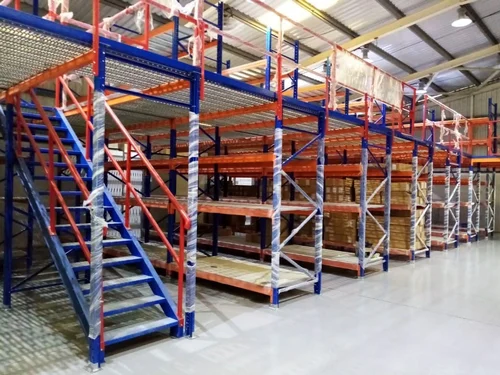
A stock image related to mezzanine floor suppliers.
3 Common User Pain Points for ‘mezzanine floor suppliers’ & Their Solutions
Scenario 1: Balancing Cost with Quality in Mezzanine Flooring
The Problem: One of the most pressing challenges for B2B buyers is finding the right balance between cost and quality when selecting mezzanine flooring. Buyers often face pressure to minimize expenses while ensuring that the flooring can withstand heavy loads and frequent use. This is particularly crucial in industries like warehousing and manufacturing, where the flooring must support various operational activities without compromising safety or durability. Many buyers report that cheaper options lead to quicker wear and tear, resulting in unplanned maintenance costs and even operational downtime.
The Solution: To navigate this challenge, buyers should prioritize suppliers that offer a comprehensive analysis of total cost of ownership (TCO). This involves not only the initial purchase price but also factors like installation, maintenance, and lifespan. Engage with suppliers who provide transparent information about the materials used and their performance metrics under different loads. For instance, opting for engineered flooring systems, such as ResinDek, can offer significant long-term savings due to their durability and lower maintenance needs. Additionally, conducting a thorough cost-benefit analysis that includes potential downtime or repair costs can provide clarity on the best investment for your specific needs.
Scenario 2: Ensuring Compliance with Safety Standards
The Problem: Another common pain point is ensuring that the mezzanine flooring complies with local safety regulations and industry standards. Buyers in different regions, particularly in Africa and South America, may encounter varying compliance requirements, which can lead to confusion and potential legal liabilities. The stakes are high; non-compliance can result in severe penalties, increased insurance costs, and jeopardized employee safety.
The Solution: To address compliance issues, buyers should engage with suppliers who have a robust understanding of local regulations and can provide documentation to verify compliance. It’s essential to ask for certifications that demonstrate the flooring meets safety standards, such as load-bearing capabilities and fire resistance. Consider working with suppliers who offer customizable solutions tailored to your operational environment, as they are often more adaptable to meeting specific regulatory requirements. Furthermore, conducting regular safety audits and training sessions for employees can help ensure that everyone is informed about best practices related to mezzanine safety.
Scenario 3: Adapting to Space Constraints and Future Growth
The Problem: Many businesses face the challenge of limited space for expansion, making it essential to utilize vertical space effectively through mezzanine installations. However, B2B buyers often struggle to find suppliers who can design and implement tailored solutions that maximize available space while allowing for future growth. This is particularly true in fast-paced industries where operational needs can change rapidly, leading to concerns about whether the mezzanine will remain functional and beneficial in the long term.
The Solution: Buyers should seek mezzanine floor suppliers that offer bespoke design services, allowing them to visualize and plan the layout before installation. Utilizing 3D modeling software can help in understanding how a mezzanine will fit into the existing space and its potential impact on workflow. Additionally, consider suppliers who can provide modular systems that are easy to reconfigure or expand as business needs evolve. Having a clear roadmap for future needs and engaging in open communication with suppliers about your growth plans will enable you to create a scalable solution that adapts to changing operational demands. Regularly reassessing your space utilization can also help ensure that your mezzanine continues to meet your organization’s needs efficiently.
Strategic Material Selection Guide for mezzanine floor suppliers
What Are the Common Materials Used for Mezzanine Floors?
Selecting the right material for mezzanine floors is crucial for ensuring optimal performance, safety, and cost-effectiveness. Below, we analyze four common materials used by mezzanine floor suppliers, focusing on their properties, advantages, disadvantages, and considerations for international buyers.
Steel: A Strong Contender for Mezzanine Floors
Key Properties: Steel is renowned for its high strength-to-weight ratio, making it suitable for heavy loads. It typically has excellent temperature resistance and can withstand high-pressure environments.
Pros & Cons: Steel is highly durable and can last for decades with proper maintenance. However, it can be prone to corrosion if not treated, which may require additional coatings or galvanization. The manufacturing process can be complex, involving cutting, welding, and finishing, which may increase costs.
Impact on Application: Steel is compatible with various media, including heavy machinery and storage systems. Its strength makes it ideal for industrial settings where heavy loads are common.
International Considerations: Buyers from regions such as Europe and the Middle East should ensure compliance with standards like EN 1090 for structural steelwork. In Africa and South America, local regulations regarding material specifications and safety standards should also be reviewed.
Resin: Versatile and Cost-Effective
Key Properties: Resin materials, such as those used in ResinDek flooring, offer excellent moisture resistance and can withstand a range of temperatures. They are engineered to support significant loads, making them suitable for various applications.
Pros & Cons: Resin flooring is generally more cost-effective than traditional concrete, providing savings on installation and maintenance. However, it may not be as durable as steel in high-impact environments and can be more susceptible to scratching and chemical damage.
Impact on Application: Resin is particularly effective in environments where moisture is a concern, such as cold storage facilities or areas with high humidity. Its lightweight nature allows for easy installation and retrofitting.
International Considerations: Compliance with ASTM standards is essential for buyers in the U.S. and Europe, while buyers in Africa and South America should consider local certifications for safety and performance.
Concrete: The Traditional Choice
Key Properties: Concrete is known for its compressive strength and durability, making it a traditional choice for mezzanine flooring. It can withstand high temperatures and is resistant to fire.
Pros & Cons: While concrete offers excellent durability and load-bearing capacity, it can be heavy and may require substantial structural support. The installation process can be labor-intensive and time-consuming, leading to higher costs.
Impact on Application: Concrete is suitable for heavy-duty applications, including manufacturing and warehousing. Its solid structure provides stability for heavy machinery and storage systems.
International Considerations: Compliance with local building codes and standards, such as DIN in Germany or NBR in Brazil, is crucial. Buyers should also consider the availability of skilled labor for installation.
Aluminum: Lightweight and Corrosion-Resistant
Key Properties: Aluminum is lightweight yet strong, offering good corrosion resistance. It performs well in various temperatures and is easy to work with.
Pros & Cons: The main advantage of aluminum is its lightweight nature, which simplifies installation and reduces structural load. However, it can be more expensive than steel and may not support as heavy loads.
Impact on Application: Aluminum is ideal for applications requiring mobility, such as portable mezzanines or temporary installations. Its resistance to corrosion makes it suitable for outdoor environments.
International Considerations: Buyers should ensure compliance with international standards like ISO 9001 for quality management. Local regulations regarding aluminum use in construction should also be reviewed.
Summary Table of Material Selection for Mezzanine Floors
| Material | Typical Use Case for mezzanine floor suppliers | Key Advantage | Key Disadvantage/Limitation | Relative Cost (Low/Med/High) |
|---|---|---|---|---|
| Steel | Heavy-duty industrial applications | High strength and durability | Prone to corrosion without treatment | High |
| Resin | Moisture-prone environments, retrofitting | Cost-effective and lightweight | Less durable in high-impact areas | Medium |
| Concrete | Manufacturing and warehousing | Excellent load-bearing capacity | Heavy and labor-intensive installation | High |
| Aluminum | Portable or temporary mezzanines | Lightweight and corrosion-resistant | Higher cost and lower load capacity | Medium |
Selecting the appropriate material for mezzanine floors involves balancing performance, cost, and compliance with local regulations. Understanding these factors can help international B2B buyers make informed decisions that align with their operational needs.
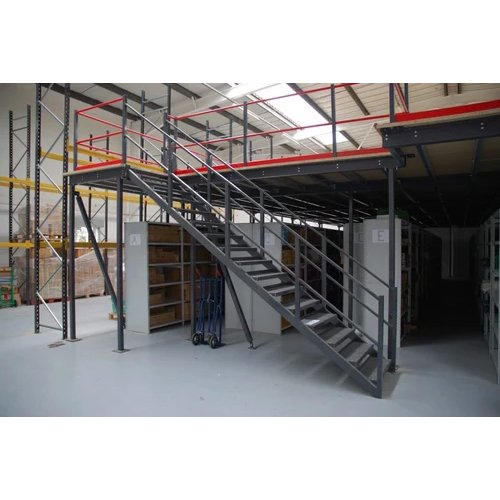
A stock image related to mezzanine floor suppliers.
In-depth Look: Manufacturing Processes and Quality Assurance for mezzanine floor suppliers
What Are the Main Stages of Manufacturing Mezzanine Floors?
The manufacturing of mezzanine floors is a multi-stage process that requires precision and quality at every step. The key stages typically include material preparation, forming, assembly, and finishing. Each stage plays a crucial role in ensuring the structural integrity and functionality of the final product.
-
Material Preparation: This initial stage involves selecting high-quality raw materials, such as steel or engineered wood. Suppliers often source materials that meet specific industry standards to ensure durability and performance. This step may also involve cutting materials to the required dimensions and pre-treating them to enhance resistance to environmental factors like moisture and corrosion.
-
Forming: In this stage, the prepared materials are shaped into the necessary components of the mezzanine floor. For steel structures, this typically involves processes like bending, welding, and punching. Advanced techniques such as laser cutting and CNC machining are often employed for precision. For engineered wood products, laminating and pressing techniques are used to create robust panels.
-
Assembly: Once the individual components are formed, they are assembled into the mezzanine structure. This step involves fitting together the floor panels, support beams, and any additional features like guardrails or stairs. Skilled labor is crucial during this phase to ensure that the assembly adheres to safety and design specifications. This is often where modular designs can offer flexibility, allowing for easy adjustments based on the client’s needs.
-
Finishing: The final stage of manufacturing involves applying protective coatings and finishes to enhance durability and aesthetics. This may include powder coating for metal surfaces or sealing treatments for wood products. The finishing stage is vital for ensuring that the mezzanine floor can withstand the operational demands of its intended environment, whether that be a warehouse, manufacturing facility, or retail space.
How Is Quality Assurance Implemented in Mezzanine Floor Manufacturing?
Quality assurance (QA) is a critical component in the manufacturing process of mezzanine floors. It involves systematic monitoring and evaluation to ensure that products meet both internal standards and external regulations. Here are the key aspects of QA relevant to mezzanine floor suppliers:
-
International Standards: Many manufacturers comply with international quality standards such as ISO 9001, which provides a framework for quality management systems. Compliance with ISO standards assures B2B buyers that the supplier follows consistent processes and strives for continuous improvement. Additionally, industry-specific certifications such as CE marking for products sold in the European Economic Area ensure compliance with safety and environmental regulations.
-
Quality Control Checkpoints: The QA process often includes several checkpoints:
– Incoming Quality Control (IQC): This involves inspecting raw materials upon arrival to ensure they meet specified standards.
– In-Process Quality Control (IPQC): During the manufacturing process, periodic checks are conducted to monitor quality at various stages, ensuring that any deviations are corrected promptly.
– Final Quality Control (FQC): Once the mezzanine floor is fully assembled, a thorough inspection is carried out to verify that the finished product adheres to design specifications and quality standards. -
Common Testing Methods: Various testing methods are employed to ensure product reliability. This may include load testing, impact resistance testing, and environmental exposure tests. For instance, load testing assesses whether the mezzanine can support the intended weight, while environmental tests evaluate performance under conditions such as humidity or temperature variations.
How Can B2B Buyers Verify Supplier Quality Control?
For international B2B buyers, especially those from Africa, South America, the Middle East, and Europe, verifying a supplier’s quality control processes is essential to ensure the reliability of mezzanine floors. Here are several methods to effectively assess supplier quality:
-
Supplier Audits: Conducting on-site audits allows buyers to evaluate the manufacturing process, quality control measures, and compliance with industry standards. This firsthand observation can reveal a lot about the supplier’s commitment to quality and adherence to regulations.
-
Quality Reports: Requesting detailed quality reports can provide insight into a supplier’s quality assurance processes. These reports should include information on testing methods, results, and any corrective actions taken in response to quality issues.
-
Third-Party Inspections: Engaging third-party inspection services can offer an unbiased assessment of the supplier’s quality control practices. Independent inspectors can verify that the manufacturing processes align with international standards and that the final products meet specified criteria.
What Are the Quality Control Nuances for International B2B Buyers?
International B2B buyers must navigate specific nuances when it comes to quality control in mezzanine floor procurement. Here are some considerations to keep in mind:
-
Regulatory Compliance: Different countries have varying regulations governing construction materials and safety standards. Buyers should ensure that suppliers comply with both local and international regulations relevant to their market. This includes understanding certifications required for specific regions, such as the CE mark in Europe or local compliance in African countries.
-
Cultural and Language Differences: Effective communication is vital in international transactions. Buyers should consider cultural differences that may affect quality expectations and the interpretation of quality standards. Engaging local representatives or partners can help bridge these gaps.
-
Supply Chain Transparency: Given the global nature of supply chains, buyers should seek suppliers who provide transparency regarding their sourcing, manufacturing, and quality control processes. This transparency can mitigate risks associated with substandard materials or practices that could impact the safety and performance of mezzanine floors.
Conclusion
Understanding the manufacturing processes and quality assurance measures of mezzanine floor suppliers is crucial for B2B buyers. By delving into the specifics of material preparation, forming, assembly, and finishing, as well as the intricacies of quality control, buyers can make informed decisions. Verifying supplier quality through audits, reports, and third-party inspections helps ensure that the products meet the required standards, ultimately leading to successful project outcomes. By navigating the regulatory and cultural nuances, international buyers can enhance their procurement strategies and foster successful partnerships with mezzanine floor suppliers.
Practical Sourcing Guide: A Step-by-Step Checklist for ‘mezzanine floor suppliers’
Introduction
This practical sourcing guide is designed for B2B buyers seeking to procure mezzanine floor systems. By following this checklist, you will ensure a thorough evaluation of potential suppliers, enabling you to make informed decisions that align with your operational needs and budgetary constraints.
Step 1: Define Your Technical Specifications
Before reaching out to suppliers, clearly outline your technical requirements. Consider the intended use of the mezzanine, load capacity, dimensions, and any specific features such as fire ratings or moisture resistance. This clarity will help suppliers provide accurate solutions tailored to your needs.
- Load Capacity: Assess the weight and type of equipment that will be placed on the mezzanine to determine the necessary load ratings.
- Height and Space: Measure the available space to ensure the new structure will fit without compromising safety or functionality.
Step 2: Research Potential Suppliers
Begin your search by compiling a list of mezzanine floor suppliers that operate in your region or can ship internationally. Use online directories, industry associations, and trade shows to identify reputable manufacturers.
- Industry Reputation: Look for suppliers with positive reviews and case studies that demonstrate their expertise in your specific sector.
- Product Range: Ensure the suppliers offer a variety of mezzanine solutions, including custom options that may suit unique requirements.
Step 3: Evaluate Potential Suppliers
Thoroughly vet each supplier on your list. Request company profiles, case studies, and references from buyers in similar industries or regions. This step is vital to ensure you are partnering with a reliable and experienced supplier.
- Client Testimonials: Reach out to past clients to gauge their satisfaction with product quality and service.
- Project Portfolio: Review examples of past installations to assess the supplier’s ability to meet your specifications.
Step 4: Verify Supplier Certifications
Ensure that your chosen suppliers hold relevant certifications that affirm their commitment to quality and safety standards. This is crucial for compliance, especially in industries with strict regulations.
- ISO Certification: Look for suppliers that are ISO certified, as this indicates adherence to international quality management standards.
- Safety Standards: Confirm that the supplier complies with local and international safety standards relevant to mezzanine installations.
Step 5: Request Detailed Quotes
Once you have narrowed down your options, request detailed quotes from the shortlisted suppliers. A comprehensive quote should outline the costs, delivery timelines, installation services, and any warranties offered.
- Transparent Pricing: Ensure that the quote includes all potential costs to avoid unexpected expenses later.
- Comparison: Use these quotes to compare not just prices but also the value offered, including support and additional services.
Step 6: Assess After-Sales Support and Maintenance
Consider the level of after-sales support and maintenance services offered by the supplier. A strong support system can save you time and money in the long run.
- Warranty Options: Inquire about warranties on both the mezzanine system and installation work.
- Maintenance Services: Check if the supplier provides ongoing maintenance or support agreements to ensure long-term operational efficiency.
Step 7: Finalize Contracts and Review Terms
After selecting a supplier, ensure all terms are clearly documented in a contract. Review aspects like payment terms, delivery schedules, and penalties for delays to protect your interests.
- Legal Review: Consider having a legal expert review the contract to ensure all clauses are fair and enforceable.
- Clarity on Deliverables: Ensure that all agreed-upon specifications and timelines are clearly outlined to avoid future disputes.
By following these steps, you can confidently navigate the sourcing process for mezzanine floor suppliers, ensuring that you select a partner who meets your operational requirements and enhances your facility’s capabilities.
Comprehensive Cost and Pricing Analysis for mezzanine floor suppliers Sourcing
What Are the Key Cost Components for Mezzanine Floor Suppliers?
When sourcing mezzanine floors, understanding the cost structure is critical for B2B buyers. The main cost components typically include:
-
Materials: The choice of materials significantly impacts the overall cost. Common options include steel, aluminum, and engineered flooring systems like ResinDek. High-quality materials may have a higher upfront cost but can lead to long-term savings through durability and reduced maintenance.
-
Labor: Labor costs can vary based on the complexity of installation and the location of the project. Skilled labor may command higher rates, especially in regions with labor shortages.
-
Manufacturing Overhead: This includes costs related to the production process, such as utilities, rent, and equipment depreciation. Suppliers with efficient manufacturing processes can offer more competitive pricing.
-
Tooling: The cost of tools and machinery necessary for manufacturing mezzanine floors can be substantial, especially for custom designs. Suppliers may pass some of these costs onto buyers.
-
Quality Control (QC): Implementing robust QC processes ensures that the products meet industry standards. While this may add to the cost, it ultimately protects buyers from future expenses related to defects or failures.
-
Logistics: Transportation costs can vary significantly based on distance, weight, and mode of transport. International buyers should be particularly mindful of logistics costs, which can be influenced by local regulations and tariffs.
-
Margin: Suppliers will typically add a profit margin to cover their costs and ensure profitability. Understanding typical margins in the industry can help buyers assess whether a quote is reasonable.
How Do Pricing Influencers Impact the Cost of Mezzanine Floors?
Several factors can influence the final pricing of mezzanine floors:
-
Volume and Minimum Order Quantity (MOQ): Larger orders often qualify for discounts due to economies of scale. Buyers should consider their current and future needs to negotiate favorable terms.
-
Specifications and Customization: Custom mezzanine designs that meet specific operational requirements can increase costs. It’s essential to balance the need for customization with budget constraints.
-
Material Quality and Certifications: Higher quality materials and certifications (e.g., ISO standards) can increase costs but also enhance safety and longevity. Buyers should evaluate whether the additional expense aligns with their operational needs.
-
Supplier Factors: The supplier’s reputation, experience, and geographical location can affect pricing. Established suppliers may command higher prices but often provide better reliability and service.
-
Incoterms: Understanding the terms of shipping and delivery (Incoterms) is crucial for international buyers. These terms dictate who is responsible for shipping costs, insurance, and risk, which can significantly impact total costs.
What Buyer Tips Can Help in Negotiating Mezzanine Floor Prices?
International B2B buyers should consider several strategies to enhance cost-efficiency:
-
Negotiate Wisely: Engage in discussions with suppliers about volume discounts, payment terms, and potential for future orders. Building a relationship can often lead to better pricing.
-
Evaluate Total Cost of Ownership (TCO): Consider not just the purchase price but also installation, maintenance, and potential downtime costs. A cheaper upfront price may lead to higher long-term costs.
-
Understand Pricing Nuances for Different Regions: Buyers from regions like Africa or South America may face unique challenges, such as import tariffs or local market conditions. Understanding these nuances can help in making informed decisions.
-
Request Detailed Quotes: Ensure that quotes break down costs into components, allowing for a clearer understanding of where savings can be achieved.
-
Stay Informed on Market Trends: Awareness of market dynamics and emerging suppliers can provide leverage in negotiations and sourcing strategies.
Disclaimer for Indicative Prices
Prices for mezzanine floors can vary widely based on the aforementioned factors. It is advisable for buyers to obtain multiple quotes and conduct thorough due diligence before finalizing any agreements.
Alternatives Analysis: Comparing mezzanine floor suppliers With Other Solutions
Understanding Alternatives to Mezzanine Floor Suppliers
When evaluating solutions for maximizing vertical space in industrial settings, it is essential to consider various alternatives to mezzanine floors. These alternatives can offer different advantages depending on the specific operational needs, budget constraints, and overall facility layout. Below, we compare mezzanine floor suppliers with two viable alternatives: multi-level racking systems and automated storage and retrieval systems (AS/RS).
Comparison Table
| Comparison Aspect | Mezzanine Floor Suppliers | Multi-Level Racking Systems | Automated Storage and Retrieval Systems (AS/RS) |
|---|---|---|---|
| Performance | High load capacity, versatile use | Excellent for maximizing storage density | Highly efficient with fast retrieval times |
| Cost | Moderate to high initial investment | Moderate investment, lower than mezzanines | High initial cost, potential long-term savings |
| Ease of Implementation | Generally straightforward installation | Relatively simple to install, but requires planning | Complex installation requiring integration with existing systems |
| Maintenance | Low maintenance if properly installed | Moderate maintenance; regular inspections needed | High maintenance due to technology dependency |
| Best Use Case | Ideal for diverse operational needs | Best for high-density storage needs | Optimal for high-volume, automated environments |
What Are the Advantages and Disadvantages of Multi-Level Racking Systems?
Multi-level racking systems are a popular alternative to mezzanine floors, particularly in warehouses that require efficient vertical storage. These systems allow for additional levels of shelving, significantly increasing storage capacity without the need for extensive structural changes. They are typically easier to install than mezzanines, as they do not require as much customization and can often be adjusted as needs change. However, they may not support heavy loads as effectively as mezzanines, limiting their use in operations that rely on heavy equipment or bulk storage.
How Do Automated Storage and Retrieval Systems (AS/RS) Compare?
Automated storage and retrieval systems (AS/RS) represent a highly efficient solution for managing inventory in large-scale operations. These systems automate the storage and retrieval of goods, drastically reducing labor costs and minimizing human error. While they offer rapid access to products and can significantly improve throughput, the initial investment is considerably higher than that of mezzanine floors or multi-level racking systems. Additionally, AS/RS require ongoing maintenance and technological updates, which can add to the total cost of ownership.
Choosing the Right Solution: What Should B2B Buyers Consider?
When selecting the appropriate solution for maximizing vertical space, B2B buyers should assess their specific operational requirements, budget limitations, and future scalability. Mezzanine floor suppliers offer robust solutions for diverse applications, making them suitable for businesses that need flexibility and high load capacities. Multi-level racking systems are ideal for those focusing on maximizing storage efficiency without significant structural changes. Conversely, AS/RS is best suited for high-volume operations where automation can yield significant long-term savings despite higher upfront costs.
Ultimately, the decision should align with the company’s strategic goals, operational demands, and financial considerations, ensuring that the chosen solution enhances productivity and efficiency.
Essential Technical Properties and Trade Terminology for mezzanine floor suppliers
What Are the Key Technical Properties of Mezzanine Floors?
Understanding the technical properties of mezzanine floors is crucial for making informed purchasing decisions. Here are some essential specifications to consider:
1. Material Grade
The material grade of the flooring system significantly impacts its durability and load-bearing capabilities. Common materials include steel, aluminum, and engineered wood like ResinDek. Higher-grade materials typically offer greater strength and resistance to wear, making them suitable for heavy industrial applications. For B2B buyers, selecting the right material can mean the difference between a long-lasting investment and frequent repairs.
2. Load Capacity
Load capacity refers to the maximum weight a mezzanine floor can safely support. This specification is usually expressed in pounds per square foot (psf). Understanding load capacity is vital for businesses that utilize heavy machinery or storage equipment on their mezzanine. Proper load calculations ensure safety and compliance with industry standards, which can mitigate liability risks for suppliers and manufacturers.
3. Tolerance
Tolerance indicates the allowable deviation from specified dimensions during the manufacturing process. This is crucial for ensuring that mezzanine floors fit correctly within a facility’s layout. A tighter tolerance can facilitate better structural integrity and reduce installation challenges. For B2B buyers, knowing the tolerance levels can help in planning and executing precise installations.
4. Fire Rating
Fire rating measures the fire resistance of materials used in mezzanine construction. Different materials have varying ratings, which can influence compliance with local building codes and safety regulations. For international buyers, especially in regions with stringent fire safety laws, understanding fire ratings is essential to avoid costly fines and ensure worker safety.
5. Surface Finish
The surface finish of a mezzanine floor affects its maintenance requirements and safety features. Options include anti-slip coatings, ESD (Electrostatic Dissipative) finishes, and moisture-resistant treatments. Choosing the right surface finish can enhance safety and reduce the risk of accidents, which is particularly important in high-traffic or hazardous environments.
What Are Common Trade Terms Used by Mezzanine Floor Suppliers?
Familiarity with industry jargon can enhance communication between suppliers and buyers. Here are several key terms to understand:
1. OEM (Original Equipment Manufacturer)
An OEM refers to a company that produces parts or equipment that may be marketed by another manufacturer. In the context of mezzanine floors, an OEM might supply critical components that ensure the structural integrity of the flooring system. Knowing who the OEM is can help buyers assess quality and reliability.
2. MOQ (Minimum Order Quantity)
MOQ is the smallest quantity of a product that a supplier is willing to sell. This term is crucial for B2B buyers as it affects purchasing strategies and inventory management. Understanding the MOQ helps businesses plan their budgets and ensures they meet suppliers’ requirements for cost-effective orders.
3. RFQ (Request for Quotation)
An RFQ is a formal document issued by a buyer to solicit price quotes from suppliers for specific products or services. Issuing an RFQ for mezzanine floors allows businesses to compare offers, negotiate terms, and ensure they receive the best value. This process is essential for strategic procurement.
4. Incoterms (International Commercial Terms)
Incoterms are a set of predefined commercial terms published by the International Chamber of Commerce (ICC) that define the responsibilities of buyers and sellers in international transactions. Understanding Incoterms helps B2B buyers clarify shipping responsibilities, risk management, and cost allocation, which is critical when sourcing mezzanine floors from global suppliers.
5. Turnkey Solution
A turnkey solution refers to a complete package offered by suppliers that includes design, manufacturing, and installation of mezzanine floors. This term is particularly appealing to businesses looking for a hassle-free implementation process. Knowing whether a supplier offers turnkey solutions can simplify project management and reduce lead times.
By understanding these technical properties and industry terms, B2B buyers can navigate the mezzanine floor market more effectively, ensuring they make informed decisions that align with their operational needs.
Navigating Market Dynamics and Sourcing Trends in the mezzanine floor suppliers Sector
What Are the Current Market Dynamics and Key Trends in the Mezzanine Floor Suppliers Sector?
The global mezzanine floor suppliers market is witnessing significant growth driven by the increasing need for space optimization in various industries, including logistics, manufacturing, and retail. As urbanization continues to rise, particularly in regions such as Africa and South America, businesses are focusing on maximizing their existing floor space instead of investing in new constructions. This shift is leading to a surge in demand for versatile mezzanine systems that can be tailored to specific operational needs.
Emerging technologies such as Automated Guided Vehicles (AGVs) and Autonomous Mobile Robots (AMRs) are shaping sourcing trends within the sector. Suppliers are increasingly offering engineered flooring solutions, like ResinDek panels, designed to accommodate the unique load requirements of these technologies. Furthermore, digital platforms for sourcing are becoming commonplace, allowing international B2B buyers to easily compare suppliers, evaluate product specifications, and streamline procurement processes.
In terms of market dynamics, the competitive landscape is evolving. Suppliers are not only focusing on product innovation but also enhancing customer service experiences to build long-term partnerships. International buyers, particularly from regions like Germany and Nigeria, are seeking suppliers who can provide comprehensive solutions that include design, installation, and after-sales support. Additionally, the rise of online marketplaces is making it easier for buyers to access a broader range of suppliers and products, facilitating more informed purchasing decisions.
How Are Sustainability and Ethical Sourcing Influencing the Mezzanine Floor Suppliers Sector?
Sustainability is becoming a cornerstone of business operations in the mezzanine floor suppliers sector. With increasing awareness of environmental issues, buyers are prioritizing suppliers that adopt sustainable practices. This includes utilizing materials with lower environmental impact, such as recycled steel or sustainably sourced wood, and ensuring that manufacturing processes minimize waste.
Ethical sourcing is equally crucial. Companies are expected to maintain transparency in their supply chains, ensuring that materials are sourced responsibly and that labor practices meet ethical standards. Certifications such as FSC (Forest Stewardship Council) for wood products or LEED (Leadership in Energy and Environmental Design) for building materials are becoming key indicators for buyers assessing the sustainability of suppliers.
Moreover, the push for ‘green’ materials is influencing product development. Suppliers are increasingly offering eco-friendly options, such as low-VOC (Volatile Organic Compounds) finishes and water-resistant panels designed for long-lasting use in diverse environments. This focus on sustainability not only meets buyer expectations but can also lead to cost savings in the long run through reduced waste and energy efficiency.
What Is the Historical Context of Mezzanine Floor Systems in the B2B Landscape?
The concept of mezzanine floors has evolved significantly since their origins in the mid-19th century when they were primarily used in theaters and department stores. With the Industrial Revolution, businesses began to recognize the utility of mezzanines for maximizing space in manufacturing and distribution facilities. This shift marked the transition from decorative to functional structures that serve as critical components in industrial operations.
Today, mezzanines are recognized not just for their space-saving capabilities but also for their versatility across various applications, including retail, warehousing, and office environments. The historical evolution reflects a growing understanding of the importance of efficient space utilization, which continues to drive innovation and investment in mezzanine floor systems within the global B2B marketplace.
Frequently Asked Questions (FAQs) for B2B Buyers of mezzanine floor suppliers
-
How do I choose the right mezzanine floor supplier for my business?
Selecting the right mezzanine floor supplier involves evaluating their industry experience, product range, and customization capabilities. Look for suppliers with a solid track record in your specific sector, such as manufacturing or warehousing. Request references and case studies to assess their reliability and quality. Additionally, consider their ability to provide support throughout the project lifecycle, including design, installation, and after-sales service. Lastly, compare pricing, lead times, and warranty options to ensure you make a well-informed decision. -
What types of materials are commonly used in mezzanine flooring?
Mezzanine flooring can be constructed from various materials, including steel, wood, and composite materials. Steel is the most popular choice due to its strength and durability, making it suitable for heavy loads. Wood is often used in applications where aesthetics are important, while composite materials like ResinDek offer advantages such as moisture resistance and low maintenance. The choice of material will depend on the intended use, load requirements, and environmental conditions of your facility. -
What is the typical lead time for mezzanine floor installations?
Lead times for mezzanine floor installations can vary significantly based on the supplier, project complexity, and customization requirements. Generally, standard mezzanine systems may take 4 to 6 weeks from order placement to installation. For custom designs or large-scale projects, this timeframe can extend to 8 to 12 weeks. It’s essential to discuss your timeline with suppliers upfront to ensure they can meet your specific needs and avoid potential delays in your operations. -
What are the minimum order quantities (MOQs) for mezzanine flooring?
Minimum order quantities (MOQs) can vary by supplier and the type of mezzanine flooring you require. Some suppliers may have a MOQ of one complete system, while others might allow smaller orders for replacement parts or specific components. It’s advisable to inquire about MOQs when sourcing suppliers, especially if you are a smaller business or have unique project needs. This will help you manage your budget and ensure you receive the necessary materials without overcommitting. -
What payment terms should I expect when sourcing mezzanine floors internationally?
Payment terms for international orders can differ based on the supplier’s policies and the buyer’s location. Common arrangements include upfront payments, deposits, or payment upon delivery. Some suppliers may offer letters of credit or escrow services to protect both parties. It’s crucial to clarify payment terms before finalizing your order to ensure you are comfortable with the financial arrangement and to avoid any unexpected costs or delays. -
How can I ensure quality assurance (QA) in my mezzanine flooring purchase?
To ensure quality assurance in your mezzanine flooring purchase, request certifications and compliance documents from suppliers. Look for industry standards such as ISO certifications or specific quality marks relevant to your region. Discuss the supplier’s QA processes, including material testing, inspections, and warranties. Additionally, consider visiting the supplier’s manufacturing facility or asking for samples to evaluate the quality firsthand before committing to a larger order. -
What are the logistics considerations when importing mezzanine floors?
When importing mezzanine floors, consider factors such as shipping methods, customs clearance, and delivery timelines. It’s important to understand the logistics costs, including freight, insurance, and potential tariffs. Coordinate with your supplier to ensure proper packaging and labeling for smooth transit. Additionally, work with freight forwarders experienced in handling industrial equipment to navigate any regulatory requirements and minimize delays at customs. -
Can mezzanine flooring be customized to fit specific operational needs?
Yes, mezzanine flooring can often be customized to meet specific operational needs, including dimensions, load capacities, and surface finishes. Many suppliers offer design services to tailor the mezzanine to your unique space and usage requirements. Custom features can include integrated shelving, access points, or specialized coatings for specific environments. Discuss your requirements with potential suppliers to explore the range of customization options available for your project.
Important Disclaimer & Terms of Use
⚠️ Important Disclaimer
The information provided in this guide, including content regarding manufacturers, technical specifications, and market analysis, is for informational and educational purposes only. It does not constitute professional procurement advice, financial advice, or legal advice.
While we have made every effort to ensure the accuracy and timeliness of the information, we are not responsible for any errors, omissions, or outdated information. Market conditions, company details, and technical standards are subject to change.
B2B buyers must conduct their own independent and thorough due diligence before making any purchasing decisions. This includes contacting suppliers directly, verifying certifications, requesting samples, and seeking professional consultation. The risk of relying on any information in this guide is borne solely by the reader.
Strategic Sourcing Conclusion and Outlook for mezzanine floor suppliers
In conclusion, strategic sourcing for mezzanine floor suppliers offers a pathway to enhanced operational efficiency and cost savings. Key considerations such as material durability, load capacity, and supplier reliability are paramount for international B2B buyers, particularly those in dynamic markets across Africa, South America, the Middle East, and Europe. Engaging with reputable suppliers, like those offering advanced engineered flooring systems, can lead to significant long-term benefits, including reduced maintenance costs and improved workspace utilization.
As industries evolve and automation becomes increasingly integral, the demand for versatile, high-quality mezzanine solutions will continue to grow. By leveraging strategic sourcing practices, buyers can not only optimize their facilities but also foster partnerships that support their business goals.
Looking ahead, we encourage international buyers to explore innovative mezzanine solutions tailored to their specific needs. With the right partnerships and informed decisions, your organization can unlock new efficiencies and drive sustainable growth in an ever-competitive landscape. Embrace the opportunity to elevate your operations today!