
How to Find a Wholesale Football Equipment Factory: Our List of Top…
Introduction: Navigating the Global Market for wholesale football equipment
Navigating the global market for wholesale football equipment can be a complex endeavor, particularly for international B2B buyers seeking to source quality products that meet diverse needs. As businesses grapple with the challenge of finding reliable suppliers while ensuring competitive pricing, understanding the nuances of wholesale purchasing becomes crucial. This guide provides a comprehensive overview of wholesale football equipment, covering essential types, applications, and the intricacies of supplier vetting, pricing strategies, and logistical considerations.
International buyers, particularly those from regions such as Africa, South America, the Middle East, and Europe—including countries like Saudi Arabia and Nigeria—will find tailored insights into navigating this dynamic market. The guide empowers businesses to make informed purchasing decisions by equipping them with the knowledge to identify reputable suppliers and negotiate favorable terms. Whether you are sourcing team jerseys, protective gear, or training equipment, understanding market trends and supplier capabilities is vital for achieving success.
By delving into aspects such as product quality, compliance with safety standards, and logistical efficiencies, this guide aims to streamline your purchasing process. Prepare to enhance your procurement strategy and optimize your supply chain in the competitive world of wholesale football equipment.
Top 10 Wholesale Football Equipment Manufacturers & Suppliers List
1. Team Express – Football Equipment and Apparel
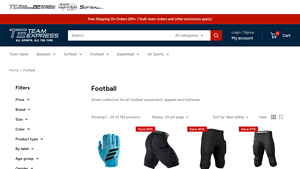
Domain: teamexpress.com
Registered: 1998 (27 years)
Introduction: Football equipment, apparel, and footwear available for adults, kids, and teens. Brands include Adidas, Nike, Champro, McDavid, and more. Free shipping on orders over $99. Various sizes from 2XS to 4XL and youth sizes. Product types include helmets, shoulder pads, uniforms, cleats, gloves, and protective gear. Discounts available on select items.
2. Joe’s USA – Wholesale Football Equipment
Domain: joesusa.com
Registered: 2011 (14 years)
Introduction: Wholesale Football Equipment including bulk helmets, pads, and gloves for teams. Joe’s USA is a family-owned company that has sold over 10 million items since 2012. They offer a variety of sporting goods and apparel, including brands like Richardson, Flexfit, YP Classics, and more.
3. Sports Unlimited – Football Equipment
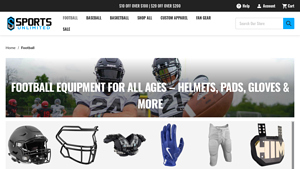
Domain: sportsunlimitedinc.com
Registered: 2000 (25 years)
Introduction: Football Equipment – Helmets, Shoulder Pads & Gear | Sports Unlimited offers a wide range of football equipment for all ages, including helmets, shoulder pads, gloves, girdles, and accessories. Key product categories include: Helmets (trusted protection from Riddell & Schutt), Shoulder Pads (lightweight, high-performance gear for every position), Gloves (enhanced grip and comfort for skill players…
4. Battle Sports – AstroFly Cleats
Domain: battlesports.com
Registered: 2000 (25 years)
Introduction: Football Gear: Accessories, Equipment, & Clothing | Battle Sports. Key products include AstroFly Cleats ($159.99), Doom Speed Receiver Football Gloves ($39.99 – $49.99), Speed Pro Football Mouthguard with Connected Thick Strap ($24.99), Mock Neck PRO Sleeveless Compression ($34.99 – $39.99), Phantom Football Shoulder Pads (Youth) ($109.99), Battle Pro Skull Cap ($16.99), AstroFly LE Cleats ($219.9…
5. Faire – Wholesale Football Equipment
Domain: faire.com
Registered: 1998 (27 years)
Introduction: Wholesale football equipment for your store. Shop wholesale online from over 100,000 brands. From frames to decorative objects and everything in between.
Understanding wholesale football equipment Types and Variations
| Type Name | Key Distinguishing Features | Primary B2B Applications | Brief Pros & Cons for Buyers |
|---|---|---|---|
| Helmets | Varying levels of protection, padding, and fit | Team purchases, leagues, and schools | Pros: Essential for safety; Cons: Higher initial investment |
| Shoulder Pads | Different styles for various positions | Teams, leagues, and equipment suppliers | Pros: Enhances player safety; Cons: May require fitting |
| Footwear | Cleats designed for different surfaces and positions | Teams, retailers, and wholesalers | Pros: Performance improvement; Cons: Sizing can be tricky |
| Apparel | Jerseys, pants, and integrated gear | Team uniforms, merchandise for leagues | Pros: Customizable; Cons: Quality can vary widely |
| Training Equipment | Includes cones, sleds, and agility tools | Coaching, skill development, and training camps | Pros: Enhances training efficiency; Cons: Requires storage space |
What are the Key Characteristics of Football Helmets for B2B Buyers?
Football helmets are crucial for player safety, featuring various designs tailored to different levels of play and player positions. They are available in a range of styles, from lightweight models for skill positions to heavily padded options for linemen. When purchasing helmets, B2B buyers should consider safety certifications, comfort, and the potential for bulk discounts. The investment in quality helmets is justified by the protection they offer, but buyers must also factor in fitting and maintenance costs.
How Do Shoulder Pads Enhance Player Safety and Performance?
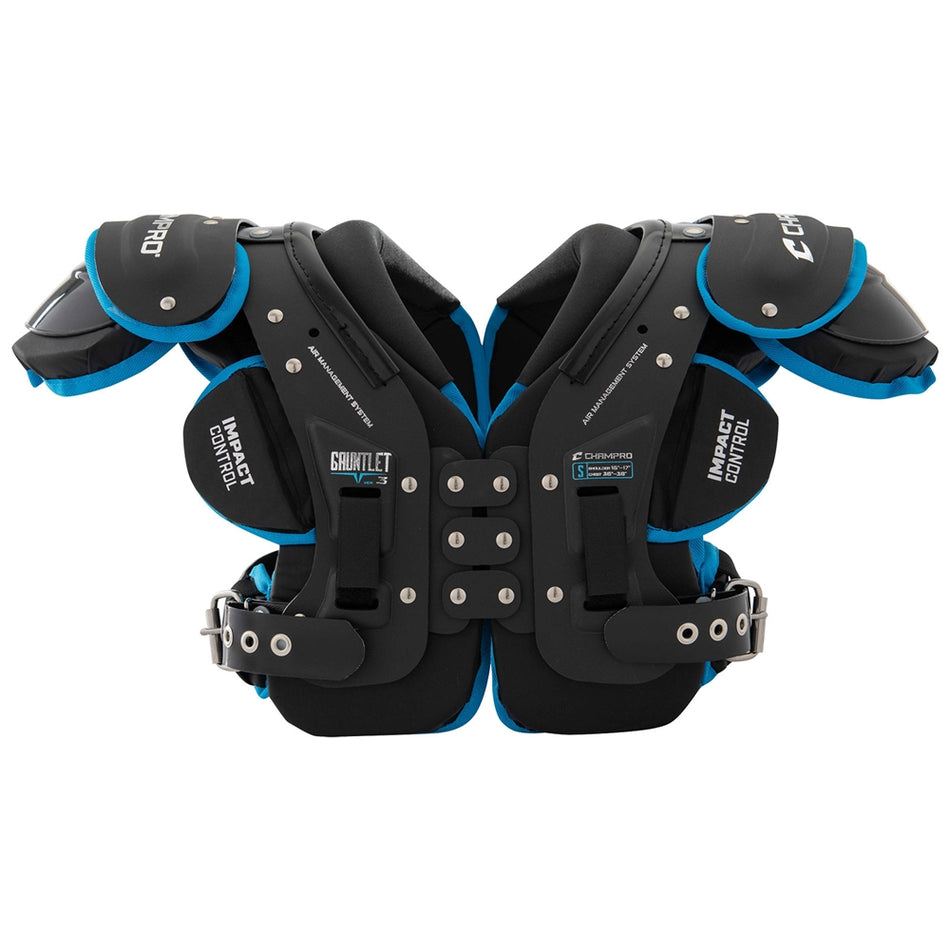
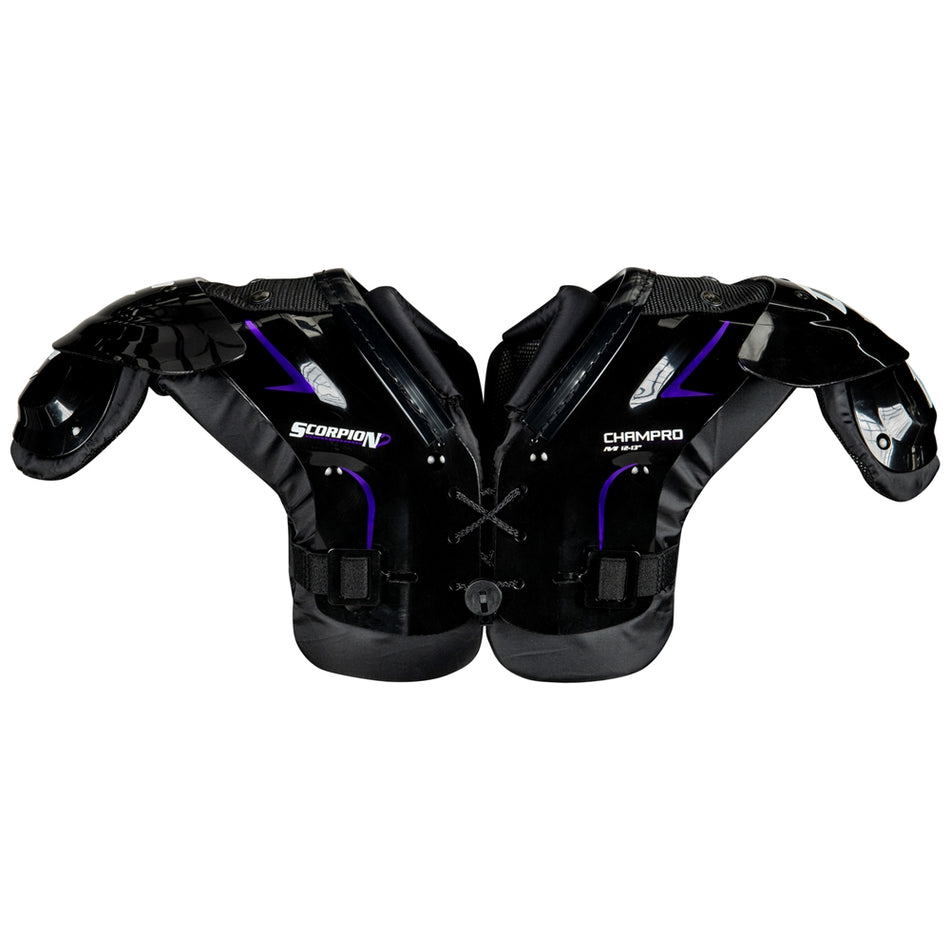
Shoulder pads come in various designs, catering to different playing styles and positions, ensuring players receive the appropriate protection without compromising mobility. Integrated and non-integrated options allow teams to choose based on their specific needs. B2B buyers should evaluate the weight, fit, and material of shoulder pads, as these factors significantly influence player performance. While they are a crucial investment for safety, the initial purchase price can be a consideration for budget-conscious organizations.
Why is Footwear Vital for Football Performance?
Footwear, particularly cleats, plays a pivotal role in a player’s performance on the field. Different designs cater to various surfaces, such as turf or grass, and specific positions, offering enhanced traction and support. B2B buyers should pay close attention to sizing and the potential for custom branding when purchasing in bulk. While quality footwear can significantly enhance performance, the challenge lies in ensuring the right fit for all team members, which may require flexible return policies.
What Should B2B Buyers Consider When Purchasing Football Apparel?
Football apparel encompasses jerseys, practice gear, and integrated clothing designed for comfort and performance. Many suppliers offer customization options, allowing teams to showcase their branding effectively. When purchasing, B2B buyers should assess the quality of materials, breathability, and the availability of sizes. While customizable apparel can enhance team identity, buyers must be cautious of varying quality levels and ensure they partner with reputable suppliers.
How Can Training Equipment Improve Team Performance?
Training equipment, including agility cones, sleds, and resistance bands, is essential for skill development and conditioning. It allows coaches to implement varied training regimens that enhance player performance. B2B buyers should consider the durability and versatility of training equipment, as well as storage solutions, when making purchases. While investing in comprehensive training tools can yield significant performance benefits, the requirement for adequate storage space can be a logistical challenge for teams and organizations.
Key Industrial Applications of wholesale football equipment
| Industry/Sector | Specific Application of wholesale football equipment | Value/Benefit for the Business | Key Sourcing Considerations for this Application |
|---|---|---|---|
| Sports Teams | Bulk purchase of uniforms and protective gear | Ensures team cohesion and safety during play | Quality standards, custom branding options, bulk discounts |
| Educational Institutions | Football equipment for school teams and clubs | Promotes physical fitness and teamwork among students | Compliance with safety regulations, age-appropriate sizes |
| Event Organizers | Equipment for football tournaments and leagues | Enhances event experience and professionalism | Availability of a wide range of products, timely delivery |
| Retailers | Resale of football gear to local markets | Expands product offerings and attracts diverse clientele | Competitive pricing, supplier reliability, inventory management |
| Fitness Centers | Football training equipment for fitness programs | Diversifies services offered to members | Equipment durability, variety of training aids |
How Do Sports Teams Utilize Wholesale Football Equipment?
Sports teams often rely on wholesale football equipment to procure bulk uniforms, helmets, pads, and other protective gear. This not only fosters team unity with consistent branding but also addresses safety concerns during practice and games. For international buyers, particularly from regions like Africa and South America, sourcing high-quality equipment that meets local regulations is crucial. Additionally, teams may seek customization options to enhance their brand visibility.
What Role Do Educational Institutions Play in Sourcing Football Equipment?
Educational institutions, including schools and universities, frequently purchase wholesale football equipment to support their athletic programs. This equipment, which includes jerseys, helmets, and training aids, encourages physical activity and teamwork among students. Buyers from the Middle East and Europe must consider compliance with safety standards and the availability of sizes suitable for various age groups, ensuring inclusivity for all participants.
How Can Event Organizers Benefit from Wholesale Football Equipment?
Event organizers for football tournaments and leagues leverage wholesale football equipment to provide a professional experience for participants. This includes everything from game balls to player uniforms, enhancing the overall quality of the event. B2B buyers in regions like Saudi Arabia and Nigeria should prioritize suppliers that can guarantee timely delivery and a comprehensive range of products to meet the diverse needs of different events.
Why Are Retailers Interested in Wholesale Football Gear?
Retailers looking to expand their product offerings often turn to wholesale football equipment suppliers. By stocking a variety of gear, including apparel and accessories, retailers can attract a broader customer base. Key considerations for these buyers include competitive pricing and the reliability of suppliers, as well as the ability to manage inventory effectively, especially in fluctuating markets across Europe and South America.
How Do Fitness Centers Incorporate Football Training Equipment?
Fitness centers are increasingly incorporating football training equipment into their programs to diversify offerings and engage members. This may include agility ladders, tackling dummies, and cones for drills. For international buyers, sourcing durable and versatile training aids is essential, as they cater to various skill levels and training goals. Ensuring that the equipment can withstand frequent use is a primary consideration for fitness facilities.
A stock image related to wholesale football equipment.
3 Common User Pain Points for ‘wholesale football equipment’ & Their Solutions
Scenario 1: Challenges with Sizing and Fit for Diverse Teams
The Problem: Sourcing wholesale football equipment for teams comprising players of various sizes can be a daunting task. Many buyers struggle to find a supplier that offers a wide range of sizes and fits. This is particularly true in regions where athletes come from diverse backgrounds and have different body types. A common issue arises when teams order bulk equipment, only to discover that the sizes they received do not fit all players adequately. This not only leads to dissatisfaction but can also affect player performance and safety during games.
The Solution: To navigate the sizing conundrum, B2B buyers should prioritize suppliers who provide comprehensive sizing charts and flexible return policies. It is advisable to work with vendors that allow for sample orders, enabling teams to assess fit before committing to larger purchases. Additionally, engaging in direct communication with suppliers about specific sizing needs and potential customizations can yield better results. Buyers should also consider investing in equipment that comes with adjustable features, such as padded pants with elastic waistbands and shoulder pads that accommodate different body types. These steps can significantly reduce the risk of fit-related issues, ensuring that all athletes are equipped comfortably and safely.
Scenario 2: Navigating Quality and Safety Standards
The Problem: Quality assurance is a pressing concern for B2B buyers of wholesale football equipment, especially in regions where safety standards may vary. Buyers often face difficulty in discerning which products meet international safety regulations, leading to potential risks for athletes. This problem is compounded when suppliers do not provide clear documentation regarding the quality and safety certifications of their equipment, leaving buyers uncertain about their purchases.
The Solution: To mitigate these risks, buyers should conduct thorough research on suppliers and their product offerings. It is essential to ask for certifications and compliance documentation upfront, ensuring that the equipment meets or exceeds relevant safety standards. Establishing partnerships with reputable suppliers who have a proven track record in quality can provide peace of mind. Additionally, buyers can leverage online reviews and industry recommendations to identify trustworthy vendors. Engaging in conversations with other teams or leagues that have previously sourced equipment can also provide valuable insights into product quality and safety.
Scenario 3: Managing Inventory and Costs Effectively
The Problem: Many B2B buyers struggle with managing inventory and controlling costs when purchasing wholesale football equipment. Fluctuations in demand, seasonal variations, and budget constraints can lead to overstocking or stockouts, impacting both financial performance and team readiness. This challenge is particularly significant in regions with unpredictable sports seasons or economic conditions.
The Solution: Implementing a strategic inventory management system can be a game-changer for B2B buyers. Utilizing software that tracks sales trends and forecasts future demand can help buyers make informed decisions about when and how much equipment to order. Additionally, establishing a relationship with a flexible supplier who can accommodate smaller, more frequent orders can alleviate the pressure of bulk purchasing. Buyers should also consider negotiating terms that allow for volume discounts while keeping an eye on inventory turnover rates. By adopting a proactive approach to inventory management and cost control, buyers can ensure that their teams are always equipped without straining their budgets.
Strategic Material Selection Guide for wholesale football equipment
When selecting materials for wholesale football equipment, it is crucial to consider the properties, advantages, and limitations of various materials. This analysis focuses on four common materials used in the production of football gear: synthetic leather, polyester, foam, and polyethylene. Understanding these materials can help international B2B buyers make informed decisions tailored to their specific market needs.
What are the Key Properties of Synthetic Leather in Football Equipment?
Synthetic leather, often made from polyurethane (PU) or polyvinyl chloride (PVC), is widely used in football equipment such as gloves, balls, and pads. Its key properties include excellent abrasion resistance, water resistance, and a temperature range that allows for flexibility in various climates. Synthetic leather can withstand high levels of wear and tear, making it suitable for rigorous use in football.
Pros of synthetic leather include its durability and ease of maintenance, as it can be cleaned easily compared to natural leather. However, cons include a higher manufacturing complexity and potential environmental concerns related to its production and disposal. For international buyers, compliance with environmental regulations is essential, especially in regions with strict sustainability standards.
How Does Polyester Enhance Performance in Football Apparel?
Polyester is another common material, especially in jerseys, shorts, and socks. It is lightweight, quick-drying, and resistant to shrinking and stretching, which makes it ideal for athletic wear. Polyester can also be treated to enhance moisture-wicking properties, keeping athletes comfortable during play.
The key advantage of polyester is its affordability and availability, making it a cost-effective choice for bulk purchases. However, it may not provide the same level of breathability as natural fibers, which can be a limitation in extremely hot climates. Buyers in regions like Africa and the Middle East should consider moisture management features when selecting polyester products to ensure athlete comfort.
What Role Does Foam Play in Protective Gear for Football?
Foam, particularly EVA (ethylene-vinyl acetate) and polyurethane foam, is widely used in protective gear such as helmets and shoulder pads. Its key properties include excellent shock absorption and lightweight characteristics, which are crucial for safety in football.
The pros of foam include its ability to conform to the body for a snug fit, enhancing comfort and protection. However, cons include potential degradation over time due to exposure to UV light and heat, which can affect performance. For international buyers, understanding the specific foam types and their certifications (like ASTM standards) is vital to ensure compliance with safety regulations in their respective markets.
Why is Polyethylene Important for Football Equipment Durability?
Polyethylene is commonly used in hard-shell equipment such as helmets and pads. It offers high impact resistance and durability, making it suitable for contact sports like football. Its properties include resistance to moisture and chemicals, which is beneficial for equipment exposed to various environmental conditions.
The key advantage of polyethylene is its robustness and long lifespan, while a key disadvantage is its relatively higher cost compared to other materials. Buyers from regions with stringent safety standards, such as Europe, should prioritize polyethylene products to ensure compliance with safety regulations and enhance athlete protection.
Summary of Material Selection for Wholesale Football Equipment
| Material | Typical Use Case for wholesale football equipment | Key Advantage | Key Disadvantage/Limitation | Relative Cost (Low/Med/High) |
|---|---|---|---|---|
| Synthetic Leather | Gloves, balls, pads | Excellent abrasion and water resistance | Higher manufacturing complexity | Medium |
| Polyester | Jerseys, shorts, socks | Lightweight and quick-drying | Less breathability in hot climates | Low |
| Foam | Helmets, shoulder pads | Excellent shock absorption | Potential UV degradation | Medium |
| Polyethylene | Hard-shell helmets, pads | High impact resistance | Higher cost compared to alternatives | High |
This material selection guide provides a comprehensive overview for international B2B buyers, enabling them to choose the right materials for their wholesale football equipment needs while considering performance, compliance, and market preferences.
A stock image related to wholesale football equipment.
In-depth Look: Manufacturing Processes and Quality Assurance for wholesale football equipment
What Are the Key Stages in the Manufacturing Process of Wholesale Football Equipment?
Manufacturing football equipment involves a series of meticulously planned stages to ensure that each product meets the necessary performance and safety standards. The main stages include material preparation, forming, assembly, and finishing.
-
Material Preparation: The process begins with the selection of high-quality materials, such as synthetic leather for balls, durable fabrics for uniforms, and high-impact plastics for helmets and pads. Suppliers often source these materials from specialized manufacturers to ensure consistency and reliability. Before production, materials are tested for strength, durability, and compliance with international standards.
-
Forming: During this stage, the raw materials are transformed into specific shapes. For example, footballs are cut and stitched together using precision techniques that ensure a consistent finish and optimal performance. Helmets and pads undergo molding processes that shape the materials to fit the ergonomic requirements of athletes. Advanced technologies such as computer-aided design (CAD) are frequently employed to enhance accuracy.
-
Assembly: Once the components are formed, they are assembled into final products. This may involve sewing, gluing, or using fasteners, depending on the type of equipment. Automated assembly lines may be utilized to improve efficiency, but skilled labor is still essential for quality control and ensuring that each item meets design specifications.
-
Finishing: The finishing stage includes applying any necessary coatings, branding, and additional features such as waterproofing. This stage also involves a thorough inspection to ensure that the products are free from defects. Quality finishing not only enhances the aesthetic appeal but also contributes to the durability of the equipment.
How Is Quality Assurance Managed in Football Equipment Manufacturing?
Quality assurance (QA) is a critical aspect of manufacturing football equipment, ensuring that products meet both safety and performance standards. Various international and industry-specific standards guide QA processes.
-
International Standards: Many manufacturers seek certification under ISO 9001, which outlines criteria for a quality management system. This certification helps ensure that companies consistently provide products that meet customer and regulatory requirements. Additionally, compliance with CE marking and other relevant standards may be necessary, especially for products sold in Europe.
-
Industry-Specific Standards: Specific standards, such as those set by the American Society for Testing and Materials (ASTM) and the National Operating Committee on Standards for Athletic Equipment (NOCSAE), are also crucial. These organizations provide testing protocols to assess the safety and performance of sports equipment, including impact resistance for helmets and durability for pads.
What Are the Key Quality Control Checkpoints in Manufacturing?
Quality control (QC) is typically structured around several critical checkpoints during the manufacturing process, including Incoming Quality Control (IQC), In-Process Quality Control (IPQC), and Final Quality Control (FQC).
-
Incoming Quality Control (IQC): At this stage, raw materials are inspected upon arrival at the manufacturing facility. The focus is on verifying that materials meet the specified quality standards and are free from defects. Suppliers are often required to provide certificates of compliance or test reports.
-
In-Process Quality Control (IPQC): During the manufacturing stages, ongoing inspections are conducted to ensure that the production process adheres to established quality standards. This includes monitoring machinery performance and ensuring that operators follow proper procedures. Any deviations are addressed immediately to prevent defects from being passed on to the next stage.
-
Final Quality Control (FQC): Once products are completed, a thorough inspection is performed before packaging and shipping. This final check assesses overall product quality, functionality, and compliance with specifications. Testing methods may include drop tests for helmets, water-resistance testing for uniforms, and performance evaluations for balls.
How Can B2B Buyers Verify Supplier Quality Control Processes?
For international B2B buyers, particularly those from regions such as Africa, South America, the Middle East, and Europe, verifying a supplier’s quality control processes is essential to ensure that they receive high-quality products. Here are some actionable steps:
-
Audits and Inspections: Conducting on-site audits of potential suppliers can provide valuable insights into their manufacturing processes and quality assurance practices. This allows buyers to assess compliance with international standards and the effectiveness of QC checkpoints.
-
Requesting Quality Reports: Buyers should request detailed quality reports that outline the results of IQC, IPQC, and FQC processes. These reports should include information on testing methods, pass/fail rates, and any corrective actions taken for defects.
-
Third-Party Inspections: Engaging third-party inspection services can add an additional layer of assurance. These organizations can conduct independent evaluations of the supplier’s production processes and provide unbiased reports on quality compliance.
What Are the Nuances of Quality Control for International B2B Buyers?
International B2B buyers must navigate various nuances related to quality control when sourcing football equipment. This includes understanding regional regulations, certifications, and cultural differences in quality expectations.
-
Regional Regulations: Buyers should be aware of the specific regulations governing sports equipment in their region. For example, the European market has stringent requirements for CE certification, while other regions may prioritize different standards.
-
Cultural Expectations: Different markets may have varying expectations regarding product quality and durability. Understanding these cultural nuances can help buyers set realistic expectations and select suppliers that align with their market needs.
-
Communication and Support: Effective communication with suppliers about quality expectations is vital. Buyers should ensure that suppliers are responsive to queries regarding QC processes and are willing to provide documentation and support when needed.
By understanding the manufacturing processes and quality assurance mechanisms in place, B2B buyers can make informed decisions and establish long-term partnerships with suppliers of wholesale football equipment. This diligence not only safeguards their investment but also enhances their ability to meet the demands of their customers.
Practical Sourcing Guide: A Step-by-Step Checklist for ‘wholesale football equipment’
Introduction
This practical sourcing guide is designed to assist B2B buyers in procuring wholesale football equipment efficiently and effectively. By following these steps, you can ensure that your purchasing decisions are informed, strategic, and tailored to the specific needs of your organization, whether you are supplying a local team or a large league.
Step 1: Define Your Technical Specifications
Before starting your procurement process, clearly outline the technical specifications for the football equipment you need. This includes sizes, materials, and safety standards that meet both local regulations and international guidelines. For instance, different age groups may require varying sizes of helmets and pads to ensure safety and compliance.
Step 2: Conduct Market Research
Take the time to understand the market landscape for wholesale football equipment. Research the latest trends, popular brands, and pricing structures within your target region. This insight will help you identify competitive suppliers and allow you to negotiate better terms based on market standards.
Step 3: Evaluate Potential Suppliers
Before committing to a supplier, it’s crucial to vet them thoroughly. Look for company profiles, case studies, and references from buyers in similar industries or regions. Pay attention to:
– Supplier Certifications: Ensure they comply with safety and quality standards relevant to your market.
– Product Range: A broader range of equipment can provide flexibility in your orders.
Step 4: Request Samples and Product Specifications
Once you’ve narrowed down your list of potential suppliers, request samples of the equipment you plan to purchase. Evaluate the quality, durability, and compliance with your specifications. This step is vital as it helps you assess the actual product performance before making a bulk order.
Step 5: Negotiate Pricing and Terms
Engage in negotiations to secure favorable pricing and payment terms. Consider discussing bulk discounts, shipping costs, and return policies. Look for:
– Volume Discounts: Suppliers often provide lower prices for larger orders.
– Flexible Payment Terms: This can help manage cash flow, especially if you’re ordering large quantities.
Step 6: Verify Shipping and Delivery Options
Ensure the supplier can meet your delivery timelines and shipping requirements. Discuss shipping methods, estimated delivery times, and any potential customs issues, especially for international transactions. Understanding these aspects can prevent delays and additional costs.
Step 7: Establish a Long-Term Relationship
After your initial order, consider building a long-term relationship with your supplier. Regular communication, feedback on products, and potential future orders can lead to better service and terms. A trusted supplier can become an invaluable partner, providing insights into new products and market trends.
By following these steps, you can streamline your sourcing process for wholesale football equipment, ensuring that you make informed decisions that benefit your organization in the long run.
Comprehensive Cost and Pricing Analysis for wholesale football equipment Sourcing
What Are the Key Cost Components in Wholesale Football Equipment Sourcing?
When sourcing wholesale football equipment, understanding the cost structure is vital for making informed purchasing decisions. The primary cost components include:
-
Materials: The quality and type of materials used, such as synthetic fabrics for jerseys, high-impact plastics for helmets, and durable leathers for balls, significantly influence the cost. Higher-quality materials often come at a premium but can enhance performance and longevity.
-
Labor: Labor costs can vary widely depending on the region of production. In countries with lower labor costs, such as some in Asia, manufacturers may offer more competitive pricing. However, consider potential trade-offs in quality and compliance with international labor standards.
-
Manufacturing Overhead: This encompasses the costs related to factory operations, including utilities, maintenance, and indirect labor. Efficient factories with streamlined operations may pass savings on to buyers.
-
Tooling: Customization often requires specific tooling, which can add to initial costs. While this investment may seem high, it can be justified by enhanced product differentiation and customer satisfaction.
-
Quality Control (QC): Implementing robust quality control measures ensures that products meet safety standards and performance specifications. Buyers should factor in these costs, as they are crucial for maintaining brand reputation and customer loyalty.
-
Logistics: Shipping and handling costs can vary based on distance, shipping methods, and the volume of the order. International buyers must also consider tariffs and customs duties, which can significantly affect the total cost.
-
Margin: Suppliers will typically build a profit margin into their pricing, which can vary based on market conditions, competition, and exclusivity of the product.
How Do Price Influencers Affect Sourcing Decisions?
Several factors can influence the pricing of wholesale football equipment:
-
Volume/MOQ (Minimum Order Quantity): Generally, larger orders lead to lower per-unit costs. Negotiating favorable terms for bulk purchases can enhance cost efficiency.
-
Specifications and Customization: Custom designs or specialized equipment may incur additional costs. Buyers should evaluate whether the added features justify the higher price.
-
Material Quality and Certifications: Equipment that meets international safety and quality certifications may come at a higher price but can reduce liability and enhance buyer confidence.
-
Supplier Factors: The reputation, reliability, and production capacity of suppliers can impact pricing. Established suppliers with proven track records may charge more due to their reliability and service quality.
-
Incoterms: Understanding Incoterms (International Commercial Terms) is crucial as they define the responsibilities of buyers and sellers regarding shipping, insurance, and tariffs, affecting overall costs.
What Are the Best Tips for Negotiating Prices in B2B Football Equipment Transactions?
-
Leverage Negotiation Power: Use your purchasing volume as leverage during negotiations. Suppliers are often willing to offer discounts for larger orders or long-term contracts.
-
Consider Total Cost of Ownership (TCO): Instead of focusing solely on purchase price, evaluate the TCO, which includes maintenance, warranty, and lifecycle costs. This approach can lead to more informed sourcing decisions.
-
Be Aware of Pricing Nuances: International buyers should be cautious of currency fluctuations, shipping delays, and local market conditions that can affect pricing. Establishing relationships with multiple suppliers can provide alternatives in case of unexpected changes.
-
Request Samples: Before committing to large orders, request samples to evaluate quality. This can help avoid costly mistakes and ensure that the products meet your expectations.
-
Stay Informed on Market Trends: Understanding current market trends and competitor pricing can empower buyers during negotiations, allowing them to make data-driven decisions.
Final Thoughts
While the cost of wholesale football equipment can vary significantly based on numerous factors, understanding the underlying components and influencers can enhance your sourcing strategy. By employing effective negotiation techniques and focusing on the total cost of ownership, international buyers can secure the best possible deals tailored to their specific needs. Remember, indicative prices may fluctuate due to market dynamics, so always seek updated quotes and terms from suppliers.
Alternatives Analysis: Comparing wholesale football equipment With Other Solutions
Introduction to Alternative Solutions for Football Equipment
In the competitive landscape of sports equipment, particularly for football, businesses often seek various solutions to meet their needs. While wholesale football equipment provides a traditional approach to sourcing gear, alternative methods and technologies can enhance performance, reduce costs, or offer tailored solutions. This analysis compares wholesale football equipment against two viable alternatives: custom manufacturing and rental services, providing insights to help B2B buyers make informed decisions.
Comparison Table
| Comparison Aspect | Wholesale Football Equipment | Custom Manufacturing | Rental Services |
|---|---|---|---|
| Performance | High-quality, standardized | Tailored to specific needs | Varies by provider |
| Cost | Generally cost-effective | Higher upfront investment | Lower initial costs |
| Ease of Implementation | Straightforward ordering | Requires design and lead time | Quick setup |
| Maintenance | Minimal (wear and tear) | Depends on material choice | Regular checks needed |
| Best Use Case | Teams with stable rosters | Unique teams or events | Short-term needs or events |
Detailed Breakdown of Alternatives
Custom Manufacturing: Is It Worth the Investment?
Custom manufacturing of football equipment allows teams to design gear tailored to their specific requirements, such as unique sizes, styles, and logos. This option enhances brand visibility and can improve player comfort and performance through better-fitting gear. However, the downside is the higher upfront costs and longer lead times associated with production. For teams with specific needs or those looking to stand out, custom manufacturing can be a viable alternative, but it may not be suitable for organizations with limited budgets or time constraints.
Rental Services: A Flexible Option for Event-Based Needs
Rental services for football equipment offer a flexible solution, especially for teams that participate in short-term events or leagues. This method significantly reduces initial costs, allowing organizations to allocate funds elsewhere. However, the quality and availability of rental gear can vary widely depending on the provider, which may affect performance. Rental services are ideal for teams that do not have long-term equipment needs or for those testing new players or strategies without committing to a purchase.
Conclusion: How to Choose the Right Solution for Your Needs
When selecting between wholesale football equipment and alternative solutions, B2B buyers should carefully assess their specific needs, budget, and operational structure. Wholesale options provide a reliable and cost-effective means of equipping teams, while custom manufacturing and rental services offer unique advantages that may align better with specific situations. By weighing the pros and cons of each approach, buyers can make informed decisions that enhance their team’s performance and operational efficiency.
Essential Technical Properties and Trade Terminology for wholesale football equipment
What Are the Key Technical Properties of Wholesale Football Equipment?
When sourcing wholesale football equipment, understanding the technical properties is crucial for ensuring product quality and performance. Here are some essential specifications to consider:
-
Material Grade: The quality and type of materials used (e.g., polyester for jerseys, polyurethane for helmets) significantly affect durability, comfort, and performance. High-grade materials typically lead to better performance on the field, making it vital for teams and leagues to choose suppliers who offer premium options.
-
Padding Density: This refers to the thickness and quality of protective padding in equipment like helmets and shoulder pads. Higher density padding provides better impact protection, which is essential for player safety. Understanding padding density helps buyers ensure they are meeting safety standards and providing adequate protection for athletes.
-
Weight Tolerance: The allowable variance in the weight of equipment, such as footballs or pads, can impact player performance. For example, lighter footballs are generally preferred for speed and agility, while heavier pads may offer more protection. Buyers should assess weight tolerances to match equipment with player needs and expectations.
-
Sizing Standards: Different manufacturers may have varying sizing charts for uniforms and protective gear. Ensuring that the sizes conform to international standards is critical for a comfortable fit. Buyers should verify sizing options to prevent returns and dissatisfaction among teams.
-
Performance Ratings: Many football products come with performance ratings based on factors like breathability, moisture-wicking ability, and temperature regulation. Understanding these ratings can help buyers select gear that enhances player comfort and performance during games and practices.
What Are Common Trade Terms Used in the Football Equipment Industry?
Navigating the wholesale football equipment market requires familiarity with specific trade terminology. Here are some key terms that every buyer should know:
-
OEM (Original Equipment Manufacturer): This term refers to companies that produce parts or equipment that may be marketed by another manufacturer. In the context of football gear, OEM products may offer cost-effective options without compromising quality, making them attractive to bulk buyers.
-
MOQ (Minimum Order Quantity): This is the smallest quantity of a product that a supplier is willing to sell. Understanding MOQ is vital for buyers, as it directly affects inventory management and purchasing decisions. It is important to negotiate MOQs to align with budget and demand forecasts.
-
RFQ (Request for Quotation): An RFQ is a document that buyers send to suppliers to obtain price quotes for specific products. This process is essential for comparing costs and ensuring competitive pricing in wholesale purchases.
-
Incoterms (International Commercial Terms): These are predefined commercial terms published by the International Chamber of Commerce (ICC) that clarify the responsibilities of buyers and sellers in international trade. Familiarity with Incoterms helps buyers understand shipping responsibilities, costs, and risks associated with their orders.
-
Lead Time: This refers to the amount of time it takes for a supplier to fulfill an order from the moment it is placed until delivery. Understanding lead times is essential for planning and ensuring that equipment arrives before critical deadlines, such as the start of a season.
By grasping these technical properties and trade terms, international B2B buyers can make informed decisions when sourcing wholesale football equipment, leading to improved purchasing outcomes and enhanced athlete performance.
Navigating Market Dynamics and Sourcing Trends in the wholesale football equipment Sector
Global drivers are shaping the wholesale football equipment market, making it essential for international B2B buyers to stay informed. The increasing popularity of football in regions like Africa and South America, coupled with the growing investments in sports infrastructure, is driving demand for quality football gear. Additionally, the rise of e-commerce platforms has transformed sourcing dynamics, allowing buyers to access a wider variety of products and suppliers than ever before. Technological advancements, such as smart wearables and data analytics, are also influencing product development and purchasing decisions, as teams seek to enhance player performance and safety.
Emerging B2B trends include a shift towards direct sourcing from manufacturers, which can reduce costs and improve lead times. Buyers are increasingly looking for customizable options to meet specific team requirements, fostering relationships with suppliers who can offer personalized solutions. Furthermore, the integration of inventory management systems allows for better tracking of stock levels and order fulfillment, helping buyers optimize their supply chain processes. As competition intensifies, leveraging data-driven insights for market analysis and forecasting will become crucial for B2B buyers in making informed purchasing decisions.
How Is Sustainability Impacting the Sourcing of Wholesale Football Equipment?
The environmental impact of manufacturing and sourcing football equipment is prompting a shift towards sustainable practices in the industry. B2B buyers are increasingly prioritizing suppliers that adopt ethical sourcing methods and demonstrate a commitment to reducing their carbon footprint. This includes using eco-friendly materials, such as recycled plastics and organic fabrics, which align with the growing consumer preference for sustainable products.
Certifications like Global Organic Textile Standard (GOTS) and OEKO-TEX Standard 100 are becoming essential for suppliers, as they provide assurance that products meet high environmental and social standards. Buyers are also looking for transparency in the supply chain, ensuring that labor practices are ethical and that workers are treated fairly. Emphasizing sustainability not only meets regulatory requirements but also enhances brand reputation and customer loyalty, making it a strategic priority for B2B buyers in the wholesale football equipment sector.
What Is the Historical Context of the Wholesale Football Equipment Market?
The wholesale football equipment market has evolved significantly over the past few decades. Initially dominated by a few key players, the market has expanded with the entry of various manufacturers offering specialized products catering to different demographics and playing styles. The introduction of advanced materials and technologies has improved the quality and performance of football gear, making it safer and more durable.
As football’s global popularity surged, particularly in emerging markets, the demand for equipment has followed suit. This has led to increased competition among suppliers, resulting in better pricing and enhanced product offerings. Today, B2B buyers have access to a diverse range of wholesale football equipment, reflecting the sport’s growth and the industry’s adaptability to changing consumer preferences and market dynamics.
Frequently Asked Questions (FAQs) for B2B Buyers of wholesale football equipment
-
How do I solve the challenge of sourcing quality wholesale football equipment?
To ensure you source quality wholesale football equipment, start by conducting thorough market research to identify reputable suppliers. Look for manufacturers with positive reviews and established track records in the industry. Request samples to assess the quality of materials and craftsmanship. Additionally, consider attending trade shows or networking events to connect directly with suppliers and gain insights into their production processes. Always verify certifications and compliance with safety standards relevant to your region. -
What is the best brand of football gear for youth leagues?
When sourcing football gear for youth leagues, brands like Champro, Nike, and Adidas are renowned for their quality and performance. Champro offers a wide range of affordable options specifically designed for youth, ensuring safety and comfort. Nike and Adidas provide advanced technology in their gear, which can enhance player performance. It’s essential to balance quality and cost while considering the specific needs of the youth players, such as fit, durability, and safety features. -
What are the common minimum order quantities (MOQs) for wholesale football equipment?
Minimum order quantities (MOQs) can vary significantly between suppliers, typically ranging from 50 to 500 units depending on the item and brand. For custom items, MOQs may be higher due to the setup costs involved in production. It’s advisable to discuss your specific needs with potential suppliers to negotiate favorable terms, especially if you’re a new buyer. Some suppliers may offer flexibility for first-time orders or for bulk purchases across multiple items. -
How can I ensure the quality of the football equipment I am purchasing?
To ensure quality, start by requesting product certifications and safety compliance documents from your suppliers. Conducting quality assurance checks, such as factory audits or third-party inspections, can help verify manufacturing standards. Additionally, consider establishing a clear communication channel with your supplier to address any concerns during production. Always ask for samples before placing a large order to assess the quality and durability of the equipment firsthand. -
What payment terms should I expect when purchasing wholesale football equipment?
Payment terms can vary widely among suppliers, but common arrangements include a 30% deposit upfront with the remaining balance due upon shipment. Some suppliers may offer net 30 or net 60 terms, allowing you to pay after receiving the goods. It’s crucial to clarify these terms before finalizing your order and consider using secure payment methods such as letters of credit or escrow services for larger transactions to protect your investment. -
How do I handle international shipping logistics for football equipment?
Handling international shipping logistics requires careful planning. Start by selecting a reliable freight forwarder who understands the nuances of shipping sports equipment. Consider factors such as shipping costs, customs duties, and delivery timelines when selecting your shipping method. Ensure that all necessary documentation, such as commercial invoices and packing lists, are prepared to avoid delays at customs. Familiarize yourself with the import regulations specific to your country to ensure compliance and smooth clearance. -
What customization options are available for wholesale football equipment?
Many suppliers offer customization options, including team logos, colors, and player names on jerseys and gear. The extent of customization can vary, so it’s important to discuss your specific requirements with the supplier during the negotiation phase. Customization may require additional time for production and can affect pricing, so factor these elements into your purchasing decision. Always request digital proofs before finalizing any custom orders to ensure accuracy. -
How do I vet suppliers for wholesale football equipment?
Vetting suppliers involves several steps: researching their reputation online through reviews and testimonials, checking their business credentials, and assessing their production capabilities. Request references from past clients to gauge their reliability and service quality. Additionally, consider visiting their facilities if possible or utilizing third-party inspection services. Establishing a good relationship through clear communication and setting expectations upfront can also help ensure a successful partnership.
Important Disclaimer & Terms of Use
⚠️ Important Disclaimer
The information provided in this guide, including content regarding manufacturers, technical specifications, and market analysis, is for informational and educational purposes only. It does not constitute professional procurement advice, financial advice, or legal advice.
While we have made every effort to ensure the accuracy and timeliness of the information, we are not responsible for any errors, omissions, or outdated information. Market conditions, company details, and technical standards are subject to change.
B2B buyers must conduct their own independent and thorough due diligence before making any purchasing decisions. This includes contacting suppliers directly, verifying certifications, requesting samples, and seeking professional consultation. The risk of relying on any information in this guide is borne solely by the reader.
Strategic Sourcing Conclusion and Outlook for wholesale football equipment
In today’s competitive landscape, strategic sourcing of wholesale football equipment is essential for B2B buyers seeking to optimize their procurement processes. By leveraging relationships with reliable suppliers and focusing on quality, cost efficiency, and timely delivery, organizations can ensure they meet the growing demand for football gear across various markets. Understanding the nuances of international sourcing, particularly from regions like Africa, South America, the Middle East, and Europe, allows buyers to navigate challenges and seize opportunities effectively.
The value of strategic sourcing extends beyond mere cost savings; it fosters innovation and enhances the overall quality of products offered to teams and leagues. As market trends evolve, staying informed about the latest equipment technologies and materials can differentiate your offerings and attract a broader customer base.
Looking ahead, international buyers should embrace collaboration with suppliers who prioritize sustainability and ethical practices. This proactive approach not only fulfills customer expectations but also positions businesses favorably in a socially-conscious marketplace. Engage with reputable suppliers today to secure a competitive advantage and ensure your organization is well-equipped to meet the demands of the future in wholesale football equipment.