
Top 4 Wholesale Macrame Cord Manufacturers & Suppliers (2025 Review)
Introduction: Navigating the Global Market for wholesale macrame cord
In today’s evolving landscape of creative industries, sourcing wholesale macrame cord presents a unique challenge for international buyers. As the demand for sustainable and artistic materials continues to rise, businesses are faced with the task of finding reliable suppliers that offer high-quality products at competitive prices. This guide is designed to empower B2B buyers from Africa, South America, the Middle East, and Europe—specifically Germany and Saudi Arabia—by providing comprehensive insights into the wholesale macrame cord market.
Throughout this guide, we will explore various types of macrame cord available, ranging from 100% cotton to eco-friendly alternatives like hemp and recycled materials. We will delve into their applications in crafting, interior design, and retail, offering detailed insights into how each type can enhance your product offerings. Additionally, we will cover essential topics such as supplier vetting processes, pricing structures, and logistics considerations that are crucial for making informed purchasing decisions.
By equipping you with the knowledge and tools necessary to navigate the global market, this guide aims to simplify your sourcing journey, ensuring that you can confidently select the best macrame cords to meet your business needs. Whether you are a boutique owner, an online retailer, or a workshop facilitator, understanding the nuances of wholesale macrame cord will enhance your ability to serve your customers and grow your business effectively.
Top 10 Wholesale Macrame Cord Manufacturers & Suppliers List
1. RightRope – Bulk Macrame Cord
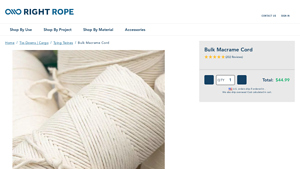
Domain: rightrope.com
Registered: 2018 (7 years)
Introduction: Bulk Macrame Cord
– Diameter Options: 1.5 mm, 2 mm, 3 mm, 4 mm, 5 mm, 6 mm, 7 mm
– Tube Size Options: 2.5 lbs, 5 lbs, 10 lbs, 20 lbs
– Cord Type Options: Single Twist, Triple Twist
– Price: $44.99
– Highlights: 100% natural cotton rope, unbleached (off-white), single strand, very soft, knots well, eco-friendly, made in USA
– Description: Made of many fine threads twisted into one very soft string,…
2. XKDOUS – Natural Cotton Macrame Cords
Domain: xkdous.com
Registered: 2018 (7 years)
Introduction: XKDOUS offers a variety of macrame cords made from 100% natural cotton. The cords are available in different diameters (2mm, 3mm, 4mm, 5mm, 6mm) and a wide range of colors including natural/off white, bleached white, black, various shades of grey, pink, green, blue, purple, yellow, orange, and red. The cords come in different types such as 3 strand twisted, single strand twisted, and solid braided…
3. Faire – Wholesale Macrame Cord
Domain: faire.com
Registered: 1998 (27 years)
Introduction: Wholesale macrame cord for your store. Shop wholesale online from over 100,000 brands.
4. Bobbiny – Eco-Friendly Macrame Cords
Understanding wholesale macrame cord Types and Variations
| Type Name | Key Distinguishing Features | Primary B2B Applications | Brief Pros & Cons for Buyers |
|---|---|---|---|
| Cotton Macrame Cord | 100% natural, soft, eco-friendly, available in various diameters | Crafts, home decor, DIY kits | Pros: Soft texture, easy to knot; Cons: Not as strong as synthetic options. |
| Hemp Macrame Cord | Durable, eco-friendly, biodegradable, available in multiple colors | Sustainable crafts, jewelry making, workshops | Pros: Strong and resistant; Cons: Rougher texture may not suit all applications. |
| Twisted Cotton Rope | Multiple strands twisted together, offers higher strength and durability | Furniture making, heavy-duty projects | Pros: Strong and versatile; Cons: Heavier, may be overkill for light crafts. |
| Colored Macrame Cord | Available in various colors, made from cotton or synthetic blends | Fashion accessories, themed decor | Pros: Aesthetic variety; Cons: May have synthetic materials affecting eco-friendliness. |
| Recycled Cotton Cord | Made from recycled materials, eco-conscious choice | Eco-friendly crafts, sustainable product lines | Pros: Environmentally sustainable; Cons: Availability may vary, potentially higher cost. |
What are the Characteristics of Cotton Macrame Cord?
Cotton macrame cord is a staple in the crafting world, known for its softness and ease of use. This type of cord is 100% natural, making it an eco-friendly option for various applications, from home decor to DIY kits. B2B buyers should consider the cord’s diameter and weight per foot when purchasing, as these factors influence the final product’s look and feel. Its versatility makes it suitable for both casual crafters and professional artisans.
How Does Hemp Macrame Cord Stand Out?
Hemp macrame cord is recognized for its durability and resistance to wear, making it ideal for more robust applications like jewelry making and sustainable crafts. This biodegradable material is available in an array of colors, appealing to eco-conscious businesses. When purchasing, B2B buyers should evaluate the cord’s texture and strength, as the rougher feel may not be suitable for all projects, particularly those requiring a softer touch.
What are the Benefits of Using Twisted Cotton Rope?
Twisted cotton rope consists of multiple strands twisted together, providing enhanced strength and durability compared to single-strand options. This type is particularly effective for heavy-duty projects such as furniture making or other structural applications. Buyers should consider the weight and thickness of the rope to ensure it meets their project’s requirements. While it offers significant strength, the heft of twisted rope may be unnecessary for lighter crafts.
How Can Colored Macrame Cord Enhance Products?
Colored macrame cord adds a vibrant touch to any project, making it perfect for fashion accessories and themed decor. Available in both cotton and synthetic blends, it offers aesthetic variety. B2B buyers should be mindful of the material composition, as synthetic blends may compromise eco-friendliness. The ability to source various colors can significantly enhance product offerings and cater to diverse customer preferences.
Why Choose Recycled Cotton Cord for Eco-Friendly Projects?
Recycled cotton cord is an excellent choice for businesses focused on sustainability. Made from discarded cotton materials, it helps reduce waste while providing a strong, soft alternative for crafting. B2B buyers should assess the availability and cost-effectiveness of this option, as it can sometimes be higher than traditional materials. Its eco-conscious appeal can attract a growing market segment focused on sustainable products.
Key Industrial Applications of wholesale macrame cord
| Industry/Sector | Specific Application of wholesale macrame cord | Value/Benefit for the Business | Key Sourcing Considerations for this Application |
|---|---|---|---|
| Home Decor | Manufacturing of wall hangings and tapestries | Enhances aesthetic appeal, attracting more customers | Ensure eco-friendly materials; consider local sourcing options for reduced shipping costs |
| Fashion and Accessories | Production of macrame jewelry (e.g., bracelets, necklaces) | Unique, customizable products that meet market trends | Look for high-quality, durable cords; color variety may be important for fashion items |
| Craft and DIY Supplies | Supply for craft stores and DIY kits | Drives sales through diverse product offerings | Volume discounts and bulk availability are essential; assess supplier reliability and lead times |
| Education and Workshops | Materials for macrame workshops | Engages participants and promotes creativity | Ensure consistent quality for educational purposes; consider suppliers who offer training resources |
| Eco-Friendly Products | Creation of sustainable storage solutions and bags | Aligns with consumer demand for environmentally friendly products | Verify certifications for organic and recycled materials; focus on suppliers with transparent sourcing practices |
How is Wholesale Macrame Cord Used in Home Decor?
In the home decor industry, wholesale macrame cord is primarily used for creating wall hangings and tapestries. These decorative elements are increasingly sought after for their bohemian aesthetic, appealing to modern consumers. By using high-quality, eco-friendly macrame cord, businesses can enhance their product offerings, attracting environmentally conscious buyers. International B2B buyers should consider sourcing cords that are not only aesthetically pleasing but also durable and suitable for various indoor applications.
What Role Does Macrame Cord Play in Fashion and Accessories?
The fashion industry leverages wholesale macrame cord for producing unique jewelry items such as bracelets and necklaces. This allows brands to offer customizable products that resonate with current market trends, enhancing customer engagement. For international buyers, particularly in regions with diverse fashion tastes like Europe and South America, sourcing cords in various colors and styles is crucial. Quality and durability are also key considerations, as these products must withstand regular wear.
Why is Wholesale Macrame Cord Essential for Craft and DIY Supplies?
Craft stores and DIY kits benefit significantly from wholesale macrame cord as it provides a versatile medium for various projects. Retailers can drive sales by offering a range of macrame supplies, appealing to both novice and experienced crafters. For B2B buyers, securing volume discounts and ensuring consistent supply are vital for maintaining inventory and meeting customer demands. Reliability in sourcing is essential to avoid disruptions in the supply chain.
How Can Macrame Cord Enhance Educational Workshops?
Wholesale macrame cord is an integral part of materials used in educational workshops, providing participants with the resources to create their own projects. This engagement promotes creativity and skill development, making workshops more appealing to potential attendees. For suppliers, ensuring consistent quality is paramount, as it affects the learning experience. Additionally, offering training resources or support can enhance the value proposition for educational institutions and workshop facilitators.
What Are the Benefits of Using Eco-Friendly Macrame Cord in Sustainable Products?
In the realm of eco-friendly products, wholesale macrame cord is used to create sustainable storage solutions and bags. This aligns with the growing consumer demand for environmentally friendly alternatives. Businesses that focus on sourcing organic and recycled materials can differentiate themselves in the market. For international buyers, verifying the supplier’s certifications and sourcing practices is crucial to ensure the integrity of their eco-friendly claims.
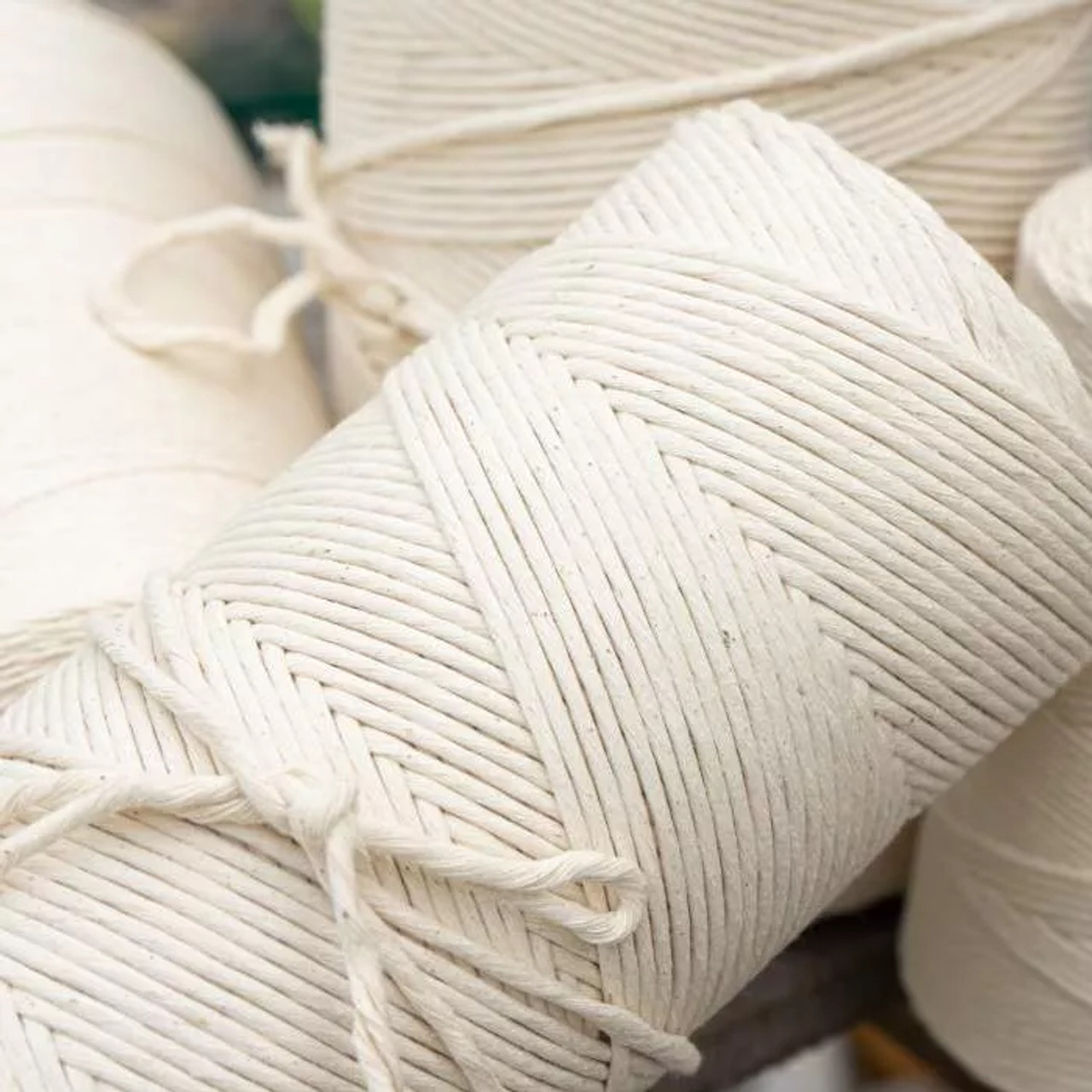
A stock image related to wholesale macrame cord.
3 Common User Pain Points for ‘wholesale macrame cord’ & Their Solutions
Scenario 1: Inconsistent Quality Across Suppliers
The Problem: B2B buyers often face challenges with inconsistent quality when sourcing wholesale macrame cord from multiple suppliers. This inconsistency can lead to significant issues in production, resulting in finished products that do not meet customer expectations. For instance, a craft store in Germany may order macrame cord for a new product line but receive different thicknesses or material qualities from various shipments, making it difficult to deliver a uniform product to their customers. This unpredictability not only affects product quality but can also lead to increased returns and damaged customer relationships.
The Solution: To mitigate quality inconsistency, buyers should establish long-term relationships with a limited number of trusted suppliers who can consistently meet their specifications. Before placing large orders, conduct thorough due diligence by requesting samples from potential suppliers. This allows for quality checks on different batches, ensuring that the cord meets the required standards. Additionally, buyers should develop a quality assurance checklist that includes specifications for diameter, softness, and knot strength. Implementing a clear communication channel with suppliers to discuss quality expectations can further enhance consistency and reliability in supply.
Scenario 2: Navigating Import Regulations and Costs
The Problem: International buyers, particularly those in Africa and South America, often struggle with navigating complex import regulations and unexpected costs associated with purchasing wholesale macrame cord. Tariffs, customs fees, and compliance with local regulations can significantly increase the total cost of goods, leading to budget overruns and logistical headaches. For example, a small business owner in Brazil might face delays and additional charges that were not accounted for in their initial budget, affecting their cash flow and overall business operations.
The Solution: To address these challenges, buyers should conduct thorough research on import regulations relevant to their specific country and the countries they are sourcing from. Engaging with a logistics partner experienced in international trade can provide insights into potential tariffs and compliance requirements, allowing for better financial planning. Additionally, consider sourcing from suppliers within trade agreements that may offer reduced tariffs, such as those within the EU or African Continental Free Trade Area (AfCFTA). Creating a detailed import cost calculator can help estimate total expenses, ensuring that all potential costs are accounted for before finalizing orders.
Scenario 3: Limited Awareness of Sustainable Options
The Problem: As global awareness of sustainability increases, B2B buyers often find it challenging to identify and source eco-friendly options for wholesale macrame cord. Many suppliers may not transparently disclose their sourcing practices or the materials used in their products, leaving buyers uncertain about the environmental impact of their purchases. For instance, a boutique retailer in Saudi Arabia may want to stock sustainable products but is overwhelmed by the variety of options and claims in the market, making it difficult to make informed purchasing decisions.
The Solution: To effectively source sustainable macrame cord, buyers should prioritize suppliers who are transparent about their materials and production processes. Look for certifications such as OEKO-TEX Standard 100, which ensures that textiles are free from harmful substances. Additionally, consider suppliers that utilize recycled materials or sustainable fibers like organic cotton or hemp. Engaging in direct conversations with suppliers about their sustainability practices can also provide deeper insights into their operations. Finally, attending trade shows or industry events focused on sustainable textiles can help buyers discover innovative products and build relationships with eco-conscious suppliers.
Strategic Material Selection Guide for wholesale macrame cord
When selecting materials for wholesale macrame cord, understanding the properties, advantages, and limitations of various options is essential for B2B buyers. This guide analyzes four common materials: cotton, hemp, polyester, and jute, providing insights into their performance, applications, and considerations for international markets.
What are the Key Properties of Cotton Macrame Cord?
Cotton macrame cord is renowned for its softness and flexibility. It is made from 100% natural fibers, which makes it biodegradable and eco-friendly. Cotton has a moderate temperature resistance, typically performing well in indoor environments. However, it can shrink when wet, which may affect finished products if not accounted for during the crafting process.
Pros: Cotton is soft, easy to knot, and ideal for decorative applications. It is also safe for pets and children, making it suitable for a variety of end products, including home decor and accessories.
Cons: While it is durable, cotton may not withstand extreme weather conditions, making it less suitable for outdoor applications. Additionally, its cost can be higher compared to synthetic alternatives.
How Does Hemp Compare as a Material for Macrame Cord?
Hemp macrame cord is a strong, durable option that is gaining popularity due to its sustainability. It has excellent resistance to mold and UV light, making it suitable for outdoor applications. Hemp fibers are also naturally resistant to abrasion and have a high tensile strength.
Pros: The environmental benefits of hemp are significant; it requires fewer pesticides and water than cotton. Hemp cords also offer a rustic aesthetic, appealing to modern bohemian styles.
Cons: Hemp can be rougher on the hands compared to cotton, which may deter some users. Additionally, it can be more expensive due to its cultivation and processing requirements.
What are the Advantages of Polyester Macrame Cord?
Polyester macrame cord is a synthetic alternative that offers high durability and resistance to moisture and UV rays. It is less prone to fraying and stretching, making it ideal for projects that require longevity and stability.
Pros: Polyester is often more affordable than natural fibers and is available in a wide range of colors. Its strength and weather resistance make it suitable for outdoor applications, such as garden decor.
Cons: As a synthetic material, polyester is not biodegradable, which may be a concern for environmentally conscious buyers. Additionally, it can be less comfortable to work with due to its stiffness.
What Role Does Jute Play in Macrame Cord Selection?
Jute is another natural fiber that is often used for macrame cord. It has a coarse texture and is biodegradable, making it an eco-friendly choice. Jute performs well in moderate temperatures but is not as durable as cotton or hemp.
Pros: Jute is cost-effective and provides a rustic, earthy look that appeals to many consumers. It is also lightweight and easy to handle.
Cons: The coarse texture can be uncomfortable for extended use, and jute is less resistant to moisture, which may limit its applications. Its lower durability means it may not be suitable for high-stress projects.
Considerations for International B2B Buyers
When sourcing macrame cord materials, international buyers must consider compliance with local standards. For instance, European buyers may look for compliance with REACH regulations, while buyers in the Middle East and Africa may prioritize materials that meet local environmental standards. Certifications such as OEKO-TEX can also be important for ensuring product safety and sustainability.
Summary Table of Material Selection for Wholesale Macrame Cord
| Material | Typical Use Case for wholesale macrame cord | Key Advantage | Key Disadvantage/Limitation | Relative Cost (Low/Med/High) |
|---|---|---|---|---|
| Cotton | Home decor, accessories, crafts | Softness and ease of use | Shrinks when wet | Medium |
| Hemp | Outdoor decor, sustainable products | High durability and UV resistance | Rough texture | High |
| Polyester | Outdoor applications, durable crafts | Weather resistance and affordability | Not biodegradable | Low |
| Jute | Rustic decor, lightweight projects | Cost-effective and eco-friendly | Coarse texture and low durability | Low |
This guide provides a comprehensive overview of the key materials available for wholesale macrame cord, enabling B2B buyers to make informed decisions that align with their product offerings and market demands.
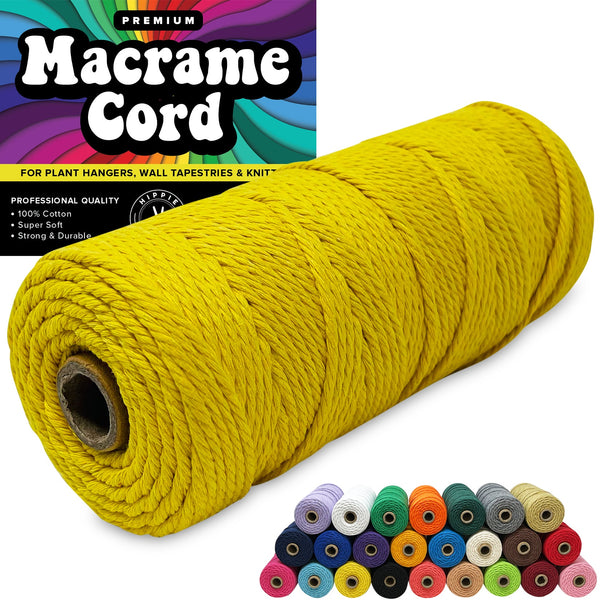
A stock image related to wholesale macrame cord.
In-depth Look: Manufacturing Processes and Quality Assurance for wholesale macrame cord
What Are the Main Stages in the Manufacturing Process of Wholesale Macrame Cord?
The manufacturing process of wholesale macrame cord typically involves several key stages: material preparation, forming, assembly, and finishing. Each stage is crucial for ensuring that the final product meets quality standards and customer expectations.
-
Material Preparation: The process begins with sourcing high-quality raw materials, such as cotton, hemp, or recycled fibers. For instance, suppliers may use 100% natural cotton, which is favored for its softness and durability. In some cases, materials are treated to remove impurities and enhance performance. This preparation phase is critical as the quality of raw materials directly influences the final product.
-
Forming: During this stage, the prepared fibers undergo processes like spinning and twisting. The fibers are spun into yarns, which are then twisted to form cords. Techniques such as single-strand or multi-strand twisting may be employed, depending on the desired strength and texture of the macrame cord. This stage is essential to create a product that is both functional and aesthetically pleasing.
-
Assembly: In this phase, the cords are cut to specific lengths and packaged for distribution. This may involve winding the cords onto spools or cones, ensuring they are tightly wound to maintain their integrity during shipping. Proper assembly techniques ensure that the cords do not tangle or fray, which is vital for maintaining quality during transport.
-
Finishing: The final stage includes quality checks and packaging. This may involve treatments to enhance the appearance, such as dyeing or applying finishes to improve durability. The finishing process also includes ensuring that the cords meet any specific requirements, such as being eco-friendly or compliant with international standards.
How is Quality Assurance Implemented in the Manufacturing of Macrame Cord?
Quality assurance (QA) is an integral part of the manufacturing process, ensuring that the macrame cords produced meet both international standards and customer expectations. Key components of QA include adherence to relevant international standards, quality checkpoints, and testing methods.
-
Relevant International Standards: Many manufacturers aim to comply with recognized international standards such as ISO 9001, which focuses on quality management systems. Additionally, certifications like OEKO-TEX Standard 100 and Global Recycled Standard (GR) are often pursued, especially for eco-friendly products. These certifications assure buyers that the materials used are safe and sustainable.
-
Quality Checkpoints: QA processes typically involve several checkpoints:
– Incoming Quality Control (IQC): This initial stage checks the quality of raw materials upon arrival. Suppliers verify that the materials meet predetermined specifications before production begins.
– In-Process Quality Control (IPQC): During manufacturing, periodic checks ensure that production processes are consistent and that the cords being produced meet quality criteria.
– Final Quality Control (FQC): This final checkpoint assesses the finished product for defects and compliance with specifications before packaging and shipment. -
Common Testing Methods: Various testing methods are used to ensure quality, including tensile strength tests, colorfastness tests, and abrasion resistance tests. These tests help manufacturers assess the durability and performance of the macrame cords.
How Can B2B Buyers Verify Supplier Quality Control?
B2B buyers looking to ensure the quality of wholesale macrame cords can take several steps to verify supplier quality control:
-
Conduct Audits: Engaging in supplier audits allows buyers to assess the manufacturing processes and quality control measures firsthand. This can involve on-site visits to factories to evaluate their adherence to quality standards and processes.
-
Request Documentation: Buyers should request detailed reports on quality assurance practices, including inspection records and compliance certifications. This documentation can provide insights into the supplier’s commitment to quality.
-
Third-Party Inspections: Utilizing third-party inspection services can offer an unbiased evaluation of the supplier’s quality control processes. These inspections can be particularly beneficial for international buyers who may not be able to visit suppliers in person.
-
Check References and Reviews: Before committing to a supplier, buyers should seek references or reviews from other businesses that have previously worked with them. This can help gauge the reliability and quality of the supplier’s products.
What Are the Quality Control Nuances for International B2B Buyers?
International buyers, particularly from regions such as Africa, South America, the Middle East, and Europe, must navigate specific quality control nuances when sourcing macrame cord:
-
Understanding Local Regulations: Different countries may have varying regulations regarding textile products. Buyers should familiarize themselves with these regulations to ensure compliance and avoid potential legal issues.
-
Cultural Expectations: Quality perceptions can differ across cultures. Understanding the expectations of target markets is essential for B2B buyers, as it can influence decisions about material types, color choices, and cord durability.
-
Supply Chain Transparency: Buyers should prioritize suppliers who provide transparency throughout the supply chain. This includes clear information on sourcing, manufacturing practices, and quality control measures. Transparency fosters trust and ensures that products meet the buyer’s standards.
-
Flexibility in Orders: International buyers often require flexibility in order quantities and customization options. Suppliers should be willing to accommodate these needs while maintaining quality standards.
Conclusion
The manufacturing processes and quality assurance practices for wholesale macrame cord are vital for ensuring product quality and meeting international standards. By understanding the key stages of production, the importance of quality assurance, and how to verify supplier quality, B2B buyers can make informed decisions when sourcing macrame cord. Adopting these practices not only enhances product quality but also builds strong supplier relationships that can lead to long-term success in the competitive wholesale market.
Practical Sourcing Guide: A Step-by-Step Checklist for ‘wholesale macrame cord’
In this guide, we provide a comprehensive checklist for B2B buyers seeking to source wholesale macrame cord effectively. Whether you are a retailer, a craft store owner, or a workshop facilitator, following these steps will ensure you find high-quality products that meet your needs.
Step 1: Define Your Technical Specifications
Before you start sourcing, it’s essential to have a clear understanding of the specific types of macrame cord you need. Consider factors such as material (e.g., 100% cotton, hemp, or recycled fibers), thickness, length, and color options. This clarity will help you communicate effectively with suppliers and ensure you receive products that meet your requirements.
Step 2: Research Potential Suppliers
Conduct thorough research to identify potential suppliers. Look for companies with a solid reputation in the market, focusing on those that specialize in macrame products. Utilize industry directories, trade shows, and online marketplaces to compile a list of candidates. Pay attention to their product range and whether they offer the specific types of cord you are interested in.
Step 3: Evaluate Supplier Credentials
Before making a decision, verify the credentials of your shortlisted suppliers. Check for certifications such as OEKO-TEX Standard 100 or Global Recycled Standard, which indicate compliance with environmental and safety standards. Additionally, ask for references or case studies from other businesses in your region or industry to gauge their reliability and quality of service.
Step 4: Request Samples for Quality Assessment
Once you’ve narrowed down your options, request samples of the macrame cord. This step is crucial for assessing the quality, texture, and strength of the material. Pay attention to how the cord behaves when knotted and if it meets your durability expectations. This hands-on evaluation will help you make an informed choice before placing a bulk order.
Step 5: Negotiate Pricing and Terms
Engage in discussions with your chosen suppliers to negotiate pricing and terms. Bulk orders often come with discounts, so it’s beneficial to ask about pricing tiers based on volume. Also, clarify payment terms, shipping costs, and return policies to avoid unexpected expenses or complications down the line.
Step 6: Assess Shipping and Delivery Options
Evaluate the shipping methods and delivery timelines offered by your suppliers. Fast and reliable shipping is critical for maintaining your inventory and meeting customer demands. Inquire about international shipping capabilities, especially if you are sourcing from suppliers located in different continents.
Step 7: Establish a Long-Term Relationship
Once you have successfully sourced your macrame cord, consider building a long-term relationship with your supplier. Regular communication and feedback can lead to better service, exclusive offers, and access to new products. A strong partnership can enhance your supply chain efficiency and ensure you consistently receive high-quality materials.
By following this checklist, you can confidently navigate the sourcing process for wholesale macrame cord, ensuring that you select the right products and suppliers for your business needs.
Comprehensive Cost and Pricing Analysis for wholesale macrame cord Sourcing
What Are the Key Cost Components in Sourcing Wholesale Macrame Cord?
When sourcing wholesale macrame cord, understanding the cost structure is crucial for B2B buyers. The primary cost components include materials, labor, manufacturing overhead, tooling, quality control, logistics, and supplier margin.
-
Materials: The type of macrame cord significantly influences costs. For instance, 100% natural cotton cords tend to be pricier than blended options. Specialty materials, such as organic or recycled fibers, can further increase costs due to their sustainable sourcing practices.
-
Labor: Labor costs vary depending on the production country. Regions with higher wage standards, such as Western Europe, may lead to increased costs compared to regions with lower labor costs.
-
Manufacturing Overhead: This includes the costs associated with utilities, facility maintenance, and equipment depreciation. Factories with modern, efficient equipment can reduce overhead costs, which may be passed on to buyers.
-
Tooling: Custom tooling for specialized cord designs can add to initial costs but may be necessary for unique product offerings. This cost can be amortized over larger production runs.
-
Quality Control (QC): Ensuring the quality of macrame cords is essential for maintaining customer satisfaction. Implementing stringent QC processes may increase initial costs but can lead to savings by reducing returns and enhancing brand reputation.
-
Logistics: Shipping and handling costs can vary significantly based on the supplier’s location and the buyer’s destination. International shipping may require additional customs duties and tariffs, influencing the total cost.
-
Margin: Suppliers typically add a margin to cover their expenses and profit. Understanding the typical margins in the industry can help buyers gauge whether a price is reasonable.
What Factors Influence Pricing for Wholesale Macrame Cord?
Several factors can influence the pricing of wholesale macrame cord, which is vital for buyers to consider:
-
Volume/MOQ: Suppliers often have minimum order quantities (MOQs). Larger orders can lead to better pricing per unit due to economies of scale.
-
Specifications and Customization: Customized cords or specific color requirements may incur additional costs. Buyers should weigh the benefits of customization against potential price increases.
-
Materials: The choice of materials directly affects pricing. Eco-friendly or premium materials generally come with higher costs, but they may also attract a niche market willing to pay a premium.
-
Quality and Certifications: Cords that meet specific safety and quality standards (e.g., OEKO-TEX certification) may be priced higher. Buyers should consider whether these certifications are necessary for their market.
-
Supplier Factors: The supplier’s reputation, production capabilities, and location can all impact price. Established suppliers with proven quality may charge more but offer reliability.
-
Incoterms: Understanding Incoterms (International Commercial Terms) is essential for managing logistics costs. Terms like FOB (Free on Board) or CIF (Cost, Insurance, and Freight) can affect the final pricing structure.
How Can Buyers Negotiate and Ensure Cost-Efficiency?
For international B2B buyers, particularly from Africa, South America, the Middle East, and Europe, effective negotiation strategies can lead to cost savings:
-
Negotiate Bulk Discounts: Leverage larger order quantities to negotiate better rates. Suppliers are often willing to provide discounts for bulk purchases.
-
Assess Total Cost of Ownership (TCO): Look beyond the initial price to consider long-term costs, including shipping, storage, and potential returns. This holistic view can lead to smarter purchasing decisions.
-
Understand Pricing Nuances: Familiarize yourself with the typical pricing structure in the macrame cord market. This knowledge can empower buyers to identify unreasonable pricing or negotiate more effectively.
-
Build Relationships with Suppliers: Establishing strong relationships with suppliers can lead to better terms, such as flexible payment options or priority in production schedules.
Conclusion
In summary, understanding the cost components, pricing influences, and negotiation strategies is essential for B2B buyers looking to source wholesale macrame cord effectively. By considering these factors, businesses can enhance their purchasing strategies and improve their bottom line. Always remember that pricing can vary widely based on numerous factors, so thorough research and relationship-building with suppliers are key to achieving optimal results.
Alternatives Analysis: Comparing wholesale macrame cord With Other Solutions
Exploring Alternatives to Wholesale Macrame Cord
When considering macrame supplies for B2B operations, it’s essential to evaluate not only wholesale macrame cord but also alternative materials and methods that can fulfill similar needs. This comparison can help buyers make informed decisions based on performance, cost, and specific project requirements.
Comparison Table
| Comparison Aspect | Wholesale Macrame Cord | Synthetic Macrame Rope | Natural Fiber Twine |
|---|---|---|---|
| Performance | Excellent knotting ability; soft and durable | High tensile strength; less flexible | Good for lightweight projects; biodegradable |
| Cost | Moderate ($0.17 – $669.99 per unit) | Generally lower cost per foot | Variable, often higher than synthetic options |
| Ease of Implementation | Straightforward for crafts and projects | Requires care in handling due to stiffness | Easy to use but may require more effort to knot securely |
| Maintenance | Washable; may shrink when wet | Low maintenance; resistant to fraying | Requires careful storage to avoid tangling |
| Best Use Case | Ideal for artistic projects, home décor | Suitable for heavy-duty applications like outdoor decor | Great for eco-friendly projects and light crafts |
Detailed Breakdown of Alternatives
Synthetic Macrame Rope
Synthetic macrame rope, often made from materials like polypropylene or polyester, offers significant advantages in terms of strength and durability. This type of rope can withstand outdoor conditions and is resistant to fraying, making it suitable for projects that require longevity. However, while it is generally cheaper than natural fibers, it lacks the aesthetic appeal and softness of cotton macrame cord. Additionally, synthetic fibers are not biodegradable, which can be a drawback for environmentally conscious businesses.
Natural Fiber Twine
Natural fiber twine, such as jute or hemp, serves as an eco-friendly alternative to macrame cord. These materials provide a rustic look and are biodegradable, appealing to businesses focused on sustainability. However, they may not offer the same knotting capabilities as cotton cord, and can sometimes be more challenging to work with, especially for intricate designs. The cost can also vary significantly depending on the quality and source of the twine, often leading to higher prices compared to synthetic options.
Conclusion: How to Choose the Right Solution for Your Needs
Selecting the right macrame material is crucial for any B2B buyer looking to optimize their product offerings. Wholesale macrame cord excels in artistic applications and soft, flexible projects, making it ideal for decorative items. In contrast, synthetic ropes might be preferred for durability and cost-effectiveness in outdoor settings, while natural fiber twine can attract eco-conscious consumers. By carefully considering the performance, cost, and specific use cases of each alternative, businesses can make strategic purchasing decisions that align with their brand values and customer preferences.
Essential Technical Properties and Trade Terminology for wholesale macrame cord
What Are the Key Technical Properties of Wholesale Macrame Cord?
When sourcing wholesale macrame cord, understanding its technical properties is crucial for ensuring product quality and suitability for various applications. Here are some essential specifications:
1. Material Composition
The primary materials used in macrame cord are cotton, hemp, and synthetic blends. For example, 100% cotton macrame cord is favored for its softness and eco-friendliness, making it ideal for decorative projects. In contrast, synthetic blends may offer enhanced strength and lower costs, appealing to budget-conscious buyers. Understanding the material composition helps buyers assess the cord’s suitability for their intended use, whether for crafts or industrial applications.
2. Diameter and Ply
Diameter refers to the thickness of the cord, typically measured in millimeters. Common diameters range from 1mm to 10mm, affecting the final product’s appearance and durability. Ply indicates the number of strands twisted together; single-ply cords are softer and more flexible, while multi-ply cords provide increased strength. Buyers should choose diameter and ply based on the specific requirements of their projects, ensuring the final product meets quality expectations.
3. Tensile Strength
Tensile strength measures how much force the cord can withstand before breaking. This property is vital for applications like plant hangers or wall decorations that must support weight. Buyers should inquire about tensile strength ratings to ensure the cord can handle the intended load, particularly for commercial applications where safety is a priority.
4. Colorfastness
Colorfastness refers to a material’s resistance to fading or bleeding when exposed to water or sunlight. For products intended for outdoor use, selecting colorfast cords is crucial to maintain aesthetic appeal over time. Buyers should confirm that the cords meet colorfastness standards to ensure long-lasting quality.
5. Environmental Compliance
With increasing demand for sustainable products, understanding the environmental impact of macrame cords is important. Buyers should look for cords made from organic or recycled materials, certified by standards such as OEKO-TEX or Global Recycled Standard. This not only aligns with eco-friendly practices but also appeals to environmentally conscious consumers.
What Are Common Trade Terms in the Wholesale Macrame Cord Industry?
Familiarity with industry terminology is vital for smooth transactions and negotiations. Here are some key terms:
1. OEM (Original Equipment Manufacturer)
In the context of macrame cord, OEM refers to companies that manufacture products based on another company’s specifications. Buyers can leverage OEM services to create custom products tailored to their brand, allowing for unique offerings in the marketplace.
2. MOQ (Minimum Order Quantity)
MOQ indicates the smallest number of units a supplier is willing to sell. Understanding MOQ is essential for budget planning and inventory management. Buyers should negotiate MOQs that align with their sales forecasts to avoid excess stock or missed opportunities.
3. RFQ (Request for Quotation)
An RFQ is a formal request from a buyer to suppliers for pricing and terms on specific products. Using RFQs enables buyers to compare offers from multiple suppliers, ensuring they receive competitive pricing and favorable terms for their macrame cord purchases.
4. Incoterms (International Commercial Terms)
Incoterms define the responsibilities of buyers and sellers in international shipping, including who pays for shipping, insurance, and tariffs. Familiarity with Incoterms helps buyers understand their obligations and risks in cross-border transactions, facilitating smoother logistics and cost management.
5. Lead Time
Lead time refers to the amount of time it takes from placing an order until the products are received. Understanding lead times is crucial for inventory management and planning, especially for businesses that rely on timely deliveries to meet customer demands.
By grasping these technical properties and trade terminologies, B2B buyers can make informed decisions when sourcing wholesale macrame cord, ensuring they select the right products for their business needs.
Navigating Market Dynamics and Sourcing Trends in the wholesale macrame cord Sector
What Are the Current Market Dynamics and Key Trends in the Wholesale Macrame Cord Sector?
The global wholesale macrame cord market is experiencing a renaissance, driven by the increasing popularity of DIY crafts and home decor, particularly in regions like Africa, South America, the Middle East, and Europe. This surge is linked to a broader trend of consumers seeking personalized and artisanal products, reflecting a shift towards sustainable and unique home furnishings. Emerging B2B tech solutions are facilitating this trend, with online marketplaces enabling international buyers to source quality materials directly from manufacturers, thus reducing intermediaries and costs.
Additionally, the rise of social media platforms has transformed how businesses market macrame products. Platforms such as Instagram and Pinterest serve as influential channels for showcasing creative uses of macrame, driving demand for diverse cord types, including cotton, hemp, and recycled materials. Buyers should pay attention to these trends when sourcing products, as offering trendy and versatile cords can enhance their market appeal.
Furthermore, the demand for bulk purchasing continues to grow, particularly among small businesses and educational institutions that require materials for workshops or classes. This trend not only provides cost savings but also ensures a consistent supply for ongoing projects. As competition intensifies, B2B buyers must remain agile, adapting to consumer preferences and leveraging technology for efficient sourcing.
How Is Sustainability and Ethical Sourcing Influencing B2B Decisions in the Macrame Cord Market?
Sustainability and ethical sourcing are paramount in the wholesale macrame cord sector, with increasing consumer awareness regarding environmental impact driving change across supply chains. Businesses are now prioritizing materials that are eco-friendly and sustainably sourced, such as 100% natural cotton, hemp, and recycled fibers. These materials not only reduce the ecological footprint but also cater to a growing demographic of environmentally conscious consumers.
Ethical supply chains are becoming a critical factor for B2B buyers, especially in regions where customers are increasingly demanding transparency about product origins. Certifications like OEKO-TEX Standard 100 and Global Recycled Standard serve as important indicators of quality and sustainability, assuring buyers that the products meet rigorous environmental and social criteria. By aligning with suppliers who prioritize ethical practices, businesses can enhance their brand reputation and attract a loyal customer base.
Moreover, the trend towards zero-waste production methods is gaining traction. Suppliers that adopt circular economy principles, such as using discarded materials to create macrame cords, are appealing to a niche market that values innovation and sustainability. As international buyers seek to differentiate their offerings, sourcing from suppliers with a strong commitment to sustainability can provide a competitive edge.
What Is the Brief Evolution and History of Macrame in the B2B Context?
Macrame, a form of textile art that involves knotting cords to create decorative and functional items, has roots that trace back centuries. Originally popularized in the 13th century by Arabian weavers, macrame gained prominence in Europe during the 17th century as sailors brought the technique home from their voyages. Initially used for decorative purposes, it evolved into a craft that saw widespread use in household items, including plant hangers and wall decor.
In recent years, the resurgence of macrame in modern design has transformed it into a sought-after material in the wholesale sector. The rise of the bohemian and minimalist aesthetic has reinvigorated interest in macrame, leading to a significant increase in demand for quality cords and supplies. This evolution has opened new avenues for B2B buyers, enabling them to tap into a market rich with creative possibilities while catering to a diverse clientele looking for unique and handcrafted items. As the craft continues to evolve, understanding its historical context can provide valuable insights for buyers looking to source macrame products that resonate with contemporary trends.
Frequently Asked Questions (FAQs) for B2B Buyers of wholesale macrame cord
-
How do I choose the right macrame cord for my business needs?
Selecting the appropriate macrame cord depends on your intended application. For decorative projects, opt for soft cotton or hemp cords, as they offer both aesthetic appeal and durability. If strength is a priority, consider thicker, braided options. Additionally, consider the cord’s color options, as customization can enhance your product’s uniqueness. Always check the specifications for diameter and weight per foot to ensure it meets your project requirements and aligns with customer preferences. -
What are the advantages of sourcing wholesale macrame cord?
Purchasing macrame cord in bulk offers significant cost savings and ensures consistent supply for your projects. Wholesale suppliers often provide lower prices per unit, which can enhance your profit margins. Additionally, buying in bulk reduces the frequency of orders, saving time and logistics costs. This is especially beneficial for businesses planning to offer workshops or extensive product lines, as it guarantees that you have ample materials on hand for various creative applications. -
What is the minimum order quantity (MOQ) for wholesale macrame cord?
Minimum order quantities for wholesale macrame cord can vary significantly among suppliers, typically ranging from 100 to 1,000 meters or more. It’s essential to clarify this with potential suppliers before placing an order. Some manufacturers may offer flexibility based on your business needs, especially if you establish a long-term relationship. Understanding the MOQ will help you plan your inventory effectively and manage your cash flow. -
How can I ensure the quality of macrame cord before placing a large order?
To ensure product quality, request samples from suppliers before committing to a large order. Assess the texture, strength, and color consistency of the cord. Additionally, inquire about the materials used and the manufacturing process, as eco-friendly and sustainable practices can influence quality. Checking reviews and testimonials from other businesses can also provide insights into the supplier’s reliability and product performance. -
What payment terms should I expect when sourcing wholesale macrame cord?
Payment terms vary by supplier but typically include options such as net 30, net 60, or upfront payments for first-time orders. Some suppliers may offer discounts for early payments or larger orders. It’s crucial to discuss and agree on payment terms before finalizing your order to avoid misunderstandings. Additionally, consider payment methods that offer buyer protection, such as credit cards or reputable escrow services. -
What customization options are available for wholesale macrame cord?
Many suppliers offer customization options, including color, diameter, and even branding on packaging. If your business caters to specific markets or trends, inquire about custom dyeing services or the possibility of private labeling. This can help differentiate your products in a competitive market and align with your brand identity. Always confirm the lead time for custom orders, as this can vary based on complexity and supplier capabilities. -
How do I navigate international shipping for macrame cord purchases?
When sourcing macrame cord internationally, it’s crucial to understand shipping options, costs, and delivery timelines. Discuss with your supplier whether they handle shipping logistics or if you need to coordinate with a freight forwarder. Familiarize yourself with customs regulations in your country to avoid delays or additional fees. Additionally, consider shipping insurance for high-value orders to mitigate risks during transit. -
What should I look for in a supplier’s certification and compliance?
Ensuring that your macrame cord supplier complies with international standards is vital for product quality and safety. Look for certifications such as OEKO-TEX, which indicates that the product is free from harmful substances. Additionally, inquire about the supplier’s ethical sourcing practices and sustainability certifications, especially if your brand emphasizes eco-friendliness. A supplier committed to quality and ethical practices will help enhance your brand reputation in the marketplace.
Important Disclaimer & Terms of Use
⚠️ Important Disclaimer
The information provided in this guide, including content regarding manufacturers, technical specifications, and market analysis, is for informational and educational purposes only. It does not constitute professional procurement advice, financial advice, or legal advice.
While we have made every effort to ensure the accuracy and timeliness of the information, we are not responsible for any errors, omissions, or outdated information. Market conditions, company details, and technical standards are subject to change.
B2B buyers must conduct their own independent and thorough due diligence before making any purchasing decisions. This includes contacting suppliers directly, verifying certifications, requesting samples, and seeking professional consultation. The risk of relying on any information in this guide is borne solely by the reader.
Strategic Sourcing Conclusion and Outlook for wholesale macrame cord
In the evolving landscape of wholesale macrame cord, strategic sourcing is essential for international B2B buyers to secure quality products at competitive prices. Understanding the diverse offerings—from 100% natural cotton to eco-friendly hemp—enables businesses to meet the increasing consumer demand for sustainable and versatile materials. Buyers should prioritize suppliers that offer bulk purchasing options, ensuring not only cost savings but also a steady supply for production needs.
Investing in high-quality macrame cord can significantly enhance product offerings in markets across Africa, South America, the Middle East, and Europe. By forming partnerships with reputable suppliers, businesses can access innovative materials that appeal to a broad range of customers, from DIY enthusiasts to professional artisans.
As the macrame trend continues to gain momentum, now is the time to capitalize on this growth by aligning sourcing strategies with market demands. Explore wholesale opportunities that align with your business objectives, and make a commitment to quality and sustainability. This proactive approach will position your business favorably in the competitive landscape and foster long-term success.