
4 Leading Corduroy Hats Wholesale Manufacturers for Global Buyers
Introduction: Navigating the Global Market for corduroy hats wholesale
Navigating the global market for corduroy hats wholesale presents unique challenges for B2B buyers seeking quality products at competitive prices. With a growing demand for stylish and durable headwear, particularly in regions like Africa, South America, the Middle East, and Europe, sourcing the right suppliers becomes paramount. This guide serves as a comprehensive resource, covering various types of corduroy hats—from snapbacks and dad hats to trucker caps—along with their applications, features, and customizability options.
In addition to product variety, understanding supplier vetting processes is essential to ensure reliability and quality. This guide outlines the key factors to consider when evaluating suppliers, including production capabilities, material sourcing, and compliance with international standards. Furthermore, it delves into cost considerations, helping buyers make informed financial decisions without compromising on quality.
By equipping international B2B buyers with actionable insights and practical strategies, this guide empowers them to navigate the complexities of sourcing corduroy hats effectively. Whether you’re looking to enhance your product line or establish a new partnership, understanding the nuances of the corduroy hat market will enable you to make strategic purchasing decisions that align with your business goals.
Top 10 Corduroy Hats Wholesale Manufacturers & Suppliers List
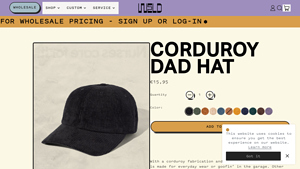
1. Weld Mfg – Corduroy Dad Hat
Domain: weldmfg.co
Registered: 2018 (7 years)
Introduction: Product Name: Corduroy Dad Hat
Regular Price: $18.00
Color Options: Black, Cactus, Camel, Eggshell, Slate Blue, Dune, Sun, Navy, Surf, Java, Moonstone
Fabric: Corduroy
Features:
– Six Panel Hat
– Fabric Strap with Adjustable Brass Closure
– One Size Fits Most (58 cm)
– Unique Colorways Available
– Imported
Customization: Available for minimum 50 pcs per design.
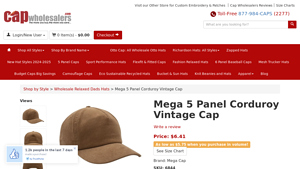
2. Mega Cap – 5 Panel Corduroy Vintage Cap
Domain: capwholesalers.com
Registered: 2002 (23 years)
Introduction: Mega 5 Panel Corduroy Vintage Cap
– Brand: Mega Cap
– SKU: 6844
– Price: $6.41 (as low as $5.75 when purchased in volume)
– Available Colors: Camel, Black, Khaki, Grey, Navy, Olive
– Material: 70% Cotton, 30% Rayon
– Features: Low Profile, 5 Panel, Unstructured, Corduroy, Cotton Twill Sweatband, Snapback, One Size Fits Most
– Minimum Order: 12 pieces
– Dozen Pricing:
– 1-11 Dozen: $76.92
– 12…
3. AcademyFits – Stylish Hats Collection

Domain: academyfits.com
Registered: 2009 (16 years)
Introduction: AcademyFits offers a variety of hats including Corduroy Frame Snapback (#3125S) priced at $21.95, Foam Trucker (#2074) priced at $15.95, Frame Strapback (#2025B) priced at $18.95, Frame Snapback (#2025S) priced at $18.95, Perforated Snapback (#4000) priced at $21.95, P-Nylon Snapback (#2015ST) priced at $18.95, Rope Corduroy Snapback (#3115R) priced at $21.95, and Corduroy Buckle (#3115B) priced a…
4. Foremost Hat – Custom Corduroy Hats
Domain: shop.foremosthat.com
Registered: 2022 (3 years)
Introduction: Wholesale blank & custom corduroy hats available in bulk. Factory direct price with low minimum order quantity (MOQ). Premium quality with fast delivery (shipping within 2 business days). Custom logo options available (embroidery, print, patch). Made from classic ribbed fabric, offering style and warmth, ideal for cooler weather. Foremost Hat has been manufacturing high-quality plain corduroy hats…
Understanding corduroy hats wholesale Types and Variations
| Type Name | Key Distinguishing Features | Primary B2B Applications | Brief Pros & Cons for Buyers |
|---|---|---|---|
| Snapback Hats | Structured design with a flat bill and adjustable snap | Promotional events, casual retail | Pros: Versatile styles, customizable. Cons: May not fit all head sizes comfortably. |
| Trucker Hats | Mesh back for breathability, often with a foam front | Outdoor events, casual wear | Pros: Lightweight, good ventilation. Cons: Less formal appearance. |
| Dad Hats | Unstructured, relaxed fit with a curved brim | Everyday wear, lifestyle branding | Pros: Comfortable, popular with younger demographics. Cons: Limited adjustability. |
| Bucket Hats | Wide brim for sun protection, often unstructured | Outdoor activities, fashion retail | Pros: Great for sun protection, trendy. Cons: Niche market appeal. |
| Vintage Caps | Retro styles, often with unique color options | Fashion boutiques, custom branding | Pros: Nostalgic appeal, can attract specific customer segments. Cons: May require higher investment in niche markets. |
What Are the Key Characteristics of Snapback Hats in Wholesale?
Snapback hats are characterized by their structured design, flat bill, and adjustable snap closure at the back, making them a popular choice among various demographics. Their versatility allows them to be used in promotional events, casual retail, and even as fashion statements. When considering B2B purchases, buyers should look for customizable options, as these can enhance branding efforts. However, it’s essential to note that while they fit most head sizes, some individuals may find them less comfortable than other styles.
How Do Trucker Hats Stand Out in the Wholesale Market?
Trucker hats are identifiable by their mesh back, which offers breathability, and a foam front that can be easily customized. They are commonly used in outdoor events and casual wear, appealing to brands that want to create a laid-back image. B2B buyers should consider factors such as durability and customization options when purchasing. While these hats are lightweight and ventilated, they may not convey a formal appearance, which could limit their use in more upscale settings.
Why Are Dad Hats Popular Choices for B2B Buyers?
Dad hats feature an unstructured design with a relaxed fit and a curved brim, making them extremely comfortable for everyday wear. They appeal particularly to younger demographics and are often used for lifestyle branding. When sourcing these hats, buyers should focus on the quality of materials and the range of color options available. Although they are popular, the limited adjustability may not suit all customers, which is a consideration for bulk purchases.
What Benefits Do Bucket Hats Offer for Wholesale Buyers?
Bucket hats are designed with a wide brim, providing excellent sun protection, making them ideal for outdoor activities and fashion retail. Their unstructured style has gained popularity in recent years, particularly among younger consumers. B2B buyers should evaluate the variety of colors and materials available, as these can significantly impact consumer interest. While bucket hats are trendy and functional, their appeal may be more niche compared to other styles, requiring targeted marketing efforts.
How Do Vintage Caps Appeal to Specific Market Segments?
Vintage caps often feature retro designs and unique color options, catering to niche markets and fashion boutiques. Their nostalgic appeal can attract specific customer segments looking for distinctive styles. When considering wholesale purchases, buyers should focus on the authenticity of the designs and the quality of materials. Although vintage caps can be a higher investment, their ability to create a strong brand identity can lead to significant returns in the right market.
Key Industrial Applications of corduroy hats wholesale
| Industry/Sector | Specific Application of corduroy hats wholesale | Value/Benefit for the Business | Key Sourcing Considerations for this Application |
|---|---|---|---|
| Fashion Retail | Customizable corduroy hats for seasonal collections | Enhances brand visibility and customer engagement | Minimum order quantities, customization options, lead times |
| Outdoor Recreation | Branded corduroy hats for outdoor events and activities | Provides sun protection and promotes brand awareness | Durability, moisture-wicking properties, bulk pricing |
| Promotional Products | Corduroy hats as giveaways at trade shows and events | Cost-effective marketing tool to increase brand recognition | Custom printing options, color variety, shipping logistics |
| Hospitality | Uniform corduroy hats for staff in casual dining settings | Creates a cohesive brand image and enhances guest experience | Quality fabric, comfort, and style compatibility |
| Sports Teams | Team-branded corduroy hats for merchandise sales | Fosters team spirit and generates additional revenue | Licensing agreements, design consistency, bulk discounts |
How Are Corduroy Hats Used in Fashion Retail?
In the fashion retail sector, corduroy hats are increasingly being used as customizable items within seasonal collections. Retailers can leverage these hats for unique branding opportunities, allowing for custom embroidery or patches that resonate with their target audience. This approach not only enhances brand visibility but also fosters customer engagement by offering exclusive designs. For international buyers, it’s crucial to consider minimum order quantities, the variety of customization options available, and lead times for production to align with seasonal launches.
What Role Do Corduroy Hats Play in Outdoor Recreation?
In the outdoor recreation industry, corduroy hats serve as both functional and promotional items. They provide sun protection during outdoor events and activities while also acting as a canvas for brand promotion. Companies can use these hats to enhance their visibility during festivals, sports events, or community gatherings. Buyers from regions with vibrant outdoor cultures should focus on sourcing hats that offer durability and moisture-wicking properties to ensure comfort and longevity, alongside competitive bulk pricing.
How Are Corduroy Hats Used as Promotional Products?
Corduroy hats are popular promotional products, particularly as giveaways at trade shows and events. Their unique texture and style make them stand out, serving as cost-effective marketing tools that increase brand recognition. Businesses can customize these hats with logos or slogans, making them memorable keepsakes for potential clients. When sourcing for this application, buyers should prioritize custom printing options, a wide variety of colors, and efficient shipping logistics to ensure timely delivery for events.
What Are the Benefits of Corduroy Hats in the Hospitality Sector?
In the hospitality sector, corduroy hats are utilized as uniform accessories for staff in casual dining settings. These hats contribute to a cohesive brand image and enhance the overall guest experience by providing a relaxed yet professional appearance. For businesses in this field, it’s essential to source high-quality fabric that ensures comfort and style compatibility with existing uniforms. Buyers should also consider how the hats align with the brand’s identity and the ease of maintenance for frequent use.
How Do Sports Teams Benefit from Corduroy Hats?
Sports teams often incorporate corduroy hats into their merchandise offerings, using them to foster team spirit among fans. These hats can be branded with team logos and colors, serving as both functional apparel and a revenue stream for the organization. For teams looking to source these hats, key considerations include ensuring compliance with licensing agreements, maintaining design consistency across products, and negotiating bulk discounts to maximize profitability.
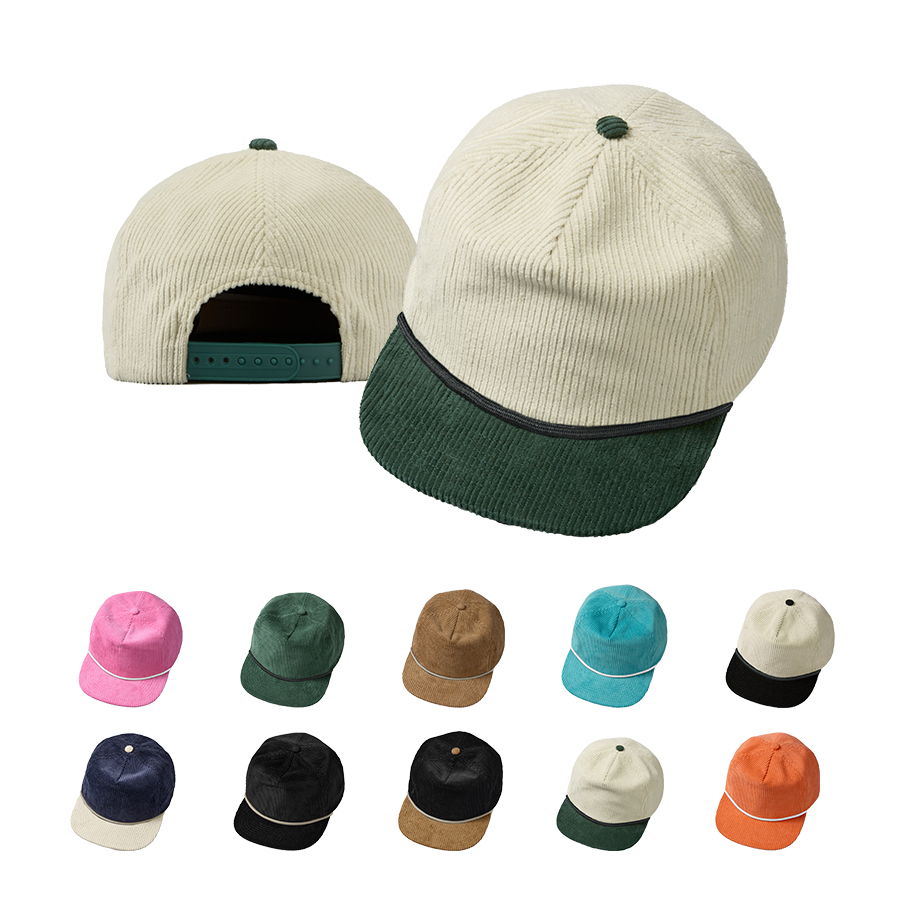
A stock image related to corduroy hats wholesale.
3 Common User Pain Points for ‘corduroy hats wholesale’ & Their Solutions
Scenario 1: Sizing and Fit Issues for Diverse Markets
The Problem: B2B buyers often struggle with the sizing and fit of corduroy hats, especially when catering to diverse markets. Buyers in regions like Africa or South America may find that standard sizing does not account for variations in head sizes across different populations. This can lead to high return rates and customer dissatisfaction, as hats may not fit well or comfortably, impacting brand reputation and sales.
The Solution: To address sizing challenges, buyers should conduct thorough market research to understand the specific head size demographics of their target audience. Sourcing suppliers who offer adjustable hats, like those with snapbacks or adjustable straps, can provide more flexibility in fit. Additionally, it’s beneficial to request samples in various sizes before placing bulk orders. Buyers can also consider offering a range of sizes or styles, such as unstructured caps and dad hats, which typically have more forgiving fits. Providing clear size charts and fitting guides on their platforms can further enhance the shopping experience and reduce the risk of returns.
Scenario 2: Quality Control and Material Concerns
The Problem: Quality control is a significant concern for B2B buyers sourcing corduroy hats wholesale, particularly when dealing with manufacturers from different regions. Variability in material quality can lead to inconsistent product offerings, affecting both durability and customer satisfaction. Buyers may receive hats that are poorly constructed, have inconsistent color shades, or feel inferior in texture, which can harm their brand’s reputation.
The Solution: Establishing strong relationships with manufacturers is crucial for ensuring consistent quality. Buyers should perform due diligence by visiting factories when possible or utilizing third-party inspection services to check the quality before shipping. It’s also advisable to request detailed product specifications and samples, focusing on the fabric type, stitching, and overall construction. Building a quality assurance checklist can help in maintaining standards. Additionally, opting for manufacturers who provide guarantees or warranties on their products can offer peace of mind and a safety net against quality discrepancies.
Scenario 3: Customization Limitations for Branding
The Problem: Many B2B buyers seek to customize corduroy hats for branding purposes, but they often encounter limitations regarding the minimum order quantities (MOQs) and the types of customization available. This can be particularly challenging for smaller businesses or those testing new markets, as they may not want to commit to large quantities without knowing how well the product will perform.
The Solution: To overcome customization challenges, buyers should proactively communicate with suppliers about their specific needs, including potential flexibility on MOQs for customized orders. Many manufacturers are willing to negotiate smaller runs, especially for new clients. Buyers can also explore suppliers that specialize in quick-turnaround custom orders, which allow for testing different designs or colors without committing to large volumes. Utilizing digital mockups can help visualize the final product before production begins, minimizing costly mistakes. Lastly, leveraging social media and pre-order campaigns can gauge market interest before making significant investments in custom products, ensuring that the investment aligns with consumer demand.
Strategic Material Selection Guide for corduroy hats wholesale
What Are the Key Materials Used in Corduroy Hats Wholesale?
When selecting materials for corduroy hats in wholesale, several fabric options stand out, each with its own unique properties and implications for performance, durability, and marketability. Understanding these materials is crucial for international B2B buyers, particularly those from diverse regions such as Africa, South America, the Middle East, and Europe.
What Are the Key Properties of Cotton Corduroy?
Cotton corduroy is a popular choice for corduroy hats due to its soft texture and breathability. It typically features a ribbed surface, which not only adds visual appeal but also enhances comfort. Cotton corduroy is generally resistant to wear and tear, making it suitable for everyday use. However, it can be less durable in wet conditions, as prolonged exposure to moisture may lead to mildew.
Pros: Offers comfort and breathability; good for casual wear; relatively easy to dye in various colors.
Cons: Less water-resistant; may require special care to maintain appearance; can shrink if not washed properly.
Impact on Application: Ideal for warm climates but may not perform well in humid conditions.
Considerations for International Buyers: Compliance with textile standards (like Oeko-Tex) is crucial, especially in markets that prioritize eco-friendly materials.
How Does Polyester Corduroy Compare?
Polyester corduroy is another viable option, known for its durability and resistance to fading and wrinkling. This synthetic material can withstand various environmental factors, making it suitable for outdoor applications. Polyester corduroy is also easier to clean and maintain compared to its cotton counterpart.
Pros: Highly durable; resistant to fading and moisture; easy to care for.
Cons: Less breathable than cotton; can feel less comfortable in hot weather; may not have the same aesthetic appeal as natural fibers.
Impact on Application: Suitable for outdoor and promotional hats, particularly in regions with varying climates.
Considerations for International Buyers: Buyers should be aware of the environmental impact of synthetic materials and seek suppliers who adhere to sustainability practices.
What Role Does Blended Corduroy Play?
Blended corduroy, typically a mix of cotton and polyester, combines the best properties of both materials. This blend offers enhanced durability while maintaining a soft feel, making it versatile for various applications. The blend can also improve the hat’s resistance to wrinkles and fading.
Pros: Balances comfort and durability; offers a wide range of colors and styles; generally more affordable than pure cotton options.
Cons: May not provide the same level of breathability as 100% cotton; quality can vary based on the blend ratio.
Impact on Application: Suitable for both casual and semi-formal hats, appealing to a broad market.
Considerations for International Buyers: It’s important to verify the blend ratios and ensure compliance with local textile regulations.
What Are the Benefits of Using Eco-Friendly Corduroy?
Eco-friendly corduroy, often made from organic cotton or recycled materials, is gaining traction among consumers who prioritize sustainability. This material not only reduces environmental impact but also appeals to a growing market segment that values ethical production practices.
Pros: Environmentally friendly; often softer and more comfortable; aligns with consumer demand for sustainable products.
Cons: Typically higher cost; may have limited availability; production can be more complex.
Impact on Application: Ideal for brands looking to position themselves as eco-conscious.
Considerations for International Buyers: Buyers should ensure that eco-friendly claims are backed by certifications and that production practices meet local environmental standards.
Summary Table of Material Selection for Corduroy Hats Wholesale
| Material | Typical Use Case for corduroy hats wholesale | Key Advantage | Key Disadvantage/Limitation | Relative Cost (Low/Med/High) |
|---|---|---|---|---|
| Cotton Corduroy | Casual hats for everyday wear | Soft texture and breathability | Less water-resistant | Medium |
| Polyester Corduroy | Outdoor and promotional hats | Highly durable and easy to maintain | Less breathable | Low |
| Blended Corduroy | Versatile hats for various occasions | Combines comfort and durability | Quality can vary | Medium |
| Eco-Friendly Corduroy | Sustainable fashion hats | Aligns with eco-conscious trends | Typically higher cost | High |
This material selection guide provides essential insights for B2B buyers in the corduroy hat wholesale market, helping them make informed decisions that align with their business goals and customer preferences.
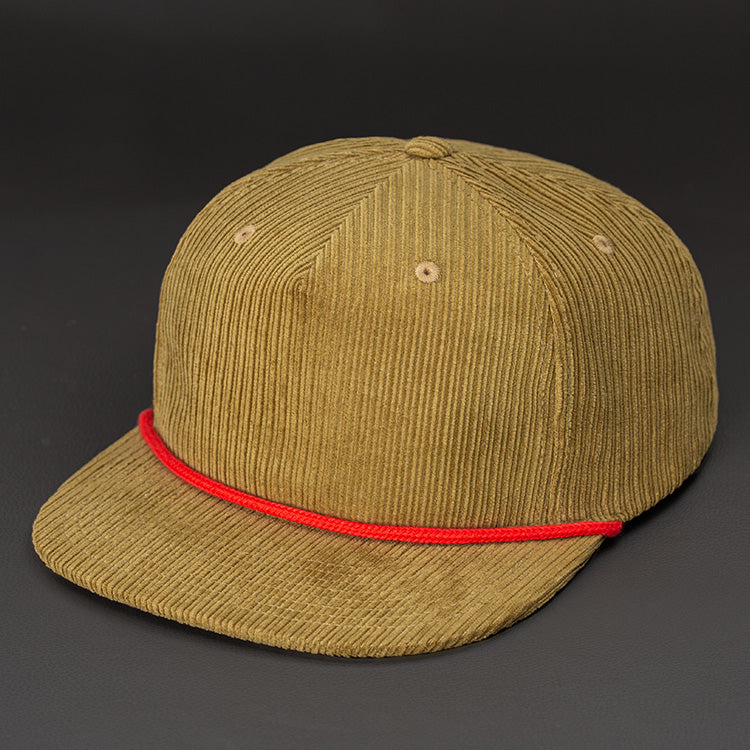
A stock image related to corduroy hats wholesale.
In-depth Look: Manufacturing Processes and Quality Assurance for corduroy hats wholesale
What Are the Main Stages in the Manufacturing Process of Corduroy Hats?
The manufacturing process of corduroy hats involves several critical stages, each designed to ensure the final product meets quality standards and customer expectations. The main stages include:
-
Material Preparation
The first step involves sourcing high-quality corduroy fabric, which is often made from cotton or a cotton blend. Suppliers must ensure the material meets specific thickness and texture requirements. Additionally, dyeing the fabric to achieve desired colors occurs at this stage, often using environmentally friendly dyes to appeal to international buyers concerned about sustainability. -
Forming
In this stage, the fabric is cut into patterns based on the hat design. Advanced cutting techniques, such as laser cutting, may be employed to ensure precision. The pieces are then shaped into the desired hat structure, whether it be a snapback, trucker, or dad hat style. This may involve sewing or heat bonding, depending on the design specifications. -
Assembly
After forming, the individual components of the hat are sewn together. This includes attaching the brim, any internal lining, and adjustable straps. Skilled workers ensure that seams are durable and that the assembly is neat to enhance the overall aesthetic. Automated sewing machines may be used to speed up this process while maintaining quality. -
Finishing
The final stage involves adding any embellishments, such as embroidery, patches, or labels. Hats are then subjected to quality checks to ensure that they meet design specifications. Finally, they are packaged for shipment, often in bulk for wholesale buyers.
What Quality Assurance Practices Are Essential for Corduroy Hat Manufacturing?
Quality assurance is critical in the manufacturing of corduroy hats, particularly for international B2B buyers who require consistency and reliability. The following practices are essential:
-
Adherence to International Standards
Many manufacturers adhere to international quality standards such as ISO 9001, which ensures a systematic approach to quality management. This standard outlines procedures for consistent production and quality assurance, which can be crucial for buyers who require compliance to meet their own regional regulations. -
Industry-Specific Certifications
Depending on the market, additional certifications may be necessary. For instance, CE marking may be required in Europe, indicating that products meet health, safety, and environmental protection standards. Buyers should inquire about these certifications to ensure their suppliers comply with relevant regulations. -
Quality Control Checkpoints
Effective quality control (QC) processes should include several checkpoints:
– Incoming Quality Control (IQC): Before production begins, raw materials are inspected for quality and conformity to specifications.
– In-Process Quality Control (IPQC): Quality checks are performed throughout the manufacturing process to identify and rectify issues early.
– Final Quality Control (FQC): Once production is complete, a final inspection ensures that the finished hats meet all specifications before shipping. -
Common Testing Methods
Testing methods may include fabric strength tests, colorfastness tests, and overall dimensional checks to ensure consistency. Manufacturers may also conduct wear and tear tests to evaluate the durability of the hats.
How Can B2B Buyers Verify Supplier Quality Control?
B2B buyers, particularly those from diverse regions such as Africa, South America, the Middle East, and Europe, can take several steps to verify supplier quality control:
-
Supplier Audits
Conducting regular audits of suppliers helps buyers assess their manufacturing processes and adherence to quality standards. This can include visits to the manufacturing facility to evaluate production practices firsthand. -
Requesting Quality Control Reports
Buyers should ask suppliers for detailed QC reports that outline the inspection processes, testing methods, and results. This transparency can help build trust and assure buyers of the product quality. -
Third-Party Inspections
Utilizing third-party inspection services can provide an unbiased assessment of the manufacturing process and product quality. These inspections can be scheduled at various stages of production to ensure compliance with agreed standards. -
Understanding Regional QC Nuances
Different regions may have varying expectations for quality and compliance. Buyers should familiarize themselves with these nuances, especially when importing from countries like Vietnam or Saudi Arabia, where manufacturing practices may differ from their own markets.
What Additional Considerations Should International Buyers Keep in Mind?
When purchasing corduroy hats wholesale, international buyers should consider the following factors:
-
Cultural Preferences and Trends
Understanding the cultural preferences and fashion trends in target markets is essential. For example, certain colors or styles may be more popular in specific regions, affecting inventory decisions. -
Supply Chain Transparency
Buyers should prioritize suppliers who can provide clear visibility into their supply chain. This includes sourcing materials, labor practices, and environmental impact, which are increasingly important in global trade. -
Flexibility and Customization Options
Many manufacturers offer customization options, such as embroidery or unique colorways, which can enhance a buyer’s product offerings. Understanding minimum order quantities for customization can help in planning inventory. -
Sustainability Practices
As sustainability becomes a key concern globally, buyers should inquire about the environmental practices of their suppliers. Certifications or commitments to sustainable practices can be a significant selling point.
By carefully considering these manufacturing processes and quality assurance practices, B2B buyers can make informed decisions when sourcing corduroy hats, ensuring they receive high-quality products that meet their market needs.
Practical Sourcing Guide: A Step-by-Step Checklist for ‘corduroy hats wholesale’
Introduction
Sourcing corduroy hats wholesale requires a structured approach to ensure quality, compliance, and profitability. This guide provides an actionable checklist for B2B buyers, helping you navigate the complexities of procurement in a global market. By following these steps, you can make informed decisions, mitigate risks, and build successful partnerships with suppliers.
Step 1: Define Your Target Market and Purpose
Understanding your target market is essential for selecting the right style and type of corduroy hats. Consider demographics, trends, and preferences in your region, whether it be Africa, South America, the Middle East, or Europe. This clarity will guide your choices regarding design, color, and branding.
Step 2: Research and Shortlist Suppliers
Conduct thorough research to identify potential suppliers who specialize in corduroy hats. Utilize B2B platforms, trade shows, and industry directories to compile a list of manufacturers. Pay attention to their reputation, years in business, and customer reviews, ensuring they align with your quality standards.
Step 3: Evaluate Potential Suppliers
Before making any commitments, it’s crucial to vet suppliers thoroughly. Request company profiles, case studies, and references from buyers in a similar industry or region. Look for suppliers who have experience exporting to your country, as they will be familiar with compliance and shipping regulations.
- Key Considerations:
- Certifications: Check for ISO or other relevant certifications that indicate adherence to industry standards.
- Production Capacity: Ensure they can meet your order volume and delivery timelines.
Step 4: Request Samples
Always request samples before placing a bulk order. This step allows you to assess the quality, fit, and overall appeal of the hats. Evaluate the craftsmanship, material durability, and color accuracy to ensure they meet your expectations.
Step 5: Discuss Customization Options
If you plan to personalize the hats with embroidery or patches, discuss customization options with your chosen supplier. Understand the minimum order quantities for custom designs, lead times, and any associated costs. Customization can significantly enhance your product’s appeal and marketability.
Step 6: Negotiate Pricing and Terms
Once you’ve selected a supplier, negotiate pricing, payment terms, and shipping conditions. Ensure clarity on all costs involved, including taxes, tariffs, and delivery fees. A well-defined agreement protects both parties and sets the foundation for a smooth transaction.
Step 7: Finalize Logistics and Compliance
Before finalizing your order, confirm all logistical details, including shipping methods and delivery timelines. Ensure compliance with import regulations in your country, including any necessary documentation. A smooth logistics process minimizes delays and helps maintain a positive supplier relationship.
By following this checklist, you can streamline your sourcing process for corduroy hats and ensure a successful procurement strategy that meets your business needs.
Comprehensive Cost and Pricing Analysis for corduroy hats wholesale Sourcing
When sourcing corduroy hats wholesale, understanding the cost structure and pricing influences is crucial for international B2B buyers. This analysis covers the key components that contribute to the overall pricing and provides actionable insights for effective negotiation and cost management.
What Are the Key Cost Components in Corduroy Hat Manufacturing?
-
Materials: The primary cost driver for corduroy hats is the fabric itself. High-quality corduroy typically costs more, impacting the overall unit price. Buyers should assess the fabric’s weight, durability, and texture as these factors contribute to the final product’s perceived value.
-
Labor: Labor costs vary significantly by region. In countries like Vietnam and China, where many corduroy hats are produced, labor costs are generally lower than in Europe or the Middle East. However, the skill level of the workforce can affect the quality of the finished product, making it essential to balance cost with craftsmanship.
-
Manufacturing Overhead: This includes costs associated with utilities, rent, and administrative expenses. Buyers should inquire about how these overhead costs are factored into pricing to ensure they are not overpaying.
-
Tooling: If custom designs or specific molds are required, tooling costs can add to the initial investment. Understanding these costs is vital, especially for bulk orders that necessitate unique designs.
-
Quality Control (QC): Ensuring product quality is paramount. Suppliers may include QC costs in their pricing, so it’s essential to clarify what quality measures are in place and whether they are included in the quoted price.
-
Logistics: Shipping and handling can significantly affect the total cost, particularly for international orders. Factors such as shipping method, distance, and packaging can influence logistics costs. Buyers should be aware of Incoterms (International Commercial Terms) as they dictate responsibilities regarding shipping and customs.
-
Margin: Suppliers typically add a profit margin to cover their costs and ensure profitability. Understanding the industry standard margins can provide leverage during negotiations.
How Do Price Influencers Affect Corduroy Hat Pricing?
Several factors influence the pricing of corduroy hats, particularly for bulk orders:
-
Volume/MOQ (Minimum Order Quantity): Higher order volumes often lead to lower per-unit prices. Buyers should negotiate for better rates based on their purchasing capacity.
-
Specifications/Customization: Custom designs or specific color requests can increase costs. Buyers need to weigh the benefits of customization against the additional expenses.
-
Quality and Certifications: Hats that meet specific quality standards or certifications may command higher prices. Buyers should determine whether these certifications are necessary for their market.
-
Supplier Factors: The reputation and reliability of the supplier can influence pricing. Established suppliers may charge a premium, but they often provide better quality assurance and service.
What Are the Best Negotiation Tips for B2B Buyers in International Markets?
-
Research Suppliers Thoroughly: Understand the market rates and the suppliers’ cost structures before entering negotiations. This knowledge equips buyers to negotiate more effectively.
-
Leverage Volume Discounts: If planning to place a large order, communicate this upfront. Suppliers are often willing to negotiate on price for larger commitments.
-
Assess Total Cost of Ownership (TCO): Look beyond the initial purchase price. Consider shipping, import duties, and potential quality issues that may arise, as these can significantly impact total costs.
-
Establish Clear Communication: Ensure that all terms, including delivery timelines and payment terms, are clearly outlined in the contract to avoid unexpected costs.
-
Be Culturally Sensitive: When negotiating with suppliers from different regions, understanding cultural nuances can enhance relationships and facilitate smoother negotiations.
Conclusion
Sourcing corduroy hats wholesale requires a thorough understanding of cost components and pricing influencers. By leveraging these insights and employing effective negotiation strategies, international B2B buyers can optimize their purchasing decisions, ensuring quality products at competitive prices. Always remember that prices may vary based on market conditions, so it’s advisable to request updated quotes and be mindful of fluctuating costs.
Alternatives Analysis: Comparing corduroy hats wholesale With Other Solutions
Understanding Alternative Solutions for Corduroy Hats Wholesale
In the B2B market, buyers often seek multiple solutions to meet their product needs. Corduroy hats wholesale presents a unique offering in the headwear segment, but other alternatives also exist that cater to similar requirements. This analysis compares corduroy hats with two viable alternatives: cotton caps and custom embroidered hats, focusing on performance, cost, ease of implementation, maintenance, and best use cases.
| Comparison Aspect | Corduroy Hats Wholesale | Cotton Caps | Custom Embroidered Hats |
|---|---|---|---|
| Performance | Durable, stylish, comfortable | Lightweight, breathable | Highly customizable |
| Cost | $4.75 – $18.00 per unit | $2.00 – $10.00 per unit | $10.00 – $30.00 per unit |
| Ease of Implementation | Simple ordering process | Readily available | Requires design and setup |
| Maintenance | Low (hand wash recommended) | Low (machine washable) | Moderate (care depends on fabric) |
| Best Use Case | Fashion and promotional events | Casual wear and giveaways | Branding and corporate gifts |
What Are the Benefits and Drawbacks of Cotton Caps?
Cotton caps are an excellent alternative to corduroy hats, particularly for organizations seeking a lightweight and breathable option. They are generally less expensive, making them ideal for bulk purchases for events or giveaways. Cotton caps can be easily sourced and are available in various styles and colors. However, they may lack the unique texture and style of corduroy, which can be a drawback for businesses looking to make a fashion statement or create a more upscale brand image. Additionally, while cotton caps are machine washable, they may not offer the same durability as corduroy hats in rugged environments.
How Do Custom Embroidered Hats Compare?
Custom embroidered hats provide a high level of personalization, allowing businesses to showcase their branding effectively. This option is ideal for companies looking to create a unique identity through their promotional products. Although the initial costs can be higher than corduroy hats, custom embroidery adds significant value, particularly in terms of brand recognition. The downside is that the process requires more time for design approval and setup, which may not be suitable for urgent needs. Maintenance can also vary based on the fabric and embroidery quality, potentially leading to higher care requirements compared to the low-maintenance nature of corduroy hats.
How Should B2B Buyers Choose the Right Solution?
When selecting between corduroy hats wholesale and its alternatives, B2B buyers should assess their specific needs. If style and durability are priorities, corduroy hats offer a strong option, particularly for fashion-focused brands. Cotton caps can be advantageous for budget-conscious buyers or those needing a more casual look. Meanwhile, custom embroidered hats excel in situations where branding is paramount, albeit at a higher cost and complexity. Ultimately, the choice should align with the buyer’s target audience, budget constraints, and desired level of customization, ensuring that the selected headwear solution effectively supports their marketing and branding objectives.
Essential Technical Properties and Trade Terminology for corduroy hats wholesale
What are the Key Technical Properties of Corduroy Hats in Wholesale?
Understanding the essential technical properties of corduroy hats is crucial for B2B buyers looking to make informed purchasing decisions. Here are some critical specifications to consider:
-
Material Composition: Corduroy hats are primarily made from cotton or a cotton-polyester blend. The fabric grade directly influences the hat’s durability, comfort, and appearance. High-quality corduroy offers a soft texture and resistance to wear, making it ideal for everyday use. Buyers should inquire about the percentage of cotton used, as higher cotton content typically correlates with better quality.
-
Sizing and Fit: Corduroy hats come in various sizes, often adjustable to accommodate different head sizes. The inside circumference usually ranges from 22.5 to 23.5 inches, making it important for buyers to ensure that the hats will fit their target demographic. Understanding the depth and structure of the hat (structured vs. unstructured) can also aid in selecting styles that appeal to specific markets.
-
Panel Structure: Hats can have different panel structures, such as six-panel or five-panel designs. This specification affects the hat’s shape and fit. Six-panel hats are more structured and typically provide a classic look, while five-panel hats offer a more relaxed fit. Knowing these distinctions helps buyers choose the right style for their audience.
-
Closure Type: The type of closure (snapback, strapback, or fitted) is another critical property. Snapbacks are popular for their adjustability, while strapbacks offer a more casual aesthetic. Understanding closure types can guide buyers in selecting hats that meet consumer preferences and enhance branding opportunities.
-
Color and Customization Options: Many corduroy hats come in a variety of colors and can be customized with embroidery or patches. Buyers should consider the color trends in their target markets and the minimum order quantities for customizations. This flexibility allows businesses to cater to specific customer preferences and create unique offerings.
What are Common Trade Terms in the Corduroy Hat Wholesale Industry?
Familiarizing oneself with industry jargon can significantly streamline the purchasing process. Here are some essential trade terms to know:
-
OEM (Original Equipment Manufacturer): This term refers to companies that produce products based on another company’s specifications. In the context of corduroy hats, an OEM can manufacture hats designed by a buyer’s brand, allowing for custom styles and branding.
-
MOQ (Minimum Order Quantity): This is the smallest quantity of a product that a supplier is willing to sell. Understanding MOQ is essential for B2B buyers, as it can impact inventory management and cash flow. Suppliers often set MOQs based on production costs and capacity.
-
RFQ (Request for Quotation): An RFQ is a document sent to suppliers to request pricing information for specific products. B2B buyers should use RFQs when seeking competitive pricing for corduroy hats, ensuring they receive detailed quotes that include costs, lead times, and minimum order quantities.
-
Incoterms (International Commercial Terms): These are standardized trade terms that define the responsibilities of buyers and sellers in international transactions. Familiarity with Incoterms is vital for B2B buyers, as they dictate aspects such as shipping costs, risk management, and delivery responsibilities.
-
Lead Time: This term refers to the amount of time it takes from placing an order to receiving the products. Understanding lead times is crucial for inventory planning and ensuring timely delivery to customers. Buyers should always confirm lead times with suppliers to avoid stockouts.
-
Fabric Weight: This specification indicates the heaviness of the fabric used in the hats, usually measured in grams per square meter (GSM). Fabric weight affects the hat’s durability, warmth, and comfort. Buyers should consider fabric weight in relation to their target market’s climate and usage scenarios.
By mastering these technical properties and trade terms, B2B buyers can make more informed decisions when sourcing corduroy hats, ensuring they meet the needs of their customers while optimizing their supply chain.
Navigating Market Dynamics and Sourcing Trends in the corduroy hats wholesale Sector
What Are the Key Trends Influencing the Corduroy Hats Wholesale Market?
The corduroy hats wholesale market is experiencing a notable evolution driven by several global factors. Increased demand for casual and retro fashion has positioned corduroy as a favored material, appealing to a diverse consumer base. Notably, regions such as Africa, South America, the Middle East, and Europe are witnessing a surge in interest in these hats, particularly among youth demographics that favor unique styles. The trend towards personalization is also gaining traction, with businesses increasingly offering customizable options, such as embroidery and varied color palettes, to cater to local tastes.
In addition, the advent of digital sourcing platforms is transforming how international buyers engage with suppliers. B2B e-commerce is streamlining procurement processes, enabling buyers from markets like Vietnam and Saudi Arabia to access a broader range of products and suppliers effortlessly. Furthermore, the integration of advanced analytics and AI in supply chain management is facilitating more informed decision-making, allowing buyers to respond rapidly to market shifts and consumer preferences.
Another significant trend is the emphasis on social media marketing, which is enhancing brand visibility and consumer engagement. Brands are leveraging platforms like Instagram and TikTok to showcase their corduroy hats, creating viral trends that can lead to sudden spikes in demand. As a result, understanding these dynamics is crucial for international buyers looking to navigate the competitive landscape effectively.
How Is Sustainability Shaping the Corduroy Hats Wholesale Market?
Sustainability is becoming a pivotal consideration for B2B buyers in the corduroy hats wholesale sector. As consumers increasingly prioritize environmentally friendly products, businesses are compelled to adopt sustainable practices throughout their supply chains. This shift includes sourcing organic cotton or recycled materials for corduroy fabric, which minimizes environmental impact and reduces waste.
Ethical sourcing is gaining traction, with buyers seeking suppliers that prioritize fair labor practices and transparency. Certifications such as Global Organic Textile Standard (GOTS) and Fair Trade play a crucial role in assuring buyers that their products meet ethical standards. These certifications not only enhance brand reputation but also resonate with consumers who value sustainability, thereby driving sales.
Moreover, the push for eco-friendly packaging solutions is becoming standard practice. Companies are exploring biodegradable or recyclable packaging options to minimize their carbon footprint. By prioritizing sustainability, B2B buyers can not only meet regulatory demands but also align with the values of an increasingly conscious consumer base, ultimately leading to long-term business growth.
What Is the Historical Context of Corduroy Hats in the B2B Market?
Corduroy fabric has a rich history that dates back to the 18th century, originally gaining popularity in Europe as a durable textile for workwear. Over the decades, it transitioned into a fashion staple, particularly in the 1970s and 1980s, when it was embraced by various youth subcultures. The resurgence of corduroy hats in the contemporary market reflects a broader trend towards retro and nostalgic fashion, appealing to both older consumers who remember its heyday and younger buyers discovering its charm anew.
In the B2B context, corduroy hats have evolved from simple, utilitarian designs to fashionable accessories that cater to diverse styles and preferences. This evolution underscores the importance of understanding historical trends as they inform current market dynamics and consumer behavior. For international buyers, acknowledging the cultural significance and historical evolution of corduroy hats can enhance their marketing strategies and product offerings, ultimately driving sales in a competitive landscape.
Frequently Asked Questions (FAQs) for B2B Buyers of corduroy hats wholesale
-
How do I ensure the quality of corduroy hats when sourcing wholesale?
To ensure the quality of corduroy hats, request samples from potential suppliers before placing a bulk order. Inspect the fabric, stitching, and overall construction to verify that they meet your standards. Additionally, ask for certifications or quality assurance processes they follow. Establish clear quality control guidelines in your contract, and consider third-party inspections if sourcing from overseas. This proactive approach helps mitigate risks and ensures that the hats you receive align with your brand’s quality expectations. -
What is the best way to customize corduroy hats for my brand?
The best way to customize corduroy hats is to collaborate with suppliers that offer embroidery, screen printing, or patch applications. When discussing customization, provide your design files and specify the desired placement and colors. Most suppliers have minimum order quantities (MOQs) for custom designs, so be prepared to meet those requirements. Additionally, consider the turnaround time for customization, as it may vary depending on the complexity of your design and the supplier’s capabilities. -
What should I consider when evaluating corduroy hat suppliers?
When evaluating suppliers, consider their experience in the industry, production capacity, and client reviews. Verify their manufacturing processes and ethical practices to ensure compliance with international standards. Request references or case studies from previous clients, especially those in your region, to gauge their reliability. Additionally, assess their communication responsiveness and willingness to accommodate your specific needs, as this can significantly impact your long-term partnership. -
What are the typical minimum order quantities (MOQs) for corduroy hats?
Minimum order quantities for corduroy hats can vary widely depending on the supplier and the level of customization required. Standard MOQs range from 50 to 500 units per style or color. It’s crucial to discuss MOQs upfront with potential suppliers to ensure they align with your purchasing capacity. If you require smaller quantities, some suppliers may offer stock options or suggest combining orders across different styles to meet MOQ requirements. -
What payment terms should I expect when purchasing corduroy hats wholesale?
Payment terms can vary by supplier and typically include options such as upfront payment, a deposit followed by the balance upon delivery, or net payment terms (e.g., 30 or 60 days). It’s advisable to negotiate terms that suit your cash flow while ensuring the supplier’s trust. Be cautious of suppliers requesting full payment upfront, especially if you’re working with them for the first time. Using secure payment methods and contracts can also safeguard your transaction. -
How can I manage logistics for importing corduroy hats from overseas?
To manage logistics effectively, partner with a freight forwarder experienced in international trade. They can handle customs clearance, shipping, and delivery, ensuring compliance with local regulations. Discuss shipping options such as air freight for speed or sea freight for cost-effectiveness based on your needs. Additionally, plan for potential delays by factoring in lead times and customs processing, and keep communication open with your supplier to stay informed throughout the shipping process. -
What are the common challenges faced when sourcing corduroy hats internationally?
Common challenges include language barriers, differing quality standards, and fluctuating shipping costs. Additionally, navigating customs regulations and tariffs can complicate the import process. To mitigate these challenges, establish clear communication with suppliers, conduct thorough research on import regulations in your country, and consider working with local agents who can facilitate the process. Building strong relationships with suppliers can also help address issues more effectively when they arise. -
How do I handle returns or defective products from corduroy hat suppliers?
Handling returns or defective products starts with having a clear return policy established in your contract with the supplier. Document any defects with photos and detailed descriptions to present a strong case for returns or exchanges. Communicate promptly with the supplier about the issue, referencing your agreement. Understand that some suppliers may offer replacements, refunds, or credits, so ensure that the process is defined in your terms of sale to minimize disputes.
Important Disclaimer & Terms of Use
⚠️ Important Disclaimer
The information provided in this guide, including content regarding manufacturers, technical specifications, and market analysis, is for informational and educational purposes only. It does not constitute professional procurement advice, financial advice, or legal advice.
While we have made every effort to ensure the accuracy and timeliness of the information, we are not responsible for any errors, omissions, or outdated information. Market conditions, company details, and technical standards are subject to change.
B2B buyers must conduct their own independent and thorough due diligence before making any purchasing decisions. This includes contacting suppliers directly, verifying certifications, requesting samples, and seeking professional consultation. The risk of relying on any information in this guide is borne solely by the reader.
Strategic Sourcing Conclusion and Outlook for corduroy hats wholesale
As the demand for corduroy hats continues to rise globally, the importance of strategic sourcing cannot be overstated. Buyers from Africa, South America, the Middle East, and Europe should prioritize establishing strong relationships with reliable manufacturers that offer competitive pricing and quality products. By leveraging bulk purchasing options and customizable designs, businesses can enhance their product offerings while maximizing profit margins.
The diverse range of styles and colors available in corduroy hats, from snapbacks to dad hats, provides an excellent opportunity for retailers to cater to varying consumer preferences. Additionally, the trend towards sustainable and ethically produced fashion items is driving the market; thus, sourcing from manufacturers who prioritize eco-friendly practices can significantly enhance brand reputation.
Looking ahead, B2B buyers are encouraged to explore innovative partnerships and embrace market trends to stay ahead of the competition. By investing in strategic sourcing and remaining adaptable to changing consumer demands, businesses can position themselves for success in the dynamic fashion landscape. Engage with suppliers today to unlock the potential of corduroy hats in your product lineup and capitalize on this growing trend.