ACP Aluminium Panels – Guide to Uses, Benefits & Types
Ever wondered what gives modern skyscrapers their sleek, shimmering walls?
It’s ACP aluminium—lightweight, durable, and stunningly versatile. Found on buildings, shops, and even bus stops, it’s reshaping how we design our world.
This isn’t just about looks. ACP aluminium stands up to weather, lasts for years, and offers endless design options—all without breaking the bank.
In this article, we’ll break down exactly how ACP aluminium is made, why it’s become a go-to for architects and builders, and where you’ve likely seen it without even realizing.
Simple, strong, and smart—discover the hidden power behind the panels that shape our cities.
How ACP Aluminium Composite Panels Work: A Complete Guide
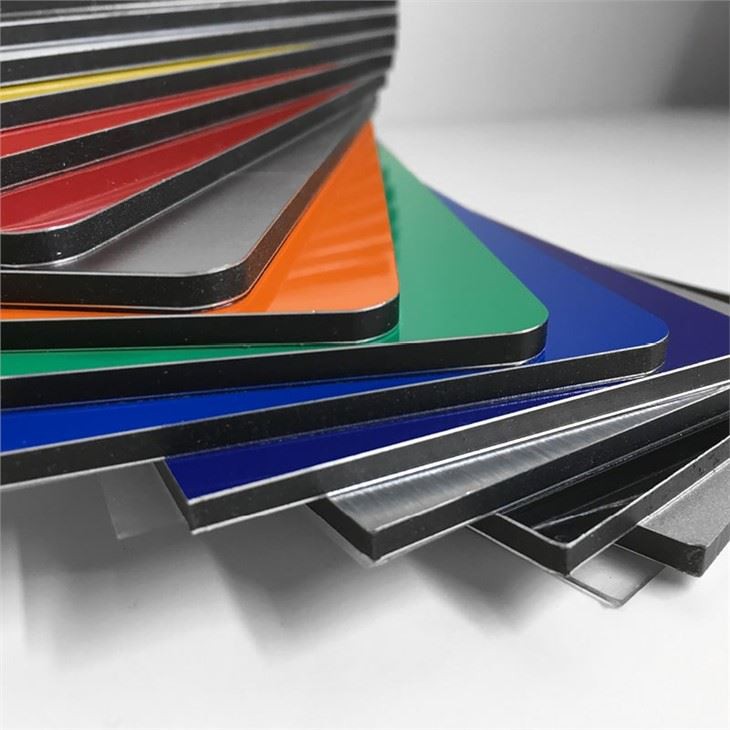
ACP (Aluminium Composite Panel) is a modern, lightweight building material made from two thin aluminium sheets bonded to a central core—typically polyethylene (PE), fire-retardant (FR), or mineral-filled material. This sandwich structure delivers an exceptional balance of strength, lightness, and design flexibility, making ACP one of the most widely used materials in contemporary architecture, signage, and interior design.
From sleek skyscrapers to vibrant retail shopfronts and modern office interiors, ACP panels are everywhere. Their popularity stems not just from their aesthetic appeal but also from practical advantages like easy installation, durability, and cost-efficiency. Whether you’re an architect, contractor, or property owner, understanding how ACP works—from composition to application—can help you make smarter design and construction decisions.
What Exactly Is an ACP Aluminium Composite Panel?
An Aluminium Composite Panel (ACP) is a type of sandwich panel consisting of three primary layers:
– Two outer sheets of pre-coated aluminium (usually 0.1mm to 0.5mm thick)
– A central core made of low-density polyethylene (LDPE), fire-retardant mineral composite, or non-combustible material
– High-strength adhesive layers that bond the components together
This layered structure gives ACP its signature combination of lightweight rigidity and durability. The outer aluminium layers provide strength and weather resistance, while the core adds thickness without significant weight, improving insulation and dimensional stability.
Manufacturers like Kingmets, Comhan, and VIVA produce ACPs using advanced lamination technology under controlled heat and pressure. The result is a flat, stable panel that resists warping, corrosion, and UV degradation—ideal for both exterior and interior applications.
Key Features and Benefits of ACP Panels
1. Lightweight Yet Strong
Despite being up to 40% lighter than solid aluminium sheets, ACP maintains excellent tensile and flexural strength. For example, a 4mm ACP panel weighs around 5.4–6.3 kg/m², compared to over 10 kg/m² for solid aluminium. This makes handling, transportation, and installation far easier and more cost-effective—especially on large-scale projects.
2. Exceptional Design Versatility
ACP panels come in an extensive range of finishes:
– Solid colors (RAL, Pantone, custom shades)
– Metallic effects (brushed gold, mirror silver, anodized look)
– Natural textures (wood grain, stone, marble)
– Specialty finishes (gloss, matte, holographic, anti-graffiti)
As highlighted by Premier Bond and Kingmets, this variety allows architects to achieve high-end aesthetics without the cost or weight of natural materials.
3. Weather and Corrosion Resistance
The outer aluminium sheets are coated with PVDF (polyvinylidene fluoride), FEVE, or polyester (PE) paint systems. These coatings:
– Resist fading from UV rays
– Prevent chalking and gloss loss
– Withstand salt spray and humidity (tested per ASTM B117)
– Last up to 20 years in harsh environments
According to technical data from Kingmets, PVDF-coated ACPs meet AAMA 2605-05 standards—the gold benchmark for architectural coatings.
4. Fire Safety Options
Fire performance depends heavily on the core type:
– PE Core (Polyethylene): Combustible; best for interior or low-risk areas
– FR Core (Fire Retardant B1): Contains mineral fillers; slows flame spread
– A2/A1 Core (Non-combustible): Mineral-based, passes EN 13501-1 Class A2 or A1 fire tests
As noted by Vision Art Aluminium and Stacbond, A2 and A1-rated panels are required for high-rise buildings, airports, hospitals, and public infrastructure in many countries.
5. Thermal and Acoustic Insulation
The plastic or mineral core acts as a thermal break, reducing heat transfer. Some ACPs achieve a thermal resistance (R-value) of up to 0.01 m²K/W, contributing to energy efficiency in ventilated façades. They also offer sound transmission class (STC) ratings around 26 dB, helping reduce external noise.
6. Eco-Friendly and Recyclable
Most ACPs contain recycled aluminium, and the entire panel can be 100% recycled at end-of-life. As Stacbond emphasizes, this supports sustainable building practices and contributes to green certifications like LEED or BREEAM.
Common Applications of ACP Panels
Thanks to their adaptability, ACPs are used across multiple industries:
🏗️ Building Façades & Cladding
ACP is the go-to material for modern ventilated façades, offering:
– Sleek, seamless appearance
– Protection against wind, rain, and pollution
– Improved energy efficiency via air cavity design
Used in iconic projects worldwide, including shopping malls, offices, and residential towers.
🪧 Signage and Advertising
Lightweight and printable, ACP is perfect for:
– Outdoor billboards
– Light boxes
– Wayfinding signs
– Shopfront lettering
Brands like Eurobond highlight its use in commercial signage due to easy fabrication and long life.
🪄 Interior Design
In interiors, ACP enhances:
– Feature walls
– Elevator cladding
– Ceiling panels
– Room dividers
Its clean finish and wide color range make it ideal for modern offices, retail stores, and hospitality spaces.
🚌 Transportation and Industrial Use
Used in:
– Bus and train body panels
– Truck trailers
– Machine enclosures
– Cleanroom partitions
The strength-to-weight ratio improves fuel efficiency and structural performance.
How Are ACP Panels Made? (Manufacturing Process)
The production of ACP involves precision engineering. Here’s a simplified breakdown based on insights from VIVA, Kingmets, and industry standards:
- Raw Material Preparation
- Aluminium coils (alloy 1100, 3003, or 5005) are unrolled and cleaned.
-
Core material (LDPE or mineral composite) is extruded into flat sheets.
-
Surface Treatment
- Aluminium undergoes degreasing, deoxidizing, and chromatization to enhance paint adhesion.
-
A protective chemical layer is applied to prevent corrosion.
-
Coating Application
- The aluminium is coil-coated with PVDF, FEVE, or polyester paint using roller technology.
-
Multiple layers (2-coat or 3-coat) are baked for durability.
-
Lamination
- Adhesive films (e.g., from DuPont) are placed on both sides of the core.
- The sandwich is passed through a hot press at high temperature and pressure (typically 180–200°C).
-
This bonds the layers permanently, forming a rigid panel.
-
Cutting and Finishing
- Panels are cut to standard sizes (e.g., 1220mm x 2440mm) or custom dimensions.
-
Edges are sealed or finished for specific applications.
-
Quality Control
- Panels undergo tests for:
- Peel strength (>7 N/mm)
- Flexural strength (~143 MPa)
- Fire rating (ISO 1716, EN 13501-1)
- Weather resistance (salt spray, UV exposure)
Practical Tips for Using ACP Panels
✅ Choose the Right Core Type
– For high-rise buildings: Always use FR, A2, or A1 fire-rated panels.
– For indoor or signage: PE core is acceptable and more affordable.
✅ Ensure Proper Installation
– Use compatible fixings and substructures (aluminium or stainless steel).
– Allow for thermal expansion—especially in large panels.
– Follow manufacturer guidelines (e.g., Comhan offers custom-cutting and bending services).
✅ Maintain Regularly
– Clean with mild detergent and soft cloth every 6–12 months.
– Avoid abrasive cleaners or high-pressure washing.
– Inspect for delamination, scratches, or sealant failure, especially after storms.
✅ Work with Certified Suppliers
– Choose brands like Alcadex, Eurobond, or Premier Bond that comply with international standards.
– Request test reports for fire, weathering, and mechanical properties.
Cost and Pricing Estimates
ACP pricing varies based on:
– Thickness (3mm, 4mm, 6mm)
– Aluminium skin thickness (0.3mm, 0.4mm, 0.5mm)
– Core type (PE, FR, A2)
– Coating (PVDF, FEVE, PE)
– Color and finish (standard vs. custom)
As a general estimate (based on market data from Kingmets, Premier Bond, and Comhan):
| Specification | Approximate Price (per m²) |
|---|---|
| 4mm PE Core, 0.3mm Skin, PE Coating | $8 – $12 USD |
| 4mm FR Core, 0.4mm Skin, PVDF Coating | $14 – $18 USD |
| 4mm A2 Core, 0.5mm Skin, FEVE Coating | $20 – $25 USD |
💡 Tip: While PE-core ACP is cheaper, investing in fire-rated or A2 panels can save costs in compliance, insurance, and long-term safety—especially in commercial or public buildings.
Insights from Leading ACP Manufacturers
- Kingmets emphasizes affordability and customization, offering hundreds of colors, wood/stone effects, and fire-rated options.
- Comhan focuses on custom processing—cutting, bending, edge finishing—making it ideal for complex architectural designs.
- Stacbond highlights sustainability, with recyclable panels and energy-efficient façade systems.
- VIVA uses Korean lamination tech and premium coatings from PPG, AkzoNobel, and Nippon for superior durability.
- Premier Bond offers a wide aesthetic range, from mirror gold to dark grey matte, catering to luxury design projects.
These brands reflect the global trend toward safer, smarter, and more beautiful building materials.
Conclusion
ACP aluminium composite panels are a game-changer in modern construction and design. Their sandwich structure delivers unmatched benefits: lightweight strength, stunning aesthetics, weather resistance, and fire safety options. Whether you’re cladding a skyscraper, designing a retail space, or creating outdoor signage, ACP offers a cost-effective, durable, and visually striking solution.
With proper selection—especially regarding fire rating and coating type—and professional installation, ACP panels can last decades with minimal maintenance. As urban development accelerates globally, and sustainability becomes a priority, ACP continues to evolve, meeting the demands of safe, efficient, and beautiful architecture.
FAQ
What is an ACP aluminium composite panel?
An ACP is a sandwich panel made of two thin aluminium sheets bonded to a plastic or mineral core. It’s lightweight, durable, and widely used in façades, interiors, and signage.
Are ACP panels fireproof?
Not all are. PE-core ACPs are combustible. However, FR, A2, and A1-rated panels are fire-resistant or non-combustible and meet strict safety standards for high-rise buildings.
Can ACP be curved or bent?
Yes. ACP panels can be machine-bent or roll-formed into curves, making them ideal for dynamic architectural designs. Brands like Comhan offer custom shaping services.
How long do ACP panels last?
With proper maintenance, PVDF-coated ACPs last 15–25 years. They resist fading, corrosion, and weather damage, especially in coastal or urban environments.
Is ACP environmentally friendly?
Yes. ACPs contain recycled aluminium and are 100% recyclable at end-of-life. Using them in ventilated façades also improves building energy efficiency, supporting green construction goals.