
Unveiling the Top 7 Wholesale Eyelashes Suppliers for Your Business
Introduction: Navigating the Global Market for wholesale eyelashes
In the fast-evolving beauty industry, sourcing wholesale eyelashes presents a unique challenge for international B2B buyers. With diverse preferences across markets in Africa, South America, the Middle East, and Europe, navigating the complexities of quality, pricing, and supplier reliability can be daunting. This comprehensive guide to wholesale eyelashes is designed to equip you with the insights necessary to make informed purchasing decisions. From understanding the various types of eyelashes—ranging from luxurious mink to innovative faux options—to exploring their diverse applications in beauty businesses, we cover all essential aspects.
Additionally, we delve into the critical process of vetting suppliers, ensuring that you partner with trustworthy vendors who can deliver high-quality products consistently. Cost analysis is also a focal point, helping you to optimize your budget while maximizing profit margins. By the end of this guide, you will be well-prepared to navigate the global market for wholesale eyelashes, empowering you to build a successful business that caters to the unique needs of your clientele. Whether you’re a seasoned entrepreneur or a budding beauty retailer, the actionable insights provided here will pave the way for your success in the competitive eyelash market.
Top 10 Wholesale Eyelashes Manufacturers & Suppliers List
1. Giovanni Lashes – Mink and Magnetic Eyelashes
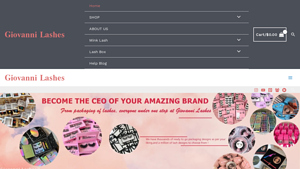
Domain: giovannilashes.com
Registered: 2019 (6 years)
Introduction: Giovanni Lashes offers a variety of eyelash products including: Mink Lashes (21X, 13mm, 16mm, 20mm, 25mm, Bottom Lashes), Magnetic Lashes, Vegan Eyelashes, and Eyelash Extensions. They provide wholesale options for these products, with prices such as $6.00 for 13mm Mink Lashes and $3.20 for 25mm Dramatic Mink Lashes. Other products include Eyelash Tweezers, High Quality Lash Glue, and various pack…
2. The Lash Professional – Wholesale Lash Extension Supplies
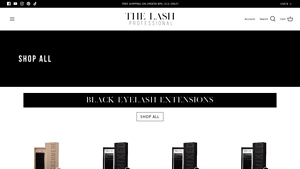
Domain: thelashprofessional.com
Registered: 2013 (12 years)
Introduction: Wholesale Lash Extension Supplies, including various types of eyelash extensions (Cashmere, C Curl, CC Curl, D Curl), colored eyelash extensions (Neon), eyelash tweezers (Straight, Isolation, Curved Isolation, Volume), eyelash glue (Pro, N1, N3, Sensitive), eyelash extension supplies (Eye Pads, Tape, Medical Tape, Sensitive Lash Tape), lash lift products (Lash Lift Solutions, Lash Glue Balm, Lash …
3. MyLashXO – Wholesale Eyelashes
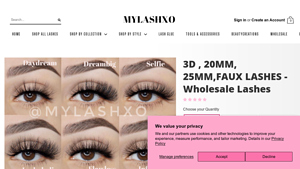
Domain: mylashxo.com
Registered: 2020 (5 years)
Introduction: Wholesale eyelashes available in various styles including 3D Luxury Mink, 3D Faux, 20MM Mink, 25MM Mink, and 30MM Mink. Minimum order quantity is 10 lashes. Pricing: 10 lashes for $60, 20 lashes for $110, 30 lashes for $150, 50 lashes for $250, 80 lashes for $360, 100 lashes for $400, and 200 lashes for $700. All lashes are tested for quality and guaranteed to sell. Processing time for orders is 2…
4. GladGirl – False Lashes Wholesale
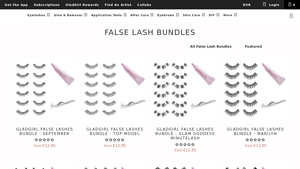
Domain: gladgirl.com
Registered: 2005 (20 years)
Introduction: False Lashes Wholesale – Buy in Bulk and Save – GladGirl. Use code: KITSALE for up to 50% off. Free shipping on USA orders over $50 and international orders over $100 (USD). Product categories include: Individual Lashes, Classic Eyelash Extensions, Volume Lashes, Mega Volume Lashes, Mink Lashes, Silk Lashes, Flat Lashes, Pre-made fans, Rapid Fans, Color Eyelash Extensions, Brown Eyelash Extensions…
5. CharmLash – High-Quality Eyelash Extensions
Domain: charmlash.com
Registered: 2015 (10 years)
Introduction: CharmLash is a top global eyelash extension wholesale manufacturer based in Vietnam, specializing in high-quality eyelash extensions made from premium PBT fibers. Key product details include:
– **Product Types:** Various eyelash extensions including Faux Mink, Cashmere Mink, Super Silk, Velvet Mink, Premium Matte, and colored lashes.
– **Materials:** Lashes are made from cruelty-free PBT fibers, …
6. False Eyelashes – Wholesale Lashes in Bulk
Domain: falseeyelashes.co.uk
Registered: 1999 (26 years)
Introduction: Buy Wholesale False Eyelashes in Bulk! | False Eyelashes Shop Confident! 4.8 based on 5892 reviews. FREE Royal Mail Tracked delivery on orders £20+. Brands include Ardell Lashes, Babe Original, Boldface Lashes, Catrice, Doll Beauty, Dose of Lashes, DUO, Elegant Touch, Essence, Eye Candy, Eyecha, Eylure, House of Lashes, Invogue, Just Wax, Kiss Lashes, Lilly Lashes, Lola’s Lashes, Nanobrow, Nanolas…
7. Missangel Lashes – Wholesale Mink Eyelashes
Domain: missangellashes.com
Registered: 2020 (5 years)
Introduction: Missangel Lashes specializes in wholesale mink eyelashes and custom eyelash packaging. They offer various styles of lashes including 25mm, 20mm, and 16mm mink lashes, all of which are handmade and cruelty-free. The company has been in the business for over ten years and exports products worldwide. They provide sample packs for new brands and custom packaging options with private labels. Additional…
Understanding wholesale eyelashes Types and Variations
| Type Name | Key Distinguishing Features | Primary B2B Applications | Brief Pros & Cons for Buyers |
|---|---|---|---|
| Mink Lashes | Made from natural mink fur, luxurious, soft, and lightweight. | High-end beauty salons, luxury retail. | Pros: Premium quality, natural look. Cons: Higher cost, ethical concerns. |
| Faux Mink Lashes | Made from synthetic materials, mimicking the softness of mink. | Mass-market beauty products, budget brands. | Pros: Affordable, cruelty-free. Cons: Less durable than real mink. |
| 3D Lashes | Multi-layered design for a more voluminous and dramatic effect. | Special occasions, bridal shops. | Pros: Enhanced volume and glamour. Cons: May not suit all everyday styles. |
| Magnetic Lashes | Feature magnets for easy application and removal without glue. | DIY beauty kits, online retail. | Pros: Reusable, easy to apply. Cons: May not have the same hold as glue lashes. |
| Colored Lashes | Available in a variety of colors for creative styling. | Fashion events, theatrical applications. | Pros: Unique styles for niche markets. Cons: Limited appeal for everyday use. |
What Are the Characteristics of Mink Lashes and Their Suitability for B2B Buyers?
Mink lashes are prized for their luxurious feel and natural appearance, made from actual mink fur. They are lightweight and provide a soft look that many consumers prefer for special occasions. B2B buyers should consider their target market; high-end salons and luxury retailers often seek mink lashes to satisfy clientele looking for premium products. However, the ethical implications and higher costs associated with mink lashes may deter some buyers, making it essential to align product offerings with consumer values.
Why Are Faux Mink Lashes a Popular Choice for Wholesale Buyers?
Faux mink lashes are crafted from synthetic fibers, designed to replicate the softness and appearance of real mink while being more affordable. These lashes appeal to mass-market beauty brands and budget-conscious consumers. B2B buyers can benefit from their cruelty-free nature, which resonates well with ethical consumers. While they are generally less durable than their mink counterparts, they offer a cost-effective solution for businesses looking to provide quality lashes without breaking the bank.
How Do 3D Lashes Enhance Volume and Glamour for Special Events?
3D lashes are characterized by their multi-layered design, which creates a dramatic and voluminous effect. Ideal for special occasions such as weddings or parties, they cater to customers seeking a glamorous look. B2B buyers in bridal shops or upscale beauty salons can capitalize on the demand for such products. However, it’s essential to note that these lashes may not be suitable for everyday wear, so buyers should consider their customer demographics when stocking these items.
What Are the Advantages of Offering Magnetic Lashes to B2B Clients?
Magnetic lashes utilize small magnets for application, eliminating the need for glue and allowing for easy removal and reusability. This innovative product is particularly popular among DIY beauty enthusiasts and can be marketed through online retail channels. B2B buyers should consider the ease of use and the growing trend of at-home beauty solutions when incorporating magnetic lashes into their inventory. However, they may not provide the same level of hold as traditional glue lashes, which could affect consumer satisfaction.
How Can Colored Lashes Fit into a B2B Buyer’s Product Range?
Colored lashes offer unique styling options for consumers looking to make a fashion statement or for specific theatrical applications. These lashes come in various colors, appealing to niche markets, especially during fashion events or themed occasions. B2B buyers should evaluate their customer base’s interest in creative and bold beauty products when considering colored lashes. However, the limited everyday appeal may restrict their sales potential outside of specialized markets, making targeted marketing essential.
Key Industrial Applications of wholesale eyelashes
| Industry/Sector | Specific Application of Wholesale Eyelashes | Value/Benefit for the Business | Key Sourcing Considerations for this Application |
|---|---|---|---|
| Beauty Salons | Offering eyelash extension services | Enhances service offerings, attracts clientele, increases revenue | Quality assurance, variety of styles, competitive pricing |
| E-commerce & Retail | Selling false eyelashes online or in brick-and-mortar stores | Expands product range, meets consumer demand, boosts sales | Reliable shipping, branding options, minimum order quantities |
| Cosmetics & Makeup Brands | Incorporating eyelashes into makeup product lines | Differentiates product offerings, appeals to beauty enthusiasts | Product quality, compatibility with existing lines, packaging options |
| Fashion Industry | Using eyelashes in runway shows and photoshoots | Creates stunning looks, enhances brand visibility | Customization options, quality control, timely delivery |
| Event Planning | Providing eyelashes for weddings and special events | Adds value to event packages, enhances customer experience | Bulk purchasing options, style variety, timely delivery |
How Can Beauty Salons Leverage Wholesale Eyelashes for Growth?
Beauty salons can significantly enhance their service offerings by incorporating wholesale eyelashes, particularly through eyelash extension services. By providing high-quality lashes, salons can attract a wider clientele, from everyday users to special occasion customers. This not only increases revenue but also builds a loyal customer base. For international buyers, particularly in regions like Africa and South America, sourcing from vendors who guarantee product quality and variety is essential to maintaining a competitive edge.
What Are the Benefits of E-commerce & Retail in Selling Wholesale Eyelashes?
E-commerce platforms and retail outlets can capitalize on the growing demand for beauty products by offering a diverse range of wholesale eyelashes. This expansion allows businesses to meet consumer needs effectively, leading to increased sales and brand loyalty. Buyers in the Middle East and Europe should prioritize suppliers that provide reliable shipping and branding options to ensure a seamless integration of products into their existing offerings.
How Do Cosmetics & Makeup Brands Use Wholesale Eyelashes?
Cosmetics and makeup brands can incorporate wholesale eyelashes into their product lines, thus differentiating themselves in a saturated market. This strategy appeals to beauty enthusiasts seeking comprehensive beauty solutions. For B2B buyers, especially those in emerging markets, it is crucial to consider the compatibility of eyelashes with existing products and ensure high-quality sourcing to maintain brand integrity.
In What Ways Does the Fashion Industry Utilize Wholesale Eyelashes?
The fashion industry frequently employs wholesale eyelashes for runway shows and photoshoots, enhancing the overall aesthetic appeal. This application not only creates stunning looks but also elevates brand visibility in a competitive landscape. Buyers should focus on customization options and quality control when sourcing lashes to meet specific styling needs and ensure timely delivery for events.
How Can Event Planning Businesses Benefit from Wholesale Eyelashes?
Event planning businesses can enhance their service offerings by providing wholesale eyelashes for weddings and special events. This addition adds significant value to event packages, improving customer experience and satisfaction. For international buyers, particularly in regions with vibrant event cultures, sourcing in bulk from reliable vendors can ensure a variety of styles while meeting delivery timelines crucial for event success.
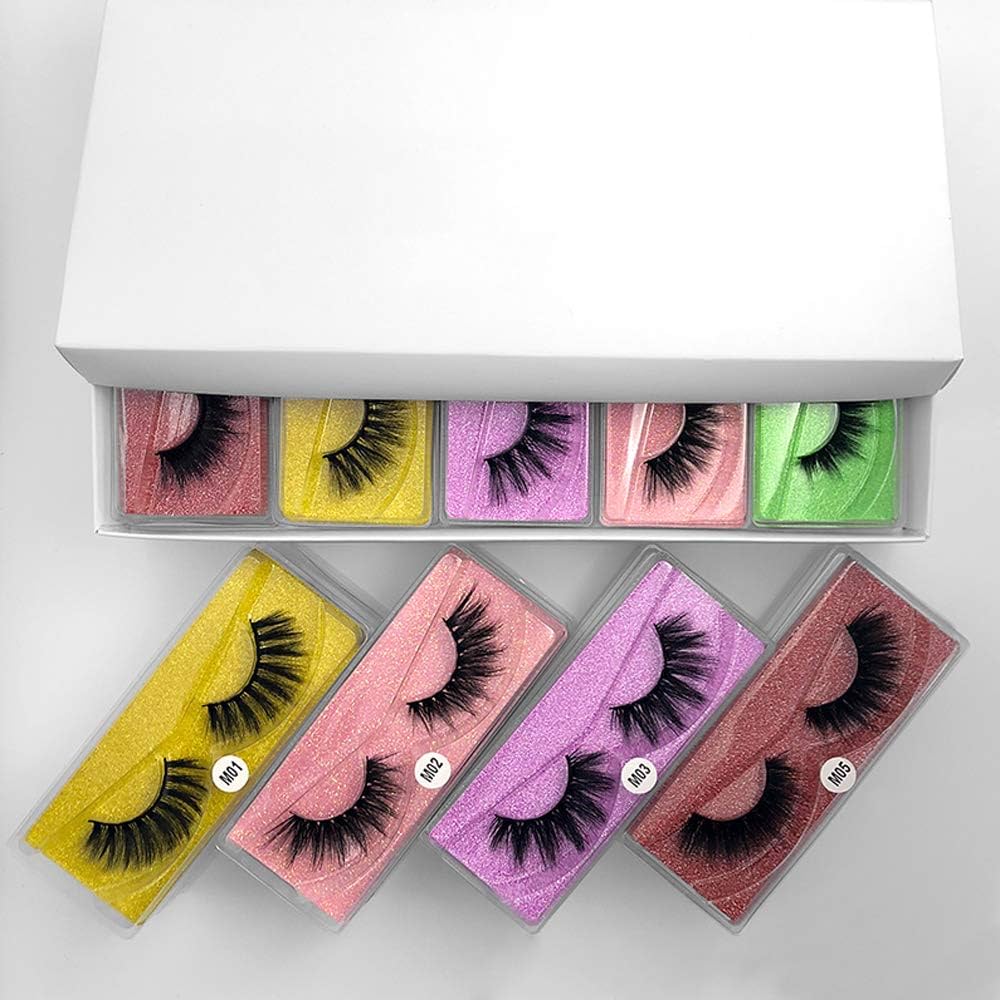
A stock image related to wholesale eyelashes.
3 Common User Pain Points for ‘wholesale eyelashes’ & Their Solutions
Scenario 1: Quality Assurance Challenges in Bulk Orders
The Problem: B2B buyers often face significant difficulties when it comes to ensuring the quality of wholesale eyelashes. This can lead to issues such as inconsistent product quality, which not only affects customer satisfaction but can also damage a business’s reputation. For instance, a buyer might receive a shipment where some lashes are of excellent quality while others are poorly made or fall short of the advertised specifications. This inconsistency is particularly concerning for businesses aiming to establish a reliable brand image in competitive markets.
The Solution: To mitigate quality assurance challenges, B2B buyers should implement a thorough vetting process for suppliers. Start by requesting samples before placing large orders. This allows buyers to assess the quality and consistency of the products firsthand. Additionally, establish clear specifications for eyelash styles, materials, and packaging to ensure the supplier understands your expectations. Building a relationship with a reliable vendor who prioritizes quality control can also be beneficial. Regular communication and feedback will help ensure that the products meet your standards consistently, fostering a stronger partnership and enhancing overall business performance.
Scenario 2: Complicated Shipping and Delivery Issues
The Problem: International buyers often encounter logistical challenges when importing wholesale eyelashes, including delayed shipments, unexpected customs fees, and complicated tracking processes. These issues can result in significant disruptions to a buyer’s inventory management and sales strategy. For example, a buyer in Africa may experience delays in receiving shipments from suppliers in Europe, which can lead to stock shortages and lost sales opportunities.
The Solution: To navigate shipping and delivery issues effectively, B2B buyers should prioritize suppliers that offer transparent shipping policies and reliable logistics partnerships. It’s advisable to choose vendors with experience in international shipping, as they are more likely to understand the intricacies of customs regulations and can provide accurate delivery timelines. Additionally, consider using freight forwarders or logistics companies that specialize in cross-border shipments to streamline the process. Establishing a clear agreement on shipping terms, including delivery times and responsibilities for customs duties, will also help minimize unexpected costs and delays.
Scenario 3: Difficulty in Establishing a Unique Brand Identity
The Problem: Many B2B buyers struggle to differentiate their eyelash offerings in a saturated market. With numerous suppliers providing similar products, it can be challenging to create a unique brand identity that resonates with customers. This lack of differentiation can lead to difficulties in attracting and retaining clients, particularly in regions where competition is fierce.
The Solution: To establish a unique brand identity, B2B buyers should focus on developing customized packaging and branding strategies that reflect their business values and target market preferences. Collaborating with suppliers that offer private labeling options can help create a distinct brand presence. Additionally, conducting market research to understand customer preferences and trends can inform product selection and branding efforts. Engaging in social media marketing and influencer partnerships can further enhance visibility and create a loyal customer base. By investing in branding and marketing strategies, buyers can position their businesses as leaders in the eyelash market, fostering customer loyalty and driving sales growth.
Strategic Material Selection Guide for wholesale eyelashes
When selecting materials for wholesale eyelashes, it is crucial to understand the properties, benefits, and limitations of various options available in the market. This guide analyzes four common materials used in eyelash manufacturing: Mink, Faux Mink, Silk, and Synthetic Fibers. Each material has unique characteristics that can influence product performance and suitability for different markets, especially for international B2B buyers.
What Are the Key Properties of Mink Eyelashes?
Mink eyelashes are known for their luxurious appearance and softness, closely resembling natural lashes. They are lightweight and flexible, providing a comfortable fit for users. Mink lashes can withstand moderate heat, making them suitable for various cosmetic applications. However, they require careful handling and maintenance, as they can be sensitive to moisture and harsh chemicals.
Pros: Mink lashes offer a natural look and feel, making them highly desirable in the beauty market. They are durable and can be reused multiple times with proper care.
Cons: The cost of mink lashes is relatively high due to the sourcing and processing involved. Additionally, ethical concerns regarding animal welfare may pose challenges in certain markets.
How Do Faux Mink Eyelashes Compare?
Faux mink eyelashes are made from synthetic fibers designed to mimic the appearance of real mink. They are more resistant to moisture and heat, which enhances their durability. Faux mink lashes are often easier to clean and maintain compared to their natural counterparts.
Pros: The primary advantage of faux mink is its affordability and ethical sourcing, making it a popular choice among buyers who prioritize cruelty-free products. They can also be produced in various styles and lengths to meet diverse consumer preferences.
Cons: While they can look similar to mink, faux mink lashes may lack the same softness and flexibility, leading to a less natural appearance. They can also be less durable than real mink lashes if not manufactured properly.
What Are the Advantages of Silk Eyelashes?
Silk eyelashes are another popular option, known for their sheen and lightweight properties. They provide a more dramatic look compared to mink and faux mink, making them ideal for special occasions. Silk lashes are also relatively resistant to wear and tear, offering good longevity.
Pros: Silk lashes have a luxurious appearance and are less expensive than mink. They are suitable for various styles, from natural to dramatic, catering to a wide range of customer preferences.
Cons: Silk lashes can be heavier than mink or faux mink, which may cause discomfort for some users. They also require careful handling to maintain their shape and quality.
Why Choose Synthetic Fibers for Eyelash Manufacturing?
Synthetic fibers are often used in the production of budget-friendly eyelashes. These materials are highly versatile and can be engineered to achieve various textures and appearances. They are also resistant to environmental factors, making them suitable for different climates.
Pros: The primary advantage of synthetic fibers is their cost-effectiveness, making them accessible for new businesses or those targeting price-sensitive markets. They can also be produced in bulk with consistent quality.
Cons: Synthetic lashes may not provide the same level of comfort or natural appearance as mink or silk. They can also be less breathable, which may lead to discomfort during extended wear.
Considerations for International B2B Buyers
When sourcing eyelashes for wholesale, international buyers must consider compliance with local regulations and standards. For example, materials should adhere to ASTM, DIN, or JIS standards, depending on the target market. Buyers from regions like Africa, South America, the Middle East, and Europe may have specific preferences for cruelty-free products, particularly in markets that emphasize ethical sourcing. Understanding these nuances can significantly impact purchasing decisions and brand positioning.
| Material | Typical Use Case for wholesale eyelashes | Key Advantage | Key Disadvantage/Limitation | Relative Cost (Low/Med/High) |
|---|---|---|---|---|
| Mink | Luxury eyelash extensions | Natural look and feel | High cost and ethical concerns | High |
| Faux Mink | Affordable, cruelty-free options | Cost-effective and versatile | Less natural appearance | Medium |
| Silk | Dramatic styles for special occasions | Luxurious sheen and lightweight | Heavier than other materials | Medium |
| Synthetic Fibers | Budget-friendly lashes | Highly versatile and durable | Less comfort and natural appearance | Low |
This strategic material selection guide provides valuable insights for B2B buyers in the eyelash wholesale market, helping them make informed decisions that align with their business goals and customer needs.
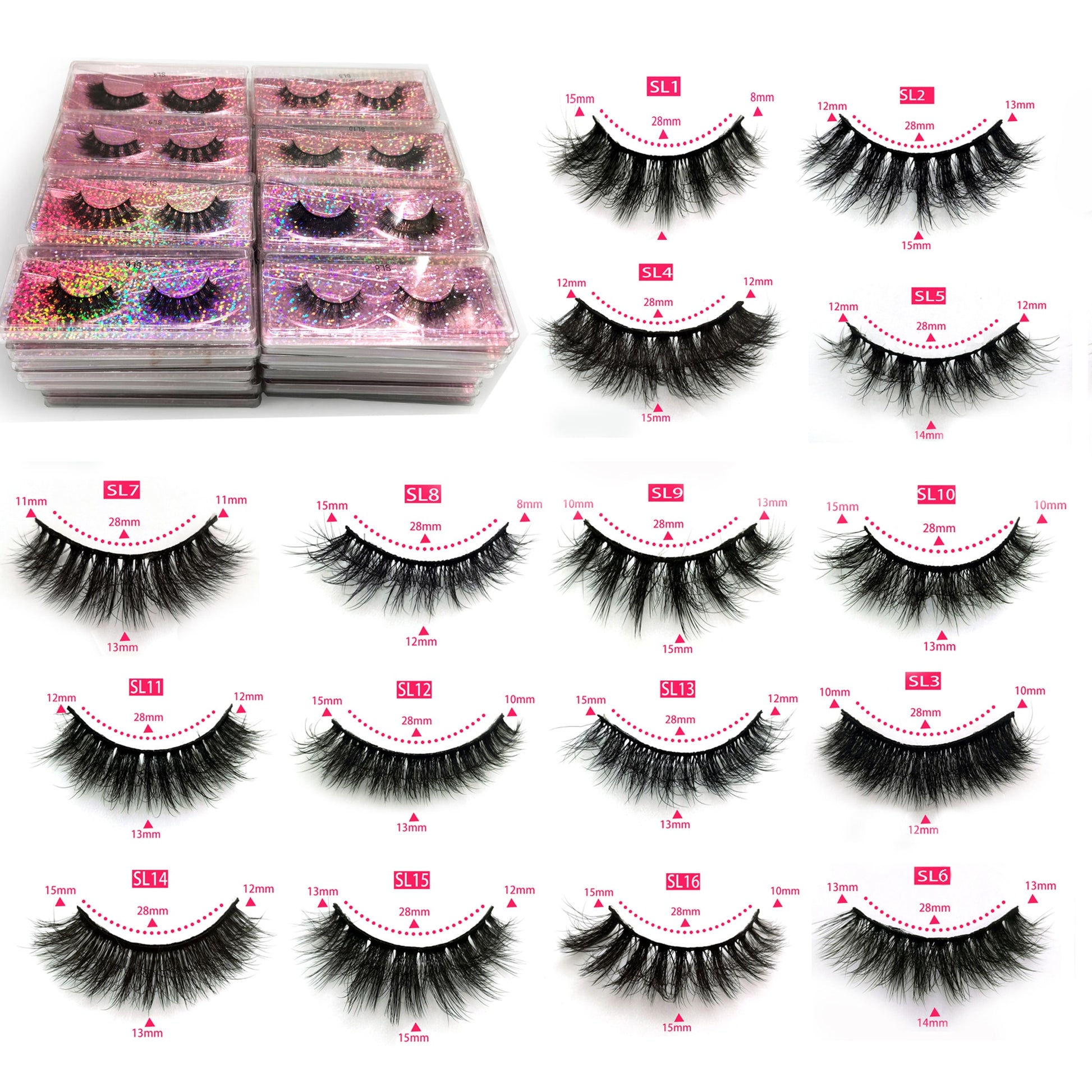
A stock image related to wholesale eyelashes.
In-depth Look: Manufacturing Processes and Quality Assurance for wholesale eyelashes
What Are the Key Stages in the Manufacturing Process of Wholesale Eyelashes?
The manufacturing process of wholesale eyelashes involves several critical stages, ensuring that the final product meets both aesthetic and functional standards. Understanding these stages can help B2B buyers make informed purchasing decisions.
Material Preparation: What Materials Are Used in Eyelash Production?
The first step in manufacturing eyelashes is the preparation of raw materials. Common materials include synthetic fibers, mink fur, and silk. Each material has its unique properties affecting the lashes’ look, feel, and durability. For instance, mink lashes are prized for their softness and natural appearance, while synthetic fibers offer a cruelty-free alternative that is often more affordable.
During this phase, suppliers must ensure that all materials meet international quality standards. This includes sourcing from certified manufacturers who can provide documentation on material origin and quality.
Forming: How Are Eyelashes Shaped and Structured?
Once materials are prepared, the next stage is forming. This involves cutting the raw materials into specific lengths and shapes. Advanced techniques such as heat molding and hand-crafting are often employed to create a variety of styles—from natural to dramatic looks.
This stage is crucial because the precision in shaping the lashes directly impacts their application and wearability. High-quality manufacturers often use automated machinery for consistency, while artisanal producers may rely on skilled artisans for unique designs.
Assembly: How Are Eyelashes Assembled for Final Production?
The assembly stage involves attaching the individual lashes to a band, which allows for easy application. This can be done by hand or machine, depending on the scale of production. Quality manufacturers will often perform this step in a controlled environment to minimize contamination and ensure hygiene.
During assembly, it’s vital to verify that the bonding agents used are safe and compliant with international cosmetic standards. For instance, many suppliers opt for hypoallergenic adhesives to cater to sensitive skin types, which is a significant consideration for B2B buyers.
Finishing: What Final Touches Are Added to Wholesale Eyelashes?
The finishing stage includes quality checks, packaging, and labeling. Eyelashes are subjected to thorough inspections to ensure they meet predefined quality criteria, including length, curl, and overall appearance. This is also when branding elements, such as custom packaging and labels, are applied.
Proper packaging not only protects the lashes during shipping but also enhances the product’s appeal on retail shelves. Eco-friendly packaging options are increasingly popular, aligning with global trends toward sustainability.
What Quality Assurance Standards Are Relevant for Wholesale Eyelashes?
Quality assurance is a critical aspect of the eyelash manufacturing process, ensuring that products are safe and effective for consumer use. Various international standards apply, which B2B buyers should consider when evaluating suppliers.
What Are the Key International Standards for Eyelash Quality Assurance?
-
ISO 9001: This standard focuses on quality management systems. Suppliers certified under ISO 9001 demonstrate a commitment to quality and continuous improvement, which is essential for building trust with international buyers.
-
CE Marking: In Europe, products must meet health, safety, and environmental protection standards. A CE mark indicates compliance, ensuring that the eyelashes are safe for consumer use.
-
API Standards: For products involving adhesives, suppliers may need to adhere to guidelines set by the American National Standards Institute (ANSI) or similar bodies, ensuring that all materials are safe for use in cosmetic applications.
What Are the Key QC Checkpoints in the Eyelash Manufacturing Process?
Quality control (QC) checkpoints are integral to maintaining high standards throughout the manufacturing process. These checkpoints typically include:
-
Incoming Quality Control (IQC): This involves inspecting raw materials upon arrival to ensure they meet quality specifications. It is the first line of defense against subpar materials entering the production line.
-
In-Process Quality Control (IPQC): Conducted during the manufacturing stages, IPQC focuses on monitoring the production process to catch any deviations from quality standards in real-time.
-
Final Quality Control (FQC): Before products are shipped, they undergo final inspections to ensure they meet all specified criteria. This step may involve random sampling of finished products for thorough testing.
How Can B2B Buyers Verify Supplier Quality Control Processes?
B2B buyers must take proactive steps to verify the quality control processes of potential suppliers. Here are some effective methods:
-
Audits: Conducting supplier audits can provide insights into their manufacturing processes and quality assurance measures. A well-structured audit will assess compliance with international standards and evaluate the effectiveness of their QC systems.
-
Quality Reports: Requesting detailed quality reports can help buyers understand how suppliers track and manage quality at various stages of production. This includes documentation of any issues encountered and corrective actions taken.
-
Third-Party Inspections: Engaging third-party inspection services offers an unbiased evaluation of a supplier’s quality standards. These inspections can include random sampling and testing of products, providing additional assurance of quality.
What Are the Unique Quality Control Considerations for International B2B Buyers?
For international buyers, particularly from regions like Africa, South America, the Middle East, and Europe, several unique considerations apply:
-
Regulatory Compliance: Different countries have varying regulations regarding cosmetic products. Buyers must ensure that suppliers comply with local laws, which can differ significantly from international standards.
-
Cultural Preferences: Understanding regional aesthetic preferences can influence the types of eyelashes that will be successful in specific markets. Suppliers should be adaptable to these preferences while maintaining quality.
-
Supply Chain Transparency: Buyers should seek suppliers who provide transparency throughout the supply chain, ensuring that all materials are ethically sourced and of high quality.
By understanding the manufacturing processes and quality assurance measures, B2B buyers can make more informed decisions when sourcing wholesale eyelashes, ultimately leading to better product quality and customer satisfaction.
Practical Sourcing Guide: A Step-by-Step Checklist for ‘wholesale eyelashes’
Introduction
Sourcing wholesale eyelashes can be a game-changer for your beauty business, whether you’re a retailer or a distributor. This guide provides a step-by-step checklist to help you navigate the sourcing process effectively, ensuring you find reliable suppliers that meet your quality and budget requirements.
Step 1: Identify Your Target Market
Understanding your target market is crucial for making informed purchasing decisions. Research the preferences and buying habits of your potential customers in different regions, such as Africa, South America, the Middle East, and Europe. Tailoring your offerings to meet the specific demands of these markets can significantly enhance your sales potential.
Step 2: Define Your Product Specifications
Clearly outline the specifications for the eyelashes you wish to procure. This includes the type (mink, faux mink, synthetic), length (e.g., 13mm, 25mm), and style (natural, dramatic, etc.). Having a detailed specification sheet helps communicate your requirements effectively to suppliers, minimizing misunderstandings and ensuring product quality.
Step 3: Research Potential Suppliers
Conduct thorough research to identify potential suppliers who specialize in wholesale eyelashes. Utilize online platforms, trade shows, and industry forums to compile a list of reputable vendors. Look for companies with a proven track record, positive customer reviews, and a diverse product range that aligns with your specifications.
Step 4: Request Samples for Quality Assessment
Before placing a bulk order, request samples from shortlisted suppliers. Evaluating sample quality is essential to ensure that the eyelashes meet your standards regarding comfort, durability, and appearance. Check for consistency in product quality and packaging, as these factors can influence your brand’s reputation.
Step 5: Verify Supplier Certifications and Compliance
It’s important to ensure that your suppliers comply with industry standards and regulations. Request documentation such as certifications for product safety and quality, as well as evidence of ethical sourcing practices. This not only protects your business but also enhances your credibility with customers.
Step 6: Negotiate Pricing and Terms
Once you’ve identified a suitable supplier, engage in negotiations regarding pricing, minimum order quantities (MOQs), and payment terms. Be clear about your budget constraints and explore options for bulk discounts or loyalty programs. Understanding the total cost of procurement, including shipping and customs duties, is vital for maintaining your profit margins.
Step 7: Establish a Communication Plan
Develop a communication strategy to maintain an open line with your supplier throughout the sourcing process. Regular updates on order status, shipping timelines, and potential issues can prevent misunderstandings and delays. Effective communication fosters a strong business relationship and can lead to better service and support.
By following this checklist, you will be well-equipped to source high-quality wholesale eyelashes that cater to your market’s needs and enhance your business’s success.
Comprehensive Cost and Pricing Analysis for wholesale eyelashes Sourcing
When sourcing wholesale eyelashes, understanding the cost structure and pricing dynamics is crucial for B2B buyers aiming to maximize their investment. The costs associated with eyelash products can be broken down into several key components, while various factors influence the pricing you encounter from suppliers.
What Are the Key Cost Components in Wholesale Eyelash Sourcing?
-
Materials: The primary cost component is the raw materials used to create the eyelashes. Common materials include mink fur, synthetic fibers (faux mink), and adhesives. Higher-quality materials typically lead to increased costs but can also justify higher retail prices due to perceived value.
-
Labor: Labor costs encompass the wages paid to workers involved in the manufacturing process, from assembly to quality control. Labor costs can vary significantly based on the country of production; for instance, manufacturers in regions with lower labor costs may offer more competitive pricing.
-
Manufacturing Overhead: This includes expenses related to running the manufacturing facility, such as utilities, equipment maintenance, and administrative costs. Suppliers often distribute these overhead costs across their product lines, affecting the pricing of each item.
-
Tooling: Custom tooling for specific lash designs or packaging can incur additional costs. If you are looking for unique styles or branded packaging, be prepared for tooling expenses to be factored into the overall pricing.
-
Quality Control (QC): Ensuring product quality is paramount, especially for cosmetics. Quality control measures add to the overall cost but are essential for maintaining brand reputation and customer satisfaction.
-
Logistics: Transportation and shipping costs are critical, particularly for international buyers. Factors such as distance, shipping method, and customs duties can significantly impact the final price. Understanding Incoterms is essential to clarify who bears these costs.
-
Margin: Suppliers will add a profit margin to their costs to arrive at the final wholesale price. This margin can vary widely among vendors, influenced by their market positioning and brand value.
How Do Price Influencers Affect Wholesale Eyelash Costs?
Several factors can affect the pricing of wholesale eyelashes:
-
Volume/MOQ: Minimum order quantities (MOQs) often dictate pricing. Ordering in larger quantities typically results in lower per-unit costs. Suppliers may offer tiered pricing structures, incentivizing larger purchases.
-
Specifications/Customization: Custom designs or specific specifications can lead to higher costs. Buyers should weigh the benefits of customization against the associated price increases.
-
Quality and Certifications: High-quality products often come with certifications (e.g., cruelty-free, vegan) that can influence pricing. These certifications may appeal to particular market segments, allowing for premium pricing.
-
Supplier Factors: The reputation and reliability of a supplier can also impact pricing. Established suppliers with proven track records may charge higher prices due to their perceived value and lower risk of quality issues.
What Tips Can Help Buyers Negotiate Better Prices?
-
Negotiate Volume Discounts: Approach suppliers with the potential for repeat business and negotiate for better pricing based on volume commitments.
-
Evaluate Total Cost of Ownership (TCO): Consider not just the purchase price but also logistics, customs duties, and potential returns when calculating the total cost. This holistic view can help identify the most cost-effective supplier.
-
Understand Pricing Nuances: Be aware that international shipping can introduce complexities, including tariffs and import taxes. Familiarize yourself with local regulations and potential additional costs.
-
Build Relationships: Establishing a good rapport with suppliers can lead to more favorable terms and pricing adjustments over time. Strong relationships may also provide access to exclusive deals or early product releases.
Conclusion
In summary, a comprehensive understanding of the cost components and pricing influencers in wholesale eyelash sourcing is essential for international B2B buyers. By considering factors such as material quality, logistics, and potential for negotiation, buyers can make informed decisions that align with their business goals. Always approach pricing discussions with a clear strategy and an understanding of the broader market landscape to secure the best possible deals.
Alternatives Analysis: Comparing wholesale eyelashes With Other Solutions
When evaluating options for sourcing eyelash products, businesses often consider various alternatives to wholesale eyelashes. Understanding the strengths and weaknesses of each option can help B2B buyers make informed decisions that align with their business goals. Below, we compare wholesale eyelashes with two notable alternatives: eyelash extensions and DIY lash kits.
| Comparison Aspect | Wholesale Eyelashes | Eyelash Extensions | DIY Lash Kits |
|---|---|---|---|
| Performance | High-quality, ready-to-sell products | Customizable, long-lasting results | Variable quality based on DIY skills |
| Cost | Moderate initial investment | Higher cost due to application services | Low-cost materials, but time-consuming |
| Ease of Implementation | Simple ordering process | Requires professional application | Requires knowledge and practice |
| Maintenance | Minimal, requires no special care | Regular touch-ups needed | Maintenance depends on user technique |
| Best Use Case | Retail, beauty salons, online shops | Professional beauty services | Personal use or small-scale retail |
What Are the Advantages and Disadvantages of Eyelash Extensions?
Eyelash extensions are a popular choice for beauty salons and professionals who want to offer clients a more permanent solution. The primary advantage of eyelash extensions is their customizable nature, allowing for tailored lengths, volumes, and styles that can enhance a client’s natural beauty. However, the downside is the higher cost associated with professional application, which can deter budget-conscious consumers. Additionally, maintenance is required every few weeks, which can be a commitment for both the service provider and the client.
How Do DIY Lash Kits Compare to Wholesale Eyelashes?
DIY lash kits provide an alternative for individuals or small businesses looking to create their own lash products. These kits typically include the materials needed to create false lashes at home. The advantage of DIY lash kits is their lower initial investment and the creative control they offer. However, the quality of the final product can vary significantly based on the user’s skill level, and the process can be time-consuming. For businesses seeking consistent quality and ease of use, wholesale eyelashes may be a more reliable option.
Conclusion: How Can B2B Buyers Select the Right Eyelash Solution?
Choosing the right eyelash solution depends on several factors, including budget, target market, and business model. Wholesale eyelashes are ideal for businesses seeking ready-to-sell products with minimal maintenance. Eyelash extensions cater to professionals aiming to provide a high-touch service, while DIY kits may appeal to creative entrepreneurs looking for a low-cost entry into the beauty market. Evaluating these alternatives against your specific business needs will help ensure you select the most suitable option for success.
Essential Technical Properties and Trade Terminology for wholesale eyelashes
What Are the Essential Technical Properties of Wholesale Eyelashes?
When sourcing wholesale eyelashes, understanding the technical properties is crucial for making informed purchasing decisions. Below are key specifications that B2B buyers should consider:
1. Material Grade
The material used in eyelash manufacturing significantly affects quality, durability, and appearance. Common materials include mink, silk, and synthetic fibers. Mink lashes are known for their softness and natural look, while synthetic options can be more durable and cost-effective. Understanding the material grade helps buyers assess the product’s marketability.
2. Length and Curl Types
Eyelashes come in various lengths (typically ranging from 8mm to 30mm) and curl types (like J, C, D, and L). These specifications determine the overall look and suitability for different eye shapes and styles. Buyers should consider their target market’s preferences when selecting lengths and curl types to ensure customer satisfaction.
3. Weight
The weight of eyelashes affects their comfort and wearability. Lighter lashes are generally more comfortable for the end user, which can influence repeat purchases. It is essential for B2B buyers to inquire about the weight specifications to ensure the product meets consumer expectations.
4. Minimum Order Quantity (MOQ)
MOQ refers to the smallest amount of product that a supplier is willing to sell. Understanding MOQ is critical for inventory management and cash flow, especially for startups. Buyers should ensure that the MOQ aligns with their business model to avoid excess inventory or stockouts.
5. Shelf Life
The shelf life of eyelashes, particularly those with adhesives, is vital for maintaining product quality. Eyelashes should be stored properly to maximize their lifespan, and suppliers should provide information on the expected shelf life. This is important for B2B buyers to manage inventory effectively and minimize waste.
6. Packaging Options
Packaging plays a significant role in branding and customer experience. Options may include custom boxes, eco-friendly materials, and retail-ready designs. Buyers should evaluate packaging specifications as they can impact shipping costs and overall presentation in the market.
What Are Common Trade Terms in the Wholesale Eyelash Industry?
Familiarity with industry terminology is essential for effective communication and negotiation in the wholesale eyelash market. Here are some commonly used trade terms:
1. Original Equipment Manufacturer (OEM)
OEM refers to a company that produces parts or products that are used in another company’s final product. In the eyelash industry, this can mean that a manufacturer produces eyelashes that are branded under another company’s name. Understanding OEM relationships can help buyers identify potential partnership opportunities.
2. Request for Quotation (RFQ)
An RFQ is a document sent to suppliers asking for price and delivery information for a specific product. Buyers should utilize RFQs to solicit competitive pricing and terms from multiple suppliers, ensuring they get the best deal for their wholesale orders.
3. Incoterms
Incoterms (International Commercial Terms) are a set of predefined commercial terms used in international trade. They define the responsibilities of buyers and sellers regarding shipping, insurance, and tariffs. Familiarity with these terms helps buyers understand their obligations and mitigate risks in international transactions.
4. Dropshipping
Dropshipping is a retail fulfillment method where a store doesn’t keep the products it sells in stock. Instead, when a store sells a product, it purchases the item from a third party and has it shipped directly to the customer. This model can be advantageous for wholesale eyelash businesses looking to minimize inventory costs.
5. Private Label
Private label refers to products manufactured by one company for another company to brand as its own. In the eyelash industry, buyers can source private label products to establish their brand identity without investing in manufacturing.
6. Lead Time
Lead time is the amount of time it takes for a supplier to process an order and deliver the products. Understanding lead times is crucial for inventory planning and ensuring timely fulfillment of customer orders, particularly in a competitive market.
By grasping these essential technical properties and trade terms, B2B buyers can make informed decisions, optimize their supply chain, and enhance their market competitiveness in the wholesale eyelash industry.
Navigating Market Dynamics and Sourcing Trends in the wholesale eyelashes Sector
What Are the Current Market Dynamics and Key Trends in the Wholesale Eyelashes Sector?
The wholesale eyelashes market is experiencing robust growth, driven by several global factors. The increasing demand for beauty products, particularly in emerging markets such as Africa, South America, and the Middle East, is a key driver. Social media platforms and influencer culture have also amplified consumer interest in beauty and personal grooming, with eyelashes becoming a focal point for many beauty routines. As a result, international B2B buyers are seeking reliable suppliers who can provide high-quality products to meet this surging demand.
In terms of sourcing trends, technology plays a pivotal role in streamlining procurement processes. Advanced e-commerce platforms allow buyers to compare products easily, read reviews, and access a broader range of suppliers. Additionally, innovations in logistics and supply chain management, including dropshipping and just-in-time inventory, are becoming increasingly popular among B2B buyers. These methods help reduce overhead costs and improve the responsiveness of businesses to market changes.
Moreover, the market is witnessing a shift towards customization, with many suppliers offering private label options for businesses looking to establish their brand identity. This trend is particularly pronounced in regions like Vietnam and Nigeria, where local entrepreneurs are entering the beauty market and require tailored solutions to differentiate themselves from competitors.
How Is Sustainability and Ethical Sourcing Impacting the Wholesale Eyelashes Industry?
Sustainability has emerged as a crucial consideration for B2B buyers in the wholesale eyelashes sector. The environmental impact of beauty products, including the materials used in eyelash production, is under increasing scrutiny. Buyers are now prioritizing suppliers that practice ethical sourcing and offer eco-friendly alternatives, such as vegan lashes made from synthetic materials that do not harm animals.
Furthermore, certifications related to sustainability are becoming essential in the decision-making process. Suppliers with recognized ‘green’ certifications or those that use recyclable packaging materials are often viewed more favorably by conscientious buyers. This trend reflects a broader consumer shift toward sustainability, where end-users are more likely to support brands that align with their values.
For international buyers, especially those in regions where sustainability is increasingly prioritized, establishing relationships with suppliers who demonstrate a commitment to ethical practices can not only enhance brand reputation but also attract a more discerning clientele.
What Is the Brief Evolution of the Wholesale Eyelashes Sector?
The wholesale eyelashes sector has evolved significantly over the last two decades. Initially dominated by traditional beauty supply stores, the market has transitioned towards online platforms, enabling greater accessibility for international B2B buyers. The rise of social media in the 2010s transformed how beauty products are marketed, with influencers and beauty gurus driving consumer interest in eyelash extensions and false lashes.
As the market matured, so did the products offered. The introduction of various styles, lengths, and materials, including mink, faux mink, and silk, catered to diverse consumer preferences. Additionally, advancements in manufacturing techniques have improved the quality and durability of eyelashes, making them more appealing to both buyers and end consumers. This evolution has paved the way for a competitive landscape where innovation and quality are paramount, shaping the future of the wholesale eyelashes market.
Frequently Asked Questions (FAQs) for B2B Buyers of wholesale eyelashes
-
1. How do I ensure the quality of wholesale eyelashes before placing a bulk order?
To ensure quality, request samples from potential suppliers before making a large commitment. Evaluate the lashes for factors such as softness, durability, and overall appearance. Additionally, check for certifications or quality assurance processes that the supplier follows. Reading reviews from other customers can also provide insights into their experiences. Establish clear communication with the supplier regarding your expectations for quality standards to avoid issues down the line. -
2. What is the minimum order quantity (MOQ) for wholesale eyelashes?
Minimum order quantities can vary significantly between suppliers, typically ranging from 10 to 100 pairs or more. It’s essential to inquire about the MOQ during your initial discussions with suppliers. Some vendors may offer flexible MOQ options, especially for first-time buyers or larger orders. Understanding the MOQ helps you gauge your budget and inventory needs effectively, allowing you to plan your purchase accordingly. -
3. What customization options are available for wholesale eyelashes?
Many suppliers offer customization options such as private labeling, unique packaging designs, and the ability to choose specific styles or lengths. Some vendors may also allow you to create custom lash styles to suit your target market. When discussing customization, ensure that the supplier can accommodate your branding needs and provide samples of any custom packaging or labeling before finalizing your order. -
4. How can I vet a supplier for wholesale eyelashes?
Vetting suppliers involves researching their reputation, checking references, and reviewing customer testimonials. Look for suppliers with a proven track record in the industry and those who are responsive to inquiries. Verify their business credentials and certifications to ensure legitimacy. Engaging in direct communication can also help you assess their customer service and willingness to meet your specific needs. -
5. What payment terms should I expect when ordering wholesale eyelashes?
Payment terms can vary widely among suppliers. Common practices include full payment upfront, a deposit with the balance on delivery, or payment upon receipt. Be sure to clarify the payment methods accepted, such as credit cards, bank transfers, or payment platforms like PayPal. Understanding the payment terms helps you manage cash flow and reduces the risk of unexpected costs. -
6. How do logistics and shipping work for international orders of wholesale eyelashes?
Logistics for international orders typically involve shipping via air or sea freight, depending on the urgency and volume of your order. Confirm the supplier’s shipping policies, including estimated delivery times, shipping costs, and tracking options. It’s also important to understand customs regulations in your country to avoid delays. Some suppliers may offer drop shipping services, which can simplify the logistics process for your business. -
7. What are the best practices for storing and handling wholesale eyelashes?
To maintain the quality of wholesale eyelashes, store them in a cool, dry place away from direct sunlight. Ensure that they are kept in their original packaging or a designated storage case to prevent damage. Handle the lashes with clean hands or tweezers to avoid contamination. Proper storage helps preserve their shape and longevity, ultimately benefiting your customers. -
8. How do I manage customer returns or complaints for eyelash products?
Establish a clear return policy that outlines the conditions under which customers can return products. Ensure that your policy is communicated effectively to your customers at the point of sale. If a complaint arises, address it promptly and professionally, offering solutions such as replacements or refunds where applicable. Maintaining good customer service and a flexible return policy can enhance your brand reputation and foster customer loyalty.
Important Disclaimer & Terms of Use
⚠️ Important Disclaimer
The information provided in this guide, including content regarding manufacturers, technical specifications, and market analysis, is for informational and educational purposes only. It does not constitute professional procurement advice, financial advice, or legal advice.
While we have made every effort to ensure the accuracy and timeliness of the information, we are not responsible for any errors, omissions, or outdated information. Market conditions, company details, and technical standards are subject to change.
B2B buyers must conduct their own independent and thorough due diligence before making any purchasing decisions. This includes contacting suppliers directly, verifying certifications, requesting samples, and seeking professional consultation. The risk of relying on any information in this guide is borne solely by the reader.
Strategic Sourcing Conclusion and Outlook for wholesale eyelashes
As the demand for wholesale eyelashes continues to grow globally, strategic sourcing becomes paramount for B2B buyers looking to capitalize on this lucrative market. By carefully selecting reliable suppliers and understanding the nuances of quality, pricing, and logistics, businesses can effectively differentiate themselves in a competitive landscape. Key takeaways include the importance of assessing vendor reputation, ensuring product quality, and leveraging innovative packaging solutions to enhance brand appeal.
International buyers, particularly from regions like Africa, South America, the Middle East, and Europe, should remain vigilant in monitoring emerging trends and consumer preferences. This proactive approach will enable them to align their product offerings with market demands, fostering customer loyalty and repeat business.
Looking ahead, the future of the wholesale eyelash industry is bright, with opportunities for growth driven by technological advancements and evolving beauty standards. Now is the time to take action—explore partnerships with reputable suppliers, invest in quality products, and position your brand to thrive in this dynamic market. Embrace the potential that lies ahead and elevate your business to new heights in the wholesale eyelash sector.