How to Find a Gold Jewelry Wholesale Factory: Our List of Top 6 Pic…
Introduction: Navigating the Global Market for gold jewelry wholesale
In the dynamic world of gold jewelry wholesale, international B2B buyers face the challenge of sourcing high-quality products that resonate with diverse market demands. With fluctuating gold prices, varying consumer preferences, and a plethora of suppliers, navigating this landscape can be daunting. This guide is designed to equip buyers, particularly from Africa, South America, the Middle East, and Europe, with the insights necessary to make informed purchasing decisions.
The comprehensive scope of this guide encompasses various types of gold jewelry, including the latest trends in designs and styles, practical applications in different markets, and strategies for vetting suppliers effectively. It also provides an overview of cost considerations, ensuring that buyers understand pricing structures and can negotiate better deals.
By offering actionable insights and expert advice, this guide empowers B2B buyers to confidently navigate the complexities of sourcing gold jewelry. Whether you’re seeking to expand your product line or establish long-term supplier relationships, this resource will serve as a valuable tool in your decision-making process. As you delve deeper, you’ll discover how to align your sourcing strategies with market demands, ultimately enhancing your competitive edge in the global marketplace.
Top 10 Gold Jewelry Wholesale Manufacturers & Suppliers List
1. Wholesale Jewelry – 14K Gold Chains and Charms
Domain: wholesalejewelrywebsite.com
Registered: 2009 (16 years)
Introduction: Wholesale 14K Gold Permanent Jewelry
– Free Shipping: U.S. orders over $300; International orders over $1,000
– 30 Day Guarantee
– Next Day Air Cutoff: 1:00 PM CST
– Product Types: Chains (6), Charms (22), Findings (1)
– Materials: .925 Sterling Silver (1), 14K Gold (28), 14K Rose Gold (1)
– Styles: Classic (5), Dainty (1), Dangle (1), Minimalist (6), Sentimental (8), Sets (1), Women’s (8)
– Theme…
2. Silver Palace Inc – Wholesale Gold Jewelry
Domain: silverpalaceinc.com
Registered: 2002 (23 years)
Introduction: Wholesale Gold Jewelry Suppliers – Silver Palace Inc offers a wide selection of stunning pieces crafted with only the finest gold. The collection includes 14K gold necklaces, earrings, rings, bracelets, and mens line chains. There is a $200 minimum purchase requirement for business-to-business transactions. The catalog features various types of jewelry such as moissanite lab-grown diamonds, stainl…
3. Halstead Bead – Wholesale Jewelry
Domain: halsteadbead.com
Registered: 1996 (29 years)
Introduction: Wholesale jewelry available in sterling silver and gold-filled options. Categories include chain, earrings, rings, bracelets, charms, and more. Key materials: Sterling Silver (269 products), Gold-Filled (37 products), 14 Karat Gold (14 products). Various styles and themes such as nature, beach, western, and Christian jewelry. Chain styles include cable, box, and leather with lengths ranging from 1…
4. Crown Gold Inc. – 14k Gold Jewelry
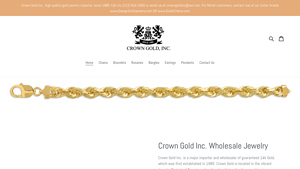
Domain: crowngoldinc.com
Registered: 2017 (8 years)
Introduction: Crown Gold Inc. is a wholesale distributor of high-quality 14k Gold jewelry, established in 1985 and located in the Jewelry District of Downtown Los Angeles. They also offer a selection of 10K Gold chains. The company guarantees the karat of gold and imports jewelry from top factories worldwide. Popular styles include Yellow Diamond Cut Hollow Rope Chains, Yellow Hollow Miami Cuban Chains, and Two…
5. Fairline – Wholesale 14k Gold Jewelry
Domain: fairline.it
Registered: 2000 (25 years)
Introduction: Wholesale 14k gold jewelry, including pendants, necklaces, bracelets, earrings, chains, sets, rings, and anklets for men, women, and children. The jewelry features styles such as religious jewelry and incorporates natural stones and pearls. The company emphasizes quality, Italian craftsmanship, and innovative design, with a focus on plate and laser-cut manufacturing. The platform allows for user-f…
6. Oro Palace – Exquisite Gold Jewelry

Domain: oropalace.com
Registered: 2016 (9 years)
Introduction: Oro Palace is a gold jewelry manufacture and wholesale store located in Los Angeles, CA, specializing in high quality, stylish, and exquisite 10k, 14k, and 18k jewelry products. They offer a wide range of products including Anklets (24), Bracelets (364), Chains (414), Earrings (1655), Necklaces (197), Pendants/Charms (1657), and Rings (2336). The company has over 40 years of combined experience in…
Understanding gold jewelry wholesale Types and Variations
| Type Name | Key Distinguishing Features | Primary B2B Applications | Brief Pros & Cons for Buyers |
|---|---|---|---|
| 14K Gold Permanent Jewelry | Lightweight, durable, and customizable options | Retail, fashion boutiques, and online stores | Pros: High demand, trendy; Cons: Limited to specific styles. |
| 18K Gold Fine Jewelry | Higher gold content, more luxurious finish | High-end retailers, luxury markets | Pros: Premium quality, strong resale value; Cons: Higher cost. |
| Gold Plated Jewelry | Affordable alternative with a gold finish | Gift shops, seasonal markets | Pros: Lower price point; Cons: Less durable, may tarnish. |
| Gold Charms and Pendants | Variety of designs, often personalized | Custom jewelry makers, souvenir shops | Pros: Versatile, appeals to diverse tastes; Cons: Can be niche. |
| Vintage Gold Jewelry | Unique designs, often with historical significance | Antique shops, collectors, and boutiques | Pros: Unique selling proposition; Cons: Sourcing challenges, variable quality. |
What are the Characteristics of 14K Gold Permanent Jewelry?
14K gold permanent jewelry is characterized by its lightweight and durable nature, making it suitable for everyday wear. This type of jewelry often features customizable options, such as initial charms or birthstones, appealing to a younger demographic. B2B buyers can leverage the trend of personalized jewelry to attract customers looking for unique gifts. Key purchasing considerations include understanding current fashion trends and ensuring a reliable supply chain for consistent stock.
How Does 18K Gold Fine Jewelry Stand Out?
18K gold fine jewelry boasts a higher gold content, which gives it a more luxurious appearance and feel. This type of jewelry is typically favored by high-end retailers and luxury markets, as it signifies quality and status. B2B buyers should consider the target market’s preferences for premium products and the potential for higher profit margins. However, the increased cost may limit the customer base, making market research essential.
Why Choose Gold Plated Jewelry for Your Business?
Gold plated jewelry presents an affordable alternative for those seeking the aesthetic of gold without the high price tag. This type of jewelry is often used in gift shops and seasonal markets, appealing to budget-conscious consumers. B2B buyers should be aware of the potential for tarnishing and limited durability, which may impact customer satisfaction. It’s essential to communicate care instructions to end consumers to mitigate these issues.
What Makes Gold Charms and Pendants Popular?
Gold charms and pendants offer a variety of designs, often allowing for personalization, which enhances their appeal. They are frequently used by custom jewelry makers and souvenir shops, catering to a wide range of customer preferences. B2B buyers should focus on sourcing unique designs that resonate with current trends. The versatility of charms can lead to higher sales volumes, but buyers should remain aware of the potential for niche market limitations.
How Can Vintage Gold Jewelry Enhance Your Offerings?
Vintage gold jewelry is distinguished by its unique designs and historical significance, making it highly desirable among collectors and boutiques. This type of jewelry can provide a unique selling proposition for businesses looking to stand out in a competitive market. However, sourcing vintage pieces can pose challenges, including ensuring authenticity and quality. B2B buyers should establish reliable connections with reputable suppliers to navigate these challenges effectively.
Key Industrial Applications of gold jewelry wholesale
| Industry/Sector | Specific Application of Gold Jewelry Wholesale | Value/Benefit for the Business | Key Sourcing Considerations for this Application |
|---|---|---|---|
| Retail Jewelry Stores | Stocking diverse gold jewelry collections | Attracts a broad customer base and enhances sales opportunities | Ensure product variety, quality certification, and competitive pricing |
| E-commerce Platforms | Offering gold jewelry through online marketplaces | Expands market reach and caters to the growing online shopping trend | Focus on reliable shipping, product descriptions, and customer service |
| Fashion Industry | Collaborating with designers for unique gold jewelry pieces | Differentiates brand offerings and elevates fashion collections | Consider customization options and production timelines |
| Event Planning Services | Providing gold jewelry for special occasions and events | Enhances event experiences and offers unique gifting solutions | Look for bulk purchasing options and customization capabilities |
| Cultural Festivals | Supplying gold jewelry for cultural and traditional events | Supports local traditions and attracts tourists | Understand cultural significance and ensure authenticity of designs |
How Do Retail Jewelry Stores Benefit from Gold Jewelry Wholesale?
Retail jewelry stores frequently rely on gold jewelry wholesale to build diverse collections that cater to various customer preferences. By sourcing wholesale gold pieces, these businesses can offer an array of designs, from classic to contemporary, which can significantly enhance customer engagement and drive sales. International buyers, especially in regions like Africa and South America, should focus on sourcing from reputable suppliers who guarantee product authenticity and quality. Additionally, considering the local market trends and seasonal demands is crucial for maximizing profitability.
What Role Does E-commerce Play in Gold Jewelry Wholesale?
E-commerce platforms have transformed the way businesses sell gold jewelry, allowing retailers to reach a global audience. By leveraging gold jewelry wholesale, online sellers can stock a wide range of products without the need for extensive inventory investment. This model not only increases sales potential but also caters to the growing trend of online shopping among consumers in Europe and the Middle East. Buyers should prioritize suppliers who offer efficient logistics solutions and robust customer support to ensure a seamless shopping experience.
How Can the Fashion Industry Leverage Gold Jewelry Wholesale?
The fashion industry can harness gold jewelry wholesale by collaborating with designers to create exclusive pieces that stand out in the market. This approach allows brands to differentiate themselves and appeal to fashion-forward consumers seeking unique accessories. For international buyers, especially in fast-growing markets, understanding current fashion trends and consumer preferences is vital. When sourcing, consider suppliers who provide customization options and timely production schedules to keep pace with fashion cycles.
Why Is Gold Jewelry Important for Event Planning Services?
Event planning services often incorporate gold jewelry into their offerings for weddings, corporate events, and other special occasions. By sourcing gold jewelry wholesale, planners can provide clients with unique gifting solutions and enhance the overall event experience. For international buyers in regions like Nigeria and Vietnam, it’s essential to understand local customs and preferences when selecting jewelry styles. Additionally, sourcing from suppliers that offer bulk purchasing options can lead to significant cost savings.
How Do Cultural Festivals Utilize Gold Jewelry Wholesale?
Cultural festivals frequently feature gold jewelry as part of traditional attire, making it a valuable component for businesses involved in festival planning and tourism. By sourcing wholesale gold jewelry, these businesses can support local artisans and traditions while attracting tourists looking for authentic experiences. International buyers should ensure that the designs reflect cultural significance and authenticity. Understanding the specific requirements and preferences of different cultural events is crucial for successful sourcing and sales strategies.
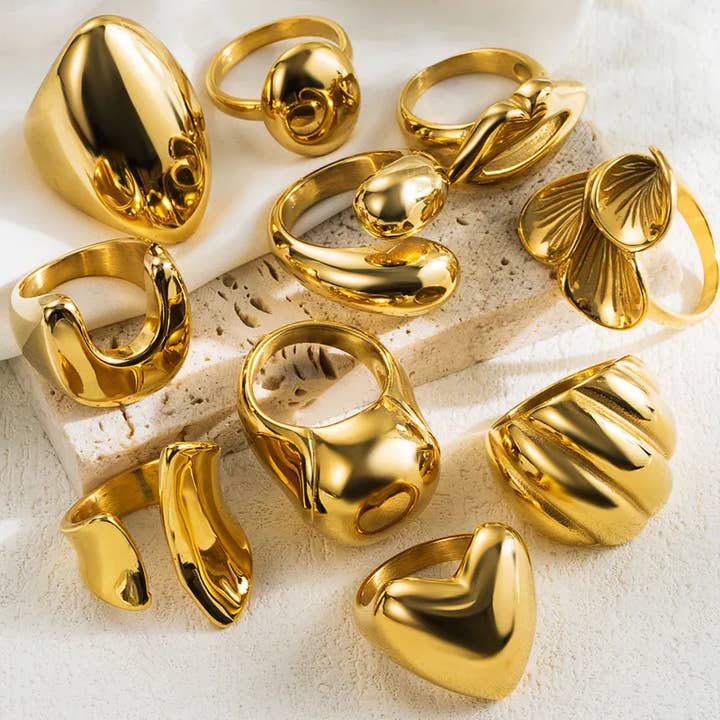
A stock image related to gold jewelry wholesale.
3 Common User Pain Points for ‘gold jewelry wholesale’ & Their Solutions
Scenario 1: Navigating Quality Assurance in Gold Jewelry Wholesale
The Problem:
One of the most significant challenges B2B buyers face when sourcing gold jewelry wholesale is ensuring the quality of the products. Inconsistent quality can lead to a tarnished reputation, especially for businesses that prioritize customer satisfaction. Buyers may receive items that do not meet the promised specifications in terms of gold purity, design, or durability. This not only affects immediate sales but can also result in long-term client dissatisfaction and loss of trust.
The Solution:
To overcome quality assurance issues, buyers should implement a rigorous vetting process for suppliers. Start by requesting detailed product specifications, including the karat of gold, weight, and hallmarking information, to ensure authenticity. Establish a relationship with suppliers that offer transparency about their sourcing practices and production processes. It is also advisable to request samples before placing larger orders. Conducting quality checks through third-party inspections can provide additional assurance. Leveraging platforms that specialize in verified suppliers can help mitigate risks associated with quality inconsistencies, allowing businesses to focus on building strong customer relationships.
Scenario 2: Managing Inventory and Supply Chain Issues
The Problem:
B2B buyers often struggle with inventory management and supply chain disruptions, particularly in the gold jewelry market, where demand can fluctuate dramatically. Sudden spikes in demand can lead to stock shortages, while overordering can tie up capital in unsold inventory. Additionally, international shipping delays or customs issues can further complicate the procurement process, leading to missed sales opportunities and dissatisfied customers.
The Solution:
To effectively manage inventory and navigate supply chain challenges, buyers should adopt a just-in-time (JIT) inventory system. This approach minimizes excess stock while ensuring that popular items are readily available. Collaborating closely with suppliers to forecast demand trends can help align inventory levels with market needs. Establishing multiple sourcing channels can also provide a buffer against supply chain disruptions. Utilizing inventory management software can streamline tracking and provide real-time data on stock levels, helping businesses make informed decisions about ordering and sales strategies.
Scenario 3: Understanding Pricing Structures and Hidden Costs
The Problem:
Another common pain point for B2B buyers in the gold jewelry wholesale market is navigating complex pricing structures. Wholesale prices can vary significantly based on factors like gold market fluctuations, supplier pricing strategies, and additional fees that may not be immediately apparent. Hidden costs such as shipping, customs duties, and taxes can inflate the total cost, impacting profitability and pricing strategies.
The Solution:
To tackle the complexities of pricing, buyers should seek to establish clear communication with their suppliers regarding all potential costs associated with orders. Requesting a comprehensive breakdown of pricing, including any possible additional fees, can help buyers budget accurately. Regularly monitoring gold market trends can also provide insights into when to purchase to secure the best prices. Engaging in negotiations with suppliers for bulk pricing discounts or long-term contracts can lead to more favorable terms. Additionally, utilizing financial tools or consulting with a financial advisor can help in assessing the total cost of ownership for different suppliers, ensuring that buyers make informed purchasing decisions that align with their financial goals.
Strategic Material Selection Guide for gold jewelry wholesale
What Are the Key Materials Used in Gold Jewelry Wholesale?
When selecting materials for gold jewelry wholesale, understanding the properties, advantages, and limitations of each material is crucial for B2B buyers. This guide focuses on four common materials: 14K Gold, 18K Gold, Gold-Plated, and Sterling Silver. Each material has unique characteristics that influence product performance, cost, and suitability for various markets.
What Are the Key Properties of 14K Gold in Jewelry?
14K gold is composed of 58.3% gold and 41.7% other metals, such as copper and silver. This alloy is known for its durability and resistance to tarnishing, making it suitable for everyday wear. It can withstand moderate pressures and temperatures, ensuring longevity in jewelry applications.
Pros: 14K gold is more affordable than higher karat options, providing a balance between quality and cost. Its strength makes it less prone to scratching and bending, making it ideal for intricate designs.
Cons: The lower gold content means it may not have the same luster as higher karat gold. Additionally, some individuals may experience allergic reactions to the alloy metals.
Impact on Application: 14K gold is compatible with various skin types, making it a popular choice for mass-market jewelry. However, B2B buyers should consider local preferences for gold purity, especially in regions where higher karat gold is favored.
Why Choose 18K Gold for Wholesale Jewelry?
18K gold consists of 75% gold and 25% alloy metals, offering a richer color and greater value than 14K. Its higher gold content enhances its resistance to corrosion and tarnishing, making it suitable for fine jewelry.
Pros: The luxurious appearance and hypoallergenic properties of 18K gold make it appealing to consumers seeking premium products. It also retains its value better than lower karat options.
Cons: The increased gold content results in a higher cost, which may not align with budget-conscious buyers. Additionally, it is softer than 14K gold, making it more susceptible to scratches.
Impact on Application: 18K gold is often preferred for high-end markets, particularly in Europe and the Middle East, where consumers prioritize quality. Compliance with local regulations regarding precious metals is essential for international buyers.
What Advantages Does Gold-Plated Jewelry Offer?
Gold-plated jewelry involves a base metal coated with a thin layer of gold, typically 10K or 14K. This option provides an affordable alternative to solid gold jewelry.
Pros: Gold-plated items are significantly less expensive, allowing for greater variety in product offerings. They can mimic the appearance of solid gold, attracting a broader customer base.
Cons: The plating can wear off over time, resulting in a less durable product. Additionally, gold-plated jewelry may not be suitable for individuals with sensitive skin due to the base metal underneath.
Impact on Application: Gold-plated jewelry is popular in markets where affordability is key, such as South America and parts of Africa. Buyers should ensure that the plating thickness meets international standards to avoid quality issues.
How Does Sterling Silver Compare in Gold Jewelry Wholesale?
Sterling silver is an alloy consisting of 92.5% silver and 7.5% other metals, usually copper. While not gold, it is often used in conjunction with gold in jewelry designs.
Pros: Sterling silver is durable and has a bright, shiny appearance. It is also less expensive than gold, making it a cost-effective option for various jewelry pieces.
Cons: Silver tarnishes over time, requiring regular maintenance. Additionally, it may not appeal to customers specifically seeking gold jewelry.
Impact on Application: Sterling silver is widely accepted in international markets and can be an excellent complementary material in gold jewelry collections. Buyers should be aware of local preferences and regulations regarding silver content.
Summary Table of Materials for Gold Jewelry Wholesale
| Material | Typical Use Case for gold jewelry wholesale | Key Advantage | Key Disadvantage/Limitation | Relative Cost (Low/Med/High) |
|---|---|---|---|---|
| 14K Gold | Everyday jewelry, mass-market items | Durable and affordable | Lower luster than higher karat gold | Medium |
| 18K Gold | High-end jewelry, luxury items | Rich color and hypoallergenic | Higher cost and softer than 14K gold | High |
| Gold-Plated | Fashion jewelry, trendy items | Affordable and diverse product offerings | Wears off over time | Low |
| Sterling Silver | Complementary pieces, budget-friendly items | Bright appearance and cost-effective | Tarnishes and may not appeal to gold-seekers | Medium |
This analysis provides B2B buyers with actionable insights into material selection for gold jewelry wholesale, ensuring informed purchasing decisions that align with market demands and regional preferences.
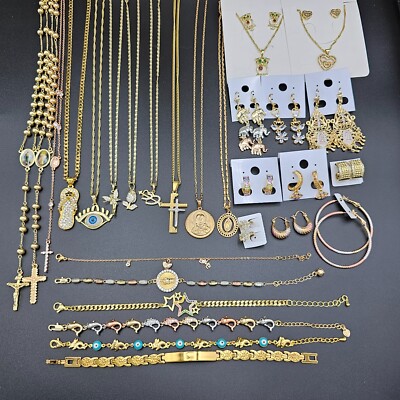
A stock image related to gold jewelry wholesale.
In-depth Look: Manufacturing Processes and Quality Assurance for gold jewelry wholesale
What Are the Key Stages in the Manufacturing Process of Gold Jewelry for Wholesale?
The manufacturing of gold jewelry is a meticulous process that combines artistry with advanced technology. Understanding the main stages involved can help B2B buyers from regions like Africa, South America, the Middle East, and Europe make informed decisions when sourcing gold jewelry.
Material Preparation: Sourcing and Quality Assessment
The first stage in the manufacturing process is material preparation, which begins with sourcing high-quality gold. Suppliers typically use 14K or 18K gold due to their balance of quality and affordability. During this phase, raw materials undergo rigorous quality assessments to ensure they meet international standards. Buyers should inquire about the supplier’s sourcing practices and request certifications that confirm the purity and origin of the gold.
Forming: Techniques for Creating Jewelry Components
Once the materials are prepared, the next step is forming. This involves various techniques to create jewelry components, including:
- Casting: Molten gold is poured into molds to create specific shapes. This method is widely used for producing intricate designs.
- Stamping: Sheets of gold are stamped into desired shapes and sizes, which is efficient for bulk production.
- Die-Cutting: Similar to stamping but involves more complex designs. Dies are used to cut out shapes from gold sheets.
Buyers should look for suppliers who utilize modern forming techniques that enhance precision and reduce waste.
Assembly: Crafting the Final Piece
After forming, the individual components are assembled. This stage may involve soldering, welding, or the use of clasps and connectors. The assembly process must be handled carefully to ensure the durability and aesthetic appeal of the final product. B2B buyers should assess the supplier’s assembly techniques and inquire about the experience and skill level of the craftsmen involved.
Finishing: Ensuring Aesthetic and Quality Standards
The finishing stage is crucial for enhancing the visual appeal of gold jewelry. Techniques include polishing, plating, and applying protective coatings. Quality finishes not only improve appearance but also increase resistance to tarnishing and wear. Buyers should ask suppliers about their finishing processes and the materials used to ensure the longevity of the jewelry.
How Is Quality Assurance Integrated Throughout the Manufacturing Process?
Quality assurance (QA) is a critical aspect of gold jewelry manufacturing, ensuring that the final products meet both aesthetic and functional standards. Understanding how QA is integrated can help B2B buyers assess supplier reliability.
What International Standards Should Buyers Be Aware Of?
Many suppliers adhere to international quality management standards, such as ISO 9001, which focuses on consistent quality and customer satisfaction. Additionally, certifications like CE and API may be relevant, depending on the specific markets and regulations in various regions. Buyers should request documentation that demonstrates compliance with these standards.
What Are the Key Quality Control Checkpoints?
Quality control (QC) is typically segmented into several checkpoints throughout the manufacturing process:
-
Incoming Quality Control (IQC): This stage involves inspecting raw materials upon arrival. Suppliers should have strict criteria for assessing the quality of gold and other materials.
-
In-Process Quality Control (IPQC): During manufacturing, inspections are conducted at various stages to identify and rectify any defects early. This is essential for maintaining quality throughout the production process.
-
Final Quality Control (FQC): Before shipping, finished products undergo a thorough inspection to ensure they meet predefined specifications.
B2B buyers should inquire about the frequency and methods of these inspections to gauge the supplier’s commitment to quality.
What Testing Methods Are Commonly Used for Gold Jewelry?
Various testing methods can be employed to ensure the integrity of gold jewelry. Common techniques include:
- X-Ray Fluorescence (XRF): This non-destructive method determines the composition of gold jewelry, verifying purity and alloy content.
- Acid Testing: A chemical method that can confirm the karat of the gold, though it is more invasive.
- Visual Inspection: Trained quality control personnel examine products for defects, ensuring they meet aesthetic standards.
Buyers should ask suppliers for documentation of testing methods and results to verify quality.
How Can B2B Buyers Verify Supplier Quality Control?
For B2B buyers, verifying a supplier’s quality control measures is essential to ensure that the products meet expectations. Here are several strategies to consider:
-
Supplier Audits: Conducting audits can help buyers assess the supplier’s processes, facilities, and adherence to quality standards. This is particularly crucial for international suppliers in regions such as Africa or South America, where standards may vary.
-
Requesting Quality Reports: Suppliers should be able to provide detailed quality assurance reports that outline their QC processes, testing methods, and results.
-
Third-Party Inspections: Engaging third-party inspection services can offer an unbiased assessment of the supplier’s quality control measures. This can be particularly beneficial for buyers in Europe or the Middle East, where regulatory compliance is critical.
What Are the Quality Control Nuances for International B2B Buyers?
International buyers must navigate various nuances when it comes to quality control. Different regions may have unique regulations and standards that affect gold jewelry manufacturing. For example, compliance with the European Union’s REACH regulations may be necessary for suppliers exporting to Europe. B2B buyers should familiarize themselves with local regulations and ensure their suppliers are compliant.
Additionally, understanding the cultural and business practices in regions like Nigeria or Vietnam can aid in establishing effective communication with suppliers. Clear expectations regarding quality standards and inspection processes can lead to a more fruitful partnership.
In summary, a thorough understanding of the manufacturing processes and quality assurance measures in gold jewelry wholesale can empower B2B buyers to make informed decisions. By focusing on supplier credibility, testing methods, and international standards, buyers can ensure they receive high-quality products that meet their business needs.
Practical Sourcing Guide: A Step-by-Step Checklist for ‘gold jewelry wholesale’
The procurement of gold jewelry wholesale is a strategic endeavor that requires careful planning and execution. This checklist serves as a practical guide for international B2B buyers, particularly those from Africa, South America, the Middle East, and Europe, to streamline their sourcing process and ensure they partner with reliable suppliers.
Step 1: Define Your Product Requirements
Before you begin sourcing, clearly outline what types of gold jewelry you need, including styles, karats, and any specific design elements. This step is crucial as it helps in narrowing down potential suppliers who specialize in your desired product range. Consider factors such as:
– Target Market Preferences: Understand the tastes and preferences of your customer base.
– Regulatory Compliance: Ensure that the jewelry meets local regulations regarding gold content and purity.
Step 2: Research Potential Suppliers
Conduct thorough research to identify suppliers that fit your product requirements. Utilize online directories, trade shows, and industry-specific forums. This is important because a well-researched supplier can offer competitive prices and quality assurance. Look for:
– Supplier Reviews: Check testimonials and reviews from other B2B buyers.
– Supplier Longevity: Consider how long the supplier has been in business as a metric of reliability.
Step 3: Verify Supplier Certifications
It’s essential to verify that your potential suppliers hold the necessary certifications and licenses. This step safeguards your business against counterfeit products and ensures compliance with international standards. Key certifications to look for include:
– Hallmarking: Indicates the purity of gold.
– ISO Certifications: Demonstrates adherence to quality management standards.
Step 4: Request Samples
Once you have narrowed down your list of suppliers, request samples of the gold jewelry. This is a critical step as it allows you to assess the quality, craftsmanship, and overall appeal of the products. When evaluating samples, consider:
– Material Quality: Check for authenticity and durability.
– Design Consistency: Ensure that the samples reflect the designs you wish to order.
Step 5: Negotiate Terms and Pricing
Engage in negotiations with your selected suppliers to finalize pricing, payment terms, and delivery schedules. This step is vital for establishing a mutually beneficial relationship and can significantly impact your overall profit margins. Focus on:
– Bulk Discounts: Inquire about price breaks for larger orders.
– Payment Options: Discuss flexible payment plans that suit your cash flow.
Step 6: Establish Clear Communication Channels
Effective communication is essential throughout the sourcing process. Ensure that you have established clear channels for discussing orders, specifications, and any potential issues. Good communication helps to:
– Prevent Misunderstandings: Clarify expectations regarding product specifications and delivery timelines.
– Foster Strong Relationships: Build rapport with suppliers, leading to better service and reliability.
Step 7: Conduct a Final Review and Place Your Order
Before placing your order, conduct a final review of all agreements and ensure that all terms are documented. This is the last chance to confirm that everything meets your expectations and requirements. Consider:
– Reviewing Contracts: Ensure all terms are clear and legally binding.
– Finalizing Logistics: Confirm shipping methods and timelines to avoid delays.
By following this checklist, B2B buyers can navigate the complexities of sourcing gold jewelry wholesale with confidence, ensuring they make informed decisions that contribute to their business success.
Comprehensive Cost and Pricing Analysis for gold jewelry wholesale Sourcing
What Are the Key Cost Components in Gold Jewelry Wholesale Sourcing?
When sourcing gold jewelry wholesale, understanding the cost structure is vital for making informed purchasing decisions. The primary cost components include:
-
Materials: Gold prices fluctuate based on market conditions, impacting the base cost of jewelry. The purity of gold (e.g., 14K, 18K) also affects pricing, with higher karats commanding premium prices. Additionally, any embellishments, such as gemstones or unique finishes, will increase material costs.
-
Labor: Skilled artisans are required to design and manufacture high-quality jewelry. Labor costs can vary significantly based on the region; for example, labor in Southeast Asia may be lower than in Europe, affecting overall pricing.
-
Manufacturing Overhead: This encompasses all indirect costs associated with production, including utilities, rent, and equipment maintenance. Efficient manufacturing processes can help minimize these costs, which can be a negotiating point for buyers.
-
Tooling: Initial setup costs for molds and tools can be significant, particularly for custom designs. These costs are often amortized over large production runs, making it essential to consider minimum order quantities (MOQs).
-
Quality Control (QC): Implementing rigorous QC processes ensures that products meet quality standards. While this may add to upfront costs, it can save money in the long run by reducing returns and maintaining brand reputation.
-
Logistics: Shipping costs can be substantial, especially for international orders. Factors such as distance, shipping methods, and customs duties can all influence overall logistics expenses.
-
Margin: Suppliers typically add a markup to cover their costs and generate profit. Understanding the typical margins in your target market can help you assess whether a supplier’s pricing is reasonable.
How Do Price Influencers Affect Gold Jewelry Wholesale Pricing?
Several factors influence wholesale pricing in the gold jewelry sector, including:
-
Volume/MOQ: Many suppliers offer tiered pricing based on order volume. Larger orders often lead to significant discounts, making it beneficial for buyers to consolidate purchases.
-
Specifications and Customization: Customized designs or specific specifications can lead to higher prices due to the additional labor and tooling involved. Be clear about your requirements to avoid unexpected costs.
-
Materials and Quality Certifications: Higher quality materials and certifications (e.g., ethical sourcing, hallmarking) can command higher prices. Ensure you understand the importance of these certifications in your target market.
-
Supplier Factors: The reputation and reliability of suppliers can influence pricing. Established suppliers with a proven track record may charge more due to their quality assurance practices and customer service.
-
Incoterms: The terms of delivery agreed upon can affect pricing. Understanding Incoterms (e.g., FOB, CIF) is essential for calculating the total landed cost of goods.
What Are the Best Negotiation Tips for International B2B Buyers?
To maximize value when sourcing gold jewelry, consider the following tips:
-
Leverage Volume Discounts: When possible, combine orders to meet MOQ requirements, unlocking better pricing from suppliers.
-
Conduct Market Research: Familiarize yourself with current market prices for gold and comparable jewelry items. This knowledge will empower you during negotiations.
-
Evaluate Total Cost of Ownership (TCO): Beyond the purchase price, consider other factors such as shipping, customs duties, and potential returns. A lower upfront price may not always equate to a better deal.
-
Build Relationships: Establishing a rapport with suppliers can lead to better terms and more favorable pricing. Long-term partnerships often yield better deals than one-off transactions.
-
Understand Pricing Nuances for Different Regions: Be aware of regional pricing trends and consumer preferences. For example, certain styles may be more popular in Africa than in Europe, impacting demand and pricing.
Disclaimer on Indicative Prices
Prices for gold jewelry wholesale can vary widely based on market conditions, supplier practices, and order specifics. The indicative prices provided by suppliers should be viewed as starting points for negotiations rather than fixed costs. Always seek written quotes to ensure clarity and avoid misunderstandings.
Alternatives Analysis: Comparing gold jewelry wholesale With Other Solutions
Exploring Alternatives to Gold Jewelry Wholesale for B2B Buyers
In the competitive landscape of jewelry supply, B2B buyers often seek alternatives to gold jewelry wholesale to meet diverse market demands. Understanding these options can empower buyers to make informed decisions, balancing factors such as performance, cost, and ease of implementation. Below, we analyze gold jewelry wholesale against two viable alternatives: silver jewelry wholesale and fashion jewelry (costume jewelry).
Comparison Table
| Comparison Aspect | Gold Jewelry Wholesale | Silver Jewelry Wholesale | Fashion Jewelry (Costume Jewelry) |
|---|---|---|---|
| Performance | High durability and longevity; retains value well | Good durability; may tarnish over time | Variable quality; often less durable |
| Cost | Higher cost due to material value (14K, 18K) | Generally lower than gold; more accessible | Lowest cost; affordable for mass production |
| Ease of Implementation | Requires established supplier relationships; inventory management needed | Easier to source; many suppliers available | Simple sourcing; available in bulk |
| Maintenance | Minimal maintenance; resistant to wear | Requires regular cleaning to prevent tarnishing | Little maintenance; but may not last long |
| Best Use Case | High-end markets; luxury retailers | Mid-range markets; everyday wear | Trend-focused markets; budget-conscious consumers |
Detailed Breakdown of Alternatives
Silver Jewelry Wholesale
Silver jewelry offers a cost-effective alternative to gold jewelry wholesale. It is widely available and has a broad appeal across various demographics. The primary advantage of silver is its affordability, making it a favorable choice for businesses targeting mid-range markets. However, silver can tarnish and may require regular maintenance to keep its luster. While it provides good durability, it lacks the intrinsic value of gold, which can be a disadvantage for high-end retailers looking to project a luxury image.
Fashion Jewelry (Costume Jewelry)
Fashion jewelry represents the most affordable option among the alternatives, appealing to budget-conscious consumers and trend-focused markets. This category often includes items made from base metals or synthetic materials, allowing for a vast range of styles and designs. The main advantage is the low cost, enabling retailers to offer trendy pieces without significant investment. However, the quality and durability can vary widely, with many items being less resilient than their gold or silver counterparts. For businesses aiming for high-end or long-lasting products, fashion jewelry may not meet expectations.
Conclusion: How Should B2B Buyers Choose the Right Solution?
When selecting the right jewelry wholesale solution, B2B buyers must consider their target market, budget, and the type of branding they wish to establish. Gold jewelry wholesale is ideal for luxury markets where quality and durability are paramount, while silver jewelry serves well in mid-range segments. For businesses focusing on trends and affordability, fashion jewelry can be a strategic choice. Ultimately, the decision should align with the business’s overall strategy, ensuring that the chosen solution meets customer expectations while maintaining profitability.
Essential Technical Properties and Trade Terminology for gold jewelry wholesale
What Are the Key Technical Properties of Gold Jewelry Wholesale?
When engaging in gold jewelry wholesale, understanding the technical specifications is crucial for making informed purchasing decisions. Here are some essential properties to consider:
1. Material Grade and Karat
Gold jewelry is commonly categorized by its karat (K) value, which indicates the purity of gold in the alloy. For instance, 14K gold contains 58.3% pure gold, while 18K gold has 75% pure gold. The higher the karat, the more valuable the piece. This specification is vital for B2B buyers as it directly impacts pricing, marketability, and consumer perception.
2. Weight and Tolerance
The weight of gold jewelry is typically measured in grams. Buyers should be aware of the tolerance levels that suppliers maintain, which refer to the acceptable range of weight variation in a finished product. For example, a tolerance of ±0.5 grams means that a piece weighing 10 grams could actually weigh anywhere from 9.5 to 10.5 grams. Understanding weight and tolerance is important for inventory management and cost calculations.
3. Finish and Plating
The finish of gold jewelry, such as matte, polished, or brushed, affects its aesthetic appeal and market value. Additionally, gold-plated items (where a thin layer of gold is applied to another metal) can be less expensive but may not offer the same durability as solid gold. B2B buyers must evaluate these factors based on their target market and desired product quality.
4. Craftsmanship and Design
The level of craftsmanship refers to the skill and techniques used in creating the jewelry. This includes aspects like soldering, setting stones, and engraving. A well-crafted piece can command a higher price and enhance brand reputation. Buyers should consider the craftsmanship level when assessing supplier offerings and potential resale value.
5. Gemstone Quality
If gold jewelry includes gemstones, the quality and grading of these stones are also crucial. Factors such as cut, clarity, color, and carat weight (the “Four Cs”) determine a gemstone’s value. For B2B buyers, understanding these specifications can influence the overall appeal and pricing strategy of the jewelry collection.
What Are Common Trade Terms Used in Gold Jewelry Wholesale?
Familiarity with industry jargon can streamline communication and negotiations in the wholesale market. Here are some commonly used terms:
1. OEM (Original Equipment Manufacturer)
This term refers to companies that produce products based on specifications provided by another company. In gold jewelry, an OEM might manufacture pieces according to a retailer’s design, allowing for custom branding. Understanding OEM relationships can help buyers leverage unique product offerings.
2. MOQ (Minimum Order Quantity)
MOQ specifies the smallest quantity of products that a supplier is willing to sell. This is critical for buyers to understand as it impacts cash flow and inventory management. Negotiating MOQs can lead to better purchasing terms and cost savings.
3. RFQ (Request for Quotation)
An RFQ is a document sent to suppliers asking for pricing and terms on specific products. This process is essential for B2B buyers to compare offers and ensure they receive competitive pricing while meeting their quality requirements.
4. Incoterms (International Commercial Terms)
Incoterms are a set of predefined commercial terms published by the International Chamber of Commerce (ICC) that clarify the responsibilities of buyers and sellers in international transactions. Familiarity with these terms helps B2B buyers understand shipping responsibilities, insurance, and risk management associated with their purchases.
5. Lead Time
Lead time refers to the time taken from placing an order to receiving the product. In gold jewelry wholesale, understanding lead times is crucial for inventory planning and ensuring timely delivery to customers.
Conclusion
For B2B buyers in the gold jewelry wholesale market, grasping these essential technical properties and trade terms is vital for making informed decisions. This knowledge not only aids in effective negotiations but also enhances the overall purchasing strategy, ensuring that businesses can meet customer demands while maintaining profitability.
Navigating Market Dynamics and Sourcing Trends in the gold jewelry wholesale Sector
What Are the Current Market Dynamics and Key Trends in Gold Jewelry Wholesale?
The global gold jewelry wholesale market is experiencing dynamic shifts influenced by various factors, including economic conditions, cultural preferences, and technological advancements. As emerging markets in Africa, South America, the Middle East, and Europe continue to grow, there is a notable increase in demand for gold jewelry. Particularly, countries like Nigeria and Vietnam are witnessing a surge in consumer interest for locally sourced and culturally significant designs. This trend is further supported by the rising disposable incomes and changing lifestyles, which promote luxury consumption.
B2B technology is transforming sourcing practices, with digital platforms facilitating easier access to suppliers and streamlined ordering processes. The rise of e-commerce has made it possible for international buyers to connect with manufacturers globally, enabling them to source unique designs at competitive prices. Moreover, data analytics is increasingly being used to predict market trends, allowing businesses to adapt their inventory strategies accordingly.
The market is also seeing a shift towards personalization, with consumers gravitating towards customizable and unique jewelry pieces. This trend is pushing wholesalers to offer a wider variety of designs, including charms and birthstone options, catering to diverse customer preferences. Additionally, sustainability is becoming a crucial factor, with buyers looking for suppliers who prioritize ethical sourcing and environmentally friendly practices.
How Is Sustainability and Ethical Sourcing Impacting Gold Jewelry Wholesale?
As the demand for sustainable practices grows, international buyers are becoming more conscientious about the environmental and social impacts of their sourcing decisions. The gold jewelry industry has historically faced scrutiny regarding unethical mining practices, which often lead to environmental degradation and labor exploitation. Consequently, B2B buyers are increasingly prioritizing suppliers who demonstrate a commitment to ethical sourcing and sustainability.
One of the key components of this shift is the adoption of ‘green’ certifications, which verify that gold is sourced responsibly. Certifications like Fairtrade Gold and Responsible Jewellery Council (RJC) standards provide assurance that the materials are mined under fair labor conditions and with minimal environmental impact. Buyers should actively seek suppliers who possess these certifications, as they not only ensure compliance with ethical standards but also enhance brand reputation in a market that values transparency.
Additionally, the use of recycled gold is gaining traction, providing a sustainable alternative to newly mined gold. Suppliers who offer recycled gold options allow B2B buyers to meet the growing consumer demand for environmentally friendly products without compromising on quality. This trend not only benefits the planet but can also lead to cost savings for buyers, as recycled gold often has a lower price point than newly mined gold.
What Is the Evolution of Gold Jewelry Wholesale and Its Significance for B2B Buyers?
The history of gold jewelry wholesale can be traced back thousands of years, with gold serving as a symbol of wealth and status across various cultures. Initially, gold was traded in its raw form, but as craftsmanship evolved, so did the demand for intricately designed jewelry. Over time, the wholesale market began to formalize, with suppliers and manufacturers establishing networks to distribute finished products to retailers.
In recent decades, the gold jewelry wholesale sector has undergone significant transformation, influenced by globalization and technological advancements. The rise of digital platforms has democratized access to the market, allowing smaller retailers to compete with established brands. This evolution is particularly relevant for B2B buyers, as they now have access to a broader range of products and suppliers than ever before.
Understanding this historical context is essential for buyers, as it highlights the importance of adapting to changing consumer preferences and market dynamics. Engaging with suppliers who not only offer high-quality products but also align with current trends in sustainability and technology will be crucial for success in the competitive landscape of gold jewelry wholesale.
Frequently Asked Questions (FAQs) for B2B Buyers of gold jewelry wholesale
-
How do I choose the right supplier for wholesale gold jewelry?
Selecting the right supplier involves thorough research and due diligence. Look for suppliers with a strong reputation, positive reviews, and a proven track record in the industry. Verify their certifications and compliance with international trade regulations. It’s beneficial to request samples to assess quality and craftsmanship before making bulk purchases. Additionally, ensure they offer transparent communication and support for any inquiries or concerns during the ordering process. -
What is the typical minimum order quantity (MOQ) for gold jewelry wholesale?
Minimum order quantities can vary significantly depending on the supplier and the type of jewelry. Generally, MOQs range from 50 to 100 pieces for standard items. However, for custom designs or specific collections, the MOQ may be higher. Always clarify the MOQ with potential suppliers to align your purchasing capabilities with their requirements, ensuring a mutually beneficial agreement. -
What payment terms should I expect when buying wholesale gold jewelry?
Payment terms often vary by supplier, but common practices include upfront payments, deposits, or net payment terms after delivery. Some suppliers may offer discounts for early payment or bulk purchases. It’s essential to negotiate terms that suit your cash flow while ensuring the supplier is comfortable. Always request a written agreement to avoid misunderstandings. -
How can I ensure quality assurance for wholesale gold jewelry?
Quality assurance can be achieved by working with suppliers who have established quality control processes. Request detailed information about their QA measures, including certifications and inspection protocols. Additionally, consider conducting factory visits or third-party inspections to verify product quality before shipment. Establishing a clear return and exchange policy can also safeguard your interests. -
What types of customization options are available for wholesale gold jewelry?
Many suppliers offer customization options, such as personalized engravings, custom designs, and variations in metal purity (e.g., 10K, 14K, 18K). Discuss your specific needs with suppliers to understand their capabilities and any associated costs. Customization can enhance your product offerings and help differentiate your brand in the competitive jewelry market. -
What logistics considerations should I keep in mind when importing gold jewelry?
When importing gold jewelry, consider factors such as shipping methods, delivery times, and customs regulations in your country. Choose reliable freight forwarders experienced in jewelry logistics to ensure safe and timely delivery. Familiarize yourself with import duties and taxes to accurately calculate the total cost. Additionally, ensure that the supplier provides proper documentation for customs clearance. -
How do I handle potential disputes with my gold jewelry supplier?
Establishing clear communication from the outset can help prevent disputes. In case issues arise, approach the supplier with specific concerns and seek an amicable resolution. Utilize the terms outlined in your contract as a basis for discussions. If necessary, consider mediation or arbitration as a means to resolve disputes without resorting to litigation. -
What trends should I be aware of in the wholesale gold jewelry market?
Staying informed about market trends is crucial for success. Currently, there is a growing demand for sustainable and ethically sourced jewelry, as consumers become more environmentally conscious. Additionally, personalized and custom jewelry is increasingly popular, appealing to unique consumer preferences. Keeping an eye on fashion trends and emerging markets can help you adapt your product offerings and remain competitive.
Important Disclaimer & Terms of Use
⚠️ Important Disclaimer
The information provided in this guide, including content regarding manufacturers, technical specifications, and market analysis, is for informational and educational purposes only. It does not constitute professional procurement advice, financial advice, or legal advice.
While we have made every effort to ensure the accuracy and timeliness of the information, we are not responsible for any errors, omissions, or outdated information. Market conditions, company details, and technical standards are subject to change.
B2B buyers must conduct their own independent and thorough due diligence before making any purchasing decisions. This includes contacting suppliers directly, verifying certifications, requesting samples, and seeking professional consultation. The risk of relying on any information in this guide is borne solely by the reader.
Strategic Sourcing Conclusion and Outlook for gold jewelry wholesale
How Can Strategic Sourcing Enhance Your Gold Jewelry Business?
In conclusion, strategic sourcing in the gold jewelry wholesale market is essential for maximizing profitability and ensuring a competitive edge. By establishing strong relationships with reliable suppliers, international B2B buyers can access quality products at favorable prices, enabling them to meet consumer demand effectively. The insights gained from analyzing market trends and supplier capabilities empower businesses to make informed purchasing decisions, optimizing inventory management and reducing costs.
Moreover, as global markets evolve, especially in regions like Africa, South America, the Middle East, and Europe, the ability to adapt sourcing strategies will be crucial. Buyers should focus on diversifying their supplier base and exploring emerging markets, which can provide unique products and additional cost advantages.
Looking ahead, the gold jewelry sector is poised for growth, driven by evolving consumer preferences and increasing demand for sustainable practices. Now is the time for international buyers to leverage strategic sourcing opportunities, positioning themselves to capitalize on market trends. Embrace innovation and build partnerships that not only enhance your product offerings but also strengthen your market presence. Engage with suppliers today to unlock the potential of your gold jewelry business.